
A Michelin Plate recipient in 2024 and 2025, Dasuke brings Japanese dining discipline to Da'an District, one of Taipei's most considered neighbourhoods for the cuisine. It occupies the mid-tier of Taipei's Japanese scene, more accessible than the city's tempura or kaiseki flagships, but held to recognisable standards of care and craft.
Pearl is the En Primeur Club membership app — saves, bookings, and concierge access live there. Same editors, same standards.
- Address
- 106, Taiwan, Taipei City, Da’an District, Siwei Rd, 375-2號1樓
- Phone
- +886 2 2700 0375
- Website
- tw.sakemaru.me
- Directions
- Get directions
 Saves & bookings on Pearl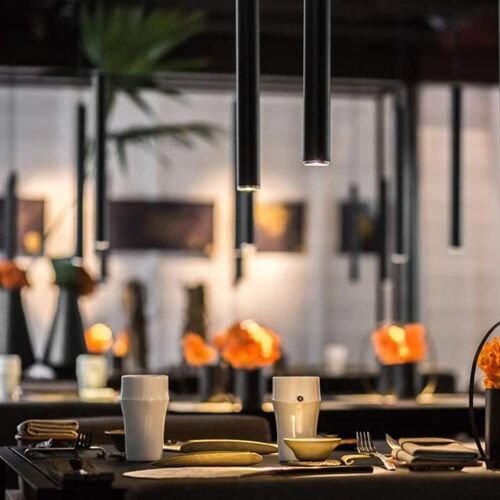
Japanese Ritual in Da'an: What Dasuke Signals About Taipei's Mid-Tier
Siwei Road in Da'an District does not announce itself. The blocks around it are residential in texture, quieter than the commercial corridors of Zhongxiao or the bar density of Xinyi, and the restaurants here tend to operate with a corresponding restraint. Walking toward Dasuke at 375-2 Siwei Road, the setting primes a particular expectation: this is not a destination for spectacle. It is a destination for the meal itself.
That framing matters in the context of Taipei's Japanese dining scene, which has expanded considerably over the past decade into something with genuine range. At the upper end sit heavily allocated omakase counters, kaiseki rooms with seasonal prix-fixe progressions, and specialist tempura houses such as Kiku that operate at the $$$$ tier with formal ceremony intact. Further down sit casual izakayas and ramen-adjacent spots with no particular claim to tradition. Dasuke sits between those poles, at the $$$ price level, holding a Michelin Plate in both 2024 and 2025, the designation the guide uses to indicate cooking worth attention without the full star apparatus. That consistency across two consecutive years signals a kitchen that has maintained standards across the full evaluation cycle.
The Logic of the Michelin Plate in Taipei's Japanese Context
Taipei's Michelin coverage of Japanese restaurants rewards specialisation. The guide's starred Japanese entries in the city tend toward single-discipline formats: tempura, sushi, kaiseki. The Plate category, by contrast, often describes restaurants doing competent, honest work across a broader Japanese idiom, places where the discipline is in the pacing and preparation rather than a single technical focus. Dasuke's two consecutive Plates suggest it belongs to that second mode: a restaurant where the ritual of the meal is expressed through consistency and care rather than through a narrowly defined format.
That ritual matters in Japanese dining more than in most other traditions. The temperature at which a dish arrives, the interval between courses, the weight and material of the serving vessel, these are not incidental. In Japanese culinary practice they are the grammar of the experience, and they are what separates a restaurant that has absorbed the tradition from one that has only approximated its surface. A Michelin Plate, whatever its modest rank relative to stars, implies the evaluators found that grammar present and correct.
For comparison within Taipei's Japanese tier, AJIMI and Ken Anhe occupy adjacent positions in the recognised Japanese category, while Yu Kapo and Shi extend the range of what Taipei's Japanese-influenced dining looks like across different formats and price points. Dasuke is most usefully read against this mid-tier peer group, not against the starred flagships.
Where Dasuke Sits in the Wider Taipei Dining Scene
Taipei's Michelin tier above Dasuke's bracket includes restaurants operating at notably different price and ceremony levels. Taïrroir and Le Palais both hold three stars, and logy holds two, all in the $$$$ bracket. Even within Japanese specialisation, Mudan Tempura operates at $$$$ with two stars. Dasuke's $$$ positioning is not a compromise, it reflects a different compact with the diner, one that prioritises accessibility without abandoning the standards that earn recognition.
The broader context for Japanese dining in Taipei is worth understanding. Taiwan has had sustained Japanese cultural influence for over a century, and that depth shows in how the city approaches the cuisine, not as an import requiring explanation, but as a fluency. Taipei diners who eat Japanese food regularly are often calibrated to details that visitors might miss: the quality of dashi, the temperature of rice, the balance between fat and acid in a sauce. That local literacy raises the bar for any Japanese restaurant operating in the city, and it is part of why even mid-tier positions in this category are genuinely competitive.
Elsewhere in Taiwan, JL Studio in Taichung and GEN in Kaohsiung extend the island's Michelin-recognised dining beyond the capital. For Japanese dining in the source cities, Myojaku and Azabu Kadowaki in Tokyo, and Isshisoden Nakamura in Kyoto, provide the tradition's reference points.
Planning a Visit
Dasuke operates from its ground-floor address at 375-2 Siwei Road in Da'an District, a neighbourhood with enough dining and transport infrastructure that getting there from central Taipei is direct by MRT or taxi. The $$$ price tier places a meal here above casual dining but below the full ceremony tax of Taipei's starred rooms, a reasonable spend for a recognised kitchen. Booking ahead is advisable; Michelin Plate status tends to compress availability even at accessible price points. Reservations are recommended. Further afield, Akame in Wutai Township, A Cun Beef Soup in Tainan, and Volando Urai Spring Spa and Resort in Wulai District represent the range of recognised dining across the island.
The Essentials
Comparable venues nearby, for context on price, style, and recognition.
| Venue | Cuisine | Price | Notes |
|---|---|---|---|
| DasukeThis venue — the venue you are viewing | Japanese | $$$ | Not listed |
| Sushi Nanami | Zhenghe, Premium Japanese Omakase | $$$ | Not listed |
| Kou Gyu Rou | Not listed | $$ | Chaoyang, Modern Japanese-Style Taiwanese Beef Noodles |
| Yuu | Not listed | $$$$ | Checeng, Modern Japanese Nikukappo with Wagyu Focus |
| Qi 27 (Sushi 27) | Quan'an, Edomae Omakase | $$$$ | Not listed |
| Wamaki | Not listed | $$$ | Zhuyuan, Japanese Kappo with Taiwanese Ingredients |
Recognition history
Dated appearances from independent guides and award organizations, with the underlying list record or original source where available.
Michelin Plate
Michelin
Michelin Plate
Michelin
Michelin Plate
Michelin
Continue exploring
More in Taipei
Restaurants in Taipei
Browse all →
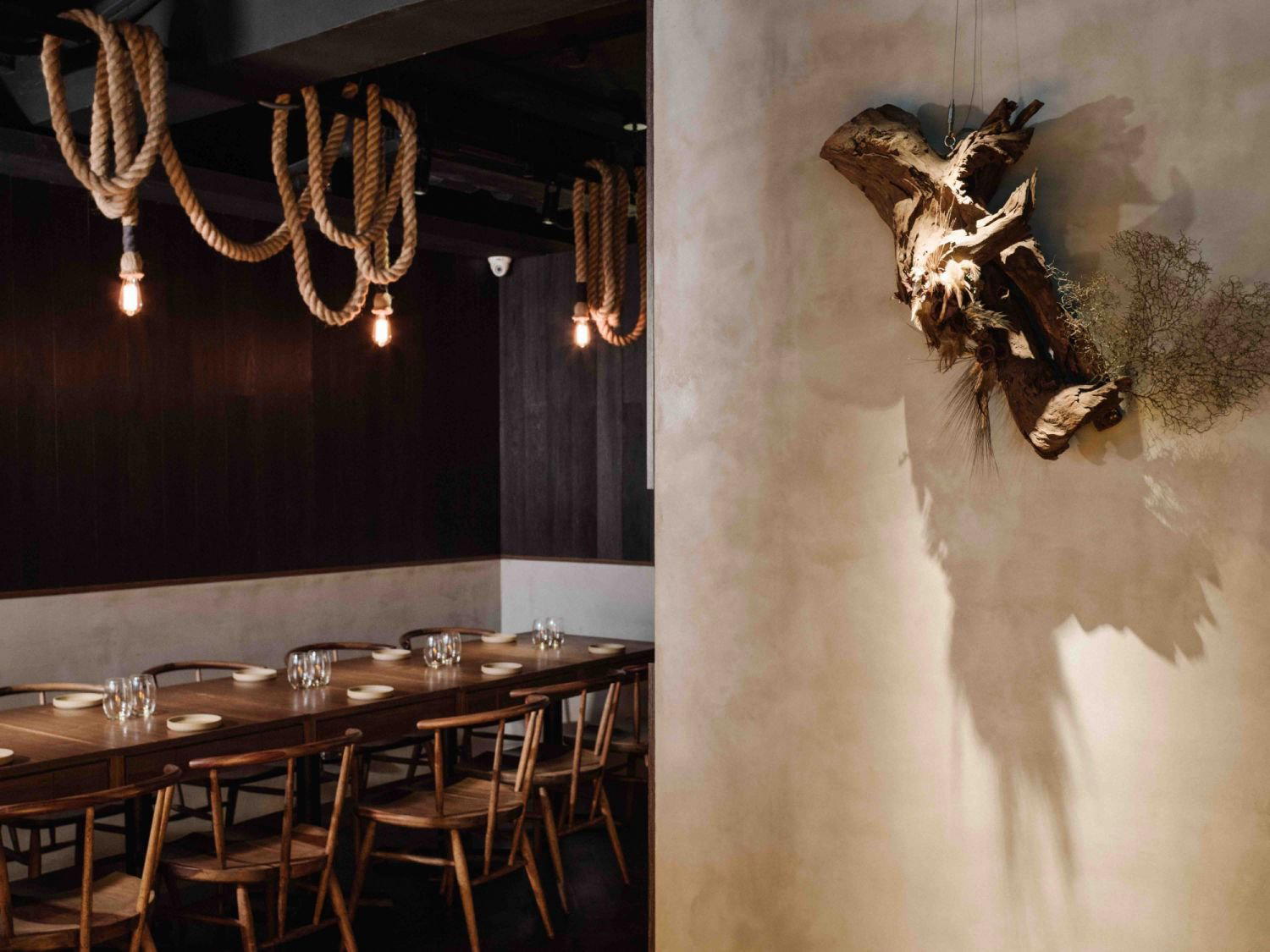
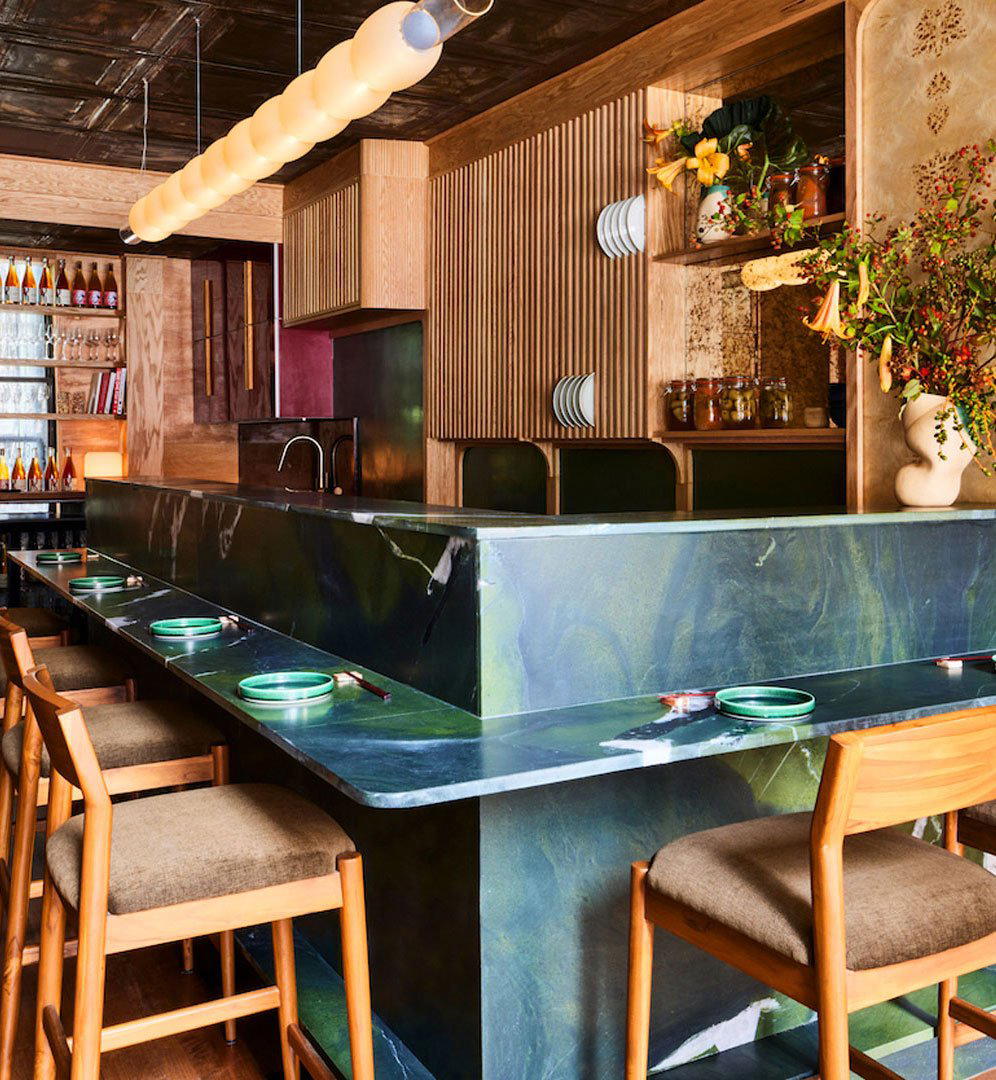
Bars in Taipei
Browse all →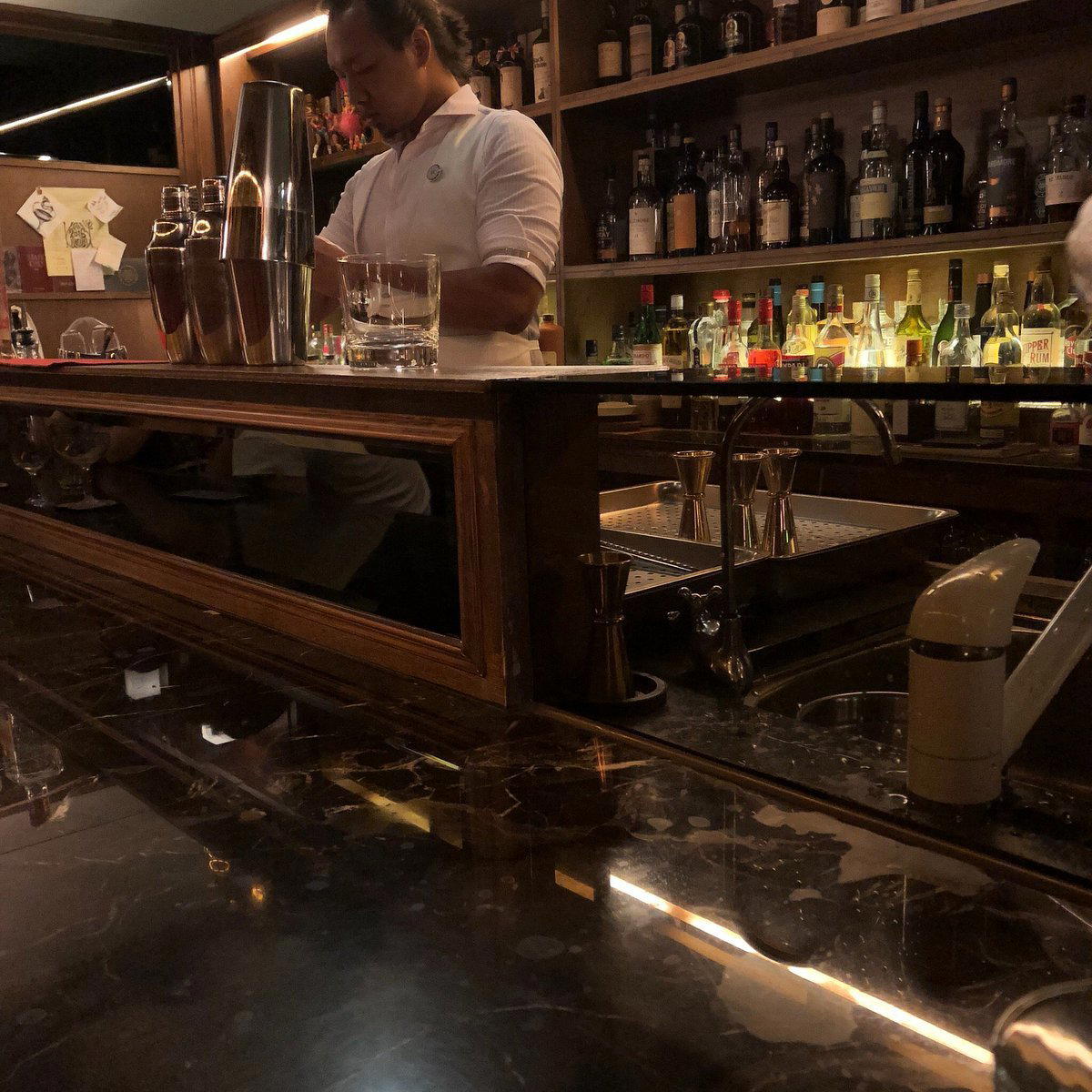
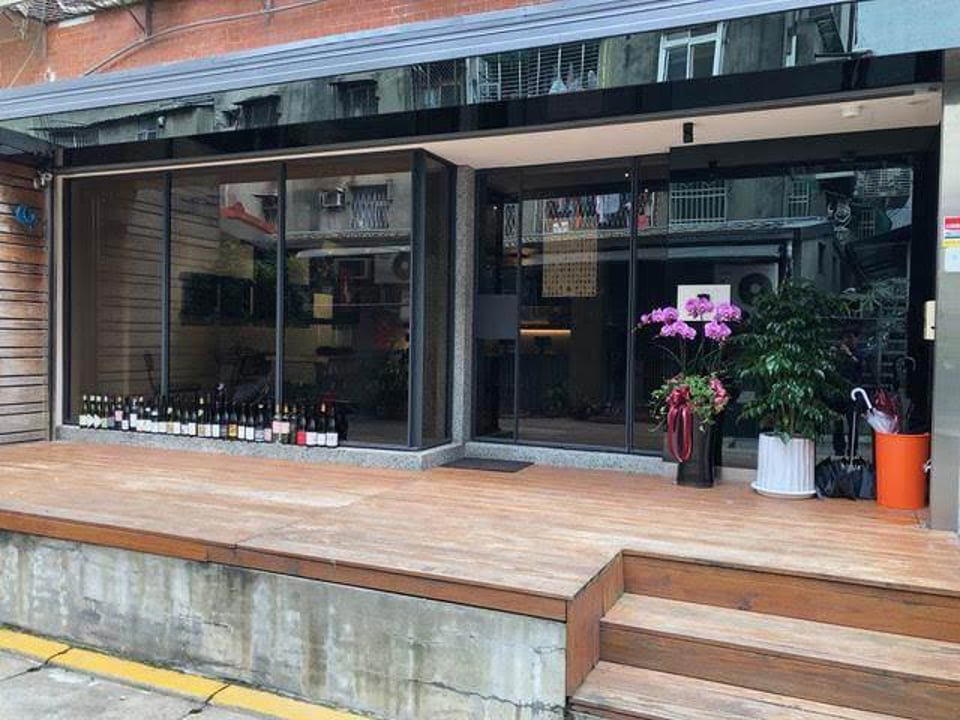
Hotels in Taipei
Browse all →
Wineries in Taipei
Browse all →
At a Glance
- Intimate
- Modern
- Elegant
- Cozy
- Date Night
- Special Occasion
- After Work
- Chefs Counter
- Open Kitchen
- Sake Program
- Local Sourcing
Current opening hours
- Monday
- Closed
- Tuesday
- 6–11 PM
- Wednesday
- 6–11 PM
- Thursday
- 6–11 PM
- Friday
- 6–11 PM
- Saturday
- 6–11 PM
- Sunday
- 6–11 PM
Hours can change for holidays and private events. Last verified .
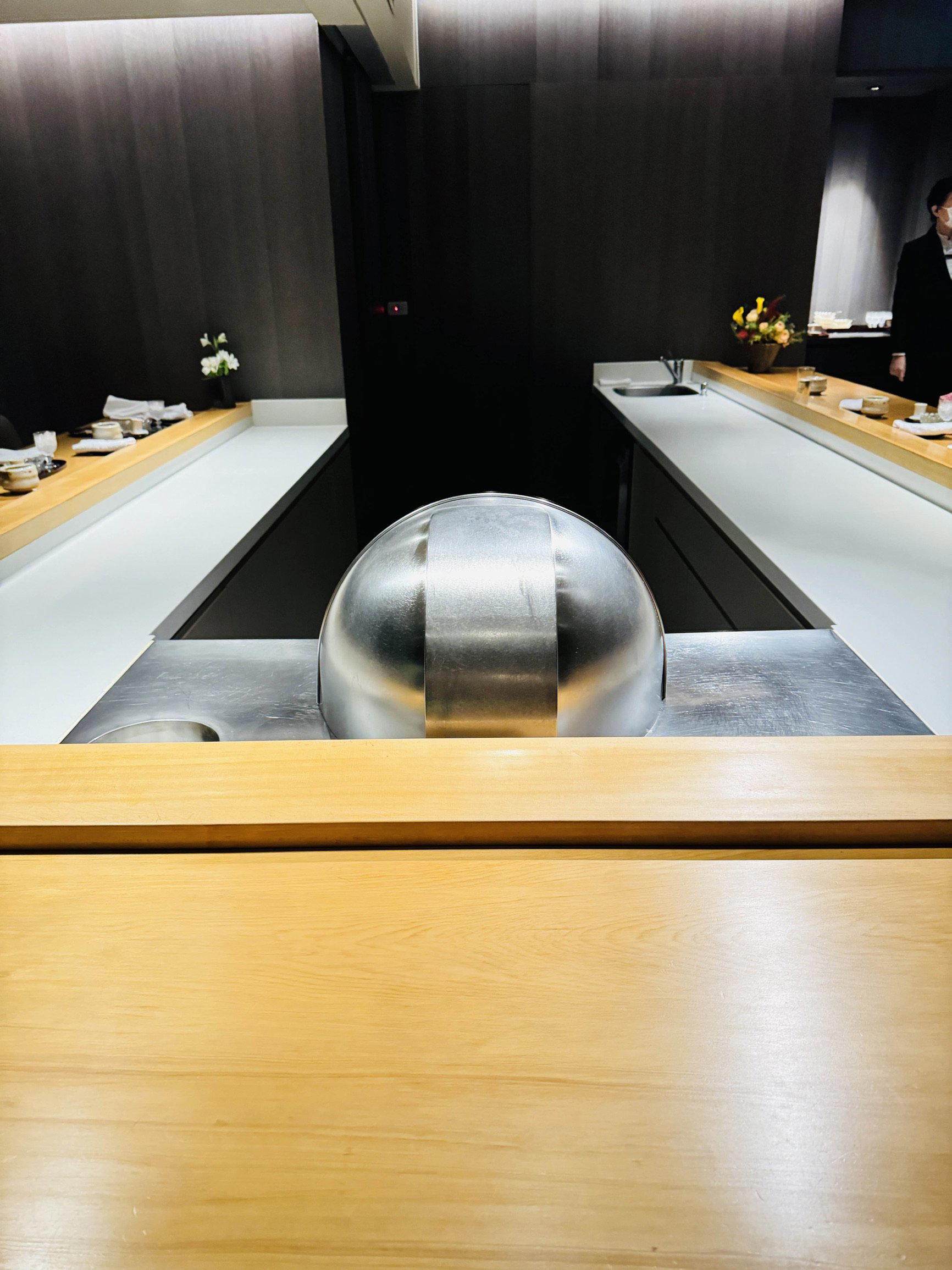
Sleek yet warm with polished wood, discreet lighting, and intimate counter seating amplifying the hushed dialogue of technique.