
A Michelin Plate-recognised omakase counter in Taipei's Zhongshan District, Sushi Kaori draws a loyal following of repeat diners who return for the precision of its sushi craft and the focused intimacy of the format. Holding, it operates within a tier of serious Japanese-trained counters that define Taipei's upper sushi scene.
Pearl is the En Primeur Club membership app — saves, bookings, and concierge access live there. Same editors, same standards.
- Address
- 104, Taiwan, Taipei City, Zhongshan District, Lane 485, Linsen N Rd, 10號1樓
- Phone
- +92 52 3522414
- Website
- instagram.com
- Directions
- Get directions
 Saves & bookings on Pearl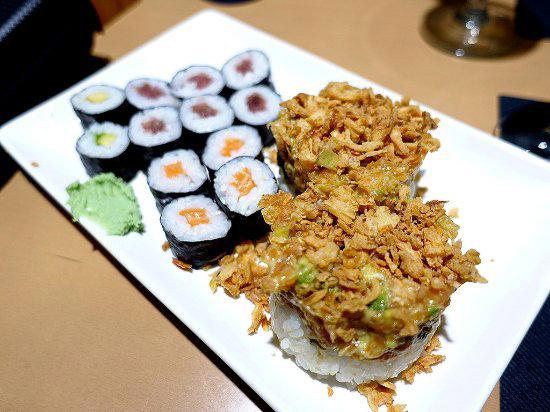
The Counter Approach: Why Taipei's Serious Sushi Drinkers Keep Coming Back
In Taipei's upper tier of Japanese dining, the omakase counter has become a distinct format with its own social logic. The fixed progression, the chef-to-guest proximity, and the absence of an à la carte fallback create a particular kind of repeat-diner culture. Regulars at these counters do not return because they have forgotten the meal; they return because familiarity sharpens the experience. What was once a sequence of surprises becomes, over multiple visits, a kind of fluency. That dynamic is central to understanding what a counter like Sushi Kaori, holding a Michelin Plate in 2025, actually provides.
The address places it in Zhongshan District, on Linsen North Road. Linsen's Japanese-dining cluster grew partly from the neighbourhood's historical ties to Japanese expatriate life in Taipei, and it remains a reference point for the city's most committed Japanese-format dining. Sushi Kaori sits within that tradition.
The Scene in Zhongshan: Taipei's Japanese-Dining Quarter
Zhongshan's Linsen North Road corridor is not the flashiest address in Taipei's dining geography, but it is among the more consistent for Japanese precision cooking. The counters here tend to operate quietly: no signage theatrics, no social-media-driven queues, no celebrity-chef positioning. What they share is an emphasis on the technical rhythm of the meal itself. This contrasts with the broader Xinyi and Da'an districts, where premium dining has increasingly leaned into visual spectacle and fusion positioning. Zhongshan's sushi counters draw diners who have largely moved past those appeals.
For context, Taipei's Michelin-recognised sushi tier now includes a range of formats from destination omakase counters to more accessible sushi bars. Sushi Akira, Qi 27 (Sushi 27), and Sasa represent different points on that spectrum. Sushi Kaori's Michelin Plate recognition places it in the recognised tier without a star designation. For the regular diner, that distinction matters: a Plate counter often delivers more reliable booking access and a less pressurised atmosphere than a starred destination, while the cuisine execution remains at a level that justifies the leading price bracket.
What Keeps Regulars Returning
The repeat-diner culture at serious omakase counters does not form around novelty. It forms around trust and calibration. A regular at a counter like Sushi Kaori has, over successive visits, developed a tacit understanding of the counter's preferences: its sourcing patterns, the temperature discipline on rice, the balance point between vinegar and salt, the weight of nigiri pieces. These are details that a first-time visitor absorbs consciously, as discrete observations. A regular absorbs them as background knowledge, which frees attention for the subtler variations within each visit, what is in season now, how the fish has changed with the shift from spring to summer sourcing, whether the pacing feels more compressed or expansive on a given evening.
This regulars' dynamic also explains the rating pattern at the restaurant. A 4.8 across 84 reviews reflects steady satisfaction rather than polarised sentiment. Counters that chase novelty or adjust aggressively to current trends tend to accumulate more volatile review distributions, high scores from excited first-timers, lower scores from regulars who felt a favourite sequence had been disrupted. The restaurant's distribution suggests a counter that holds its line.
Compared to destination counters in cities like Tokyo or Hong Kong, Taipei's leading sushi addresses operate with slightly less of the advance-booking pressure that defines counters like Harutaka in Tokyo or Sushi Shikon in Hong Kong. That said, demand can run ahead of availability, and counters that once operated with short lead times are now booking further ahead. Shoukouwa in Singapore offers a useful reference point for how a single-city upper-tier sushi counter can shift from accessible to highly competitive following guide recognition.
Sushi Kaori Within Taipei's Wider Fine Dining Picture
Taipei's $$$$-tier dining spans multiple traditions. French-influenced Taiwanese cooking at places like Kitcho, modernist European formats, and Cantonese fine dining all sit within the same price bracket. The sushi counter occupies a distinct psychological space within that comparable set. Where many of Taipei's leading tables present food as a kind of choreographed drama, elaborate plating, service theatre, dramatic ingredient reveals, the omakase sushi counter strips the format to its minimum: fish, rice, technique, sequence. The counter's value proposition is entirely dependent on the quality of those elements. There is no ambient spectacle to compensate for an average piece of tuna.
That austerity is part of the appeal for a particular type of Taipei diner: someone who has moved through the city's broader fine-dining circuit and arrived at a preference for counters where the technical work is the point. The restaurant, with its Michelin Plate signal and its 359-review track record, sits at a level where that diner finds reliable ground.
Know Before You Go
- Address: 10號1樓, Lane 485, Linsen North Road, Zhongshan District, Taipei City 104, Taiwan
- Price tier: $$$$ (top tier; confirm current omakase pricing directly with the venue)
- Recognition: Michelin Plate 2025 4 / 5 (359 reviews)
- Format: Omakase counter; arrival on time is expected
- Area: Zhongshan District, Linsen North Road corridor,
Reputation Context
Comparable venues nearby, for context on price, style, and recognition.
| Venue | Cuisine | Price | Awards | Notes |
|---|---|---|---|---|
| Sushi KaoriThis venue — the venue you are viewing | Edomae Omakase Sushi | $$$$ | Michelin Plate | Not listed |
| AJIMI | Kappo Omakase | $$$$ | Michelin Plate | De'an |
| Tajimaya Shabu Shabu | Japanese Shabu Shabu | $$$ | Michelin Plate | Songji |
| Zan | Japanese Teppanyaki | $$$$ | Michelin Plate | Fude |
| Yuu | Modern Japanese Nikukappo with Wagyu Focus | $$$$ | Michelin Plate | Checeng |
| Rong Ju | Modern Cantonese | $$$$ | Michelin Plate | Songji |
Recognition history
Dated appearances from independent guides and award organizations, with the underlying list record or original source where available.
Michelin Plate
Michelin
Michelin Plate
Michelin
Continue exploring
More in Taipei
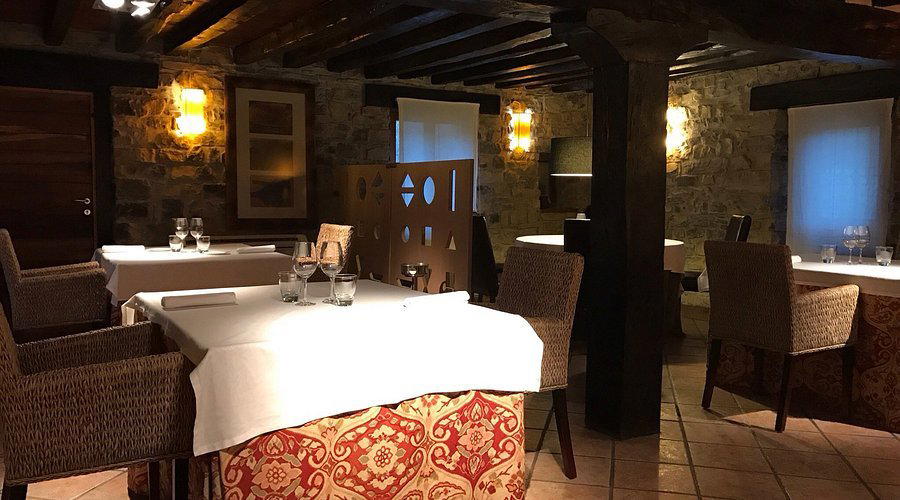
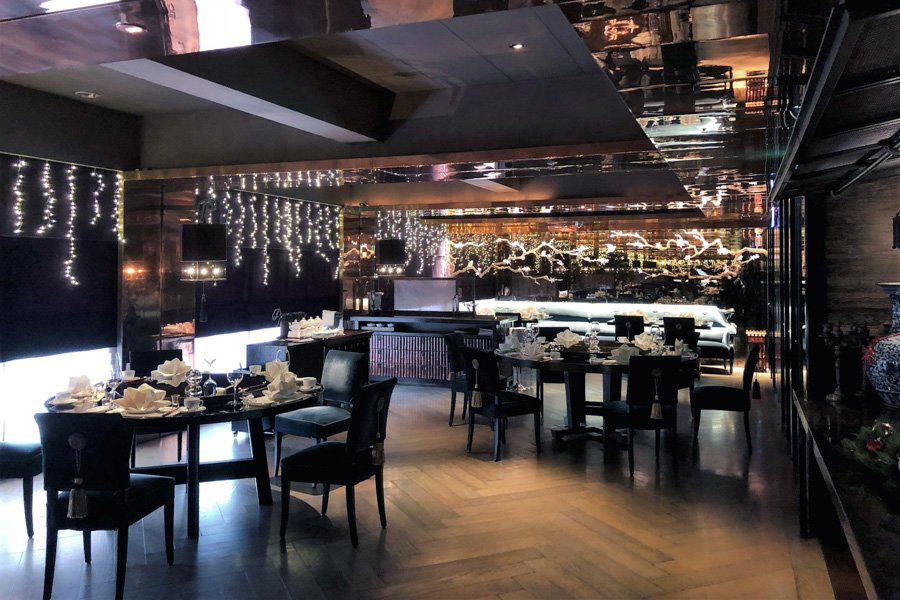
Restaurants in Taipei
Browse all →
Bars in Taipei
Browse all →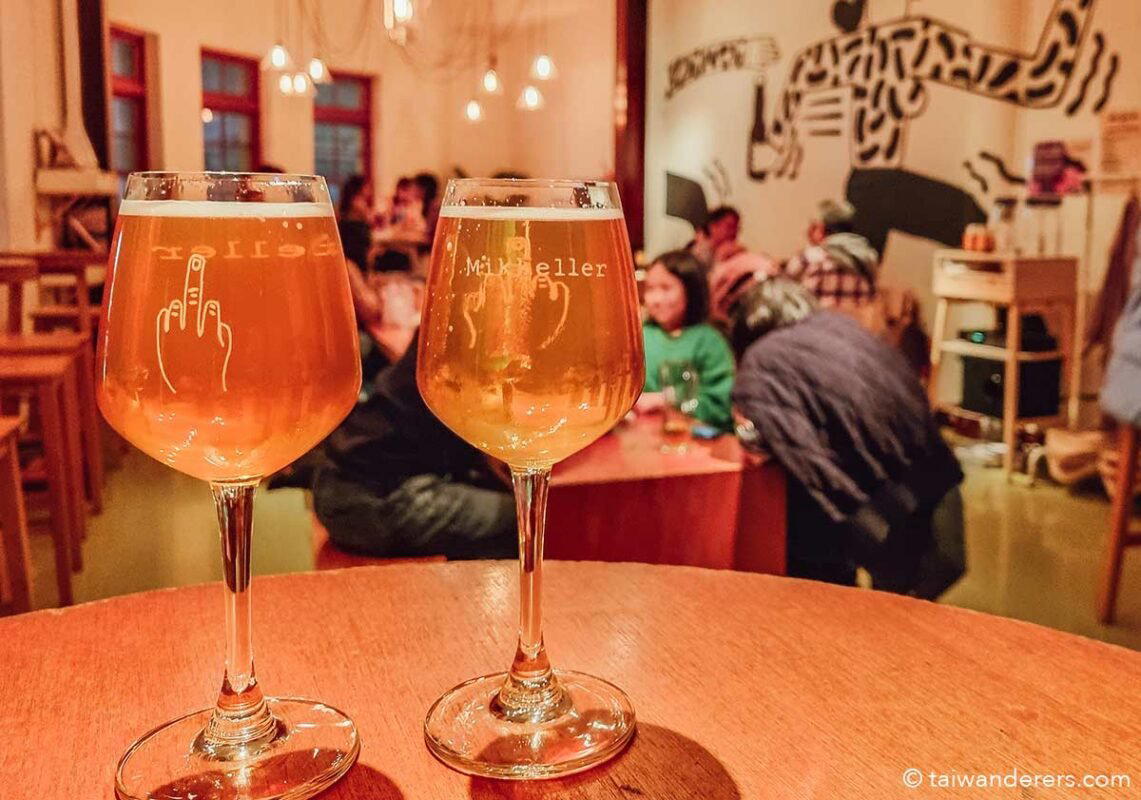
Hotels in Taipei
Browse all →
Wineries in Taipei
Browse all →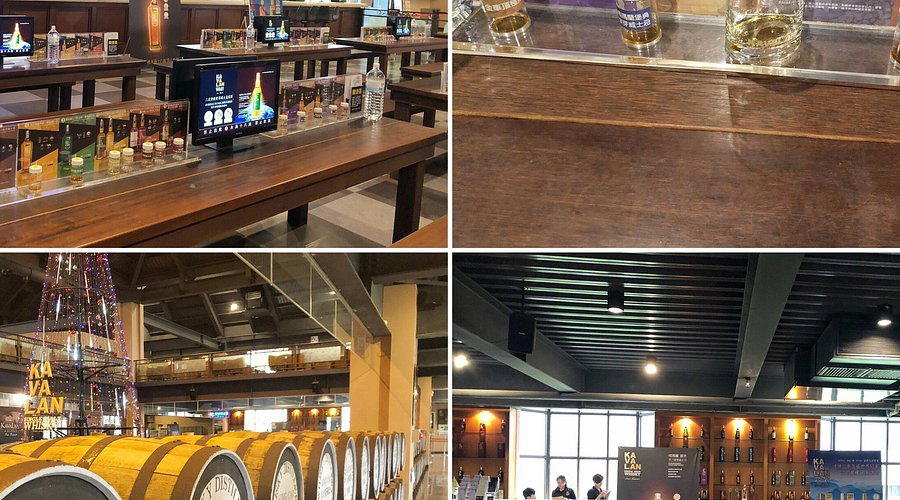
At a Glance
- Elegant
- Cozy
- Intimate
- Sophisticated
- Minimalist
- Date Night
- Special Occasion
- Chefs Counter
- Sake Program
- Sustainable Seafood
Current opening hours
- Monday
- Closed
- Tuesday
- 6–8:30 PM
- Wednesday
- 12–2:30 PM, 6–8:30 PM
- Thursday
- 12–2:30 PM, 6–8:30 PM
- Friday
- 12–2:30 PM, 6–8:30 PM
- Saturday
- 12–2:30 PM, 6–8:30 PM
- Sunday
- Closed
Hours can change for holidays and private events. Last verified .
Simple, clean, and elegant wood-rich interior with comfortable spacing at the itamae counter, creating a relaxed yet sophisticated atmosphere.