
The Best Chef One Knife
Our verdict
Among Tokyo's premium beef restaurants, Wagyumafia operates in a category of its own: a members-only counter in Toshima City where wet- and dry-aged Wagyu is prepared on a high-temperature broiler in full view of a 14-seat audience. Ranked #41 in Opinionated About Dining's Casual Japan list for 2025, it also appears on the World's 101 Best Steak Restaurants. Open Tuesday through Saturday, evenings only.

Pearl is the En Primeur Club membership app — saves, bookings, and concierge access live there. Same editors, same standards.
The menu
What to order
- Wagyu cutlet sandwich
- Ozaki beef
- Kobe chateaubriand
If you do one thing in Tokyo's beef dining scene, make it this counter
Tokyo has more premium beef restaurants per square kilometre than any other city on earth, and the range runs from accessible yakiniku chains to invitation-only omakase counters where the cow is the sole subject of the evening. In that hierarchy, Wagyumafia sits near the best of the most rarefied tier: a members-only format, a 14-seat counter, and a kitchen that treats Wagyu with the same focused seriousness that the city's sushi masters bring to tuna. For anyone navigating Tokyo's beef scene, it is the clearest point of reference for what the format can achieve at its most concentrated.
The physical container: what a 14-seat counter tells you before a dish arrives
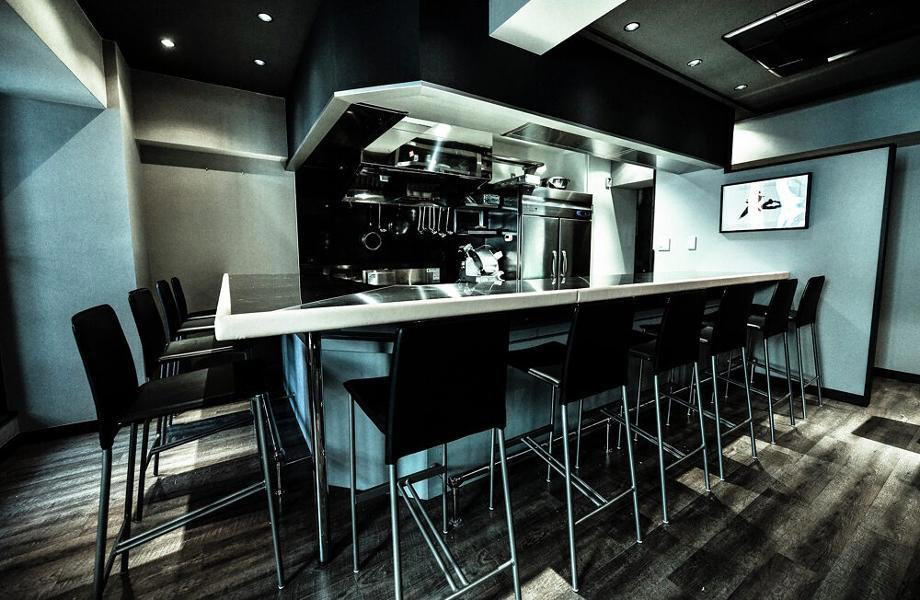
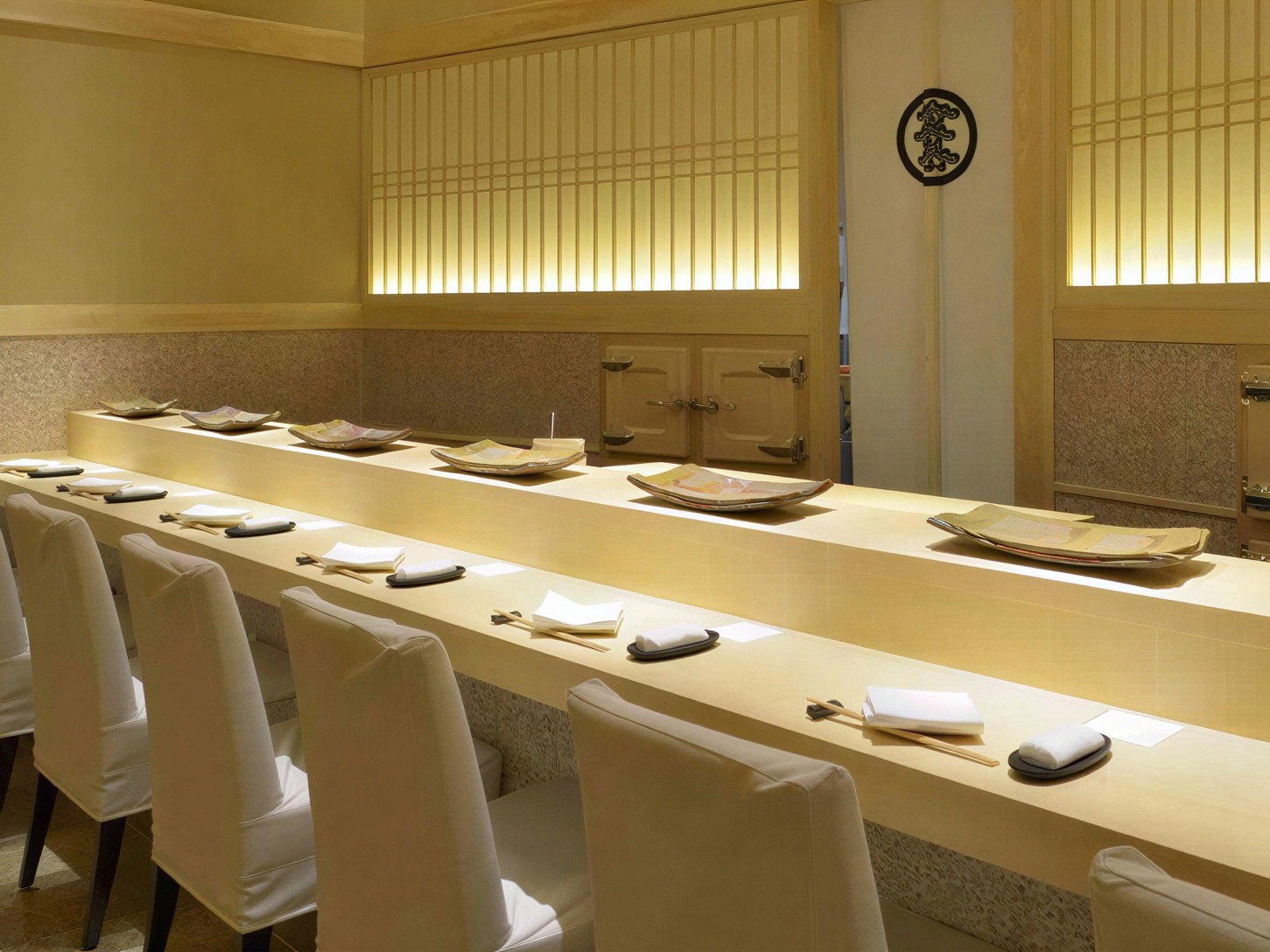
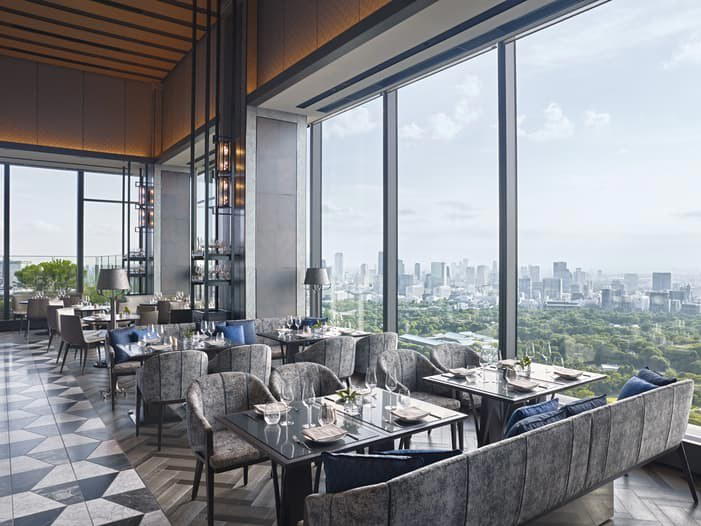
Counter dining in Tokyo carries a specific set of expectations. Whether the subject is sushi at a place like Harutaka, kaiseki at RyuGin, or modernist French at L'Effervescence, the counter format signals a particular contract between kitchen and guest: limited seats, full visibility, no buffer between preparation and consumption. The space at Wagyumafia's Toshima City address, on the seventh floor of The Sh One building in Minamiikebukuro, operates by that same logic.
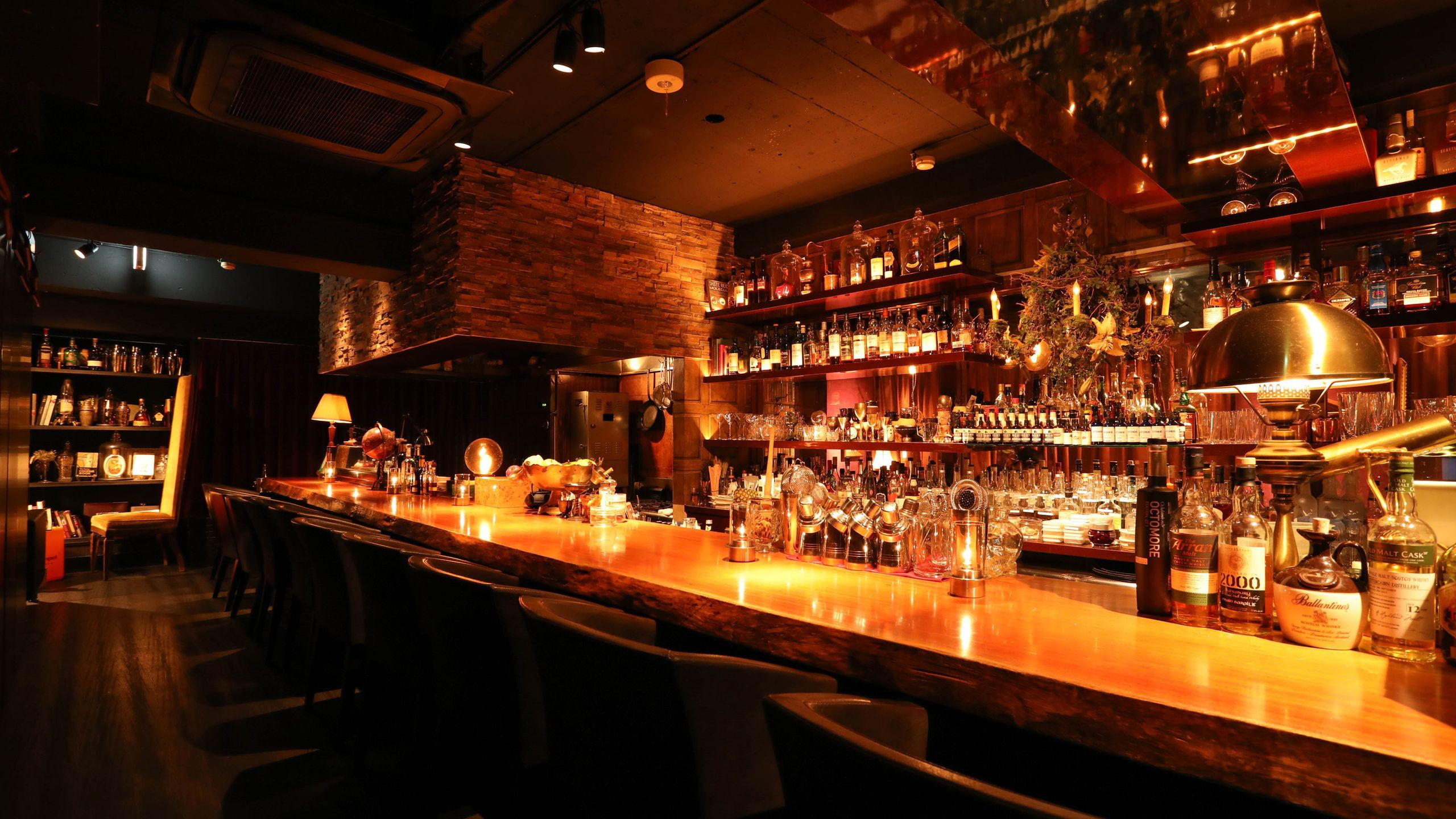
Fourteen seats is a deliberate constraint. It is large enough to sustain the economics of a high-specification operation, small enough to make the kitchen's work legible to everyone in the room. The high-temperature broiler is not hidden behind a pass. The aging programme, which uses both wet and dry methods sourced from select Japanese farms, is part of the story the space is built to tell. At this scale, the physical arrangement of the room is itself an editorial statement: the beef is the protagonist, the preparation is the performance, and the architecture exists to frame both.
This design logic is not accidental. Tokyo's most serious tasting-counter formats share an understanding that the room should do interpretive work. At Sézanne or Crony, the spatial choices communicate something about culinary intent before the first course lands. Wagyumafia applies the same principle to a beef-exclusive programme, which is a narrower brief and, in some ways, a harder one to sustain architecturally across a full evening.
Where it sits in the Tokyo beef hierarchy
Tokyo's premium Wagyu scene has bifurcated over the past decade. On one side: high-turnover teppanyaki rooms and yakiniku restaurants where excellent beef is served in a conventionally restauranty environment, with background noise, table service, and a menu that runs several pages. On the other: low-capacity counter operations where the beef is framed as a single subject worthy of extended attention, where sourcing is disclosed, and where the format demands that guests arrive with some appetite for education alongside appetite for food.
Wagyumafia belongs to the second category. The members-only structure reinforces this: it filters for guests who have made a deliberate choice to engage with the format rather than stumbling in off the street. The beef is sourced directly from Japanese farms, wet- and dry-aged in-house using a high-temperature broiler as the primary cooking instrument. This is a different technical proposition from the tableside gas grill of yakiniku or the flat iron of teppanyaki, and the space is configured to make that difference apparent.
For comparison: Harutaka operates an analogous model in sushi, where a small counter, a focused sourcing programme, and a members-adjacent booking structure create a peer-set dynamic that prices and positions against other omakase counters rather than against neighbourhood sushi. Wagyumafia does the same in beef, which means its natural comparators are other highly curated beef counters globally, not the broader steak restaurant category.
Recognition and ranking context
The awards record for Wagyumafia gives a clear picture of where it sits in critical consensus. Opinionated About Dining, which surveys a large base of informed diners and critics across Japan, ranked it #41 in its Casual Japan list for 2025, having ranked it #22 in the same category in 2023. It also appeared in OAD's Leading Restaurants in Japan list at #256 in 2024, following a Highly Recommended designation in 2023. Separately, it joined the World's 101 Best Steak Restaurants list in 2025, which specifically contextualises it within the global steakhouse format rather than the broader Japanese fine dining scene.
At that volume, a 4.8 average is not maintained by outliers; it reflects consistent delivery across a large sample of visits. For a members-only counter, that volume also suggests relatively high throughput over time, which is a useful data point when evaluating whether the format sustains quality at scale or whether it operates as a showcase for occasional extraordinary evenings.
For reference, comparable Tokyo counters in adjacent categories at the ¥¥¥¥ tier include RyuGin in kaiseki and L'Effervescence in French. Both carry Michelin recognition alongside OAD placement. Wagyumafia's OAD ranking without explicit Michelin star data in the public record places it in an interesting position: recognised by the critical community that takes informed-diner consensus seriously, situated within a category (casual, beef-focused) that Michelin's star system has historically underweighted relative to classical tasting-menu formats.
Practical planning
Wagyumafia operates Monday through Saturday, 6 to 11 pm, with Sunday closed. It is a members-only establishment, which means access requires membership rather than a standard reservation through public booking platforms. The address is 1 Chome-26-6 Minamiikebukuro, The Sh One, 7F, Toshima City, Tokyo. The seventh-floor positioning within the building adds a degree of intentional remove from street level that is consistent with the counter's curated access model.
Price range data is not publicly available, but the members-only structure and high-specification beef programme place it in the upper bracket of Tokyo's counter dining tier.
| Venue | Format | Category | Seats (approx.) | Access | OAD Recognition |
|---|---|---|---|---|---|
| Wagyumafia | Counter, beef-exclusive | Casual / Steak | 14 | Members only | #41 Casual Japan 2025 |
| Harutaka | Counter, sushi omakase | Sushi ¥¥¥¥ | Small counter | Reservation | OAD Leading Japan |
| RyuGin | Counter/table, kaiseki | Kaiseki ¥¥¥¥ | Intimate | Reservation | OAD Leading Japan |
| L'Effervescence | Table, French tasting | French ¥¥¥¥ | Intimate | Reservation | OAD Leading Japan |
| Sézanne | Counter/table, French | French ¥¥¥¥ | Intimate | Reservation | OAD Leading Japan |
Beyond Tokyo
If the Wagyumafia format represents a particular strand of Japanese counter dining, it sits alongside a broader national scene that rewards investment across cities. HAJIME in Osaka, Gion Sasaki in Kyoto, akordu in Nara, Goh in Fukuoka, 1000 in Yokohama, and 6 in Okinawa each anchor their respective cities' serious dining scenes. Within Tokyo itself, the full picture across restaurants, hotels, bars, experiences, and wineries is covered in our Tokyo restaurants guide, hotels guide, bars guide, wineries guide, and experiences guide. For international comparison points in the counter-dining premium tier, Le Bernardin in New York City and Atomix in New York City offer useful reference on how focused-ingredient, chef-driven counters operate in a different cultural context. Closer to the Wagyumafia model in format ambition, Crony in Tokyo applies comparable counter-format discipline to an innovative French programme.
What people recommend at Wagyumafia
The items most consistently cited in public record are the Chateaubriand cutlet sandwich and the Wagyujiro ramen. Both represent a particular approach that distinguishes the programme from conventional steakhouse formats: Wagyu is applied to formats that are deliberately approachable rather than classically formal, which is consistent with the OAD Casual Japan categorisation. The counter's beef sourcing covers multiple cuts from select Japanese farms, prepared using a combination of wet and dry aging before reaching the high-temperature broiler. Chef Hisato Hamada, who co-founded the operation in 2016 alongside entrepreneur Takafumi Horie, has built a programme where the educational dimension, specifically the communication of provenance, aging method, and breed characteristics, is structurally embedded in the evening rather than offered as optional commentary. That approach reflects a broader shift in how Tokyo's most serious single-subject counters present their material, whether the subject is tuna, sake, or, in this case, Wagyu beef.
Frequently asked questions
Is Wagyumafia open every day?
Hours at Wagyumafia: Hours: Monday 6–11 pm Tuesday 6–11 pm Wednesday 6–11 pm Thursday 6–11 pm Friday 6–11 pm Saturday 6–11 pm Sunday Closed.
What's the cuisine at Wagyumafia?
What awards or recognition does Wagyumafia have?
Wagyumafia has received recognition including: Opinionated About Dining Casual in Japan Ranked #41 (2025); Chef: Hisato Hamada document.addEventListener("DOMContentLoaded", function { var el = document.getElementById("Achievements_chefs"); if (el && el.parentNode) { el.parentNode.remo….
What do people recommend at Wagyumafia?
The Chateaubriand cutlet sandwich and the Wagyujiro ramen are the two dishes most consistently cited by diners, both drawing on Wagyumafia's approach of applying Japanese precision to Western beef formats. The restaurant focuses exclusively on Wagyu, sourced directly from select Japanese farms, and ages the beef using both wet and dry methods. Given the 14-seat counter format and members-only access, the full progression of cuts across a single sitting is the experience itself, not any one dish in isolation.
Where is Wagyumafia located?
Wagyumafia is located at Japan, 〒171-0022 Tokyo, Toshima City, Minamiikebukuro, 1 Chome−26−6 The Sh One, 7F, Tokyo.
Which chef is Wagyumafia associated with?
The chef associated with Wagyumafia is Hisato Hamada.
The Minimal Set
| Venue | Cuisine | Price | Awards | Notes |
|---|---|---|---|---|
| WagyumafiaThis venue (the venue you are viewing) | Modern Wagyu Steakhouse | $300–500 | The Best Chef One Knife | Not listed |
| Harutaka | Edo-Style Omakase Sushi | $200–300 | 3 Michelin Stars · World's 50 Best #76 | Sushi |
| RyuGin | Modern Kaiseki | $500+ | 3 Michelin Stars · World's 50 Best #41 | Kaiseki, Japanese |
| L'Effervescence | Modern French with Japanese Influences | $200–300 | 3 Michelin Stars · World's 50 Best #69 | French |
| HOMMAGE | Modern French with Japanese Influences | $150–200 | 2 Michelin Stars · World's 50 Best #78 | Innovtive French, French |
| MAZ | Innovative Peruvian-Japanese Fusion | $150–200 | 2 Michelin Stars · World's 50 Best #28 | Innovative |
Recognition history
Dated appearances from independent guides and award organizations, with the underlying list record or original source where available.
Opinionated About Dining Casual in Japan Ranked #41
Opinionated About Dining
The Best Chef One Knife
The Best Chef
World's Best Steaks 101 Best Steak Restaurants #100
World's Best Steaks
Full recognition history (7 entries)
Opinionated About Dining Top Restaurants in Japan Ranked #256
Opinionated About Dining
Opinionated About Dining Casual in Japan Ranked #41
Opinionated About Dining
Opinionated About Dining Casual in Japan Ranked #22
Opinionated About Dining
Opinionated About Dining Top Restaurants in Japan Highly Recommended
Opinionated About Dining