
Tabelog 100 #70
Our verdict
jibunchi places Kanazawa’s Italian dining in a local-produce register rather than a copy of Tokyo formality. The 20-seat, reservation-only restaurant is recognized in Tabelog Italian WEST 100 for 2025, with a JPY 10,000–14,999 dinner range and a format that suits diners who care about pacing, wine, and Ishikawa ingredients.

Pearl is the En Primeur Club membership app, where members save venues, book tables and use the concierge.
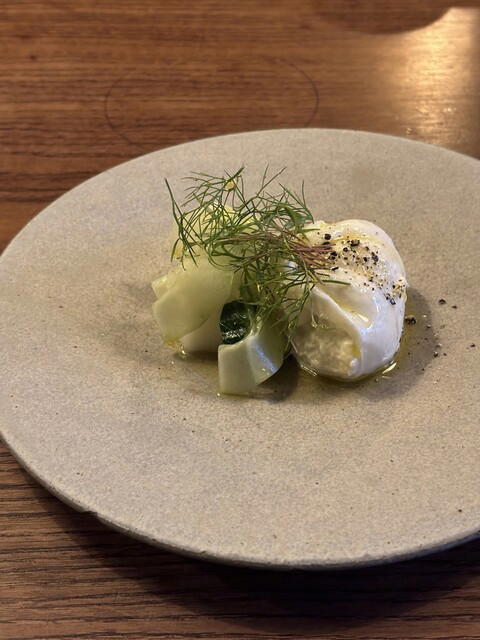
Kanazawa often makes serious restaurants feel domestic before formal: narrow approaches, low-key frontages, and rooms where the pace of service matters as much as the cooking itself. Italian cooking here is not just imported technique; at its best, it can read Ishikawa through seasonal produce, seafood culture, rice, and a drinking rhythm that does not have to feel detached from the city around it.
jibunchi sits in a focused Kanazawa category: an Italian restaurant whose appeal is tied to the way it frames a meal rather than to spectacle. Its selection in Tabelog's Italian recognition for 2025 is a clear external signal, but the more interesting point is what it says about regional Italian dining in Japan. Outside Tokyo and Kyoto, stronger Italian rooms often argue for place through restraint, sourcing, and pacing rather than obvious luxury cues.
Kanazawa Italian cooking, read through Ishikawa ingredients
The city’s dining identity is usually introduced through sushi, kaiseki, wagashi, and market cooking, but Italian restaurants have become a persuasive parallel language for local produce. At this tier, the question is not whether pasta appears or the cooking looks Italian enough, but how the kitchen handles regional materials without turning them into tourism shorthand.
Here, the useful reading is of a restaurant working within Italian structure while staying responsive to Kanazawa. Rather than treating the city as a backdrop, jibunchi belongs to the kind of dining where ingredients, pacing, and drink choices are part of the same argument. The format is not kaiseki in Italian clothes; it is better understood as an Italian restaurant shaped by its local context.
That makes jibunchi a useful counterpoint to the city’s broader restaurant map. Diners building a Kanazawa itinerary might place it beside other local choices in Our full Kanazawa restaurants guide, then compare how different genres handle the same regional confidence. Other Kanazawa dining rooms and casual stops sit in different registers of local appetite, which helps explain why an Italian restaurant can feel like part of the city rather than a detour from it.
The meal is built around pacing, not performance
The dining ritual is defined by restraint. A composed restaurant format creates a narrow margin between intimacy and pressure, and the room’s tempo matters: service must be attentive without becoming theatrical, while the kitchen’s sequence becomes part of the evening’s rhythm. In Kanazawa, where many serious meals prize calm pacing, that scale suits a dinner built through gradual accumulation rather than a single showpiece.
The drinks side should be understood in the same spirit. Rather than treating pairings as a prestige display, the restaurant’s appeal is in how beverages can support the meal’s local and Italian references. That flexibility suits a city where seafood, vegetables, rice, and seasonal products often call for a broader sense of compatibility than a rigid imported template.
The restaurant’s Tabelog score of 3.76 and 2025 Italian recognition place it in a recognized regional bracket, but Kanazawa’s competitive set is more nuanced than one award line. タワラ, Sakai, tawara, Uva Uva, and くら竹 show how compact and varied the city’s European-leaning dining scene can be. Within that field, jibunchi’s argument is ingredient visibility and disciplined pacing. It is less for diners chasing a grand dining-room statement than for those wanting a composed, adult dinner backed by a local sense of place.
That distinction matters for visitors planning more than one night. Kanazawa rewards variety: a refined restaurant dinner one evening, bar-focused drinking the next, and a day shaped by craft, markets, or architecture. For the wider trip frame, broader Kanazawa hotel, bar, wine, and experience planning can place dinner inside the city rather than as an isolated booking.
Who should put it on a Kanazawa dining itinerary
This is a strong choice for diners who prefer regional specificity over imported luxury cues. The appeal lies in how the meal balances Italian structure with Kanazawa context, supported by a dinner range that sits in the JPY 10,000–14,999 bracket. That places it above casual Italian dining while keeping the emphasis on a composed evening rather than on conspicuous expense.
The practical fit is narrow in a good way. It suits diners comfortable with a dinner planned around the restaurant’s own rhythm and availability. Specific seating, private use, smoking policy, payment details, and transport logistics should be confirmed directly when booking, especially for visitors moving between hotels and restaurants by taxi.
For readers comparing Japanese dining across cities, Kanazawa’s appeal is how it resists flattening into one genre. A trip can move from local Italian to other Kanazawa dining, sweets, and bar culture without losing the city’s emphasis on craft and supply. Beyond Kanazawa, the broader EP Club map shows how differently Japanese and Japan-adjacent dining references can travel across regions and formats, from refined restaurant meals to casual drinking and everyday counter-service ideas.
The verdict is simple: choose jibunchi when dinner is not about collecting a famous name, but seeing how Kanazawa can sit inside a disciplined Italian frame. The recognition is current, the price range is clear, and the meal’s interest lies in ritual: reservation planning, seated pacing, local context, and a format built for a long evening.
Frequently asked questions
What's the price range at jibunchi?
Pricing at jibunchi is listed as JPY 10,000 - JPY 14,999.
Where do I go for jibunchi?
Kanazawa.
Do I need a reservation for jibunchi?
Reservation requirements and availability should be confirmed directly with the restaurant before visiting.
What is jibunchi known for?
jibunchi was selected for Tabelog Italian recognition in 2025. It is listed as an Italian restaurant in Kanazawa, with a Tabelog score of 3.76 and a dinner budget of JPY 10,000 - JPY 14,999.
Is jibunchi allergy-friendly?
Allergy handling should be confirmed in advance. For specific concerns, use the reservation line at +81-80-8996-2830 and flag the issue before booking.
Where It Fits
Nearby venues at a similar price tier for orientation.
| Venue | Cuisine | Price | Awards | Notes |
|---|---|---|---|---|
| jibunchiThis venue (the venue you are viewing) | Contemporary Italian with Kanazawa Local Ingredients | $50–100 | Tabelog 100 #70 | Not listed |
| Uva Uva | Natural Wine Italian | $50–100 | Not listed | Kanazawa |
| Medicinal Food Café Cien Gallery | Medicinal Japanese Café | Not listed | Not listed | Not listed |
| リストランテ スギヤマ | Contemporary Italian with Kanazawa Influences | $50–100 | Not listed | Kanazawa |
| Sushi-ya Kozakura | Traditional Sushi Omakase | Not listed | Tabelog 100 #48 | Kanazawa |
| Shusui Daigo | Japanese Izakaya | $30–50 | Tabelog 100 #94 | Kanazawa |
Recognition history
Dated appearances from independent guides and award organizations, with the underlying list record or original source where available.
Tabelog 100 #70 · No. 70
Tabelog · Tabelog 100 - Italian - WEST - 2025
Continue exploring
More in Kanazawa
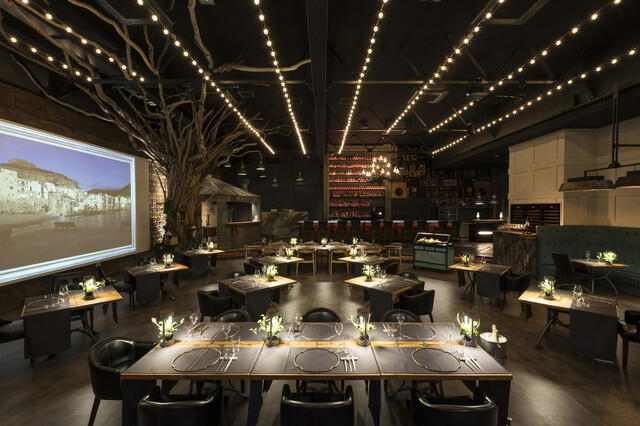
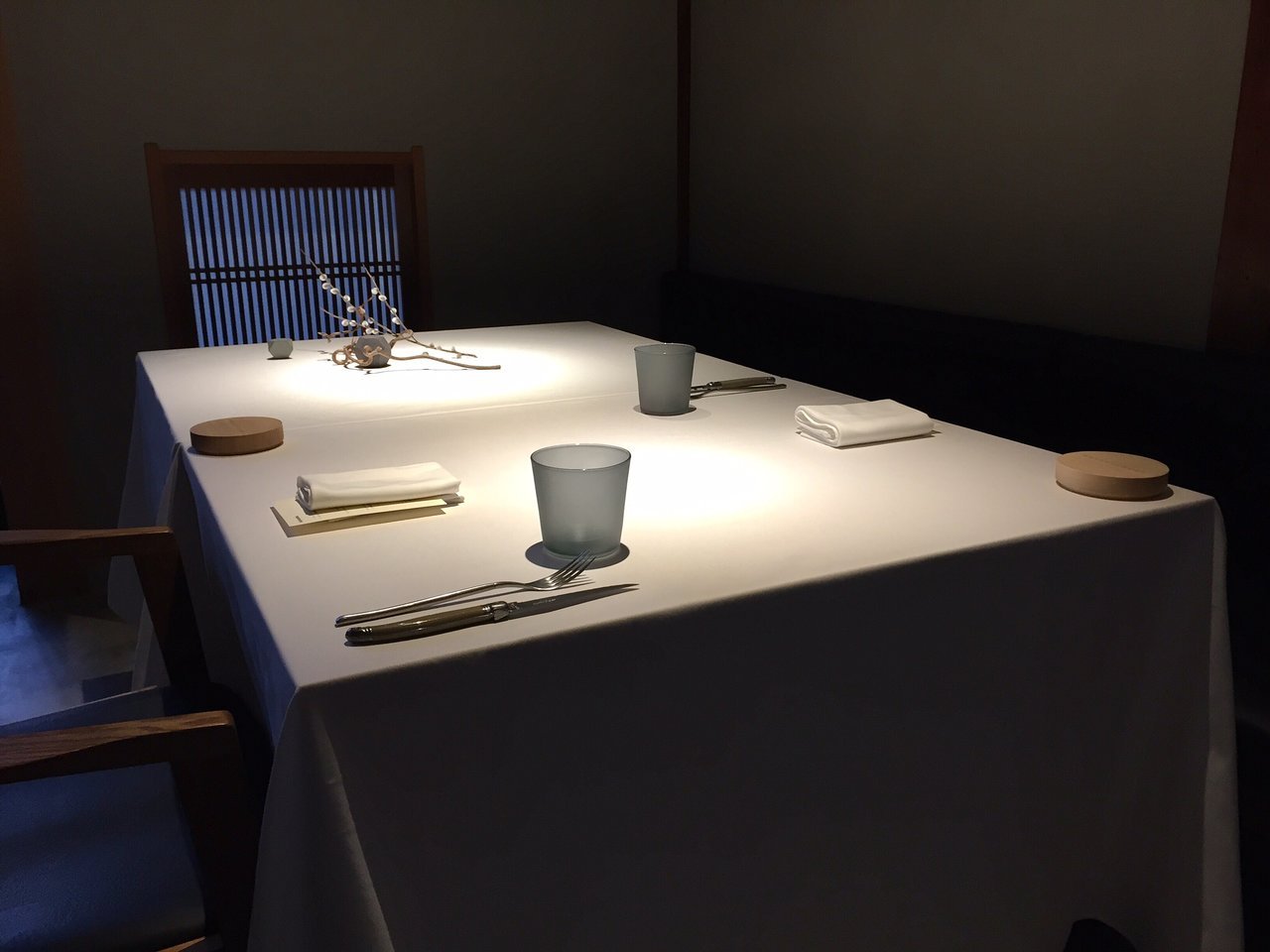
Restaurants in Kanazawa
All restaurants in Kanazawa →
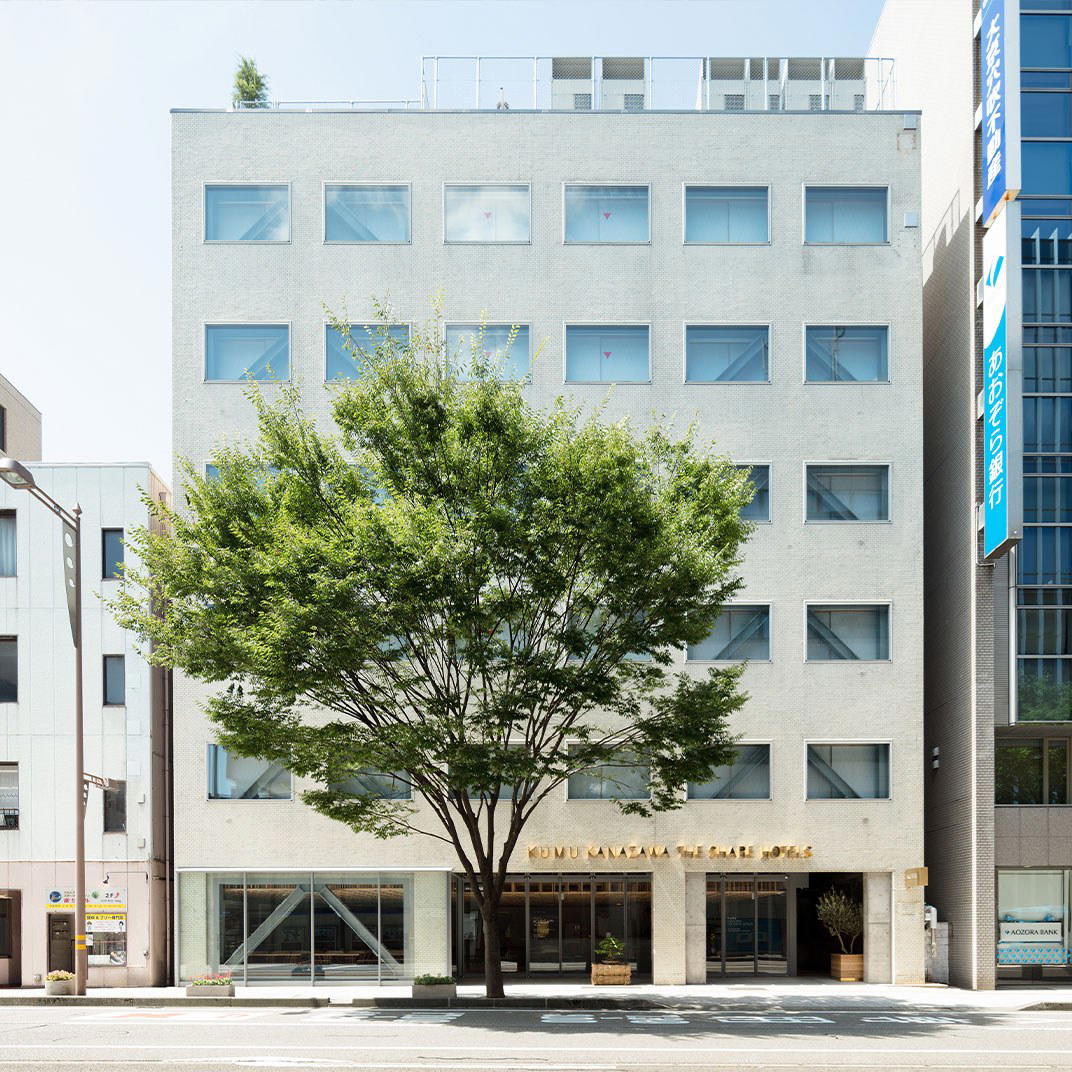
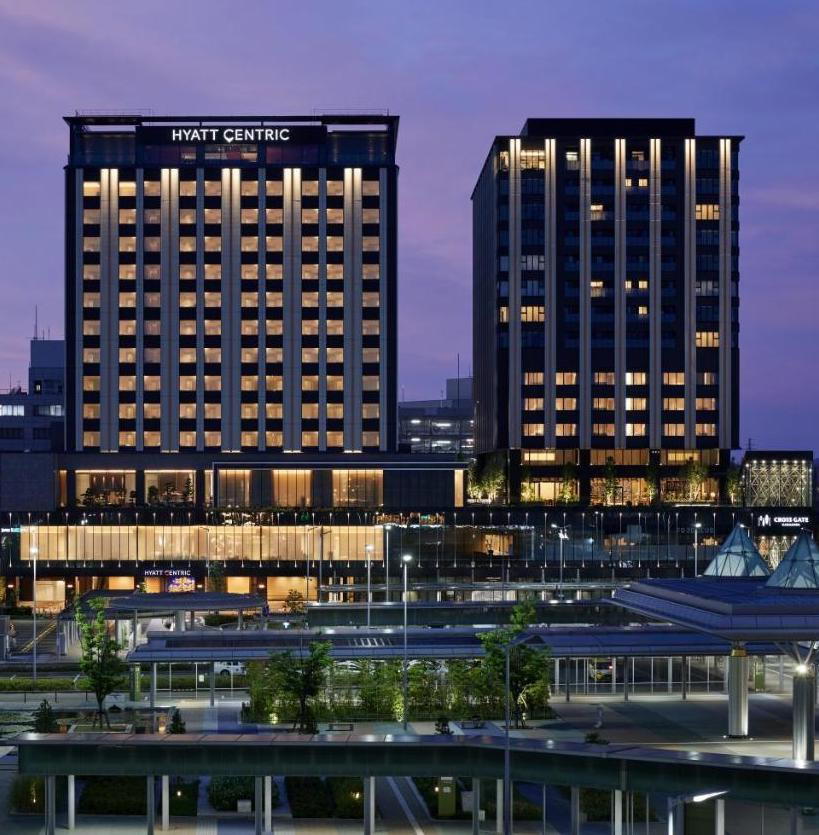
Hotels in Kanazawa
All hotels in Kanazawa →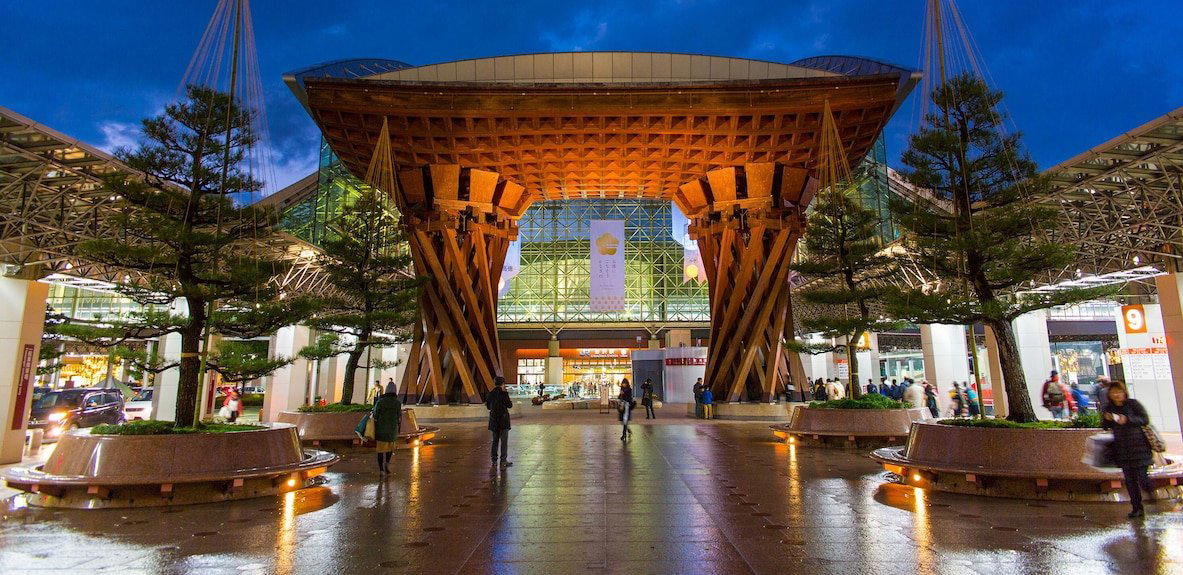
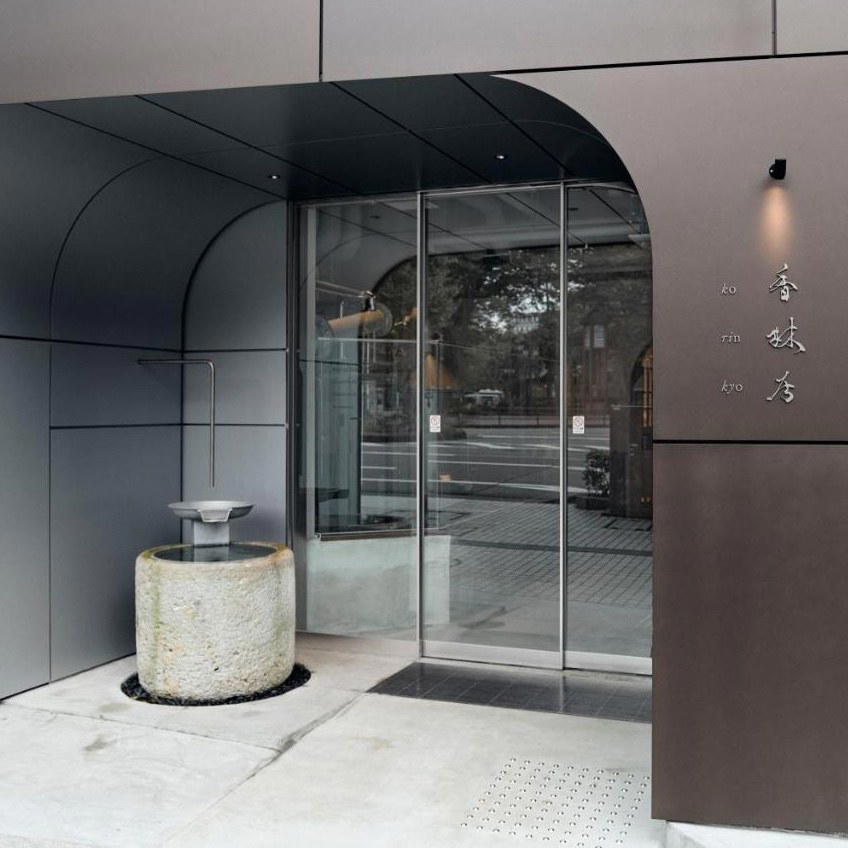
Wineries in Kanazawa
Browse all →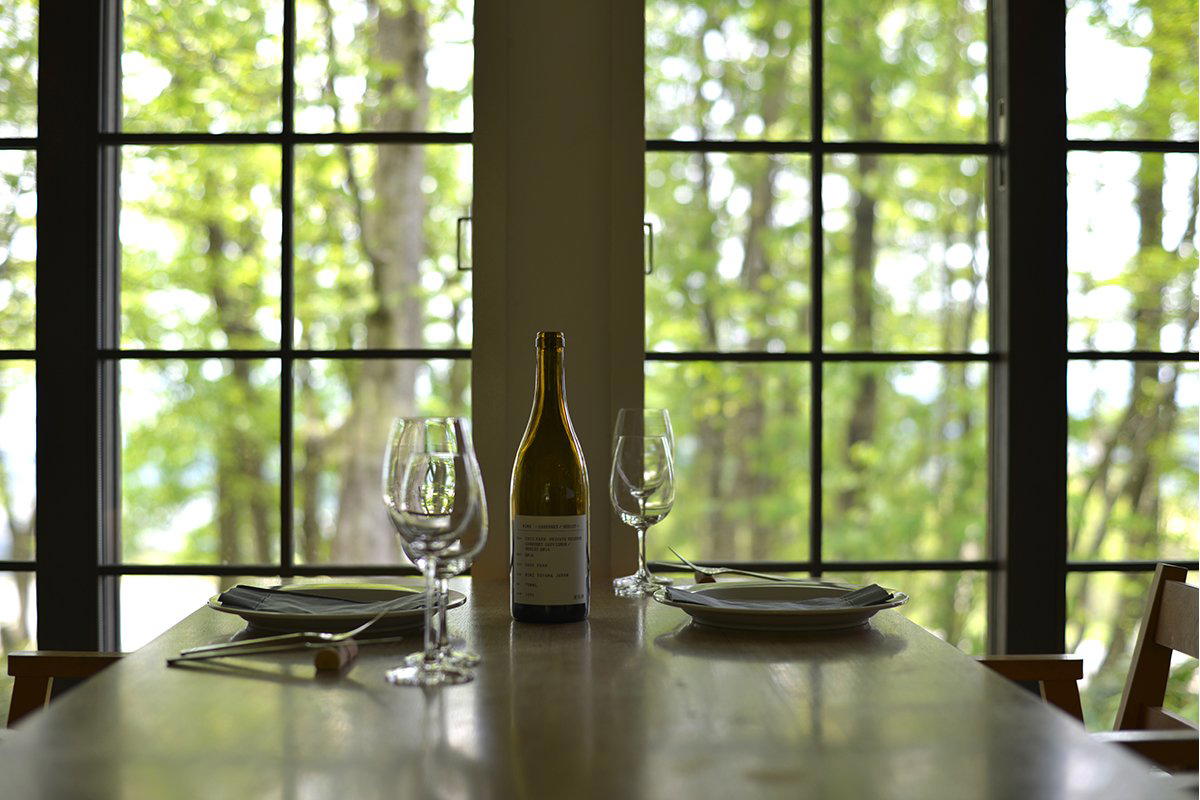
jibunchi
The wine
- Wine program
- Deep wine list
- Extensive wine list
- Sommelier-led
- Corkage allowed
- Sake program
Details
- Elegant
- Cozy
- Romantic
- Modern
- Intimate
- Date Night
- Special Occasion
- Business Dinner
- Group Dining
- Family
- Celebration
- Private Event
- Open Kitchen
- Private Dining
- Standalone
- Wine Cellar
- Design Destination
- Extensive Wine List
- Sommelier Led
- Sake Program
- Corkage Allowed
- Farm To Table
- Local Sourcing
- Sustainable Seafood
- A La Carte
- Counter Dining
- Tasting Menu
- Set Menu
- Wine
- Sake
- Pescatarian Friendly
Current opening hours
- Monday
- 6–11 PM
- Tuesday
- 6–11 PM
- Wednesday
- 6–11 PM
- Thursday
- 6–11 PM
- Friday
- 6–11 PM
- Saturday
- 6–11 PM
- Sunday
- Closed
Hours can change for holidays and private events. Hours as of .
An elegant yet relaxed hideout-style house restaurant with an open kitchen and charcoal grill, creating a warm, aromatic, and lively atmosphere that still feels cozy and intimate for dates, anniversaries, and small gatherings.