
Tabelog 100 #68
Our verdict
BIRD belongs to Kanazawa’s more serious yakitori tier: a counter-led, smoke-focused restaurant where chicken, charcoal, and drink pairing matter more than spectacle. Its Hyakumeiten Yakitori WEST selections in 2024 and 2025 place it in a regional conversation beyond the city’s seafood reputation, with sake, shochu, and wine giving the format a broader drinking frame.

Pearl is the En Primeur Club membership app — saves, bookings, and concierge access live there. Same editors, same standards.
- Address
- Japan, 〒920-0853 Ishikawa, Kanazawa, Honmachi, 2 Chome−2−14 焼鳥ばーど
- Phone
- +81 76-232-3339
- Hours
- Mon ClosedTue–Fri 6:30–10:30 PMSat 5:30–10 PMSun Closed
- Website
- tabelog.com
- Directions
- Get directions
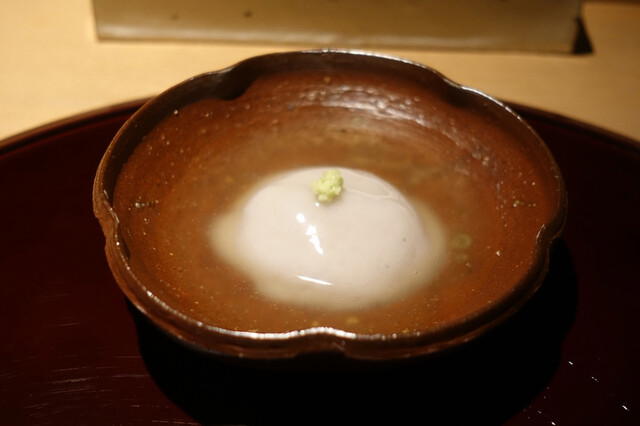
The menu
What to order
- Yakitori grilled chicken skewers
- Yakitori omakase course
Yakitori in Kanazawa is not the postcard version of the city. Visitors arrive primed for crab, sushi, wagashi, and the old merchant districts, then find a narrower evening culture built around charcoal, poultry, and counter seats. That is the setting for BIRD, where the room’s logic is close-range rather than theatrical: grill, smoke, skewers, drinks, and the steady pacing that defines serious yakitori across Japan.
The useful way to read this restaurant is through sourcing and format. Yakitori is a cuisine of small margins: the difference between a routine skewer house and a serious counter often comes from how the bird is broken down, how each cut is seasoned, and how the grill handles fat, skin, and lean meat in sequence. Kanazawa’s dining identity leans heavily toward the Sea of Japan, but poultry cooked over charcoal gives the city another register, less ceremonial than sushi and more tactile than kaiseki.
Charcoal yakitori gives Kanazawa a counterpoint to its seafood script
Kanazawa’s restaurant culture has long been shaped by proximity to rich fishing grounds and by the city’s preservation of craft traditions. Yakitori sits slightly apart from that image. It is urban, late-day, compact, and built for repeat diners rather than sightseeing itineraries. In that context, BIRD’s recognition in the Hyakumeiten Yakitori WEST selections for 2024 and 2025 matters because the field is regional, not merely local. It places a Kanazawa counter inside a western Japan yakitori conversation where technique is judged across cities with deeper grill cultures.
The ingredient question is central. Good yakitori depends on using more of the bird than the familiar thigh-and-breast shorthand, because texture is the cuisine’s grammar: crisped skin, springy cartilage, dense organ cuts, and meat that needs careful heat rather than aggressive charring. The counter format suits that work. It keeps the cook’s timing visible and makes the meal cumulative; one skewer rarely explains the kitchen, but a progression does.
Compared with Kanazawa’s broader dining choices, this is a more focused proposition. Ajiraku Yumemi and Aburi Niku Garan sit in a lower dinner-spend band, while Restaurant Ennu operates in a comparable spending tier with a different dining grammar. The comparison is useful because it shows where yakitori now belongs: not as casual drinking food by default, but as a specialist format whose price and recognition can overlap with more formal restaurants.
The drink list points to a grill built for pacing, not speed
A yakitori counter lives or dies by rhythm. Skewers arrive in sequence, heat changes from cut to cut, and the drink list has to work across salt, tare, smoke, and rendered fat. Here the drinks framework is broad for the genre: sake, shochu, and wine all appear, with particular attention to shochu. That matters because shochu is often the sharper partner for charcoal cooking, especially when the meal moves through richer cuts and sweeter sauces.
The absence of private rooms is not a drawback in this category; it clarifies the experience. Yakitori is at its strongest when the counter remains the point of contact, and the restaurant’s format reinforces that. Non-smoking dining also changes the register. In a cuisine already defined by smoke from the grill, removing table smoke keeps the focus on the food rather than the room.
For travelers building a Kanazawa itinerary, BIRD works as an evening anchor after a day spent in the city’s more familiar cultural circuits. The choice is not between luxury and informality, but between restaurant formats. Sushi asks for fish literacy, kaiseki asks for seasonality and composition, while yakitori asks the diner to pay attention to heat, cut, and repetition. That is a different kind of precision, and it rewards a slower dinner.
How to place it within a Kanazawa eating plan
The smart itinerary does not treat Kanazawa as a single-cuisine city. Use seafood for one meal, wagashi or tea culture for another, then give charcoal cooking its own night. The wider city map helps: Our full Kanazawa restaurants guide gives the restaurant context, while Our full Kanazawa hotels guide, Our full Kanazawa bars guide, Our full Kanazawa wineries guide, and Our full Kanazawa experiences guide help shape the rest of the trip without forcing every meal into the same register.
Nearby and national references also show how broad the Japanese dining field becomes once the focus moves beyond famous categories. In Kanazawa, 1/3 HAMBURGER FACTORY, 333, and Amanatto Kawamura point to casual, contemporary, and confectionery traditions around the city. Further afield, -Grilled beef Sukiyaki- KAMAKURA TANUKIAN 鎌倉 たぬき庵 in Kamakura. 鮪と炭火焼き うお炭 秋葉原店 in Tokyo.cafe in Osaka.know in Kumamoto, (Shoku) Vietnam in Kawasaki, [Curry Senmon Ten] Maruyama Kyoju. in Sapporo, Jōdo Saké Bar in Los Angeles, and Onigiri Time in Pasadena underline the same point: Japanese dining is better read by format than by fame.
The editorial case for BIRD is concise. It gives Kanazawa a charcoal-led, ingredient-sensitive counter in a city better known for fish and craft, and its repeated Hyakumeiten recognition suggests a level of consistency that matters in yakitori. Choose it when the aim is not a broad survey meal, but a focused study of chicken, fire, and drinking culture.
Frequently asked questions
What does dinner at BIRD typically cost?
Pricing at BIRD is listed as JPY 10,000 - JPY 14,999 View spending breakdown.
Is BIRD open every day?
Hours at BIRD: Mon: Closed; Tue: 6:30–10:30 PM; Wed: 6:30–10:30 PM; Thu: 6:30–10:30 PM; Fri: 6:30–10:30 PM; Sat: 5:30–10 PM; Sun: Closed.
How do I find BIRD?
BIRD is located in Kanazawa.
What's the defining dish or idea at BIRD?
BIRD is a yakitori counter in Kanazawa, so the core idea is grilled chicken skewers served in sequence rather than a broad à la carte menu. Its Tabelog 100 Yakitori WEST 2025 selection confirms the restaurant sits in a serious bracket for the category. The setting is listed as counter seating, which suits the pacing of yakitori.
Comparison Snapshot
Nearby venues at a similar price tier for orientation.
| Venue | Cuisine | Price | Awards | Notes |
|---|---|---|---|---|
| BIRDThis venue — the venue you are viewing | Yakitori (Grilled Chicken Skewers) | $50–100 | Tabelog 100 #68 | Not listed |
| 割烹 ゆづる | Kappo (Japanese seasonal cuisine) | $100–150 | Not listed | Kanazawa |
| Teppanyaki makibi san-an | Teppanyaki with Hokuriku Wagyu | $100–150 | Not listed | Kanazawa |
| くら竹 | Kanazawa Sushi Omakase | $50–100 | Not listed | Kanazawa |
| 割鮮 のむら | Kappo Japanese with Fresh Seafood | $50–100 | Not listed | 泉野出町 |
| 鮨 æ¨å ´è°· | Edomae-Style Hokuriku Omakase | $150–200 | Tabelog Bronze #174 | Kanazawa |
Recognition history
Dated appearances from independent guides and award organizations, with the underlying list record or original source where available.
Tabelog 100 #68 · No. 68
Tabelog · Tabelog 100 - Yakitori - WEST - 2025
Continue exploring
More in Kanazawa
Restaurants in Kanazawa
Browse all →
Bars in Kanazawa
Browse all →
Hotels in Kanazawa
Browse all →
Wineries in Kanazawa
Browse all →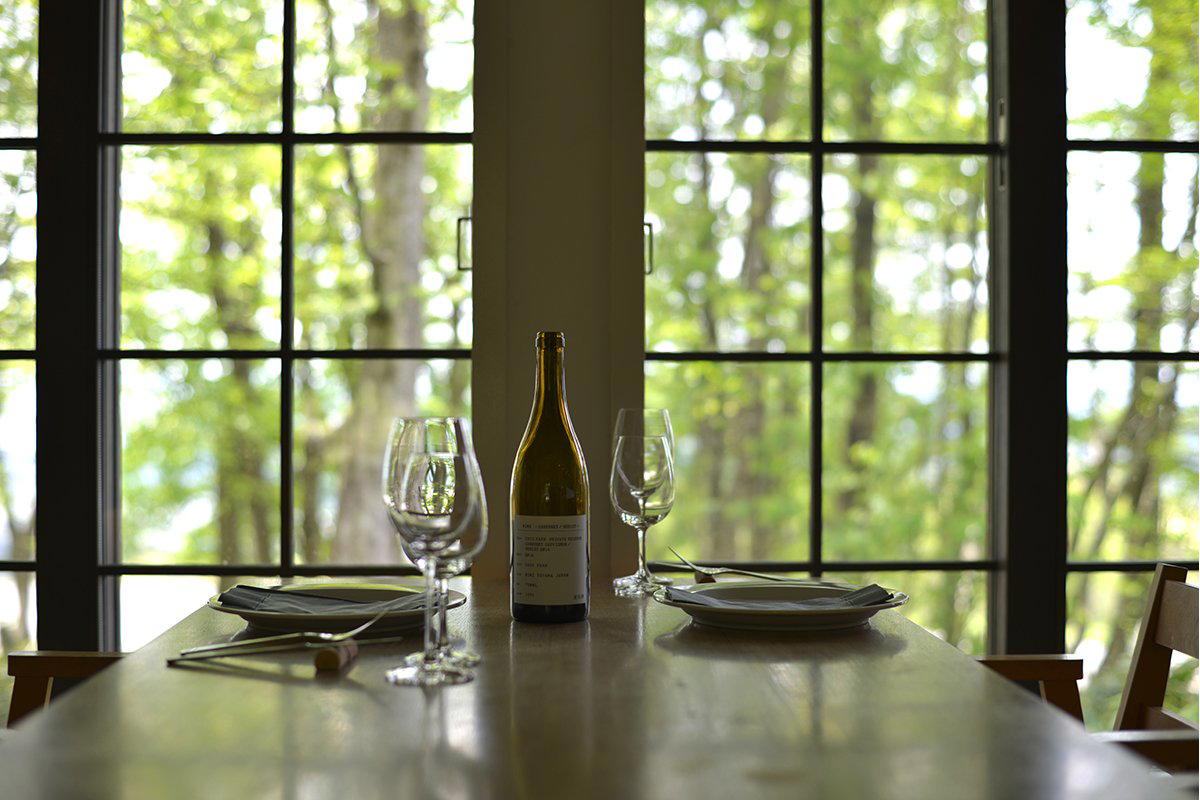
Details
- Cozy
- Modern
- Intimate
- Trendy
- Date Night
- Group Dining
- Casual Hangout
- After Work
- Solo
- Chefs Counter
- Open Kitchen
- Standalone
- Sake Program
- Beer Program
- Omakase
- Counter Dining
- A La Carte
- Sake
- Shochu
- Wine
- Beer
Current opening hours
- Monday
- Closed
- Tuesday
- 6:30–10:30 PM
- Wednesday
- 6:30–10:30 PM
- Thursday
- 6:30–10:30 PM
- Friday
- 6:30–10:30 PM
- Saturday
- 5:30–10 PM
- Sunday
- Closed
Hours can change for holidays and private events. Last verified .
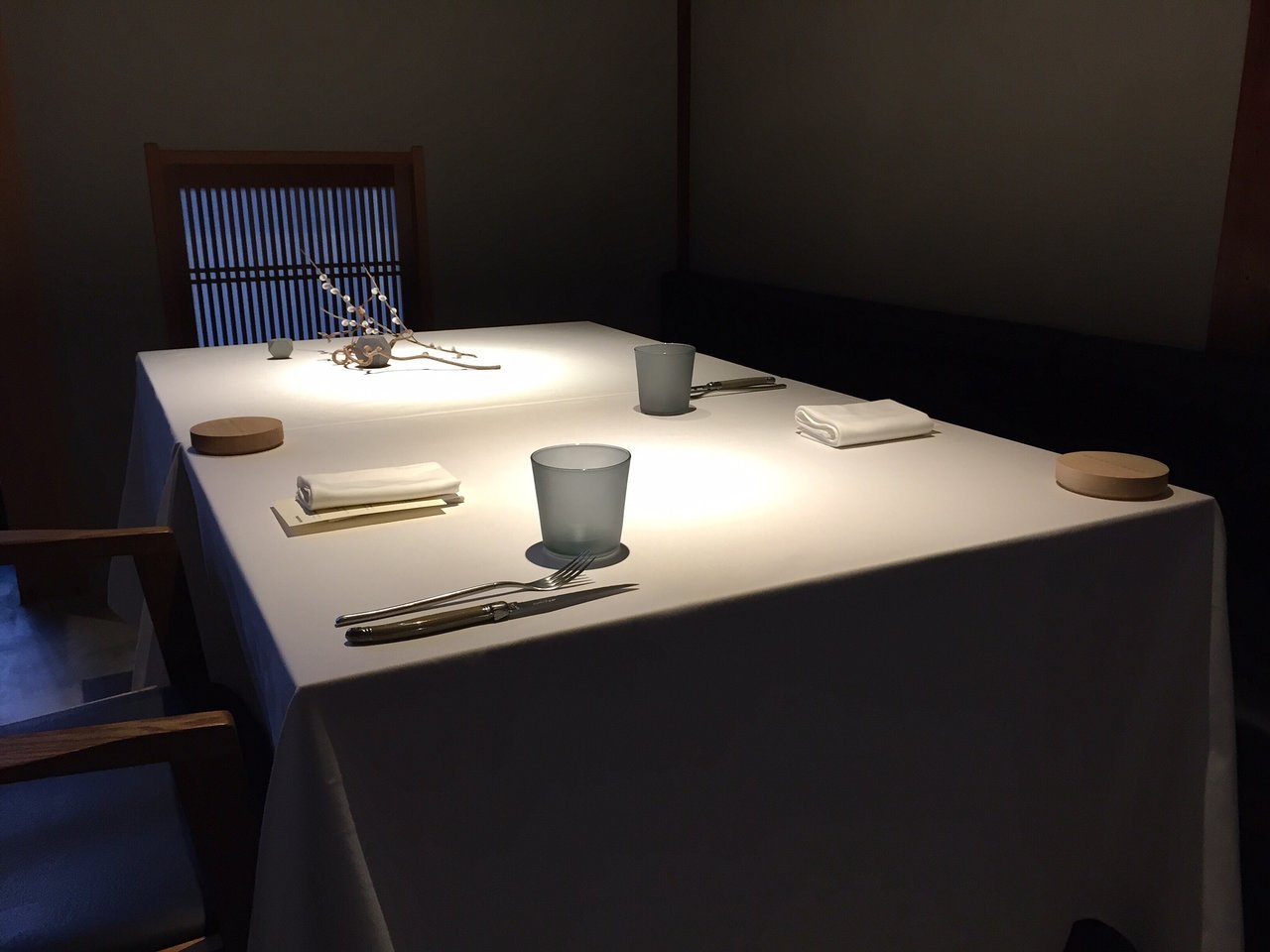
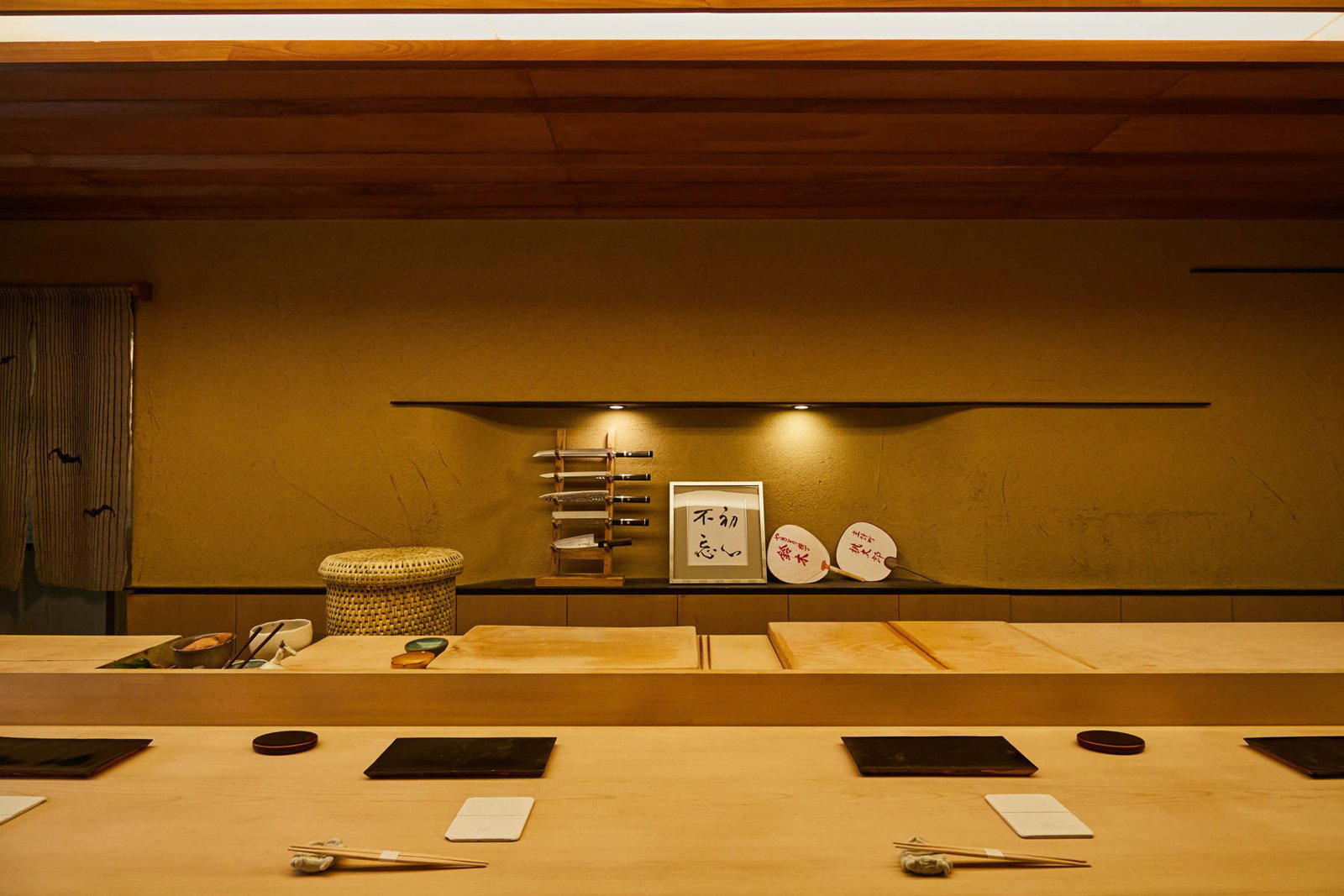
Stylish and minimalist with a chic, mostly white interior and counter seating that creates an intimate, relaxed atmosphere centered on the grill rather than décor.