Tabelog Silver #150
Our verdict
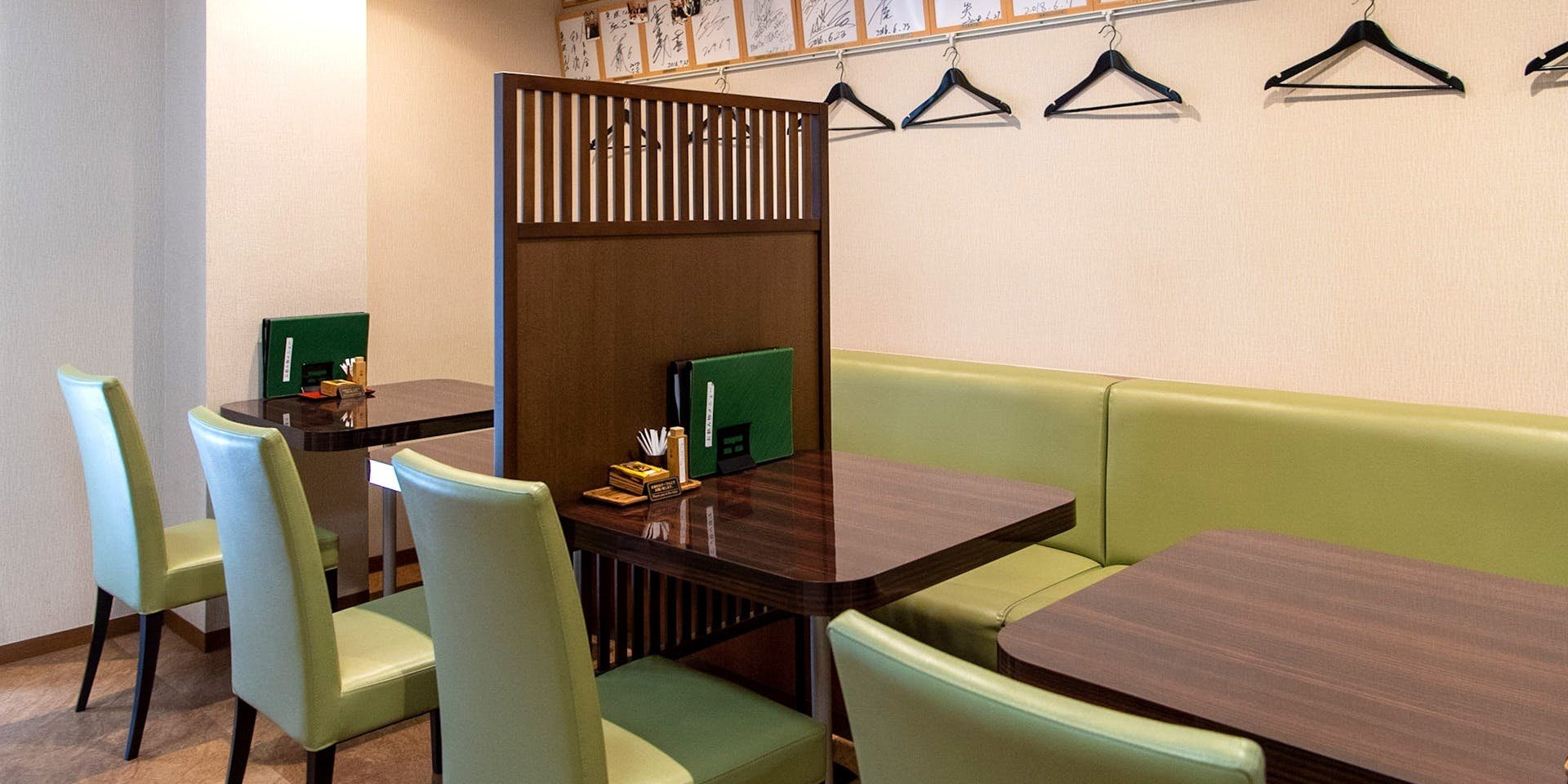
Unagi Uomasa in Katsushika has held Tabelog Silver status since 2025 and earned consecutive Tabelog Award recognition every year from 2017 through 2026, placing it among the most consistently decorated unagi specialists in Tokyo. Operating since 1980, the 32-seat restaurant applies Kishu binchotan charcoal grilling in the Kanto style, with dinner averaging JPY 10,000–14,999. Reservations are mandatory and seats fill well in advance.

Pearl is the En Primeur Club membership app, where members save venues, book tables and use the concierge.
The menu
What to order
- Unagi Don
- Shirayaki
- Unagi Sashimi
- Fried Eel Bone Appetizer
- Eel Liver
Why Unagi in Tokyo Deserves Serious Attention
If you commit to one specialist meal in Tokyo that sits outside the omakase sushi circuit, make it unagi at a house that has held consistent peer recognition for nearly a decade. The genre is easy to underestimate: grilled freshwater eel over rice reads like comfort food, and in many contexts it is. But at the tier Uomasa occupies, the decisions compounding around charcoal selection, butterflying technique, steaming, and glaze reduction separate a technically serious meal from a tourist-grade bowl. Tokyo's Tabelog Silver cohort for unagi is small, and Uomasa has been in continuous award standing since the platform's 2017 cycle, graduating from Bronze to Silver between 2024 and 2025.
The Kanto Tradition and What It Requires
Japan's unagi tradition divides broadly along geographic lines. The Kansai style skips the intermediate steam, producing a firmer, crispier result. The Kanto style, practiced in Tokyo, butterflies the eel from the back, steams it first, then returns it to the grill. The steam step does the structural work: it renders subcutaneous fat and loosens the flesh before the final caramelisation over charcoal. Done well, the result is simultaneously yielding and charred at the surface. Done poorly, the steam leaves the fish flabby and the grill fails to recover it. The technique demands precise timing that cannot be rushed, which is partly why serious Kanto unagi houses have always operated with tight seating and strict last-order cutoffs. Uomasa's kitchen closes food orders at 12:30 for lunch and 18:30 for dinner, both well ahead of the service end. That is the rhythm the technique imposes, not a policy convenience.
Charcoal source is the other variable that separates serious practitioners from casual ones. Kishu binchotan, produced from ubame oak in Wakayama Prefecture, burns hotter and longer than standard charcoal, with minimal smoke and almost no impurities. The radiant heat it produces is what gives grilled eel its characteristic exterior without over-drying the interior. Its cost and sourcing discipline mark a kitchen's commitment to the craft. Among Tokyo's award-recognised unagi specialists, including Kabuto Unagi, Obana, and Hashimoto Unagi, binchotan use is a near-universal baseline at the recognised tier. What differentiates houses within that group comes down to eel sourcing, glaze character, rice calibration, and the accumulated institutional knowledge that a house open since April 1980 has had over four decades to refine.
Tabelog's award architecture sorts restaurants into Bronze, Silver, and Gold tiers based on aggregated review scores and volume thresholds. The Silver tier for unagi in Tokyo contains a small number of establishments, and Uomasa's promotion from Bronze in 2024 to Silver in 2025 and 2026 reflects a score trajectory that placed it in the top 150 nationally across all categories in the 2026 cycle (ranked 150th overall, with a score of 4.28). The Opinionated About Dining casual Japan ranking, which aggregates diner feedback differently from Tabelog, placed Uomasa sixth in both 2023 and 2024, and ninth in 2025, confirming the venue's position as a tier-one unagi address by cross-platform consensus.
For comparison, Tokyo's highest-profile dining addresses in other categories, kaiseki at Akimoto or Sangubashi Asaya, operate in entirely different price brackets and service formats. Uomasa's dinner range of JPY 10,000–14,999 sits at a fraction of high-end omakase pricing while delivering a meal that requires comparable sourcing discipline. That price-to-craft ratio is part of what sustains the genre's dedicated following in Tokyo, and why unagi specialists at this level attract diners who are specifically seeking the tradition rather than the status signalling that comes with Michelin-starred kaiseki or high-end sushi.
Beyond Tokyo, the unagi tradition surfaces in different forms across Japan. Chikuyoutei in Osaka represents the Kansai approach, while the broader Japanese dining scene is contextualised by destinations like HAJIME in Osaka, Gion Sasaki in Kyoto, akordu in Nara, Goh in Fukuoka, 1000 in Yokohama, and 6 in Okinawa, each representing distinct regional cooking traditions within Japanese cuisine.
The Katsushika Address
Uomasa's location in Katsushika Ward, a one-minute walk from Yotsugi Station on the Keisei Oshiage Line, is significant context. Katsushika sits in the shitamachi belt of eastern Tokyo, the historically working-class and artisan districts that produced much of the city's specialist food culture before the postwar economic expansion shifted dining attention westward toward Minato and Shibuya. Serious unagi, along with soba and tempura, has always been a shitamachi genre. The best-known houses in the tradition, Obana in Minami Senju, Nodaiwa in Higashi Azabu, are embedded in neighbourhoods with similar grain. A restaurant in Katsushika operating since 1980 and holding Silver status in 2025 and 2026 is a shitamachi specialist operating precisely where the tradition's geography suggests it should be, not a venue that relocated for a more fashionable address.
What to Know Before You Go
The 32-seat room operates on a reservation-only basis, and the Tabelog booking system and the restaurant's own website run independent availability calendars. When Tabelog shows fully booked, the official website may carry open slots, the restaurant explicitly notes this in its booking guidance. Lunch reservations and individual item orders are only available through the official website. Dinner service runs for two hours from the reserved time. Arriving more than 30 minutes late triggers a cancellation fee. The kitchen does not split bills.
The drink program skews toward sake and shochu, consistent with the pairing logic of eel: the fat content and savoury-sweet glaze align better with grain spirits and rice wine than with European wine, though the restaurant does carry wine. Credit cards are accepted across major networks (Visa, Mastercard, JCB, Amex, Diners, UnionPay); electronic money and QR code payments are not. The space is wheelchair accessible and accepts children aged seven and above, provided they order a full adult meal.
| Venue | Cuisine | Location | Dinner Range | Award Status | Reservations |
|---|---|---|---|---|---|
| Uomasa | Unagi (Kanto) | Katsushika, Tokyo | JPY 10,000–14,999 | Tabelog Silver 2025–2026 | Reservation only |
| Kabuto Unagi | Unagi (Kanto) | Tokyo | Not disclosed | Tabelog recognised | Reservation required |
| Obana | Unagi (Kanto) | Minami Senju, Tokyo | Not disclosed | Tabelog recognised | Reservation required |
| Hashimoto Unagi | Unagi (Kanto) | Tokyo | Not disclosed | Tabelog recognised | Reservation required |
Planning Your Visit
Uomasa opens Tuesday and Wednesday. Thursday through Monday it runs a split service: lunch from 11:30 with last food order at 12:30, dinner from 17:30 with last food order at 18:30. The two-hour dinner window and early last orders mean the kitchen is done well before 21:00. For those building a broader Tokyo itinerary, see our full Tokyo restaurants guide, our full Tokyo hotels guide, our full Tokyo bars guide, our full Tokyo wineries guide, and our full Tokyo experiences guide. For unagi outside Japan, Irin in Bratislava is an outlier worth noting in an entirely different culinary context.
Frequently asked questions
What's the address for Uomasa?
Uomasa is located at 4 Chome-1-12 Sumida, Sumida City, Tokyo 131-0031, Japan, Tokyo.
What cuisine category does Uomasa fall under?
What kind of recognition has Uomasa received?
Uomasa has received recognition including:
What should I order at Uomasa?
Uomasa specialises in a single discipline: Kanto-style grilled eel, prepared with Kishu Binchotan charcoal. The menu centres on unadon (eel over rice in a lacquer box), which is the format the kitchen has refined since opening in 1980. With a Tabelog score of 4.28 and consecutive Silver Awards in 2025 and 2026, the peer consensus is that the core dish is the reason to book. Budget JPY 8,000–9,999 for lunch or JPY 10,000–14,999 for dinner.
What time does Uomasa open and close?
Hours at Uomasa: Hours: Monday 11:30 am–2 pm, 5:30–9 pm Tuesday Closed Wednesday Closed Thursday 11:30 am–2 pm, 5:30–9 pm Friday 11:30 am–2 pm, 5:30–9 pm Saturday 11:30 am–2 pm, 5:30–9 pm Sunday 11:30 am–2 pm, 5:30–9 pm.
Comparable Spots, Quickly
Comparable venues nearby, for context on price, style, and recognition.
| Venue | Cuisine | Price | Awards | Notes |
|---|---|---|---|---|
| UomasaThis venue (the venue you are viewing) | Premium Traditional Unagi (Eel) | $50–100 | Tabelog Silver #150 | Not listed |
| Hakkoku | Edomae Omakase | $200–300 | Tabelog Bronze | Chūō |
| Chiso Takayama | Seasonal Japanese Kaiseki Omakase | $200–300 | Michelin Plate | Minato |
| Ajihiro | Traditional Japanese Kaiseki | $200–300 | Tabelog Bronze #9 | Chūō |
| Tasogare | Modern Japanese Bistro with European Influences | $150–200 | Michelin Plate | Minato |
| Kyubey | Traditional Japanese Omakase Sushi | $150–200 | La Liste Top Restaurants | Chūō |
Recognition history
Dated appearances from independent guides and award organizations, with the underlying list record or original source where available.
Opinionated About Dining Casual in Japan Ranked #138
Opinionated About Dining
Tabelog Silver #150
Tabelog
Full recognition history (7 entries)
Opinionated About Dining Casual in Japan Ranked #9
Opinionated About Dining
Tabelog Silver
Tabelog
Opinionated About Dining Casual in Japan Ranked #6
Opinionated About Dining
Tabelog 100 #28 · No. 28
Tabelog · Tabelog 100 - Unagi - 2024
Opinionated About Dining Casual in Japan Ranked #6
Opinionated About Dining