
Chikuyoutei is one of Osaka's most recognised unagi specialists, ranked #58 in Opinionated About Dining's Casual Japan list for 2025. The kitchen serves freshwater eel across two daily sittings, Tuesday through Sunday, in a format that sits firmly within Japan's serious unagi tradition rather than its more casual fast-food expression. For a single-discipline counter with this level of critical recognition, the booking window is the first thing to plan around.
Pearl is the En Primeur Club membership app — saves, bookings, and concierge access live there. Same editors, same standards.
- Address
- 5 Chome-8-3 Ginza, Chuo City, Tokyo 104-0061, Japan, Osaka, Kansai, Japan
- Phone
- +81 3-3571-0677
- Website
- g201101.gorp.jp/
- Directions
- Get directions
 Saves & bookings on Pearl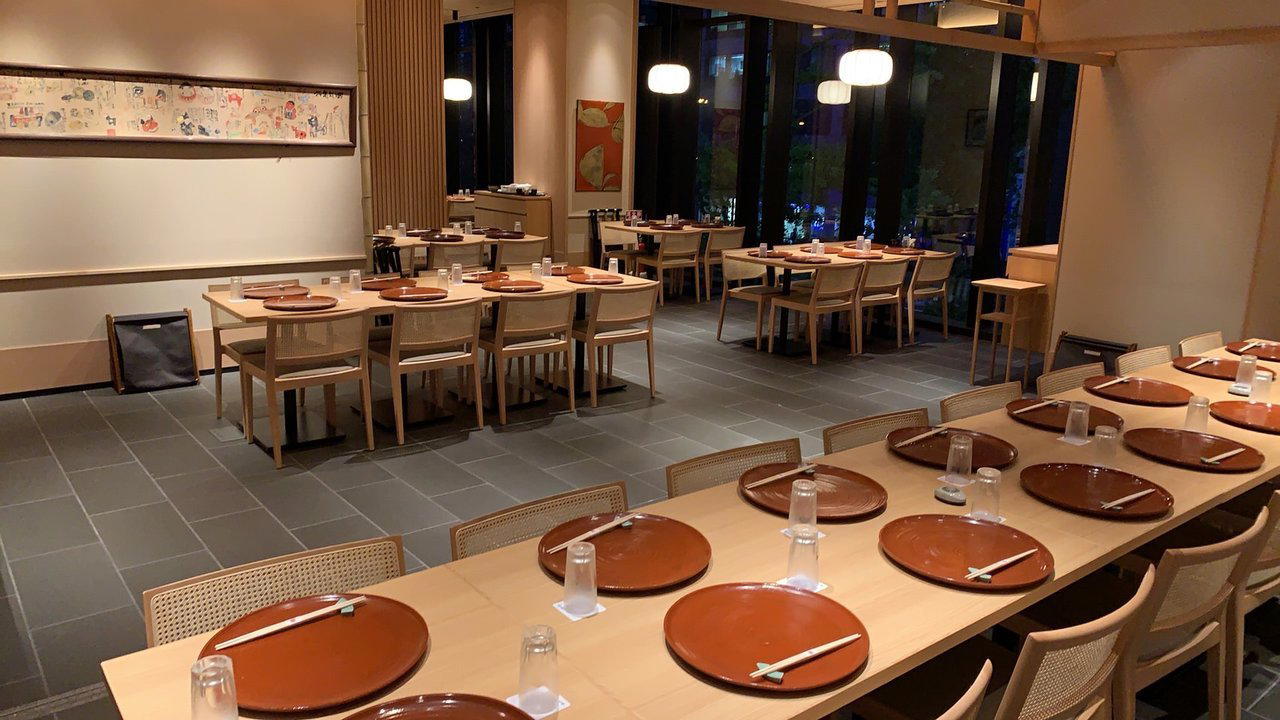
Unagi as a Singular Discipline
Japan's unagi houses occupy a category that operates almost entirely outside the logic of contemporary dining trends. While kaiseki counter culture drives most of the critical conversation around Osaka's restaurant scene, the serious eel specialists have continued on their own terms: fixed preparations, inherited techniques, and a discipline that measures itself in decades rather than seasons. Chikuyoutei sits squarely within this tradition, with Opinionated About Dining placing it at #58 in their Casual Japan ranking for 2025, up from #63 the year prior, and a Recommended entry in their broader Leading Restaurants in Japan list for 2023. That trajectory across three consecutive years of OAD recognition is the clearest available signal of where this kitchen sits relative to peers.
For context on the Osaka dining spectrum: the city's most decorated addresses run toward the French-inflected end of the spectrum, with HAJIME and La Cime anchoring the ¥¥¥¥ tier, and kaiseki houses like Kashiwaya Osaka Senriyama, Taian, and Fujiya 1935 commanding Michelin recognition at the multi-star level. Chikuyoutei belongs to a different register entirely: a single-ingredient specialist in the OAD casual tier, which in Japan functions less as a consolation category and more as a separate and legitimate dining mode. Japan's leading unagi houses are not judged against kaiseki rooms; they are judged against each other.
The Unagi Tradition This Kitchen Represents
Freshwater eel preparation in Japan divides broadly along regional lines. The Kansai style, prevalent in Osaka and Kyoto, grills the eel without prior steaming, producing a firmer texture and a more pronounced char at the skin. The Kanto approach, dominant in Tokyo, steams before grilling for a softer, more yielding result. These are not stylistic preferences but deep culinary commitments, and a serious unagi house in Osaka will defend the Kansai method with the same conviction a Burgundian winemaker brings to whole-cluster fermentation.
The tare, the soy-based basting sauce applied during grilling, is similarly non-negotiable at houses of this standing. In the leading kitchens, the tare is maintained as a continuous culture, with each batch building on what came before. The result is a depth and integration that no single-batch sauce can replicate. This is the operational context in which Chikuyoutei competes, and the OAD recognition suggests the kitchen is holding its line in that competition.
For those planning a visit to Osaka with unagi as a reference point, the two comparable specialists operating in Tokyo are Akimoto and Hashimoto Unagi, both of which offer a useful peer comparison when thinking about what the serious end of this category looks like across different cities.
Planning the Visit: What to Know Before You Go
Single-discipline specialists in Japan's casual critical tier routinely present more booking difficulty than their category implies. The OAD ranking places Chikuyoutei in the upper half of its tier within Japan, which typically translates to consistent demand from both domestic diners and visitors who follow critical lists closely. The kitchen operates across two services daily: a lunch sitting from 11:30 am to 3 pm Monday through Friday, extending to 3:30 pm on weekends, and an evening sitting from 4:30 pm to 9 pm every day. Saturday and Sunday lunch runs thirty minutes longer than the weekday equivalent, which matters for visitors working around transit or other reservations.
The daily split-service format is standard for unagi houses of this calibre and reflects the preparation demands of working with live eel: the kitchen needs the mid-afternoon break to reset, re-stock, and prepare for the second sitting. Arriving at the early end of either service is generally preferable for the full range of preparations, as eel availability can narrow toward the end of a sitting at houses where volume is managed carefully.
For specialist houses of this kind, the review pool is often skewed by visitors expecting a broader menu or a more accessible price point, neither of which is what a serious unagi specialist offers. The critical record, which here runs to three consecutive OAD placements, is a more reliable indicator of kitchen performance than aggregate consumer scores at this type of venue.
Where Chikuyoutei Sits in the Wider Osaka Picture
Osaka's dining ecosystem is broad enough that a single visit rarely covers more than one stratum. The serious unagi tradition occupies a different time of day, a different mood, and a different price register than a long kaiseki evening. Visitors who approach the city with that in mind, rather than treating every meal as a competition for the highest Michelin tier, tend to eat better across the week. A lunch at an OAD-recognised unagi house, a dinner at a two-star kaiseki counter, and a night at one of the city's whisky bars represents a more honest account of what Osaka does than any single prestige booking.
The Quick Read
Comparable venues nearby, for context on price, style, and recognition.
| Venue | Cuisine | Price | Notes |
|---|---|---|---|
| ChikuyouteiThis venue — the venue you are viewing | Unagi | $$$ | Not listed |
| Sushi Shigenaga | Kita, Edomae Sushi Omakase | $$$ | Not listed |
| Sumisho Mikuriya | Kita, Yakitori | $$$ | Not listed |
| Sumibi Iwata | Not listed | $$$ | Miyakojima, Yakitori (Kuro Satsuma Chicken) |
| NAKATSU WONIKU | Kita, Modern Yakiniku | $$$ | Not listed |
| Sushi Minoki | Kita, Intimate Omakase Sushi Counter | $$$ | Not listed |
Recognition history
Dated appearances from independent guides and award organizations, with the underlying list record or original source where available.
Opinionated About Dining Casual in Japan Ranked #88
Opinionated About Dining
Opinionated About Dining Casual in Japan Ranked #58
Opinionated About Dining
Opinionated About Dining Casual in Japan Ranked #63
Opinionated About Dining
Opinionated About Dining Top Restaurants in Japan Recommended
Opinionated About Dining
Continue exploring
More in Osaka
Restaurants in Osaka
Browse all →




Bars in Osaka
Browse all →




Hotels in Osaka
Browse all →




Wineries in Osaka
Browse all →
At a Glance
- Elegant
- Intimate
- Sophisticated
- Business Dinner
- Special Occasion
- Family
- Open Kitchen
- Sake Program
- Skyline
Tranquil Japanese space with partitions, offering a relaxing atmosphere for intimate dining.