


Operating from the same Bunkyo address since 1835, Hashimoto Unagi is one of Tokyo's longest-running unagi specialists, now in its sixth generation. The tare sauce has never been replaced, only replenished, and the Edo-style kabayaki technique remains unchanged. Ranked in Opinionated About Dining's Casual Japan list each year from 2023 to 2025, it holds a position that few single-dish houses in the city can match.
Pearl is the En Primeur Club membership app — saves, bookings, and concierge access live there. Same editors, same standards.
- Address
- 2 Chome-5-7 Suido, Bunkyo City, Tokyo 112-0005, Japan
- Phone
- +81 3-3811-4850
- Website
- unagi-hashimoto.jp
- Directions
- Get directions
 Saves & bookings on Pearl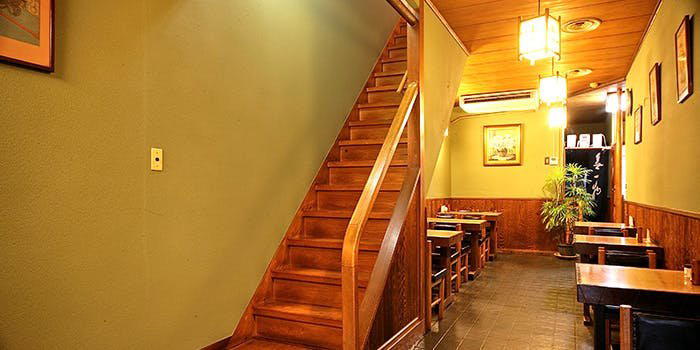
A Lantern, a Noren, and Nearly Two Centuries of Eel
Hashimoto Unagi is a restaurant in Tokyo's Bunkyo district serving Traditional Edo-Style Grilled Eel (Unagi). The approach to Hashimoto Unagi does most of the talking before you reach the door. A paper lantern marked with the hiragana character for u, shorthand for unagi, eel, hangs above the entrance of a low, detached wooden house in Bunkyo. The noren curtain in the doorway carries the date: founded in 1835. In a city where restaurant turnover is relentless, and where buildings are routinely torn down and rebuilt every few decades, the physical fact of this place matters. You are not walking into a revival or a tribute act. You are walking into a house that was already old when the Meiji Restoration reorganised Japan.
Bunkyo sits north of central Tokyo, quieter than Ginza or Shinjuku, a ward shaped by universities, old temples, and the kind of neighbourhood life that doesn't orient itself around tourism. Unagi houses in this part of the city predate the modern dining economy by generations, and strong examples among them, Hashimoto among them, function less like restaurants in the contemporary sense than like inherited institutions. People return not because they are deciding where to eat but because they have always eaten here.
What Keeps Regulars Coming Back
The draw for long-term devotees is not variety. The menu at a house like this is deliberately narrow: Edo-style kabayaki, the Tokyo preparation where eel is steamed before grilling, producing a softer, cleaner result than the Kansai method of grilling directly over charcoal. The centrepiece is unaju, broiled eel over rice served in a lacquered box, a format that has been a fixture of Tokyo dining since the Edo period. The ritual of the meal follows a recognisable structure that regulars understand without consulting a menu. While the unaju is prepared, skewers arrive first: grilled eel liver, ribs, and fin, each bringing a distinct register of the ingredient before the main event.
What makes this structure memorable for regulars is the tare. The sauce used to lacquer the eel at Hashimoto has been in continuous use and gradual replenishment since the house opened. Tare at a serious unagi restaurant is not a recipe made fresh; it is a living preparation, fed with new ingredients over decades, accumulating complexity that no new batch can replicate. At nearly 190 years, Hashimoto's tare is among the oldest in Tokyo. That is not a marketing claim, it is the structural reason why the taste cannot be reproduced anywhere else, and why regulars don't consider alternatives.
Chef Shinji Hashimoto, the sixth generation of his family to run the house, carries the weight of that continuity. In the context of Edo-style unagi, lineage is not a romantic backstory; it is a technical qualification. The preparation methods, the fire management, the calibration of the tare, these are passed through practice over years, not through written recipes or culinary school curricula. The regulars who have been eating here for decades are, in a real sense, eating the accumulated expertise of six generations.
Where Hashimoto Sits in Tokyo's Unagi Circuit
Tokyo has a small but serious unagi circuit. Kabuto Unagi operates in a different ward but draws a comparable audience of single-dish specialists. Obana in Mukojima is another multigenerational house with deep local roots. What Hashimoto brings to that comparable set is the combination of age, award recognition, and geographic positioning in Bunkyo, a ward less saturated with dining destinations than the tourist-facing parts of the city, which keeps the clientele predominantly local and repeat.
The Opinionated About Dining ranking confirms that standing across three consecutive years: ranked 4th in 2023, 7th in 2024, and 6th in 2025 in the Casual Japan category. Consistency across that range matters more than peak position. A single-year ranking can reflect novelty; three consecutive years inside the leading ten reflects structural quality. That is the kind of recognition regulars feel entitled to cite when their loyalty is questioned by someone who hasn't yet eaten there.
For broader context on Tokyo's single-dish and specialist dining houses, Akimoto, Sangubashi Asaya, and Uomasa represent different points on the spectrum of focused, craft-led restaurants in the city. If unagi specifically draws you beyond Tokyo, Chikuyoutei in Osaka offers a direct comparison with the Kansai preparation style, a useful counterpoint to understanding what the Edo method at Hashimoto actually achieves.
Practical Notes for First-Time Visitors
Hashimoto Unagi operates on split-shift hours: lunch service runs from 11:30am to 2:30pm, and dinner from 4:30pm to 8pm, Monday through Wednesday and Friday through Sunday; Thursday is closed. The address is 2 Chome-5-7 Suido, Bunkyo City. Bunkyo is accessible via the Tokyo Metro Marunouchi and Nanboku lines, with Korakuen station a short walk away.
For first visits, arriving at the start of either service window is advisable; houses of this type do not take indefinite bookings the way high-end omakase counters do, and popular sessions can fill. Weekday lunch has historically been the calmer entry point for those approaching Hashimoto for the first time, without the added pressure of a full weekend dinner crowd.
For planning the wider Tokyo trip, our full Tokyo restaurants guide covers the full range of the city's dining, from houses like Hashimoto through to high-end kaiseki and contemporary Japanese. Our full Tokyo hotels guide, bars guide, wineries guide, and experiences guide round out the city picture. For Japan more broadly, the editorial reach extends to HAJIME in Osaka, Gion Sasaki in Kyoto, akordu in Nara, Goh in Fukuoka, 1000 in Yokohama, and 6 in Okinawa. For an entirely different unagi context outside Japan, Irin in Bratislava represents the European end of that particular ingredient's reach.
Quick reference: the restaurant, 2 Chome-5-7 Suido, Bunkyo City, Tokyo. Open Tue–Wed and Fri–Sun (lunch 11:30am–2pm, dinner 4:30 to 8pm); closed Thursday.
Nearby-ish Comparables
Comparable venues nearby, for context on price, style, and recognition.
| Venue | Cuisine | Price | Notes |
|---|---|---|---|
| Hashimoto UnagiThis venue — the venue you are viewing | Traditional Edo-Style Grilled Eel (Unagi) | $$$ | Not listed |
| Ponta Honke | Traditional Japanese Tonkatsu | $$$ | Taitō |
| Tempura Asanuma | Modern Tempura Omakase | $$$ | Chūō |
| Kuhara | Authentic Japanese with Duck Specialty | $$$ | Shibuya |
| Raisan | Kyoto-style Japanese Kaiseki | $$$ | Shibuya |
| Homemade Ramen Muginae | Homemade Shoyu Ramen | $$ | Shinagawa |
Recognition history
Dated appearances from independent guides and award organizations, with the underlying list record or original source where available.
Michelin Bib Gourmand
Michelin
Opinionated About Dining Casual in Japan Ranked #10
Opinionated About Dining
Opinionated About Dining Casual in Japan Ranked #6
Opinionated About Dining
Opinionated About Dining Casual in Japan Ranked #7
Opinionated About Dining
Tabelog 100 #35 · No. 35
Tabelog · Tabelog 100 - Unagi - 2024
Opinionated About Dining Casual in Japan Ranked #4
Opinionated About Dining









At a Glance
- Cozy
- Classic
- Quiet
- Intimate
- Celebration
- Special Occasion
- Solo
- Family
- Historic Building
- Standalone
- Sake Program
Current opening hours
- Monday
- 11:30 AM–2:30 PM, 4:30–8 PM
- Tuesday
- 11:30 AM–2:30 PM, 4:30–8 PM
- Wednesday
- 11:30 AM–2:30 PM, 4:30–8 PM
- Thursday
- Closed
- Friday
- 11:30 AM–2:30 PM, 4:30–8 PM
- Saturday
- 11:30 AM–2:30 PM, 4:30–8 PM
- Sunday
- 11:30 AM–2:30 PM, 4:30–8 PM
Hours can change for holidays and private events. Last verified .
Intimate, traditional Japanese home-like setting with tatami rooms and minimal modern touches; quiet and comforting with the aroma of charcoal-grilled eel drifting through the space.