

Tabelog Bronze
Our verdict
The counter operates across lunch and dinner sessions from Tuesday through Saturday, placing it within Ginza's competitive tier of destination sushi addresses where training lineage and critical standing carry significant weight.

Pearl is the En Primeur Club membership app, where members save venues, book tables and use the concierge.
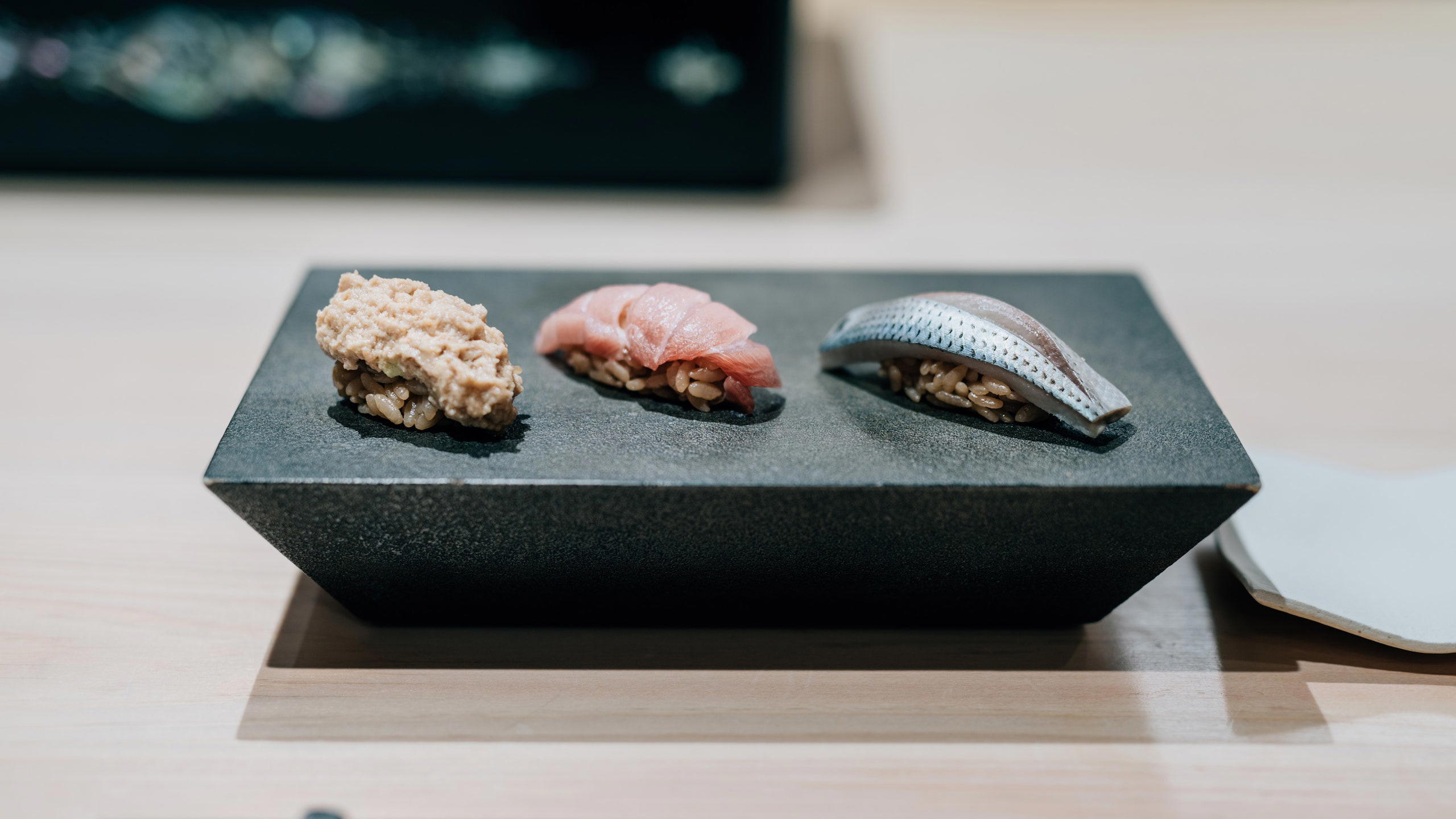
The menu
What to order
- Tossaki (tuna neck hand roll)
- Tamago (charcoal-grilled egg with crème brûlée top)
- Maguro tuna trio (akami, chutoro, otoro)
Third Floor, Ginza: What the Address Tells You Before You Sit Down
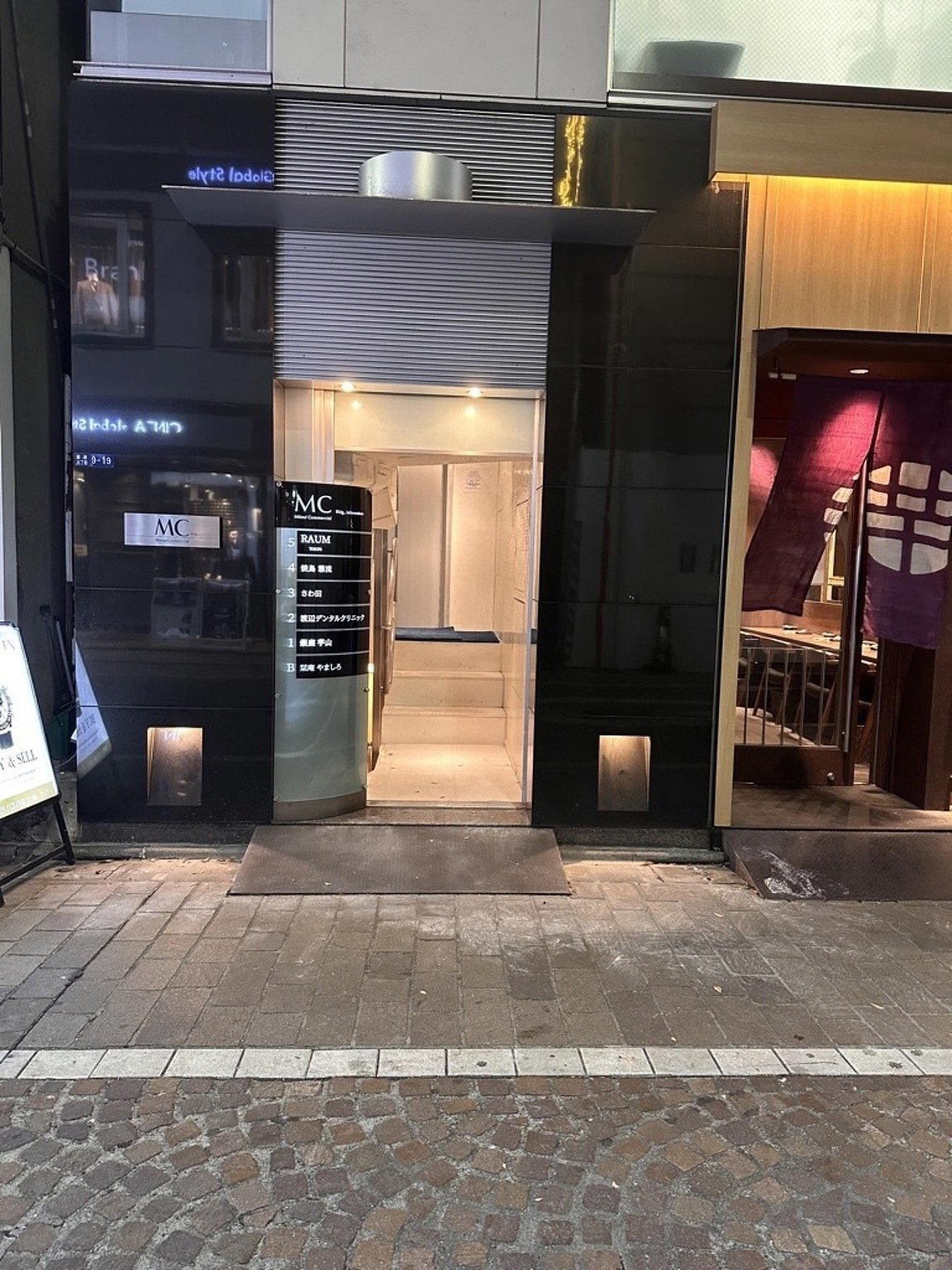
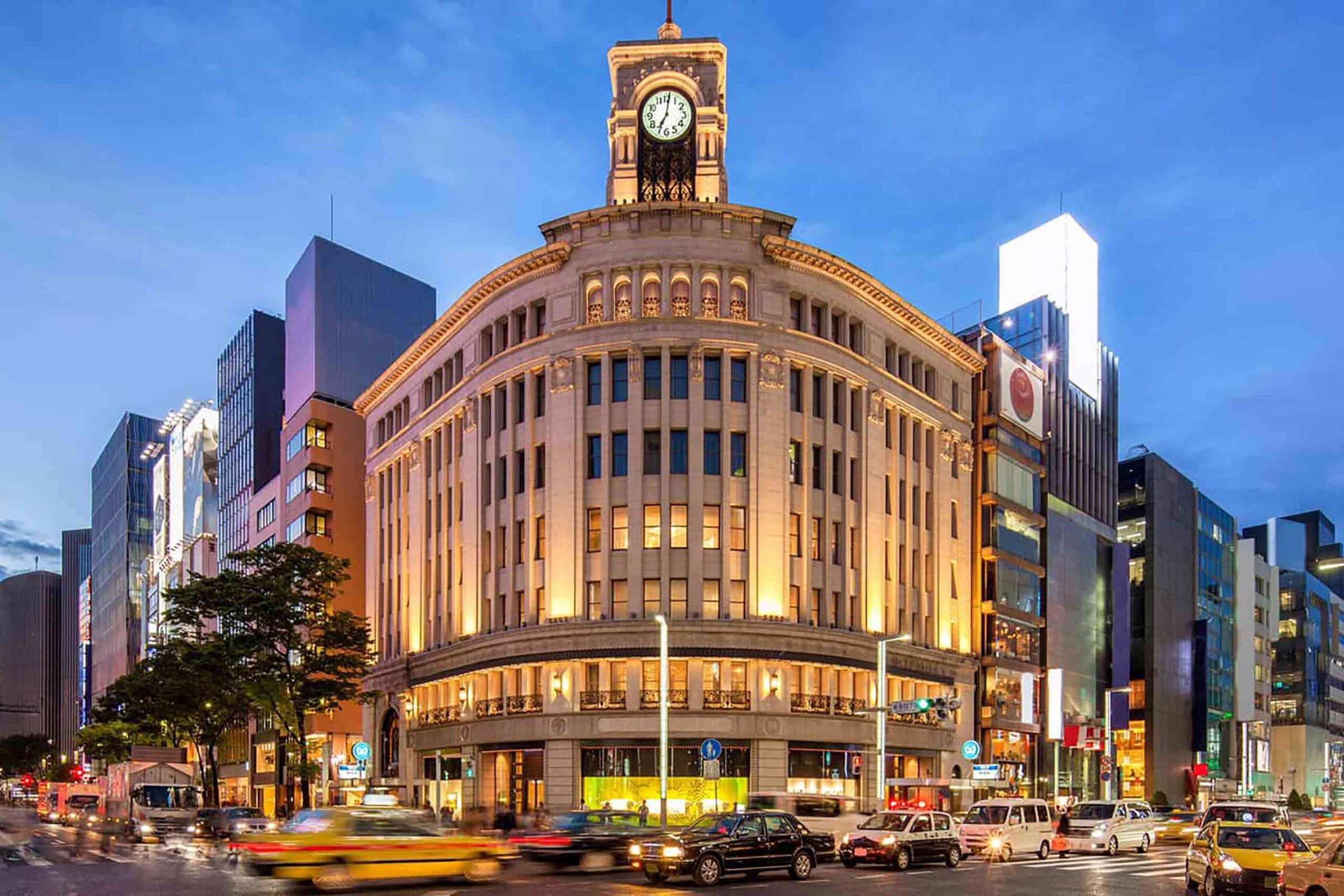
Ginza's sushi scene has a geography of its own. The neighbourhood's premium omakase counters tend to occupy upper floors of low-profile commercial buildings, tucked behind unmarked doors that assume you already know where you're going. The third floor of Rape Building on 6-chome is that kind of address: nothing on the street signals destination dining, which in Ginza is itself a signal. The counters that operate this way are not hiding. They are simply not competing for foot traffic, because their clientele books weeks or months ahead and arrives with purpose.
Hakkoku, the sushi counter run by chef Hiroyuki Sato, belongs to this tier. It is not a newcomer testing the Ginza market. Its trajectory on Opinionated About Dining's Japan rankings tells a clear story: #226 in 2023, then #87, then #194 in 2024, then back to #226 in 2025. That kind of movement on a peer-reviewed critical ranking reflects both the density of competition at the top of Japanese sushi and the level of scrutiny serious eaters apply to this neighbourhood.
The Shape of Ginza Omakase, and Where Hakkoku Sits Within It
To understand what Hakkoku represents, it helps to understand how the Ginza omakase tier is structured. The neighbourhood is home to some of the most closely watched sushi counters in the world, with addresses like Sushi Kanesaka and Harutaka functioning as reference points for the style and price expectations of the area. Further down the Chuo City corridor, counters like Sukiyabashi Jiro Roppongiten and Edomae Sushi Hanabusa extend the conversation about what Edomae technique looks like across different registers of formality and scale.
Chef Sato's positioning within this set is shaped by critical consensus rather than a single institutional endorsement.
Hiroyuki Sato and the Training Context That Matters
In Ginza omakase, chef biography functions less as personal narrative and more as a credential within a documented lineage. The Edomae tradition moves through apprenticeships in ways that are traceable: a chef's formative years define the technical vocabulary they bring to the counter, from how they handle the shari (seasoned rice) to the temperature at which they serve nigiri and the specific aging decisions they make with different fish. Hiroyuki Sato's position in the OAD Japan ranking places him in a cohort where those decisions are evaluated against a rigorous and well-informed peer standard.
What the critical record suggests is a chef who has developed a legible point of view within the tradition. Counters that move up and down the OAD list over consecutive years are typically ones where the panel is engaged, returning, and debating, not ones that have been filed away as settled. The fact that Hakkoku has occupied different positions across 2023, 2024, and 2025 indicates that it remains an active point of discussion among the people who take these rankings seriously, which is itself a form of recognition.
For comparison, Hiroo Ishizaka represents a different Edomae register, with a quieter neighbourhood profile that contrasts with Ginza's density of high-profile competition. The distinctions between these addresses are instructive: same city, same tradition, meaningfully different contexts.
Service Hours and the Significance of Dinner Focus
Hakkoku's current operating window is worth reading carefully. According to available data, the counter runs Tuesday through Saturday, with sessions from 11:30am to 2pm and 5pm to 11pm, though the Tabelog record indicates that lunch service ended in March 2020 and the evening window runs 17:30 to 20:30 with last entry noted. Sundays and public holidays are closed. This compression into dinner-only, Tuesday-to-Saturday operation is a structural choice common among serious Ginza counters: it limits covers, maintains quality control, and concentrates the experience into sessions where both the kitchen and the guest can be fully present.
The practical implication for visitors is that availability is finite and planning is not optional. Ginza counters at this recognition level typically require advance reservation through Japanese booking platforms or direct contact, and the window narrows further for international visitors who may need assistance navigating domestic reservation systems.
| Venue | Cuisine | Key Recognition | Dinner Format | EP Club Link |
|---|---|---|---|---|
| Hakkoku | Edomae Sushi | OAD Top 100 (peak); Tabelog Bronze; Pearl 2025 | Counter omakase, Tue–Sat | |
| Harutaka | Sushi | Michelin 3 Stars | Counter omakase | Harutaka profile |
| Sushi Kanesaka | Sushi | Michelin-recognised lineage | Counter omakase | Kanesaka profile |
| Sukiyabashi Jiro Roppongiten | Sushi | Jiro lineage; Michelin history | Counter omakase | Roppongiten profile |
| Edomae Sushi Hanabusa | Edomae Sushi | Edomae specialist | Counter omakase | Hanabusa profile |
Sushi in Japan Beyond Tokyo
Hakkoku belongs to a tradition with significant presence across Japan, though the Ginza and Minato ward concentration of top-ranked counters is unusual in its density. Visitors building broader Japan itineraries around serious eating will find the critical conversation extends well beyond Tokyo. HAJIME in Osaka represents the kaiseki-influenced end of Kansai fine dining; Gion Sasaki in Kyoto operates within a different set of seasonal and regional expectations; and further afield, Goh in Fukuoka, akordu in Nara, 1000 in Yokohama, and 6 in Okinawa each place the tradition in sharply different local registers.
The Edomae format has also travelled. Sushi Shikon in Hong Kong and Shoukouwa in Singapore represent the export of Tokyo's counter culture into Southeast Asian luxury markets, where the format commands three Michelin stars in both cities. The comparison is instructive: the technical foundations are the same, but the sourcing, seasonal logic, and guest composition differ substantially from what you find at a Ginza address like Hakkoku.
Practical Information
Hakkoku is located at Ginza 6-chome 7-6, Rape Building 3F, Chuo City, Tokyo. The counter operates Tuesday through Saturday. Direct phone contact is available at 03-6280-6555. Sunday and public holiday closures apply. Reservations are advisable well in advance; the counter's Tabelog listing is the most reliable channel for domestic booking.
For further planning across Tokyo's dining, hotel, bar, and experience options, EP Club maintains full guides: our full Tokyo restaurants guide, our full Tokyo hotels guide, our full Tokyo bars guide, our full Tokyo wineries guide, and our full Tokyo experiences guide.
Frequently asked questions
What do regulars order at Hakkoku?
Hakkoku operates as a counter omakase, which means the format itself answers the question: there is no à la carte selection. The chef determines the sequence, and regulars return for the progression as a whole rather than for individual dishes. Within the Edomae tradition, the markers that draw repeat visitors to a particular counter tend to be the chef's specific approach to shari temperature and seasoning, the aging decisions applied to different fish, and the pacing of the meal.
Cuisine and Awards Snapshot
| Venue | Cuisine | Price | Awards | Notes |
|---|---|---|---|---|
| HakkokuThis venue (the venue you are viewing) | Edomae Omakase | $200–300 | Tabelog Bronze | Not listed |
| Harutaka | Edo-Style Omakase Sushi | $200–300 | 3 Michelin Stars · World's 50 Best #76 | Sushi |
| RyuGin | Modern Kaiseki | $500+ | 3 Michelin Stars · World's 50 Best #41 | Kaiseki, Japanese |
| L'Effervescence | Modern French with Japanese Influences | $200–300 | 3 Michelin Stars · World's 50 Best #69 | French |
| HOMMAGE | Modern French with Japanese Influences | $150–200 | 2 Michelin Stars · World's 50 Best #78 | Innovtive French, French |
| MAZ | Innovative Peruvian-Japanese Fusion | $150–200 | 2 Michelin Stars · World's 50 Best #28 | Innovative |
Recognition history
Dated appearances from independent guides and award organizations, with the underlying list record or original source where available.
Opinionated About Dining Top Restaurants in Japan Recommended
Opinionated About Dining
Tabelog Bronze
Tabelog
Full recognition history (6 entries)
Opinionated About Dining Top Restaurants in Japan Ranked #226
Opinionated About Dining
Tabelog 100 #85 · No. 85
Tabelog · Tabelog 100 - Sushi - TOKYO - 2025
Opinionated About Dining Top Restaurants in Japan Ranked #194
Opinionated About Dining
Opinionated About Dining Top Restaurants in Japan Ranked #87
Opinionated About Dining
Continue exploring
More in Tokyo
Restaurants in Tokyo
All restaurants in Tokyo →

Bars in Tokyo
All bars in Tokyo →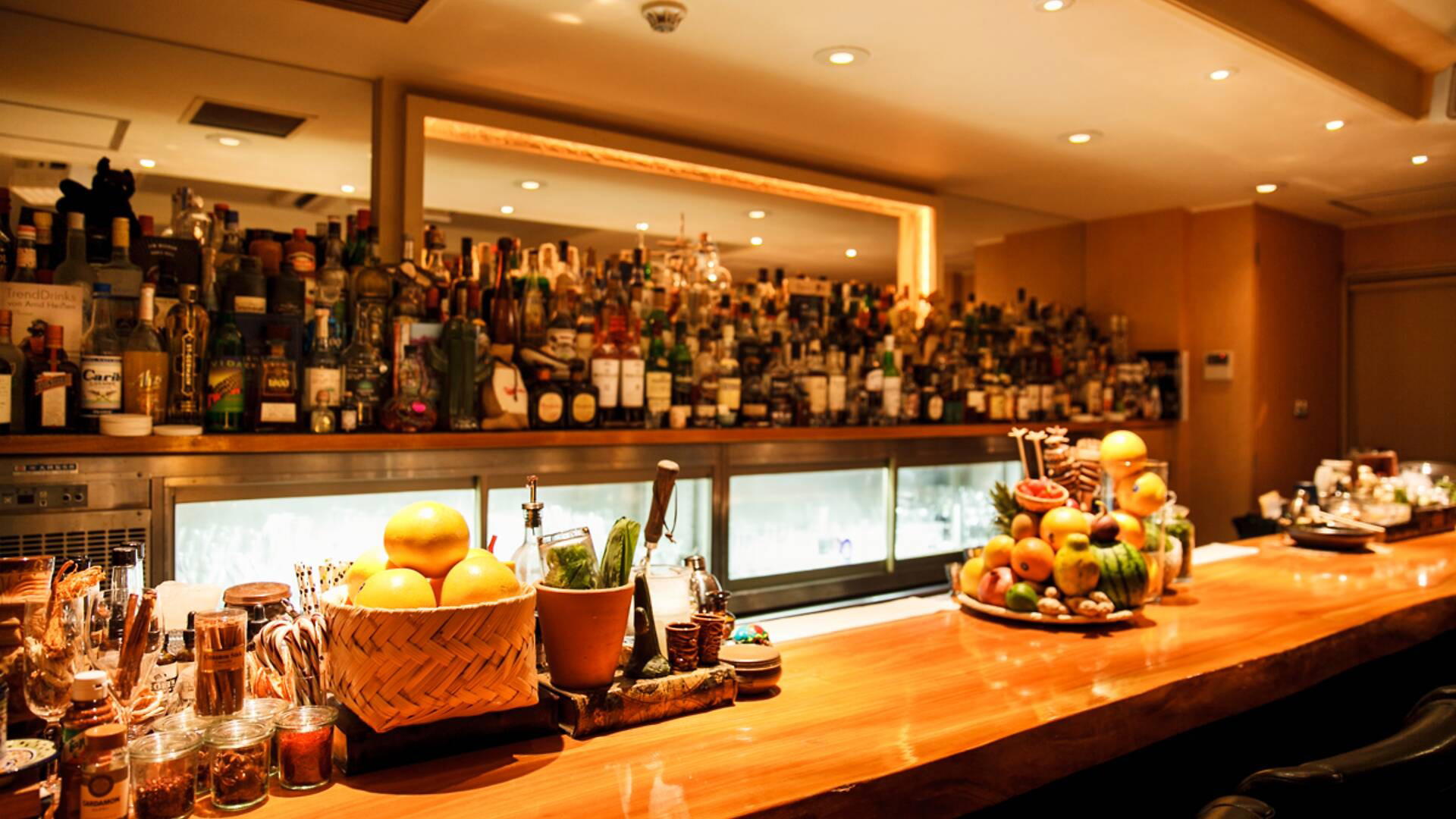
Details
- Elegant
- Minimalist
- Intimate
- Sophisticated
- Date Night
- Special Occasion
- Celebration
- Chefs Counter
- Open Kitchen
- Design Destination
- Sake Program
- Local Sourcing
- Sustainable Seafood
- Omakase
- Counter Dining
- Set Menu
- Sake
- Wine
- Allergy Accommodating
Current opening hours
- Monday
- 5–11 PM
- Tuesday
- 5–11 PM
- Wednesday
- 5–11 PM
- Thursday
- 5–11 PM
- Friday
- 5–11 PM
- Saturday
- 12–2 PM, 5–11 PM
- Sunday
- Closed
Hours can change for holidays and private events. Last verified .
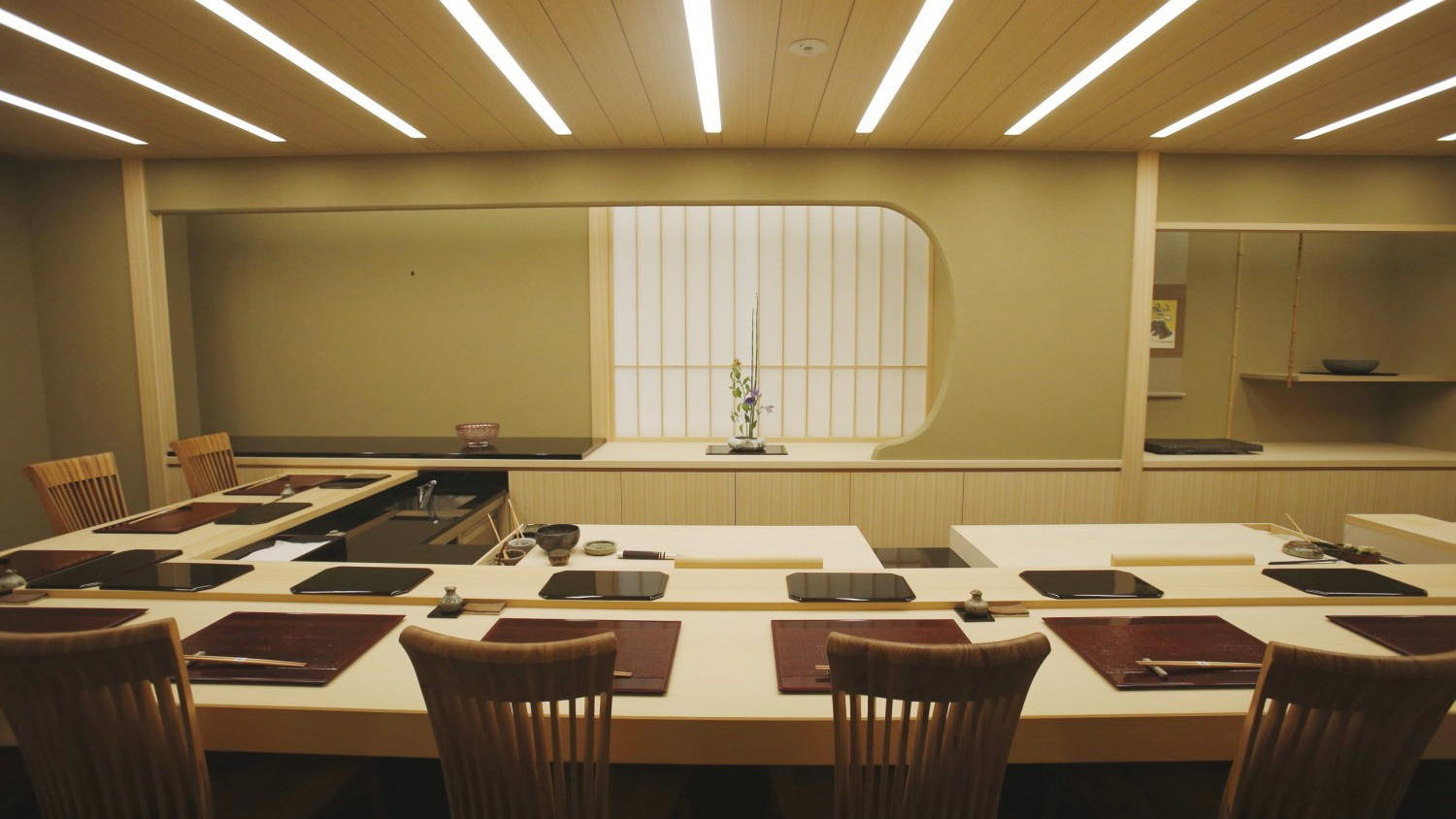
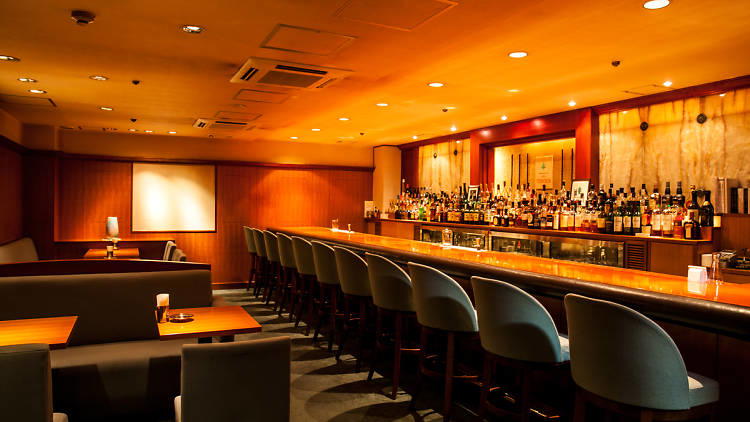
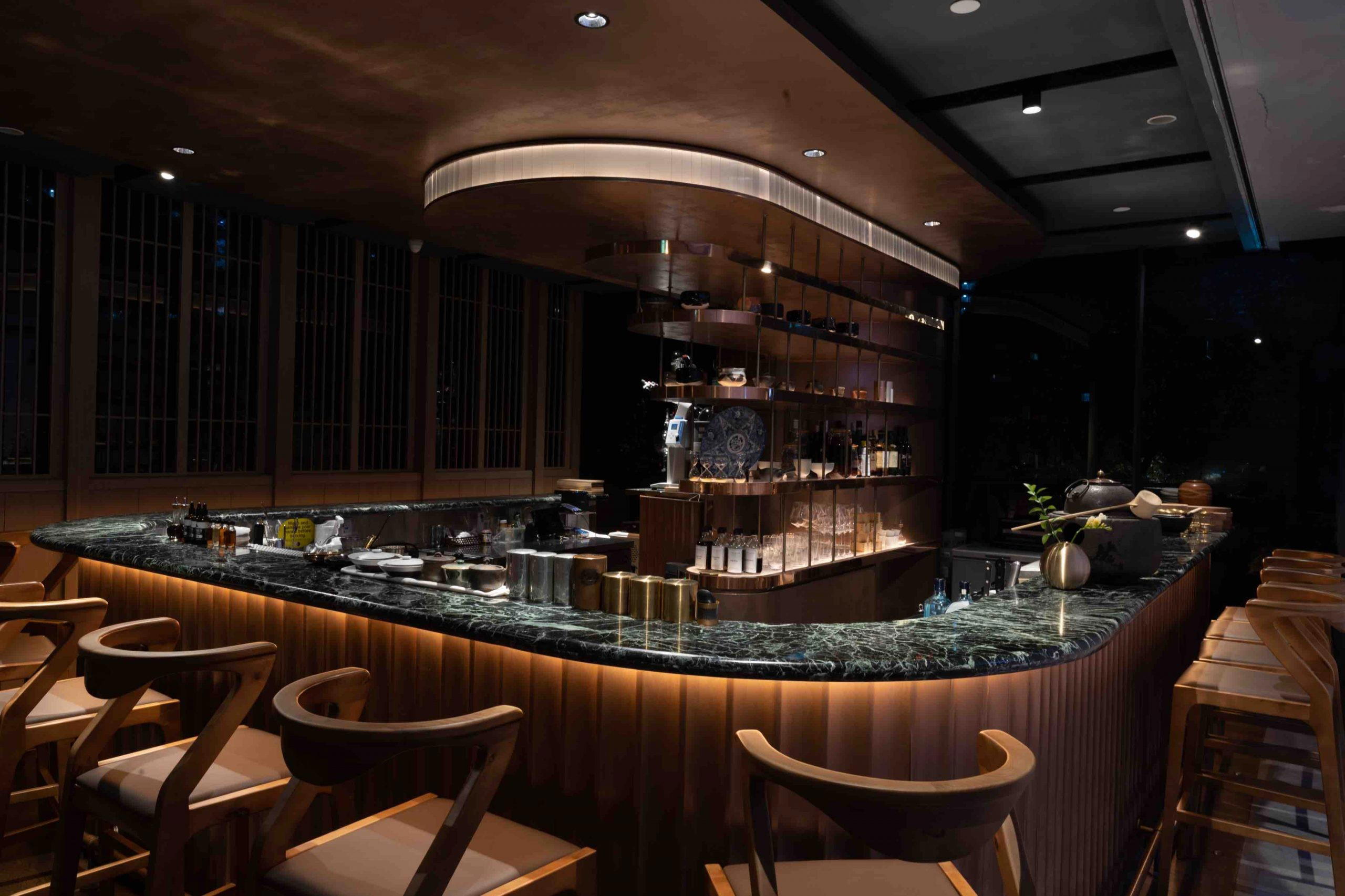
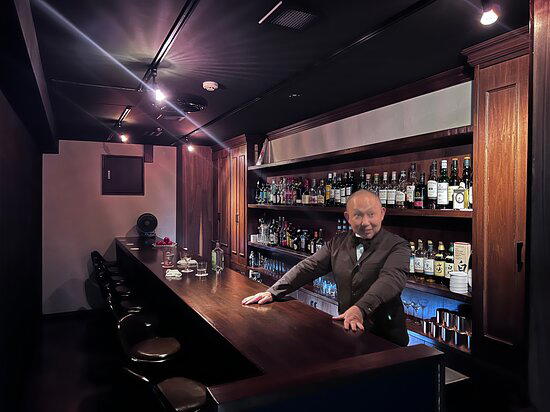
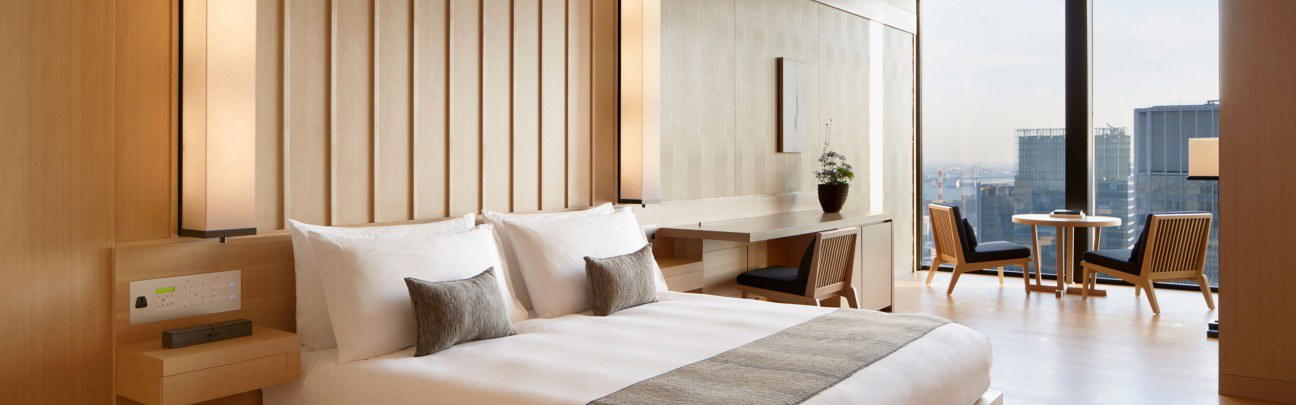
Sleek, ultra-minimalist modern Japanese aesthetic with warm, welcoming service; intimate counter seating in three separate rooms with low lighting and clean, elegant design that contrasts with the chef's personable demeanor.