

Tabelog Silver #9
Our verdict
Tokyo’s unagi culture has moved beyond the binary of old-line kabayaki houses and casual eel-over-rice shops. Sangubashi Asaya represents the newer counter-led tier: chef Akira Ogiwara’s eel-focused cooking is framed as a full-course meal, backed by a Tabelog Award 2026 Silver distinction, Tabelog Unagi 100 selection, and a 2026 OAD Japan ranking.

Pearl is the En Primeur Club membership app, where members save venues, book tables and use the concierge.
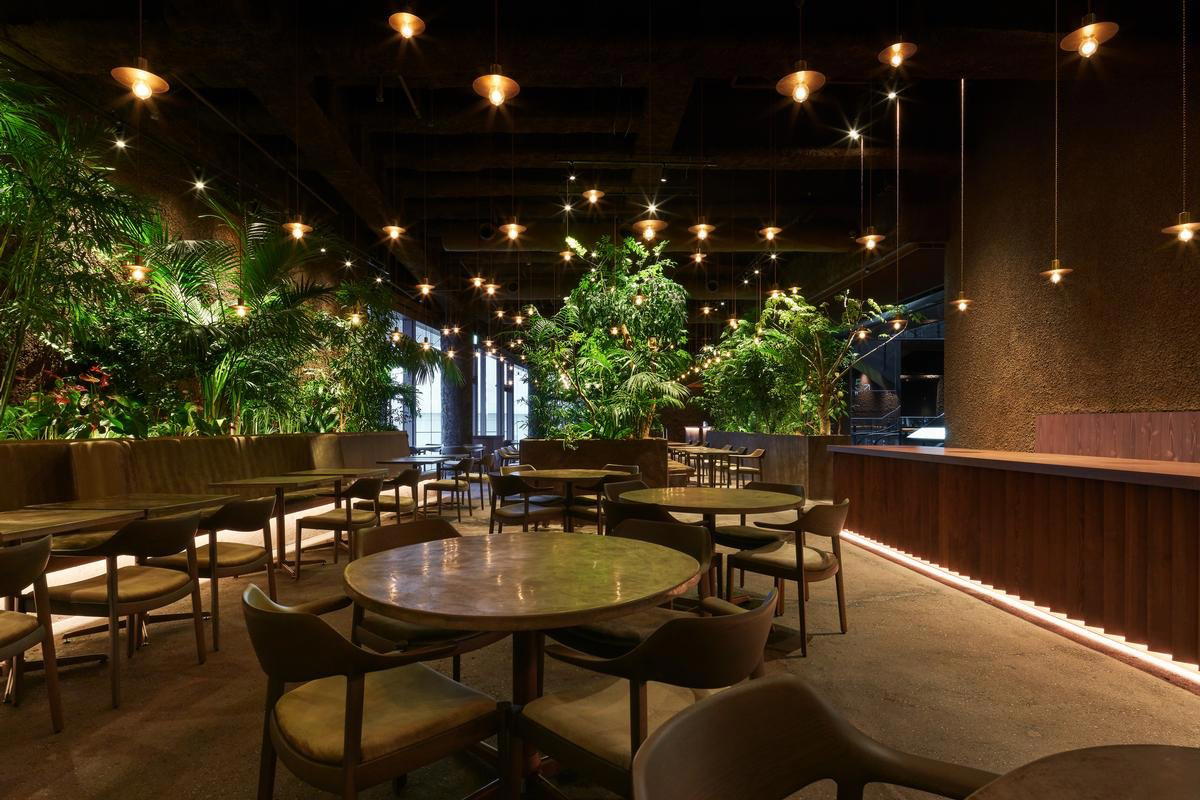
The room states its intent before the first course: counter seating, close range, and a quiet closer to Tokyo’s modern kappo counters than everyday unagi shops. In a cuisine visitors often reduce to lacquered eel over rice, Sangubashi Asaya belongs to a narrower movement: eel treated as a sequence, not a single set piece.
That distinction matters in Tokyo. The city has old-line unagi houses built on tare, charcoal, rice, and repetition, plus newer specialist counters that present eel as a full-course ingredient. The older category includes Nodaiwa, Obana, Hashimoto Unagi, Akimoto, and Kabuto Unagi, a competitive set where craft, sourcing, grill control, and house sauce carry the argument. Sangubashi Asaya shifts the frame toward progression and intimacy, with eight counter seats and an eel-focused course format closer to Tokyo’s high-touch specialist culture than the standard unagiya rhythm.
Unagi as a full-course counter format, not a single bowl
Unagi is often judged through a narrow lens: tare fragrance, flesh tenderness, rice condition, and the balance of smoke and sweetness. Those benchmarks still matter, but the newer premium tier adds another test. A full-course eel meal must manage pacing, texture, heat, and repetition without tiring the palate. That is harder than serving one decisive donburi.
Sangubashi Asaya’s recognition suggests this format has moved beyond novelty. The restaurant received The Tabelog Award 2026 Silver, holds a Tabelog score of 4.31, was selected for Tabelog Unagi 100 in 2024, and appears at number 55 on Opinionated About Dining’s 2026 Top Restaurants in Japan ranking after appearing in the 2025 Japan ranking. In Tokyo, where unagi loyalty often favors older houses, that cluster signals serious acceptance of a young specialist counter, not a passing curiosity.
The cooking is credited to chef Akira Ogiwara, but the larger story is how chef-led counter dining has changed expectations around traditional Japanese categories. Sushi, tempura, yakitori, and kappo have long trained diners to accept narrow specialization at high prices; unagi is entering that conversation. The chef’s role is to translate a familiar ingredient into a longer arc while preserving the discipline that makes eel compelling.
Comparisons with Tokyo’s established eel houses are useful but incomplete. A meal at Obana or Nodaiwa speaks to continuity, house style, and classic-format satisfaction. The Sangubashi counter asks whether unagi can hold attention course after course with the authority sushi chefs extract from tuna, shellfish, and rice. That question makes the restaurant relevant in Tokyo’s current dining conversation.
Why the Sangubashi address changes the tone
Sangubashi gives the restaurant useful distance from Tokyo’s luxury dining theater. The neighborhood sits in the Yoyogi-Shibuya orbit, practical for central dining circuits but removed from the Ginza-Akasaka-Roppongi pattern that shapes many high-end itineraries. The experience reads less as grand occasion dining than as a focused specialist appointment, where room scale and chef control matter more than decorative ceremony.
The eight-seat counter is a defining signal. Small counters create pressure: every course is visible, every movement becomes part of the meal, and inconsistency has fewer hiding places. In unagi, where timing and heat are central, that intimacy sharpens the stakes. It also places the restaurant in a broader Tokyo pattern, where narrow-category dining has become one of the city’s strengths. The appeal is not variety for its own sake; it is concentration.
For travelers building a Tokyo food itinerary, this is not a substitute for a classic unagi lunch at an older house. It is the contemporary counterpart. Pairing it with a more traditional eel address shows the category’s range better than choosing one style and declaring the matter settled. The same logic applies across the city: Tokyo rewards diners who compare formats, not only cuisines. Our full Tokyo restaurants guide is the broader map for that planning, while Our full Tokyo hotels guide, Our full Tokyo bars guide, Our full Tokyo wineries guide, and Our full Tokyo experiences guide help place the meal inside a tighter trip structure.
Who should prioritize this table
This is persuasive for diners who already understand the basic pleasure of unaju and want to see how far the ingredient can stretch in a counter-led format. It is less suited to anyone seeking a quick eel introduction or a broad Japanese tasting menu with many categories. The value lies in focus. The restaurant’s award record, price tier, and limited seating point to a meal for diners comfortable with repetition when it reveals variation.
That focus explains why the restaurant sits well beside Japan’s wider specialist culture. A traveler comparing categories might look at unagi in Tokyo, beef sukiyaki at -Grilled beef Sukiyaki- KAMAKURA TANUKIAN 鎌倉 たぬき庵 in Kamakura, café culture at.cafe in Osaka, contemporary regional dining at.know in Kumamoto, Vietnamese cooking in the Tokyo orbit at (Shoku) Vietnam in Kawasaki, curry specialization at [Curry Senmon Ten] Maruyama Kyoju. in Sapporo, Kyoto minimalism at [ki:] in Kyoto, or another eel tradition through Chikuyoutei, Unagi in Osaka. Even a far-flung comparison such as Irin, Unagi in Bratislava underlines the point: eel travels, but Tokyo’s counter culture gives it particular discipline.
The critical case for Sangubashi Asaya rests on that discipline. It is young in a tradition that respects age, yet recognition arrived quickly: opening in 2023, selected for Tabelog Unagi 100 in 2024, and awarded Tabelog Silver in 2026. In a city crowded with specialists, speed of recognition is not enough. Here it supports a clearer editorial reading: Tokyo’s eel scene is no longer only inherited sauce pots and long-running addresses. It now includes compact counters where unagi must carry an entire evening, and where the chef’s evolution is measured by restraint, control, and the ability to make one ingredient feel expansive without spectacle.
Frequently asked questions
What should I expect cuisine-wise at Sangubashi Asaya?
Sangubashi Asaya serves Unagi cuisine.
What time does Sangubashi Asaya open and close?
Hours at Sangubashi Asaya: Mon: 6–11 PM; Tue: 6–11 PM; Wed: 6–11 PM; Thu: 6–11 PM; Fri: 6–11 PM; Sat: 11 AM–9 PM; Sun: 11 AM–9 PM.
Where do I go for Sangubashi Asaya?
Sangubashi Asaya is located in Tokyo.
Who is the chef connected to Sangubashi Asaya?
The chef associated with Sangubashi Asaya is Akira Ogiwara.
Quick Comparison
Comparable venues to place this listing in its category.
| Venue | Cuisine | Price | Awards | Notes |
|---|---|---|---|---|
| Sangubashi AsayaThis venue (the venue you are viewing) | Eel Kaiseki | $200–300 | Tabelog Silver #9 | Not listed |
| Yoroniku Azabudai Hills | Modern Wagyu Yakiniku Kaiseki | $150–200 | Tabelog Silver #159 | Minato |
| Tempura Yamanoure | Traditional Japanese Tempura | $200–300 | Tabelog 100 #4 | Chūō |
| Tatsumi | Tempura Bar | $200–300 | Tabelog 100 #87 | Meguro |
| Fugu Fukuji | Fugu (Pufferfish) Fine Dining | $300–500 | Not listed | Chūō |
| Hato | Modern Kaiseki-Style Sushi Omakase | $200–300 | Tabelog Silver #34 | Shibuya |
Recognition history
Dated appearances from independent guides and award organizations, with the underlying list record or original source where available.
Opinionated About Dining Top Restaurants in Japan Ranked #55
Opinionated About Dining
Tabelog Silver #9
Tabelog
Full recognition history (4 entries)
Opinionated About Dining Top Restaurants in Japan Ranked #137
Opinionated About Dining
Tabelog 100 #50 · No. 50
Tabelog · Tabelog 100 - Unagi - 2024
Continue exploring
More in Tokyo
Restaurants in Tokyo
All restaurants in Tokyo →



Bars in Tokyo
All bars in Tokyo →


Details
- Elegant
- Intimate
- Sophisticated
- Special Occasion
- Chefs Counter
- Open Kitchen
- Sake Program
Current opening hours
- Monday
- 6–11 PM
- Tuesday
- 6–11 PM
- Wednesday
- 6–11 PM
- Thursday
- 6–11 PM
- Friday
- 6–11 PM
- Saturday
- 11 AM–9 PM
- Sunday
- 11 AM–9 PM
Hours can change for holidays and private events. Last verified .
Intimate counter dining with open kitchen, elegant and exclusive atmosphere.