
Tabelog 100 #89
Our verdict
Tsumu occupies a quiet address in Tsukuba's Takezono district, close to the International Conference Center, placing it in a city better known for science than fine dining. The venue sits within a regional dining scene where serious Japanese culinary traditions operate largely outside the critical spotlight that follows Tokyo or Kyoto, making it worth tracking for travelers passing through Ibaraki Prefecture.

Pearl is the En Primeur Club membership app, where members save venues, book tables and use the concierge.
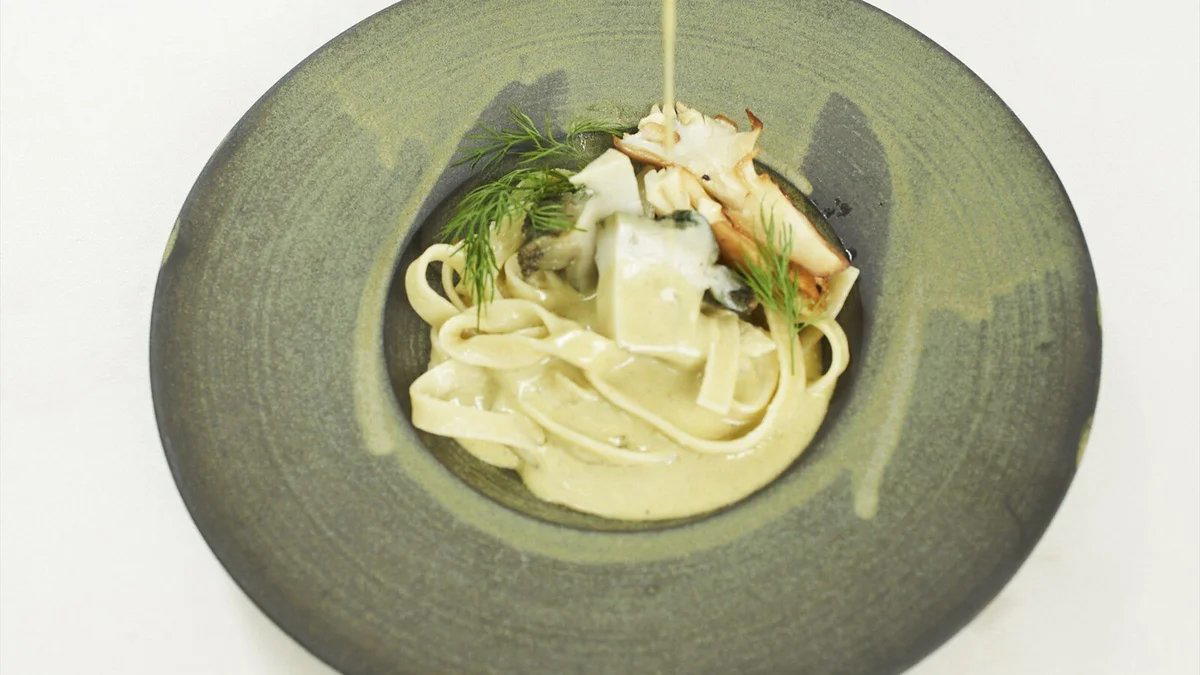
The menu
What to order
- Local Ibaraki ingredient-focused courses
Tsukuba's Dining Scene and Where Tsumu Sits Within It
Ibaraki Prefecture rarely appears in the same conversation as Japan's celebrated dining corridors. Tokyo draws the Michelin inspectors; Kyoto holds the weight of kaiseki tradition; Osaka has built a reputation for both innovation and density of serious restaurants, with venues like HAJIME in Osaka representing the kind of high-concept French-Japanese synthesis that earns international attention. Tsukuba, by contrast, is a planned science city, methodical in its grid, quieter in its culinary ambitions, and less legible to outside critics. That relative obscurity is precisely what makes the restaurants operating here worth attention. The city's dining establishments serve a population of researchers, international conference delegates, and academics whose reference points extend well beyond regional cuisine. Demand, in other words, is sophisticated even if supply is modest.
Tsumu's address in Takezono, a short distance from the Tsukuba International Conference Center, places it within that specific gravitational field. It is a location that rewards venues oriented toward considered, occasion-appropriate dining rather than casual throughput. For context on the broader dining picture across the city, our full Tsukuba restaurants guide maps the range of options available to visitors and residents alike.
The Cultural Weight of Japanese Dining Traditions
Japanese cuisine carries a structural seriousness that distinguishes it from most other culinary traditions. The country has more Michelin-starred restaurants than any other in the world, a fact that reflects not just culinary excellence concentrated in a few cities but a nationally embedded culture of craft, precision, and hospitality philosophy, what the Japanese call omotenashi. That ethos operates at every tier of the market, from the standing ramen counter to the multi-course kaiseki sequence, and it means that even venues operating outside the critical spotlight of Tokyo or Kyoto frequently bring levels of technical discipline that would register as exceptional in European or American dining contexts.
The significance of this tradition extends beyond technique. Japanese dining culture encodes relationships between ingredient, season, and presentation in ways that require sustained attention to appreciate fully. At the highest end of the spectrum, counters like Harutaka in Tokyo or multi-day kaiseki experiences at Gion Sasaki in Kyoto, those relationships are made explicit through chef-directed tasting progressions. But the same underlying sensibility shapes how kitchens in smaller cities approach sourcing, service timing, and menu construction. Tsumu operates within that broader cultural inheritance, even if the specific expression of it remains difficult to assess from publicly available data.
Regional Japanese Dining Beyond the Major Cities
The more interesting question for a traveler spending time in Tsukuba is what regional Japanese dining looks like outside the curated tourist corridors. Cities like Fukuoka have earned their own serious culinary reputations, Goh in Fukuoka exemplifies the kind of chef-driven innovation that can flourish in a regional capital with strong local ingredient sourcing. Nara's dining scene has similarly developed venues with serious culinary ambition, including akordu in Nara, which applies European frameworks to local produce. Even smaller cities and towns across Japan host restaurants with genuine depth: 一本杉川島 in Nanao, 古代山乃 in Sapporo, and 湖畔荘 in Takashima each operate in cities that receive a fraction of the international visitor traffic directed at the major metros, yet maintain kitchens that reflect the same national culture of precision.
Tsukuba fits that pattern. It is a city where serious dining exists not because it is positioned for tourism but because its resident population sustains it. Venues like La Ciccia and ラ・スタッラ demonstrate that the city has an appetite for cuisine that goes beyond convenience. Tsumu occupies a position within that small but active local dining scene.
Placing Tsumu in a Practical Frame
The address in Takezono places Tsumu within reasonable reach of the Tsukuba Express line, which connects the city to Akihabara in central Tokyo in approximately 45 minutes, making a dinner visit viable as a day-trip extension for Tokyo-based travelers. Visitors attending events at the International Conference Center will find the location particularly convenient.
For travelers who want to benchmark the kind of dining experience that Japan's serious restaurant culture produces at the highest end, whether French-influenced innovation or precision sushi, venues like Atomix in New York City and Le Bernardin in New York City offer useful international reference points for how Japanese culinary influence has dispersed globally. Closer to home, the contrast between Tsukuba's understated dining scene and the density of serious restaurants in Tokyo or Osaka is a useful reminder that Japan's culinary culture is genuinely national rather than concentrated in a handful of addresses. Venues like 鶴羽屋 in Nishikawa Machi, Birdland in Sakai, Bistro Ange in Toyohashi, Blue Ocean Steak in Nakagami District, and bodai in 那智勝浦町 each make that point in their own regional context.
Planning Your Visit
Given the limited publicly verified data currently available for Tsumu, travelers are advised to confirm all operational details, hours, menu format, pricing, and reservation requirements, directly before visiting. The Takezono address is accessible from central Tsukuba and well-positioned for delegates arriving at the nearby International Conference Center. For a fuller picture of what the city offers across different cuisine types and price points, the Tsukuba restaurants guide provides the most current editorial overview.
Frequently asked questions
Is Tsumu okay with children?
Given its address near the Tsukuba International Conference Center in Takezono, the venue likely draws a professional and academic crowd rather than a family-oriented one. check the venue's official channels to confirm suitability before visiting with young children.
Is Tsumu formal or casual?
No dress code is documented for Tsumu. Its location in Takezono, Tsukuba, a district associated with research institutions and international conference activity, suggests a setting that leans toward composed rather than casual. Confirming the atmosphere directly with the venue before your visit is the practical approach.
Is Tsumu a good option for dinner near the Tsukuba International Conference Center?
Tsumu's registered address in Takezono puts it in close proximity to the Tsukuba International Conference Center, making it a practical consideration for conference attendees and business visitors in the area. Ibaraki Prefecture offers fewer reviewed dining options than Tokyo or Kyoto, which means restaurants operating in this corridor tend to serve a self-selecting crowd of regulars and visiting professionals.
What's the best thing to order at Tsumu?
Regional Ibaraki cuisine draws on produce from one of Japan's most productive agricultural prefectures, and dishes at Tsukuba restaurants often reflect that local sourcing.
Where do I go for Tsumu?
Tsumu is located at Japan, 〒305-0032 Ibaraki, Tsukuba, Takezono, 2 Chome−20−3 つくば国際会議å ´ 1階, Tsukuba.
Do I need a reservation for Tsumu?
In Tsukuba, proximity to the International Conference Center means restaurants in Takezono can fill quickly during events and academic gatherings. Securing a reservation in advance is the safer assumption until confirmed otherwise.
What has Tsumu built its reputation on?
Formal awards, press recognition, and cuisine type for Tsumu are not currently on record. Its presence in Tsukuba's Takezono district, near the International Conference Center, places it in a neighbourhood that serves a selective professional and international visitor base rather than a general tourist circuit. That positioning alone tends to filter for a certain consistency of experience.
Booking and Cost Snapshot
Comparable venues nearby, for context on price, style, and recognition.
| Venue | Cuisine | Price | Awards | Notes |
|---|---|---|---|---|
| TsumuThis venue (the venue you are viewing) | Contemporary Italian with Ibaraki Terroir | $100–150 | Tabelog 100 #89 | Not listed |
| ラ・スタッラ | Modern Italian Fine Dining | $500+ | Tabelog Bronze #235 | Matsushiro, Piedmontese Italian Fine Dining |
| Trattoria Pizzeria Amici | Authentic Neapolitan Pizzeria & Southern Italian Trattoria | $30–50 | Tabelog 100 #85 | Teshirogi, Authentic Neapolitan Pizzeria & Southern Italian Trattoria |
| Sumibi Hamburger steak Nikuyaki Tei | Charcoal-grilled Japanese Hamburg & Beef Tendon Curry | $10–20 | Tabelog 100 #51 | Tsukuba, Charcoal-grilled Japanese Hamburg & Beef Tendon Curry |
| La Ciccia | Italian Trattoria | $30–50 | Not listed | Onozaki, Italian Trattoria |
| Backerei Brotzeit | German Bakery | $1–10 | Tabelog 100 #40 | Amakubo, German Bakery |
Recognition history
Dated appearances from independent guides and award organizations, with the underlying list record or original source where available.
Tabelog 100 #89 · No. 89
Tabelog · Tabelog 100 - Italian - EAST - 2025
Continue exploring
More in Tsukuba
Restaurants in Tsukuba
All restaurants in Tsukuba →


Bars in Tsukuba
Browse all →



Details
- Elegant
- Modern
- Sophisticated
- Quiet
- Special Occasion
- Date Night
- Business Dinner
- Open Kitchen
- Standalone
- Design Destination
- Sake Program
- Farm To Table
- Local Sourcing
- Garden
- Tasting Menu
- Prix Fixe
- Local Wines
- Local Sake
- Vegetarian Friendly
- Allergy Accommodating
Current opening hours
- Monday
- 12–3 PM, 6–10 PM
- Tuesday
- 12–3 PM, 6–10 PM
- Wednesday
- 12–3 PM, 6–10 PM
- Thursday
- 12–3 PM, 6–10 PM
- Friday
- 12–3 PM, 6–10 PM
- Saturday
- 12–3 PM, 6–10 PM
- Sunday
- 12–3 PM, 6–10 PM
Hours can change for holidays and private events. Hours as of .
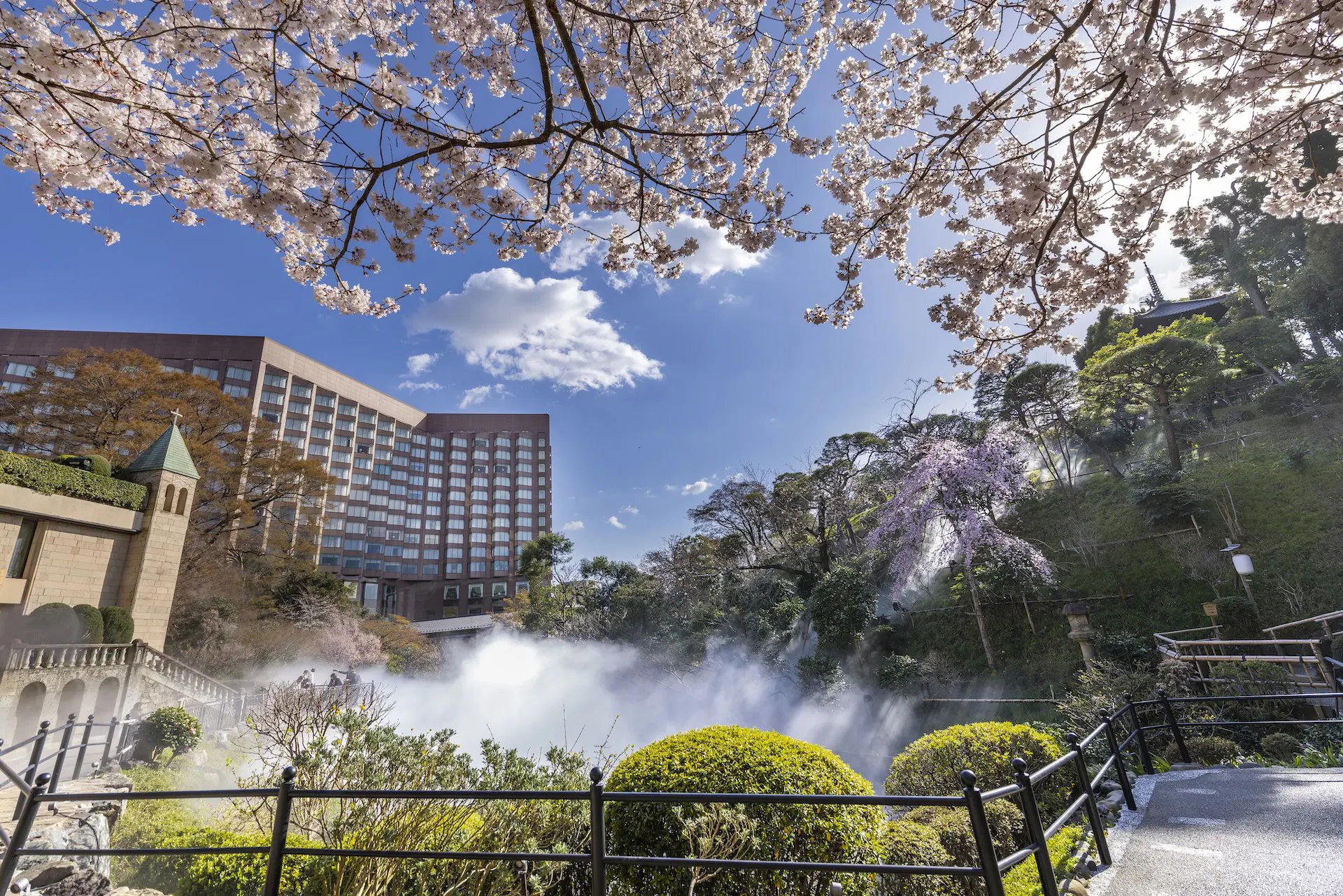
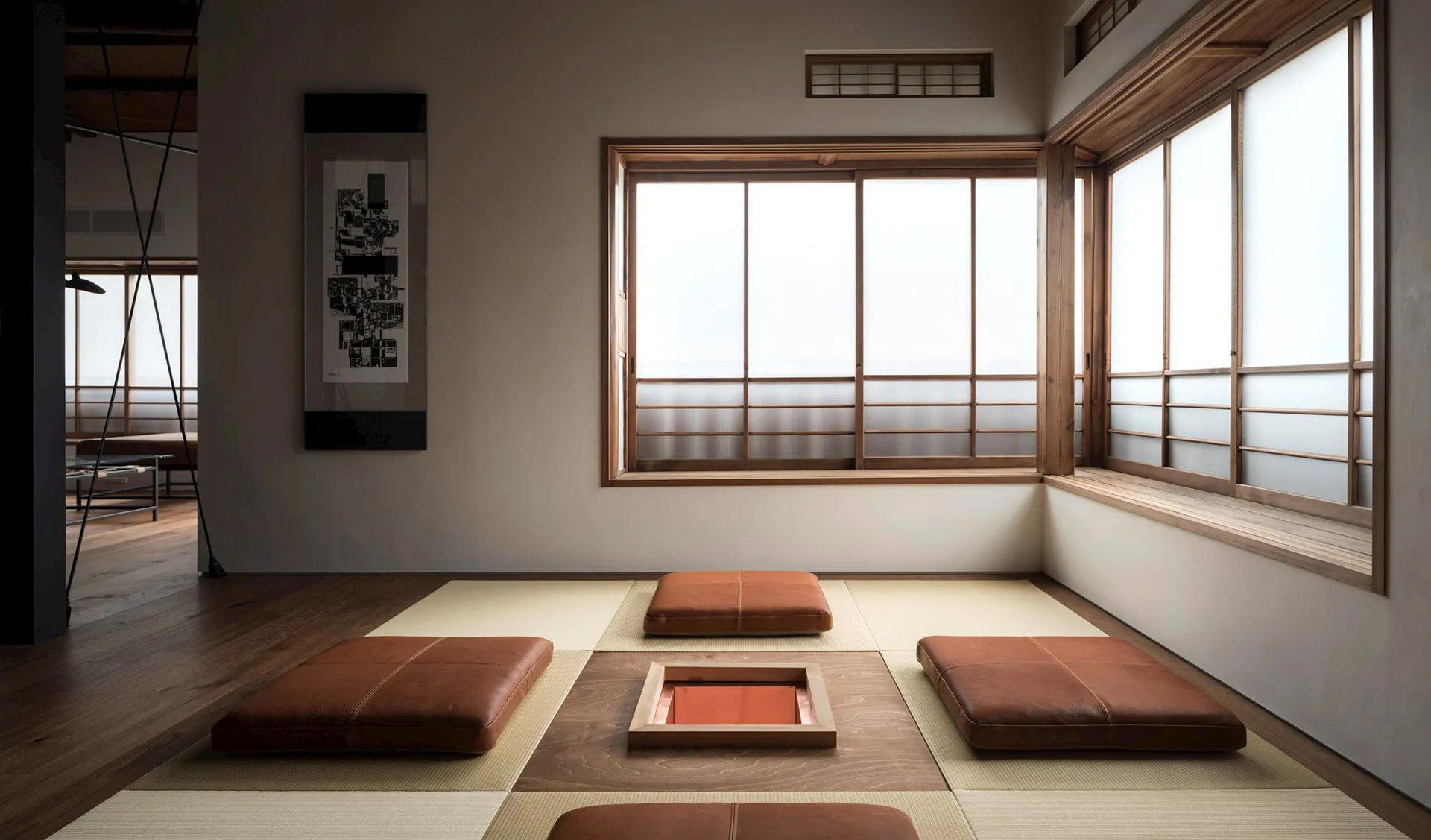
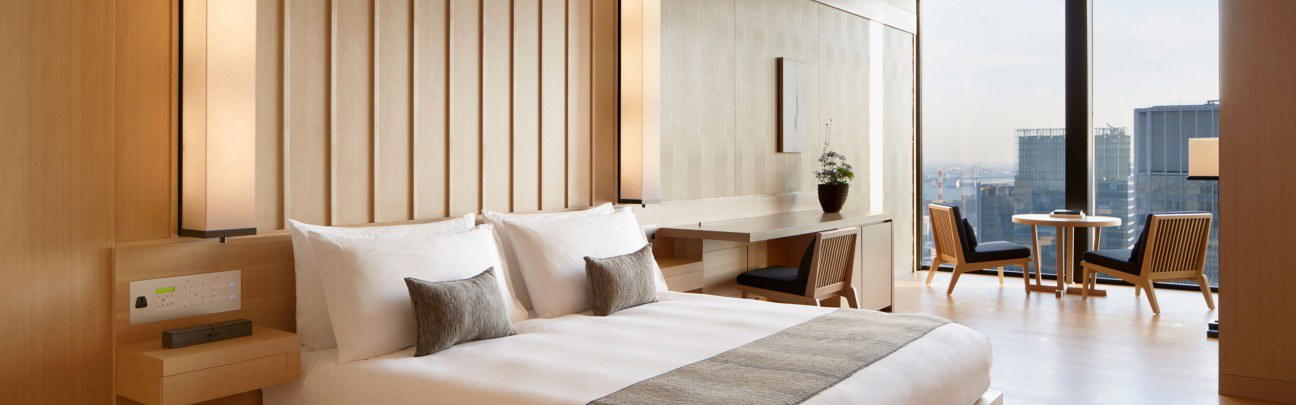
Refined and luxurious space with pleasant atmosphere overlooking lush greenery, designed for intimate dining experiences with warm hospitality.