
Backerei Brotzeit is a Tsukuba bakery with Tabelog Bread EAST 100 recognition in 2017, 2020, and 2022, positioned in the city’s everyday low-price dining tier rather than the destination tasting-menu bracket. The draw is the bakery-and-sandwich format: sourcing, daily production, and sell-through discipline matter more here than table service or ceremony.
Pearl is the En Primeur Club membership app — saves, bookings, and concierge access live there. Same editors, same standards.
- Address
- Japan, 〒305-0005 Ibaraki, Tsukuba, Amakubo, 2 Chome−10−20
- Phone
- +81 29-859-3737
- Website
- tabelog.com
- Directions
- Get directions
 Saves & bookings on Pearl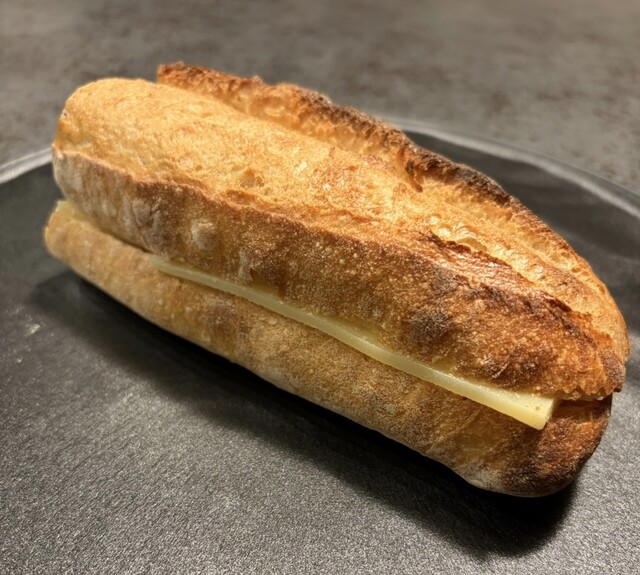
Amakubo is not the theatrical side of Tsukuba dining. The area reads as a practical student-and-research district, with apartment blocks, local traffic, small storefronts, and food businesses built for repeat customers rather than spectacle. In that setting, a serious bakery has to make its argument quickly: grain quality, fermentation, bake timing, and turnover carry more weight than décor. Backerei Brotzeit belongs to that category of Japanese bread shops where the work is judged at the counter, not over a long meal.
Japan’s bakery culture has always been more layered than the shorthand suggests. The country absorbs European forms with unusual technical discipline, then routes them through local habits: breakfast bread, takeaway sandwiches, family shopping, and small purchases made often. In Tsukuba, where the restaurant field runs from ramen to Sri Lankan cooking to French-leaning cafés, a bread specialist at the JPY 1,000 to JPY 1,999 tier fills a different role from a sit-down restaurant. It is part daily provision, part craft benchmark.
Why the bread-shop format matters in Tsukuba
The strongest signal here is not a chef biography or a glossy menu. It is repeat selection for Tabelog’s Bread 100 list, including the EAST category in 2020 and 2022, plus an earlier Bread 100 selection in 2017. For a bakery outside central Tokyo, that recognition matters because bread awards tend to reward consistency: production rhythm, dough handling, replenishment, and the ability to sell a narrow category well over time.
The category also changes how to read value. A JPY 1,000 to JPY 1,999 spend in a bakery can cover several items, making the comparison less about a single plate and more about how carefully a shop treats staples. In the same Tsukuba price band, Niboshi Chuka Soba Ichikawa competes through ramen specialization, while heladiwa sits in a Sri Lankan register. Backerei Brotzeit operates in another lane: bread and sandwiches, with takeaway as the core service mode.
That distinction is useful for travelers. Tsukuba’s dining map can feel dispersed, and not every good stop needs to carry the weight of dinner. A bakery with a recognized bread program works as a morning or midday anchor, especially in a city where movement between research campuses, stations, and residential pockets shapes eating patterns. The absence of a formal dining room is not a deficiency; it is the operating logic of the format.
Ingredient sourcing shows up through restraint, not spectacle
Bread is unforgiving because the ingredient list leaves little room to hide. Flour, fermentation, salt, fat, and heat do the work. The better Japanese bakeries in this mold tend to avoid overloading the case with novelty for its own sake; the credibility comes from whether everyday loaves and sandwiches justify repeat visits. Backerei Brotzeit’s Bread 100 recognition places it inside that more disciplined reading of bakery craft.
Tsukuba gives that craft an interesting backdrop. This is a science city rather than a heritage food capital, and its strongest food addresses often serve specific communities with precision instead of chasing broad tourist appeal. That is why a bakery can sit credibly beside ramen specialists, cafés, and regional-cuisine restaurants in a serious Tsukuba itinerary. For a broader view of the city’s food spread, compare it with Bon Gout, david pain, DROOL DINER, and Hurricane Ramen Honten.
There is also a practical sourcing implication in the opening pattern. A bakery that runs daytime hours and works until sell-out depends on production choices made early, not late-service improvisation. That rhythm rewards planning: arrive with the understanding that selection is tied to bake timing and demand, especially on operating days before the mid-afternoon close.
How to place it in a Tsukuba food day
The restaurant is casual by design: take-out service, children welcome, no private rooms, and a non-smoking setting. Payment is old-school, with credit cards, electronic money, and QR code payments not accepted, so cash is the sensible default. Parking exists but is limited to three spaces, and the setting has nearby homes and traffic, which makes street parking a poor move.
The decision to go here is less about ceremony than precision. In a city where a traveler might build a day around noodles, cafés, and low-key neighborhood dining, this bakery supplies the bread-focused counterpoint. It is also a reminder that Japan’s serious food culture is not confined to omakase counters or kaiseki rooms. A small bakery with national category recognition can tell as much about standards as a longer meal, provided the reader understands the form.
For wider planning around Tsukuba, use Our full Tsukuba restaurants guide alongside Our full Tsukuba hotels guide, Our full Tsukuba bars guide, Our full Tsukuba wineries guide, and Our full Tsukuba experiences guide. Readers mapping food stops beyond Ibaraki can also compare formats with -Grilled beef Sukiyaki- KAMAKURA TANUKIAN 鎌倉 たぬき庵 in Kamakura. 鮪と炭火焼き うお炭 秋葉原店 in Tokyo.cafe in Osaka.know in Kumamoto, (Shoku) Vietnam in Kawasaki, [Curry Senmon Ten] Maruyama Kyoju. in Sapporo, Jōdo Saké Bar in Los Angeles, and Onigiri Time in Pasadena.
Fast Comparison
Comparable venues by cuisine and price in the same metro.
| Venue | Cuisine | Price | Notes |
|---|---|---|---|
| Backerei Brotzeit | German Bakery | $ | Amakubo |
| david pain | Bakery Cafe | $ | Makizono, Tsukuba |
| Kuradashi Yakiimo Kaitsu Ka Tsukuba ten | Japanese roasted sweet potato & sweets cafe | $ | >= Matsunoki (Tsukuba) |
| Numata Ya Honten | Traditional Japanese confectionery (wagashi) shop | $ | Numata |
| 栄楽 | Chinese Ramen | $$ | 北条 |
| Sumibi Hamburger steak Nikuyaki Tei | Charcoal-grilled Japanese Hamburg & Beef Tendon Curry | $$ | Tsukuba |
Recognition history
Dated appearances from independent guides and award organizations, with the underlying list record or original source where available.
Tabelog 100 #40 · No. 40
Tabelog · Tabelog 100 - Bread - EAST - 2022







At a Glance
- Classic
- Cozy
- Solo
- Family
- Casual Hangout
- Standalone
- Street Scene
Current opening hours
- Monday
- Closed
- Tuesday
- 9 AM–3 PM
- Wednesday
- 9 AM–3 PM
- Thursday
- 9 AM–3 PM
- Friday
- 9 AM–3 PM
- Saturday
- 9 AM–3 PM
- Sunday
- Closed
Hours can change for holidays and private events. Last verified .
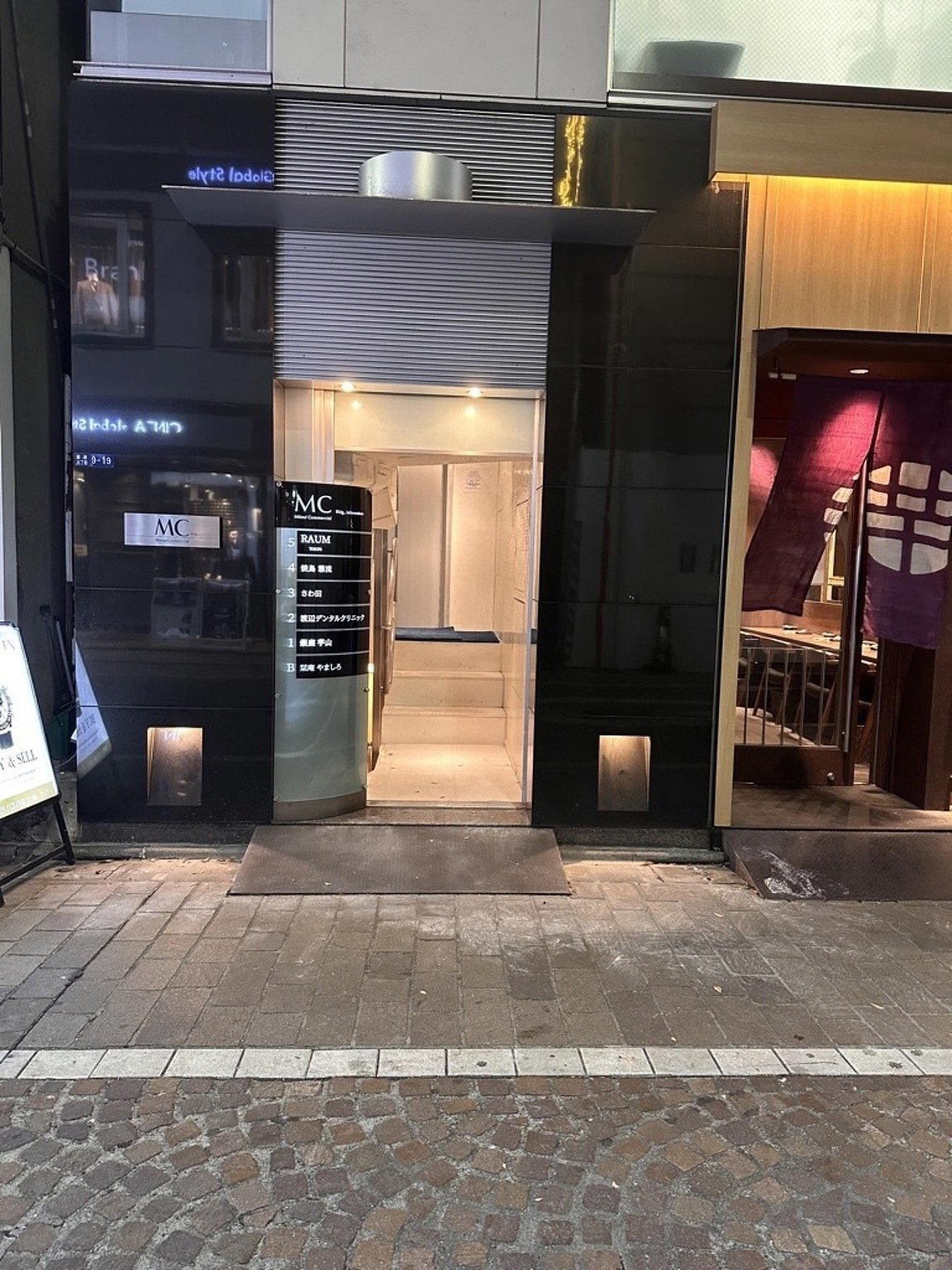
A compact, neighborhood bakery atmosphere that feels low-key and specialized, with a direct take-out-oriented setup.