
La Stalla places Tsukuba’s Italian dining in a compact, reservation-led format where ingredient sourcing carries the argument. With six seats, a fixed evening course, Tabelog Award Bronze recognition from 2024 through 2026, and selection for Tabelog Italian EAST 100 in 2025, it sits in Ibaraki’s serious destination-dining tier rather than the casual trattoria lane.
Pearl is the En Primeur Club membership app — saves, bookings, and concierge access live there. Same editors, same standards.
- Address
- 2 Chome-10-9 Matsushiro, Tsukuba, Ibaraki 305-0035, Japan
- Phone
- +81 90-8101-7656
- Website
- la-stalla.net
- Directions
- Get directions
 Saves & bookings on Pearl
Matsushiro is not the part of Tsukuba that announces dinner with theatre. The approach is quieter: a suburban Ibaraki address, a small upstairs room, and an evening narrowed to a handful of seats rather than expanded for volume. In regional Japan, serious Italian cooking often reads less as imported lifestyle than as a disciplined frame for local produce, dairy, seafood, and meat through pasta, stock, wine, and sequence.
La Stalla belongs to the smaller category of Japanese Italian restaurants where format edits the meal before the first course arrives. Six seats and a course-only structure create a different contract from à la carte dining: fewer guest choices, more kitchen control, and a sharper test of sourcing. The point is not abundance. It is whether the meal justifies concentration.
Tsukuba Italian cooking, seen through ingredients rather than spectacle
Italian cuisine in Japan has long split into two broad lanes: the everyday pasta-and-pizza economy, useful and familiar, and the chef-led course format, where Italian technique becomes a grammar for Japanese seasonality. Ibaraki gives the second lane a particular advantage: strong agricultural identity, Pacific proximity, and access to the broader Kanto supply chain without central Tokyo’s rent pressure or table-turning rhythm.
That context explains why a small restaurant here can draw attention beyond its immediate neighbourhood. La Stalla’s recognition gives the point measurable weight: Tabelog Award Bronze in 2024, 2025, and 2026, plus selection for Tabelog Italian EAST 100 in 2025. These are not decorative badges for a suburban room; they place the restaurant inside the eastern Japan conversation for Italian dining, where consistency matters as much as novelty.
The ingredient-led angle separates this type of meal from a generic luxury dinner. A compact course menu leaves little room for distraction. If the kitchen is working with seasonal vegetables, seafood, meat, handmade pasta, or cheese, the sequence must make those ingredients legible rather than bury them under technique. That is the quiet strength of the Japanese-Italian idiom when handled with restraint: regional produce feels precise without becoming a lecture on provenance.
For readers mapping Ibaraki’s broader dining character, the contrast is useful. Nonna Nietta (Italian, Pasta) signals the pasta-focused end of the Italian spectrum, while Yoshicho and YOSHIKI FUJI (Innovative) point to other ways the prefecture handles craft, seasonality, and set-piece dining. La Stalla sits closest to the intimate course-menu lane, where the meal is structured as one sitting rather than a flexible stop-in.
A six-seat course format changes the stakes
Capacity is not a romantic detail here; it is the operating logic. Six seats make the restaurant closer to a private dining counter than a conventional dining room. That scale suits diners who want focus and pacing, and penalises anyone seeking spontaneity, multiple seating times, or a casual group meal. The maximum seated party size matches the room, making the experience naturally inward-facing.
The pricing sits in a serious but not Tokyo-luxury bracket for destination dining in Japan. The listed course price is JPY 17,600 including tax, with a stated revision from January 1, 2026 to JPY 16,000 before tax. Review-based budget bands are JPY 15,000 to JPY 19,999 for both lunch and dinner. In Ibaraki, that places La Stalla well above everyday Italian and local casual peers such as Trattoria Pizzeria Amici or Seiyo Ryori Ten Escoffier, whose published ranges occupy lower price bands.
The comparison is not about hierarchy; it is about occasion. A pizzeria-trattoria format buys flexibility, familiar ordering, and group ease. A six-seat course restaurant buys control, concentration, and a narrower margin for error. La Stalla’s awards record suggests the latter proposition has held up over multiple years, a more persuasive signal than a single burst of attention.
Within Japan’s regional dining scene, this model reflects a broader shift. Serious meals no longer need to orbit only Ginza, Kyoto, or Osaka. Smaller cities and suburban districts increasingly support restaurants that ask diners to travel for a defined format. Tsukuba, with its research-city identity and Kanto access, is a natural host: enough local demand, enough outside reach, and enough distance from Tokyo to make dinner feel intentional.
How to place it within an Ibaraki itinerary
The practical read is simple: this is a planned dinner, not an add-on between sightseeing stops. The restaurant is reservation-only, the course begins in the evening, and the room’s scale makes party size a real constraint. Credit cards are accepted; electronic money and QR payments are not. Non-smoking status, private-room absence, limited parking, and private-use availability all reinforce the same point: the format is compact, controlled, and better suited to diners who want the restaurant as the night’s main event.
Families can make it work under the right conditions, but this is not a casual family trattoria. Strollers are welcomed, and guests bringing children are asked to contact the restaurant directly. For a family already comfortable with fixed-course dining and a JPY 15,000 to JPY 19,999-per-person bracket, the room’s size may help. For younger children who need menu flexibility, the format is less forgiving.
For broader planning, use our full Ibaraki restaurants guide to understand where La Stalla fits among the prefecture’s dining choices, then pair the meal with our full Ibaraki hotels guide, our full Ibaraki bars guide, our full Ibaraki wineries guide, and our full Ibaraki experiences guide. Readers building wider Japan itineraries can also compare category and format through -Grilled beef Sukiyaki- KAMAKURA TANUKIAN 鎌倉 たぬき庵 in Kamakura. 鮪と炭火焼き うお炭 秋葉原店 in Tokyo.cafe in Osaka.know in Kumamoto, (Shoku) Vietnam in Kawasaki, [Curry Senmon Ten] Maruyama Kyoju. in Sapporo, [ki:] in Kyoto, #肉といえば松田 奈良本店 in Kashihara, Jōdo Saké Bar in Los Angeles, and Onigiri Time in Pasadena.
The editorial case for La Stalla is strongest for diners who care how Italian technique translates outside Japan’s major restaurant capitals. The room is small, the meal structured, and the recognition sustained enough to treat it as a serious Ibaraki address rather than a local curiosity. Go for the controlled course format and ingredient argument, not casual flexibility.
Snapshot
Comparable venues by cuisine and price in the same metro.
| Venue | Cuisine | Price | Notes |
|---|---|---|---|
| La StallaThis venue — the venue you are viewing | Modern Italian Fine Dining | $$$$ | Not listed |
| Yoshicho | Seasonal Ibaraki Omakase | $$$$ | Tsuchiura |
| YOSHIKI FUJI | Basque French | $$$$ | Ibaraki |
| Nonna Nietta | Italian Regional Cuisine with Ibaraki Terroir | $$$ | Namiki, Tsukuba |
| Piatto Suzuki | Contemporary Italian | $$$$ | Minato |
| Ristorante Kurodino | Modern Italian Fine Dining | $$$$ | Chūō |
Recognition history
Dated appearances from independent guides and award organizations, with the underlying list record or original source where available.
Tabelog Bronze #235
Tabelog
Tabelog 100 #81 · No. 81
Tabelog · Tabelog 100 - Italian - EAST - 2025








At a Glance
- Intimate
- Elegant
- Date Night
- Special Occasion
- Standalone
- Local Sourcing
Current opening hours
- Monday
- Closed
- Tuesday
- Closed
- Wednesday
- 7–9:30 PM
- Thursday
- 7–9:30 PM
- Friday
- 7–9:30 PM
- Saturday
- 7–10 PM
- Sunday
- 7–10 PM
Hours can change for holidays and private events. Last verified .
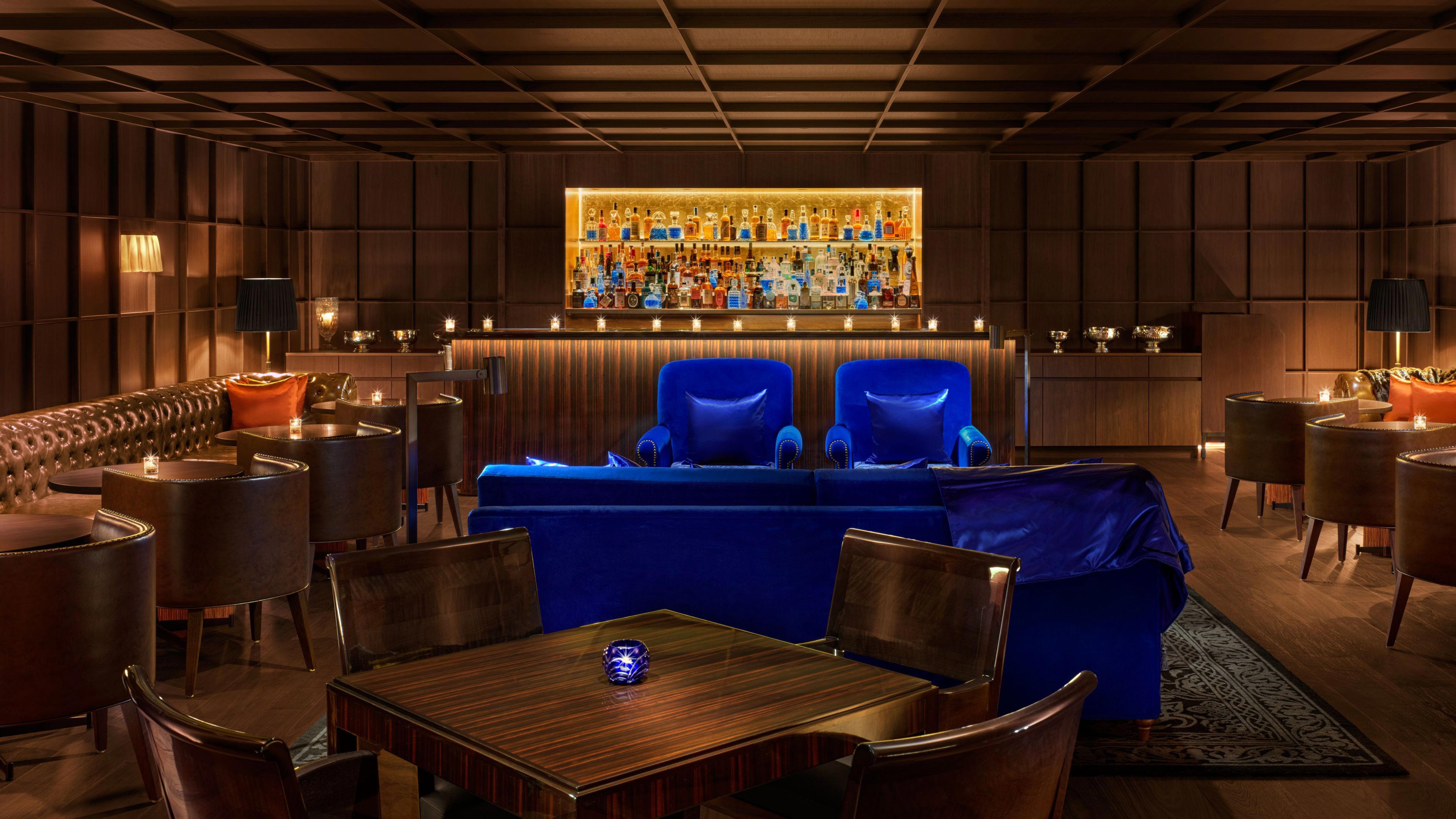
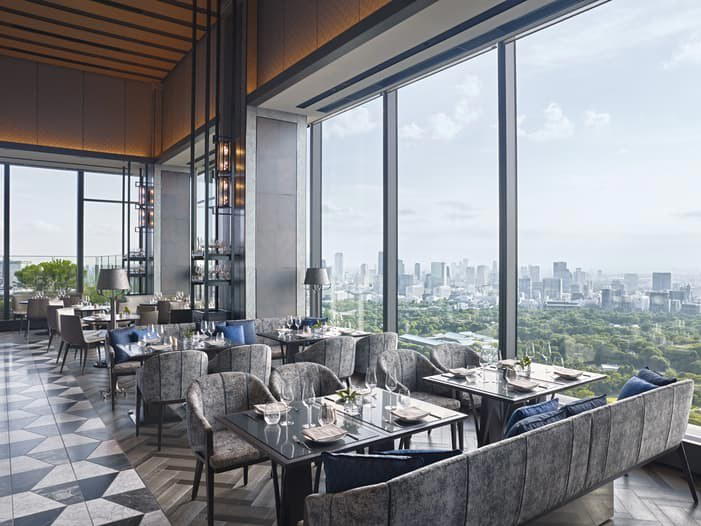
Relaxing and intimate space well-suited for a low-profile address dining experience.
Know Before You Go
- Reservations
- Essential
- Dress code
- Smart casual
- Getting there
- 2 Chome-10-9 Matsushiro, Tsukuba, Ibaraki 305-0035, Japan