La Ciccia sits at 433-1 Onozaki in Tsukuba, Ibaraki, occupying a dining tier that rewards visitors who look beyond the city's more obvious restaurant clusters. With Italian roots in a city better known for its science institutions than its food scene, La Ciccia represents the kind of specialist operation that emerges when a neighbourhood develops its own culinary logic independent of metropolitan trends.
Pearl is the En Primeur Club membership app — saves, bookings, and concierge access live there. Same editors, same standards.
- Address
- 433-1 Onozaki, Tsukuba, Ibaraki 305-0034, Japan
- Phone
- +81298287071
- Website
- la-ciccia.com
- Directions
- Get directions
 Saves & bookings on Pearl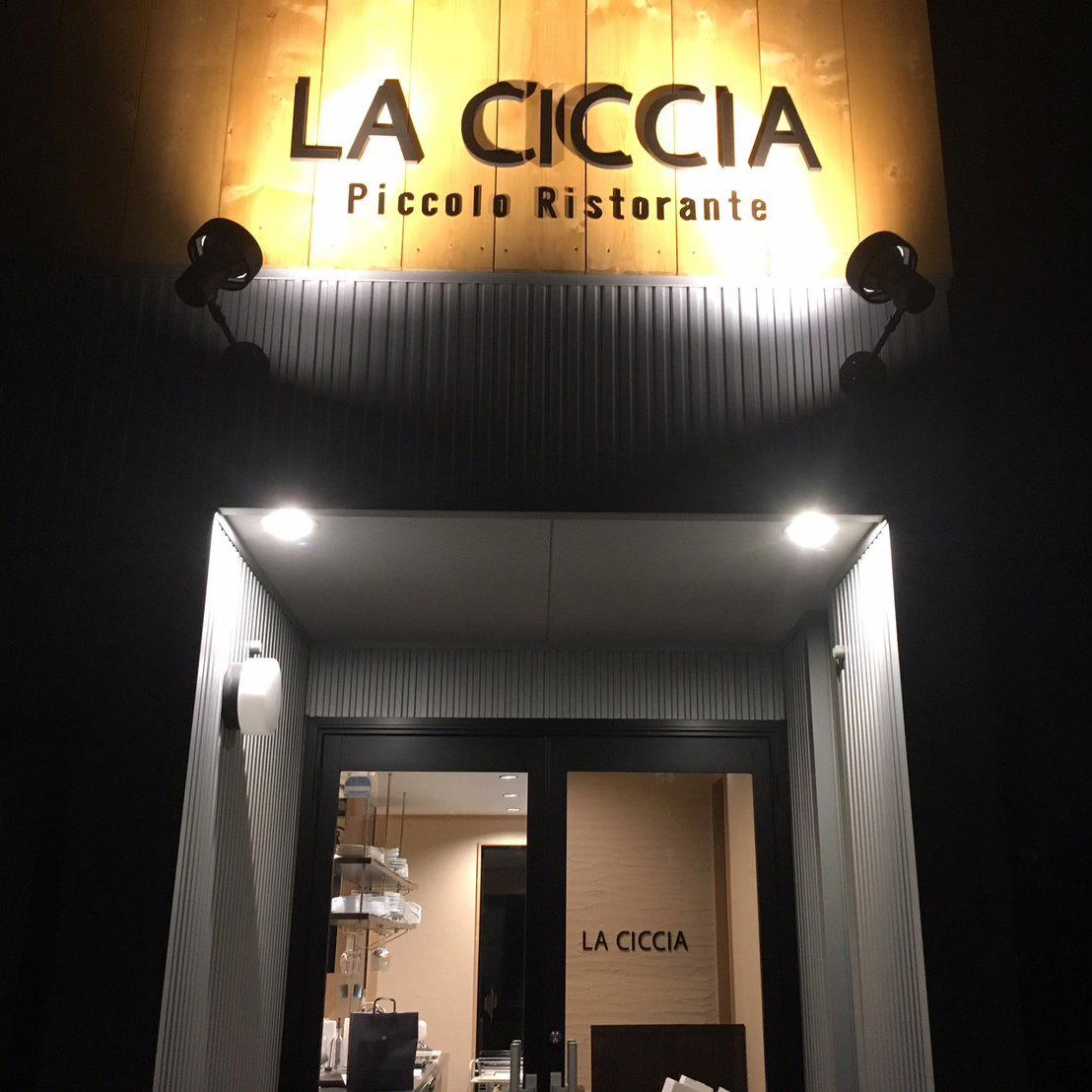
Tsukuba's Quiet Dining Radius and Where La Ciccia Fits
Tsukuba is not a city that announces its restaurants. The research corridors and university campuses that define the city's international reputation have, over time, generated a resident population with cosmopolitan expectations and relatively few obvious places to satisfy them. That gap has produced a small but serious dining tier, operating at a remove from the Michelin-dense circuits of Tokyo, Kyoto, and Osaka. La Ciccia, located at 433-1 Onozaki on the city's quieter eastern fringe, sits in that tier — a venue whose address alone signals that it operates outside the pedestrian-traffic logic of central dining districts. In cities like Osaka, venues such as HAJIME in Osaka or, in Kyoto, Gion Sasaki in Kyoto have built reputations over decades of critical accumulation. Tsukuba's scene is younger and less documented, which means individual venues carry more interpretive weight for the traveller attempting to read the city.
The Onozaki district occupies a residential band between the city's central axis and the agricultural land that stretches toward the Tone River basin. Approaching by car — which, given the address, is almost certainly how you arrive, the transition from research-park architecture to neighbourhood streets is abrupt. The physical environment at venues in this part of Ibaraki tends toward the low-key: no canopied entrances, no valet presence. What signals quality here is smaller: a tended exterior, a handwritten menu board, evidence of care applied to the immediate surroundings rather than to street-facing spectacle.
Italian Cooking in an Ibaraki Context: The Sourcing Question
Italian cuisine in Japan has a specific and well-documented history. The country's absorption of Italian technique dates to the 1980s and accelerated through the 1990s, producing a generation of Japanese-Italian restaurants that now range from casual trattoria-style operations to high-commitment tasting-menu formats that reference Italy while drawing almost entirely on Japanese ingredients. That second category is where the most interesting sourcing decisions happen, and it is the category most relevant to understanding what a restaurant like La Ciccia represents in a prefecture like Ibaraki.
Ibaraki sits at an agricultural intersection that makes ingredient sourcing genuinely interesting for any kitchen willing to work it. The prefecture ranks among Japan's leading producers of natto soybeans, lotus root, and several brassica varieties. Its coastal proximity gives access to Pacific seafood, primarily through ports in Hitachi and Oarai, that does not carry the premium freight of Tsukiji-adjacent supply chains. For an Italian-influenced kitchen in this part of Japan, the available raw material creates a different set of decisions than the same cuisine would face in Tokyo or Fukuoka, where Goh in Fukuoka works within a different regional ingredient logic entirely.
This sourcing specificity matters because it determines whether Italian cooking in a prefecture like Ibaraki becomes a direct transplant of imported technique or something more responsive to its immediate geography. The strongest examples of regional Italian cooking in Japan, and there are notable ones in cities with nothing like Tokyo's ingredient depth, including akordu in Nara and venues operating in similarly mid-sized Japanese cities, tend to resolve this tension by committing to local primary ingredients and applying Italian structural logic to them. Pasta formats, acid balance, fat rendering, the role of preserved ingredients: these are transferable. The fish, the greens, the grain, the season: these are local.
Within Tsukuba itself, La Ciccia occupies a position alongside a small number of venues that operate with comparable seriousness. Tsumu and ラ・スタッラ represent adjacent points in the city's dining offer, each addressing a different aspect of what a non-metropolitan Japanese dining scene can sustain. The competitive set here is not defined by awards density, Tsukuba does not appear in the Michelin Guide's main prefecture coverage in the way that cities like Nara or Sapporo do, but by the expectations of a resident population that includes researchers, international faculty, and returnees from longer stints abroad. That population sets a quality floor without creating the volume economics that support large, high-investment operations.
For context on what award recognition looks like at this level in Japan: venues like Harutaka in Tokyo operate within a recognised critical framework that Tsukuba venues simply do not share. The absence of external validation is not, in itself, a quality signal in either direction, Japan has documented examples of serious kitchens operating without Michelin coverage in prefectures the Guide does not actively survey. What it does mean is that the traveller visiting Tsukuba for its restaurants rather than its science institutions is working with less information than they would have in Tokyo or Kyoto, and should approach with that epistemic humility intact. Our full Tsukuba restaurants guide maps the broader scene for those building an itinerary.
Planning a Visit: What the Address Tells You
The Onozaki address places La Ciccia approximately twenty minutes from Tsukuba Station by car. There is no credentialled public transit route that makes the journey practical without a transfer or significant walk, and the surrounding neighbourhood does not function as a dining cluster with other venues nearby. This is a destination visit in the strict sense: you go because you have decided to go, not because you are passing and have decided to stop. That format tends to select for a particular kind of diner, one who has done the research, made a deliberate choice, and arrives with corresponding expectations. In Japan, this category of destination restaurant, removed from the visible circuits and operating without a marketing apparatus, often represents the most instructive version of what regional cooking can do.
For venues of this type in rural or peri-urban Ibaraki, it is standard to confirm hours and reservations directly before visiting, as schedules frequently reflect the owner's own capacity rather than a fixed commercial timetable. Comparable venues in regional Japan, from Bistro Ange in Toyohashi to bodai in 那智勝浦町, operate under similar constraints.
How La Ciccia Tsukuba compares with similar nearby venues.
| Venue | Price |
|---|---|
| La Cote d'Azurl Honten | JPY 999 - JPY 999 |
| Seiyo Ryori Ten Escoffier | JPY 4,000 - JPY 4,999 JPY 2,000 - JPY 2,999 View spending breakdown |








At a Glance
- Cozy
- Intimate
- Date Night
- Special Occasion
- Sake Program
Current opening hours
- Monday
- 12:30–3 PM, 6–11 PM
- Tuesday
- 12:30–3 PM, 6–11 PM
- Wednesday
- 12:30–3 PM, 6–11 PM
- Thursday
- Closed
- Friday
- 12:30–3 PM, 6–11 PM
- Saturday
- 12:30–3 PM, 6–11 PM
- Sunday
- 12:30–3 PM, 6–11 PM
Hours can change for holidays and private events. Last verified .
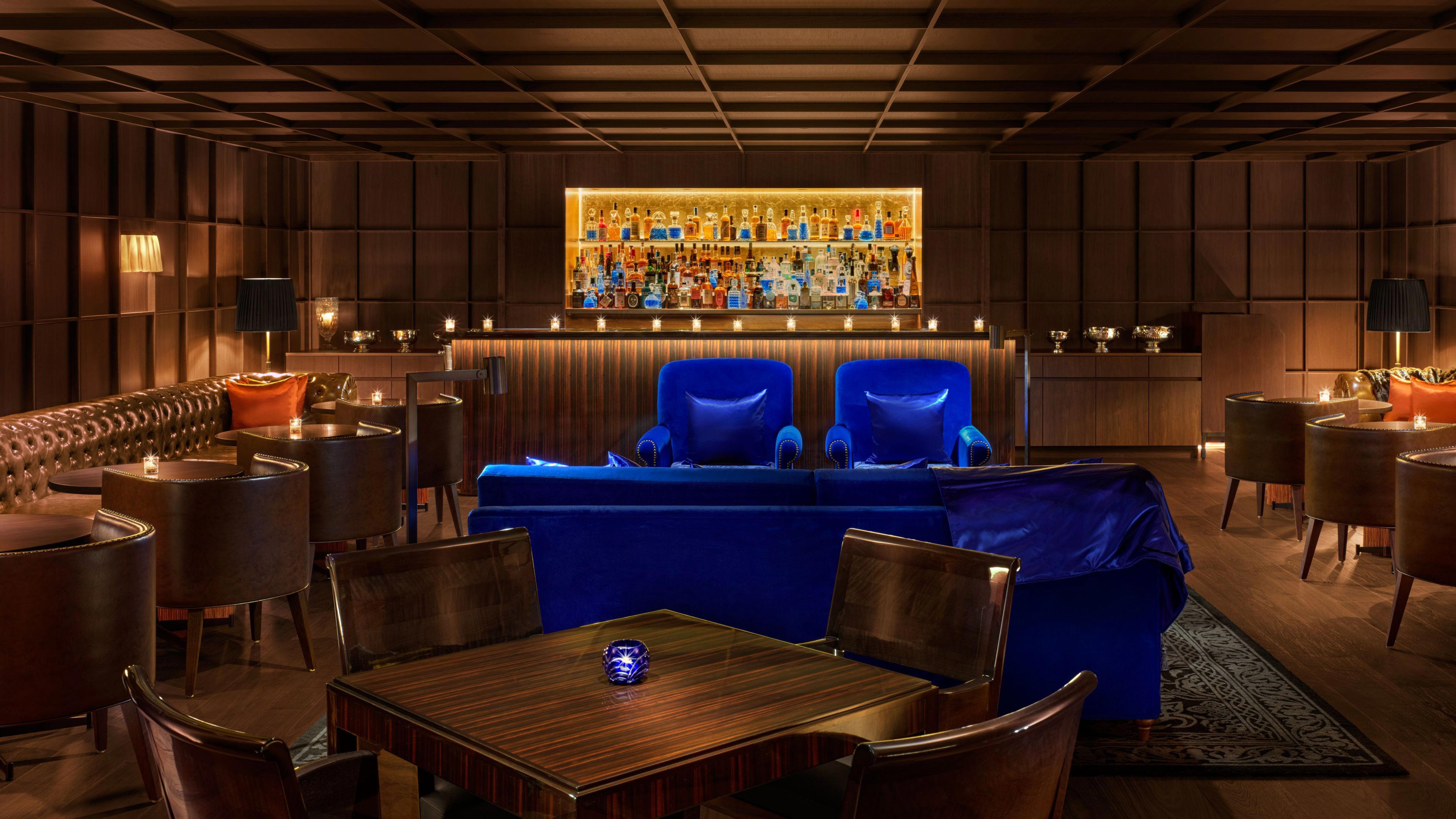
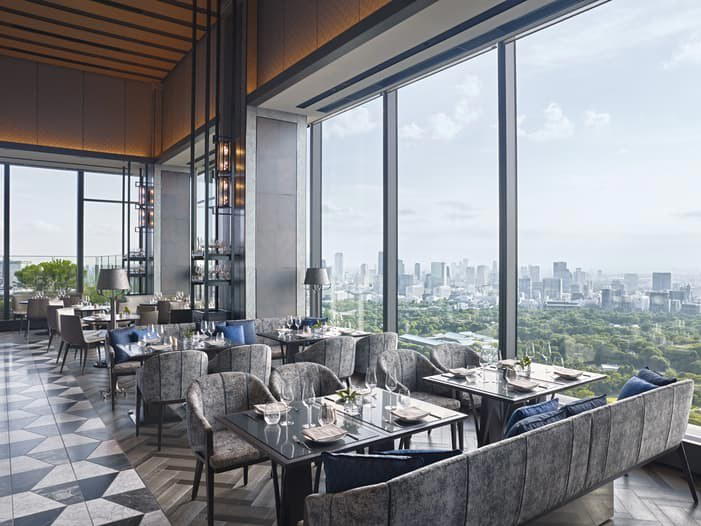
Cozy and intimate atmosphere in a small house with limited seating.
Know Before You Go
- Getting there
- 433-1 Onozaki, Tsukuba, Ibaraki 305-0034, Japan