
Tabelog Bronze #486
Our verdict
Opened in April 2021 in Higashiyama's Awadaguchi district, Tsukioka operates under the concept of 'A Museum of Food,' framing wabi-sabi aesthetics and seasonal Japanese cuisine within a 20-seat house restaurant setting. Tabelog Award Bronze winner in both 2025 and 2026, with a score of 4.17, it holds a place among Tabelog's Japanese cuisine West 100 for 2025. Dinner runs JPY 30,000–39,999; lunch JPY 15,000–19,999.

Pearl is the En Primeur Club membership app, where members save venues, book tables and use the concierge.
The menu
What to order
- Charcoal-cooked tempura
- Wild mountain vegetables
- Aged meat course
A Museum of Food in Higashiyama
Kyoto's kaiseki tradition is old enough to have outlasted empires, and the pressure it places on younger establishments is significant. When Tsukioka opened on 14 April 2021, in a converted house on Awadaguchi Sanjobocho in Higashiyama Ward, it entered a field already defined by deeply entrenched institutions. The neighbourhood itself sits at the base of the Higashiyama hills, a five-minute walk from Higashiyama subway station, surrounded by temple precincts including Shoren-in, the monzeki temple whose name the restaurant's full title references. The address alone signals intent: this is a setting where serious Japanese cuisine carries weight.
Within four years of opening, Tsukioka had collected back-to-back Tabelog Award Bronze recognition (2025 and 2026) and selection for the Tabelog Japanese Cuisine West 100 in 2025, a peer list that Kyoto venues compete for against Osaka and the wider Kansai region, not just against each other. Its Tabelog score of 4.17 places it in the bracket occupied by the city's most consistent Japanese cuisine destinations, sitting alongside long-established kaiseki houses such as Gion Sasaki, Hyotei, and Kikunoi Honten. The contrast is instructive: those houses carry decades of reputation; Tsukioka has built comparable recognition in under five years.
The Concept: Wabi-Sabi as Curatorial Frame
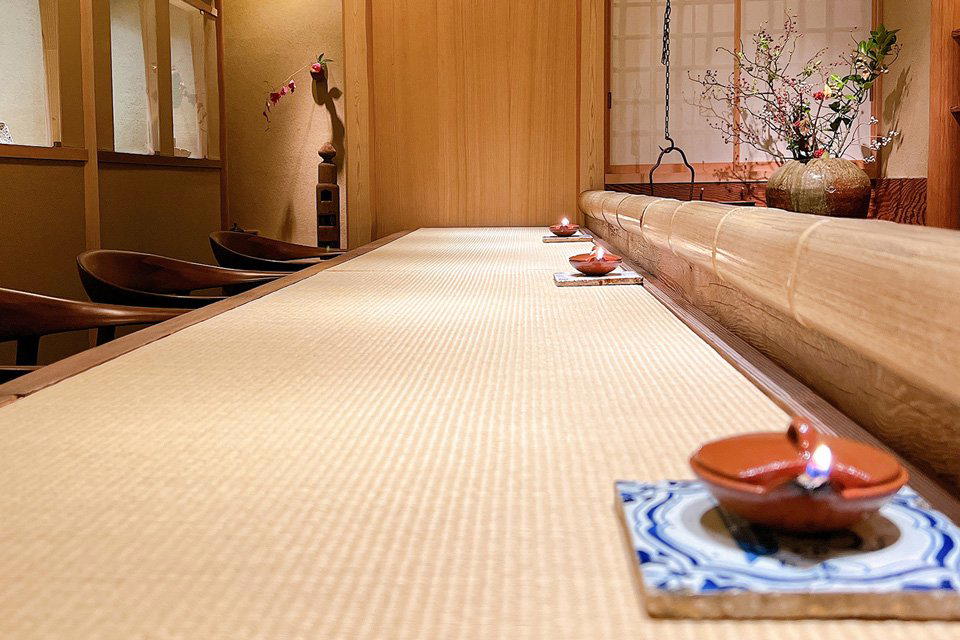
The restaurant's stated concept, 'A Museum of Food', is not decorative language. It describes a specific mode of service in which every dish acts as an exhibit: the pace, the arrangement, and the spatial environment are all designed to direct attention toward what is in front of the guest. The wabi-sabi frame that accompanies this is relevant not because it is fashionable but because it aligns with the aesthetic logic of the neighbourhood. Higashiyama's temple gardens and stone-paved lanes have shaped a particular kind of visitor attention for centuries; a dining room that draws on the same vocabulary of restraint and deliberate imperfection is working within that tradition rather than borrowing from it arbitrarily.
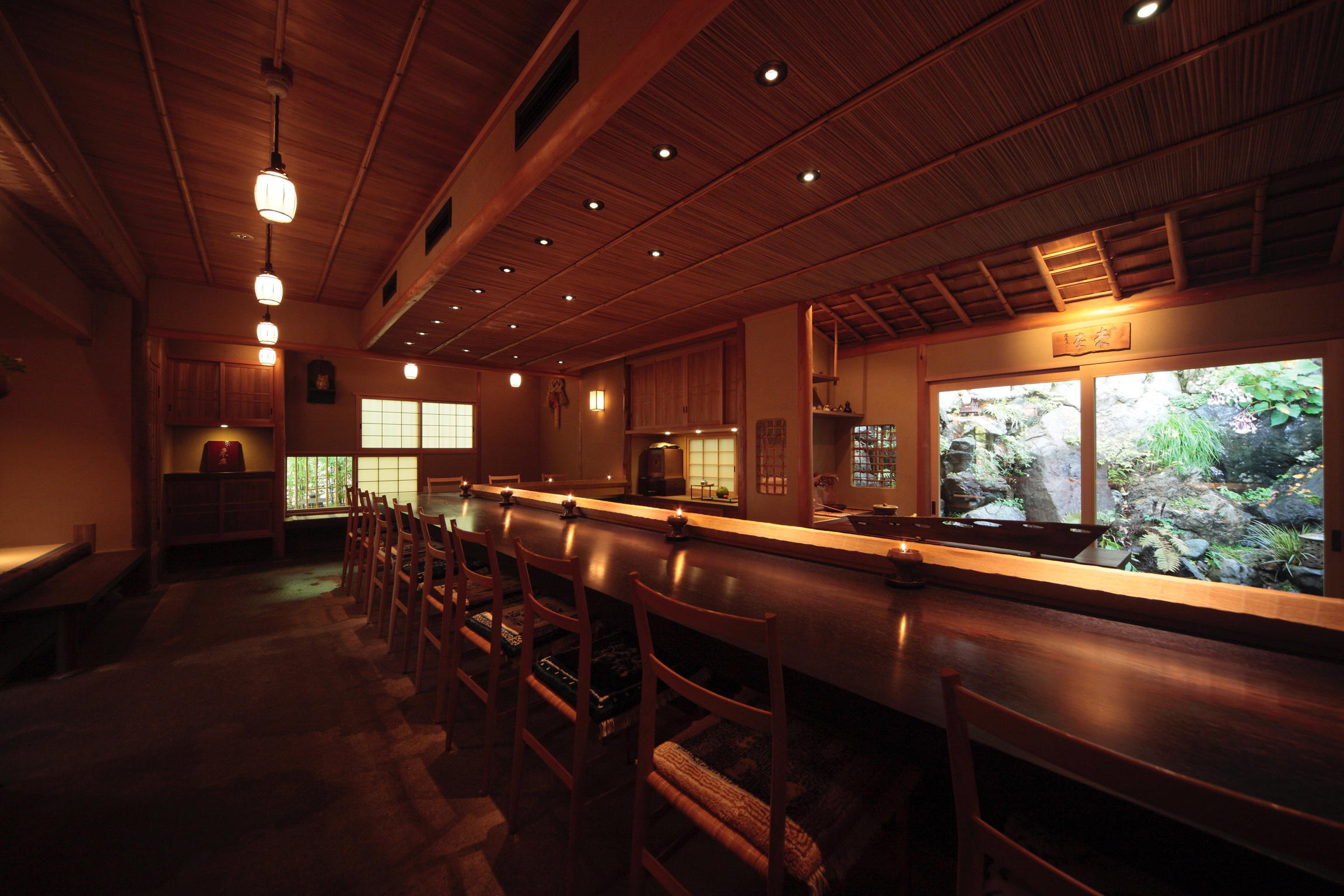
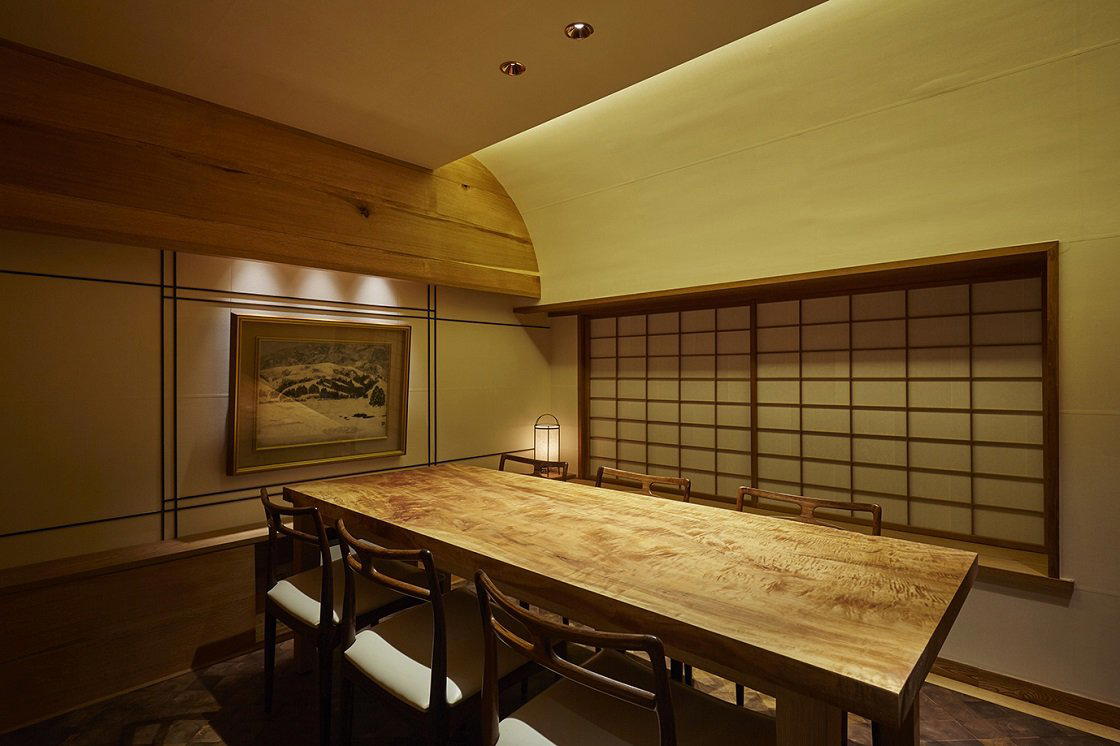
Tsukioka describes itself as a house restaurant, which in the Kyoto context means a modified residential structure rather than a purpose-built dining venue. The dining space is divided between eight counter seats on the ground floor and a second-floor private room accommodating up to twelve guests, giving a total capacity of twenty seats. The private room is accessible only via stairs, and guests remove shoes before entering, a detail that moves the experience toward a more domestic register and away from the formality of a conventional restaurant. Groups of four, six, or eight can book the room privately; full private use of the entire venue is also available.
How the Team Delivers the Experience
The architecture of the experience at Tsukioka distributes responsibility across the whole team rather than concentrating it at a single point. Counter seating on the ground floor creates direct exposure to the kitchen's rhythm, allowing the service team to time the meal's pacing with precision. The reservation terms are explicit on this: all dishes are served simultaneously per course, and guests are expected to arrive at least five minutes before their reservation. Arriving late risks courses being missed entirely, a protocol that reflects the same curatorial discipline as the food concept itself.
The drinks program is handled with equivalent seriousness. Sake and wine both receive specific curatorial attention, and a sommelier is available to navigate pairings. The beverage list includes nihonshu, shochu, and wine, with stated specialist focus on sake and wine selection. A BYO option also exists for guests who want to bring something particular to a special occasion. This kind of dual approach, in-house curation alongside BYO flexibility, is less common at Kyoto's more formal kaiseki institutions, where the house program typically operates on its own terms without accommodation for outside bottles. It broadens the room's usability without compromising the seriousness of what the team has assembled.
Kitchen's stated focus on fish as a primary ingredient gives the menu a direction that aligns with a long strand of Kyoto cuisine, which historically sourced fish from the Sea of Japan via Obama in Fukui Prefecture along the route known as the Saba Kaido. That tradition of quality-driven fish procurement remains a defining thread in serious Kyoto dining, and its presence here connects the restaurant to something structural rather than merely seasonal. For comparison, the deliberate fish focus in high-end Japanese cooking is a theme shared by celebrated venues across Japan, from Harutaka in Tokyo to Goh in Fukuoka, each of which approaches the theme within its own regional vocabulary.
Placing Tsukioka in the Kyoto Field
Kyoto's high-end Japanese cuisine tier has a number of structural characteristics. It operates on reservation-only formats, runs omakase courses where the kitchen determines content, maintains strict timing protocols, and prices against peer houses regionally rather than nationally. Tsukioka operates on all four of those terms. At JPY 30,000–39,999 per person for dinner, it prices within the range occupied by the city's recognised Japanese cuisine institutions, above the mid-range kaiseki tier and below the most expensive houses such as Kyokaiseki Kichisen. Lunch at JPY 15,000–19,999 offers access to the same kitchen and team at a lower entry point, which is consistent with how Kyoto's tier-one Japanese restaurants tend to manage lunch service: as a genuine alternative rather than a reduced version.
The omakase lunch course for parties of five or more requires phone reservation rather than online booking, a deliberate friction point that protects the kitchen's ability to prepare at that scale. Last-minute changes carry a cancellation fee. These are not unusual policies at this level; the same logic applies at Mizai and Isshisoden Nakamura, both of which operate inside similarly structured frameworks. The consistency across the Kyoto field reflects a shared understanding that the product being delivered requires careful preparation, and that preparation is only possible when the team knows exactly what is coming.
For those building a broader Kansai or Japan itinerary, the regional context extends outward: HAJIME in Osaka and akordu in Nara each represent different approaches to fine dining within a day's travel, and the contrast between Tsukioka's traditional Japanese framing and the more internationally oriented kitchens in nearby cities is part of what makes Kyoto's dining scene structurally distinct. Further afield, the discipline visible at places like Atomix in New York City and Le Bernardin in New York City or even 1000 in Yokohama and 6 in Okinawa offers a wider frame within which to appreciate what Tsukioka is doing at the Higashiyama counter.
Know Before You Go
Address: 16-2 Awadaguchi Sanjobocho, Higashiyama Ward, Kyoto 605-0035, Japan
Getting There: 5-minute walk from Higashiyama subway station (approximately 332 metres)
Hours: Monday, Thursday, Friday, Saturday, Sunday, and public holidays: 12:00–15:00 and 18:00–21:00. Closed Tuesday, Wednesday, and the last day of the month.
Dinner Price: JPY 30,000–39,999 per person
Lunch Price: JPY 15,000–19,999 per person
Reservations: Reservation only. Arrive at least 5 minutes before your booking. No-shows after 30 minutes are treated as cancellations. Groups of 5 or more for the omakase lunch course must book by phone.
Phone: 050-3177-8780
Seats: 20 total, 8 counter seats (ground floor), private room for up to 12 (second floor, stairs only, shoes off)
Payment: Credit cards accepted (Visa, Mastercard, JCB, Amex, Diners). No electronic money or QR code payments.
Service Charge: None
Dress Code: Smart casual
Parking:; coin parking nearby
Children: Children aged 12 and older may dine on the same menu as adults
Drinks: Sake, shochu, wine; sommelier available; BYO permitted
For a fuller picture of where Tsukioka sits within the city's dining options, see our full Kyoto restaurants guide. Planning overnight stays? Our Kyoto hotels guide covers the city's accommodation tiers in detail. Drinks before or after dinner are mapped in our Kyoto bars guide, and for those extending into wine or cultural programming, our Kyoto wineries guide and our Kyoto experiences guide cover both.
Frequently asked questions
When can I go to Tsukioka?
Hours at Tsukioka: Mon, Thu, Fri, Sat, Sun, Public Holiday, Day before public holiday, Day after public holiday 12:00 - 15:00 18:00 - 21:00.
What kind of recognition has Tsukioka received?
Tsukioka has received recognition including:
What do people recommend at Tsukioka?
Tsukioka runs an omakase format, meaning the kitchen sets the menu rather than guests selecting individual dishes. All courses are served simultaneously, which is a deliberate structural choice that shapes the entire visit. The venue's Tabelog profile notes a particular focus on fish. Lunch omakase runs JPY 15,000–19,999; dinner sits at JPY 30,000–39,999.
Where exactly is Tsukioka?
Tsukioka is located at 16-2 Awadaguchi Sanjobocho, Higashiyama Ward, Kyoto, 605-0035, Japan, Kyoto.
What has Tsukioka built its reputation on?
Since opening in April 2021, Tsukioka has earned Tabelog Bronze awards in both 2025 and 2026, alongside selection for the Tabelog Japanese Cuisine WEST 100 list in 2025, a peer-reviewed ranking of the most consistently rated Japanese restaurants in western Japan. Its stated concept, 'A Museum of Food,' frames kaiseki service through a wabi-sabi lens, positioning each dish as a considered object rather than a course in a sequence. The Tabelog score currently sits at 4.17.
Is Tsukioka allergy-friendly?
The venue data does not include specific allergy or dietary accommodation policies. Given the omakase format, where all dishes are served simultaneously and the menu is set by the kitchen, guests with allergies or restrictions should check the venue's official channels before booking. Tsukioka can be reached at 050-3177-8780. Last-minute menu changes are treated as cancellations and subject to a cancellation fee, so early communication is practical.
Cuisine and Recognition
Comparable venues nearby, for context on price, style, and recognition.
| Venue | Cuisine | Price | Awards | Notes |
|---|---|---|---|---|
| TsukiokaThis venue (the venue you are viewing) | Traditional Japanese Kaiseki & Tempura | $200–300 | Tabelog Bronze #486 | Not listed |
| Sangencha | Michelin-Starred Seasonal Kaiseki | $150–200 | Tabelog Bronze #385 | Higashiyama |
| Daiichi | Traditional Suppon (Soft-Shell Turtle) Cuisine | $200–300 | Tabelog Bronze #53 | Kamigyō |
| 鳥さき | Michelin-Starred Yakitori Omakase | $100–150 | 1 Michelin Star · Tabelog Bronze #472 | Nakagyo Ward |
| Daichan | Late-Night Premium Yakiniku | $200–300 | Tabelog Bronze #52 | Fushimi |
| 浜作 | Traditional Kaiseki | $200–300 | Not listed | Nakagyō |
Recognition history
Dated appearances from independent guides and award organizations, with the underlying list record or original source where available.
Tabelog Bronze #486
Tabelog
Full recognition history (3 entries)
Tabelog Bronze
Tabelog
Tabelog 100 #97 · No. 97
Tabelog · Tabelog 100 - Japanese cuisine - WEST - 2025
Continue exploring
More in Kyoto
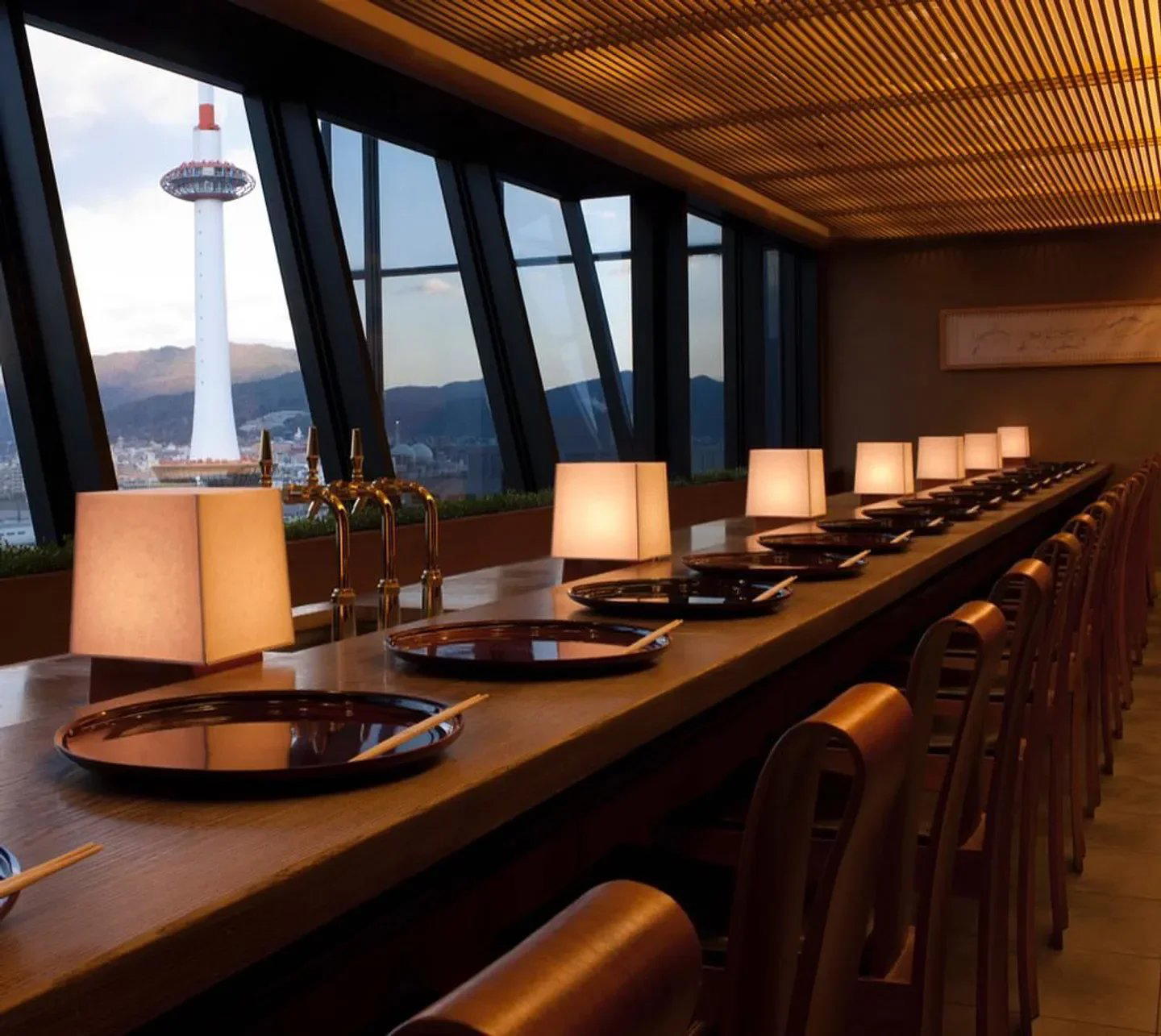
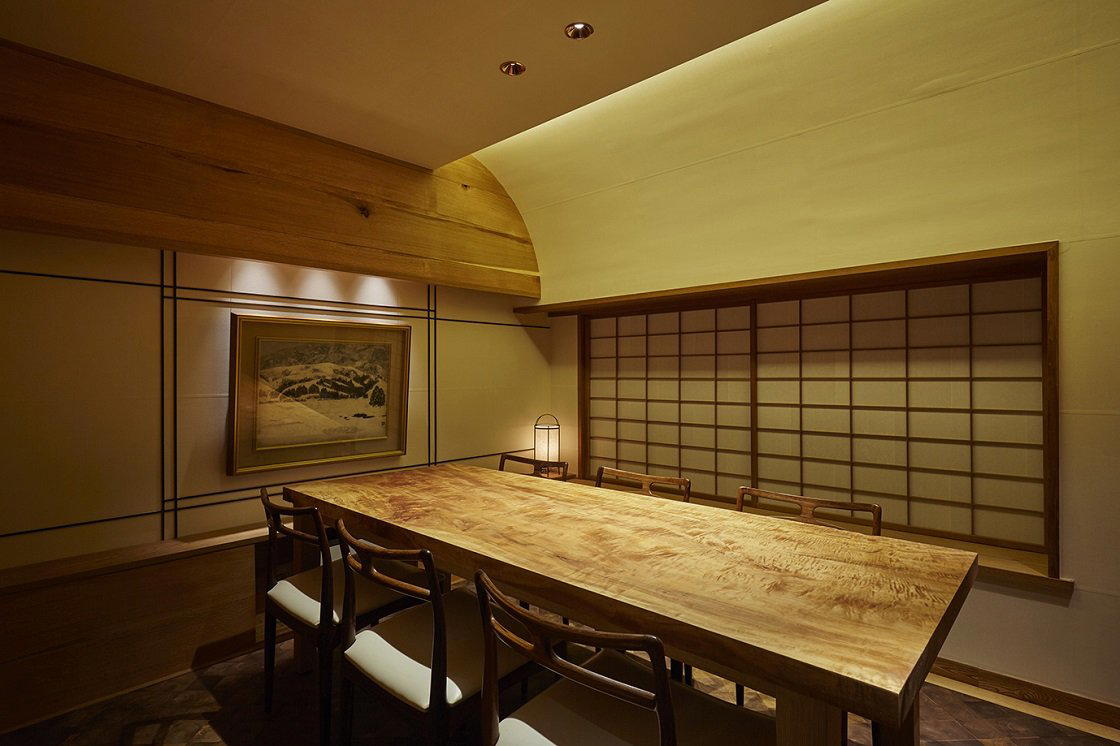
Restaurants in Kyoto
All restaurants in Kyoto →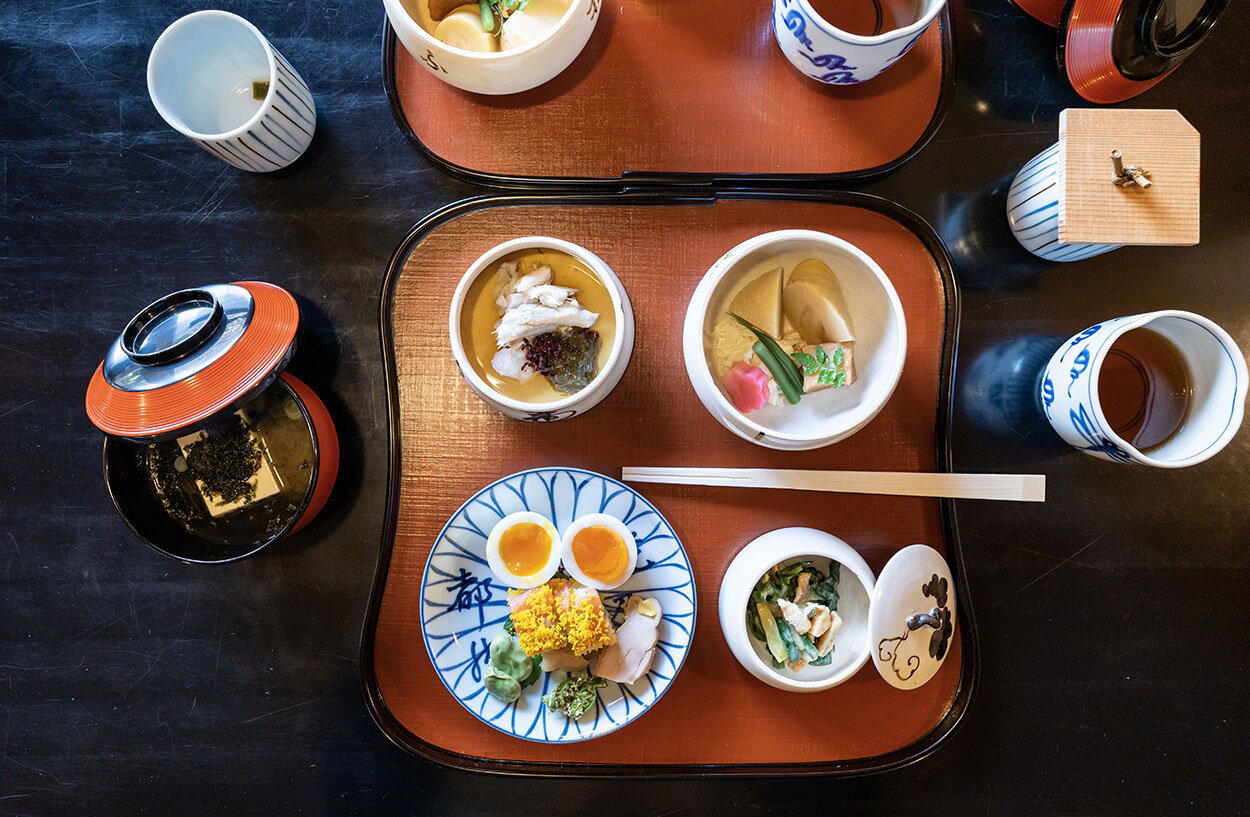
Bars in Kyoto
All bars in Kyoto →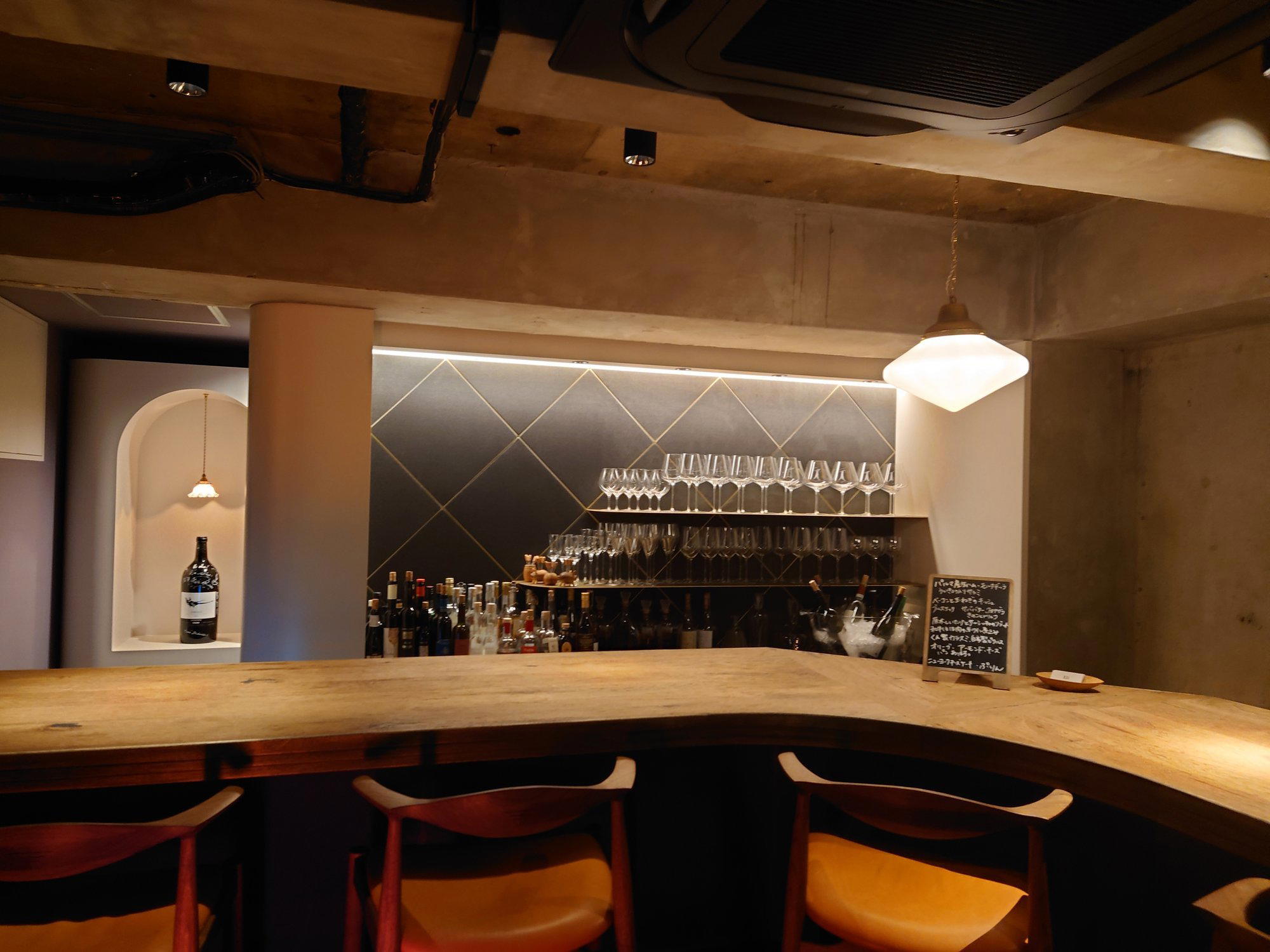
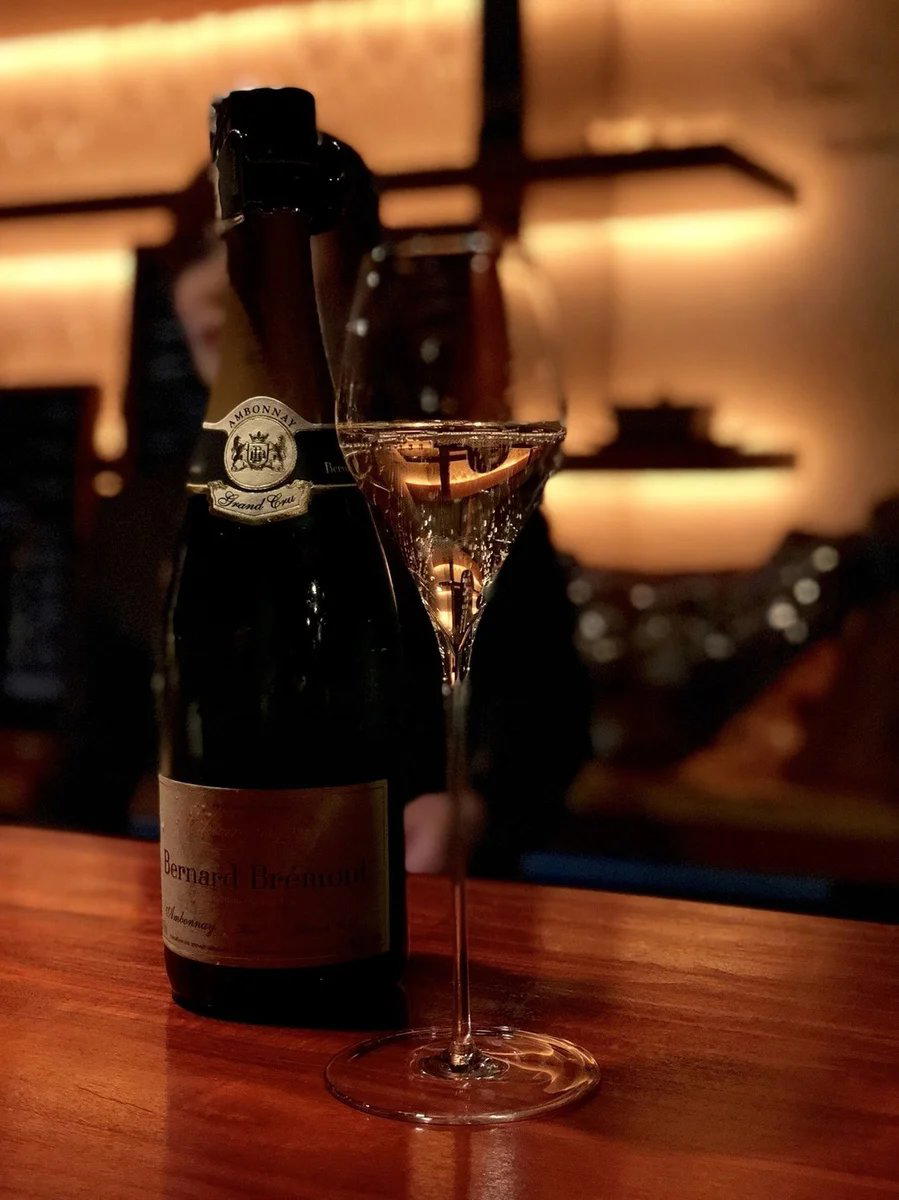


Hotels in Kyoto
All hotels in Kyoto →

Wineries in Kyoto
Browse all →
Details
- Elegant
- Intimate
- Sophisticated
- Quiet
- Special Occasion
- Date Night
- Celebration
- Chefs Counter
- Open Kitchen
- Private Dining
- Historic Building
- Design Destination
- Sake Program
- Sommelier Led
- Farm To Table
- Local Sourcing
- Organic
- Counter Dining
- Tasting Menu
- Set Menu
- Sake
- Wine
- Allergy Accommodating
Current opening hours
- Monday
- 12–3 PM, 6–9 PM
- Tuesday
- Closed
- Wednesday
- Closed
- Thursday
- 12–3 PM, 6–9 PM
- Friday
- 12–3 PM, 6–9 PM
- Saturday
- 12–3 PM, 6–9 PM
- Sunday
- 12–3 PM, 6–9 PM
Hours can change for holidays and private events. Hours as of .
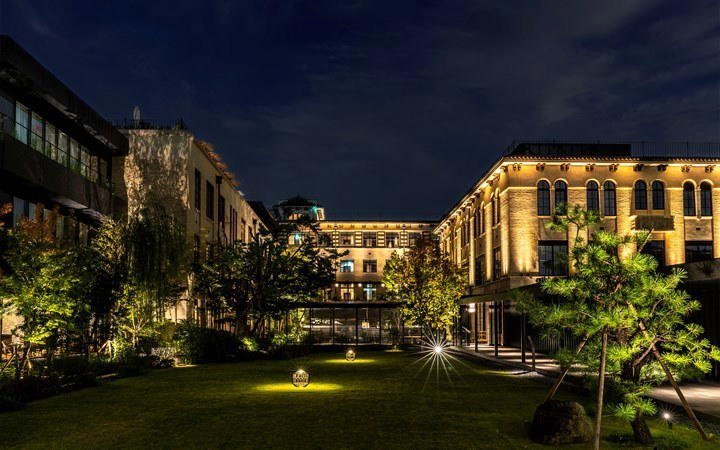
Serene and gallery-like atmosphere with antique art pieces displayed throughout, soft lighting from traditional Japanese design, fragrant charcoal and earthenware cooking aromas, located in a quiet area across from Shoren-in Temple.