On a quiet stretch of Via Flavia in the Sallustiano quarter, Trattoria Nonna Fortunata sits inside Rome's longer tradition of neighbourhood trattorie that operate outside the tourist circuit entirely. The room reads as a case study in pre-renovation Roman dining interiors, and the kitchen holds to the cucina romana canon at a moment when much of the city's mid-tier is drifting toward aperitivo menus and sharing plates.
 Discover on Pearl
Pearl is the En Primeur Club membership app — saves, bookings, and concierge access live there. Same editors, same standards.
- Address
- Via Flavia, 66, 00187 Roma RM, Italy
- Phone
- +393714649727
- Website
- nonnafortunata.it
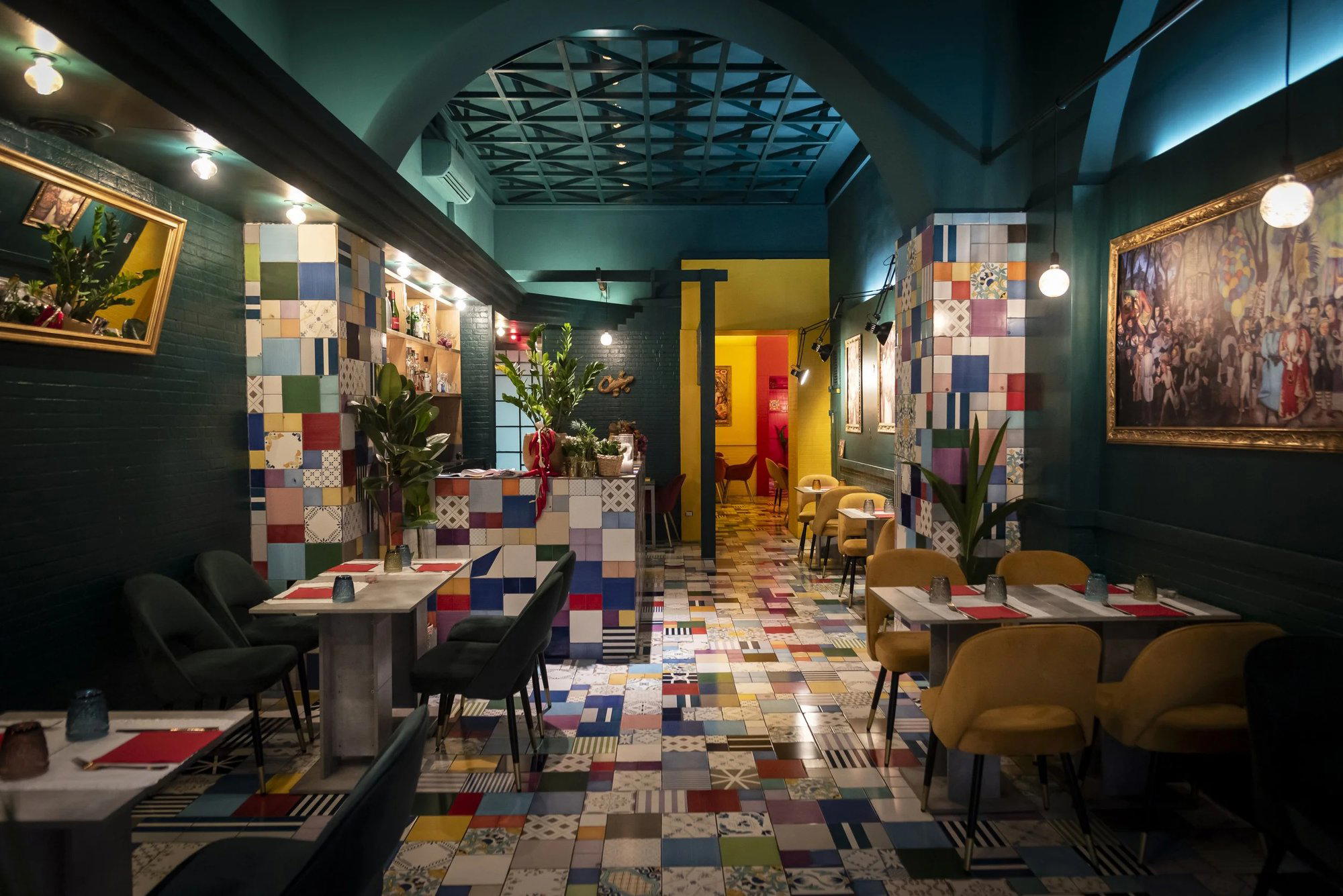
A Room That Refuses to Update Itself
Via Flavia runs through the Sallustiano district, a residential wedge between the Quirinale and Porta Pia that draws almost no foot traffic from the sites that funnel tourists through Trastevere or the historic centre. In a city where the trattoria format has been relentlessly reimagined, tiled walls replaced by poured concrete, checked tablecloths swapped for bare marble, the interiors that survive intact in neighbourhoods like this one carry a different kind of information. They mark where a local clientele has maintained enough demand to keep a room from needing reinvention.
Trattoria Nonna Fortunata occupies that position on Via Flavia. The physical space reads as a document of Roman dining conventions that predate the renovation wave of the last decade: the proportions are domestic rather than theatrical, the lighting pitched to conversation rather than photography, and the seating arrangements prioritise table count over spacing. These are not design choices in the contemporary sense. They are the inherited conditions of a neighbourhood room that was built to feed regulars, not to attract a wider audience.
That spatial logic shapes the entire experience. The room is not arranged to impress on entry. There is no bar programme competing for attention, no open kitchen performing for the dining room. The architecture is entirely in service of the meal, which is the defining characteristic of the trattoria format at its most coherent, and the feature most frequently lost when the category tries to modernise.
The Cucina Romana Canon in Its Neighbourhood Context
Roman trattorie in residential quarters like Sallustiano operate under different pressures than those in the centro storico. Their customer base is local by necessity, which means the menu must earn repeat visits rather than one-time tourist conversions. That constraint tends to produce more disciplined cooking: dishes that hold up across multiple visits, preparations that depend on technique rather than novelty, and portion logic that reflects how Romans actually eat rather than how visitors expect them to.
The cucina romana canon, cacio e pepe, coda alla vaccinara, trippa alla romana, artichokes prepared alla giudea or alla romana depending on season, is not a static document, but its core is remarkably stable. Rome's traditional kitchen is one of the most internally consistent regional cuisines in Italy, built around offal, dried pasta, and the kind of braised preparations that require time and fat rather than expensive primary ingredients. The trattorie that hold closest to this canon in 2024 are increasingly found in residential quartieri rather than near the monuments, because the economics of high-footfall locations now push menus toward accessible internationalism.
At the upper end of the Roman dining spectrum, the gap between a neighbourhood trattoria and the city's creative fine-dining tier is substantial. Restaurants like La Pergola, Acquolina, Il Pagliaccio, Enoteca La Torre, and Achilli al Parlamento occupy a different tier entirely, multi-course tasting formats, Michelin recognition, and price points that reflect their position in a national conversation that includes Osteria Francescana in Modena, Enoteca Pinchiorri in Florence, Enrico Bartolini in Milan, Le Calandre in Rubano, and Piazza Duomo in Alba. The trattoria format is not competing in that category. It is doing something categorically different: preserving a set of preparations that the fine-dining tier has either moved past or absorbed into tasting menus.
The comparison that matters for Nonna Fortunata is lateral rather than vertical, how it sits relative to other neighbourhood trattorie holding to the same canon, in the same residential quartieri, under the same economic conditions. That is where the real editorial question lies: whether the room and the kitchen together produce the version of this format that merits a deliberate trip rather than a proximity-driven one.
Seasonality and the Roman Kitchen Calendar
The cucina romana is one of the most seasonal cuisines in Italy at the ingredient level, even though its technique repertoire is stable year-round. Autumn brings the offal cycle into full rotation, coda alla vaccinara finds its natural moment when the temperature drops and braises become appropriate. Winter produces the dried bean and braised greens dishes that underpin the Roman poor kitchen. Spring is the season that most defines Roman dining identity: artichokes from Ladispoli and the surrounding Lazio coast arrive in quantity from February through April, and the two canonical preparations, alla giudea, deep-fried to a crisp, and alla romana, braised with mint and garlic, mark the clearest point at which the Roman kitchen differentiates itself from the rest of the peninsula.
A neighbourhood trattoria in Sallustiano that tracks this calendar correctly will rotate its menu in ways that a tourist-facing room cannot afford to. The regulars who return weekly expect to see the season reflected; they are the quality signal that keeps a kitchen honest about sourcing.
For visitors planning a trip specifically around this format, spring remains the highest-confidence window: artichokes are in season, the weather makes a long lunch in a compact room comfortable, and the gap between tourist-circuit demand and residential-quarter supply is at its widest.
Italy's trattoria tradition extends well beyond Rome, and the format produces different expressions in different regions, from the coastal seafood focus of Quattro Passi in Marina del Cantone and Uliassi in Senigallia to the mountain-driven sourcing at Atelier Moessmer Norbert Niederkofler in Brunico and the country kitchen discipline of Dal Pescatore in Runate and Reale in Castel di Sangro. Against that range, the Roman trattoria holds its own distinct position: city-rooted, offal-forward, and built around a pasta tradition that remains largely unchanged across generations.
Know Before You Go
- Address: Via Flavia, 66, 00187 Roma RM, Italy
- Neighbourhood: Sallustiano, between Porta Pia and the Quirinale, accessible by metro (Repubblica or Barberini on Line A) or a short walk from Via Veneto
- Booking: No booking data is currently available; walk-in is advisable for midweek lunch, when the trattoria format is at its most appropriate
- Leading season: Spring (February to April) for artichoke season; autumn for braised and offal dishes
Comparable Spots
Comparable venues nearby, for context on price, style, and recognition.
| Venue | Cuisine | Price | Notes |
|---|---|---|---|
| Trattoria Nonna FortunataThis venue — the venue you are viewing | Authentic Roman Trattoria | $$ | |
| Hostaria Romana | Traditional Roman Trattoria | $$ | Colonna |
| Papa Giovanni | Traditional Roman Trattoria | $$ | San Eustachio |
| Piatto Romano | Authentic Roman Trattoria | $$ | Testaccio |
| Metropolita | Italian Fusion Wine Bar | $$ | Flaminio |
| Trattoria Morgana | Traditional Roman Trattoria | $$ | Monti |
Continue exploring
More in Rome
Bars in Rome
Browse all →
Hotels in Rome
Browse all →
Wineries in Rome
Browse all →
At a Glance
- Cozy
- Classic
- Rustic
- Casual Hangout
- Family
- Historic Building
Cozy, clean, cheerful, and colorful atmosphere with a relaxed, chilled vibe as described by guests.