




1 Michelin Key · La Liste Top Hotels · Virtuoso Luxury Hotel Partner
Perched at the summit of the Spanish Steps, Hassler Roma has anchored Rome's upper luxury tier since the 1890s, operating under six generations of the same Swiss family. Its 84 rooms and suites combine period craftsmanship with Michelin-starred dining at Imàgo, earning a La Liste score of 97.5 points in 2026 and Michelin's one-key designation in 2024.

Pearl is the En Primeur Club membership app, where members save venues, book tables and use the concierge.
A Position Above the City
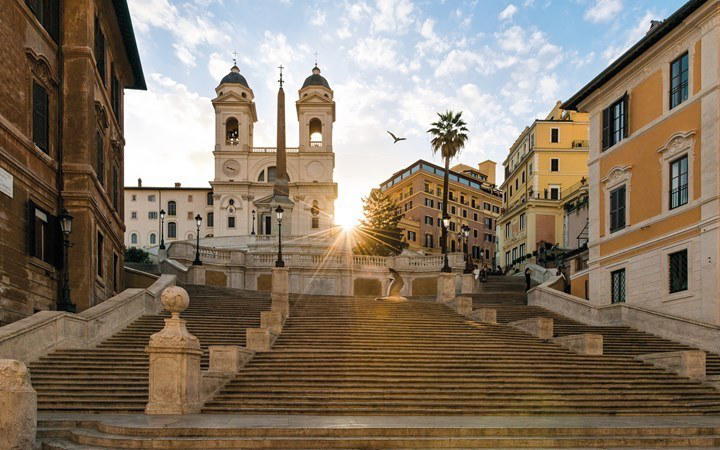
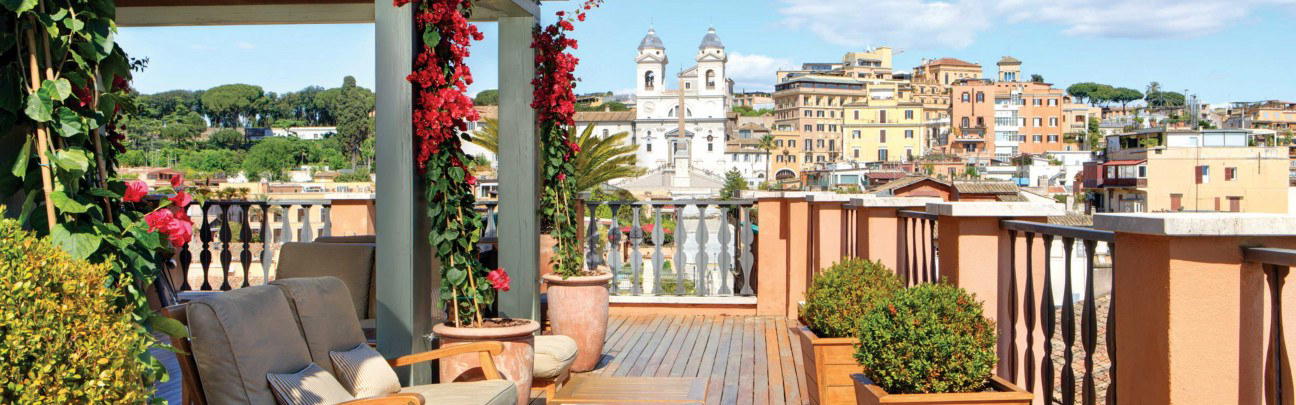
In Rome's hierarchy of grand hotels, position is everything, and few addresses carry more physical authority than Piazza della Trinità dei Monti. Standing at the head of the Spanish Steps, Hassler Roma does not merely overlook the city; it occupies the precise point where the Pincian Hill meets the most photographed staircase in Italy. Arriving on foot from the Via Condotti shopping corridor below, guests climb past the azalea-lined steps and pass through a threshold that separates the noise of central Rome from something considerably quieter. That separation is architectural fact, not marketing language.
The hotel's location places it in a tier of its own within the Spanish Steps neighbourhood. Properties like Rocco Forte Hotel De La Ville and Bulgari Hotel Roma operate within the same postcode, but neither commands this elevation or this sightline. The difference is meaningful in a city where the view from a hotel window can be as substantive a reason to book as any amenity list.
The Architecture of Accumulated Time
The Hassler's interior reads as a careful accumulation rather than a designed moment. The hotel has been under continuous ownership by the same Swiss family, the Wirths, since the 1890s, and that continuity shows in how the space has evolved: not in a single renovation sweep, but in layers. Venetian lamps sit alongside travertine marble. Silk upholstery and elaborate plasterwork moldings coexist with a design sensibility that was updated incrementally rather than stripped and rebuilt.
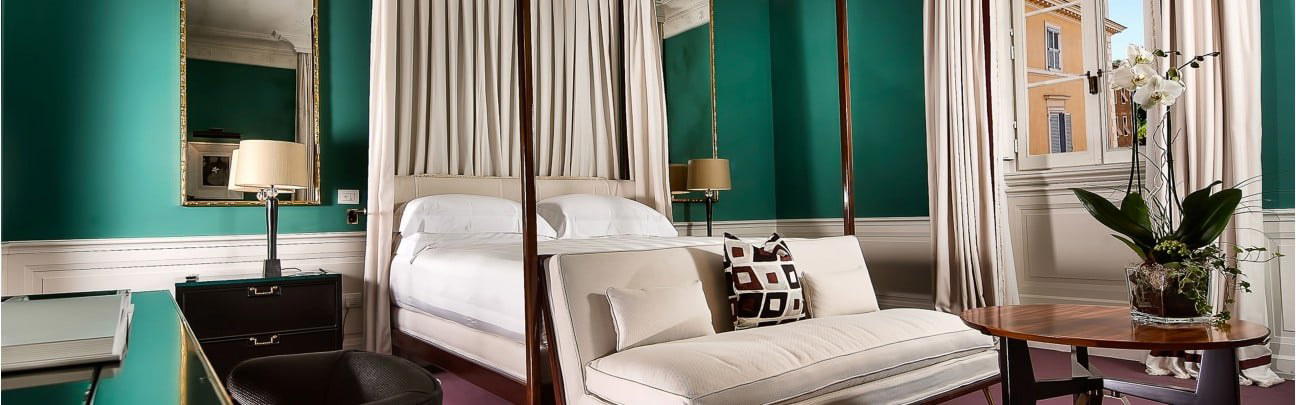
Rome has seen a wave of new luxury openings that opt for archaeological chic or brutally contemporary minimalism. The Hassler takes the opposite position. Its 66 rooms and 21 suites are individually configured, with no two spaces identical, and the palette returns to Rome's own color register: ochre, red, and the warm stone tones of the city's most durable buildings. Where properties like Hotel Vilòn or JK Place Roma position themselves around a more intimate, edited aesthetic, the Hassler operates at greater scale and with greater ceremony.
The suite category warrants specific attention. The 3,552-square-foot Hassler Penthouse Suite comprises two master bedrooms in velvet and Hermès fabrics, four bathrooms, a fully equipped kitchen, a large living and dining area, a cocktail bar, and two panoramic terraces with travertine marble flooring and chaise lounges. A personal butler is available around the clock. This is not a suite designed around a single design statement; it is a residence designed around extended occupation. Rates for the property start at approximately $1,639, reflecting its placement in Rome's most competitive price tier alongside properties such as Hotel Eden and Portrait Roma.
Imàgo and the Logic of the View
Rome's Michelin-starred dining has historically been distributed across the centro storico, but a subset of its most recognized restaurants have built their identity around the panorama rather than against it. Imàgo, the Hassler's sixth-floor restaurant, belongs to that subset. The dining room looks out over a skyline that includes the Victor Emmanuel II monument and Sant'Agnese in Piazza Navona, among at least a dozen named edifices visible from a single table. The view functions as a structural element of the room, not a backdrop to it.
Executive chef Andrea Antonini leads a seasonal menu that moves between technical precision and accessible Italian reference points. Dishes like sea urchin and saffron risotto with clementines or lamb with goat cheese and wild herb salad indicate a kitchen operating in a register that is playful within formal constraints. Imàgo carries a Michelin star, which places it within Rome's recognized upper dining tier. The hotel also holds a Michelin One Key designation (2024) and a La Liste score of 97.5 points in the 2026 rankings, the latter placing it among the highest-rated hotels in its competitive set globally.
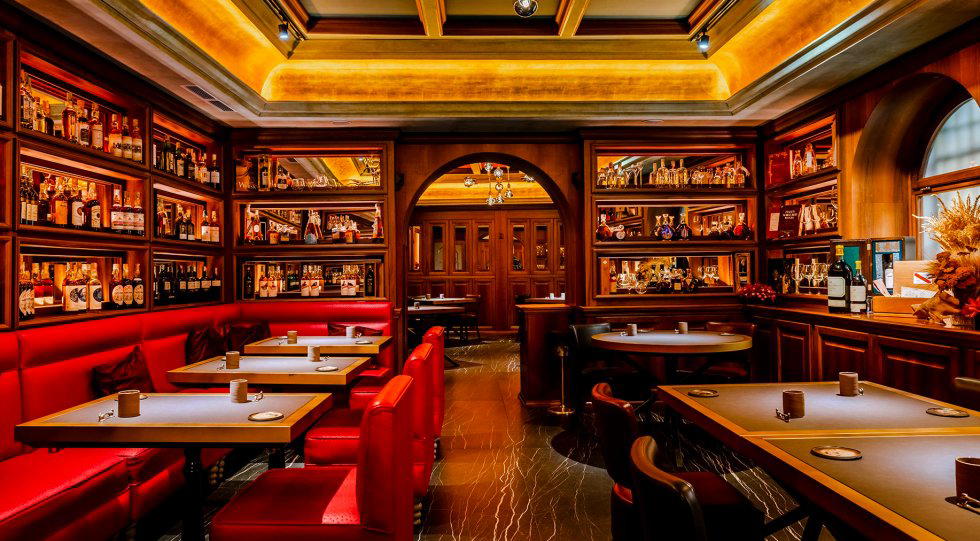
Beyond Imàgo, the hotel runs three additional food and beverage formats. The Hassler Bistrot offers Roman classics alongside the starred restaurant's more ambitious programming. The Salone Eva provides refined all-day dining and afternoon tea in a salon setting. In summer, the adjacent Palm Court opens for alfresco dining on an ivy-covered patio. The Hassler Bar, panelled in dark wood and red leather in a style that references 1940s glamour, functions as a post-dinner option rather than a destination bar in the current cocktail-bar sense.
Wellness and the Urban Retreat Logic
The Amorvero Spa operates on the principle of providing quiet within a city that rarely offers it. Positioned as a standalone amenity rather than a token hotel spa, it offers beauty treatments and massage programs structured around recovery rather than spectacle. Guests also have access to a gym and an open-air terrace. This positions the Hassler within a category of Roman luxury hotels that have invested in wellness infrastructure as a retention tool for longer-stay guests, a group for whom the property is clearly designed.
For comparison, properties like Maalot Roma or Hotel Locarno operate at a different scale and without equivalent wellness programming, which defines part of the Hassler's positioning in the market.
Location as Logistics
The Spanish Steps address is genuinely central. Piazza Navona, the Trevi Fountain, Campo de' Fiori, and Piazza Venezia are all within a ten-minute walk. Villa Borghese is five minutes on foot. The hotel operates a complimentary electric shuttle to extend reach to attractions and neighborhoods where walking distances become less practical. For guests who prefer a chauffeured option, the concierge arranges car services directly. This logistical infrastructure matters in a city where the gap between proximity and accessibility can be significant depending on the hour and the heat.
In the broader context of Italian luxury travel, the Hassler occupies a specific position: a city-center institution with a century of operating history, as distinct from the estate-model properties elsewhere in the country. For the country house or agriturismo version of Italian luxury, the comparison set shifts to places like Castello di Reschio in Lisciano Niccone, Rosewood Castiglion Del Bosco in Montalcino, or Borgo Egnazia in Savelletri di Fasano. For the Amalfi Coast equivalent of elevation-and-view luxury, Borgo Santandrea and Il San Pietro di Positano operate in a comparable register. The Hassler is, specifically, a Roman institution, and that specificity is its argument.
Guests traveling elsewhere in Italy might also consider Aman Venice in Venice, Four Seasons Hotel Firenze in Florence, Casa Maria Luigia in Modena, Passalacqua in Moltrasio, or Portrait Milano as part of a wider Italian itinerary. For those extending travel internationally, Aman New York, The Fifth Avenue Hotel, and Amangiri in Canyon Point represent comparable commitments to design-led, high-credential luxury in their own contexts. See our full Rome restaurants and hotels guide for broader context across the city's premium tier.
Planning a Stay
The hotel is a member of Leading Hotels of the World (2025), which provides one reliable booking channel with verified rate parity. Given the property's prominence and the Spanish Steps address, peak season bookings, particularly April through June and September through October, benefit from lead times of two months or more for preferred suite categories. The Imàgo restaurant, while accessible to non-hotel guests, fills quickly on weekend evenings; diners targeting the panoramic seventh-floor views specifically should book as far in advance as their dates allow. The Hassler's concierge team handles transport, restaurant reservations elsewhere in the city, and access to the neighborhood's concentration of luxury retail, including Valentino, Hermès, Alaïa, Celine, and Prada within the immediate blocks below. Also worth considering nearby: JK Place Capri and Il Pellicano in Porto Ercole for day-trip or extension options within reach of Rome by road or ferry. For a more accessible Roman alternative at a lower price point, Corte della Maestà in Civita di Bagnoregio offers a very different but characterful Italian experience within reasonable driving distance.
Cuisine Context
Comparable venues nearby, for context on price, style, and recognition.
| Venue | Cuisine | Price | Awards | Notes |
|---|---|---|---|---|
| Hassler RomaThis venue (the venue you are viewing) | Timeless luxury heritage property blending classic Italian elegance with modern comforts. | Not listed | 1 Michelin Key · La Liste Top Hotels | Not listed |
| Singer Palace Hotel | Boutique luxury hotel in a historic landmark building blending Art Deco influences with contemporary Italian design. | Not listed | 1 Michelin Key · Virtuoso Luxury Hotel Partner | Colonna |
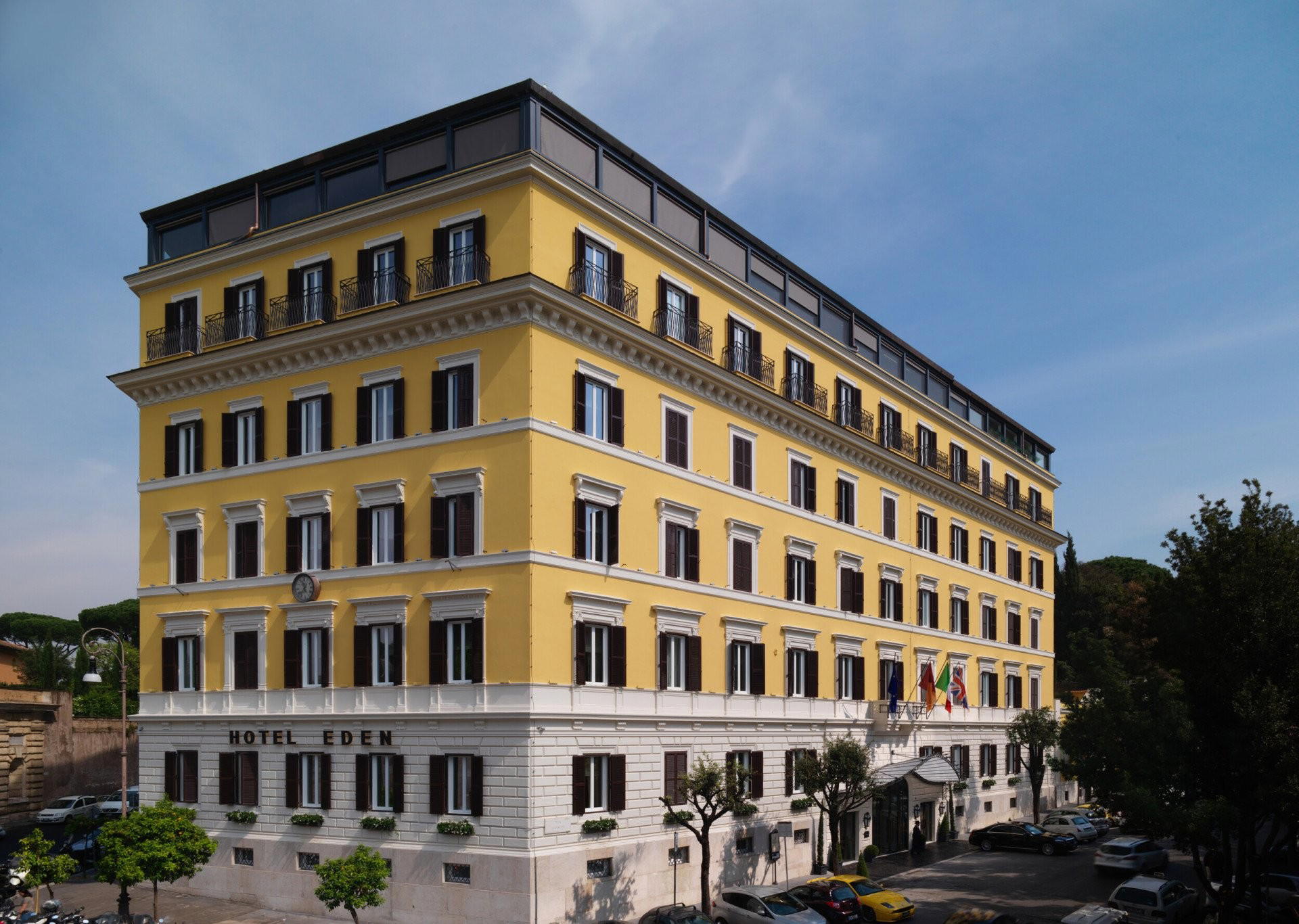
| Hotel Eden | Luxury historic boutique in the heart of Rome near Spanish Steps. | Not listed | 1 Michelin Key · La Liste Top Hotels | Ludovisi |
| Hotel Locarno | Historic Art Deco boutique hotel with retro-classic style. | $500–750 | 1 Michelin Key · La Liste Top Hotels | Campo Marzio |
| Six Senses Rome | Urban wellness retreat fusing Roman heritage and contemporary design | Not listed | 1 Michelin Key · Virtuoso Luxury Hotel Partner | Trevi |
| Umiltà 36 | Retro-inspired Roman Dolce Vita boutique with refined ambiance and modern touches | Not listed | 1 Michelin Key · Mr & Mrs Smith Seal of Approval | Trevi |
Recognition history
Dated appearances from independent guides and award organizations, with the underlying list record or original source where available.
Michelin 1 Key
Michelin
La Liste Top Hotels
La Liste
Forbes 5-Star
Forbes
Virtuoso Luxury Hotel Partner
Virtuoso
Leading Hotels of World Member
Leading Hotels of World
Full recognition history (8 entries)
Forbes 5-Star
Forbes
Michelin 1 Key
Michelin
Michelin 1 Key
Michelin
Hassler Roma
Featured Guides
Continue exploring
More in Rome
Hotels in Rome
All hotels in Rome →
Bars in Rome
All bars in Rome →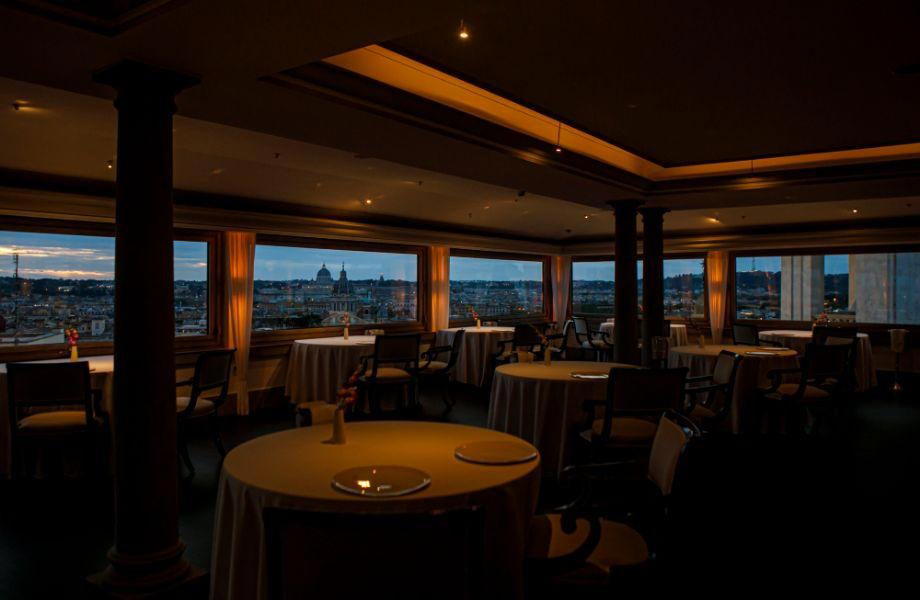
Restaurants in Rome
All restaurants in Rome →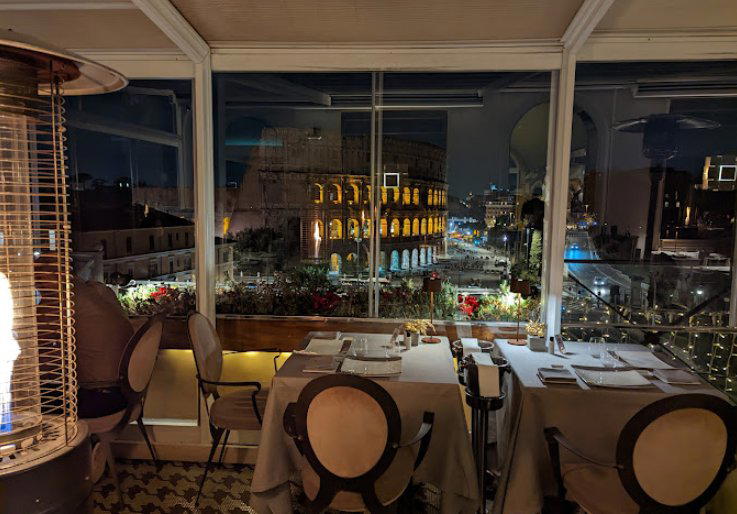

Details
- Elegant
- Sophisticated
- Classic
- Ornate
- Romantic
- Honeymoon
- Romantic Getaway
- Anniversary
- Business Trip
- Rooftop Pool
- Historic Building
- Panoramic View
- Terrace
- Wi Fi
- Spa
- Fitness Center
- Room Service
- Concierge
- Business Center
- Valet Parking
- Skyline
- Garden
- Elevator
- Step Free Entrance
Timeless elegance with classic decor, warm lighting, and serene panoramic views creating a sophisticated and welcoming luxury atmosphere.