Piatto Romano sits in Testaccio, the Roman neighbourhood most closely associated with the city's cucina povera tradition. The address on Via Giovanni Battista Bodoni places it within walking distance of the old slaughterhouse markets that shaped the offal-heavy, ingredient-led cooking this part of Rome is known for. For visitors tracing the city's dining customs rather than its fine-dining circuit, this is a useful reference point.
Pearl is the En Primeur Club membership app — saves, bookings, and concierge access live there. Same editors, same standards.
- Address
- Via Giovanni Battista Bodoni, 62, 00153 Roma RM, Italy
- Phone
- +39 06 6401 4447
- Directions
- Get directions
 Saves & bookings on Pearl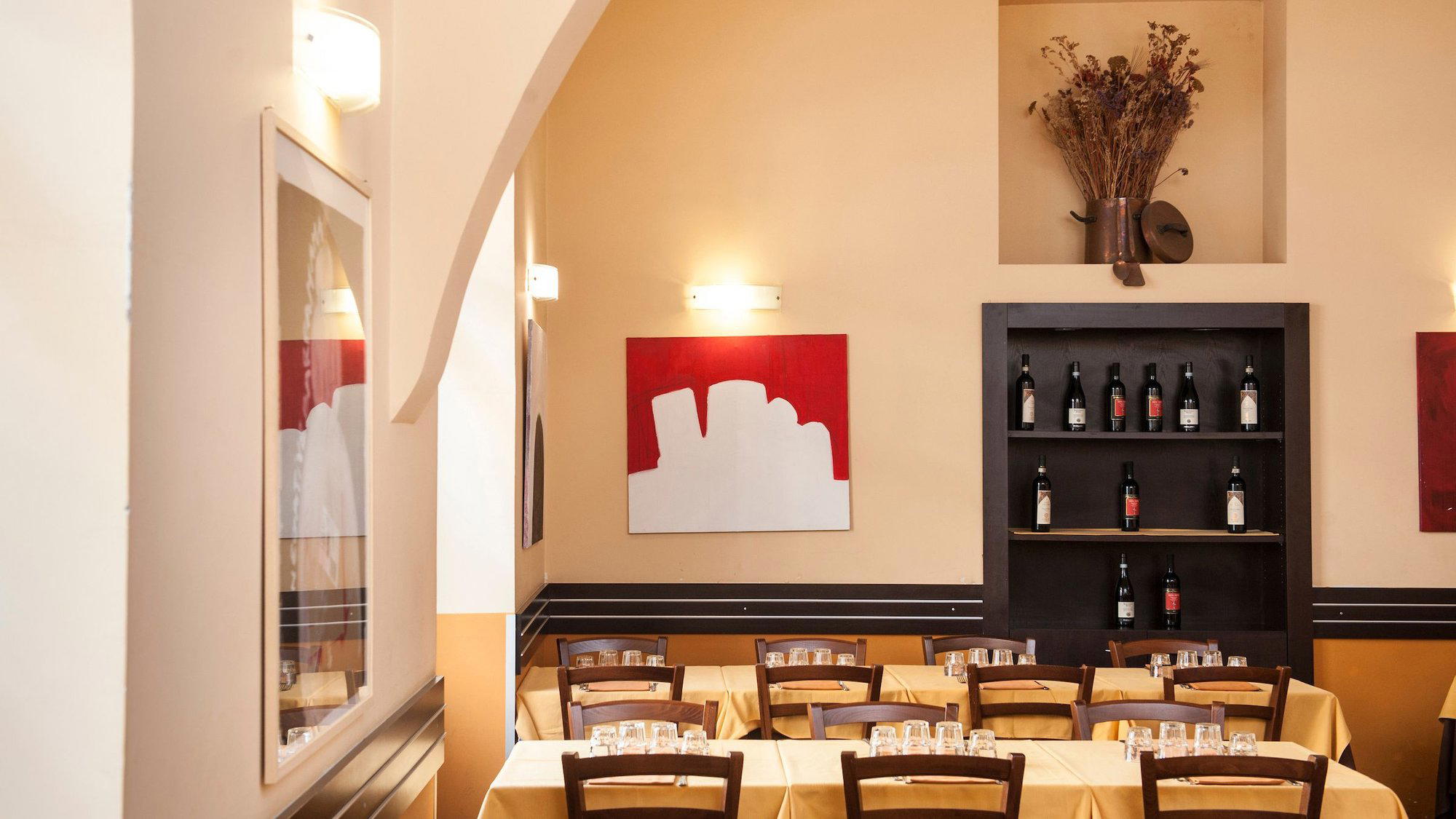
Testaccio and the Logic of Roman Cooking
Rome's dining identity is more codified than almost any other European capital. The city does not have a single dominant fine-dining signature in the way that, say, Milan's creative Italian scene or Modena's laboratory-led approach at Osteria Francescana define those cities from the leading down. Instead, Rome works from the ground up: the trattoria tradition, the seasonal vegetable market, and the quinto quarto (the fifth quarter, the offal cuts historically left to the working classes) form the backbone of what locals actually eat and what the city's culinary reputation rests on at street level.
Testaccio is the neighbourhood where that tradition is most legible. Built around the old Mattatoio, Rome's central slaughterhouse that operated from the late nineteenth century until 1975, the area developed a cooking culture directly shaped by proximity to the abattoir. Workers were partly paid in offal, and the neighbourhood's kitchens turned coda alla vaccinara (oxtail braised with tomato and celery), rigatoni con la pajata (pasta with veal intestine), and trippa alla romana into dishes that now appear across the city but carry their most authentic resonance here. Piatto Romano, on Via Giovanni Battista Bodoni 62, is an Authentic Roman Trattoria in Rome's Testaccio quarter. It occupies this neighbourhood not as a destination restaurant making a statement about the tradition but as a local presence inside it.
The Ritual of Eating in Rome
Understanding how a Roman meal is meant to unfold matters more here than at almost any other dining destination in Italy. The structure is deliberate: antipasto, primo, secondo, contorno, dolce. Not every diner observes the full sequence, but the expectation that you will sit, slow down, and move through courses rather than order à la carte in a compressed format shapes the atmosphere of any serious trattoria. Service pacing in this tradition is not attentive in the hotel-dining sense. It is present, then absent, then present again, calibrated to conversation rather than efficiency. Arriving with a plan to eat quickly is a category error.
This meal architecture matters when positioning a neighbourhood address like Piatto Romano within Rome's broader dining picture. A Testaccio address like this one is not competing in that conversation. It competes on authenticity to place, on the quality of its pasta and its braised cuts, and on whether it holds the customs of Roman table culture with any seriousness.
Via Bodoni: What the Address Signals
Via Giovanni Battista Bodoni sits in the residential core of Testaccio, away from the more tourist-facing stretch around Piazza Testaccio and the covered market. An address here typically signals a local clientele, lunch trade from the surrounding streets, and a menu shaped by what is available at the Mercato Testaccio rather than by seasonal tasting menu logic. The walk from the Piramide metro station (Linea B) takes roughly ten minutes. From Trastevere, the neighbourhood is a twenty-minute walk across the Ponte Sublicio or reachable by tram on the No. 8 line to Largo di Torre Argentina, then a short connection south.
The neighbourhood itself has gentrified gradually over the past decade, with some of the more experimental Roman kitchens and natural wine bars moving in alongside the established trattorie. This puts an address like Piatto Romano in a neighbourhood that is neither frozen in time nor fully absorbed into the city's trendier dining circuits, which in Rome tend to cluster around Pigneto, Ostiense, and Prati. Testaccio sits between those poles, which gives it a particular character: self-aware about its culinary history but still primarily serving the people who live there.
Where This Fits in the Rome Dining Picture
Rome's credentialled restaurant scene is smaller than outsiders often expect. The Michelin presence in the capital is concentrated: La Pergola holds three stars, while a cluster of two- and one-star addresses including Achilli al Parlamento represents the city's formal creative output. For Italian dining at comparable ambition levels elsewhere in the country, Dal Pescatore in Runate, Uliassi in Senigallia, Reale in Castel di Sangro, and Atelier Moessmer Norbert Niederkofler in Brunico define what serious regional Italian cooking looks like outside Rome's centre. Enoteca Pinchiorri in Florence and Quattro Passi in Marina del Cantone complete a picture of Italian fine dining that Rome's neighbourhood trattorie are explicitly not trying to replicate.
A neighbourhood address in Testaccio belongs to a different tier and answers a different question: not what Italian cooking can become when pushed technically, but what it looks like when it stays close to the customs of a specific place. That is a legitimate and often more satisfying answer for a certain kind of visitor. For comparison across categories at the international level, Le Bernardin in New York City and Atomix in New York City illustrate the distance between the trattoria tradition and the tasting-menu fine-dining model that has shaped global restaurant culture over the same period.
Planning a Visit
Testaccio is most navigable on foot from the Piramide metro stop on Linea B, which connects directly from Termini. The area is also served by bus lines running along Via Marmorata. For a neighbourhood address like this one, reservations are recommended, though dinner on weekends in a busy residential area can fill early. The Mercato Testaccio, a ten-minute walk away, is worth building into the morning before a lunch sitting. The neighbourhood's custom is a long lunch rather than a quick meal, and that pacing should shape expectations on both sides of the table.
At-a-Glance Comparison
Comparable venues nearby, for context on price, style, and recognition.
| Venue | Cuisine | Price | Notes |
|---|---|---|---|
| Piatto RomanoThis venue — the venue you are viewing | Authentic Roman Trattoria | $$ | Not listed |
| Osteria Trastevere | Traditional Roman Cuisine | $$ | Trastevere |
| Materia Cafe | Italian Cafe with Healthy Mediterranean | $$ | Esquilino |
| Amaranto | Modern Roman Pizza al Taglio | $$ | Trieste |
| Farro Zero | Organic Heritage Grain Pizza | $$ | Trieste |
| La Reginella d'Italia | Roman-Jewish Trattoria | $$ | San Angelo |
Continue exploring
More in Rome
Restaurants in Rome
Browse all →
Bars in Rome
Browse all →
Hotels in Rome
Browse all →

At a Glance
- Cozy
- Classic
- Rustic
- Casual Hangout
- Family
- Historic Building
- Local Sourcing
Current opening hours
- Monday
- 12:45–3 PM, 7:45–11:30 PM
- Tuesday
- 12:45–3 PM, 7:45–11:30 PM
- Wednesday
- 12:45–3 PM, 7:45–11:30 PM
- Thursday
- 12:45–3 PM, 7:45–11:30 PM
- Friday
- 12:45–3 PM, 7:45–11:30 PM
- Saturday
- 12:45–3 PM, 7:45–11:30 PM
- Sunday
- Closed
Hours can change for holidays and private events. Last verified .
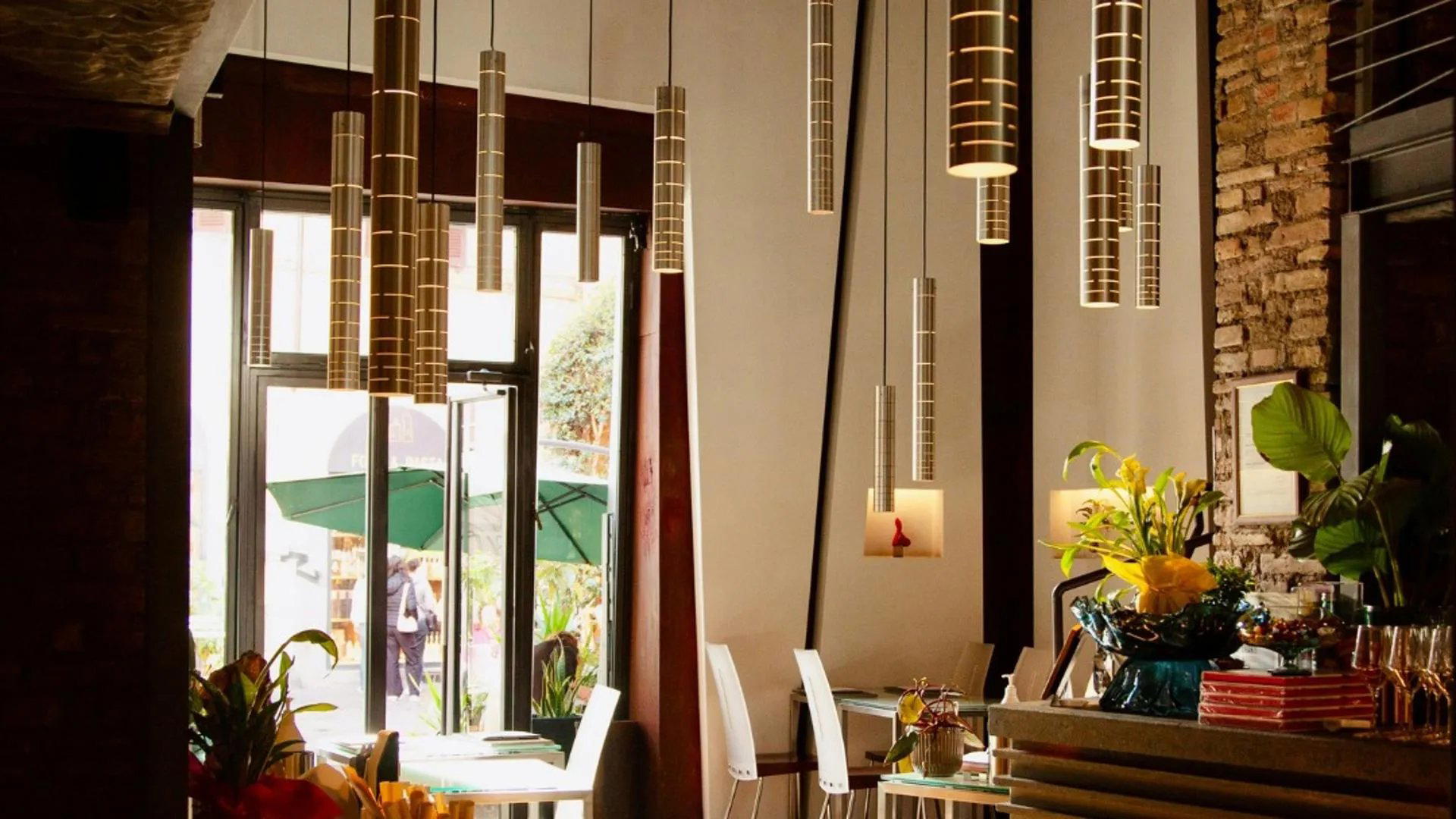
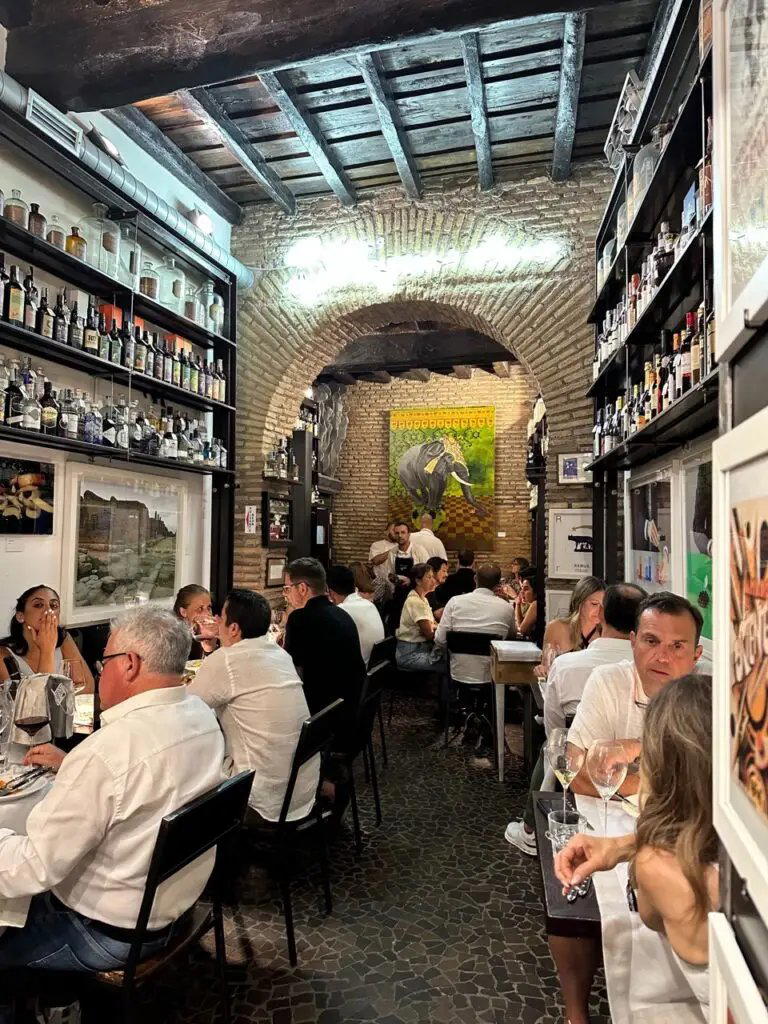
Cozy and inviting atmosphere reminiscent of a grandmother’s kitchen with warm, welcoming lighting.