On Via Mecenate in Rome's Esquilino district, Trattoria Morgana sits in the tradition of Roman neighbourhood dining that prioritises occasion over spectacle. For anniversaries, family gatherings, or milestone meals, the trattoria format offers something the city's tasting-menu circuit rarely does: a table where the evening belongs to the guests, not the kitchen's schedule.
Pearl is the En Primeur Club membership app — saves, bookings, and concierge access live there. Same editors, same standards.
- Address
- Via Mecenate, 21, 00184 Roma RM, Italy
- Phone
- +39 06 487 3122
- Website
- trattoriamorgana.com
- Directions
- Get directions
 Saves & bookings on Pearl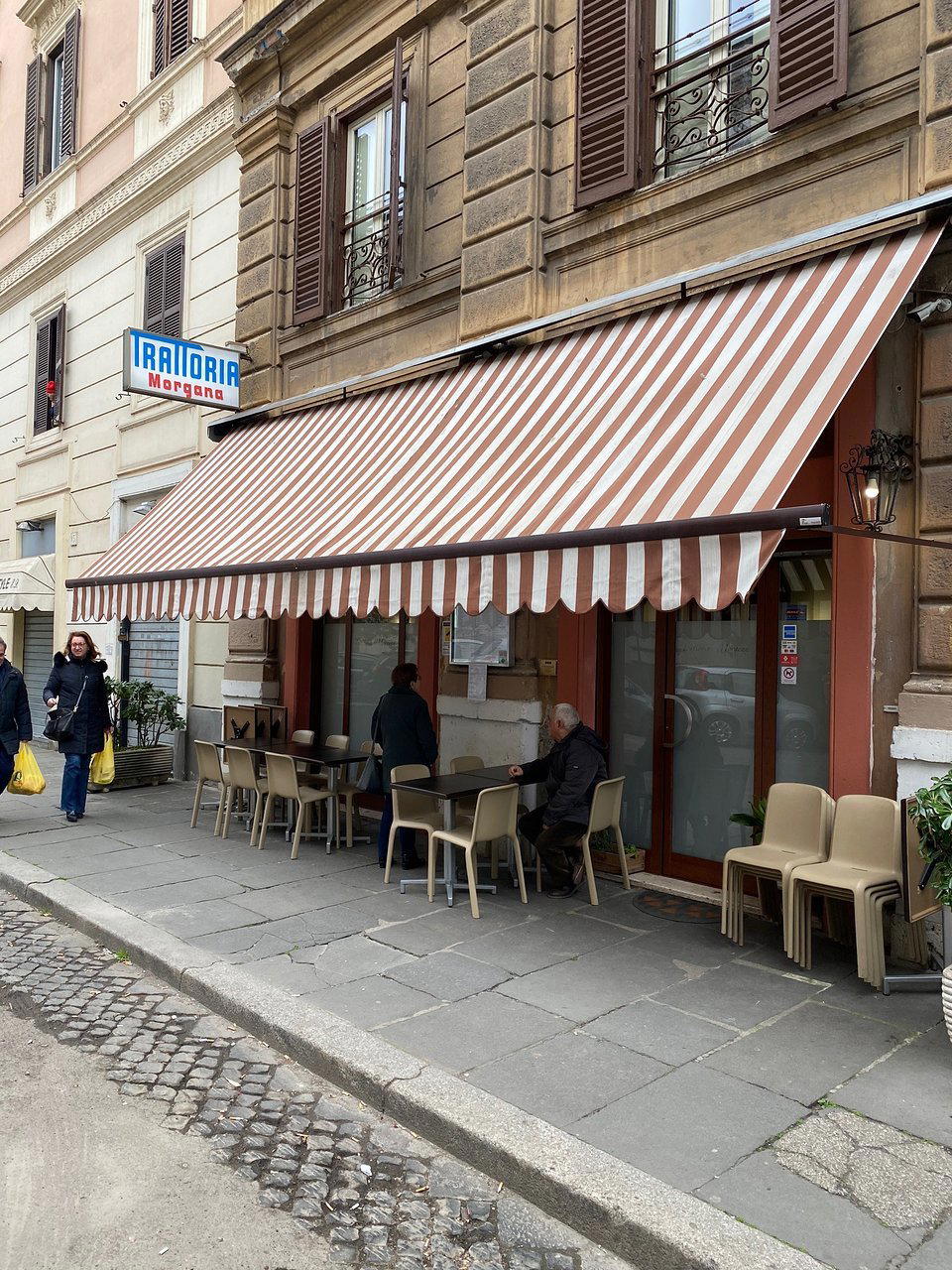
Where Roman Occasion Dining Still Feels Like a Private Matter
Via Mecenate runs quietly through the Esquilino, one of Rome's more layered neighbourhoods, where the proximity to the Colosseum and Celio hill brings a certain historical gravity without the tourist-market density of Trastevere or Campo de' Fiori. It is the kind of street where a trattoria can survive on local loyalty rather than footfall, and that distinction matters when you are choosing a restaurant for a meal that needs to go right. Trattoria Morgana is a traditional Roman trattoria in Rome's Esquilino district, with a price point around $25 per person and a casual dress code. Its place in Rome's dining conversation begins with what the trattoria format itself represents in a city that has spent two decades producing increasingly expensive tasting-menu destinations.
The Trattoria as Occasion Format
Rome's dining scene has split along a familiar axis. At one end sit the capital's haute-cuisine addresses: La Pergola, Acquolina, Enoteca La Torre, Il Pagliaccio, and Achilli al Parlamento, all working in the creative and contemporary register with prix-fixe structures and kitchen-led pacing. At the other end, the trattoria remains the city's most durable dining institution: a format built for long tables, unhurried service, and food that earns its authority through consistency rather than innovation. For celebrations, the logic of the trattoria is underappreciated. You control the pace. You order what you want. The kitchen is not structuring your evening around a narrative; you are structuring your evening around the table.
This is not a small distinction. Anniversary dinners and family milestones often require something a twelve-course tasting menu cannot easily provide: flexibility. One guest who does not eat fish, another who wants to linger over antipasti for forty minutes, a third who wants to revisit the pasta before any secondi arrives. The trattoria absorbs all of that without drama, and the leading ones in Rome do it while maintaining a kitchen standard that does not ask you to choose between comfort and quality.
The Esquilino Setting and What It Signals
The Esquilino is one of Rome's oldest residential districts, built across the ancient Mons Esquilinus and now home to a population that includes long-standing Roman families alongside newer communities from across the globe. The neighbourhood around Termini station carries a different character to the historic centre, more workaday and less curated, which means the restaurants that succeed here tend to do so on substance. A trattoria on Via Mecenate is not trading on a postcard backdrop. It is competing for the repeat business of people who live nearby and eat out regularly, which historically produces a more honest kitchen than one calibrated for first-time visitors.
For visitors coming from central Rome, the Esquilino is direct to reach: it sits within walking distance of the Colosseo metro stop and a short taxi or tram ride from the historic centre. The area rewards the effort of crossing into it, particularly for dinner, when the neighbourhood settles into an evening rhythm that feels distinctly Roman rather than tourist-facing.
Planning a Milestone Meal Here
Italy's trattoria tradition is understood most clearly when placed alongside the country's broader fine-dining circuit. The same Italian kitchens that produce the restraint and precision of Osteria Francescana in Modena, Enoteca Pinchiorri in Florence, or Enrico Bartolini in Milan are rooted in a domestic cooking culture where the trattoria is the point of origin, not a lesser alternative. Coastal institutions like Uliassi in Senigallia and Quattro Passi in Marina del Cantone evolved directly from trattoria roots. Even Dal Pescatore in Runate retains the trattoria name despite sitting in entirely different critical territory. The format carries weight in Italian dining precisely because it carries history.
For a group anniversary or birthday dinner in Rome, the practical questions are the ones that tend to determine whether an evening works. Group size, dietary range, how long you want to sit, whether you want a wine list with depth or a short selection of well-chosen house options. Reservations are recommended, especially for weekend evenings and larger parties. Occasion dining in Rome rewards guests who arrive without a fixed schedule.
Roman cuisine at the trattoria level centres on a canon that has remained largely stable for generations: cacio e pepe, carbonara, coda alla vaccinara, abbacchio, supplì, the vegetable preparations that change by season. The strength of a Roman trattoria kitchen is tested not in invention but in execution of that canon, and in whether the kitchen shows any restraint with the cheese and the fat, or whether it leans into richness without calibration. The leading Roman trattorie thread that needle consistently.
How Trattoria Morgana Fits the Broader Italian Picture
Italy's dining geography makes Rome an interesting city for occasion meals precisely because it sits outside the northern concentration of Michelin attention that clusters around Piazza Duomo in Alba, Le Calandre in Rubano, and the mountain-rooted precision of Atelier Moessmer Norbert Niederkofler in Brunico. Rome's prestige dining is real, but the city's identity remains anchored in a cuisine of working-class origins, and the trattoria is where that identity lives most authentically. For international visitors accustomed to the tasting-menu format of Le Bernardin in New York or the communal structure of Lazy Bear in San Francisco, a Roman trattoria offers a meaningfully different kind of occasion meal, one where the food is the occasion rather than the delivery mechanism for a chef's statement. You can find more options across the capital in our full Rome restaurants guide, and explore what Reale in Castel di Sangro represents at the ambitious end of central Italian cuisine for comparison.
Practical Planning
Trattoria Morgana sits at Via Mecenate, 21, in Rome's Esquilino district, accessible from Colosseo metro station and well within reach of the historic centre by taxi. As with most Roman neighbourhood trattorias, dinner is the primary occasion frame; arriving with a reservation and a relaxed timeline will serve you better than arriving with a schedule. For confirmed hours, current menu pricing, and booking availability, contacting the venue directly or checking current listings is the safest approach, since operational details for independent trattorias can shift seasonally.
Comparison Snapshot
Comparable venues nearby, for context on price, style, and recognition.
| Venue | Cuisine | Price | Notes |
|---|---|---|---|
| Trattoria MorganaThis venue — the venue you are viewing | Traditional Roman Trattoria | $$ | Not listed |
| La Reginella d'Italia | Roman-Jewish Trattoria | $$ | San Angelo |
| Fradiavolo Roma Parioli | Contemporary Italian Pizzeria | $$ | Salario |
| MASTO a Testaccio | Traditional Roman Trattoria | $$ | Testaccio |
| Proloco Centocelle | Lazio Regional Italian Trattoria | $$ | Centocelle |
| Vitaminas24 | Organic Vegan Italian | $$ | Prenestino-Labicano |

At a Glance
- Rustic
- Cozy
- Classic
- Family
- Business Dinner
- Casual Hangout
- Historic Building
- Extensive Wine List
Current opening hours
- Monday
- 12:30–2:45 PM, 7–10:30 PM
- Tuesday
- 12:30–2:45 PM
- Wednesday
- Closed
- Thursday
- 12:30–2:45 PM, 7–10:30 PM
- Friday
- 12:30–2:45 PM, 7–10:30 PM
- Saturday
- 12:30–2:45 PM, 7–10:30 PM
- Sunday
- 12:30–2:45 PM, 7–10:30 PM
Hours can change for holidays and private events. Last verified .
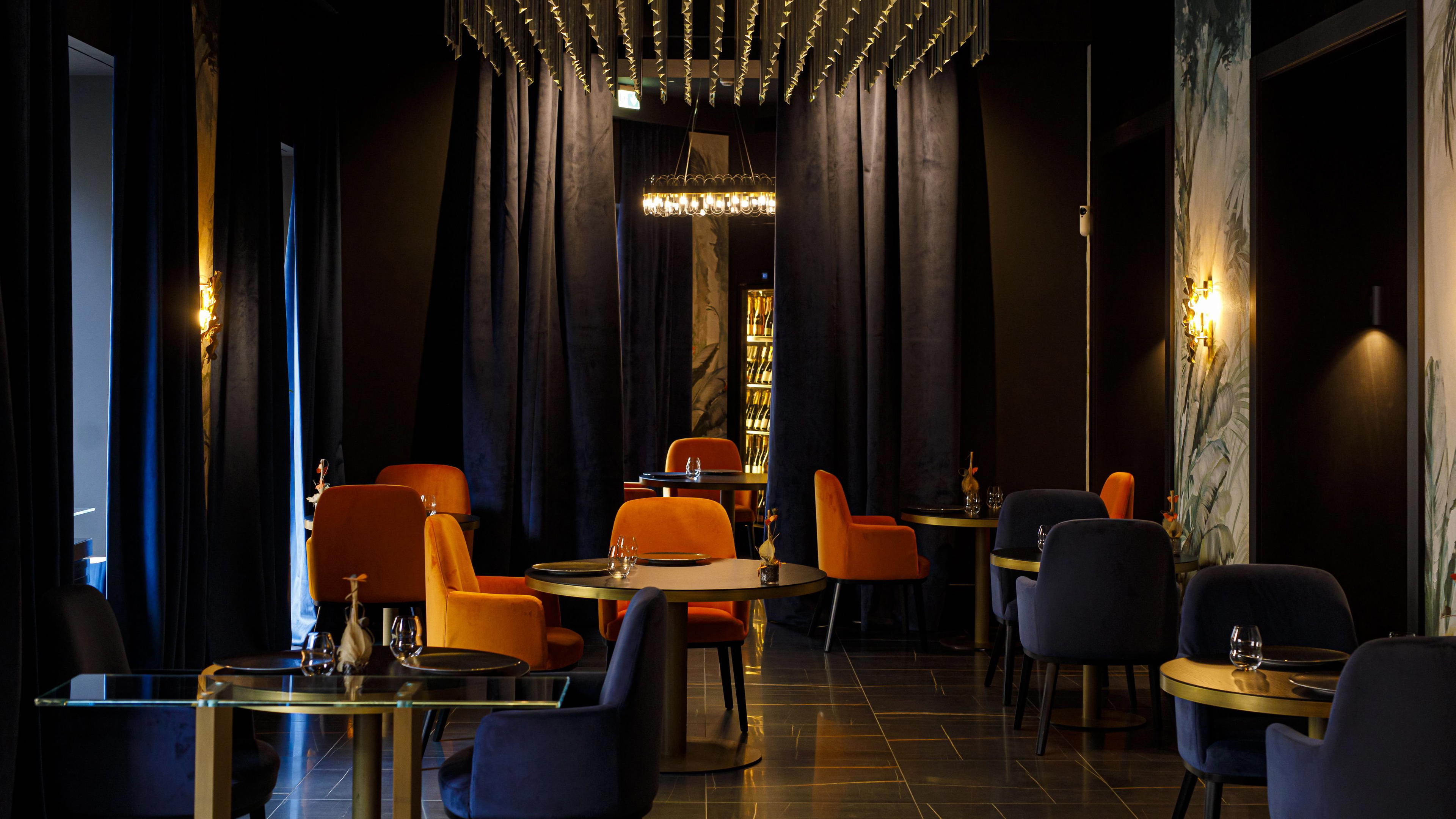
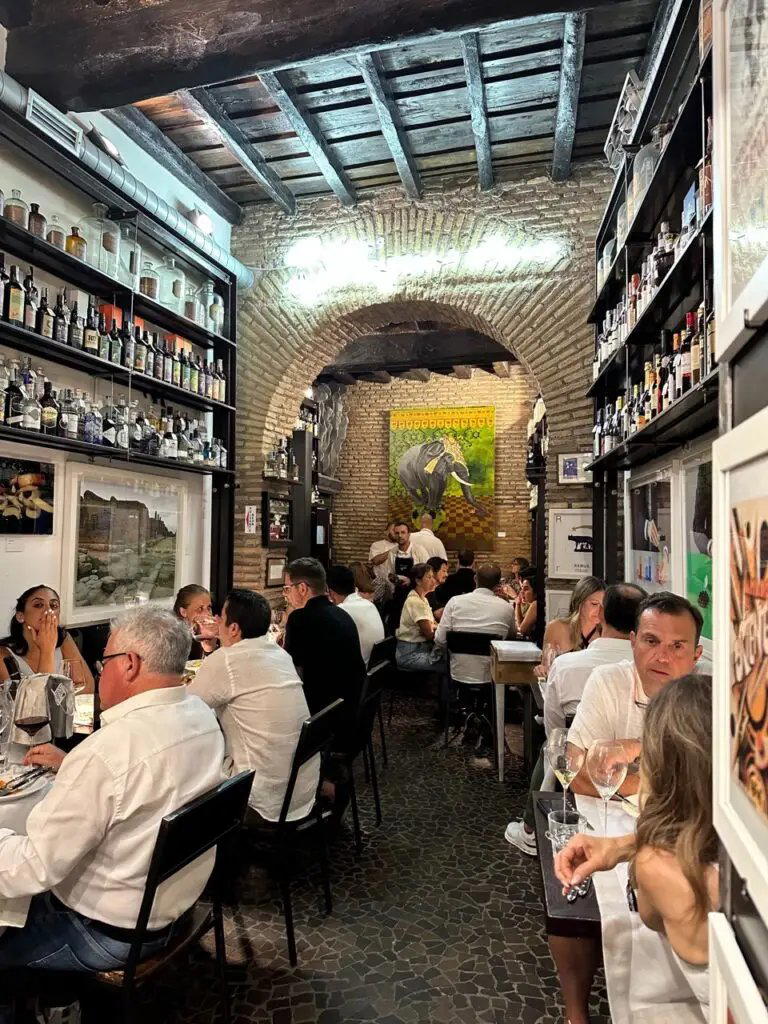
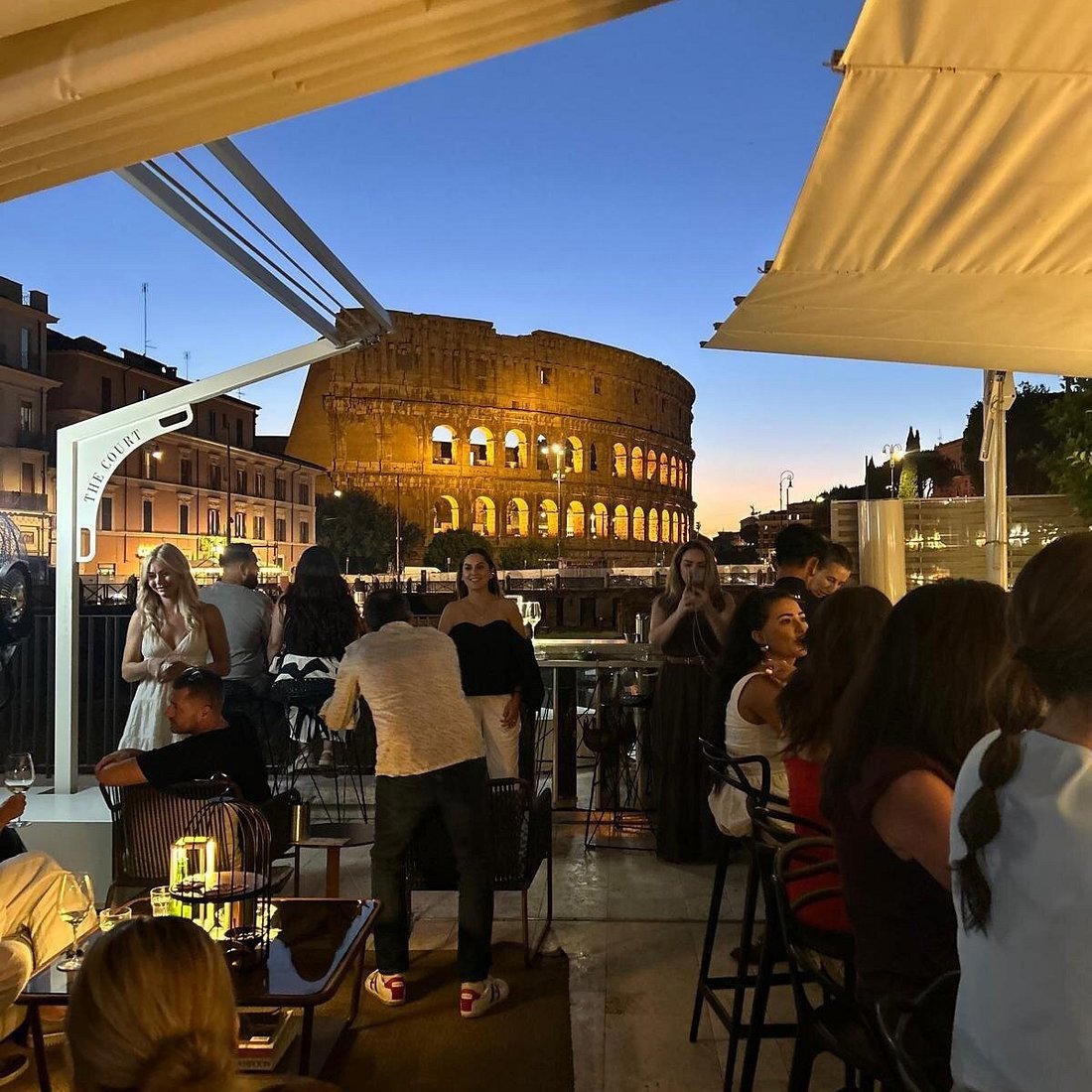
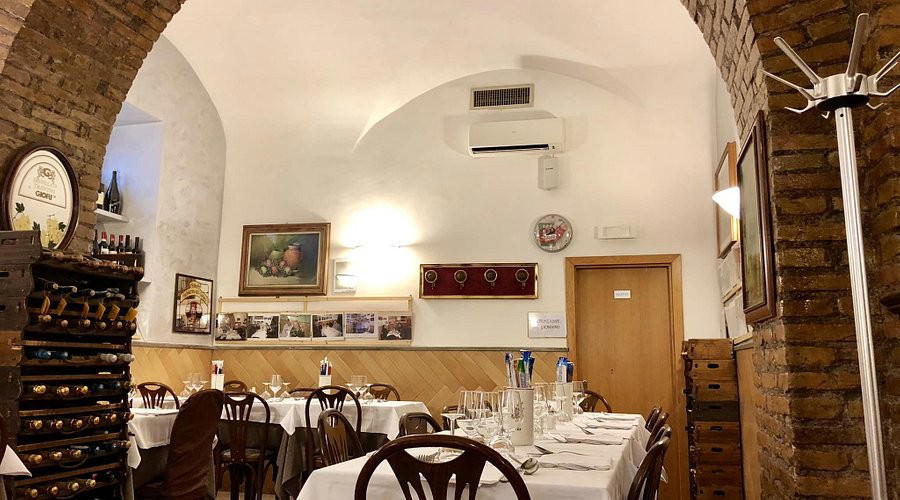
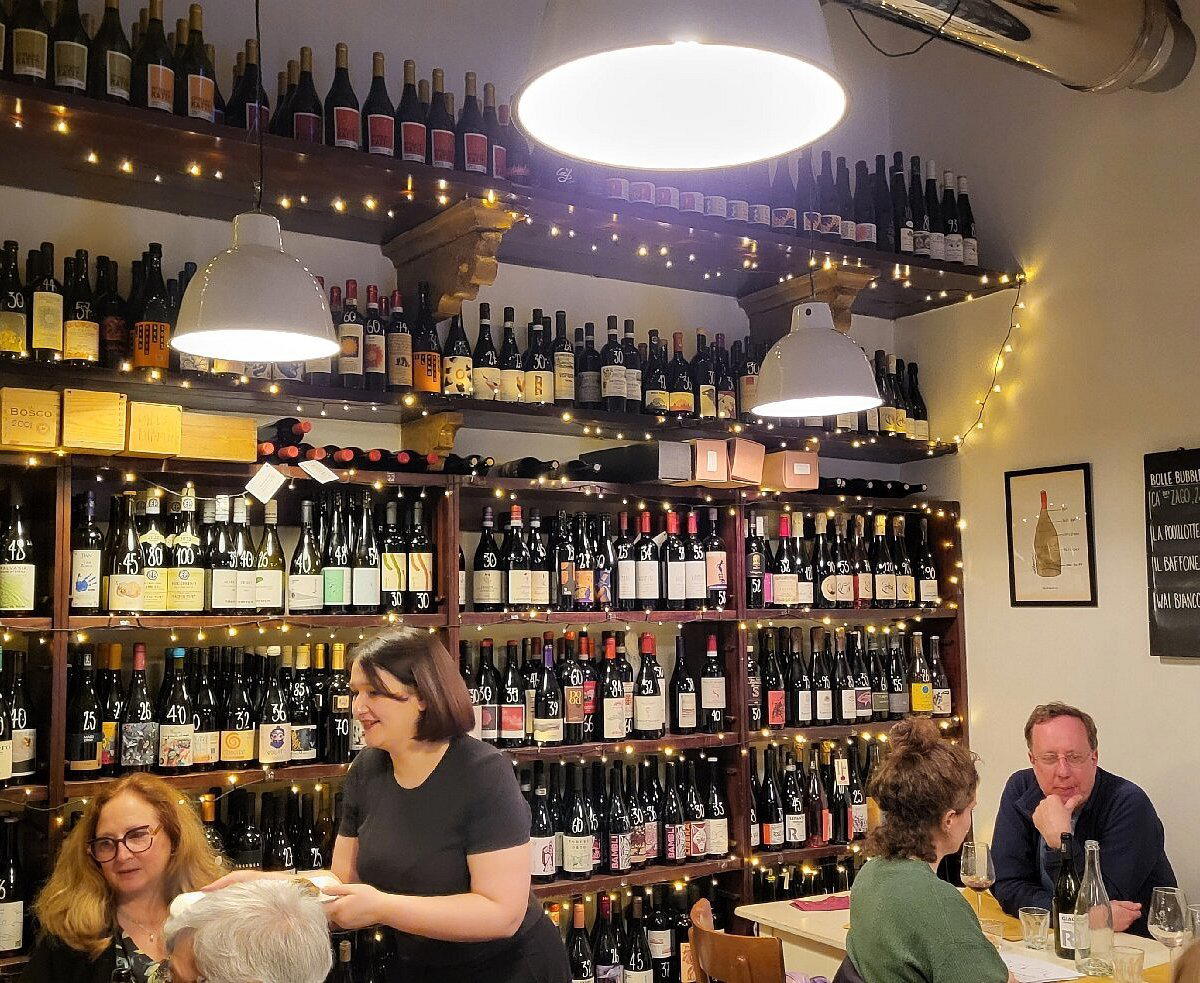
Gritty and unpretentious with half-brick walls, wine bottle decor, and tables squeezed into every nook for an authentic, casual Roman dining atmosphere.