Papa Giovanni occupies a narrow address on Via dei Sediari in Rome's historic centre, a street where the fabric of old-city dining remains largely intact. The restaurant positions itself within the Roman trattoria tradition, where the relationship between seasonal produce, long-practised technique, and a loyal local clientele defines the offer more than any single dish or signature moment.
- Address
- Via dei Sediari, 4, 00186 Roma RM, Italy
- Phone
- +393966865308
- Website
- ristorantepapagiovanni.it
- Directions
- Get directions
Where Via dei Sediari Sits in Rome's Dining Hierarchy
Rome's historic centre carries a peculiar tension: it is simultaneously among the more frequently visited urban areas in the world and home to particularly insular, neighbourhood-bound dining rooms in Italy. The streets between Campo de' Fiori and Piazza Navona, where Via dei Sediari runs, belong to that second category more than the first. Tourists move through the piazzas; the restaurants tucked into the side streets operate on a different rhythm, one governed by regulars, by seasonal shifts in the Roman kitchen, and by a culinary tradition that predates the language of tasting menus and wine pairing programmes.
Papa Giovanni is a traditional Roman trattoria in Rome, at Via dei Sediari, 4, 00186 Roma RM, Italy, with a casual dress code and recommended reservations. Papa Giovanni sits on that street, at number 4, and its address alone says something about the tier it occupies. This is not the Rome of La Pergola on the Monte Mario, where the dining room looks down on the city from a distance and the service architecture rivals any European capital. Nor is it the more cerebral register of Il Pagliaccio or the format-driven approach of Acquolina. Papa Giovanni operates in an older mode, one that Rome has always done well and that the city's dining culture depends upon to remain credible as something more than a backdrop for fine dining tourism.
The Roman Trattoria Tradition and What It Actually Means
The word trattoria is among the more abused in Italian restaurant culture. Applied loosely, it covers everything from tourist-facing red-checked tablecloths to serious, family-run rooms with cooking that reflects genuine regional knowledge. The distinction matters because the Roman table has a specific grammar: offal preparations that predate refrigeration, pasta formats that took shape in the Jewish ghetto and the Testaccio slaughterhouse neighbourhood, a seasonal vegetable culture tied to the farms of the Castelli Romani and the Lazio hinterland, and a wine tradition anchored in the Castelli and increasingly reaching toward Abruzzo and Friuli as Rome's sommeliers have grown more confident.
That culinary framework is what places like Papa Giovanni are measured against. The relevant comparable set in Rome is not the creative kitchens represented by Enoteca La Torre or Achilli al Parlamento, where the reference point is Italian fine dining's national conversation. The comparable set here is the corpus of serious Roman trattorias that have maintained a connection to the city's actual culinary inheritance across decades, places where cacio e pepe is not a lifestyle product but a technical exercise in emulsification, and where the choice of seasonal artichoke preparation signals something about the kitchen's knowledge of the city's history.
Italy's broader restaurant culture, from Osteria Francescana in Modena to Dal Pescatore in Runate, has long demonstrated that the country's most durable dining identities are built around regional specificity rather than international reference. The Roman trattoria at its most considered sits in that same tradition, albeit without the Michelin apparatus that surrounds those names.
Seasonal Timing and What the Roman Calendar Demands
Rome's dining year has a structure that visitors who plan around weather alone tend to miss. Spring brings carciofi romaneschi, the globe artichokes that appear in Jewish-style preparations and in vignarola, the Roman vegetable stew, for a window that closes by early May. Summer shifts the kitchen toward zucchini flowers, supplì, and cold preparations that reflect the city's heat. Autumn opens the truffle and porcini season that connects Rome's tables to the forests of Umbria and the Marche. Winter returns the kitchen to braised meats, baccalà, and the offal preparations, coda alla vaccinara, trippa alla romana, that form the backbone of the city's most distinctly Roman food culture.
Visiting the restaurant in autumn or winter puts the kitchen in its most confident register, when the dishes that define the Roman table historically are in season and the room's character is most fully expressed. The summer months, by contrast, bring a lighter, more vegetable-forward version of the same tradition. Neither is wrong; they are different reads on the same culinary text.
The location on Via dei Sediari places the restaurant within walking distance of Campo de' Fiori and Piazza Navona.
Papa Giovanni Against Rome's Wider Fine Dining Map
Rome's restaurant map has stratified considerably over the past decade. At the leading, a small cluster of Michelin-starred rooms, some within luxury hotels, some independent, operate at price points and formats that align them more closely with the Italian fine dining circuit than with any specifically Roman identity. Enoteca Pinchiorri in Florence and Enrico Bartolini in Milan represent that national tier from other cities. Rome contributes its own entries to that conversation, but the city's most durable dining reputation has always rested on a different stratum: the serious, mid-market rooms where the cooking is rooted in local tradition and the room functions as a social institution rather than a destination event.
The restaurant occupies a position in that middle stratum, in a neighbourhood where the density of serious dining options rewards exploratory planning. Visitors who build a Rome itinerary around the creative-format addresses, Il Pagliaccio, Acquolina, and nothing else leave without understanding what makes the city's food culture specifically Roman. The trattoria tier, at its most practised, is where that understanding happens.
For reference across Italy's broader serious dining spectrum, rooms like Le Calandre in Rubano, Piazza Duomo in Alba, and Uliassi in Senigallia demonstrate how regional anchoring and technical rigour coexist at the highest level. The Roman trattoria tradition operates at a different altitude, but the same principle applies: the cooking is legible only if you understand the place it comes from.
Planning a Visit
The restaurant's address at Via dei Sediari, 4 in the 00186 postal zone places it in the historic centre, reachable on foot from most central accommodation without requiring transport. The surrounding neighbourhood, between Campo de' Fiori and the Pantheon, supports an evening that begins or ends at the wine bars and enotece nearby. The restaurant is recommended for reservations. For visitors building a broader Rome dining programme, the Reale and Quattro Passi experiences represent the creative edge of Italian regional cooking beyond the capital, useful context for calibrating where Rome's trattoria tradition sits in the national picture.
Similar Picks
Comparable venues nearby, for context on price, style, and recognition.
| Venue | Cuisine | Price | Notes |
|---|---|---|---|
| Papa GiovanniThis venue — the venue you are viewing | Traditional Roman Trattoria | $$ | Not listed |
| Ristorante da Mario | Modern Roman Trattoria | $$ | Sallustiano |
| Marigold Roma | Italian Farm-to-Table Bakery Cafe | $$ | Ostiense |
| Arte Bianca di Gabriele | Roman Pizza al Taglio | $$ | Foro Italico |
| Enoteca Corsi | Traditional Roman Trattoria | $$ | Pigna |
| Ar Monte Testaccio | Roman-Salento Italian with Pizza | $$ | Testaccio |
Continue exploring
More in Rome
Restaurants in Rome
Browse all →
Bars in Rome
Browse all →
Hotels in Rome
Browse all →

At a Glance
- Cozy
- Classic
- Rustic
- Family
- Casual Hangout
- Business Dinner
- Historic Building
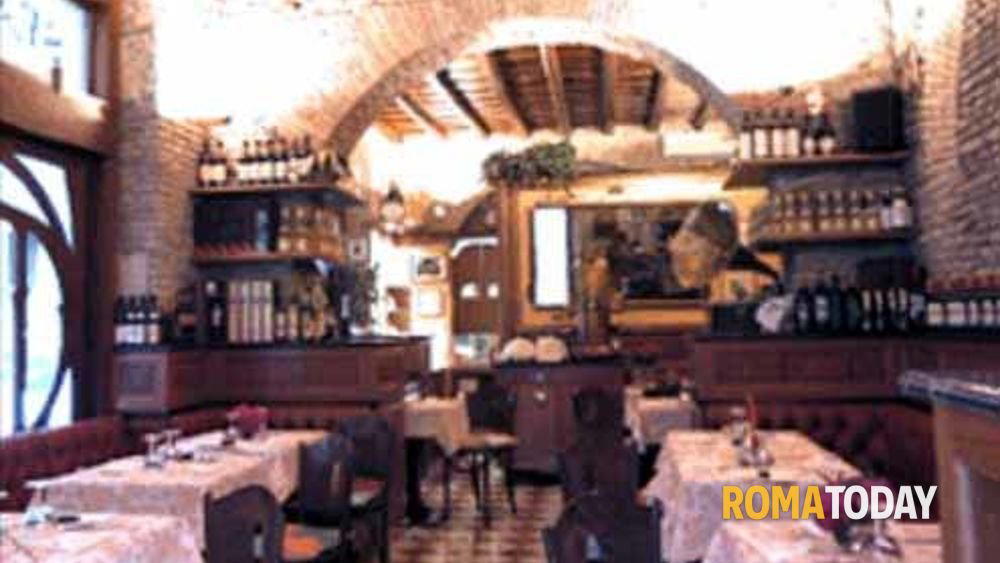
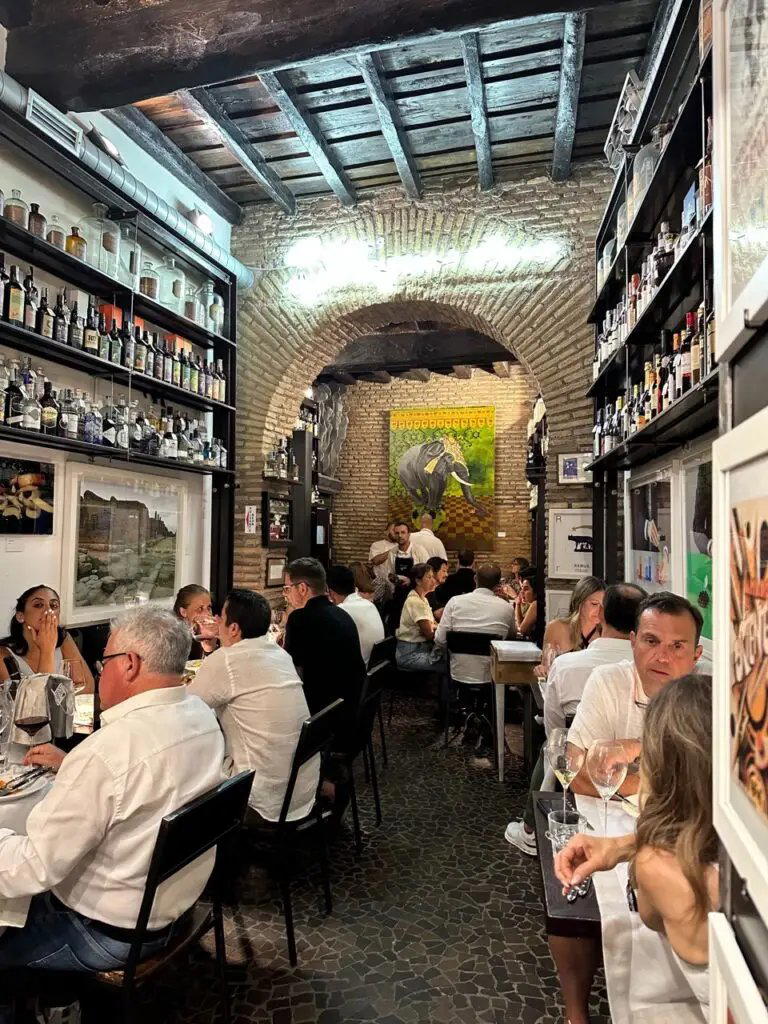
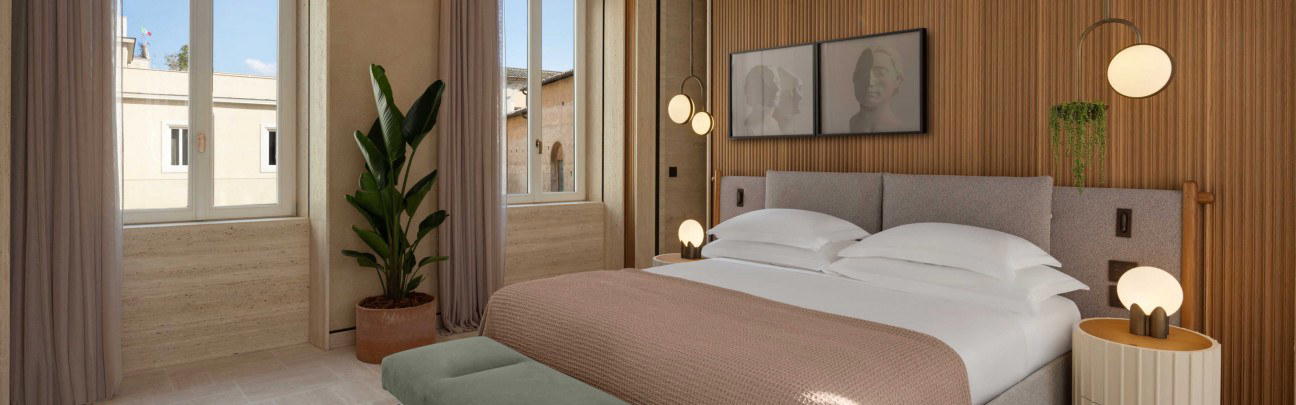
Cozy and homely with rustic wooden tables, soft lighting, vintage photos on walls, and a warm family atmosphere.