
On Via del Boccaccio in Rome's Trevi quarter, Hostaria Romana occupies the kind of middle ground that defines the city's most durable trattorias: neither the tasting-menu formality of the capital's creative tier nor the chaos of tourist-facing osterie. The kitchen holds to Roman tradition, the room rewards midday visits, and the pricing sits a clear bracket below the city's award-laden contemporary addresses.
Pearl is the En Primeur Club membership app — saves, bookings, and concierge access live there. Same editors, same standards.
- Address
- Via del Boccaccio, 1, 00187 Roma RM, Italy
- Phone
- +393964745284
- Website
- hostariaromana.it
- Directions
- Get directions
 Saves & bookings on Pearl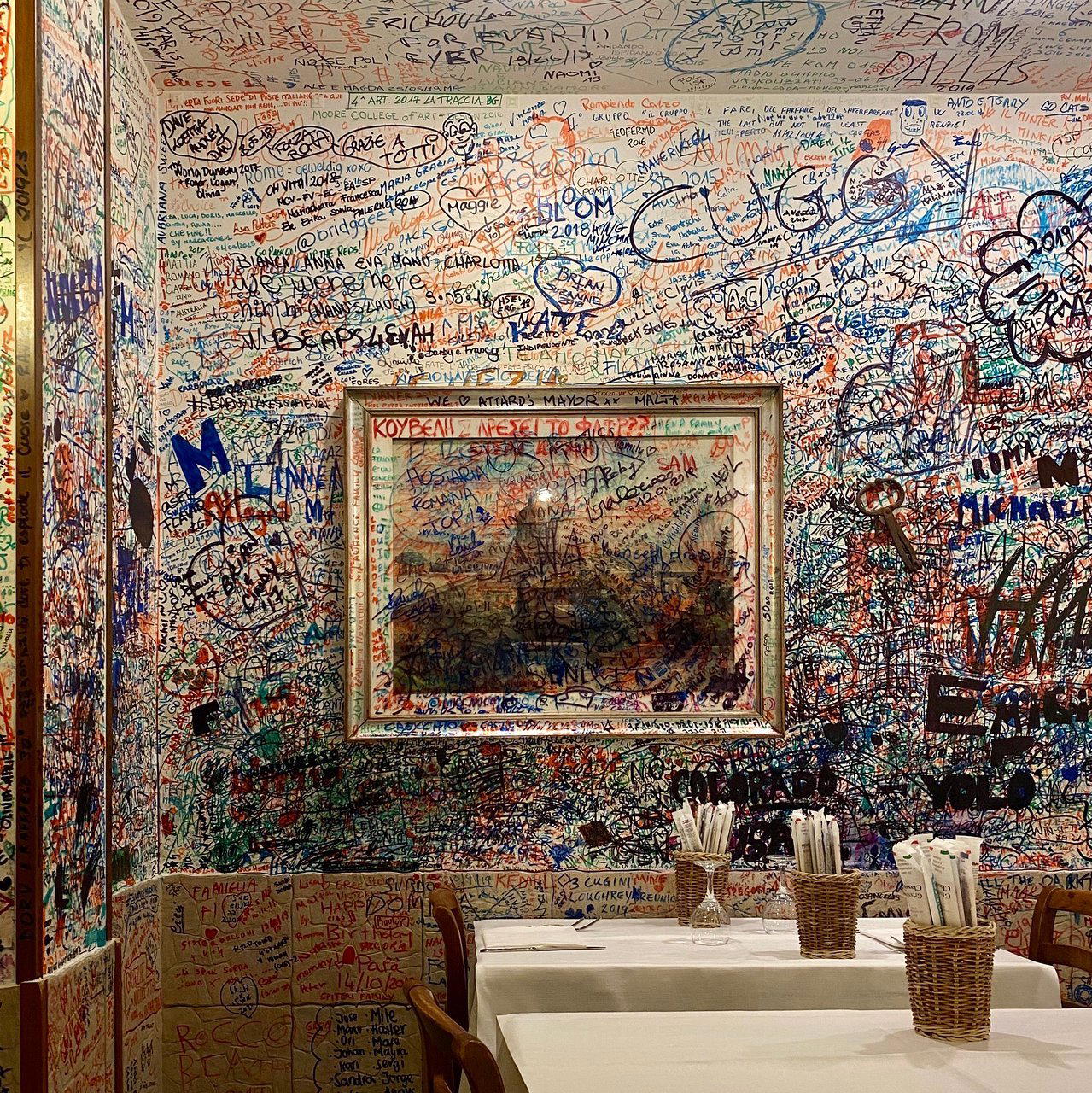
Where Rome Still Eats Like Rome
Hostaria Romana is a Traditional Roman Trattoria at Via del Boccaccio, 1, 00187 Roma RM, Italy, in Rome's Trevi district. The quarter sits between the Quirinal Hill and the Corso, close enough to the fountain crowds to absorb tourist traffic but embedded deeply enough in the working city that Romans still choose it for lunch on a Tuesday. That neighbourhood dynamic shapes Hostaria Romana in ways that matter: the room has to satisfy two audiences at once, and the kitchen has been doing exactly that for long enough to have developed a register most newer addresses are still working toward.
Rome's trattoria tradition splits, roughly, into three tiers. At the leading sit the creative addresses that have absorbed the format and rebuilt it with contemporary ambition: Il Pagliaccio, Enoteca La Torre, and Acquolina operate in that register, with prix-fixe structures and the kind of booking lead times that require calendar planning. At the bottom, the tourist-facing end, the menu is broad, the wine list perfunctory, and the cooking calibrated to a lowest-common-denominator version of Roman classics. Hostaria Romana occupies the more interesting middle ground: a kitchen that takes the canon seriously without the formality or the price point of the city's decorated houses.
The Lunch Question
In Rome, the lunch-versus-dinner divide carries more weight than in most European cities. Midday service at a proper trattoria is a working ritual: tables turn with purpose, the menu runs shorter, and the crowd leans local. Evening service is slower, the room often tilts toward visitors, and the same kitchen produces the same dishes in a slightly different social register. At the restaurant, this divide is worth understanding before you book.
Lunch here catches the Trevi district at its most functional. The neighbourhood draws office workers from the Quirinal ministries, professionals from the nearby Via Veneto corridor, and a contingent of regulars who have been eating here long enough to greet the staff by name. The room reads accordingly: purposeful, conversational, unhurried in the Roman midday sense without being slow. The value argument is also stronger at lunch across this category of Roman restaurants, where the same kitchen output at dinner tends to carry higher cover expectations and a longer service pace.
Evening at the restaurant shifts the atmosphere. The trattoria format softens into something closer to a destination dinner, with the pace relaxing and the room accommodating more deliberate meals. This is when the wine conversation typically opens up, and when the Roman classics on the menu get the longer attention they deserve. Neither service is wrong; they answer different needs, and knowing which you're choosing shapes the experience significantly.
The Roman Kitchen in Its Canonical Form
Roman cuisine has a logic that rewards familiarity. The larder is deliberately short: guanciale, pecorino, offal, dried pasta, the seasonal vegetables of the Lazio countryside. The canonical dishes, cacio e pepe, carbonara, coda alla vaccinara, supplì, are defined by technique and proportion rather than ingredient complexity. This makes them simultaneously simple and unforgiving. A carbonara without the right emulsification, a cacio e pepe with too much pasta water or too little cheese, announces itself immediately to anyone who eats it regularly.
The restaurant focuses on the Roman canon rather than departure from it. In that regard, it belongs to a different conversation than the creative Italian addresses elsewhere in Italy: Osteria Francescana in Modena, Piazza Duomo in Alba, or Le Calandre in Rubano are dismantling and reconstructing the Italian canon; a proper Roman trattoria is executing it. Both have value, but they are not the same thing, and conflating them misreads what each is trying to do.
Within Rome itself, the trattoria register has its own competitive pressures. The city's award-recognised contemporary houses, La Pergola with its three Michelin stars among them, and Achilli al Parlamento at the refined end, operate in a category where the price bracket and the ambition are matched. A mid-tier trattoria competes on different terms: consistency, value, and the credibility of its relationship to the Roman kitchen tradition.
Placing It in the Wider Italian Context
Italy's most recognised restaurants tend to cluster in the north and centre: Dal Pescatore in Runate, Enoteca Pinchiorri in Florence, Uliassi in Senigallia, Enrico Bartolini in Milan, and Reale in Castel di Sangro represent the country's decorated tier. Atelier Moessmer Norbert Niederkofler in Brunico and Quattro Passi in Marina del Cantone extend that map to the fringes. Rome's contribution to this tier is smaller than its culinary reputation might suggest, which is precisely why the city's trattoria tradition carries the load it does. The argument for Roman dining is not Michelin accumulation; it is the depth and coherence of a regional kitchen executed at scale across hundreds of rooms.
Internationally, the comparison helps clarify what the format offers. A technically focused tasting counter, Le Bernardin in New York City or Atomix in New York City, is solving for precision and progression. A Roman trattoria is solving for a different problem: the daily reproduction of a living culinary tradition in a form that remains economically accessible and socially functional. Both are serious propositions; they are simply answering different questions.
Planning Your Visit
The restaurant sits at Via del Boccaccio, 1, in Rome's 00187 postcode, placing it squarely in the Trevi district and within walking distance of the Barberini metro stop. The address is accessible without requiring significant navigation, which matters in a quarter that can clog around the fountain. For visitors combining a meal with the broader Trevi and Via Veneto neighbourhood, the location anchors a half-day well. Reservation is essential, and the regular hours are Mon: 7:30–11 PM; Tue-Sat: 12:30–3 PM, 7:15–11 PM; Sun: Closed. Lunch from Tuesday through Saturday typically represents one consistent window for the full local experience;
Cuisine-First Comparison
Comparable venues nearby, for context on price, style, and recognition.
| Venue | Cuisine | Price | Notes |
|---|---|---|---|
| Hostaria RomanaThis venue — the venue you are viewing | Traditional Roman Trattoria | $$ | Not listed |
| Mamma Angelina | Traditional Roman Trattoria with Fresh Seafood | $$ | Trieste |
| Trattoria Der Pallaro | Traditional Roman Trattoria | $$ | Parione |
| Amaranto | Modern Roman Pizza al Taglio | $$ | Trieste |
| L'Elementare | Roman-Style Pizza | $$ | Trastevere |
| Taverna Volpetti | Traditional Roman Trattoria | $$ | Testaccio |
Recognition history
Dated appearances from independent guides and award organizations, with the underlying list record or original source where available.
Opinionated About Dining Casual in Europe Recommended
Opinionated About Dining

At a Glance
- Rustic
- Lively
- Cozy
- Classic
- Family
- Group Dining
- Casual Hangout
- Historic Building
- Street Scene
Current opening hours
- Monday
- 7:30–11 PM
- Tuesday
- 12:30–3 PM, 7:15–11 PM
- Wednesday
- 12:30–3 PM, 7:15–11 PM
- Thursday
- 12:30–3 PM, 7:15–11 PM
- Friday
- 12:30–3 PM, 7:15–11 PM
- Saturday
- 12:30–3 PM, 7:15–11 PM
- Sunday
- Closed
Hours can change for holidays and private events. Last verified .
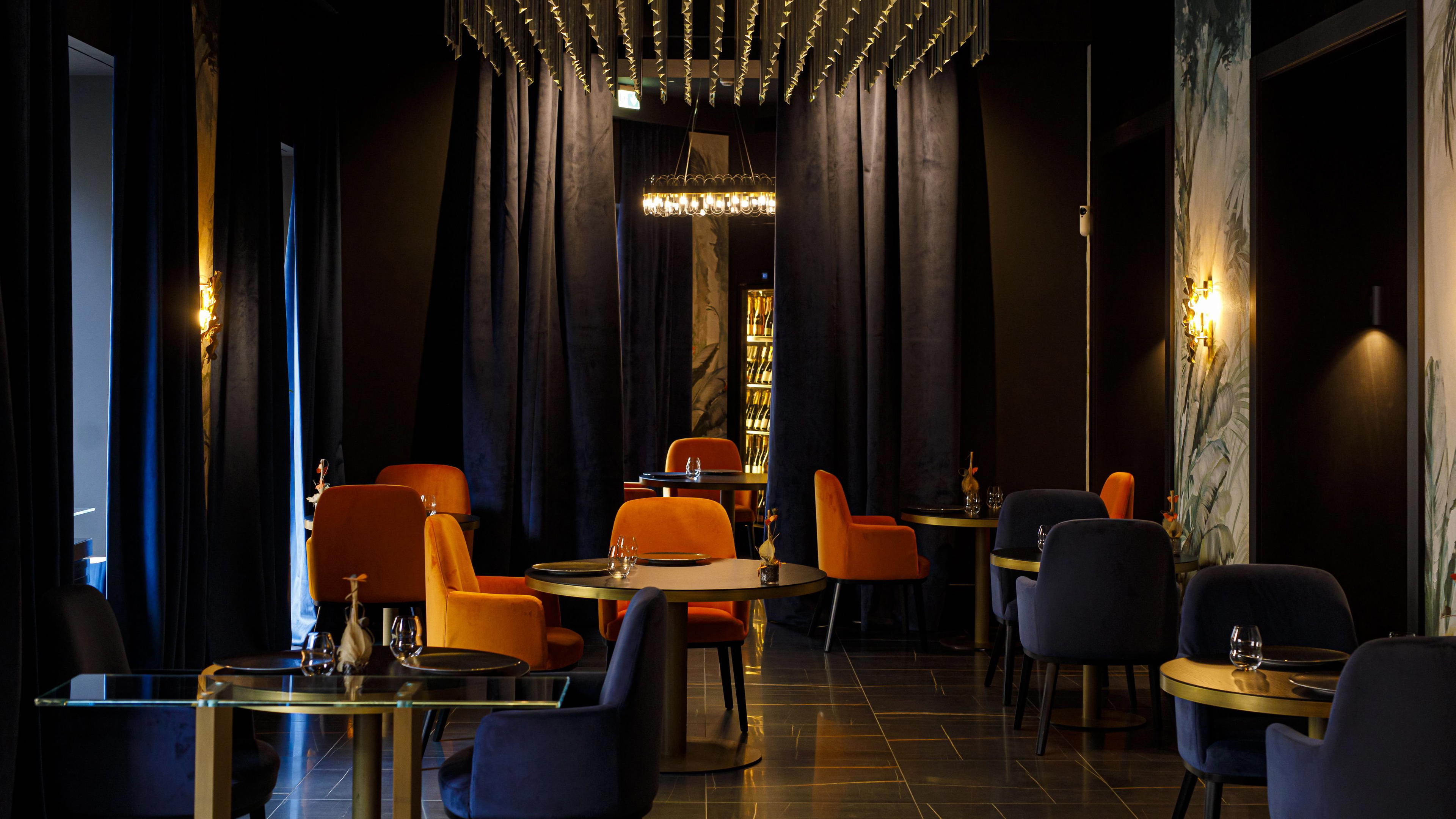
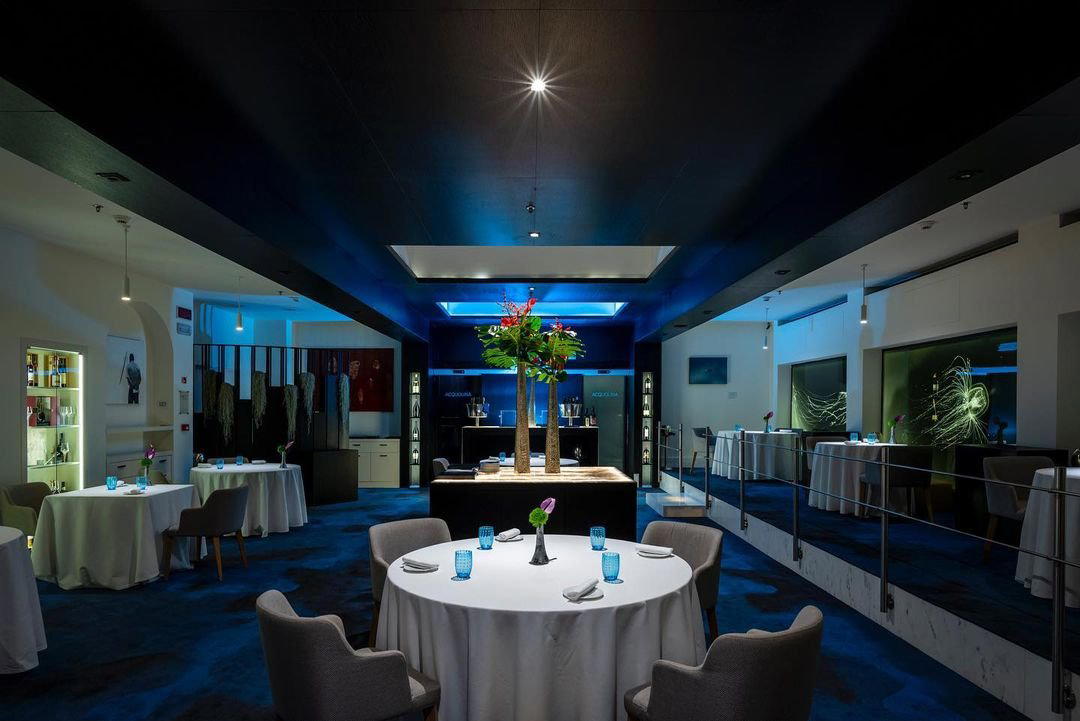
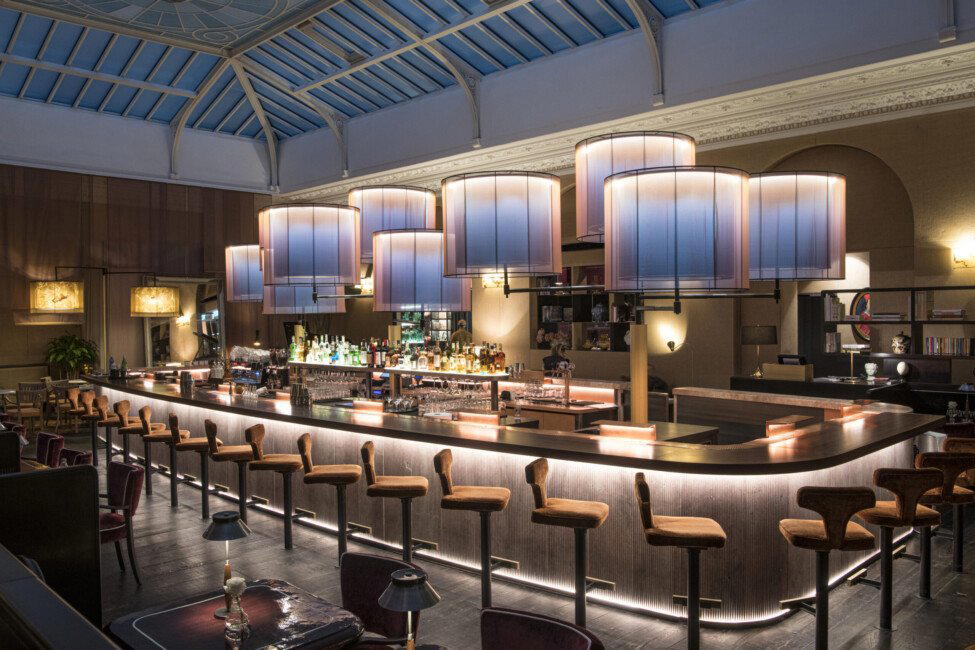
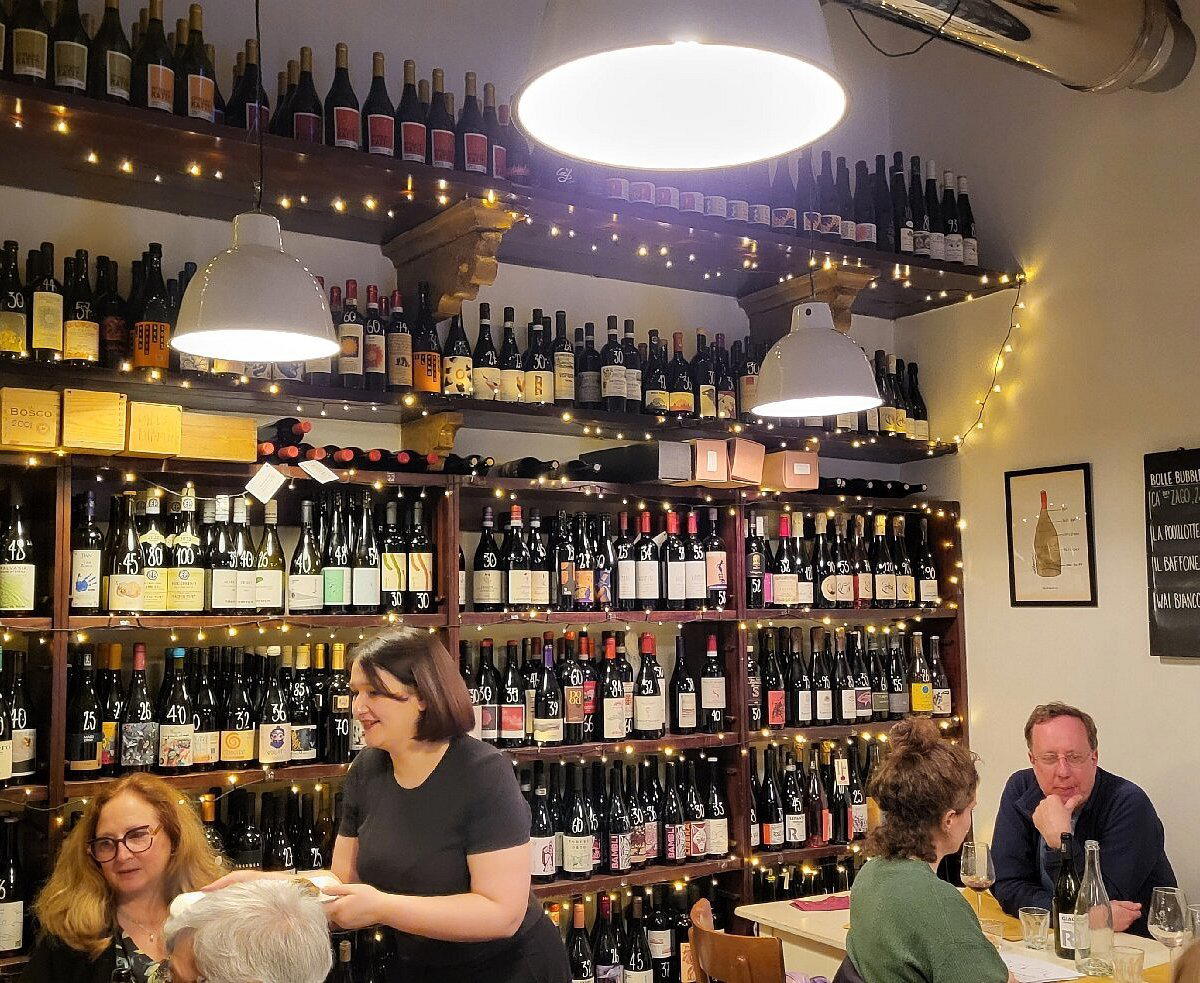
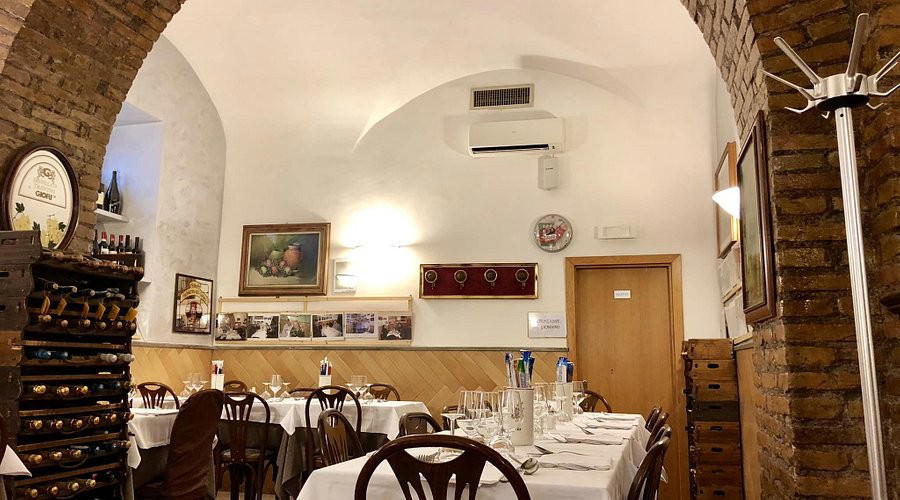
Warm, lively atmosphere with close tables, rustic decor featuring celebrity photos and writable walls, filled with Roman character and cheerful staff.