
Metropolita occupies a considered position in Rome's Prati neighbourhood, where the city's appetite for creative Italian cooking meets the structural discipline imported from kitchens across Europe. The address at Piazza Gentile da Fabriano places it within a residential quarter that rewards deliberate dining rather than tourist impulse. For visitors tracking Rome's more serious restaurant tier, it belongs on the shortlist alongside the capital's recognised creative houses.
Pearl is the En Primeur Club membership app — saves, bookings, and concierge access live there. Same editors, same standards.
- Address
- Piazza Gentile da Fabriano, 2, 00196 Roma RM, Italy
- Phone
- +39684381895
- Website
- metropolita.it
- Directions
- Get directions
 Saves & bookings on Pearl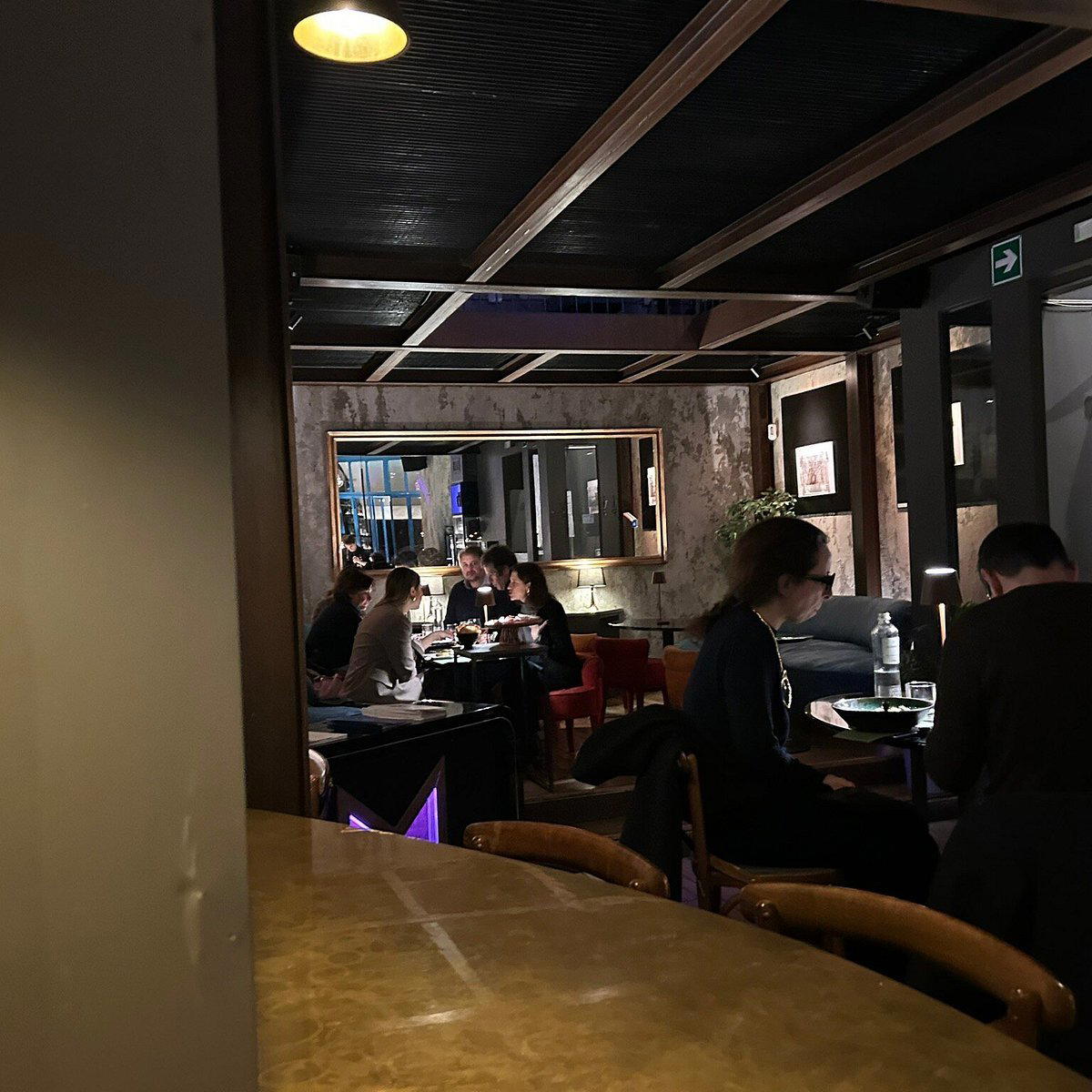
Where Rome's Creative Dining Scene Meets Structural Discipline
Rome's high-end restaurant tier has spent the last decade sorting itself into two recognisable camps. On one side sit the grand-tradition houses, white tablecloths, classical service, menus that treat Italian culinary history as scripture. On the other, a smaller cohort of kitchens that work indigenous ingredients through techniques borrowed from France, Japan, and the Nordic tradition, treating the Roman larder as material rather than monument. Metropolita, at Piazza Gentile da Fabriano in the Prati quarter, is an Italian Fusion Wine Bar in Rome.
Prati is worth understanding on its own terms before you arrive. The neighbourhood sits north of the Vatican walls and west of the Tiber, built on a grid plan that makes it feel more deliberate than Rome's ancient centre. The streets here are wide, the apartment buildings are bourgeois-Roman in scale, and the local population skews toward professionals and long-term residents rather than tour groups. Restaurants in Prati tend to serve that community first, which means the creative ambition of a kitchen like Metropolita operates inside a context of genuine local expectation, not performance for international visitors. That distinction shapes the tone of what arrives at the table.
The Logic of Local Ingredients Handled with Imported Technique
Italy's most discussed creative restaurants, Osteria Francescana in Modena, Le Calandre in Rubano, Piazza Duomo in Alba, have each built international reputations by applying precision technique to deeply regional product. The pattern holds across the peninsula: kitchens that earn serious recognition do so not by abandoning Italian identity but by treating local ingredients as subjects worthy of structural rigour. Uliassi in Senigallia does this with Adriatic seafood; Reale in Castel di Sangro applies it to the Apennine larder; Dal Pescatore in Runate sustains it across decades through the disciplined management of a single regional tradition.
In Rome specifically, the intersection of local product and global method shows up most clearly at addresses like Acquolina, Enoteca La Torre, and Il Pagliaccio, each of which handles Lazio and Italian coastal product through frameworks that owe something to French classical structure or Asian minimalism. The approach is not fusion in the casual sense, it is the application of technique as a lens, used to clarify rather than disguise what the Italian soil and sea produce. Metropolita operates within this same current, bringing a studied approach to the Roman table without abandoning the products that give the city's cooking its particular character.
Lazio's ingredient profile is specific and underrated. Roman-sourced abbacchio, the region's sheep cheeses, bitter greens from the Castelli Romani hills, and the coastal seafood running south from Anzio all arrive in Rome's kitchens with a provenance story that international technique can either honour or erase. The kitchens that earn extended critical attention are those that use method to make local origin legible rather than invisible. That orientation, technique as amplifier rather than replacement, is the defining marker of the creative tier in this city.
How Metropolita Positions Within Rome's Restaurant Tier
Rome's creative restaurant scene operates below the visibility of La Pergola, the capital's most decorated address, with three Michelin stars and a view across the city that functions as part of the experience, but above the broad middle tier of competent trattorias. The segment Metropolita occupies sits alongside addresses like Achilli al Parlamento, where wine depth and kitchen ambition coexist in a format that rewards repeat visitors rather than first-timers looking for a landmark meal. This tier is smaller and less legible to visitors than either the grand names at the leading or the neighbourhood classics at the base, but it is where Rome's most considered contemporary cooking tends to happen.
For context on how this compares to creative kitchens elsewhere in Italy, Enrico Bartolini in Milan and Enoteca Pinchiorri in Florence represent different expressions of the same ambition: precision kitchens working with Italian product at a high level of technical investment. The Roman version of this tradition has historically received less international press than its northern counterparts, partly because the city's cultural identity is so powerfully associated with traditional forms, cacio e pepe, supplì, offal, that the creative tier reads as a footnote rather than a headline. That relative quiet is itself informative: the kitchens doing serious work in Rome do so without the same promotional infrastructure that surrounds Milan or Modena.
Internationally, the template for this kind of cooking, indigenous ingredients, imported structural thinking, is well established. Le Bernardin in New York City has spent decades applying French classical rigour to American seafood. Atomix in New York City does it with Korean product inside a tasting menu format borrowed from European fine dining. Atelier Moessmer Norbert Niederkofler in Brunico and Quattro Passi in Marina del Cantone represent Italian variants of the same logic, each anchored to a geography and a product set that technique is asked to serve rather than override. Metropolita participates in this conversation from its position in Rome's Prati quarter.
Planning Your Visit
Piazza Gentile da Fabriano sits in the northern reaches of Prati, accessible from Lepanto metro station on Line A, which places it within a short walk of the restaurant's address. The neighbourhood itself makes early evening arrival worthwhile: the piazza is calm by Roman standards, and the surrounding streets reward a short walk before sitting down. Rome's creative restaurant tier, including this address, typically fills tables from Thursday through Saturday in the autumn and spring seasons, when the city draws both business visitors and travellers specifically seeking serious dining.
For a fuller picture of where Metropolita sits within the capital's dining options,
Where the Accolades Land
Comparable venues nearby, for context on price, style, and recognition.
| Venue | Cuisine | Price | Notes |
|---|---|---|---|
| MetropolitaThis venue — the venue you are viewing | Italian Fusion Wine Bar | $$ | Not listed |
| Ristorante dai Pupi | Sicilian Seafood | $$ | Campo Marzio |
| Osteria Navona | Traditional Roman Osteria | $$ | Ponte |
| ViMi Ristorante | Traditional Italian Trattoria | $$ | Ripa |
| Trattoria Morgana | Traditional Roman Trattoria | $$ | Monti |
| Rosina Cucina di Casa | Traditional Roman Trattoria | $$ | Parione |
Recognition history
Dated appearances from independent guides and award organizations, with the underlying list record or original source where available.
Falstaff Bar - 90 Falstaff Points
Falstaff
Continue exploring
More in Rome
Hotels in Rome
Browse all →

At a Glance
- Sophisticated
- Modern
- Date Night
- Business Dinner
- Extensive Wine List
Current opening hours
- Monday
- 6 PM–12:30 AM
- Tuesday
- 6 PM–12:30 AM
- Wednesday
- 6 PM–12:30 AM
- Thursday
- 6 PM–12:30 AM
- Friday
- 6 PM–2 AM
- Saturday
- 6 PM–2 AM
- Sunday
- 6 PM–12:30 AM
Hours can change for holidays and private events. Last verified .
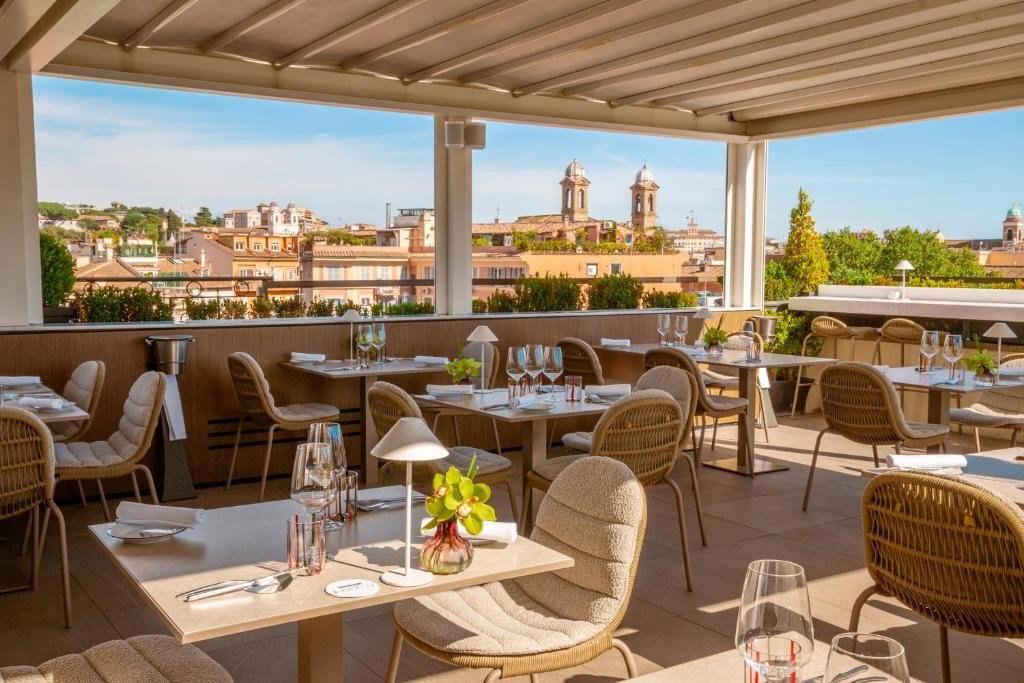
Sophisticated and modern atmosphere suitable for dinner and drinks.