An Italian counter in Minami-Aoyama, Don Ciccio sits in one of Tokyo's quieter but more considered dining streets, where counter-format European restaurants operate with omakase-level discipline. The Southern Italian name signals a regional cooking tradition that, at its most committed, runs on assertive flavour logic and rigorous ingredient selection rather than refinement for its own sake.
Pearl is the En Primeur Club membership app — saves, bookings, and concierge access live there. Same editors, same standards.
- Address
- Japan, 〒107-0062 Tokyo, Minato City, Minamiaoyama, 1 Chome−2−6 ラティス青山スクエア 1F
- Phone
- +81358431393
- Website
- restaurant.ikyu.com
- Directions
- Get directions
 Saves & bookings on Pearl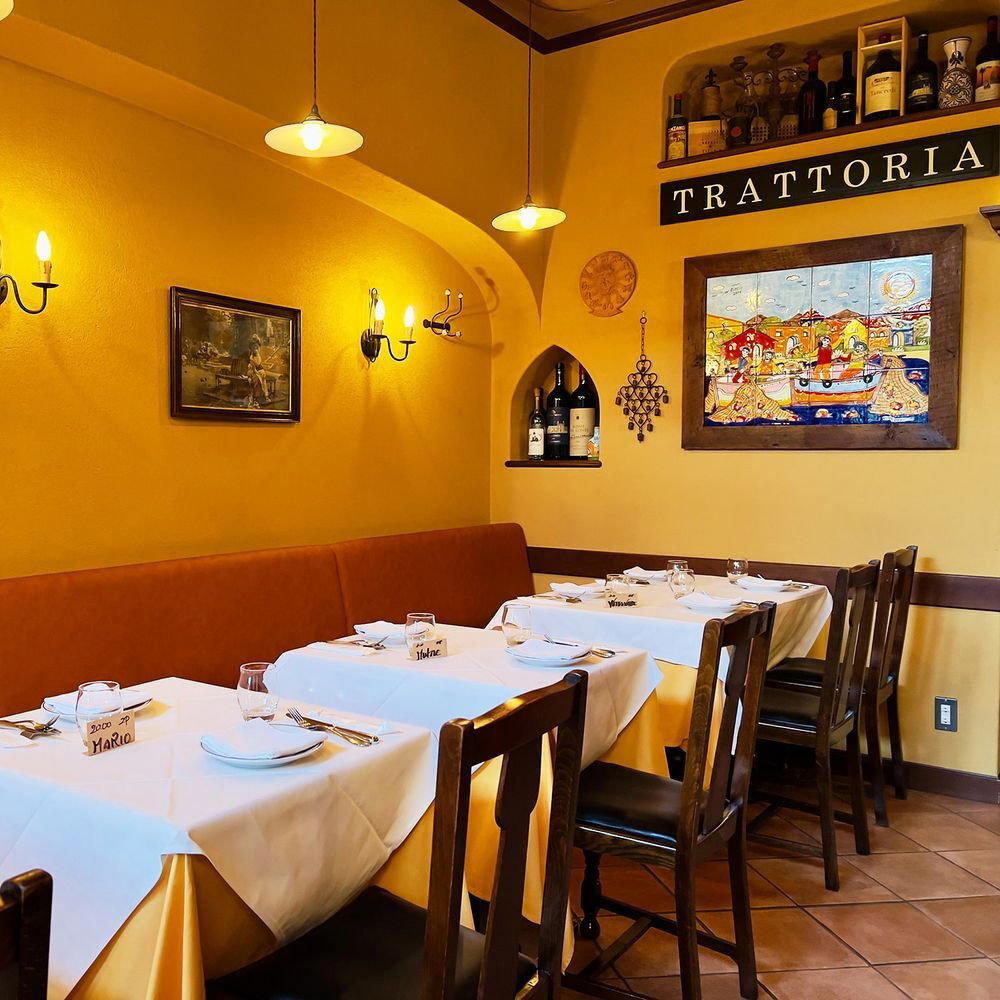
Southern Aoyama and the Italian Counter Question
Minami-Aoyama occupies a particular register in Tokyo dining. The neighbourhood runs quieter than Roppongi or Ginza, its streets lined with architecture studios, concept boutiques, and small restaurants that tend to rely on word of mouth rather than walk-in traffic. It is not a district that rewards aimless wandering so much as purposeful reservation-making. Within that context, the ground-floor address at Ladies Aoyama Square on 1-chome positions Don Ciccio squarely in the kind of low-profile residential-commercial strip where Tokyo's more considered dining rooms tend to cluster.
Italian cooking in Tokyo has fragmented considerably over the past two decades. Where the city once sorted neatly between expense-account Ristorante Italiano in hotel ballrooms and neighbourhood trattorie serving lunch sets, the category now runs a much wider spectrum: natural-wine-led osterie in Shimokitazawa, Neapolitan pizza specialists drawing queues in Nakameguro, and a clutch of tasting-menu counters in Minami-Aoyama and Azabu where the format borrows heavily from Japanese omakase discipline. Don Ciccio, a Sicilian trattoria in Minami-Aoyama, sits somewhere in that more considered tier of the category.
What the Menu Architecture Tells You
The editorial angle on any serious Italian counter in Tokyo begins not with the dishes but with the structural decisions that precede them. In Japan, Italian restaurants operating at the higher end of the market have largely absorbed the logic of kaiseki sequencing: a progression of small courses that moves through temperature, texture, and intensity in a deliberate arc, rather than the looser Italian convention of antipasto leading to primo, secondo, and dolce as largely interchangeable stations. The degree to which a given restaurant commits to one model or the other tells you a great deal about its intended audience and competitive positioning.
A venue carrying a deeply Southern Italian name like Don Ciccio signals at minimum a regional reference point. Southern Italian cooking, particularly from Campania, Calabria, or Sicily, operates from a different pantry than the northern Italian cuisine that dominated Tokyo's early wave of Italian fine dining. Preserved ingredients, assertive seasoning, legumes used as structural elements rather than garnish, and a tradition of cooking that has historically valued technique in service of flavour intensity over refinement for its own sake: these are the markers. Whether Don Ciccio leans into that Southern grammar or uses the name more loosely as a cultural shorthand is the first question a knowledgeable diner will bring to the table.
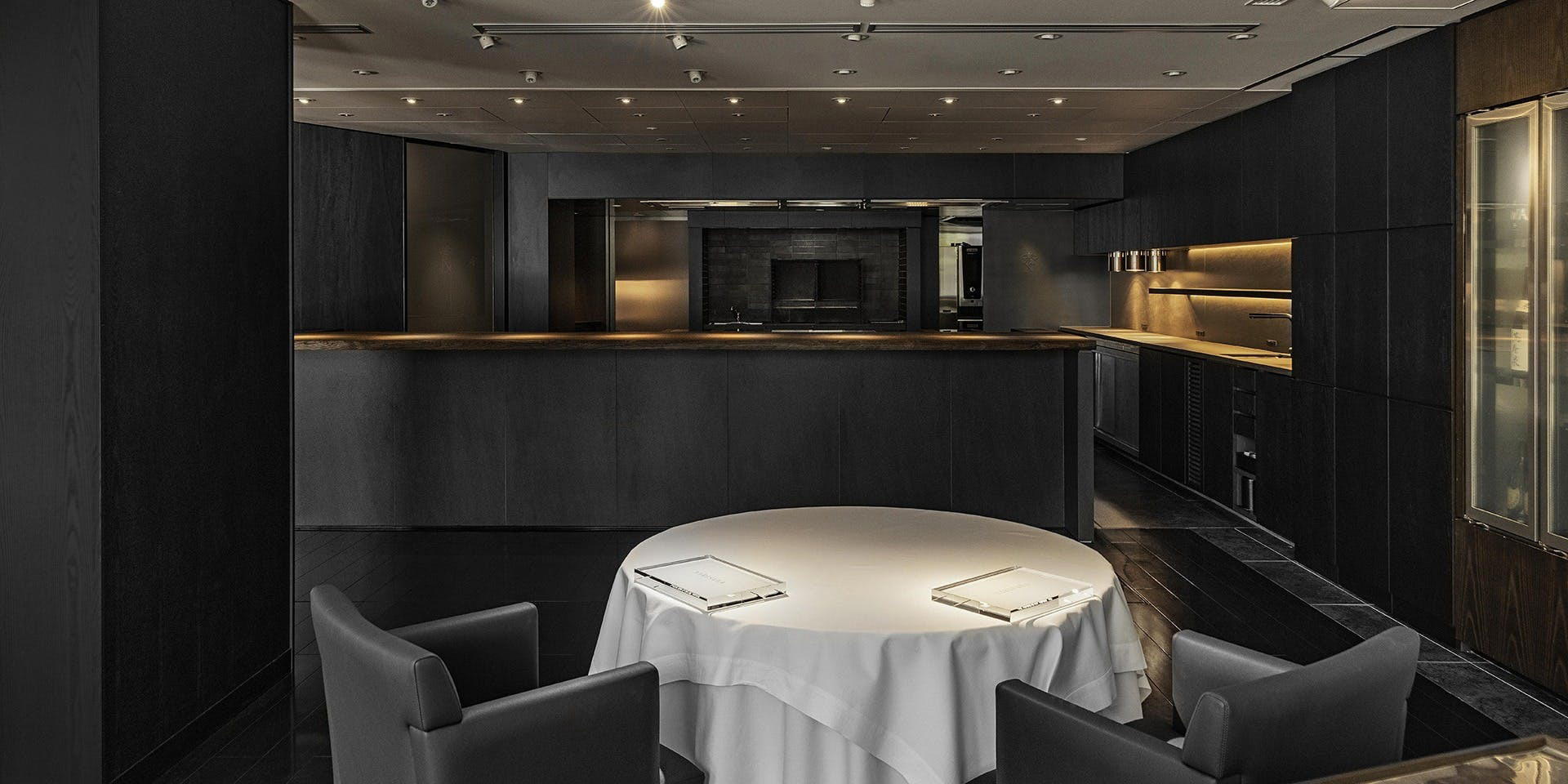
The address in a compact ground-floor space within a mixed-use building is consistent with the counter-dining format that has become standard for this price tier in Tokyo. Counter seating, typically ranging from six to twelve in comparable rooms, compresses the distance between kitchen and guest and shifts the dining experience toward observation as much as consumption. It also imposes a discipline on the kitchen: courses cannot stall, and the pacing of service becomes as legible as the cooking itself.
The Tokyo Italian Counter in Comparative Context
Placing the restaurant against the broader Tokyo dining field requires acknowledging the density of serious competition in its immediate neighbourhood. Sézanne, Daniel Calvert's French counter in the Four Seasons at Marunouchi, operates in a different cuisine category but represents the same logic of precision tasting-menu work drawing a mixed Japanese and international clientele. Sézanne holds two Michelin stars and prices accordingly. L'Effervescence in Nishi-Azabu, similarly two-starred, operates in French cuisine with a strong local-ingredient philosophy. Both demonstrate that Tokyo's leading tasting-menu counters, regardless of national cuisine tradition, are now priced and booked on a global reference scale rather than a local one.
Within the specifically Italian segment, Tokyo has a handful of counters that have drawn international attention: Il Ristorante Luca Fantin at the Bulgari Hotel represents the luxury-hotel end of the spectrum. The restaurant, without hotel affiliation and in a quieter postcode, operates in a different register, closer in format logic to the chef-proprietor counters that define the Minami-Aoyama dining character more broadly.
For context on what serious tasting-menu dining looks like across Japan's cities, the range is instructive. HAJIME in Osaka holds three Michelin stars and represents the apex of the French-Japanese synthesis in the Kansai region. Gion Sasaki in Kyoto works in kaiseki tradition with comparable rigour. akordu in Nara brings Basque-influenced European technique to an unlikely prefecture and makes the case that serious European cooking in Japan extends well beyond Tokyo. The restaurant's position in Minami-Aoyama places it in a cohort where the cooking is expected to carry international reference points while reading as coherent in a Japanese dining context.
Tokyo's sushi counters provide a useful parallel for understanding the counter-dining logic more broadly. Harutaka, operating in Ginza with two Michelin stars, exemplifies the elite omakase counter format where the chef's sourcing decisions and sequencing carry as much weight as the execution of individual pieces. The structural lesson transfers: in a compact counter room, every course communicates a decision, and the cumulative logic of those decisions is what separates a considered tasting menu from a sequence of dishes that merely happen to be good.
Innovation and Regional Tradition in Tokyo's European Restaurants
The broader movement in Tokyo's European-cuisine restaurants over the past decade has been toward what might be called qualified localism: European culinary frameworks applied to Japanese ingredients, often sourced with the same rigour that defines the leading Japanese restaurants. Crony, the innovative French counter that has drawn attention in recent years, sits in that current. RyuGin, working in Japanese kaiseki with a modernist vocabulary, holds three Michelin stars and demonstrates the ceiling of what the format can achieve. These reference points matter when assessing any serious counter in the city, because Tokyo diners, both Japanese and international, have calibrated expectations shaped by sustained exposure to cooking at that level.
Southern Italian cooking, if pursued with the same ingredient discipline, offers a genuinely different register: a tradition that has historically been less mediated by haute cuisine conventions, more direct in its flavour logic, and in some ways better suited to the counter format precisely because it does not require elaborate plating architectures to communicate its intentions. Whether a restaurant called Don Ciccio in Minami-Aoyama is making that argument in full is the question worth bringing to the reservation.
Planning Your Visit
Minami-Aoyama is most easily reached from Omotesando Station on the Tokyo Metro Ginza, Hanzomon, and Chiyoda lines, with the 1-chome address a short walk from the B4 exit. The area's restaurant density is lower than Roppongi or Shinjuku, which means the restaurant operates in a relatively uncluttered block without the foot-traffic noise of major dining districts. Goh in Fukuoka, aki nagao in Sapporo, and affetto akita in Akita each represent serious regional alternatives at comparable commitment levels. Le Bernardin in New York City and Lazy Bear in San Francisco provide useful transatlantic comparison points in terms of counter-format ambition and pricing logic.
| Venue | Cuisine | Price Tier | Format | Neighbourhood |
|---|---|---|---|---|
| The restaurant | Italian (Southern reference) | ¥¥¥ | Counter, ground floor | Minami-Aoyama |
| L'Effervescence | French | ¥¥¥¥ | Tasting menu | Nishi-Azabu |
| Crony | Innovative French | ¥¥¥¥ | Counter, tasting menu | Tokyo |
| RyuGin | Kaiseki | ¥¥¥¥ | Tasting menu | Roppongi |
Recognition, Side-by-Side
Comparable venues nearby, for context on price, style, and recognition.
| Venue | Cuisine | Price | Notes |
|---|---|---|---|
| Don CiccioThis venue — the venue you are viewing | Sicilian Trattoria | $$$ | Not listed |
| ビオディナミコ | Modern Italian Ristorante | $$$ | Shibuya |
| タヴェルナマルコポーロ | Italian Trattoria | $$$ | Chūō |
| nacol | Prosciutto-Focused Italian | $$$ | Taitō |
| PIZZERIA ROMANA IL PENTITO | Roman Pizza | $$$ | Shibuya |
| luogo | Innovative Japanese-inflected Italian | $$$ | Meguro |






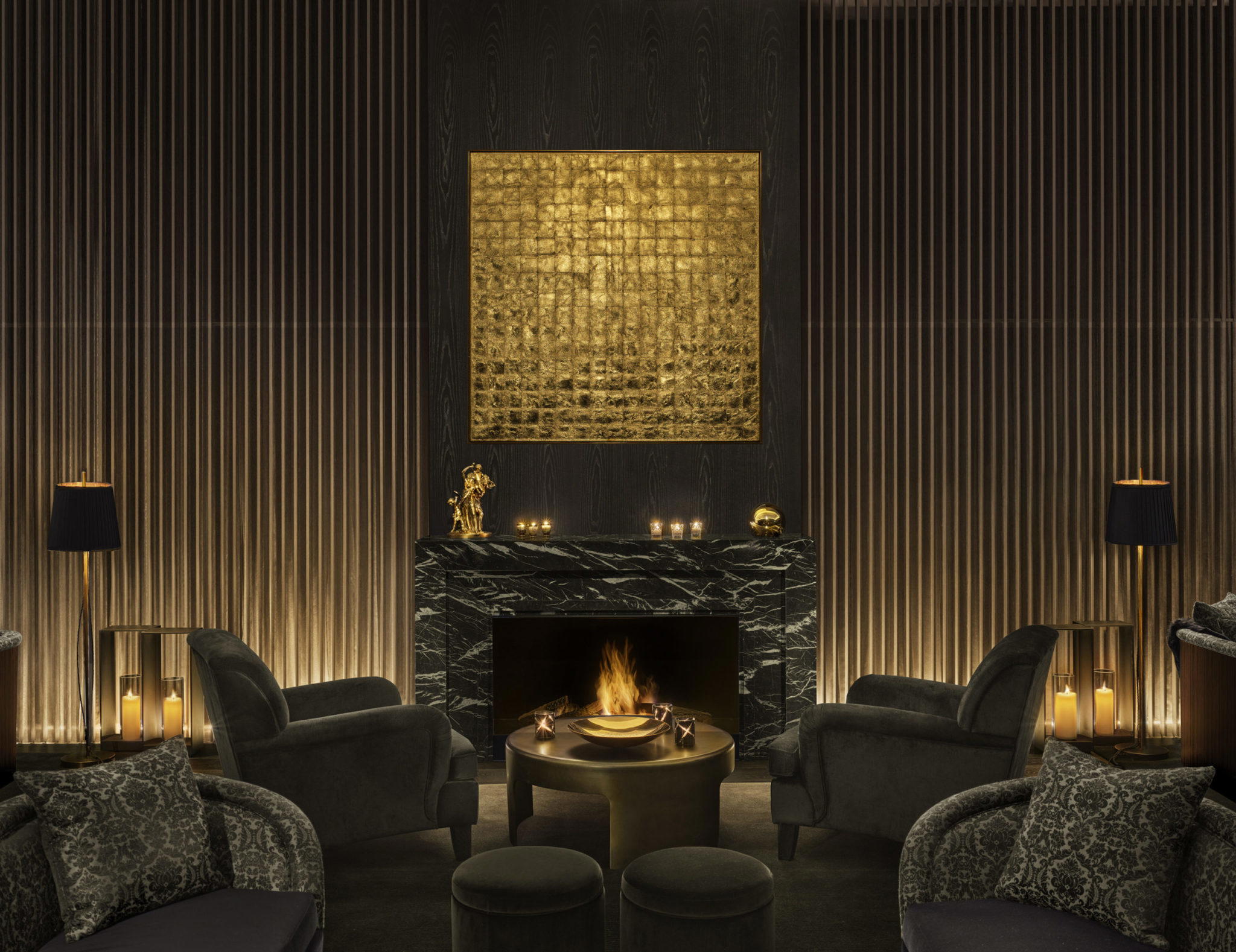




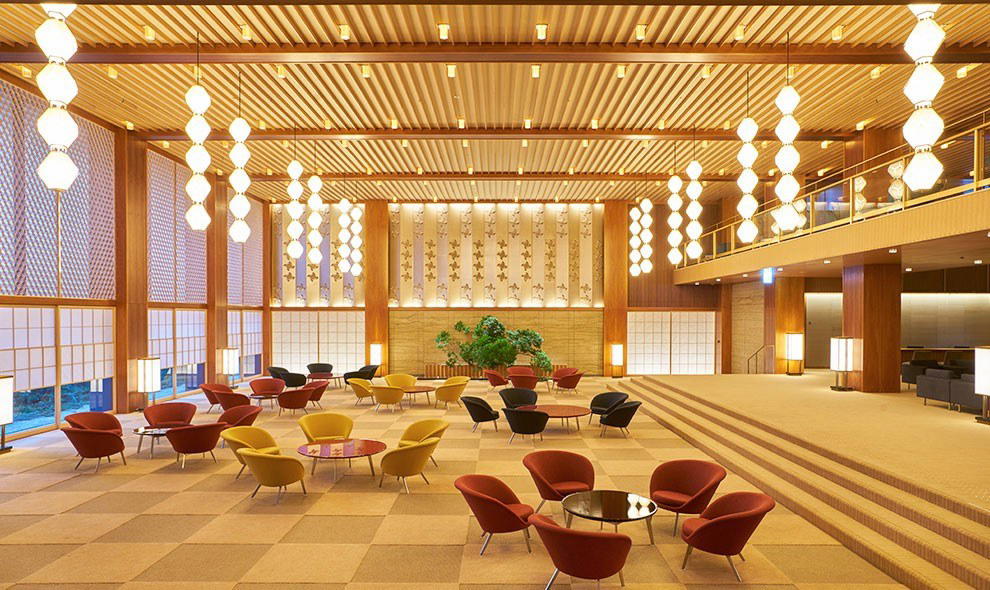
At a Glance
- Lively
- Cozy
- Elegant
- Date Night
- Special Occasion
- Extensive Wine List
- Sake Program
Current opening hours
- Monday
- 6–11 PM
- Tuesday
- 6–11 PM
- Wednesday
- 6–11 PM
- Thursday
- 6–11 PM
- Friday
- 6–11 PM
- Saturday
- 6–11 PM
- Sunday
- Closed
Hours can change for holidays and private events. Last verified .
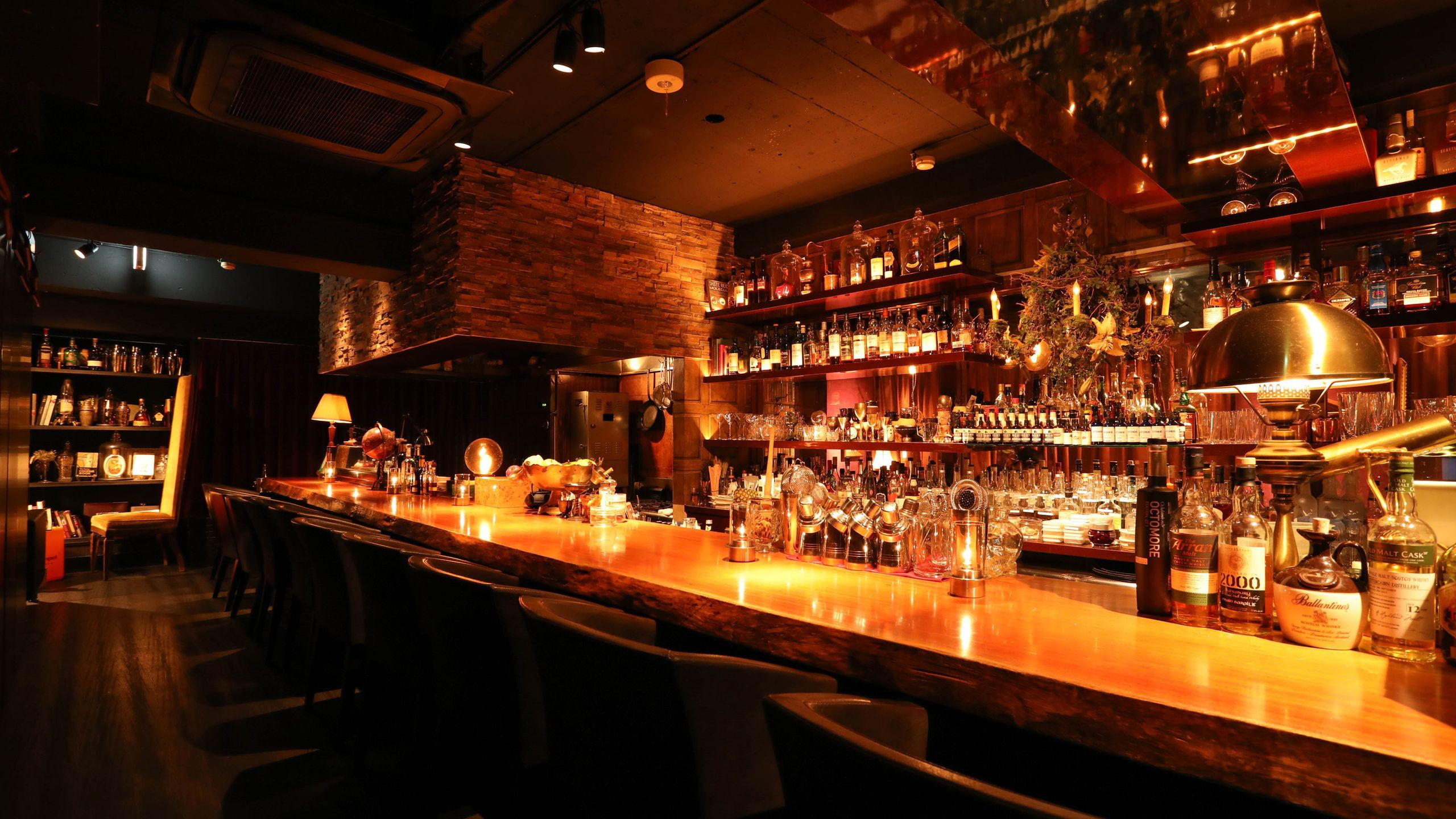
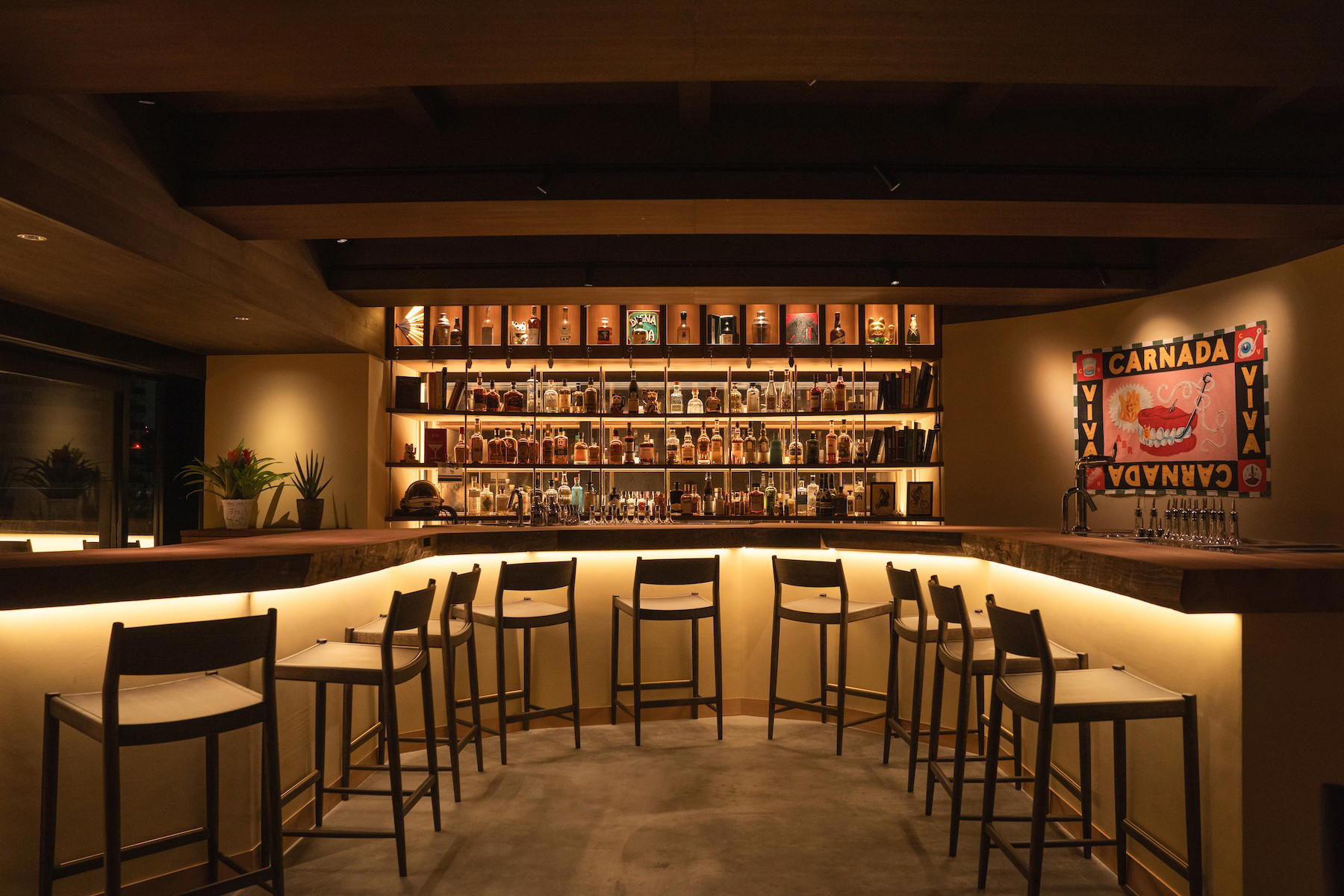
Intimate and refined with a warm, fun, and lively trattoria atmosphere where staff enjoy serving as much as guests.