Our verdict
タヴェルナマルコポーロ occupies a quiet address in Nihonbashi Hisamatsucho, Chuo City, placing an Italian trattoria tradition inside one of Tokyo's oldest commercial districts. The name invokes the Silk Road traveller who first brought Eastern flavour westward, a framing that sets expectations around cross-cultural cooking. Booking details, current hours, and menu formats are best confirmed directly with the venue before visiting.

Pearl is the En Primeur Club membership app — saves, bookings, and concierge access live there. Same editors, same standards.
- Address
- Japan, 〒103-0005 Tokyo, Chuo City, Nihonbashihisamatsucho, 9−8 アーネストビル
- Phone
- +81335272215
- Website
- taverna-marcopolo.com
- Directions
- Get directions
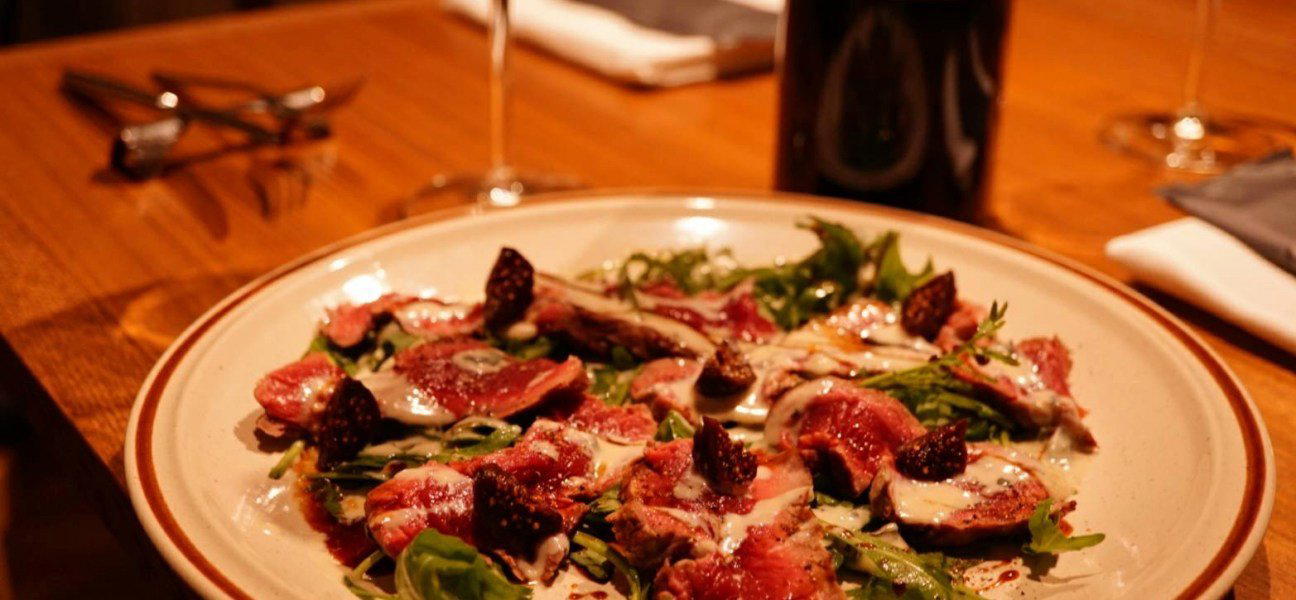
Nihonbashi's Italian Strand: Where the District's Merchant History Meets the Trattoria Format
Nihonbashi has been Tokyo's commercial nerve since the Edo period. The district's identity was built on trade, on goods moving between producers and markets, and that mercantile character still defines its street-level texture today: financial institutions, textile wholesalers, and the occasional restaurant occupying ground-floor units in mid-century office buildings. It is not, by instinct, a neighbourhood associated with Italian dining. The French and kaiseki traditions dominate Tokyo's fine-dining conversation, represented by addresses like L'Effervescence, Sézanne, and RyuGin. An Italian restaurant in Nihonbashi, then, positions itself against a different backdrop: not the Roppongi or Minami-Aoyama cluster of European fine dining, but the quieter, office-adjacent lunch-and-dinner rhythm of Chuo City.
タヴェルナマルコポーロ (Taverna Marco Polo) sits at 9-8 Nihonbashi Hisamatsucho in the Earnest Building, a detail that places it firmly in that working district rather than a leisure corridor. The name itself is a point of editorial interest. Marco Polo's significance in culinary history is genuinely contested: the claim that he introduced pasta from China to Italy is largely debunked by food historians, but the myth persists because it captures something true about how cuisines travel, absorb, and transform through contact. A restaurant invoking that name is making an implicit argument about cross-cultural cooking, about the Italian table as a site of accumulation rather than purity.
The Marco Polo Name as Menu Architecture Signal
Taverna-format restaurants operate on a specific logic within Italian dining. Unlike the ristorante tier, which privileges formality, tasting structure, and single-author expression, the taverna format traditionally prioritises conviviality, shareable dishes, and a menu that reads as a collection of regional Italian touchpoints rather than a singular chef statement. That structural difference matters when reading a room: a taverna menu tends to be wider rather than deeper, with antipasti, pasta, secondi, and contorni each given real weight rather than being subordinated to a central tasting arc.
In Tokyo's Italian dining scene, this format occupies a middle register. The city has Italian restaurants across every price tier, from conveyor-belt pasta at station concourses to multi-course white-tablecloth programs at hotel dining rooms. The taverna sits between those poles: committed to Italian culinary logic, but not locked into the tasting-menu formalism that has come to define the city's most-discussed European tables. For the Nihonbashi office professional eating on a Tuesday evening, or the couple seeking a meal with genuine wine flexibility rather than a mandated pairing, that middle register has clear utility.
What the name and format signal, taken together, is a disposition toward the Italian regional canon rather than fusion novelty. That is a different bet from the creative European restaurants drawing the most critical attention in Tokyo right now, such as Crony, which occupies the innovative-French tier, or the Japanese-led tasting formats at Harutaka.
Chuo City's Dining Rhythm and Who This Restaurant Serves
The Nihonbashi address carries logistical implications. Chuo City's restaurant scene is partly structured around the working week: lunch sets, early dinner slots, and menus that can be navigated efficiently by a table of business diners. That cadence differs from the destination-dining mode that drives Azabu-Juban or Ginza reservations. An Italian taverna in this context is less likely to be a planned occasion restaurant and more likely to function as a neighbourhood anchor, the kind of address regulars develop a relationship with over years rather than visiting once for a milestone.
Japan's regional dining scene offers parallel examples of this model working at high quality. Restaurants like Bistro Ange in Toyohashi demonstrate that French and European dining traditions can take genuine root in non-metropolitan Japanese cities, building consistent quality outside the Tokyo spotlight. In Nihonbashi, the equivalent dynamic is a European restaurant that becomes part of the district's fabric rather than competing for destination-dining traffic.
Italian Dining in Tokyo's Broader Context
Tokyo has one of the densest concentrations of Italian restaurants outside Italy, a fact that reflects both the post-war affection for Western cuisines and the Japanese kitchen's precision-driven approach to technique. That concentration has produced genuine depth across price points, and it has also produced a kind of specialisation: certain neighbourhoods develop clear identities, certain formats cluster together, and the distinctions between a cucina italiana that follows Italian regional logic and one that adapts to Japanese palate preferences become editorially legible over time.
For comparison, consider how Japan's high-end dining culture organises itself in other cities. HAJIME in Osaka and Gion Sasaki in Kyoto represent the kaiseki and Japanese-European fusion tier in their respective cities, while akordu in Nara and Goh in Fukuoka demonstrate how European-trained kitchens adapt to regional Japanese contexts. The Italian taverna model, at its most coherent, does something similar: it brings a specific Italian dining logic into a Japanese neighbourhood and holds it there consistently, without constantly repositioning itself against whatever is trending in the food media.
Globally, the debate about Italian dining's positioning is active. At the high end, addresses like Le Bernardin in New York and Atomix in the same city represent the kind of singular-authored, conceptually tight format that generates the most critical conversation. The taverna tradition is a conscious departure from that model, emphasising range and accessibility over singular vision. Neither approach is superior; they serve different needs and different readers.
Planning a Visit: What to Confirm Before You Go
The table below maps what is known against what peer venues offer, to help calibrate expectations.
| Detail | タヴェルナマルコポーロ | L'Effervescence (French, ¥¥¥¥) | Crony (Innovative French, ¥¥¥¥) |
|---|---|---|---|
| Price tier | Not confirmed — verify directly | ¥¥¥¥ | ¥¥¥¥ |
| Booking method | Not confirmed — contact venue | Online/phone | Online |
| Format | Taverna (likely à la carte or set menu) | Tasting menu | Tasting menu |
| District | Nihonbashi, Chuo City | Nishi-Azabu | Shibuya area |
For a broader picture of what Tokyo's dining scene offers at every tier, see our full Tokyo restaurants guide. Additional regional perspectives are available through profiles of restaurants in less-covered prefectures, including Nanao, Sapporo, Takashima, and Nishikawa Machi.
Frequently asked questions
What's タヴェルナマルコポーロ's location?
タヴェルナマルコポーロ is located at Japan, 〒103-0005 Tokyo, Chuo City, Nihonbashihisamatsucho, 9−8 アーネストビル, Tokyo.
Is タヴェルナマルコポーロ a good option for lunch near Nihonbashi's financial district?
The Nihonbashi Hisamatsucho address places it within Chuo City's commercial core, where the midday dining rhythm is shaped by office workers and financial-sector professionals. The taverna format suits a structured lunch — antipasto, pasta, and a secondi — without the time commitment of a tasting menu. Confirm current lunch hours and set-menu availability directly with the restaurant.
What should I eat at タヴェルナマルコポーロ?
The taverna format historically centres on shareable antipasti, pasta, and secondi rather than prix-fixe tasting structures, so ordering across several courses in that sequence is the practical starting point. Confirm current menu options directly with the restaurant before visiting.
How far ahead should I plan for タヴェルナマルコポーロ?
Booking lead times are not confirmed. As a taverna in Nihonbashi's Hisamatsucho district rather than a Michelin-listed destination counter, same-week reservations are plausible for most nights, though the working-district lunch trade around Chuo City can compress midday availability. Contacting the restaurant directly will give you the clearest picture.
What's タヴェルナマルコポーロ best at?
The venue's structural case is its position in Nihonbashi, one of Tokyo's oldest commercial districts, operating under a taverna format that prioritises accessible, course-flexible Italian dining over the formality of the ristorante tier. Tokyo holds one of the densest concentrations of Italian restaurants outside Italy, so a Chuo City address in this format is competing on neighbourhood convenience and atmosphere rather than awards-table recognition. Confirmed specialities require direct inquiry.
Booking and Cost Snapshot
Comparable venues nearby, for context on price, style, and recognition.
| Venue | Cuisine | Price | Awards | Notes |
|---|---|---|---|---|
| タヴェルナマルコポーロThis venue — the venue you are viewing | Italian Trattoria | $50–100 | Not listed | Not listed |
| タヴェルナ・グスタヴィーノ | Traditional Italian Trattoria | $50–100 | Not listed | Chūō, Traditional Italian Trattoria |
| ダオルモ | Northern Italian Regional (Trentino-Alto Adige) | $50–100 | Not listed | Minato, Northern Italian Regional (Trentino-Alto Adige) |
| Il Lato | Italian Omakase | $100–150 | Tabelog 100 #27 | Shinjuku, Italian Omakase |
| Pizzeria Bella Napoli | Neapolitan Pizza | $30–50 | Tabelog 100 #32 | Kōtō, Neapolitan Pizza |
| Sicilia Ya | Traditional Sicilian restaurant | $50–100 | Tabelog 100 #31 | Bunkyō, Traditional Sicilian restaurant |




Details
- Cozy
- Rustic
- Intimate
- Date Night
- Special Occasion
- Sake Program
- A La Carte
- Vegetarian Friendly
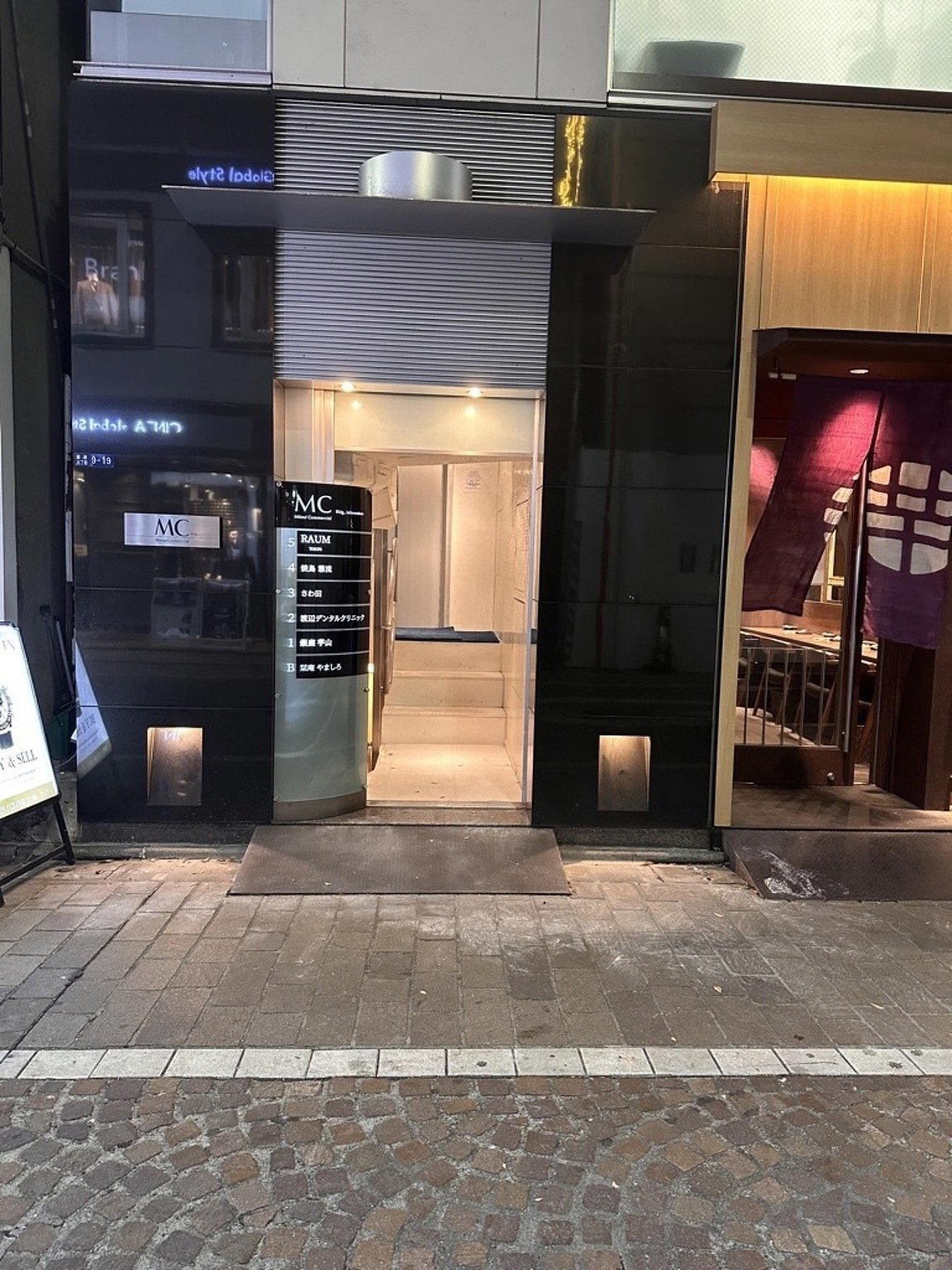
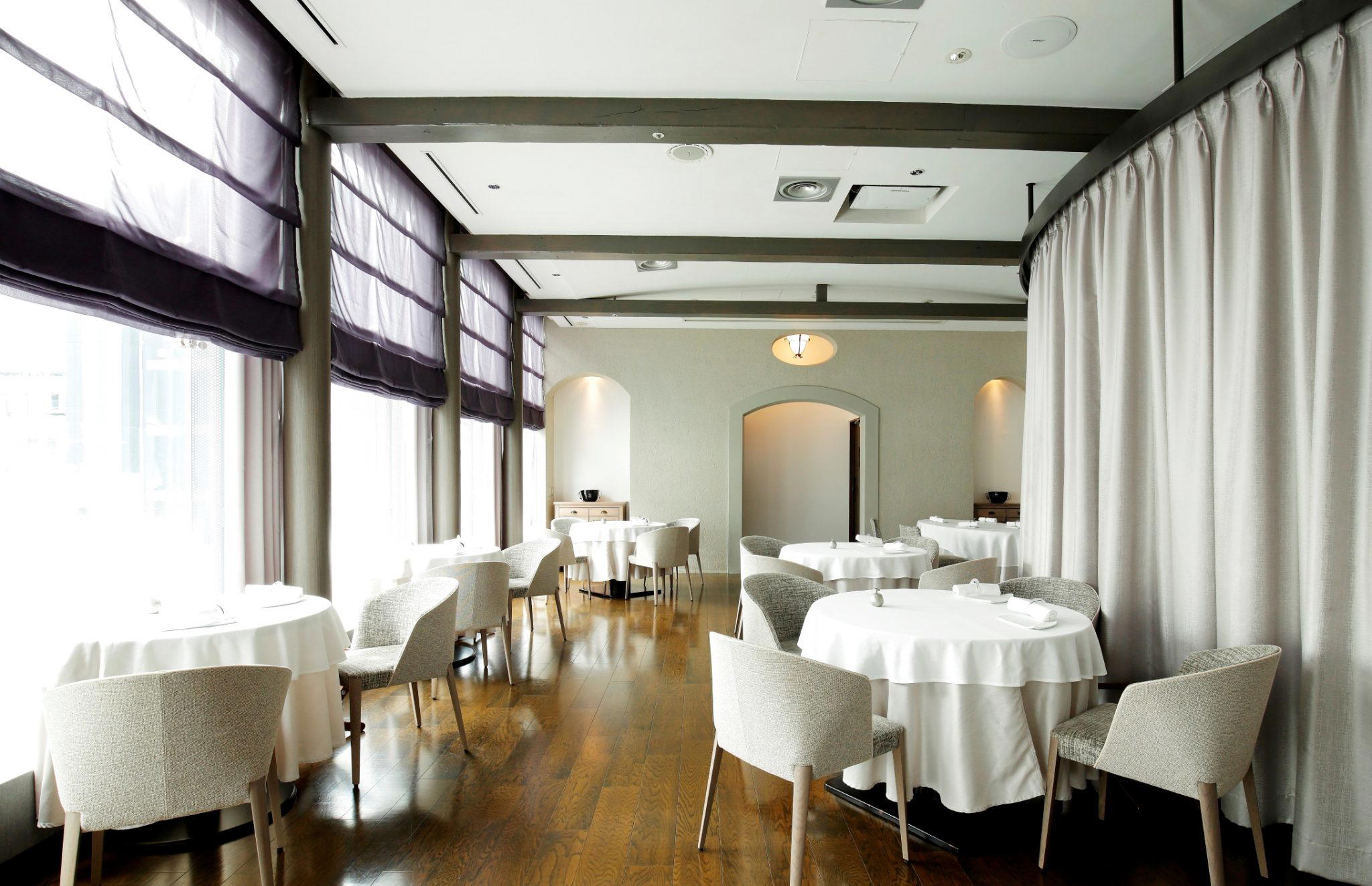
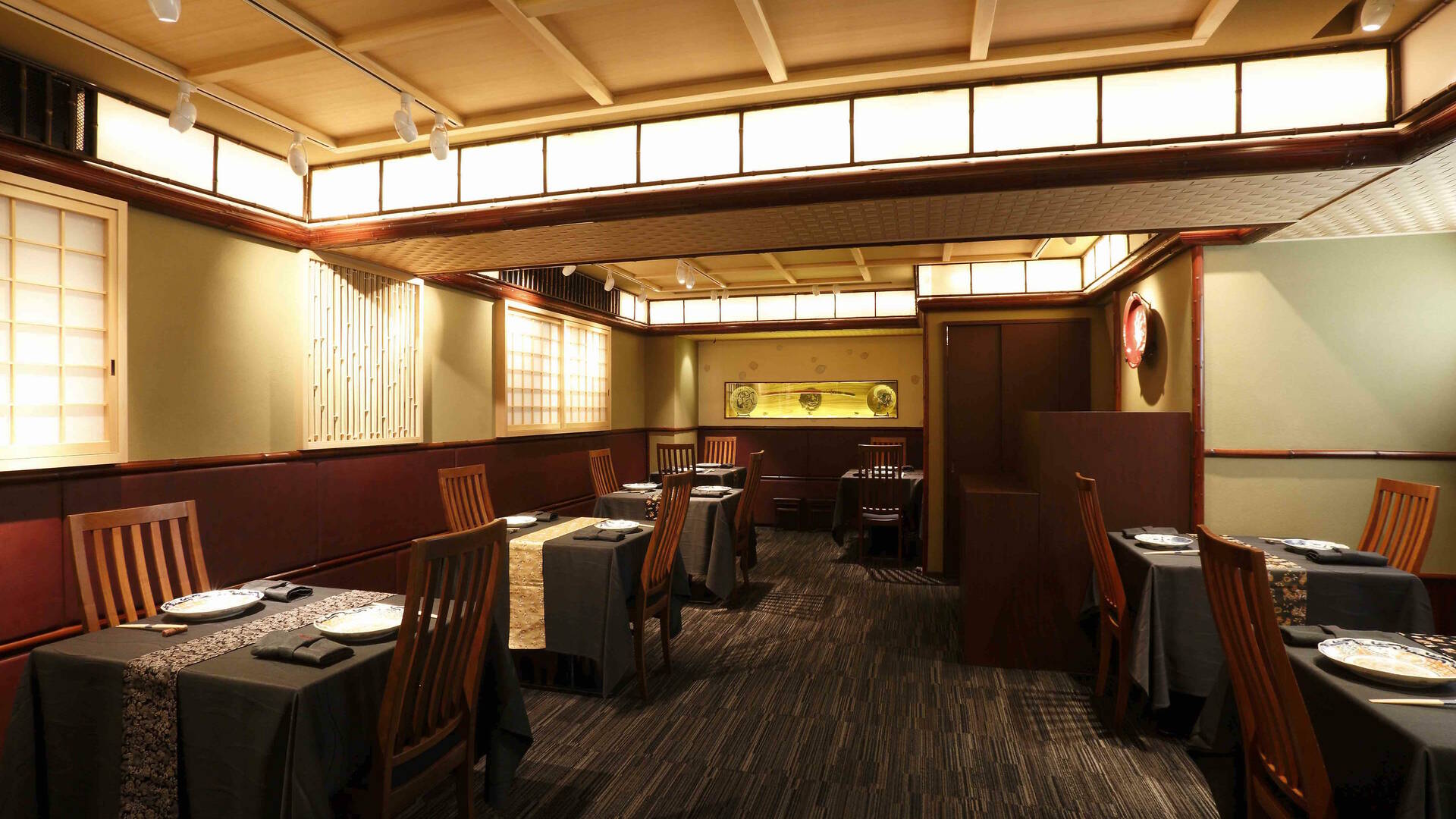
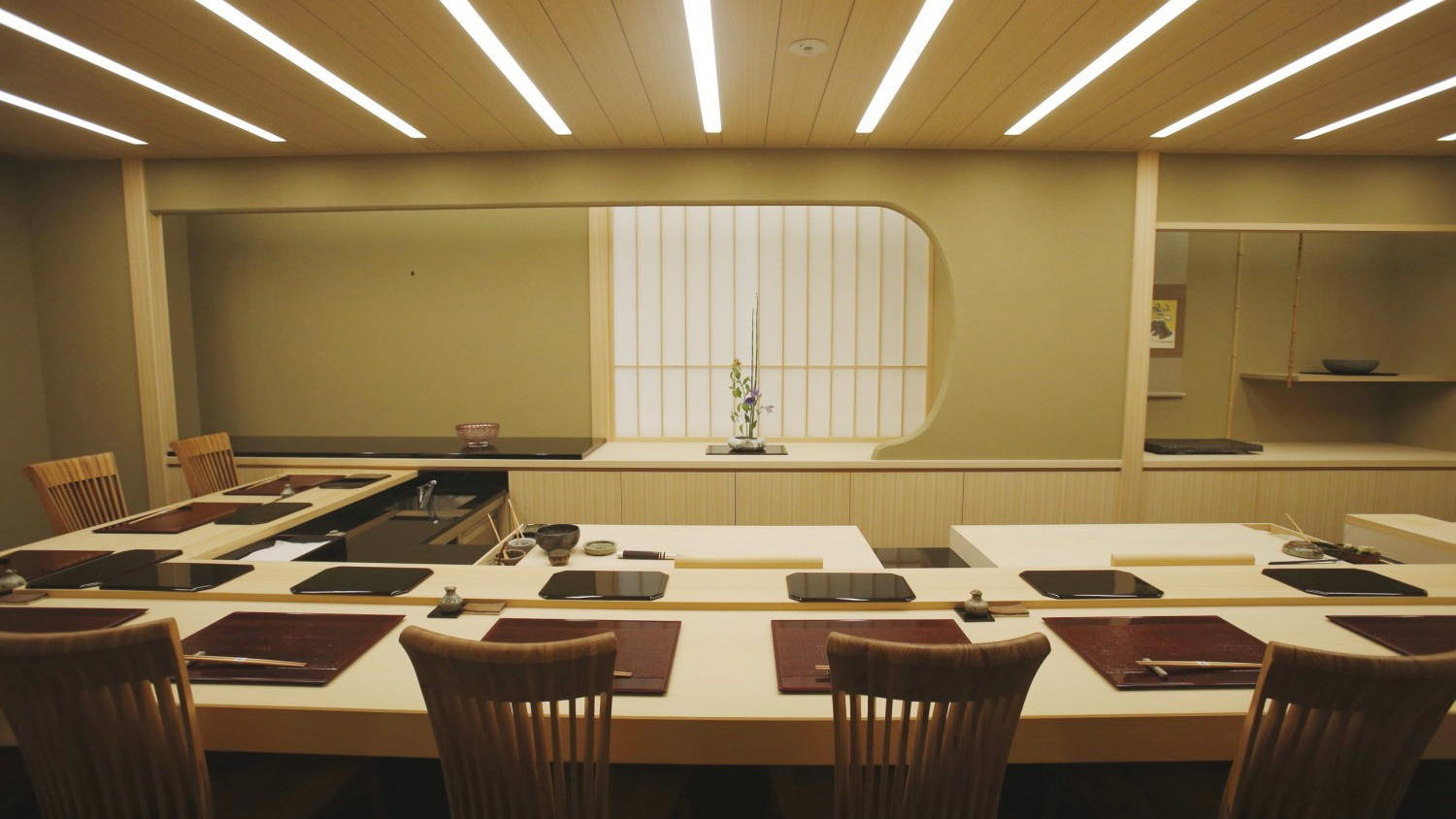
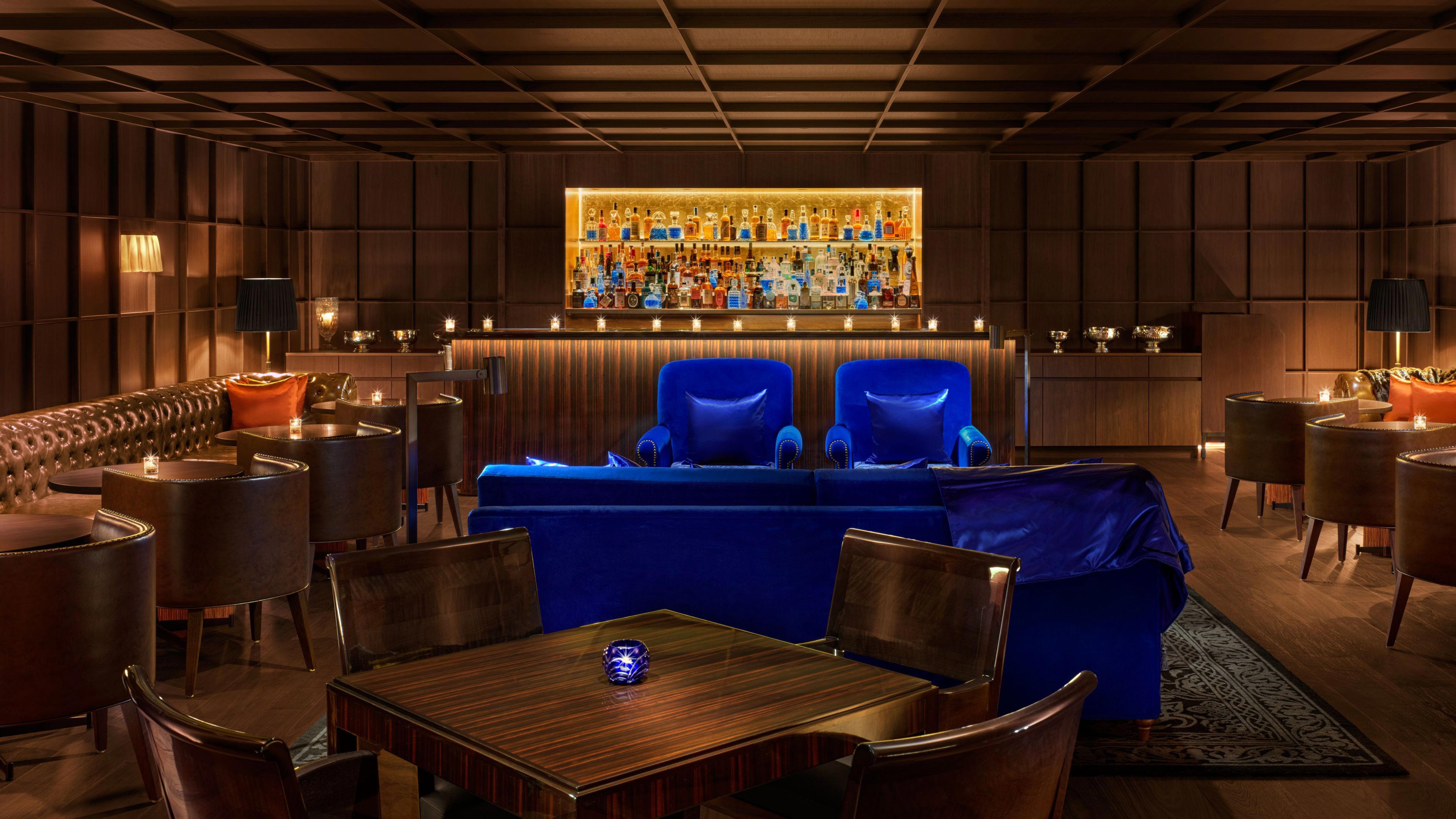
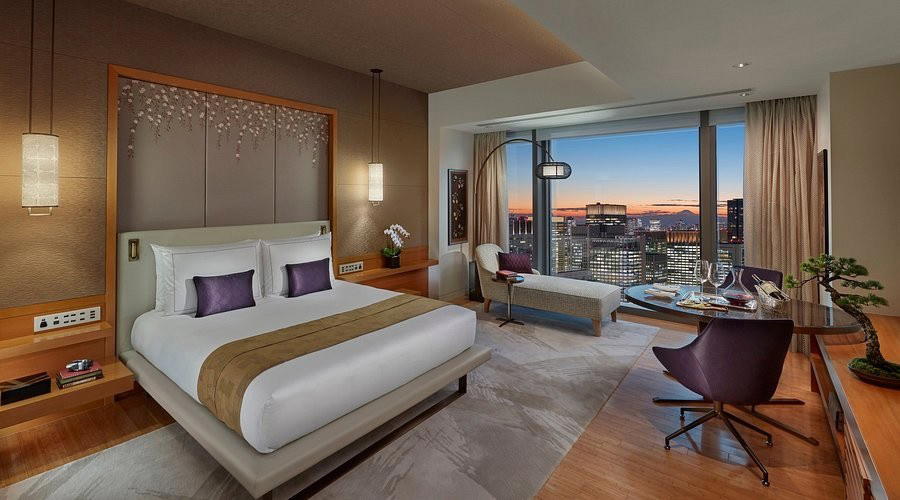
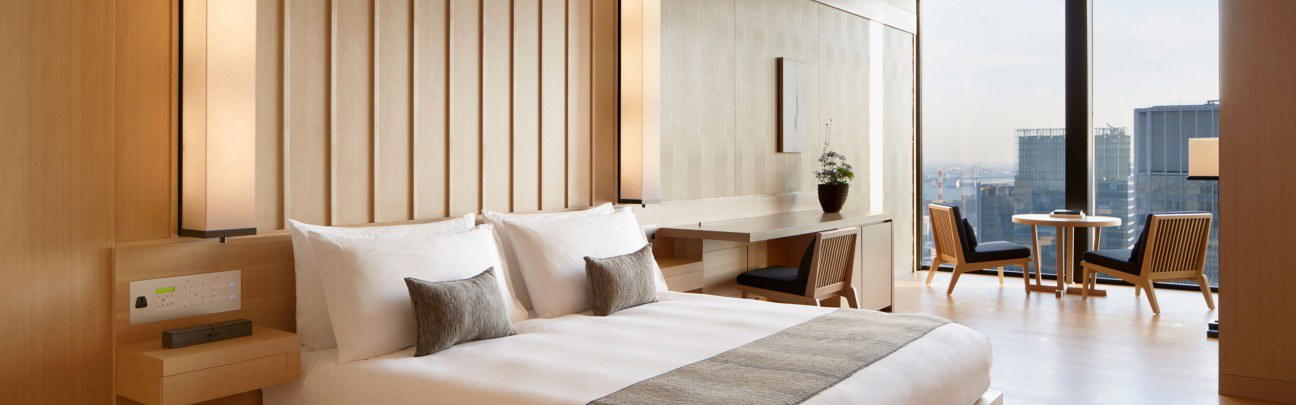
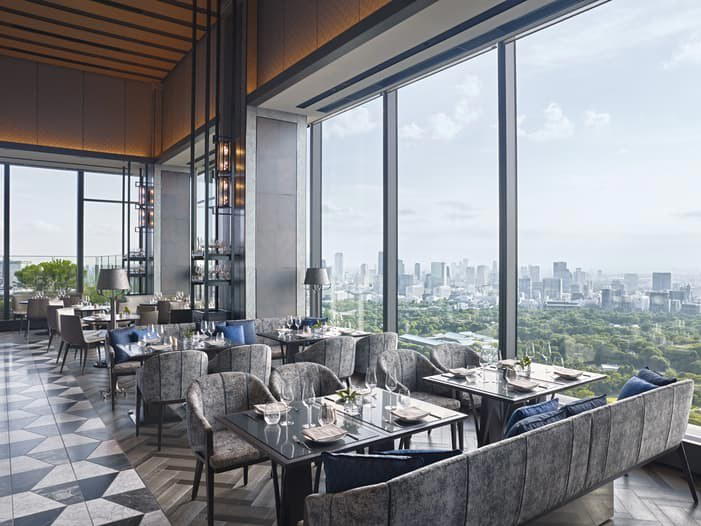
Calm and cozy atmosphere with warm wooden interiors evoking a sense of tranquility.