TOSA DINING おきゃく brings the regional cooking traditions of Kochi Prefecture — one of Japan's least-exported provincial cuisines — into the heart of Ginza at 1 Chome-3-13, Chuo City. The format centers on okkyaku, Kochi's communal drinking and eating culture, translated into a dining room designed to hold that convivial spirit in a Tokyo context. For anyone tracking how regional Japanese food traditions surface in the capital, this address merits attention.
Pearl is the En Primeur Club membership app — saves, bookings, and concierge access live there. Same editors, same standards.
- Address
- 1 Chome-3-13 Ginza, Chuo City, Tokyo 104-0061, Japan
- Phone
- +81335384351
- Website
- marugotokochi.com
- Directions
- Get directions
 Saves & bookings on Pearl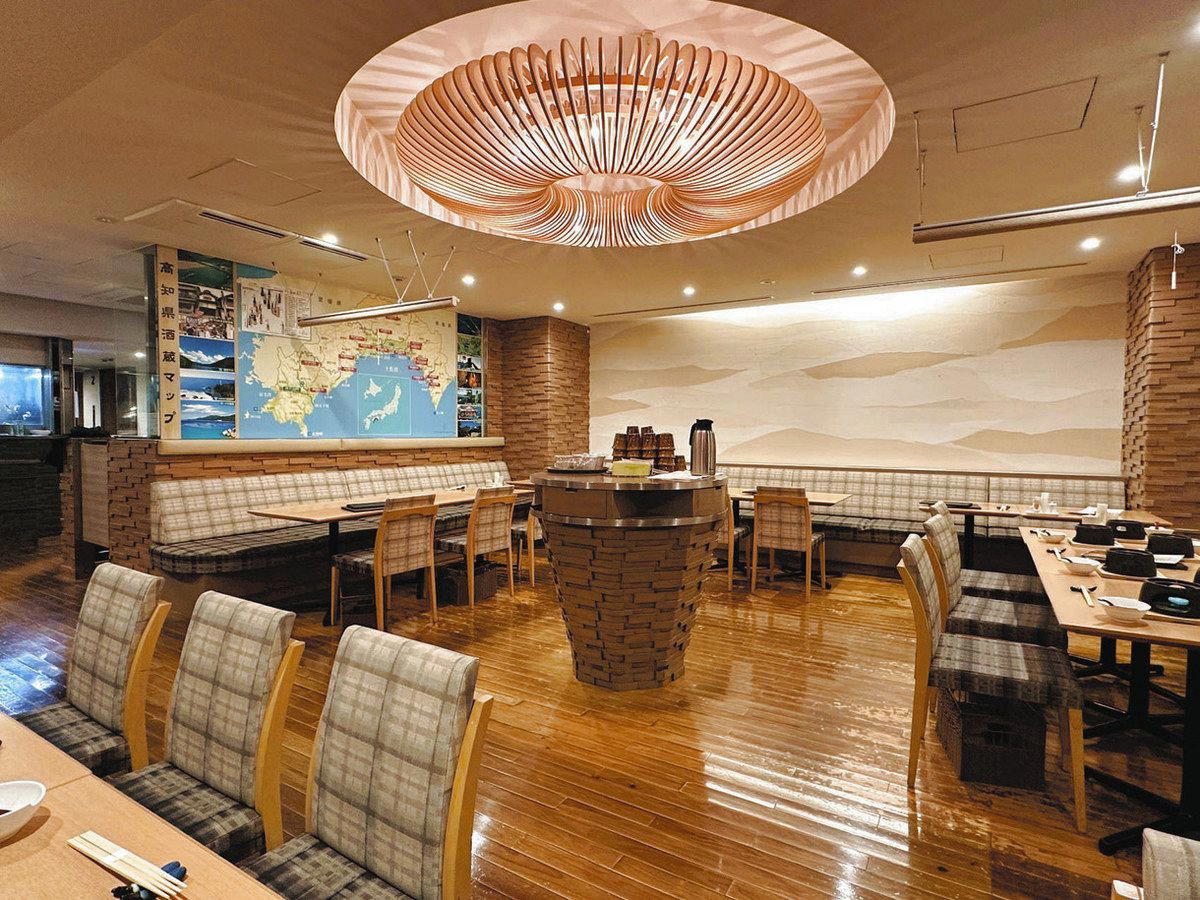
Kochi on the Ginza Grid
Tokyo's relationship with regional Japanese cuisine has always been uneven. The city absorbs ramen dialects, wagyu prefectures, and sake brewing regions with enthusiasm, yet certain provinces remain significantly underrepresented at the table. Kochi Prefecture — occupying the southern face of Shikoku island, with a coastline that produces some of Japan's most distinctive bonito, and an inland tradition of fermented and foraged foods — sits in that underrepresented category. TOSA DINING おきゃく, positioned at 1 Chome-3-13 in Ginza's Chuo City, is one of the few dedicated channels through which that tradition enters the capital's dining conversation.
The name itself is a signal. Okkyaku (おきゃく) is the Kochi term for a particular style of communal gathering, part feast, part drinking ritual, part social ceremony, that locals regard as a defining cultural practice. Transplanting that concept to Ginza, a district where the dominant register runs from high-end omakase counters (see Harutaka for the sushi end of that spectrum) to formal French service at addresses like L'Effervescence, requires a deliberate spatial and programmatic logic. The question any thoughtful diner should ask is whether the physical container supports that logic, and at TOSA DINING, the answer appears to be yes.
The Physical Container
Interior architecture in Japanese regional dining venues often faces a tension between authenticity signals, rough timber, ceramic vessels, visible craft, and the metropolitan expectations of a Ginza clientele. The design approach at TOSA DINING navigates this by leaning into materials and spatial arrangements that recall Kochi's architectural vernacular without staging a theme-park version of it. The room's layout is organized around the communal principle that okkyaku implies: seating configurations that encourage shared plates and cross-table conviviality rather than the hushed, individualized experience of the counter-dining format that dominates this postcode.
This spatial choice is editorial in itself. Ginza's premium tier has, over the past decade, tilted heavily toward small-counter formats, the eight or ten-seat omakase room where the chef addresses each guest individually and pricing reflects that exclusive attention. Places like RyuGin operate in a kaiseki register that similarly emphasizes precise, sequential, individualized service. TOSA DINING departs from that model by design, both literally and philosophically. The room is built for a different rhythm: louder, more participatory, structured around the Kochi custom of extended communal eating rather than choreographed progression.
For travellers exploring how regional formats survive translation into major cities, this is worth comparing against what happens in other Japanese prefectural capitals. Goh in Fukuoka and Gion Sasaki in Kyoto each anchor their regional identity differently, Fukuoka's through a chef-driven contemporary lens, Kyoto's through the kaiseki infrastructure the city has refined over centuries. Kochi has no equivalent export infrastructure for its food culture, which makes TOSA DINING's Ginza foothold genuinely unusual as a civic-culinary statement.
What the Kitchen Represents
Kochi's larder is not well understood outside Shikoku. The prefecture's most recognized export is katsuo no tataki, bonito scored, seared hard over straw flame, and served with ponzu and ginger in a manner that bears almost no resemblance to its imitators. Beyond that, Kochi kitchens work with a roster of ingredients, yuzu from the river valleys, freshwater fish from the Shimanto, mountain vegetables and ferments, that rarely reach Tokyo menus in any focused way. A venue dedicated to this tradition functions as something closer to a regional embassy than a standard restaurant, curating an education alongside a meal.
The communal structure of okkyaku culture also shapes what a kitchen here is expected to produce: food that holds, that shares well, that sustains a long table over hours rather than peaking at a single composed course. This is a different set of technical demands from the precision of, say, the French-inflected menus at Sézanne or the innovative tasting formats at Crony. Neither approach is superior; they answer to different social contracts around eating.
Ginza as Context
The address at 1 Chome-3-13 places TOSA DINING in the northern end of Ginza, close enough to Yurakucho that foot traffic and the pre-theatre crowd factor into the evening composition. Ginza as a dining district has become increasingly stratified: a top tier of Michelin-decorated destination restaurants, a middle tier of category specialists (yakitori, tempura, regional Japanese), and a ground tier of accessible lunch formats.
For readers building a Japan itinerary that extends beyond Tokyo, the regional connections are worth mapping. HAJIME in Osaka and akordu in Nara represent different points on the spectrum of how regional Japanese cities handle fine dining, while farther afield, addresses like 一本木 名川制 in Nanao, 夕仙山乃 in Sapporo, 湖畔庵 in Takashima, and 庭羽屋 in Nishikawa Machi show how Japanese regional dining functions when it stays in place rather than migrating to the capital. For international comparison, the challenge of presenting a specific regional tradition to an international metropolitan audience has parallels at Atomix in New York, which does something analogous with Korean culinary heritage, and at category-defining venues like Le Bernardin, where a single-ingredient focus (seafood) shapes every design and programming decision. Birdland in Sakai and Bistro Ange in Toyohashi further illustrate how specialist concepts find their footing outside the major metros.
Planning Your Visit
TOSA DINING おきゃく sits at 1 Chome-3-13 Ginza, Chuo City, Tokyo, a short walk from Ginza Station on the Tokyo Metro Ginza Line, or from Yurakucho Station on the JR Yamanote Line. Because the venue's format centers on a communal, extended-table experience, arriving with a group rather than as a solo diner will give access to the full range of shared dishes that the okkyaku concept is built around. The Ginza district's higher-end venues generally recommend reservations well in advance, particularly for dinner; this is especially true on weekends and during Tokyo's busiest travel seasons (late March to early May for cherry blossom, October to November for autumn foliage). Contact details and current booking options are best confirmed directly, as operational specifics can change. Our full Tokyo restaurants guide provides broader context for building a complete itinerary around this address.
How TOSA DINING おきゃく Tokyo compares with similar nearby venues.
| Venue | Cuisine | Price |
|---|---|---|
| CENTRE THE BAKERY | Not listed | JPY 1,000 - JPY 1,999 JPY 1,000 - JPY 1,999 View spending breakdown |
| ETHICA | Mexican | ¥¥¥ |











At a Glance
- Cozy
- Elegant
- Business Dinner
- Special Occasion
- Standalone
- Sake Program
- Local Sourcing
Current opening hours
- Monday
- 11 AM–3 PM, 5–9 PM
- Tuesday
- 11 AM–3 PM, 5–9 PM
- Wednesday
- 11 AM–3 PM, 5–9 PM
- Thursday
- 11 AM–3 PM, 5–9 PM
- Friday
- 11 AM–3 PM, 5–9 PM
- Saturday
- 11 AM–3 PM, 5–9 PM
- Sunday
- 11 AM–3 PM, 5–9 PM
Hours can change for holidays and private events. Last verified .
Warm and festive atmosphere reflecting Kochi's hospitality culture.
Know Before You Go
- Getting there
- 1 Chome-3-13 Ginza, Chuo City, Tokyo 104-0061, Japan