
Michelin Bib Gourmand
Our verdict
At a ¥¥ price point, it positions itself where serious technique meets everyday accessibility, a combination that defines Nara's most compelling mid-tier dining.

Pearl is the En Primeur Club membership app, where members save venues, book tables and use the concierge.
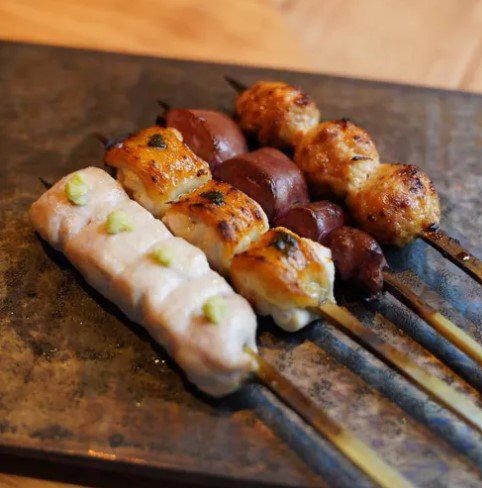
The menu
What to order
- Chicken Tataki
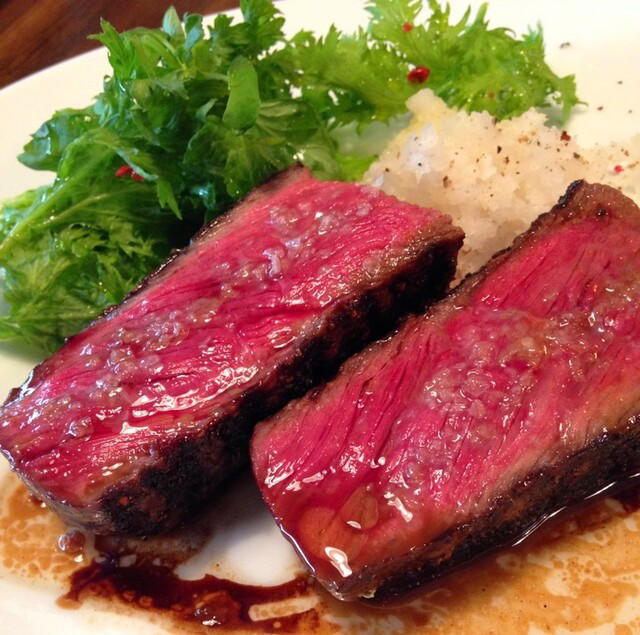
- Tenderloin with Yamato Tachibana Pepper
- Yakitori on Rice
- Yakitori Ramen
Where Yakitori Finds Its Footing in Nara
The smoke comes first. In any city where yakitori is taken seriously, the charcoal haze that drifts from a properly run grill is the earliest indicator of what you're about to experience, not ambiance as theatre, but the functional atmosphere of craft. In Kashihara, the southern reach of Nara Prefecture where old streets give way to quieter residential blocks near the Yamato Yagi transit hub, Tori Yamaguchi sits within a dining culture shaped more by local habit than tourist traffic. That distinction matters: the kitchen here answers to a repeat clientele with opinions, not a rotating audience of first-timers content to tick boxes.
Nara's restaurant scene has historically operated in the shadow of Kyoto and Osaka, two cities with more globally recognised dining profiles and deeper concentrations of high-end Japanese cuisine. What that dynamic has produced in Nara, particularly in the ¥¥ tier, is something arguably more interesting: a cluster of specialists doing one thing well for an audience that knows the difference. Tori Yamaguchi belongs to that cluster.
A Format That Earns Its Recognition
Yakitori as a format exists on a wide spectrum. At its most casual end, it's convenience food: skewers from a station kiosk, eaten standing. At the opposite extreme, counter restaurants in Tokyo's Ginza and Shinjuku have redefined the category as precision work, single-sourced birds, specific cuts, exacting grill temperatures, omakase sequences that rival kaiseki in their logic. Most of Japan's yakitori culture lives somewhere between these poles, and it's in that middle register that Michelin's Bib Gourmand designation is most meaningful.
The Bib Gourmand, awarded to Tori Yamaguchi in the 2025 guide, is not given for concept or novelty. It recognises what the guide describes as good quality food at a reasonable price, a deceptively demanding standard. In practice, it means the kitchen delivers consistent execution across its core product without the price architecture that defines starred venues. Compare this to Nara's Michelin-starred tier, where restaurants like akordu (Spanish, Innovative) and NARA NIKON (Japanese) operate at ¥¥¥, and the value proposition at Tori Yamaguchi becomes legible: this is serious food at a different access point.
A sustained 4.5 across four figures is operational evidence, not marketing copy.
The Evolution of a Yakitori Specialist
The trajectory of yakitori's cultural status across Japan over the past two decades tracks a broader shift in how the country's food culture is perceived both domestically and internationally. What began as a working-class izakaya staple, associated with post-work crowds and cheap beer, has been reframed, partly by international critical attention, partly by a generation of younger chefs who trained in fine dining and then applied that rigour to the grill. The result is a category that now supports everything from neighbourhood joints to internationally profiled specialist counters.
Tori Yamaguchi's current recognition reflects that broader maturation. A Bib Gourmand designation in 2025 signals that the kitchen has reached a level of reliability that warrants formal acknowledgment, not a sudden arrival, but the kind of recognition that follows years of incremental refinement. The venues that tend to earn and hold Bib Gourmand status in Japan are rarely new openings making an initial splash; they're operations that have found their rhythm and stayed in it. In the yakitori category, that means consistent sourcing, consistent fire management, and a menu structure that respects the cut-by-cut logic of the format.
For context on what this category looks like at higher price tiers and in adjacent cities, Ichimatsu in Osaka and Torisaki in Kyoto represent the regional yakitori scene's more premium expressions. Nara's version of the category, as embodied by Tori Yamaguchi and its peer Yakitori Mochizuki, operates at a different price register but inside the same tradition of taking the grill seriously.
Kashihara and the Case for Going South
Most visitors to Nara concentrate their time in the historic core near Nara Park, where the temples, deer, and the highest concentration of kaiseki-adjacent dining sit within walking distance of one another. Restaurants like Oryori Hanagaki (Japanese) and Tsukumo (Japanese) anchor that northern dining corridor. Kashihara, located to the south, serves a different audience, predominantly local, with less international foot traffic and a dining culture that hasn't been shaped by proximity to tourist infrastructure.
That geographic position is part of what gives Tori Yamaguchi its character. The address at 618 Kumecho, Kashihara, places it outside the orbit of the standard Nara itinerary, which means the room is typically filled with people who came specifically for this, not people who wandered in off the Nara Park path. The Kintetsu Kashihara line provides direct access from central Nara, and the Yamato Yagi junction connects to Osaka and Kyoto, making the venue reachable without a car. Timing a visit around an early evening start is practical in a format like yakitori, where the meal paces itself across multiple skewers and the experience compresses poorly if you arrive late and rush.
How It Fits the Broader Kansai Picture
Nara's position within the Kansai region means it shares culinary DNA with Kyoto and Osaka while maintaining a quieter, less commercially pressured dining environment. For a visitor building a multi-city itinerary across the region, Tori Yamaguchi functions as the kind of mid-journey recalibration that an omakase counter or kaiseki room cannot provide. Fine dining meals at venues like Gion Sasaki in Kyoto or HAJIME in Osaka demand a different kind of attention, structured, ceremonial, expensive. A well-run yakitori session is the counterpoint: informal, immediate, and anchored in the most direct expression of Japanese grilling craft.
Across Japan more broadly, the Bib Gourmand tier has grown in significance as the country's dining culture fragments upward and downward simultaneously. At the high end, venues like Harutaka in Tokyo and Goh in Fukuoka represent what the starred tier looks like in practice. For those working through Kansai or extending itineraries to other regions, 1000 in Yokohama and 6 in Okinawa offer further points of comparison. Tori Yamaguchi's contribution to that picture is specific: it demonstrates that Nara's dining culture produces Michelin-level execution at accessible prices, and does so in a neighbourhood format rather than a destination one.
For anyone structuring a Nara visit around food, the full picture is available through our full Nara restaurants guide, with supplementary planning across hotels, bars, wineries, and experiences in the city.
Frequently asked questions
What is the overall feel of Tori Yamaguchi?
Tori Yamaguchi operates in the mid-range tier of Nara's dining scene, with a ¥¥ price point and a Michelin Bib Gourmand recognition from 2025. The setting is in Kashihara, south of central Nara, which gives it a local, neighbourhood character rather than a tourist-facing one. The format is yakitori, which means the experience is structured around the grill rather than a multi-course ceremonial sequence.
What is the signature dish at Tori Yamaguchi?
What the 2025 Michelin Bib Gourmand award does indicate is that the kitchen's core output, yakitori prepared from chicken cuts over charcoal, is executed at a level the guide considers worth formal recognition. In the yakitori genre, the distinction between a venue at this tier and a casual grill usually comes down to sourcing, fire control, and the range of cuts offered. Beyond that, dish-level specifics require a first-hand visit or direct inquiry with the venue.
What It’s Closest To
Comparable venues nearby, for context on price, style, and recognition.
| Venue | Cuisine | Price | Awards | Notes |
|---|---|---|---|---|
| Tori YamaguchiThis venue (the venue you are viewing) | Yakitori - Yamato Chicken | $30–50 | Michelin Bib Gourmand | Not listed |
| Menya Ittoku | Refined Shio Ramen | $10–20 | Michelin Bib Gourmand | Nara |
| Shikinoaji Enzu | Seasonal Kappo | $50–100 | Michelin Bib Gourmand | Nara |
| Nikutoieba Matsuda | Wagyu Kappo Kaiseki | $150–200 | Michelin Plate · Tabelog Bronze #316 | Naizencho |
| Nidaime Izumosoba Dandan | Izumo Soba | $20–30 | Michelin Plate · Tabelog 100 #29 | Nara |
| Kushizukushi | Kushiage (Deep-fried Skewers) | $30–50 | Michelin Bib Gourmand | Nara |
Recognition history
Dated appearances from independent guides and award organizations, with the underlying list record or original source where available.
Michelin Bib Gourmand
Michelin
Full recognition history (2 entries)
Michelin Bib Gourmand
Michelin
Continue exploring
More in Nara
Restaurants in Nara
All restaurants in Nara →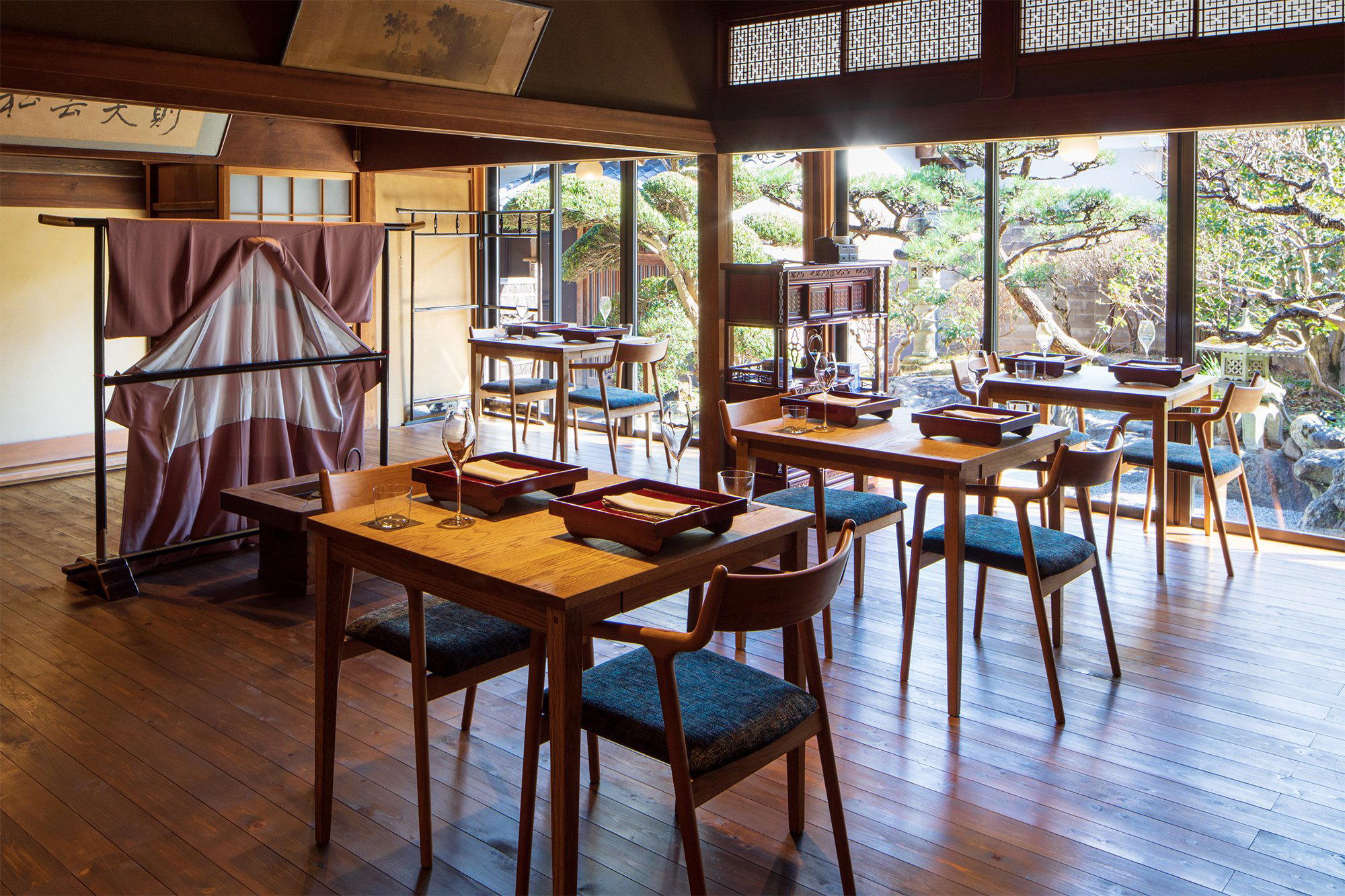
Bars in Nara
All bars in Nara →
Hotels in Nara
All hotels in Nara →

Wineries in Nara
Browse all →
Details
- Elegant
- Intimate
- Classic
- Date Night
- Business Dinner
- Solo
- Special Occasion
- Open Kitchen
- Sake Program
- Local Sourcing
- Farm To Table
- A La Carte
- Small Plates
- Sake
- Allergy Accommodating
Current opening hours
- Monday
- 5 PM–12 AM
- Tuesday
- 5 PM–12 AM
- Wednesday
- Closed
- Thursday
- 5 PM–12 AM
- Friday
- 5 PM–12 AM
- Saturday
- 5 PM–12 AM
- Sunday
- 5 PM–12 AM
Hours can change for holidays and private events. Hours as of .
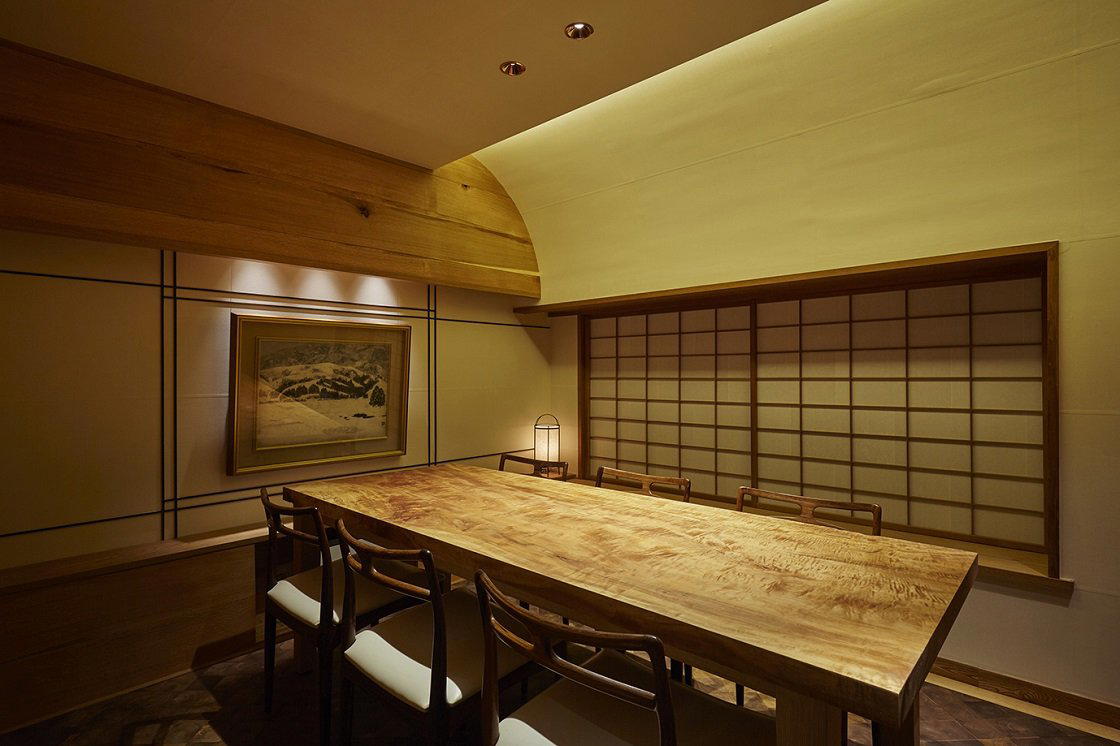
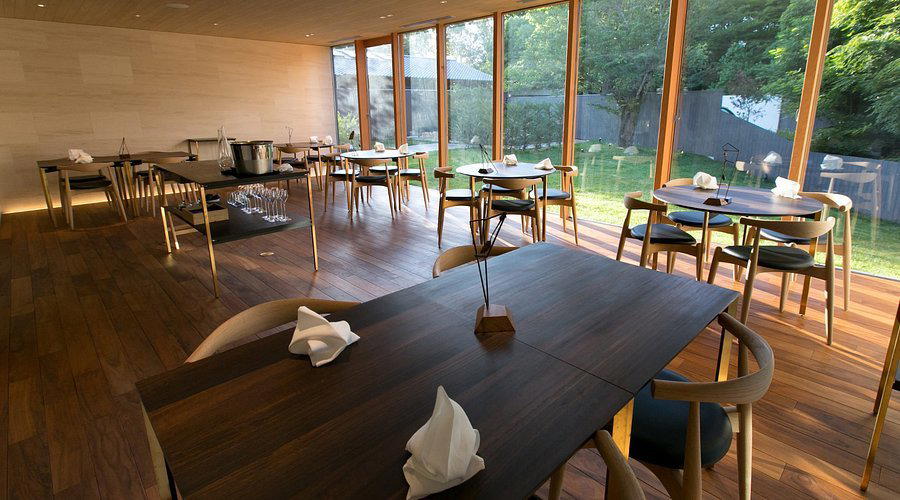
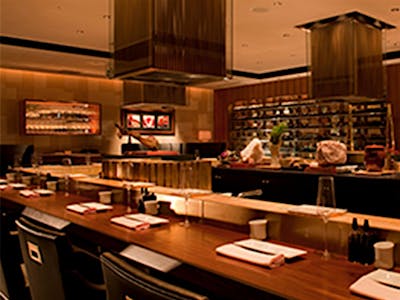
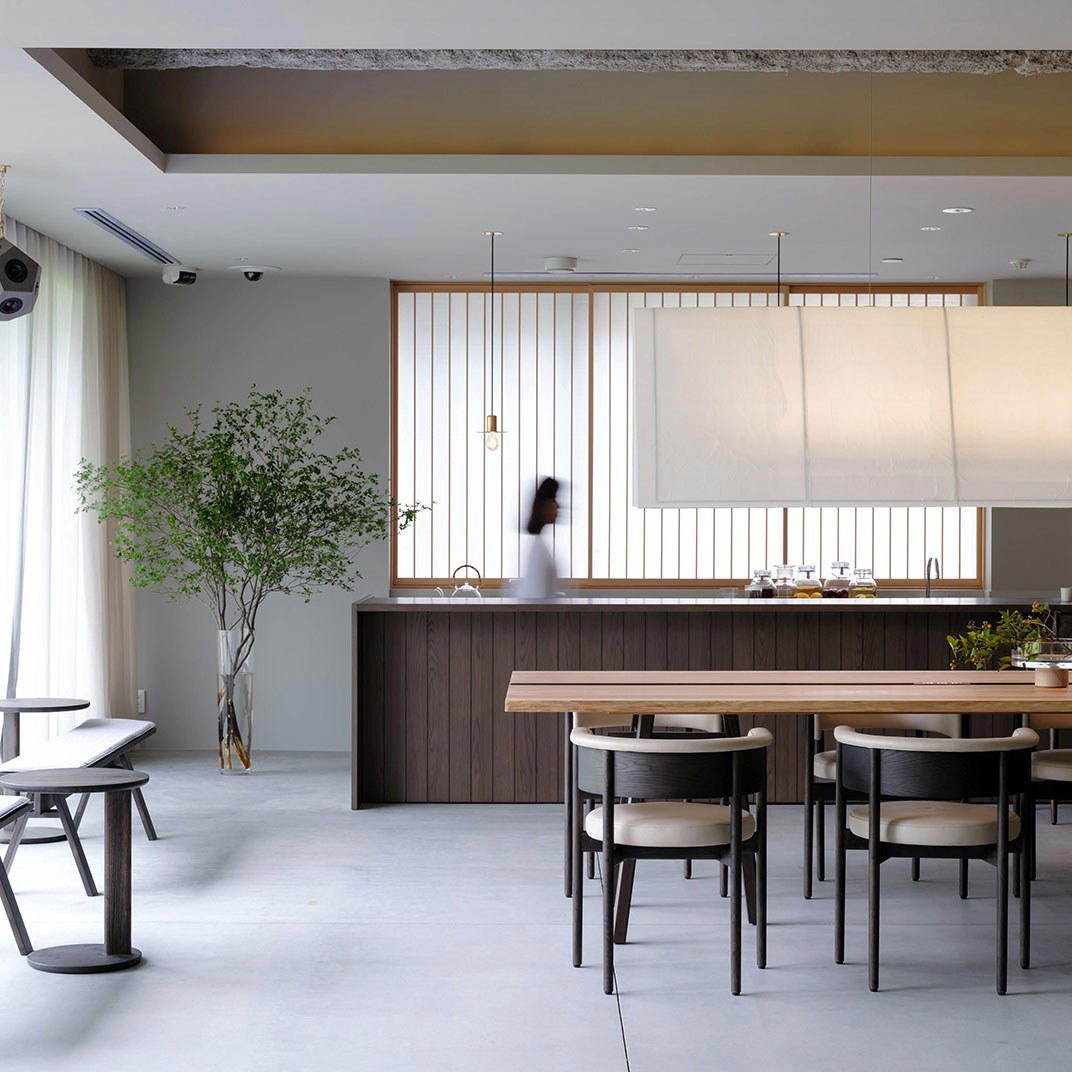
Warm wooden surfaces and calm, refined atmosphere with minimal formality; the scent of cooked chicken and citrus pepper fills the room without overpowering conversation, supporting an engaged dining rhythm.