
Tabelog 100 #77
Our verdict
Toku Uchiyama occupies a Ginza address at the precise intersection where Tokyo's formal dining tradition and its contemporary wine culture have begun to converge. The restaurant sits in a district where the gap between a serious cellar and a serious kitchen has narrowed considerably over the past decade, making the wine-to-food pairing question as consequential as the menu itself. Advance booking is advisable for any visit to this tier of Ginza dining.

Pearl is the En Primeur Club membership app, where members save venues, book tables and use the concierge.
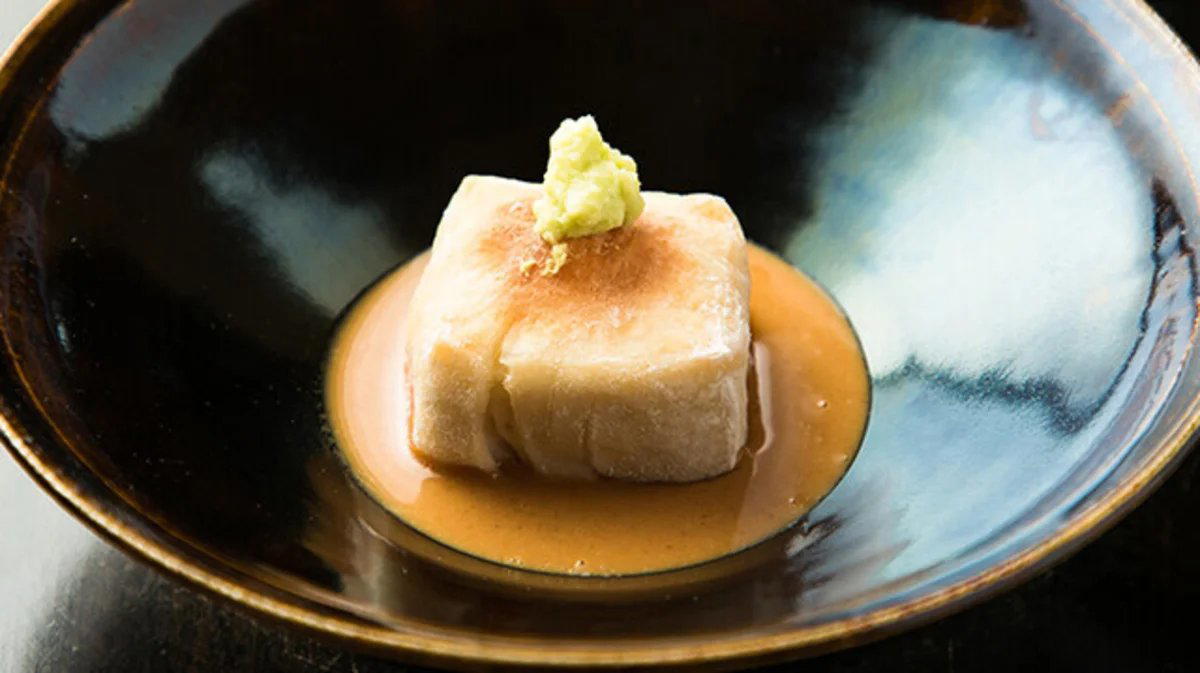
The menu
What to order
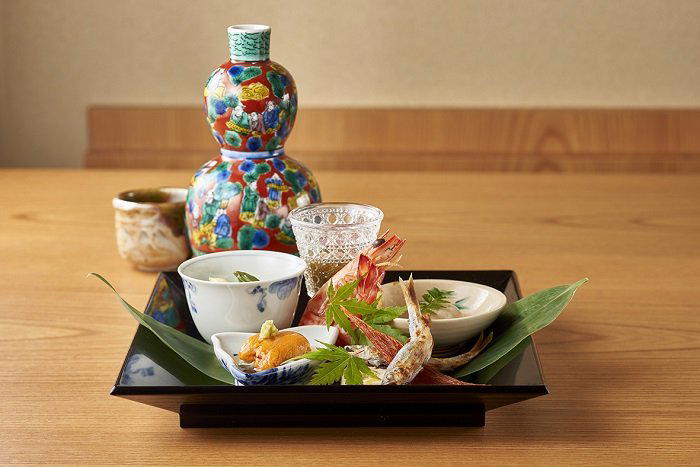
- Grilled Sesame Tofu
- Tai Chazuke
- Grilled Yamagata Beef
- Hot Pot with Seasonal Ingredients
Ginza, Where the Cellar Became as Consequential as the Counter
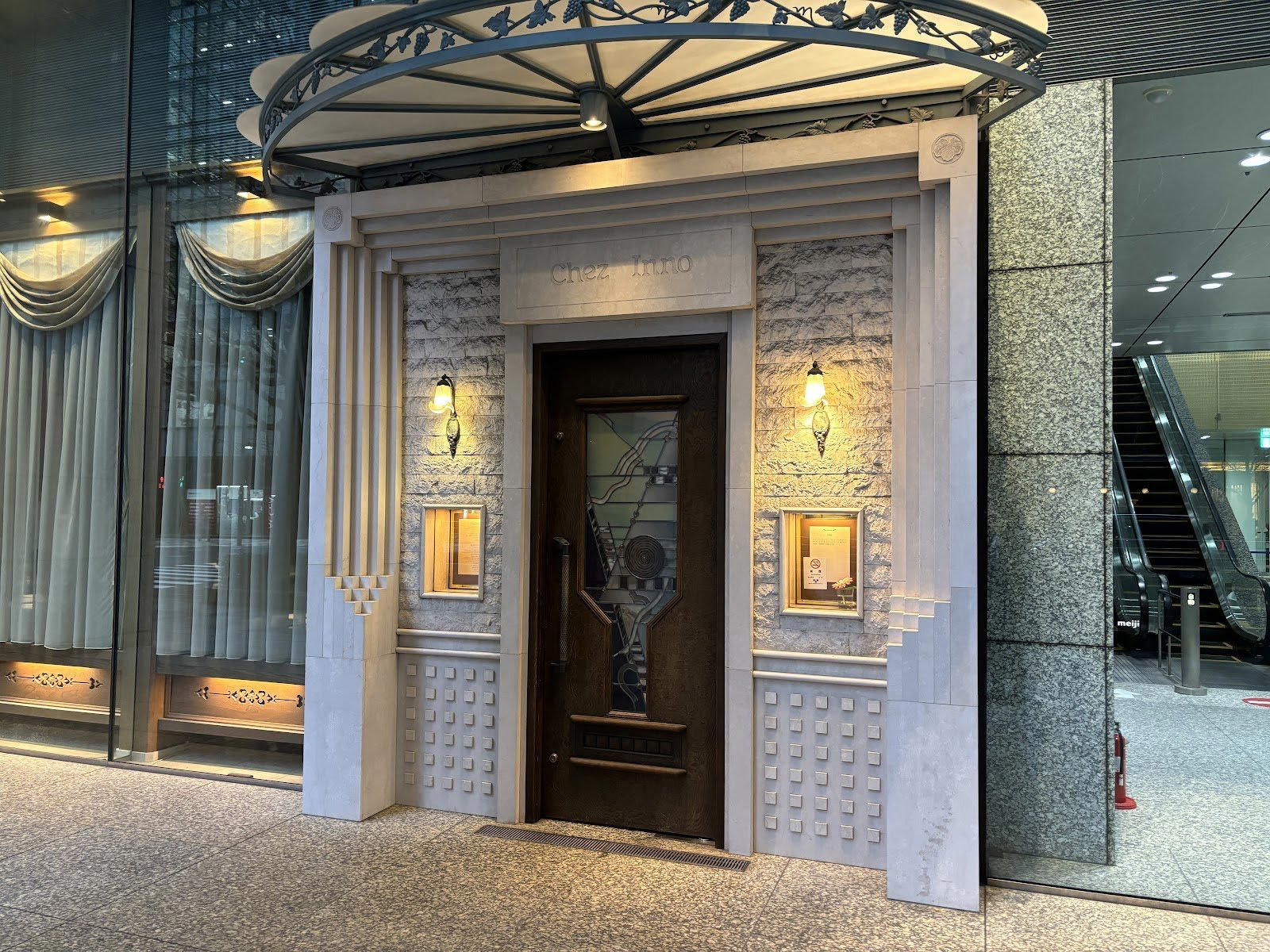
Ginza has always been Tokyo's most legible fine-dining address, the district where formality is calibrated, where counter culture meets white-linen expectation, and where the gap between a ¥¥¥¥ meal and something genuinely considered has historically been narrowest. What has shifted in the past decade is the role of the wine list. Across Ginza's upper dining tier, the cellar is no longer a supplement to the kitchen. In the most serious rooms, it is an equal protagonist. Toku Uchiyama, at 3 Chome-12-9 Ginza, sits inside this evolution, an address that places it among the district's more considered dining destinations, in a neighbourhood where the physical density of three-Michelin-star kitchens is higher than almost anywhere else on earth.
What Ginza Demands from a Wine Program
To understand any serious wine list in Ginza, it helps to understand what the neighbourhood's dining culture has come to expect. The district's top-tier restaurants, venues like Harutaka for sushi and RyuGin for kaiseki, have spent years building cellars that operate on Japanese principles of restraint and precision, favouring bottles with enough acidity and structure to move alongside delicate dashi-based preparations without overwhelming them. The sommelier's task in this context is not simply to recommend a pairing but to build a through-line across a multi-course progression where a single misjudged selection can disrupt the sequence as thoroughly as a poorly executed dish.
This is a materially different challenge from the one faced by sommeliers in, say, the French fine-dining rooms that have taken root in Tokyo, venues like L'Effervescence or Sézanne, where the cellar philosophy is shaped by European training and a menu that speaks the language of butter and reduction. The Japan-native dining format asks more of the list's lighter end: aged Champagne, mature white Burgundy, and an increasing proportion of domestic Japanese wine drawn from producers in Yamagata, Nagano, and Hokkaido.
The Domestic Wine Question
Japanese wine has moved from curiosity to credible cellar component in Ginza over roughly the same period that the district's kaiseki rooms expanded their tasting menu formats. Producers in cool-climate prefectures have achieved sufficient critical recognition abroad, particularly in the UK and parts of Scandinavia, that importing them back into Ginza's fine-dining context is no longer a novelty gesture. For any restaurant operating at this address and this level, the domestic section of the wine list has become a signal of editorial intent: how much the program reflects where it actually sits in the world, rather than simply mirroring what a comparable European room might offer.
This is one reason why regional Japanese restaurants, from Gion Sasaki in Kyoto to HAJIME in Osaka, have begun to curate domestic selections with the same rigour previously reserved for French and Italian bottles. The question for a Ginza address like Toku Uchiyama is where that balance sits, and whether the cellar reads as a considered editorial statement or as a conventional import list with domestic additions appended.
Pairing Logic at This Price Point
At the ¥¥¥¥ tier across Ginza, the band that encompasses Crony and its Franco-Japanese tasting format, alongside traditional kaiseki and sushi counters, the pairing menu has largely replaced the à la carte wine selection as the dominant format. Guests commit to a beverage progression at the start of the meal rather than selecting by the glass mid-course. This approach allows the sommelier to build a narrative across the full sequence, controlling temperature, pour volume, and the timing of each bottle's introduction in ways that single-glass ordering makes impossible.
The practical consequence for the guest is that the wine list's visible depth becomes less relevant than the sommelier's actual decision-making across the evening. A cellar with three hundred labels and a poorly constructed pairing sequence delivers less than a focused list of eighty bottles in expert hands. At Ginza's upper tier, the room's reputation for wine tends to rest on the latter, not the former, on the quality of judgment rather than the volume of inventory.
Placing Toku Uchiyama in the Ginza Sequence
For visitors building a multi-day Tokyo itinerary around this level of dining, Ginza functions as the district of formal commitment, the neighbourhood you return to for the meals that require the most advance planning and the clearest expectations. Addresses further afield, from akordu in Nara to Goh in Fukuoka, offer their own distinct registers. Within Tokyo itself, the contrast between Ginza's formality and the more relaxed interpretive formats available elsewhere in the city is sharp enough that it shapes how you sequence the week.
Toku Uchiyama's Ginza location, specifically, the Chuo City pocket of 3 Chome, places it in the district's dining core rather than its periphery. This is not a restaurant that has chosen a Ginza-adjacent address; it occupies the address that defines the neighbourhood's dining identity. For context from further afield, the density and price-tier logic at play here is perhaps leading compared to the top end of New York's formal dining circuit, where venues like Le Bernardin and Atomix operate on similar assumptions about guest preparation, booking depth, and the consequential nature of a single reservation choice.
Planning a Visit
Ginza's upper dining tier operates on booking lead times that range from six weeks to six months depending on the venue and the season. The district's most-discussed rooms tend to book through restaurant booking platforms rather than direct phone inquiry, and the majority require full prepayment or credit card guarantee at the time of reservation. Spring (late March through May) and autumn (October through November) represent the highest-demand periods, when ingredient quality peaks and visitor numbers from both domestic and international travellers compress available seats further.
For visitors approaching Japan more broadly, the country's fine-dining geography rewards lateral planning: time in Ginza can anchor a trip that also takes in the more regional registers offered by venues like 一本木 名川製 in Nanao or 湖畔庵 in Takashima. Our full Tokyo restaurants guide maps the city's dining tiers in more detail, including how Ginza's formal register compares to the kaiseki rooms of Aoyama and the counter-focused operators of Shibuya. Additional regional context is available through 夙待山乃 in Sapporo, 庭羽屋 in Nishikawa Machi, Birdland in Sakai, and Bistro Ange in Toyohashi.
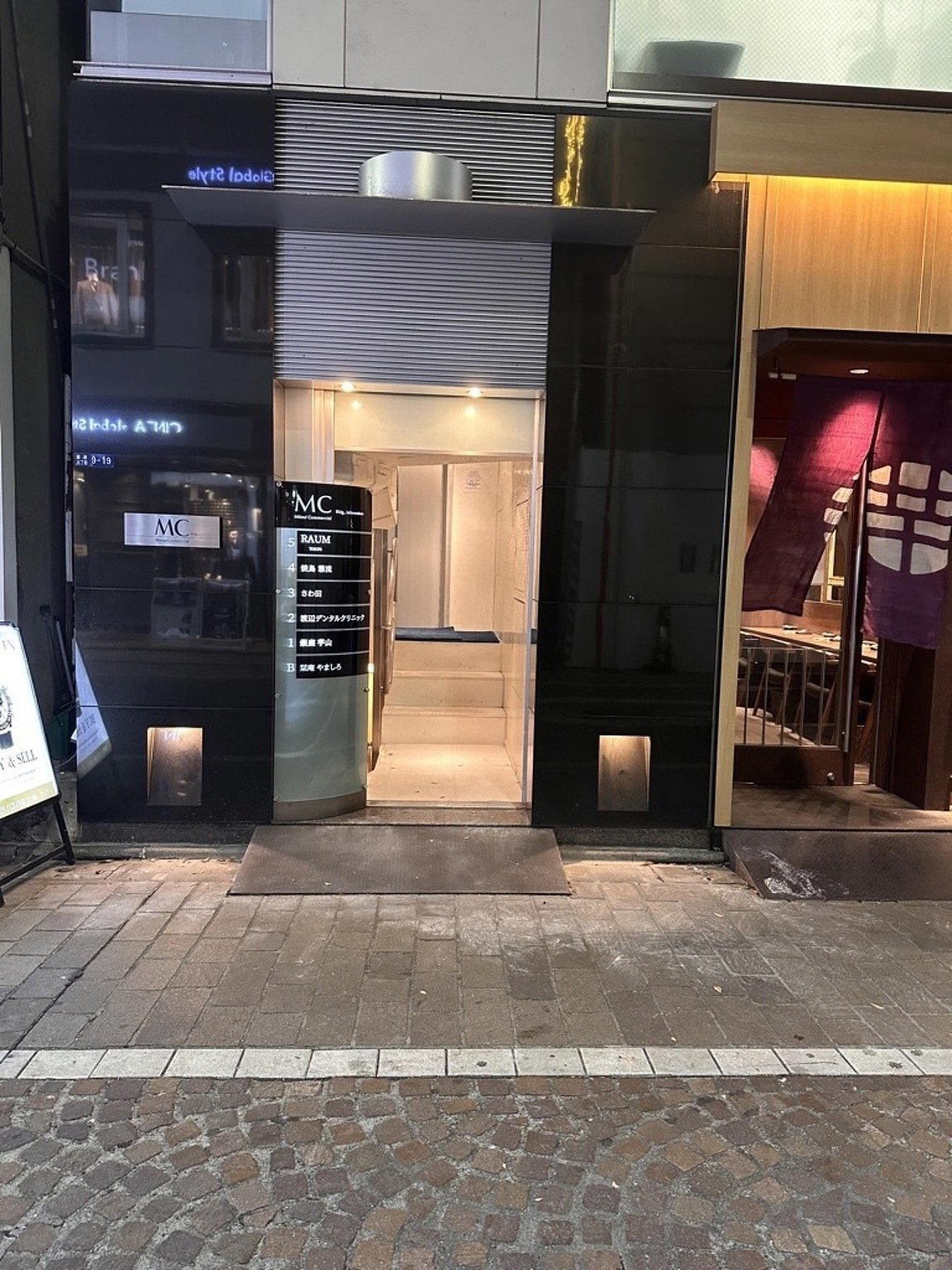
Quick reference: Toku Uchiyama, 3 Chome-12-9 Ginza, Chuo City, Tokyo 104-0061.
Frequently asked questions
What should I order at Toku Uchiyama?
Given the venue's Ginza address, a tasting menu format with an integrated beverage pairing is the most considered approach at this level of Tokyo dining. Ginza's top-tier rooms are structured around multi-course progressions where individual dish selection is less relevant than committing to the full sequence; the kitchen and the cellar work as a coordinated unit. Until current menu data is confirmed, the default advice for any serious Ginza room at this tier is to take the full menu rather than ordering à la carte.
Should I book Toku Uchiyama in advance?
Yes, and the lead time matters. Ginza operates at higher booking pressure than almost any other fine-dining district in Tokyo, with the most-discussed rooms filling weeks or months ahead. The district's seasonal peaks, spring and autumn, tighten availability further. Treat any reservation at this address as a commitment that requires planning rather than a walk-in opportunity.
What is Toku Uchiyama leading at?
Its Ginza address situates it in the district where the intersection of serious kitchen craft and serious wine curation is most developed in Tokyo. Venues at this address operate at a level where the cellar program is expected to match the ambition of the kitchen, and where the sommelier's pairing decisions carry as much weight as any individual course. That is the register Toku Uchiyama occupies.
How does a Ginza restaurant at this address compare to other Tokyo fine-dining districts for wine programming?
A restaurant at 3 Chome Ginza is competing directly with counters and kaiseki rooms that have spent decades refining their lists, which raises the floor for what a credible cellar looks like. For comparative context within Japan, venues like Gion Sasaki in Kyoto operate in a similarly demanding cultural environment, where the wine program must negotiate between Japanese culinary tradition and international cellar expectations.
Standing Among Peers
Comparable venues nearby, for context on price, style, and recognition.
| Venue | Cuisine | Price | Awards | Notes |
|---|---|---|---|---|
| Toku UchiyamaThis venue (the venue you are viewing) | Traditional Japanese Kaiseki | $200–300 | Tabelog 100 #77 | Not listed |
| Torioka | Premium Yakitori Omakase | $50–100 | Tabelog 100 #70 | Azabudai, Minato Ward |
| Motoyoshi (天ぷら 元吉) | Michelin-Starred Modern Tempura Omakase | $200–300 | Not listed | Ebisu |
| Sushi Mitani (鮨 三谷) | Edomae Omakase | $200–300 | La Liste Top Restaurants · Tabelog Gold #16 | Yotsuya |
| Yama no Ue | Traditional Japanese Tempura | $200–300 | Tabelog 100 #4 | Chūō |
| Kondo | Michelin-Starred Edo Tempura | $200–300 | 2 Michelin Stars · La Liste Top Restaurants | Chūō |
Recognition history
Dated appearances from independent guides and award organizations, with the underlying list record or original source where available.
Tabelog 100 #77 · No. 77
Tabelog · Tabelog 100 - Japanese cuisine - TOKYO - 2025
Continue exploring
More in Tokyo
Restaurants in Tokyo
All restaurants in Tokyo →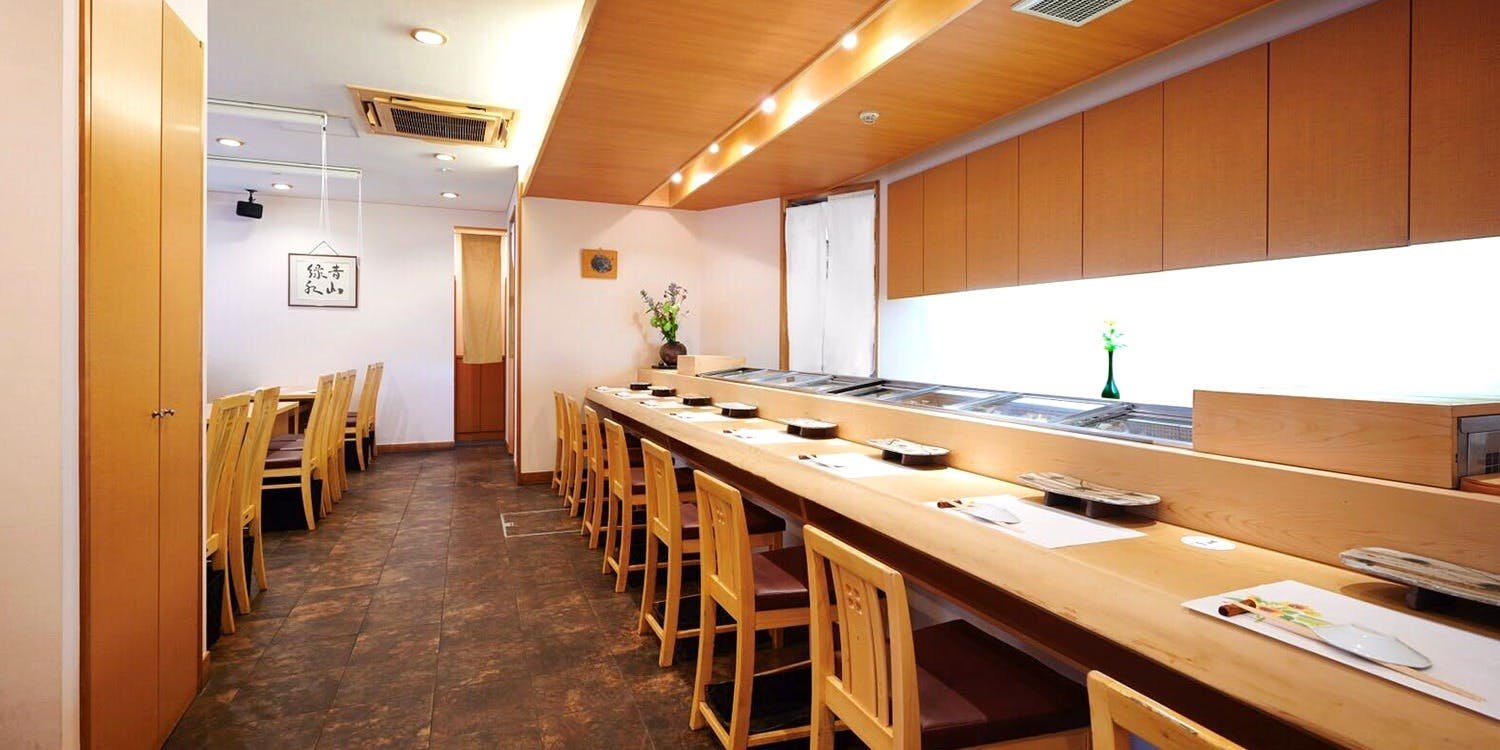




Details
- Elegant
- Intimate
- Quiet
- Classic
- Special Occasion
- Date Night
- Business Dinner
- Chefs Counter
- Open Kitchen
- Private Dining
- Sake Program
- Local Sourcing
- Tasting Menu
- Counter Dining
- Set Menu
- Sake
- Vegetarian Friendly
- Allergy Accommodating
Current opening hours
- Monday
- 6–10 PM
- Tuesday
- 12–2 PM, 6–10 PM
- Wednesday
- 12–2 PM, 6–10 PM
- Thursday
- 12–2 PM, 6–10 PM
- Friday
- 12–2 PM, 6–10 PM
- Saturday
- 12–2 PM, 6–10 PM
- Sunday
- Closed
Hours can change for holidays and private events. Hours as of .
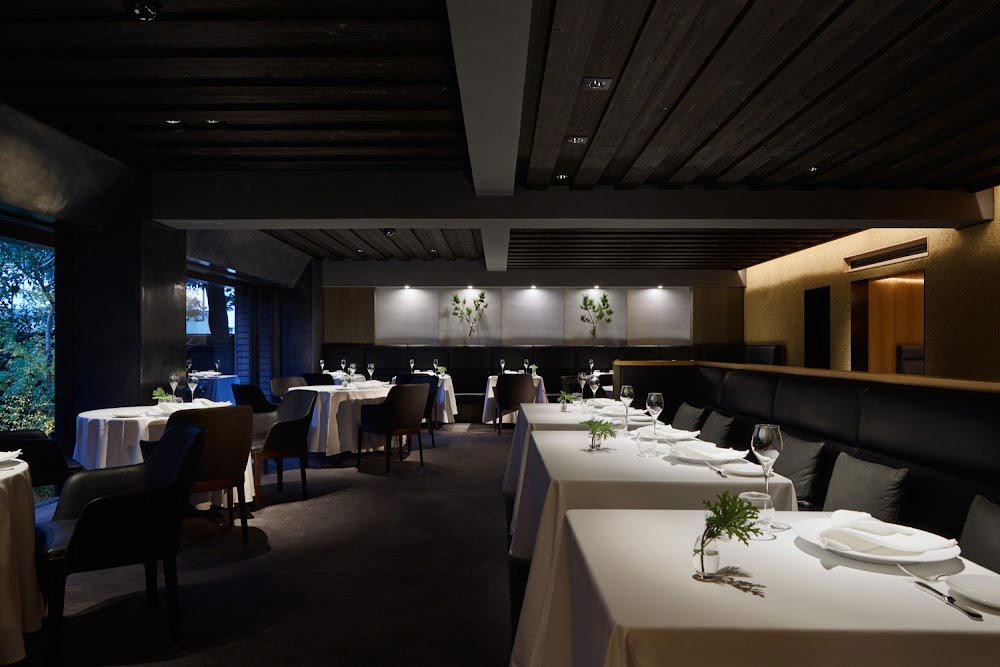
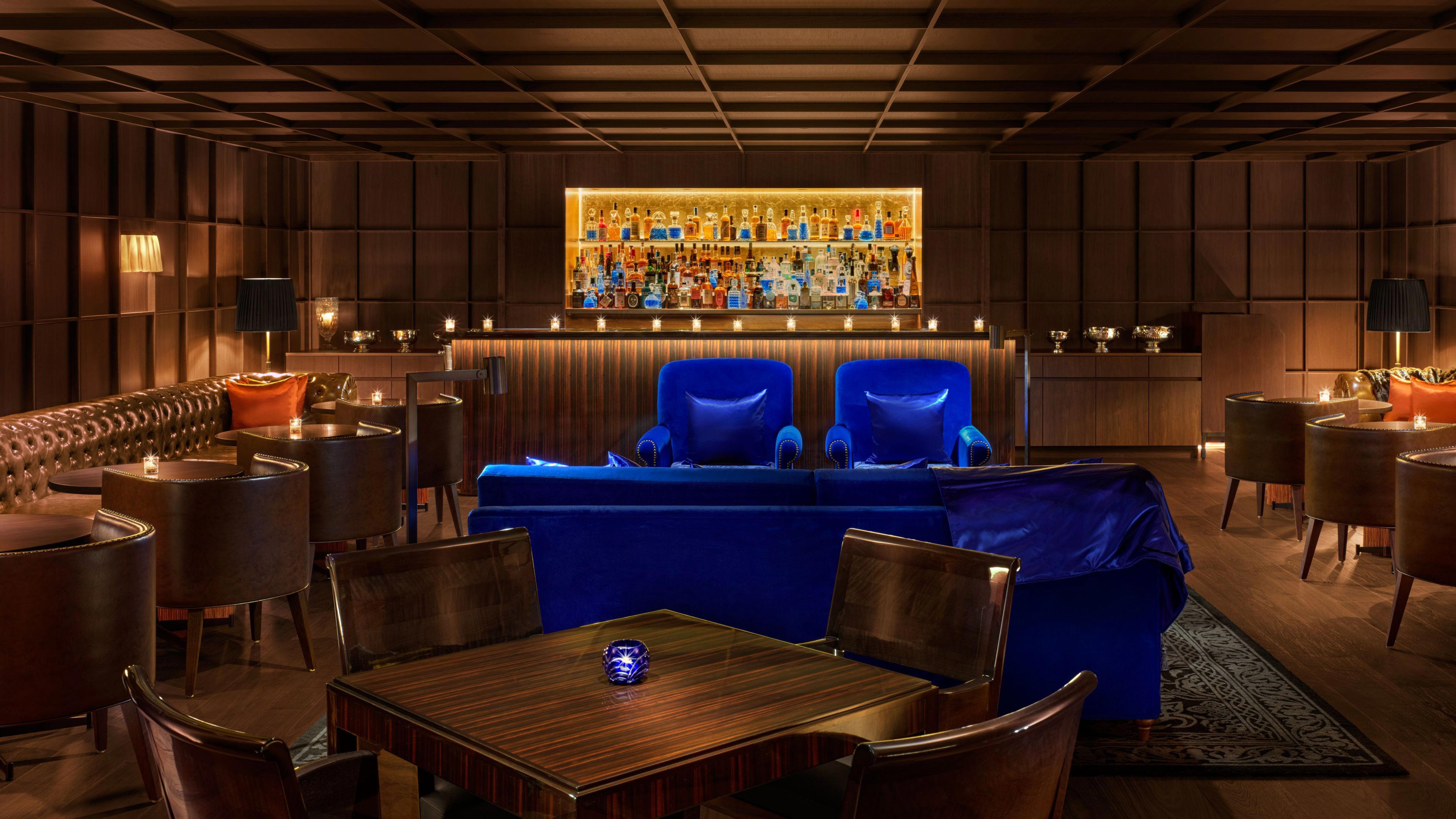
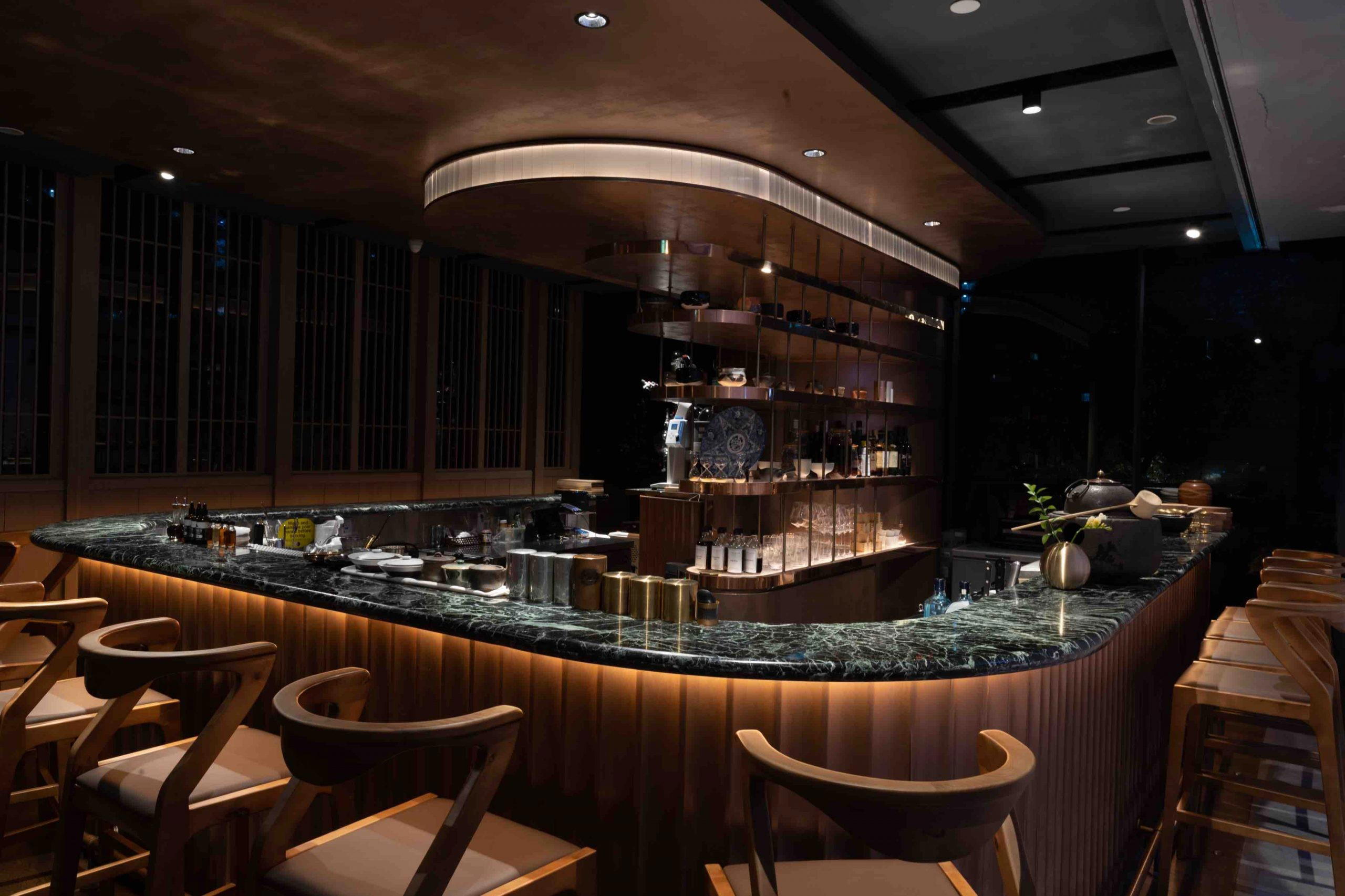
Serene, wood and lacquer interior with counter seating overlooking the open kitchen; calm, refined atmosphere conducive to slow dining.