
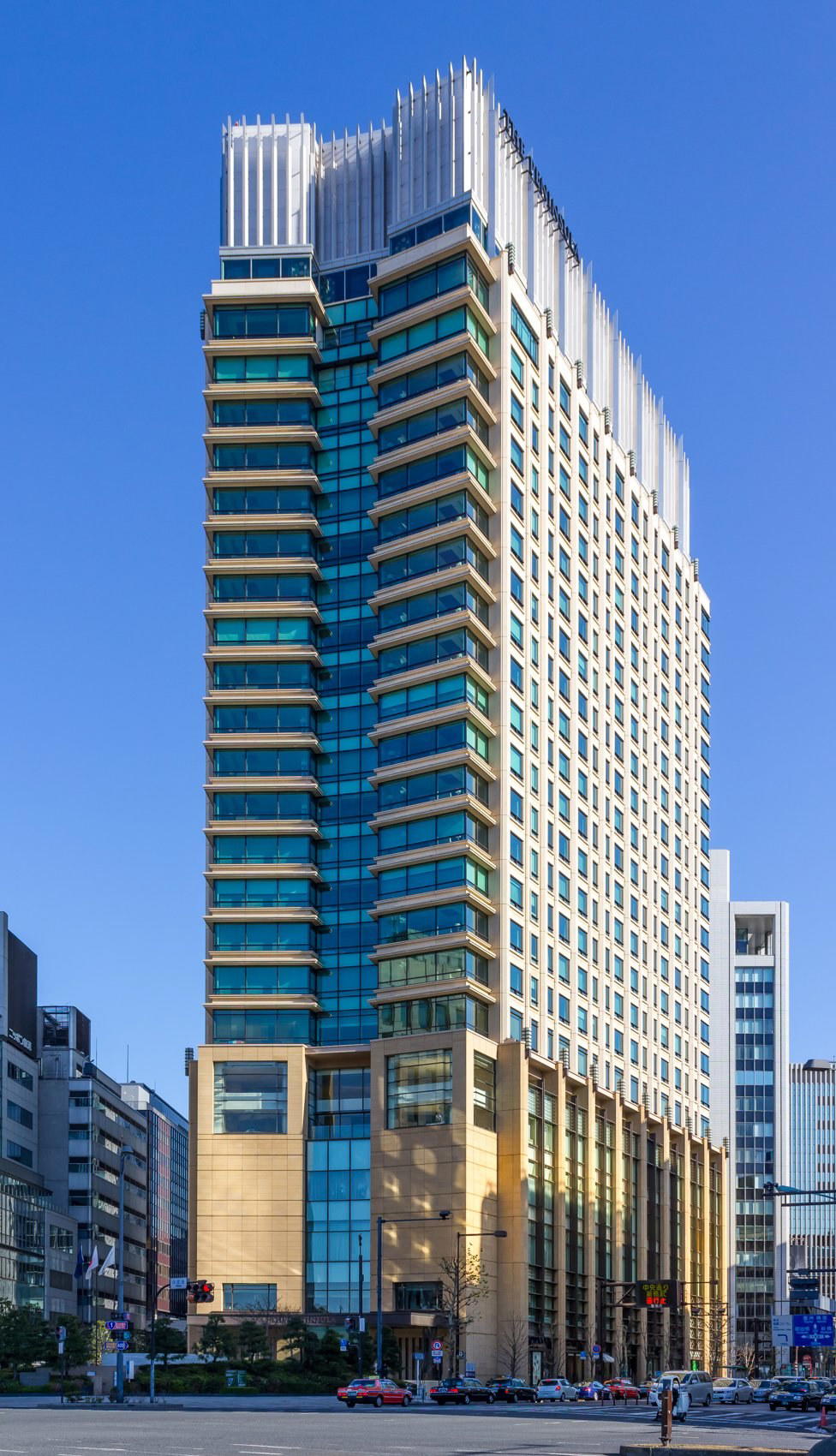
Yama no Ue occupies the 13th floor of GINZA SIX, one of Ginza's most architecturally deliberate retail towers, placing it inside a competitive tier where address and elevation carry as much weight as the plate. The restaurant sits within a district where the gap between lunch and dinner pricing can run to several multiples, making time-of-day choices a genuine editorial consideration for anyone planning a visit to Tokyo's upper dining bracket.
Pearl is the En Primeur Club membership app — saves, bookings, and concierge access live there. Same editors, same standards.
- Address
- Japan, 〒104-0061 Tokyo, Chuo City, Ginza, 6 Chome−10−1 GINZA SIX 13F
- Phone
- +81362645516
- Website
- yamanoue-hotel.co.jp
 Saves & bookings on Pearl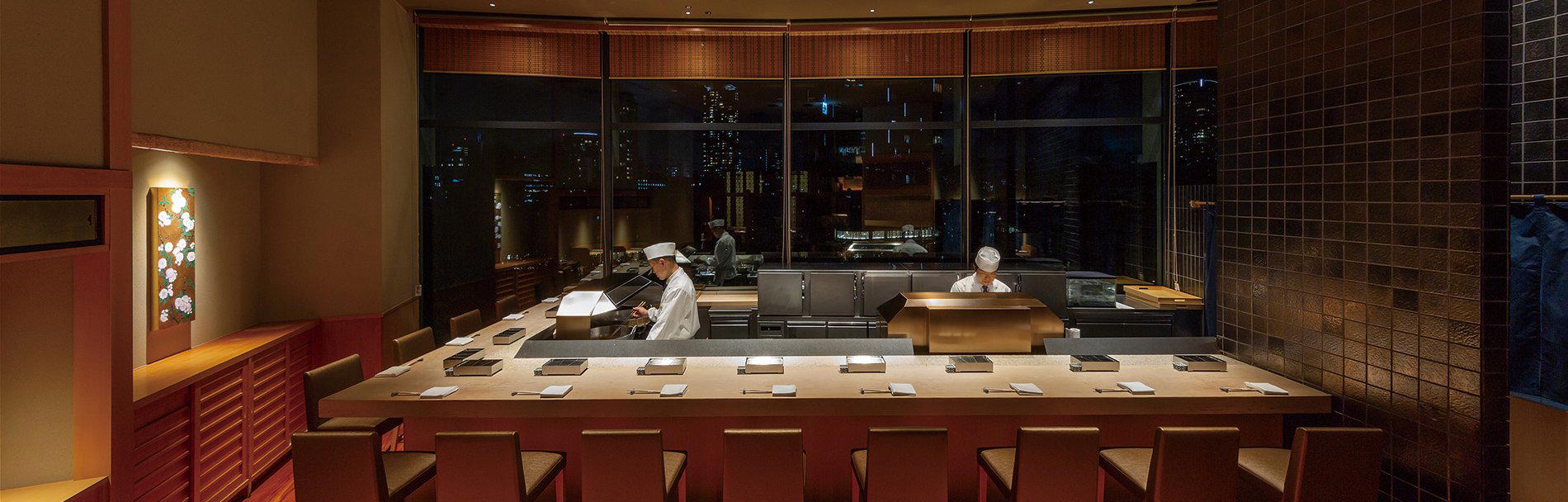
Ginza at Altitude: What the 13th Floor Signals
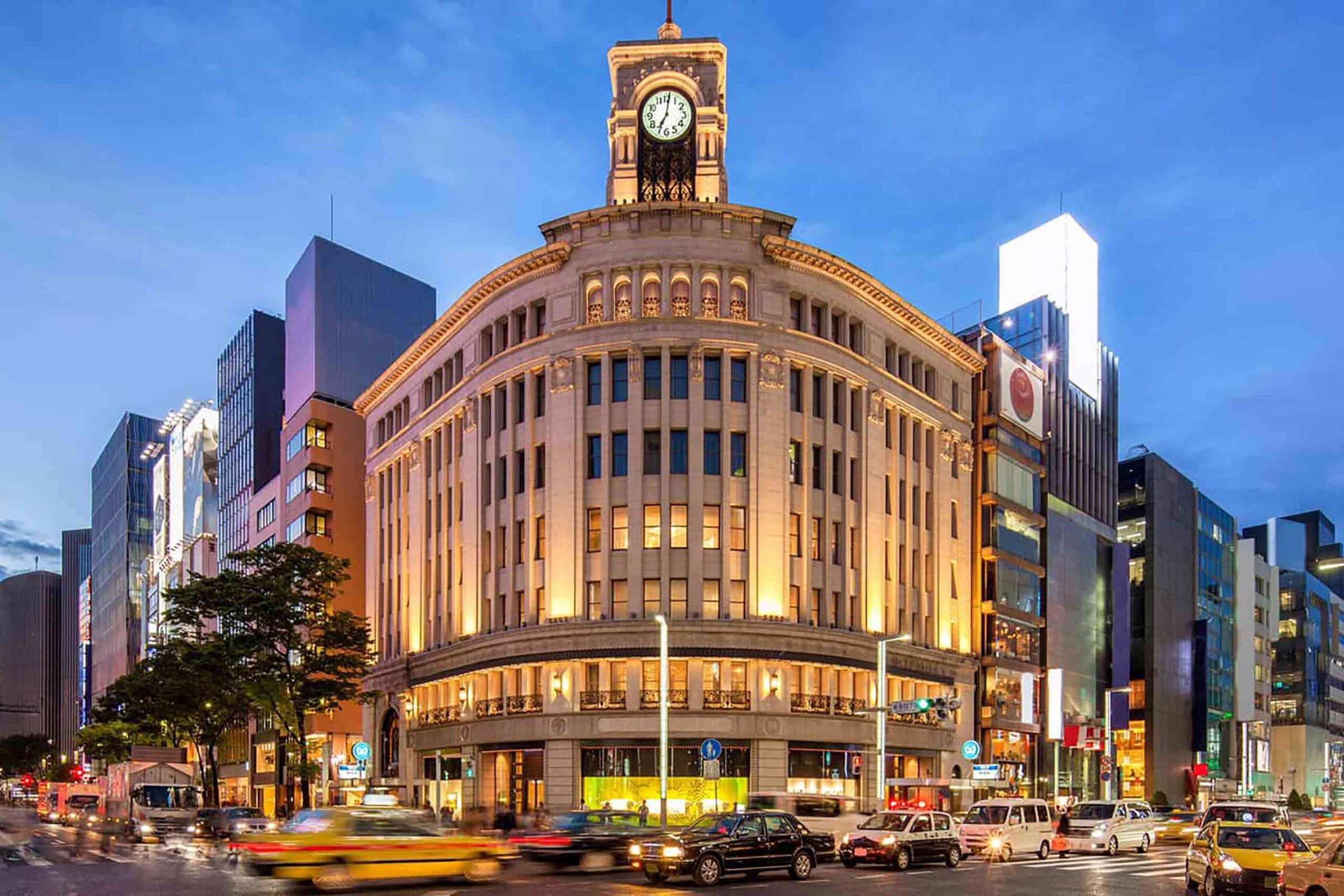
Yama no Ue is a restaurant in Tokyo's Ginza district, serving Edo-Style Tempura. The neighbourhood's most discussed tables no longer sit at street level; they occupy the upper floors of purpose-built retail towers, where the combination of controlled access, curated neighbours, and city views creates a context that influences how a meal is read before a single course arrives. GINZA SIX concentrates this tendency on a single structure. Yama no Ue, positioned on the 13th floor, inherits that framing automatically. The name itself, translating roughly as "atop the mountain," reads less like a coincidence and more like a deliberate positioning statement within a building already designed to signal arrival.
That context matters when placing Yama no Ue against its Ginza peers. Counters like Harutaka operate at the ¥¥¥¥ tier in more discreet, low-signage formats, while French kitchens such as Sézanne and L'Effervescence anchor their authority in accumulated critical recognition and international awards. The tower-leading format represents a third model, one where physical position within a landmark building carries its own significance alongside the kitchen's output.
The Lunch and Dinner Divide in Tokyo's Upper Tier
Across Tokyo's premium dining category, the distance between lunch and dinner is rarely just a matter of hours. At the ¥¥¥¥ end of the market, dinner service typically runs longer, carries a broader course count, and commands pricing that can be two to three times the midday equivalent. Lunch, by contrast, has become a strategic entry point: the same kitchen, the same address, often the same sourcing, but at a price that allows a broader range of guests to access the format without the full commitment of an evening reservation.
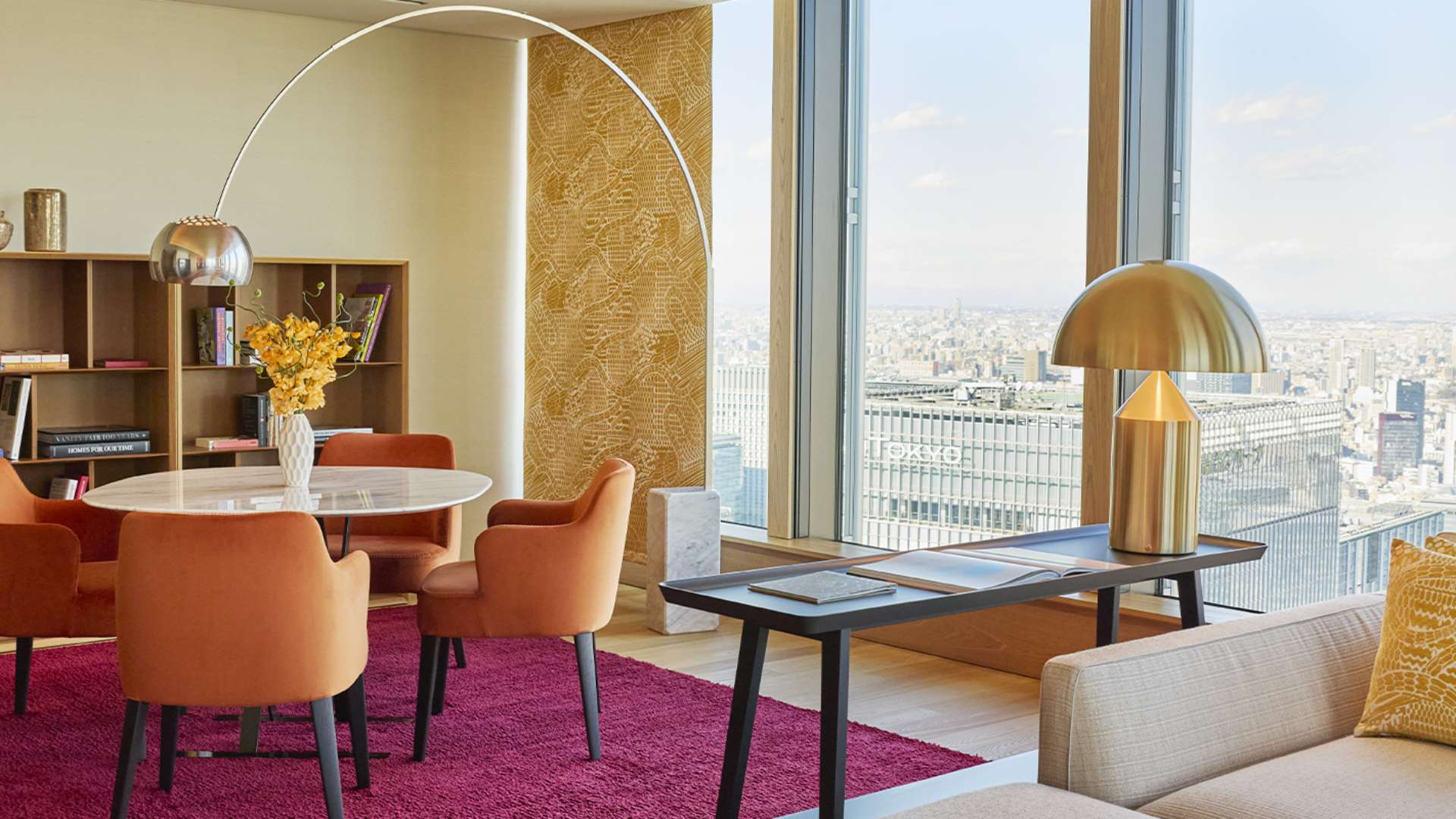
This structural reality is particularly visible in Ginza, where real estate costs and operational overhead push dinner pricing toward figures that require deliberate budgeting. RyuGin, a few minutes from GINZA SIX, runs its kaiseki progression at evening rates that reflect both ingredient cost and service length. Crony in the same neighbourhood applies a similar tiered logic to its French-inflected menu. For the restaurant, the 13th-floor setting adds a layer to this calculation: natural light during lunch hours transforms the spatial experience in ways that an evening visit, however well-lit artificially, cannot replicate. Diners who prioritise the view alongside the meal have a concrete reason to consider the midday slot over dinner, independent of any pricing differential.
Evening service at altitude-positioned restaurants in Tokyo tends to shift toward a different mood entirely. The city lights that replace a daytime skyline create a more theatrical register, and kitchens in this tier often pace their evening sequences accordingly, building toward a longer experience. Time-of-day choice remains worth considering, as lunch and dinner can feel quite different at altitude. For comparable reference points in Japan's broader fine-dining geography, Gion Sasaki in Kyoto and HAJIME in Osaka each illustrate how the lunch-dinner divide operates at the highest tier outside Tokyo.
Location and the Tower Dining Format
GINZA SIX's 13th floor is not a destination that rewards casual discovery. The building's vertical organisation means that reaching the restaurant involves a deliberate sequence: entering the tower on Chuo-dori, taking dedicated lifts, and emerging into a floor-plan that separates its restaurant tenants from the retail below. That physical distance from the street is part of the product. In a district where the density of options at ground level can feel overwhelming, the tower-leading format offers compression: the decision has already been made by the time you step out of the lift.
Getting to GINZA SIX from central Tokyo is direct. The building sits a short walk from Ginza Station on the Tokyo Metro Ginza, Marunouchi, and Hibiya lines, and is equally accessible from Higashi-Ginza on the Toei Asakusa line. The tower's address at 6-10-1 Ginza places it at the heart of the ward's main commercial axis, which means arriving by foot from neighbouring areas is a realistic option during daylight hours. For travellers staying in adjacent districts such as Marunouchi or Nihonbashi, the journey is under ten minutes.
The concentration of high-calibre dining within GINZA SIX itself reflects a broader trend in Tokyo's premium hospitality market: the aggregation of restaurant tenants within luxury retail environments creates a self-reinforcing context that individual standalone venues take years to build.
Where Yama no Ue Sits in a Wider Circuit
For travellers building an itinerary that extends beyond Tokyo, the restaurant's Ginza position makes it a useful anchor for a journey that continues through Japan's regional dining circuit. akordu in Nara represents the kind of European-trained precision that has taken root in smaller cities, while Goh in Fukuoka operates in a format that reflects Kyushu's distinct ingredient culture. Further afield, venues such as 一本杉 川島家 in Nanao, 夕都山乃 in Sapporo, 湖麺屋ビップ in Takashima, 羽根屋 in Nishikawa Machi, Birdland in Sakai, and Bistro Ange in Toyohashi each offer a different register of the country's dining depth. For international benchmarking, the contrast with New York's equivalent tier, represented by Le Bernardin and Atomix, is instructive: both cities have moved toward formats where the room and its vertical position within a building carry independent meaning alongside the kitchen's output.
Planning a Visit
Prospective visitors should confirm details directly before booking. Hours, reservation policy, and current pricing should be confirmed directly with the venue. The lunch slot warrants specific attention for first-time visitors: in Ginza's tower-dining format, midday typically offers the clearest access to the spatial experience at a lower cost threshold than the evening equivalent. Booking in advance is advisable.
Reputation Context
Comparable venues nearby, for context on price, style, and recognition.
| Venue | Cuisine | Price | Notes |
|---|---|---|---|
| Yama no UeThis venue — the venue you are viewing | Edo-Style Tempura | $$$$ | Not listed |
| きよ田 離れ | Edomae Sushi Omakase | $$$$ | Ginza |
| 精进料理 醍醐 | Shojin-ryori Buddhist vegetarian kaiseki | $$$$ | Minato (Atago) |
| Nancahome Kyoboshi | Traditional Tempura | $$$$ | Chūō |
| Shiseido Parlour | Classic Yoshoku | $$$$ | Chūō |
| Namba | Modern Edomae Omakase | $$$$ | Chiyoda |
Recognition history
Dated appearances from independent guides and award organizations, with the underlying list record or original source where available.
Opinionated About Dining Top Restaurants in Japan Recommended
Opinionated About Dining





At a Glance
- Classic
- Elegant
- Well Known
- Sophisticated
- Business Dinner
- Special Occasion
- Date Night
- Chefs Counter
- Historic Building
- Hotel Restaurant
- Open Kitchen
- Local Sourcing
Current opening hours
- Monday
- 11 AM–3 PM, 5–10 PM
- Tuesday
- 11 AM–3 PM, 5–10 PM
- Wednesday
- 11 AM–3 PM, 5–10 PM
- Thursday
- 11 AM–3 PM, 5–10 PM
- Friday
- 11 AM–3 PM, 5–10 PM
- Saturday
- 11 AM–3 PM, 5–10 PM
- Sunday
- 11 AM–3 PM, 5–10 PM
Hours can change for holidays and private events. Last verified .
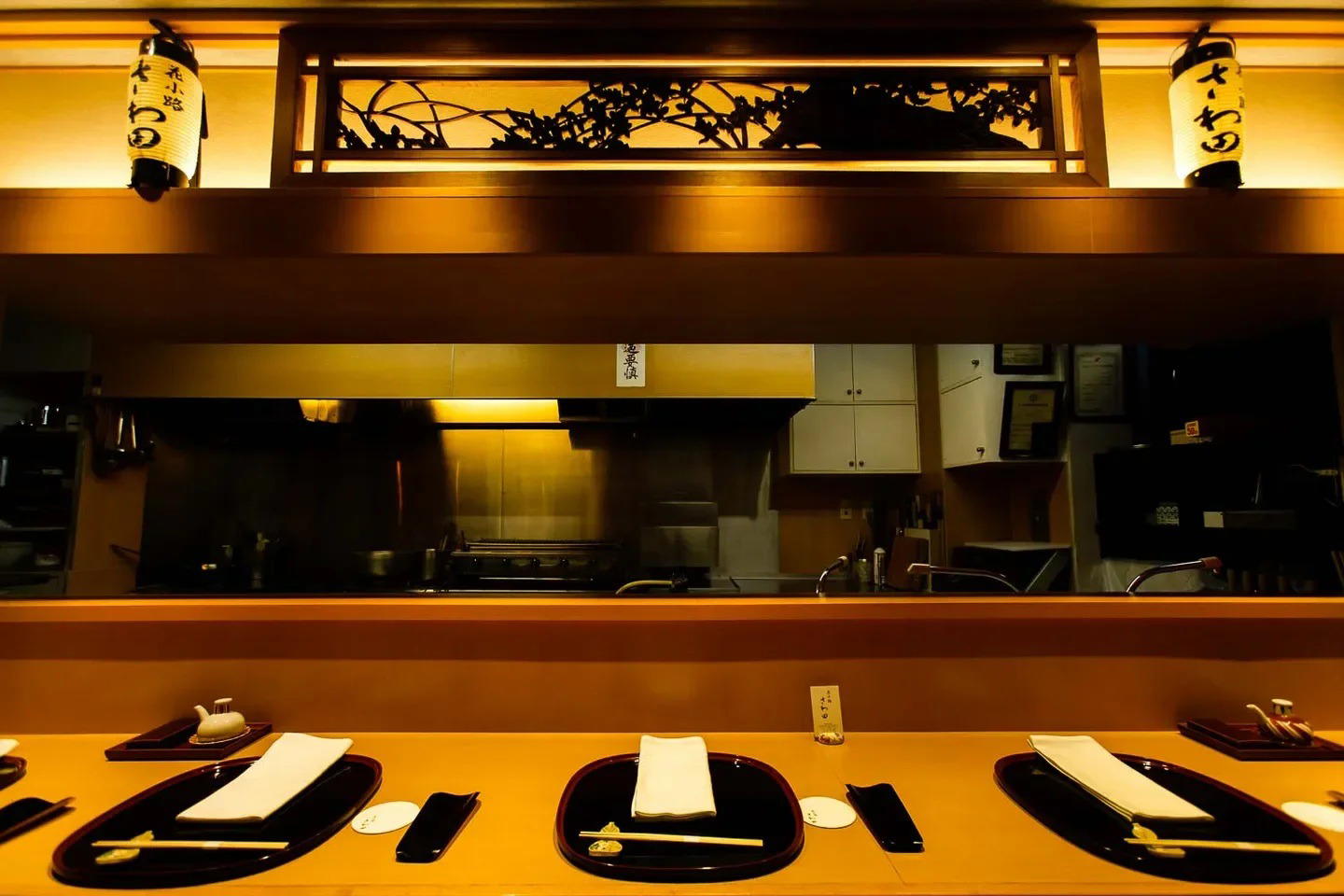
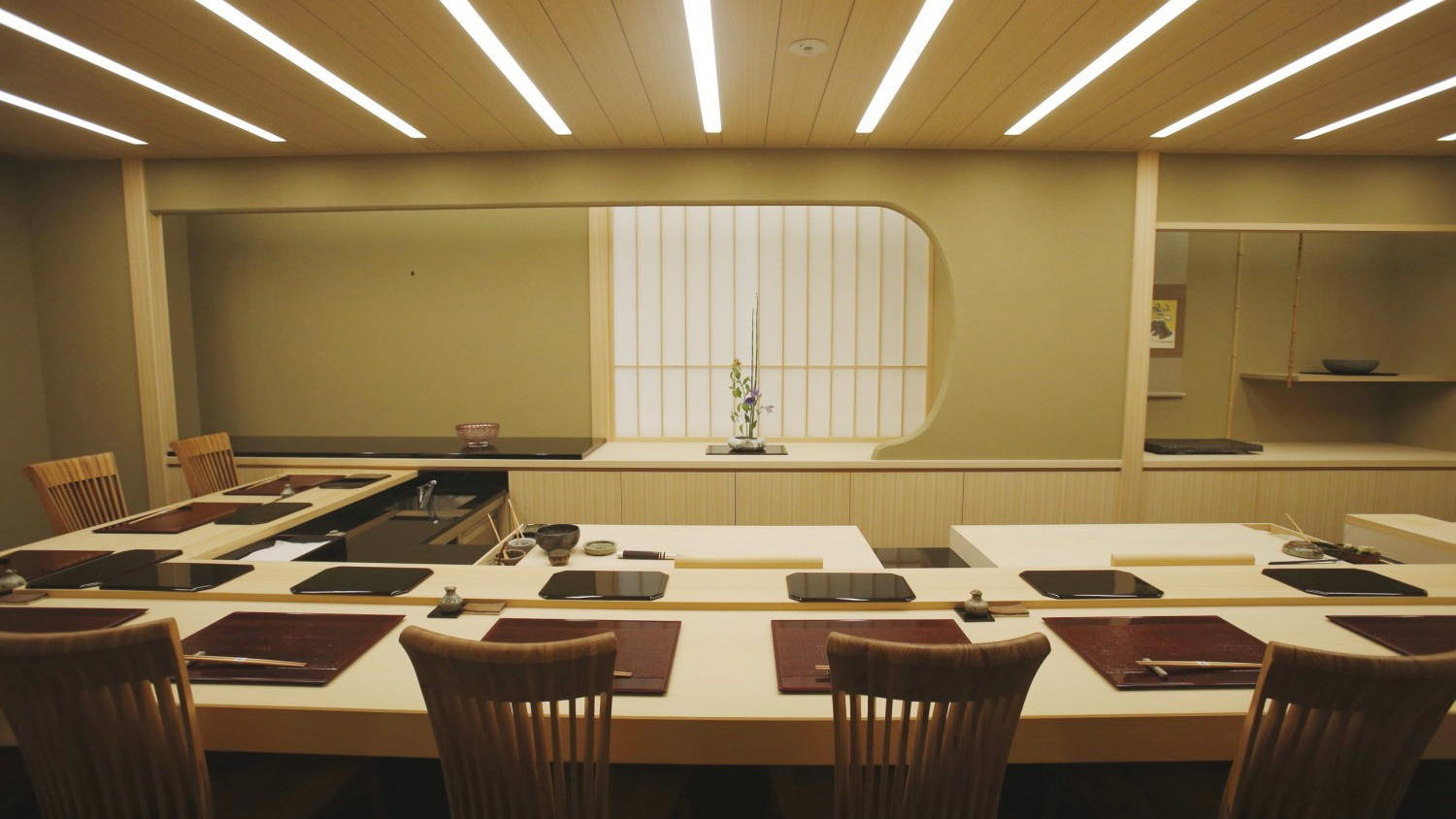
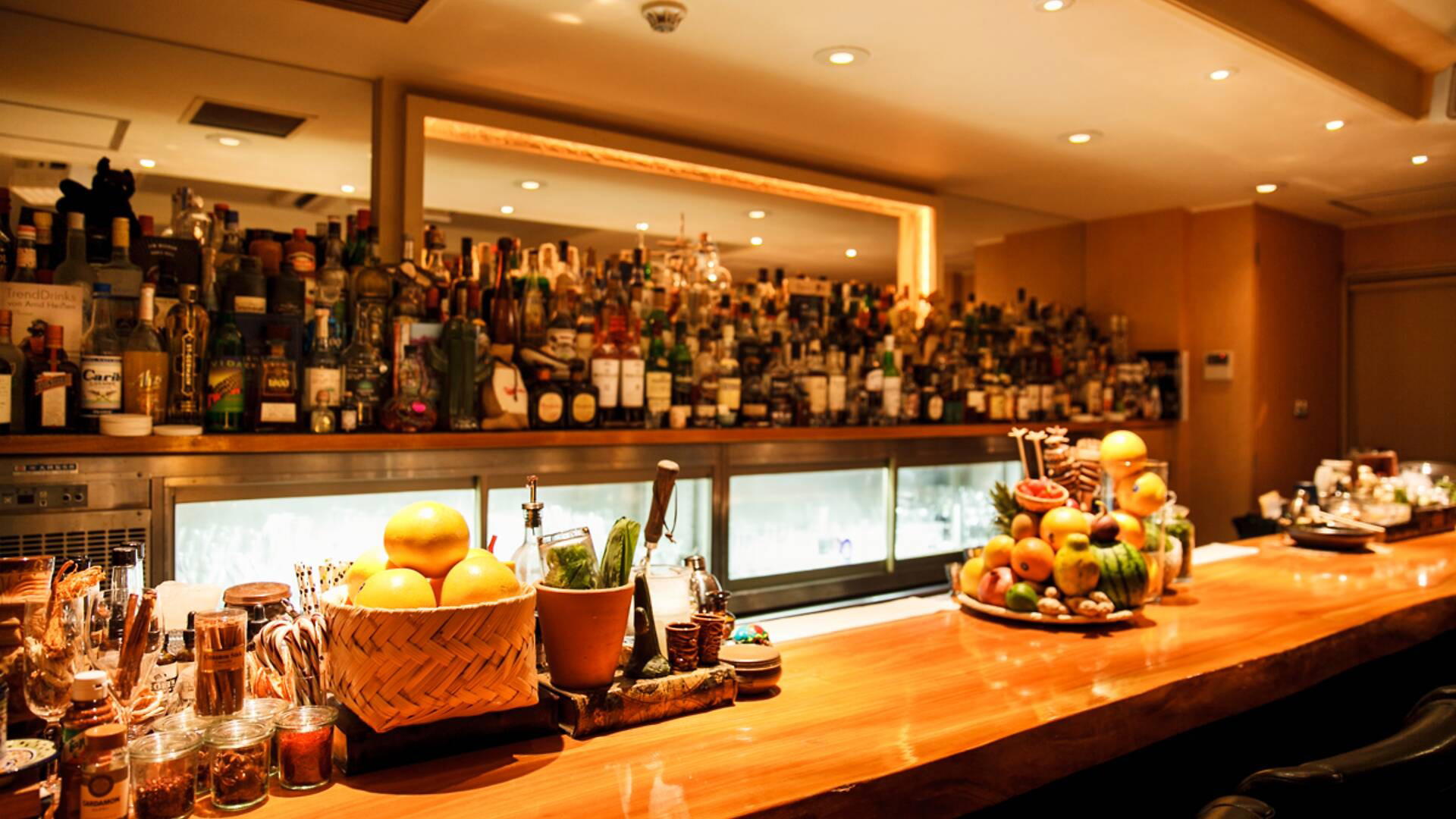
Traditional Japanese dining with a large rectangular counter bar as the focal point; intimate and refined atmosphere with classical hotel setting and old-style ice-chest preservation methods.