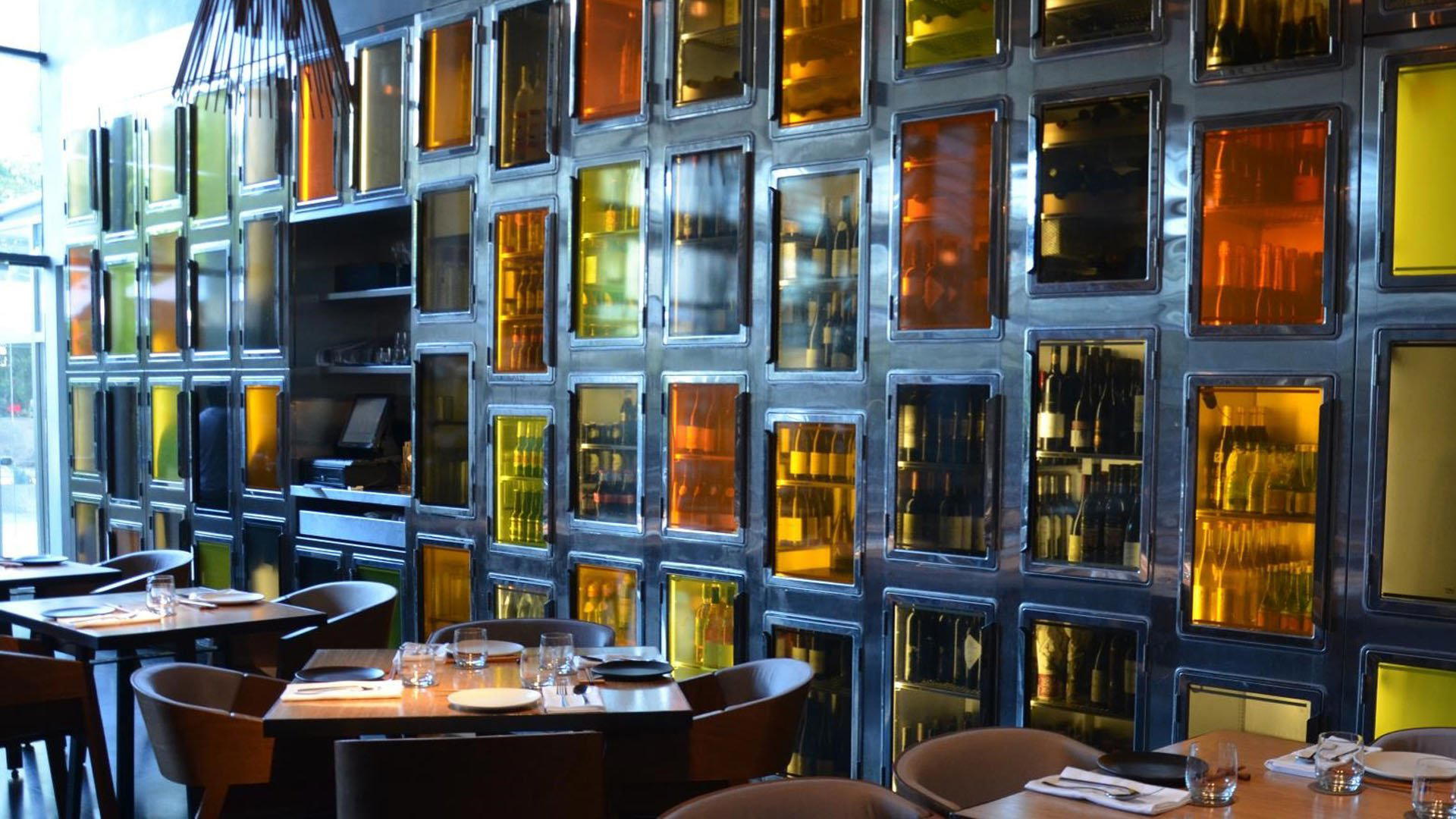
The Culinary Workshop pairs Modern French Grill with Israeli Fusion cooking with craft cocktails, an open kitchen, and a leisurely pace on Hebron Rd in Jerusalem.
Pearl is the En Primeur Club membership app — saves, bookings, and concierge access live there. Same editors, same standards.
- Address
- Hebron Rd 28, Jerusalem, Israel
- Phone
- +97225672265
- Website
- sdnrest.com
- Directions
- Get directions
 Saves & bookings on Pearl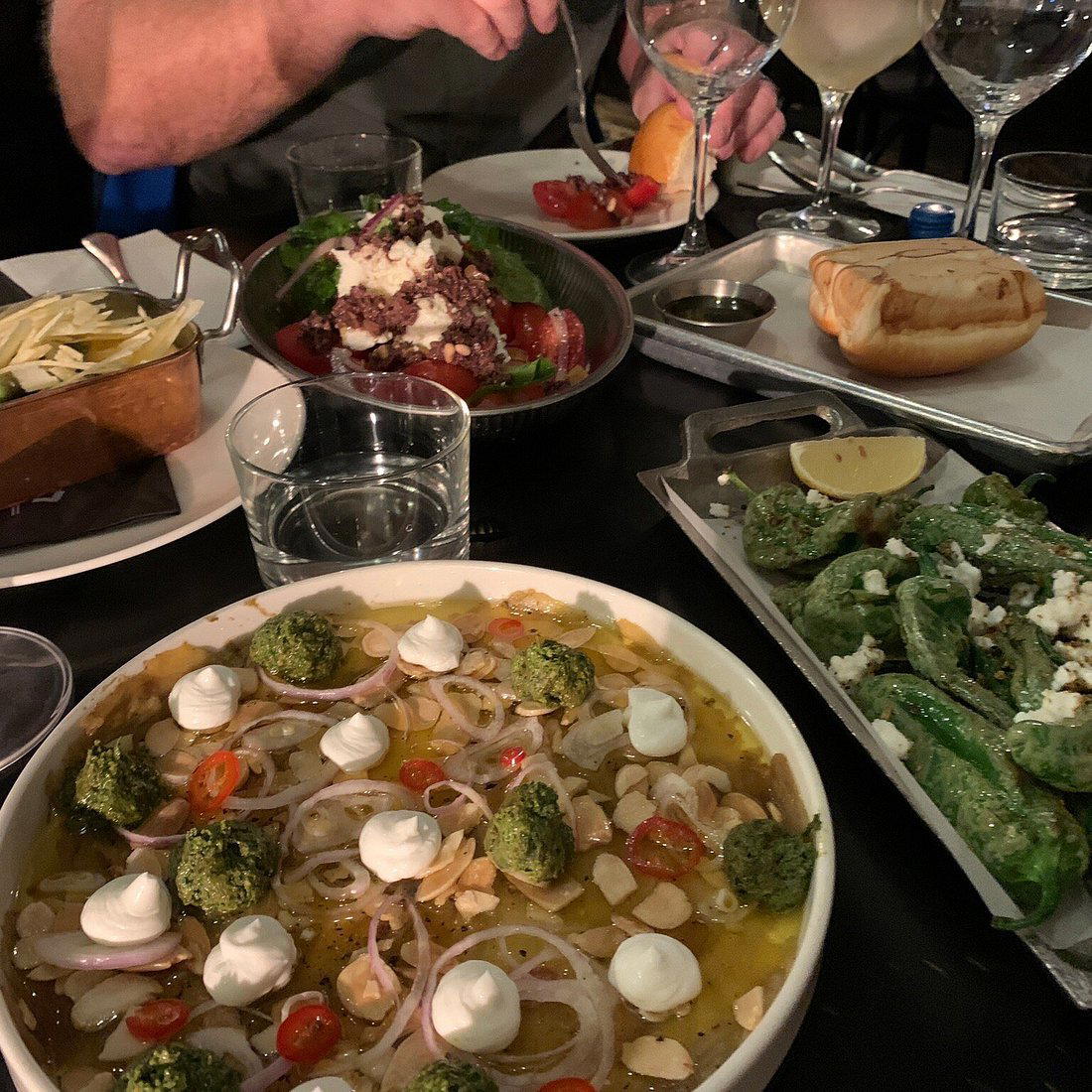
Hebron Road and the Southern Approach to Jerusalem Dining
Hebron Road runs south from the city center, threading past institutional buildings, stone walls, and neighborhoods that tourists rarely reach before doubling back toward the Old City. It is not the address Jerusalem's most celebrated restaurants have staked their reputations on. That distinction belongs to the streets around Mahane Yehuda market, where Machneyuda (Israeli) and its neighbors have defined the city's modern dining identity for over a decade, or to the leafy stretches near the German Colony, where places like Mona draw a steady crowd of residents and visitors alike. The Culinary Workshop, at Hebron Rd 28, occupies a different axis of the city entirely, and that location is the first thing worth understanding about it.
In Jerusalem, where dining density clusters tightly around a handful of recognized corridors, a workshop-format venue on Hebron Road signals something deliberate about its intended audience. The name itself points away from the theater of the restaurant and toward process, instruction, and participation. Across the region and in comparable cities worldwide, cooking-school and workshop formats have carved out a distinct niche: they sit between the passivity of a restaurant dinner and the formality of a professional culinary program, offering visitors and locals a structured encounter with technique and ingredient. In Jerusalem, where the raw material of local cuisine draws from Levantine, Ottoman, Sephardic, Mizrahi, and Ashkenazi traditions simultaneously, that kind of structured encounter carries particular weight.
What the Workshop Format Means in This City
Jerusalem's food culture is not monolithic. The city operates across parallel food economies: the Arab market kitchens of the Muslim Quarter, the Yemenite and Moroccan household traditions kept alive in specific neighborhoods, the farm-to-table Israeli cooking that has attracted international attention since the early 2000s, and the older Ashkenazi-inflected cooking of long-established residents. Restaurants like Azura and Chakra (Modern Israeli) each occupy a recognizable position within that spectrum. A workshop venue operates differently: rather than presenting a finished version of one tradition, it can move across multiple culinary registers and let participants engage with technique rather than simply consume the result.
That distinction matters more in Jerusalem than in many other cities. Visitors to the city frequently arrive with strong prior associations, whether religious, historical, or political, and food becomes one of the more neutral and genuinely pleasurable ways to encounter a complicated place. A workshop format, in that context, offers something a restaurant dinner cannot: the act of making, not just eating, which tends to produce a different quality of attention to ingredient and method. The same principle has driven similar formats in cities like Istanbul, Oaxaca, and Bologna, where culinary tourism has moved from passive consumption toward participatory experience.
For a broader view of where The Culinary Workshop sits within Jerusalem's dining options, the full Jerusalem restaurants guide maps the city's key venues by neighborhood and format.
The Location as Context
Hebron Road is a long, commercially mixed street. Its southern end approaches the neighborhood of Arnona and, further, the city's outer residential districts. At number 28, the surrounding environment is unlikely to provide the kind of ambient density that marks, say, the streets around Menza. That comparative quietness is not a disadvantage for a workshop format. Cooking classes and culinary experiences generally perform better when they are not competing with street noise, adjacent terraces, and the general bustle of a busy dining corridor. The setting rewards the kind of deliberate visit, rather than the spontaneous walk-in, that the format itself demands.
Logistics matter here. Jerusalem's public transit network connects most of the city's main arteries, and Hebron Road is served by routes running between the city center and the southern neighborhoods. For visitors staying in the center or near the Old City, the journey is manageable, though planning the trip in advance is advisable rather than assuming walkability from the main tourist areas.
Israeli Cooking as Workshop Material
The intellectual case for a culinary workshop in Jerusalem rests partly on the complexity of the local pantry. Za'atar, sumac, tahini, freekeh, preserved lemon, baharat spice blends, and the layered dairy and pastry traditions of various diaspora communities all compete for attention in a city where culinary history is genuinely stratified. Teaching that material well requires more than a recipe handout. It requires a framework for understanding why certain combinations recur, where the techniques originated, and how they have been adapted across communities and generations.
Israel's broader restaurant scene has received increasing international attention over the past decade. Venues like Uri Buri in Acre and Diana in Nazareth have long been cited as reference points for Arab-Israeli cooking. Further afield, Herbert Samuel Herzliya in Herzliya represents the modern Israeli fine-dining tier. In Jerusalem itself, the neighborhood restaurant Majda in Har Nof has built a following for its Arab-Jewish kitchen. Against that backdrop, a workshop venue on Hebron Road has ample source material to draw from, provided the programming is substantive enough to justify the format.
Placing the Venue in a Wider Israeli Context
Workshop and experience-led dining formats have become a recognizable category across Israel's food scene. In Tel Aviv, venues like Kab Kem represent the energy that defines the city's more casual, culturally specific food offer. Further south, Pitmaster Beer-Sheva in Beersheba demonstrates how regional cities have developed distinct culinary identities independent of the Tel Aviv and Jerusalem centers. Even beyond Israel's borders, the comparison set for participatory food experiences includes venues with strong culinary credentials in coastal and port cities, such as Helena in Caesarea and Abu Hassan in Jaffa, each of which has built a reputation on a specific product or technique executed consistently over years.
Internationally, the comparison set for technically rigorous cooking experiences includes venues like Le Bernardin in New York City and Atomix in New York City, both of which demonstrate what it looks like when a culinary institution builds sustained authority through consistent execution rather than novelty. The standard is high. A workshop venue succeeds when the instruction is as rigorous as the product.
Planning Your Visit
Contacting the venue directly at its Hebron Rd 28 address, or verifying through current local listings, is the practical approach before planning a visit. Workshop-format experiences in this category typically benefit from advance booking, particularly for groups, and sessions tied to specific market days or seasonal ingredient availability tend to fill earliest. Visiting Jerusalem between March and May or September and November places you in the city during its most temperate seasons, when outdoor market access and ingredient quality both support a cooking experience most directly.
Continue exploring
More in Jerusalem
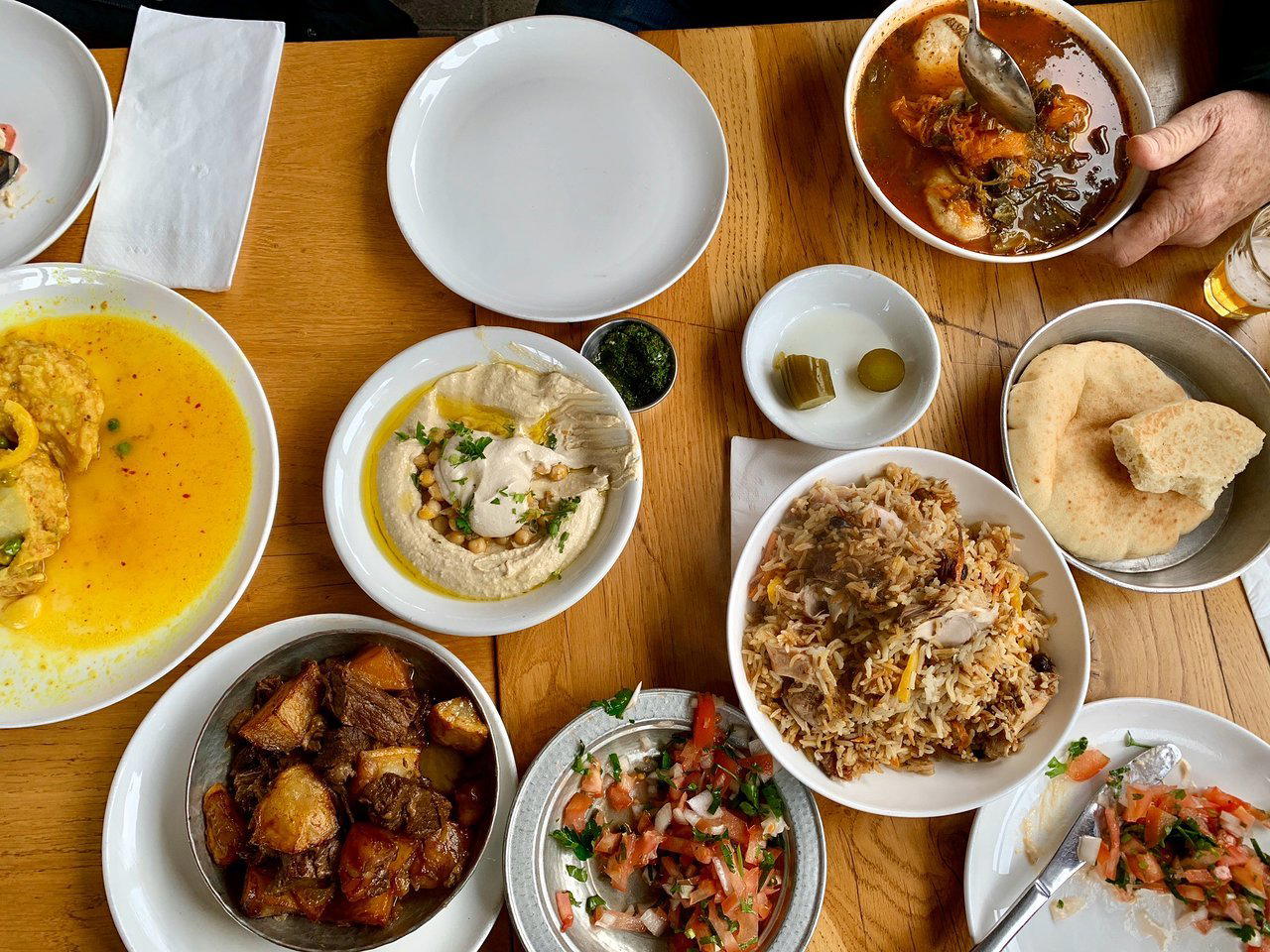
Restaurants in Jerusalem
Browse all →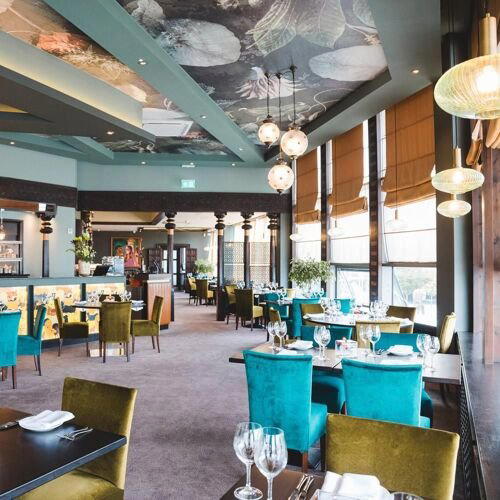
Bars in Jerusalem
Browse all →
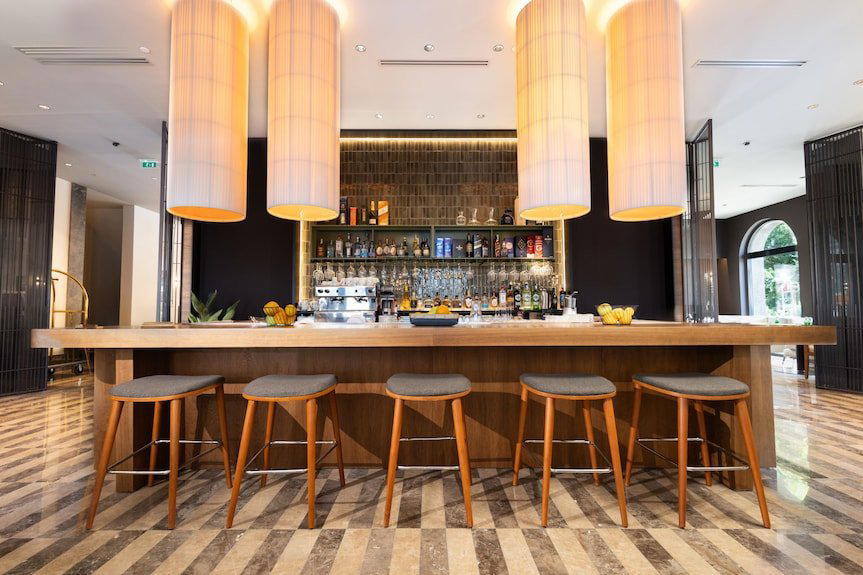
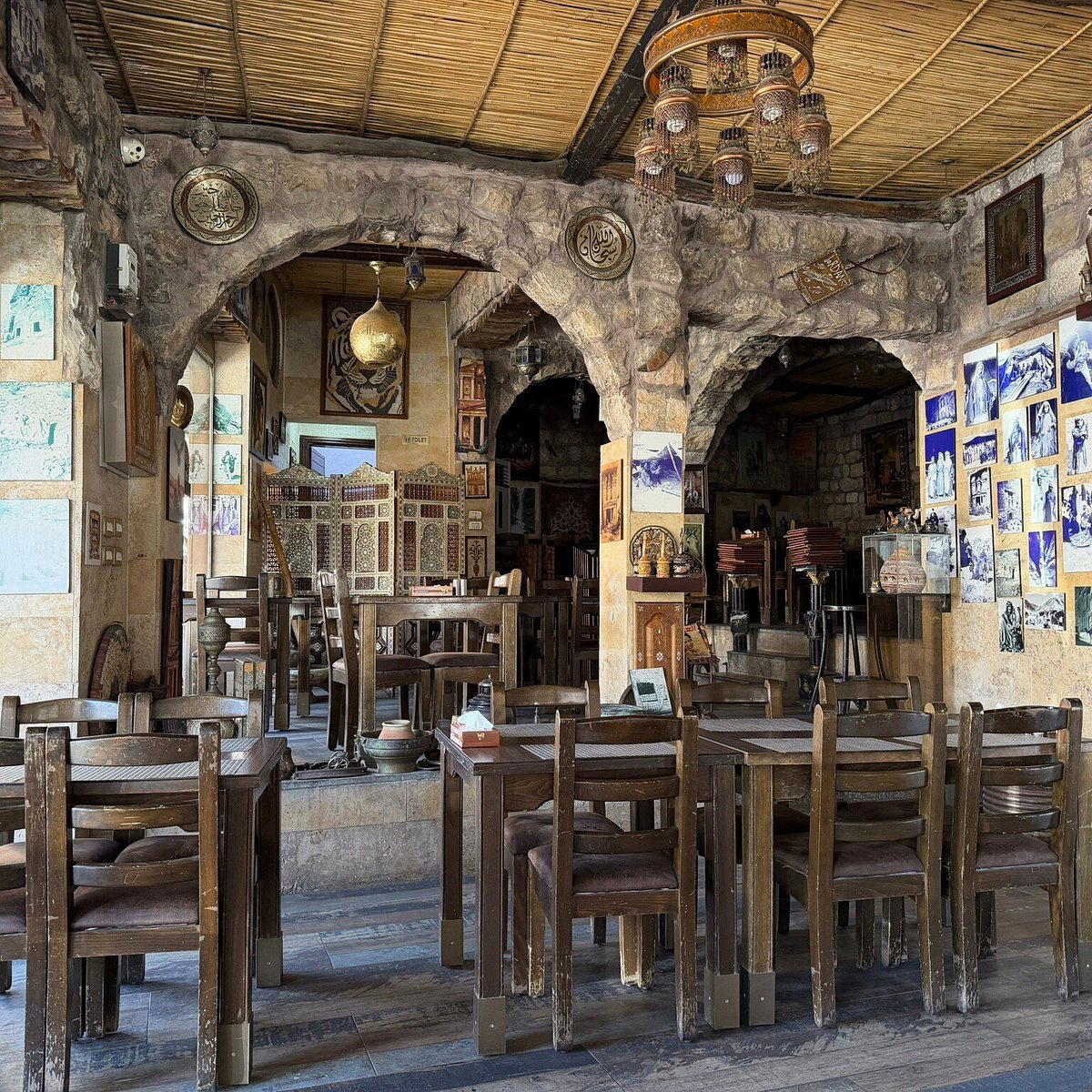
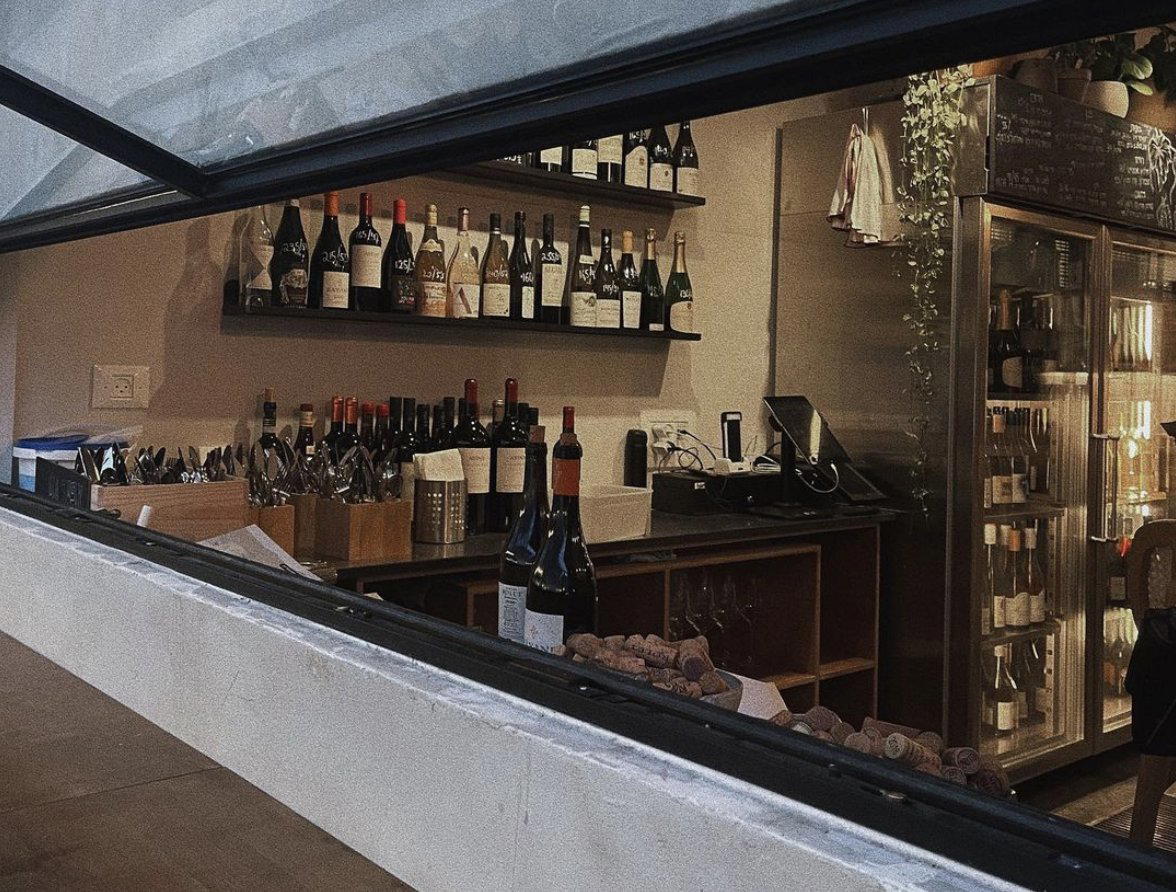
Hotels in Jerusalem
Browse all →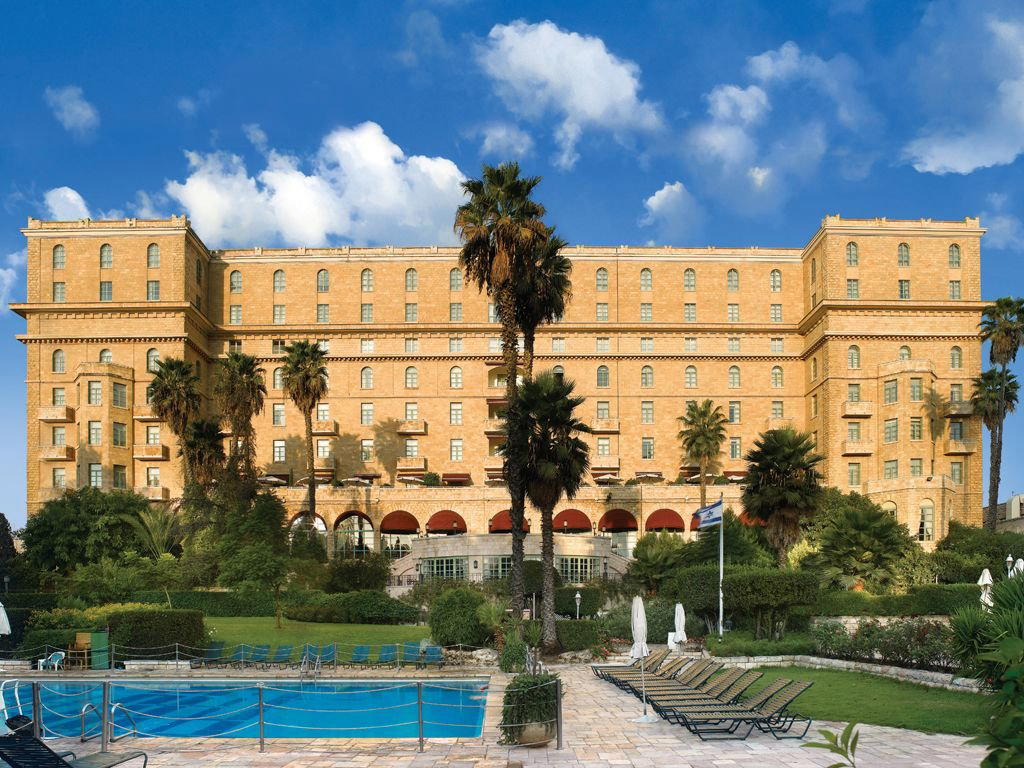

At a Glance
- Trendy
- Lively
- Industrial
- Modern
- Date Night
- Group Dining
- Special Occasion
- Open Kitchen
- Craft Cocktails
- Street Scene
Current opening hours
- Monday
- Closed
- Tuesday
- 6:30–11 PM
- Wednesday
- 6:30–11 PM
- Thursday
- 6:30–11 PM
- Friday
- 6–11 PM
- Saturday
- 12:30–4:30 PM, 6:30–11 PM
- Sunday
- Closed
Hours can change for holidays and private events. Last verified .
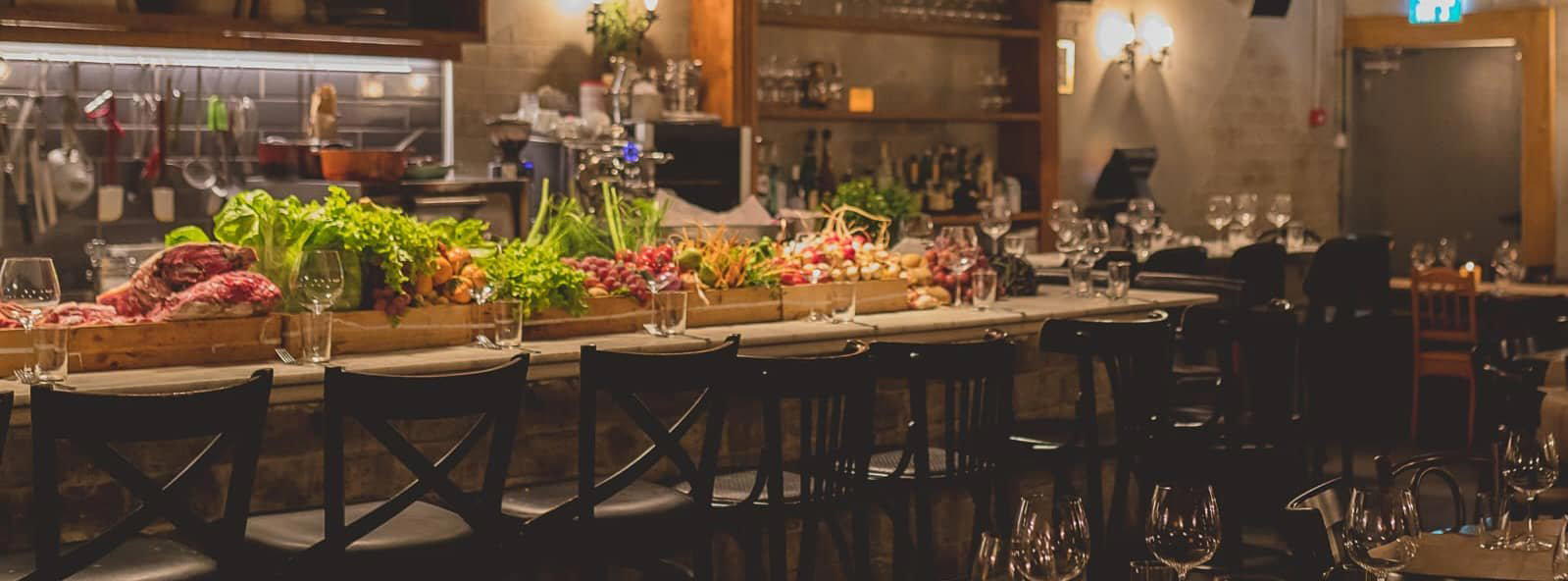
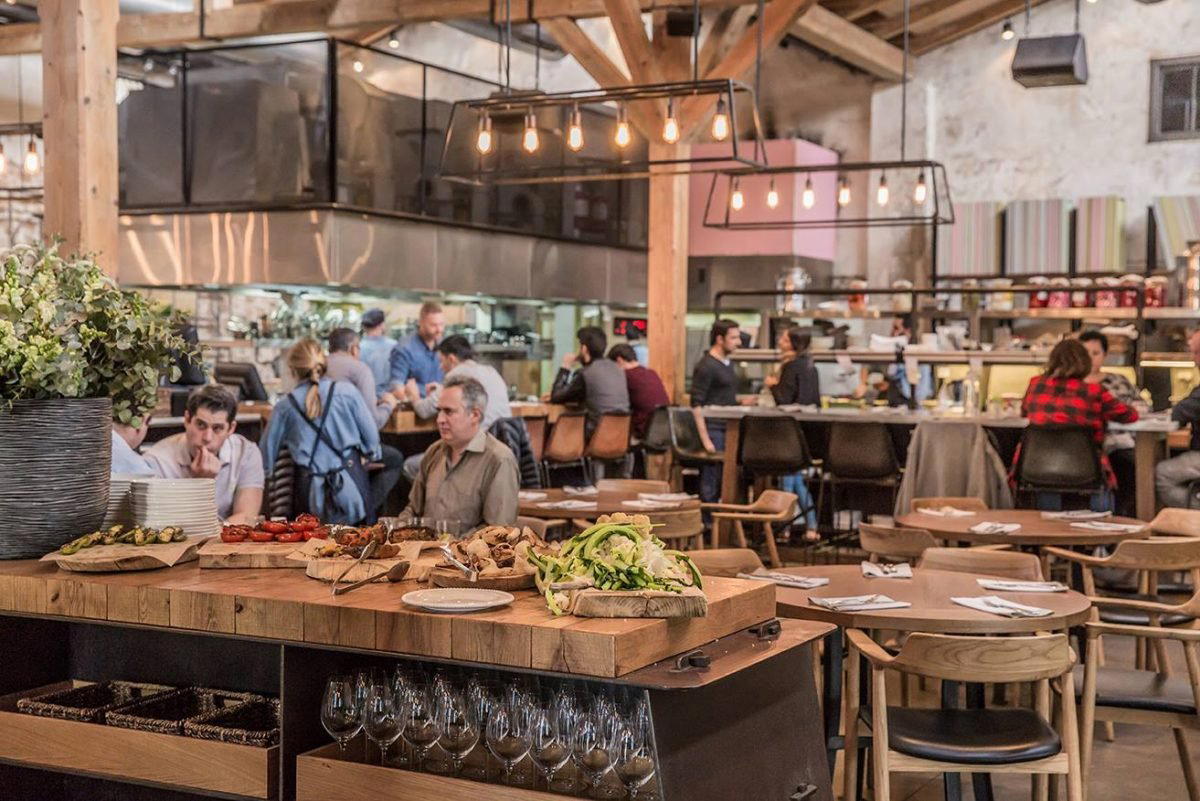
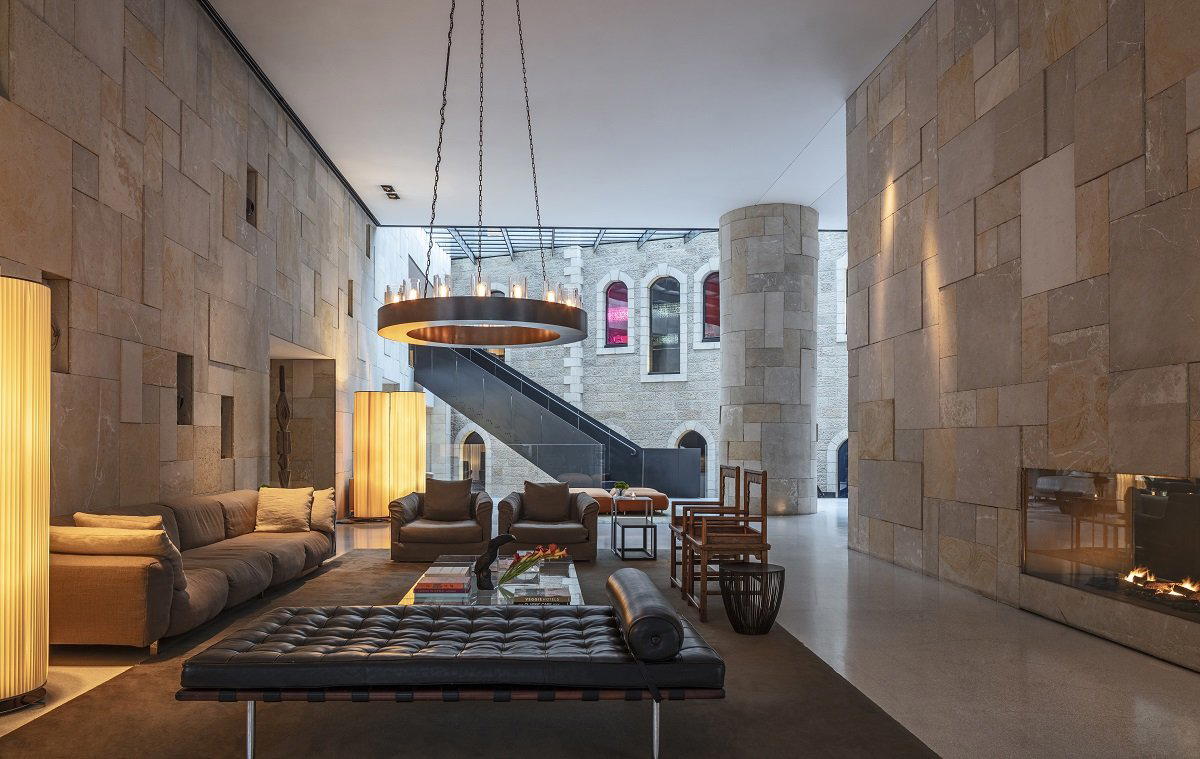
Artfully industrial with New York-style chic interior, pleasant atmosphere, excellent music, lively vibe, and terrace seating; can be noisy with trendy music in evenings.
Know Before You Go
- Getting there
- Hebron Rd 28, Jerusalem, Israel