
Our verdict
HaSalon Tel-Aviv transforms Mediterranean fine dining into theatrical celebration, where Eyal Shani's seasonal Israeli cuisine evolves from intimate dinner to exuberant dance party. Operating just two nights weekly since 2008, this exclusive destination requires months-advance reservations for its revolutionary dual-seating gastro-rave experience.

Pearl is the En Primeur Club membership app, where members save venues, book tables and use the concierge.
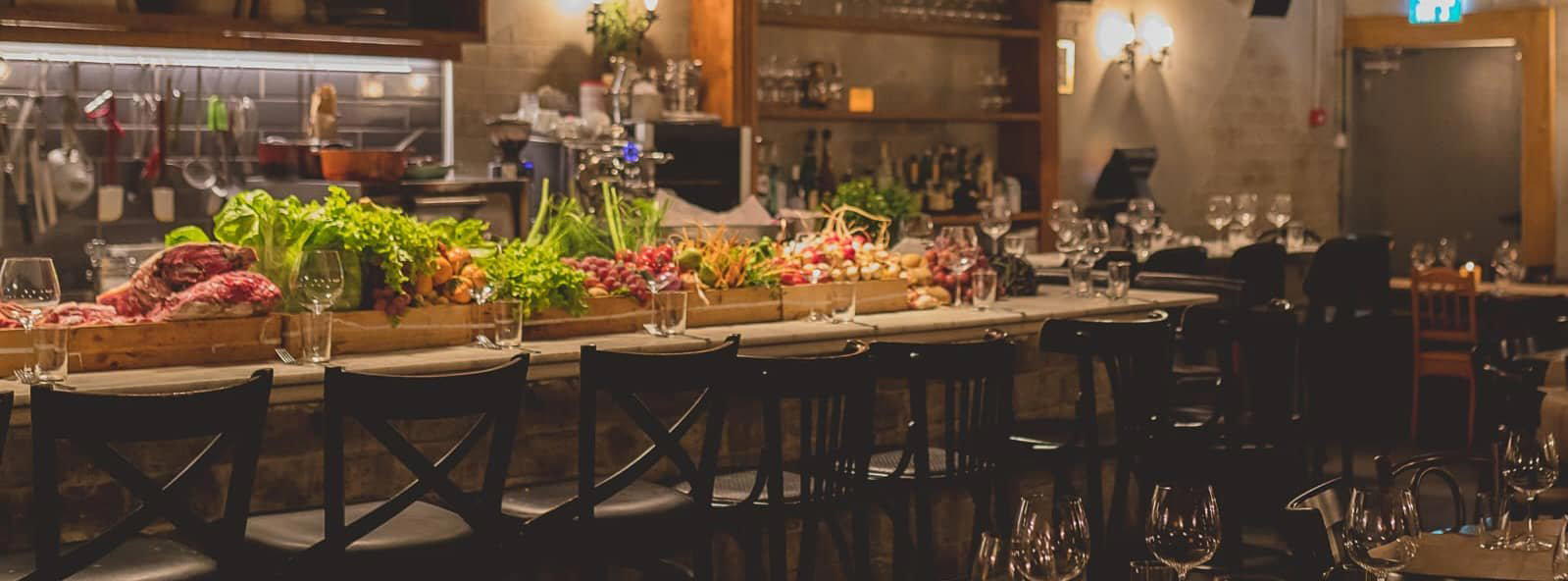
The Room That Sets Its Own Rules
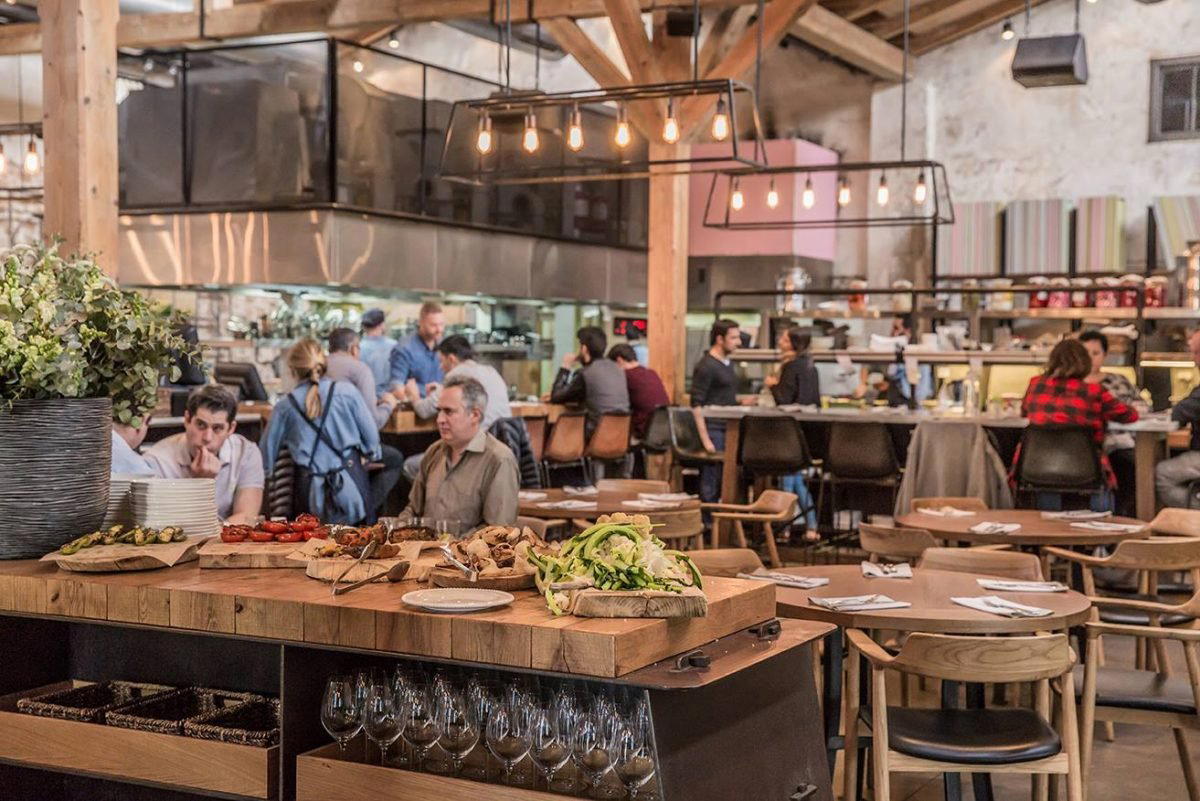
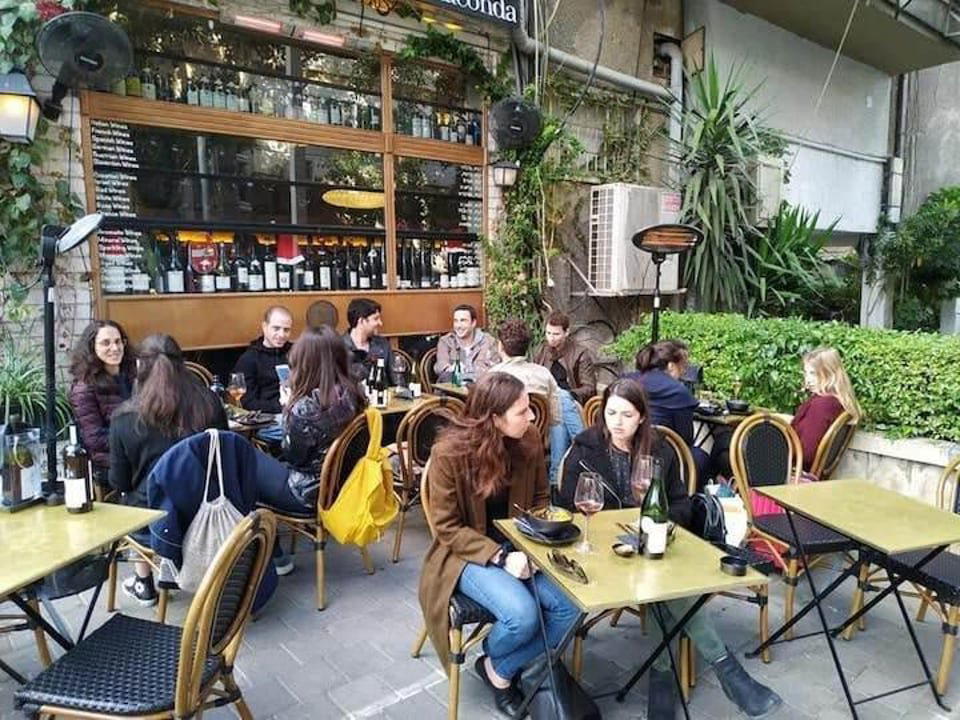
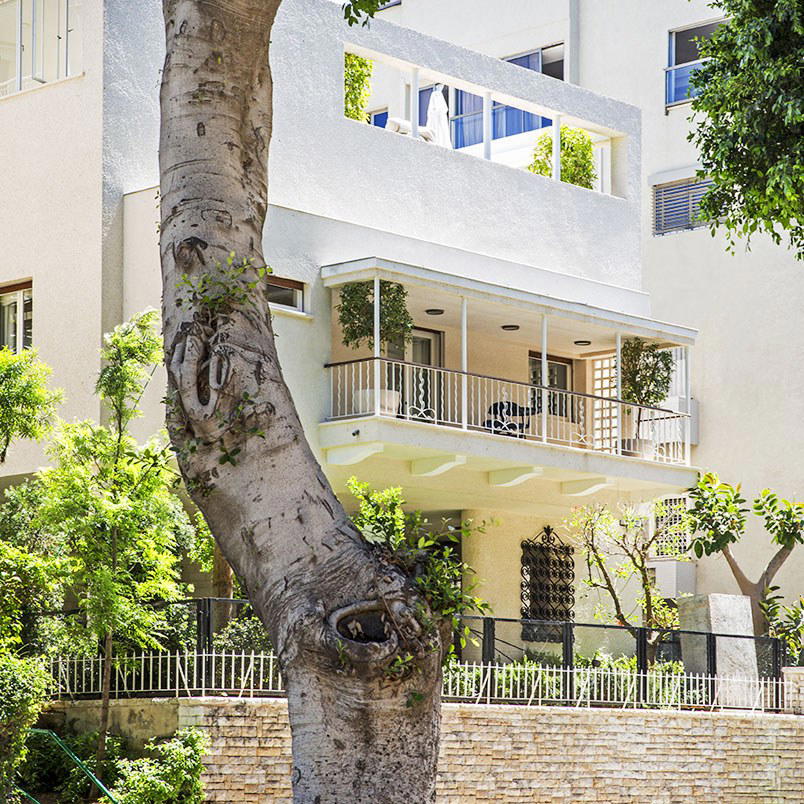
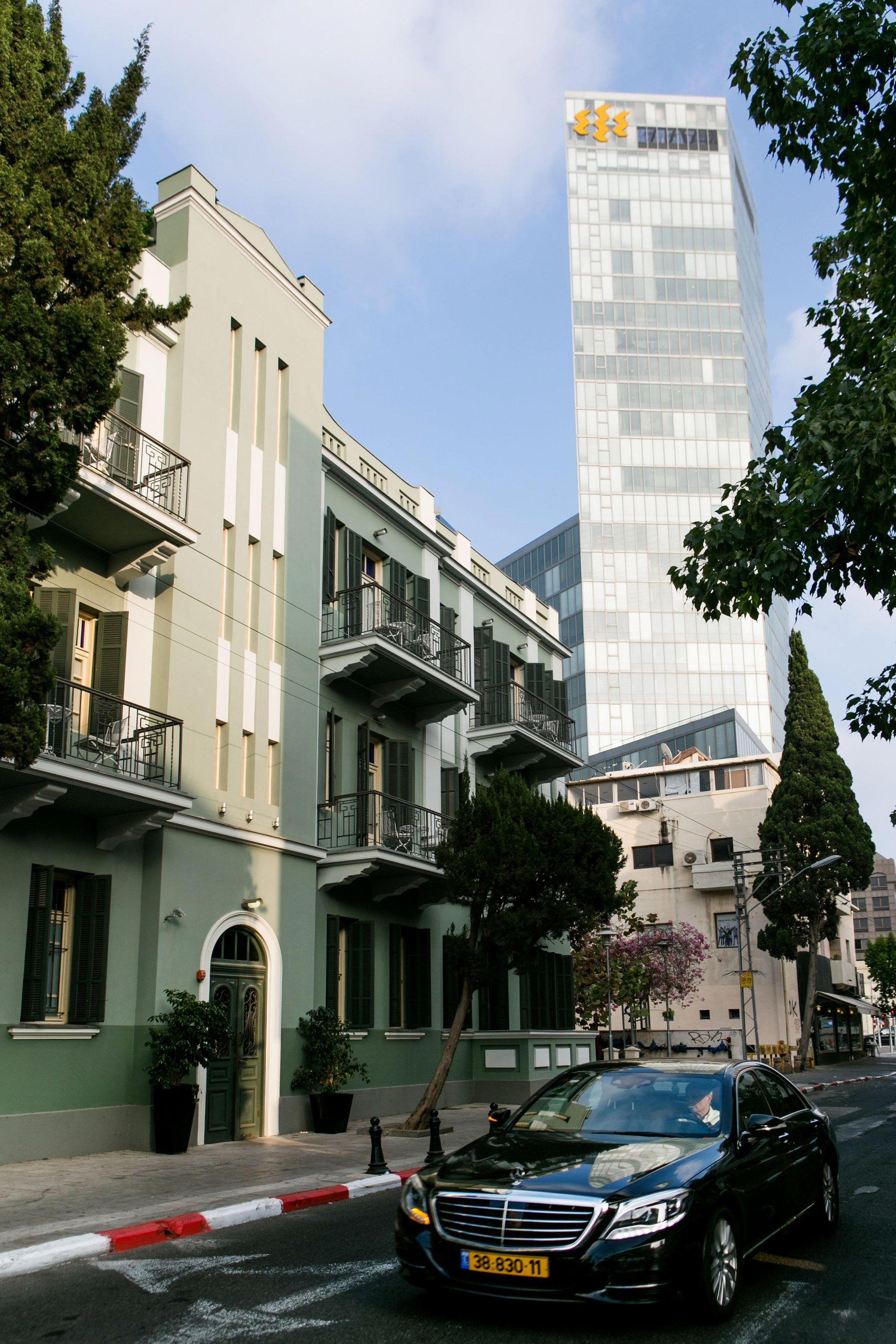
On a narrow residential street in Tel Aviv, the approach to HaSalon offers few signals of what follows. The address on Ma'avar Yabok 8 sits away from the tourist-facing promenades, and the building's exterior gives nothing away. Inside, the room operates somewhere between a communal salon and a theatrical dining hall: long shared tables, a kitchen that feels present rather than concealed, music pitched above the comfortable hum of conversation. The atmosphere is deliberately charged. Tel Aviv's dining culture has always leaned toward the social and the informal, and HaSalon sits at that tradition's most committed edge.
The restaurant opens Wednesday through Friday, from 6:30 to 11:30 pm, with the rest of the week dark. That compressed schedule is not an accident. Many of the city's more ambitious kitchens operate on tight weekly windows, concentrating quality and ensuring the kitchen is never running at half-power. At HaSalon, the limited service days sharpen the energy in the room: when tables fill, they fill with people who planned ahead.
Eyal Shani and the Israeli Approach to Mediterranean Produce
HaSalon is tied to Eyal Shani, a figure whose influence on modern Israeli cuisine extends well beyond any single restaurant. The broader question Shani's work raises is not about personal biography but about what Israeli-Mediterranean cooking looks like when it operates with confidence rather than deference toward European frameworks. The answer, consistently, involves raw ingredient quality treated as the argument itself: vegetables at their seasonal peak, fish handled with restraint, produce sourced to be a statement rather than a background note.
That approach places HaSalon within a wider Tel Aviv tendency. The city's serious restaurants, from Alena at The Norman to Claro, have increasingly built menus around Israeli and regional Mediterranean produce as a primary identity rather than an accent. HaSalon operates at the more charged, less polished end of that spectrum compared with hotel-adjacent dining rooms like Alena, and the result is a room that feels more like an event than a dinner service.
The Wine Programme and Indigenous Varieties
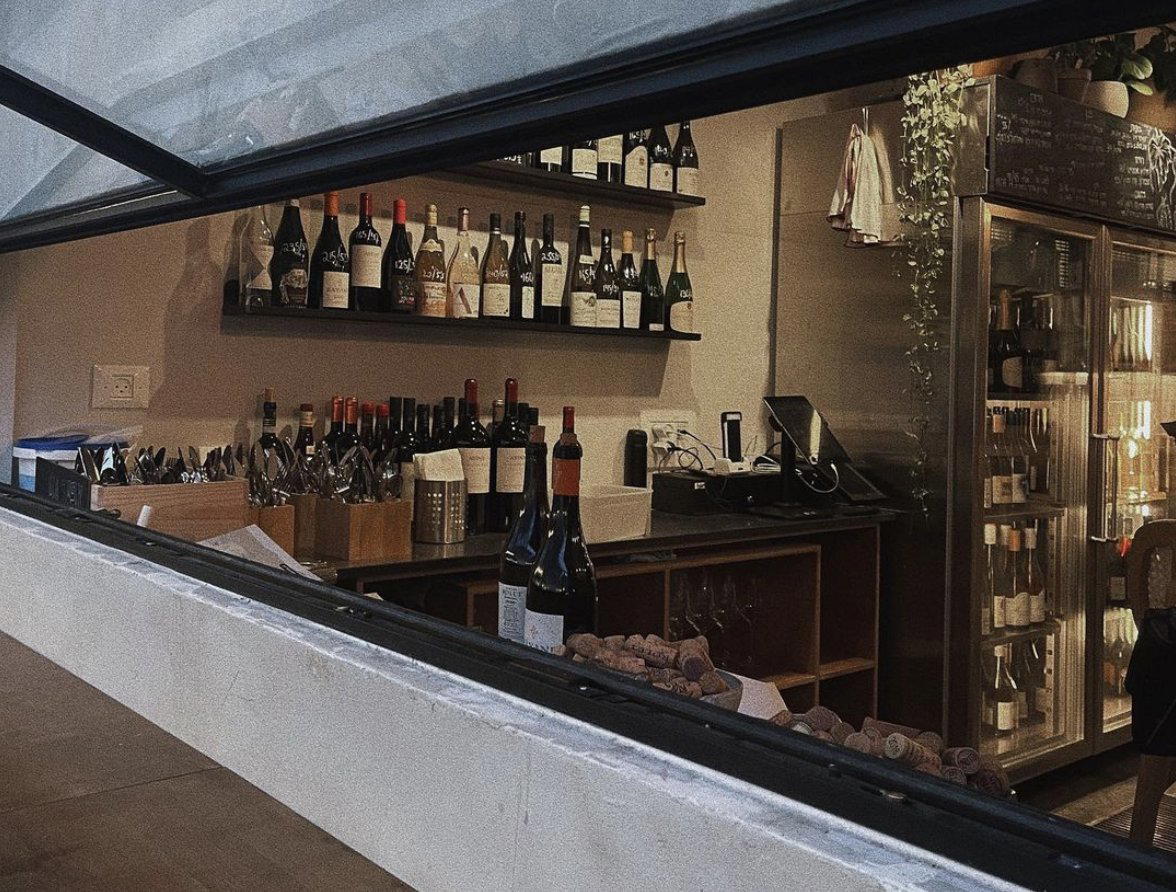
The editorial angle that matters most at HaSalon is the wine programme's relationship to Israeli viticulture. Israel's wine industry has undergone significant transformation over the past two decades, with the Upper Galilee, Golan Heights, and Judean Hills producing wines that increasingly attract attention from critics accustomed to European benchmarks. Indigenous and regionally adapted varieties sit alongside international plantings, and restaurants like HaSalon are part of the infrastructure that gives those wines a serious audience.
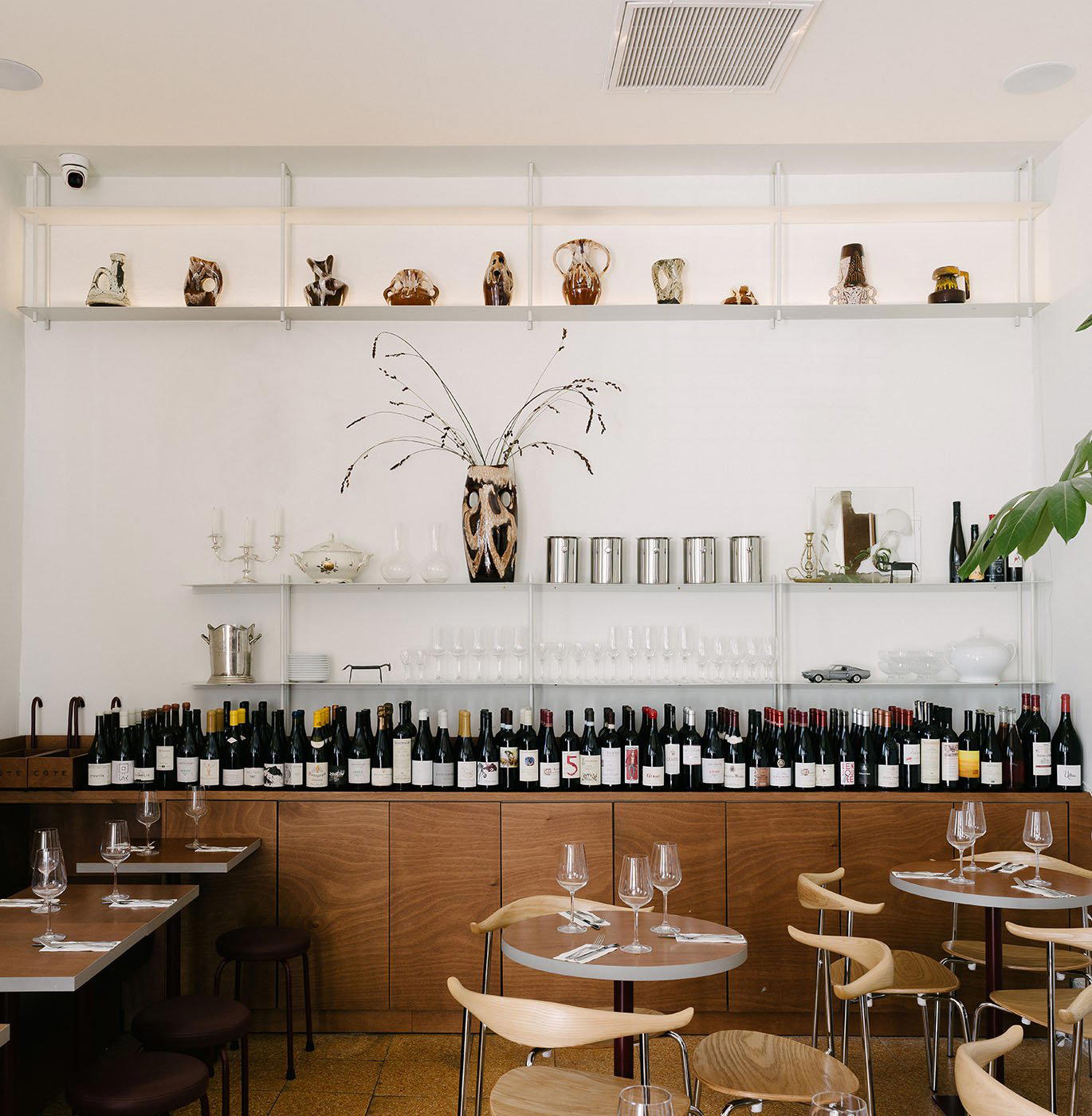
A dining room built around communal, high-energy service is actually a better environment for the current generation of Israeli wines than a formal, hushed setting would be. Many of the country's more interesting bottles, Carignan and Grenache from the north, Viognier and Roussanne from higher-altitude sites, Merlot blends from the Judean Hills, are not wines that reward contemplative silence so much as they reward food, heat, and conversation. The match between format and bottle makes sense here in a way it might not at a more restrained table.
Israeli wine's growing international credibility also shows up in how restaurants like HaSalon position their lists. The choice to feature local producers is no longer a gesture toward national pride; it reflects a supply chain where quality is available and consistent enough to carry a serious programme. Diners who arrived with expectations shaped by Le Bernardin in New York City or 8 1/2 Otto e Mezzo Bombana in Hong Kong will find the Israeli wine context requires a different reference map, one worth building.
Where HaSalon Sits in Tel Aviv's Dining Scene
Opinionated About Dining, which tracks critical consensus across both formal and casual venues, has ranked HaSalon at #36 in its Casual in North America list for 2025 and #277 in its Leading Restaurants in Europe list for the same year. For context, the restaurant appeared at #300 in Europe in 2024 and #51 in the North America casual list that year, representing a consistent upward trajectory across two years of rankings. These figures place HaSalon in competitive conversation with venues far beyond the regional Israeli context, including restaurants like Lazy Bear in San Francisco and Atomix in New York City that occupy similar OAD peer tiers.
Within Tel Aviv, the comparable restaurants take different forms. Ha'Achim operates in the Israeli casual space with a tighter, neighborhood-canteen feel. George & John sits in the Israeli cuisine category with a format closer to brasserie than salon. Dr. Shakshuka in Jaffa anchors the Middle Eastern end of the spectrum from a longer-standing institutional position. HaSalon occupies none of those positions exactly. Its OAD trajectory suggests it has moved into a tier where the comparison is less about Tel Aviv peers and more about internationally ranked casual dining.
For broader regional context, it is worth noting that the Israeli dining scene extends beyond Tel Aviv: Abu Hassan in Jaffa and Chakra in Jerusalem each represent distinct approaches to Israeli and Middle Eastern cooking rooted in different city contexts. Pescado in Ashdod reflects the coast's relationship to Mediterranean seafood. HaSalon is unmistakably a Tel Aviv product, shaped by the city's pace and its particular appetite for environments where eating is also a social performance.
Planning a Visit
Service runs Wednesday through Friday, 6:30 to 11:30 pm, with no Monday, Tuesday, or Saturday service. That schedule means the practical window is narrow: three evenings per week, with a room that operates at a consistently high energy level during those hours.
For those building a broader Tel Aviv itinerary, our full Tel Aviv restaurants guide covers the city's range from Jaffa to the northern neighbourhoods. The Tel Aviv bars guide and Tel Aviv wineries guide are relevant companions given HaSalon's wine-forward approach. Accommodation context is in our Tel Aviv hotels guide, and programming beyond the table is covered in the Tel Aviv experiences guide. For those interested in the Eyal Shani network, his other projects extend to multiple cities and formats, though Emeril's in New Orleans offers an instructive parallel for how a chef's wider brand coexists with an original, personality-driven venue at its core.
Frequently asked questions
Is HaSalon good for families?
HaSalon runs exclusively on Wednesday, Thursday, and Friday evenings from 6:30 pm, which rules it out for families with younger children on practical scheduling grounds alone. The communal, high-energy format that has earned it a #36 OAD Casual ranking in 2025 is built around adult dining rhythms, not flexible family pacing.
What's the overall feel of HaSalon?
Loud, assertive, and deliberately communal, HaSalon operates in the register that Tel Aviv's serious dining rooms often favour: shared tables, a late-evening pace, and no concessions to quiet intimacy. Opinionated About Dining has tracked it inside its top European restaurant lists for three consecutive years, which tells you this is not a room coasting on atmosphere alone.
What kind of recognition has HaSalon received?
HaSalon has received recognition including: Opinionated About Dining Casual in North America Ranked #36 (2025); Opinionated About Dining Top Restaurants in Europe Ranked #277 (2025); Opinionated About Dining Casual in North America Ranked #51 (2024); Opinionated About Dining Top Rest….
What's the signature dish at HaSalon?
No fixed signature dish is documented for HaSalon, which is consistent with Eyal Shani's philosophy across his restaurants: the menu follows seasonal Israeli-Mediterranean produce rather than anchoring to a single showpiece. What you can expect is cooking shaped by that produce-first approach, not a set menu built around a hero dish.
| Venue | Cuisine | Price | Awards |
|---|---|---|---|
| HaSalonThis venue (the venue you are viewing) | Modern Mediterranean | $100–150 | Not listed |
| Dr. Shakshuka | Israeli Shakshuka | $20–30 | Not listed |
| Ha'Achim | Modern Israeli Mediterranean | $30–50 | Not listed |
| Habasta | Modern Mediterranean Market-Driven | $30–50 | Star Wine List · World's Best Wine Lists Awards WBWL 3-Star |
| Jasmino | Israeli Charcoal-Grilled Kebab Pita | $1–10 | Not listed |
| Mashya | Modern Israeli Mediterranean | $50–100 | La Liste Top Restaurants |
Recognition history
Dated appearances from independent guides and award organizations, with the underlying list record or original source where available.
Opinionated About Dining Top Restaurants in Europe Recommended
Opinionated About Dining
Full recognition history (7 entries)
Opinionated About Dining Top Restaurants in Europe Ranked #277
Opinionated About Dining
Opinionated About Dining Casual in North America Ranked #36
Opinionated About Dining
Opinionated About Dining Casual in North America Ranked #51
Opinionated About Dining
Opinionated About Dining Top Restaurants in Europe Ranked #300
Opinionated About Dining
Opinionated About Dining Top New Restaurants in Europe Highly Recommended
Opinionated About Dining
Opinionated About Dining Casual in North America Ranked #64
Opinionated About Dining
Continue exploring
More in Tel Aviv
More from Chef Eyal Shani
Browse all →
Restaurants in Tel Aviv
All restaurants in Tel Aviv →
Bars in Tel Aviv
All bars in Tel Aviv →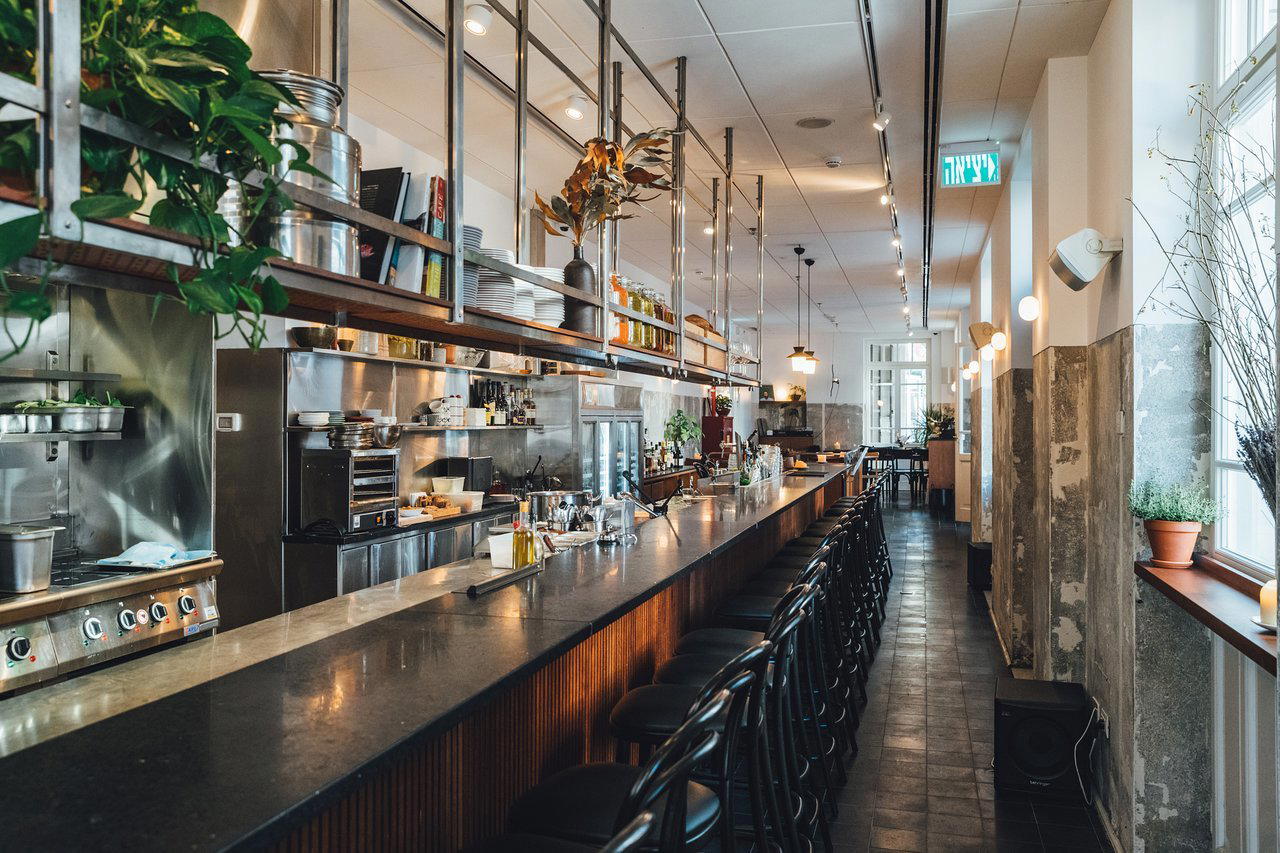

Details
- Lively
- Trendy
- Energetic
- Modern
- Celebration
- Special Occasion
- Group Dining
- Open Kitchen
- Extensive Wine List
- Local Sourcing
- Organic
- A La Carte
- Small Plates
Current opening hours
- Monday
- Closed
- Tuesday
- Closed
- Wednesday
- 6:30–11:30 PM
- Thursday
- 6:30–11:30 PM
- Friday
- 6:30–11:30 PM
- Saturday
- Closed
- Sunday
- Closed
Hours can change for holidays and private events. Hours as of .
Dark, bare warehouse with open kitchen, colorful ingredient displays, electric and lively energy turning into a raucous party.