


Positioned at the edge of Jerusalem's Mamilla Avenue, directly facing the Old City walls, Mamilla Hotel occupies among the more historically charged addresses in Israeli hospitality. Designed by Moshe Safdie and Piero Lissoni, the property holds a 2026 Star Wine List award and houses four distinct food and beverage venues, including a rooftop restaurant overlooking the Tower of David and a dedicated Israeli wine space.
Pearl is the En Primeur Club membership app — saves, bookings, and concierge access live there. Same editors, same standards.
- Address
- 11 King Solomon Street
- Phone
- 888-866-5338
- Website
- mamillahotel.com
- Directions
- Get directions
 Saves & bookings on Pearl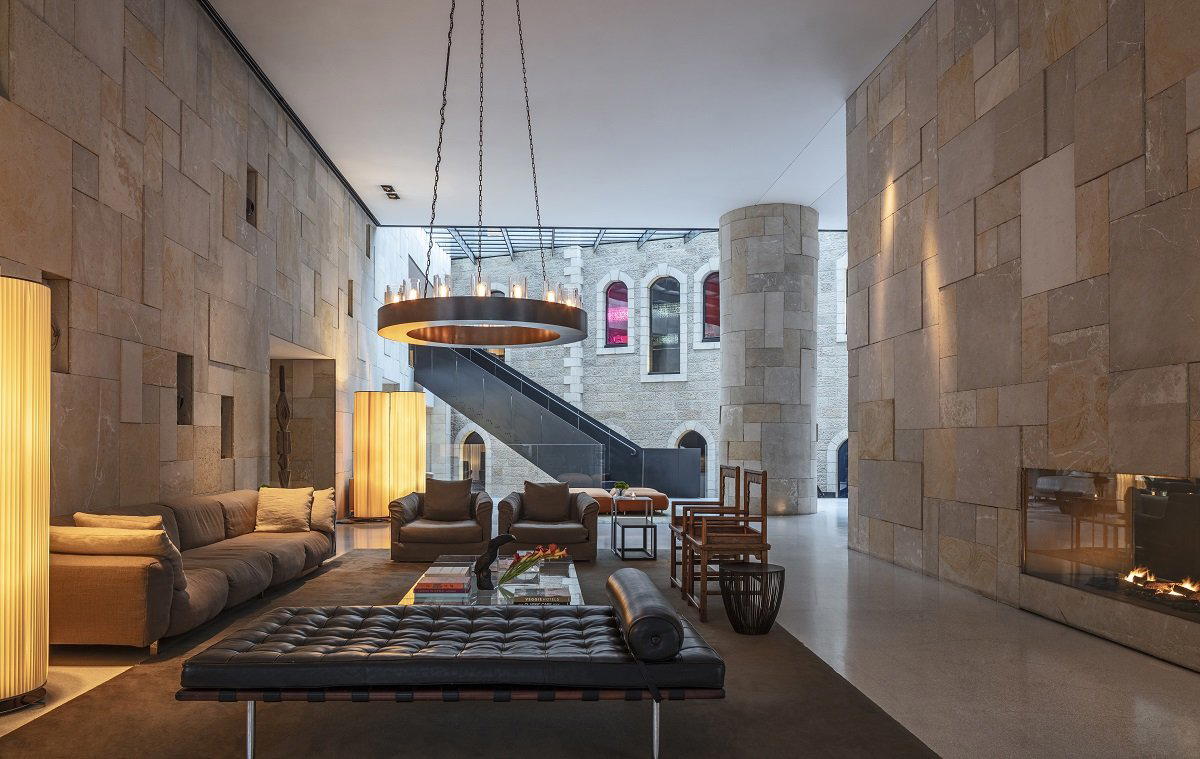
Where the Old City Ends and Contemporary Jerusalem Begins
The approach to Mamilla Hotel sets a context that few urban properties can replicate. King Solomon Street runs directly alongside the Old City walls, and the hotel sits at the precise threshold where ancient limestone meets the open-air retail of Mamilla Avenue. Guests arriving here are not insulated from Jerusalem's layered history, they are placed inside it, with the Jaffa Gate and Tower of David as an immediate backdrop rather than a distant landmark. This positioning is not incidental; it defines the entire character of a stay.
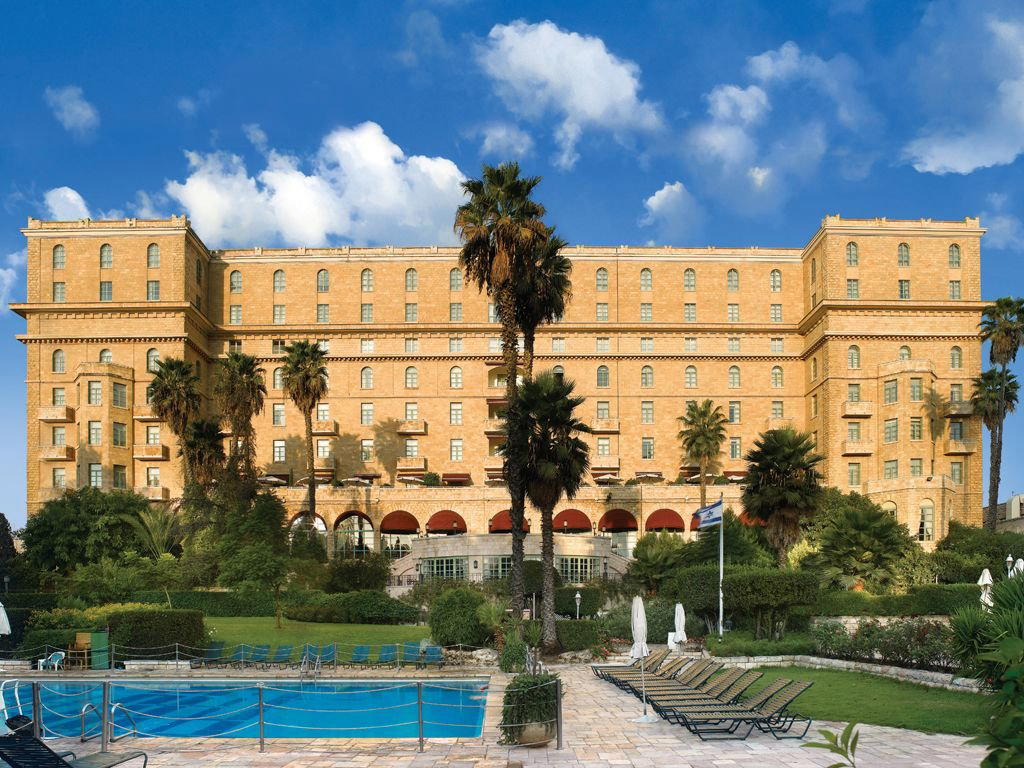
Jerusalem's luxury hotel market has consolidated around a handful of properties that each stake a distinct claim to the city's identity. The The King David draws on colonial-era prestige; the Waldorf Astoria Jerusalem occupies a restored Mandate-period landmark; the The American Colony Hotel operates in a nineteenth-century pasha's residence in East Jerusalem. Mamilla's proposition is different: it is the city's most architecturally forward property, designed by Moshe Safdie, whose work includes the Yad Vashem Holocaust History Museum and the National Campus for the Archaeology of Israel, alongside Italian designer Piero Lissoni, whose residential work defines a restrained, material-led luxury. The result is a hotel that treats contemporary design not as a departure from Jerusalem's character but as a legitimate continuation of it.
Architecture as Service
In luxury hospitality, the spatial experience of a room is itself a form of service. Mamilla's rooms and suites deploy liquid-crystal bathroom walls that shift from transparent to opaque at the touch of a button, a practical piece of engineering that also reconfigures how guests inhabit the space. This kind of considered detail, where a design choice resolves a functional problem without announcing itself, sits closer to the high-design residential approach practiced by properties like Cheval Blanc Paris or Aman Venice than to conventional five-star hotel specification. The furnishings throughout mix original pieces with contemporary comforts, avoiding the museum-quality remove that can make a design hotel feel cold.
For guests comparing across the Jerusalem market, the David Citadel Hotel and the InterContinental Jerusalem operate at a similar tier but with a more conventional luxury-hotel grammar. Mamilla's architecture makes a more specific argument: that Jerusalem's present tense is as worth inhabiting as its past.
Four Venues, One Roof
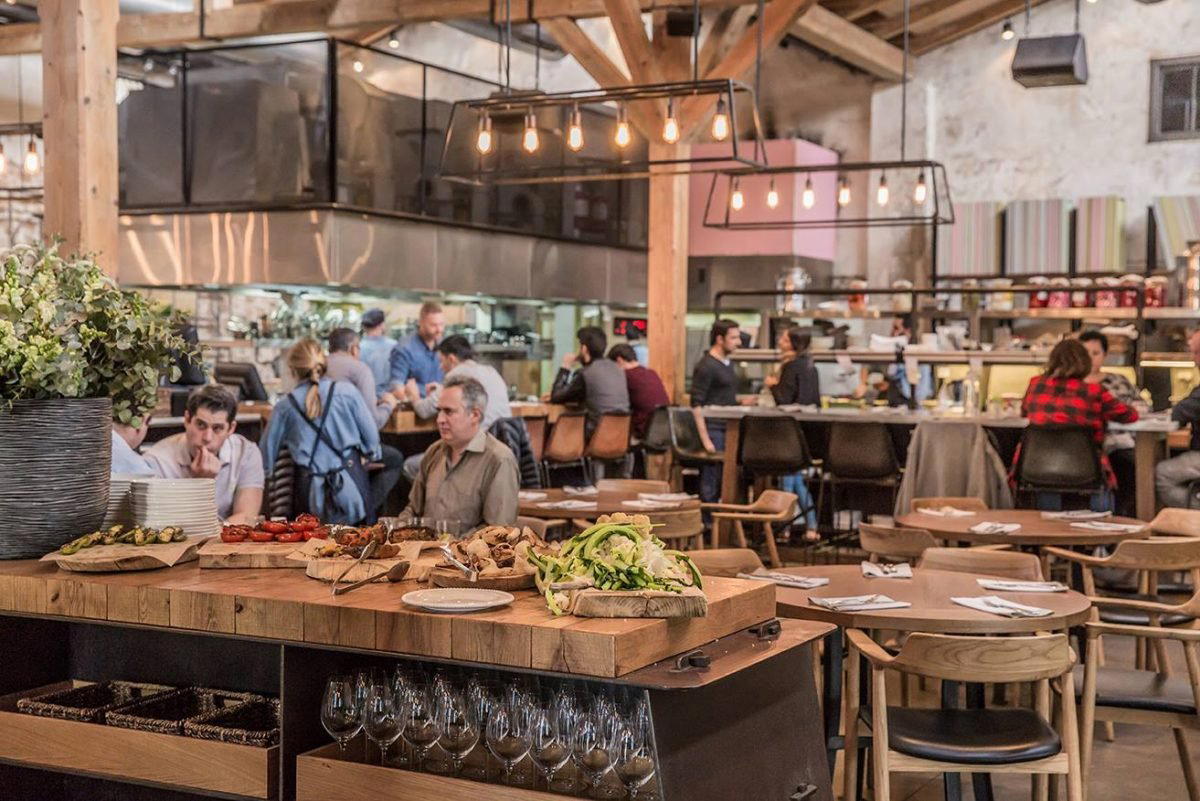
The hotel runs four food and beverage venues with distinct formats, which is useful for guests who plan to dine on property. The Rooftop Outdoor Lounge and Restaurant functions as an informal brasserie with direct sightlines to the Old City walls. The menu centres on local ingredients prepared in an Italian slow-cooking style, a combination that reflects how Israeli fine dining has absorbed Mediterranean technique without abandoning its own produce logic. The rooftop format places it in a category of venues where the view is structural to the experience, not incidental.
Happy Fish operates as a Mediterranean fish restaurant, open across lunch and dinner with indoor and outdoor seating, the kind of all-day venue that functions well for guests arriving from long-haul travel who want a substantive meal without a formal dress code. Mirror Bar and its adjacent Cigar Lounge draw a mixed local and guest crowd, which is a reliable indicator of a bar that has developed a scene independent of hotel occupancy. It holds a position in Jerusalem's nightlife that extends beyond the property's guest list.
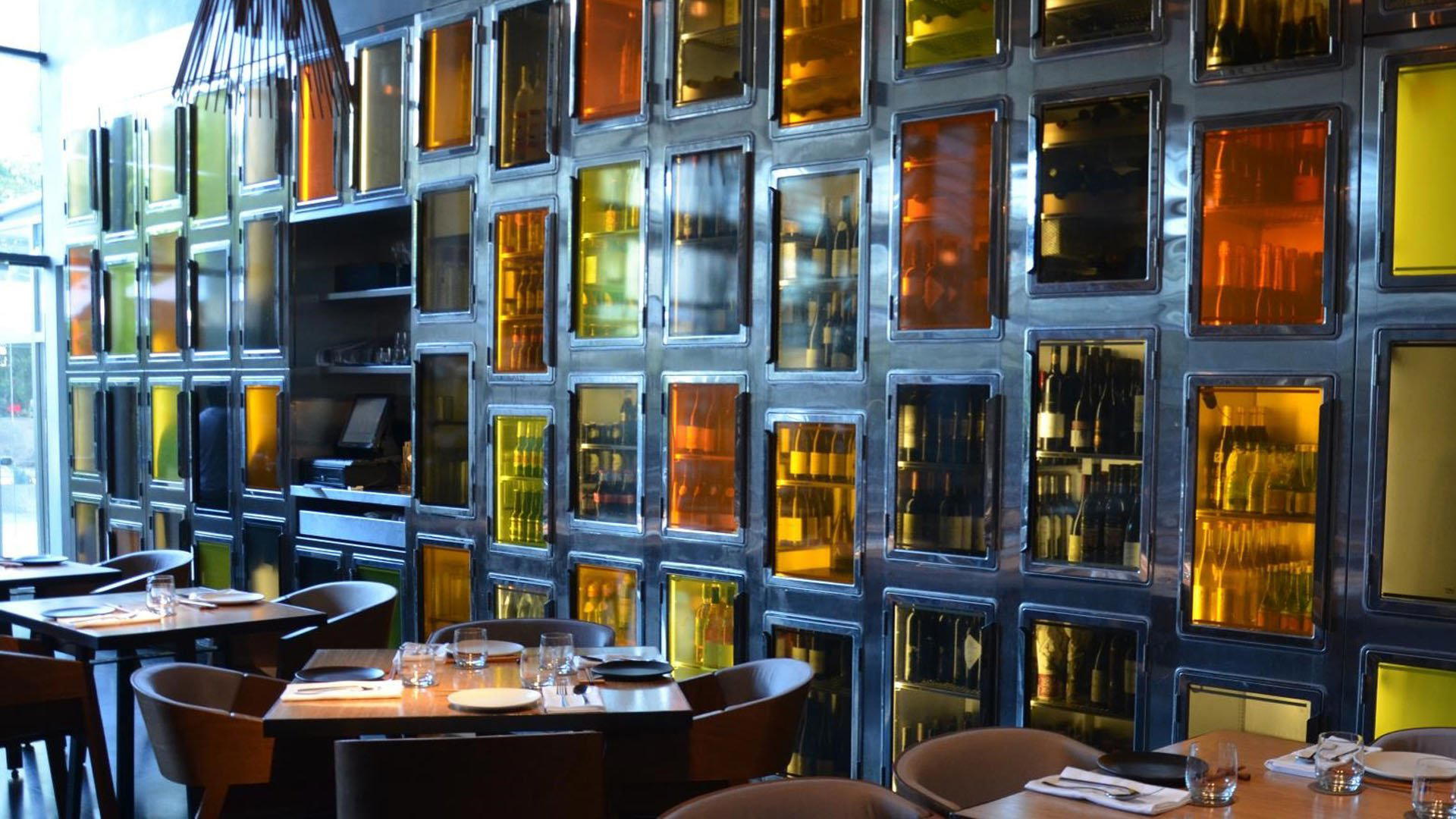
The Winery is especially contextually specific venue in the hotel's portfolio. Israeli wine has undergone a significant quality shift over the past two decades, with regions including the Galilee, Judean Hills, and Negev producing wines that now circulate at international level. The Winery operates as a discovery space for this output, with bottles available for purchase, a practical detail for guests whose interest in Israeli wine extends beyond a single glass. The hotel's Star Wine List recognition signals that this wine program is judged alongside dedicated wine venues.
Wellbeing at Elevation
The Akasha Wellbeing Center positions itself at the intersection of eastern and western practice, integrating holistic treatments with contemporary fitness infrastructure that includes Kinesis machines and a private training room. This dual approach, where wellness is framed as a whole-person program rather than a spa add-on, has become the expected standard at properties benchmarked against global leaders. Hotels like Amangiri or Six Senses Shaharut in Israel's Negev have set the bar for integrated wellness in the region; Akasha operates within that framework at an urban scale.
The Service Register
Luxury hotels in cities with as much external intensity as Jerusalem face a particular service challenge: guests arrive carrying the weight of a city that demands emotional engagement at every turn, religious, historical, political. The service culture at Mamilla is calibrated toward creating pressure-free intervals within that intensity. The informality of the rooftop brasserie, the mixed-crowd energy of Mirror Bar, and the discovery-led format of The Winery collectively create spaces where guests are not required to perform a particular mode of tourism. This is a meaningful distinction from hotels whose service culture is built around escorting guests through curated experiences.
For travelers comparing Mamilla against properties elsewhere in Israel, the contrast is instructive. Beresheet in Mizpe Ramon and the Elma Arts Complex Luxury Hotel in Hadera each operate in landscape-driven contexts where the property is the destination. Mamilla operates in the opposite logic: Jerusalem is the destination, and the hotel's service role is to make the city more accessible rather than to substitute for it. The Efendi Hotel in Acre pursues a similar urban-integration approach in a different northern city. At an international scale, properties like Hotel Bel-Air or Hotel Plaza Athénée demonstrate what it looks like when a luxury property functions as a genuine neighbourhood anchor, Mamilla aims for that relationship with Jerusalem's Mamilla Avenue district.
Planning a Stay
The hotel sits at 11 King Solomon Street, within walking distance of the Jaffa Gate entrance to the Old City and adjacent to Mamilla Avenue's retail and restaurant strip. Guests traveling for the Old City, the Jewish Quarter, or the Machane Yehuda market will find the location removes the need for a car on most days. For travelers extending into the rest of Israel, the Brown TLV Urban Hotel in Tel Aviv offers an urban counterpoint roughly an hour's drive west. Booking well ahead of major holiday and pilgrimage periods is advisable. The Star Wine List recognition makes The Winery worth engaging with as a standalone wine evening even for guests whose primary agenda is the city. See our full Jerusalem restaurants guide for context on where the hotel's dining venues sit relative to the city's broader food scene.
Cuisine and Credentials
Comparable venues nearby, for context on price, style, and recognition.
| Venue | Cuisine | Price | Awards | Notes |
|---|---|---|---|---|
| Mamilla HotelThis venue — the venue you are viewing | Contemporary urban luxury with Art Deco influences | $$$$ | 5-Star | Not listed |
| InterContinental Jerusalem- A Virtuoso Preview Property | Contemporary luxury blending heritage and modernity | $$$$ | 5-Star | city center |
| The American Colony Hotel | Historic boutique complex spread across multiple buildings with expansive gardens | $$$$ | 5-Star | East Jerusalem |
| Waldorf Astoria Jerusalem | Historic luxury hotel with contemporary touches in pale Jerusalem stone. | $$$$ | 5-Star | Mamilla |
| The King David | Stately historic luxury property with pink quartz facade and lush gardens. | $$$$ | 5-Star | near Old City |
| David Citadel Hotel | Luxurious urban retreat with panoramic Old City views | $$$$ | 5-Star | Mamila |
Recognition history
Dated appearances from independent guides and award organizations, with the underlying list record or original source where available.
Forbes Recommended
Forbes
Star Wine List
Star Wine List
Virtuoso Luxury Hotel Partner
Virtuoso
Continue exploring
More in Jerusalem
Hotels in Jerusalem
Browse all →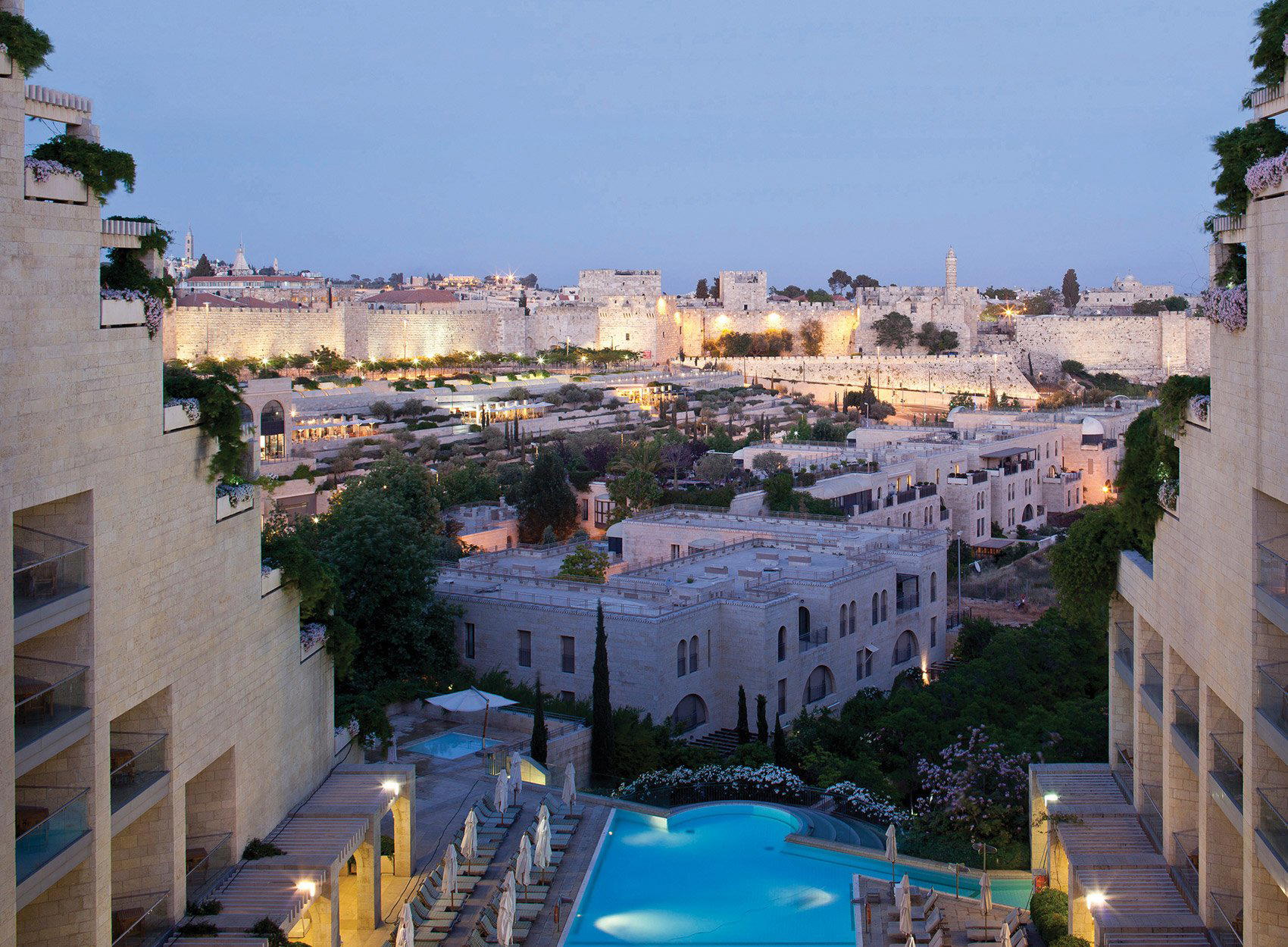
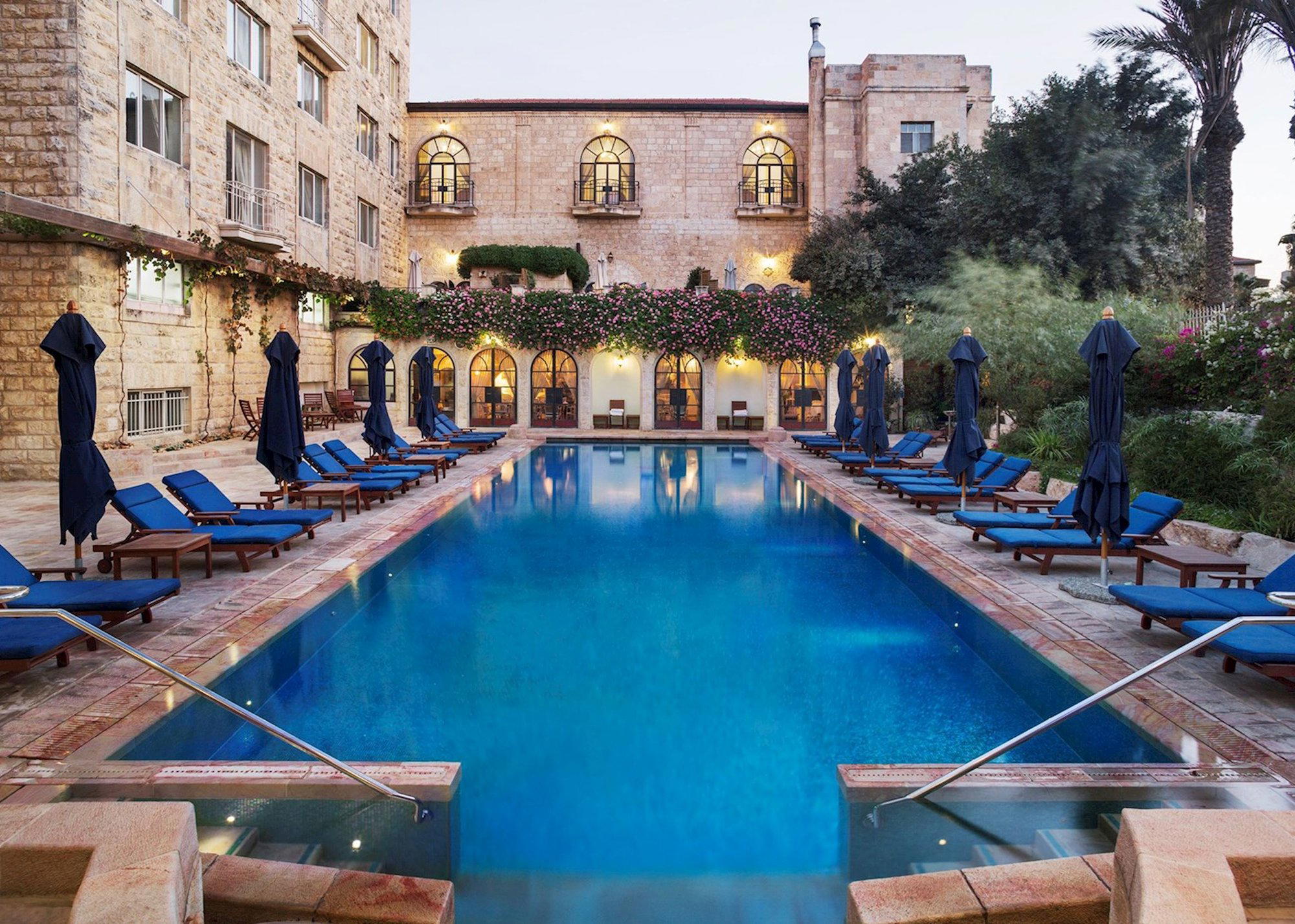
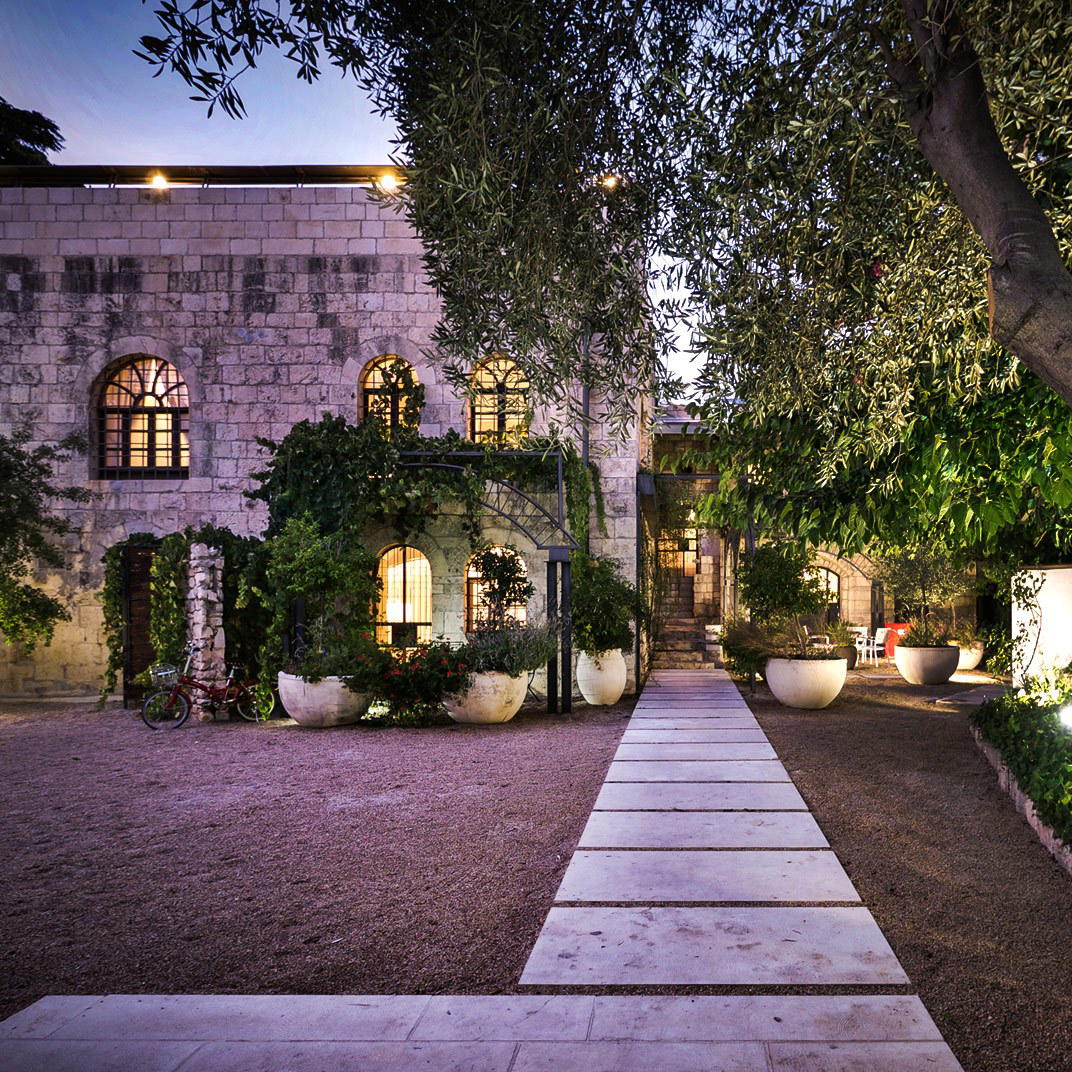
Bars in Jerusalem
Browse all →
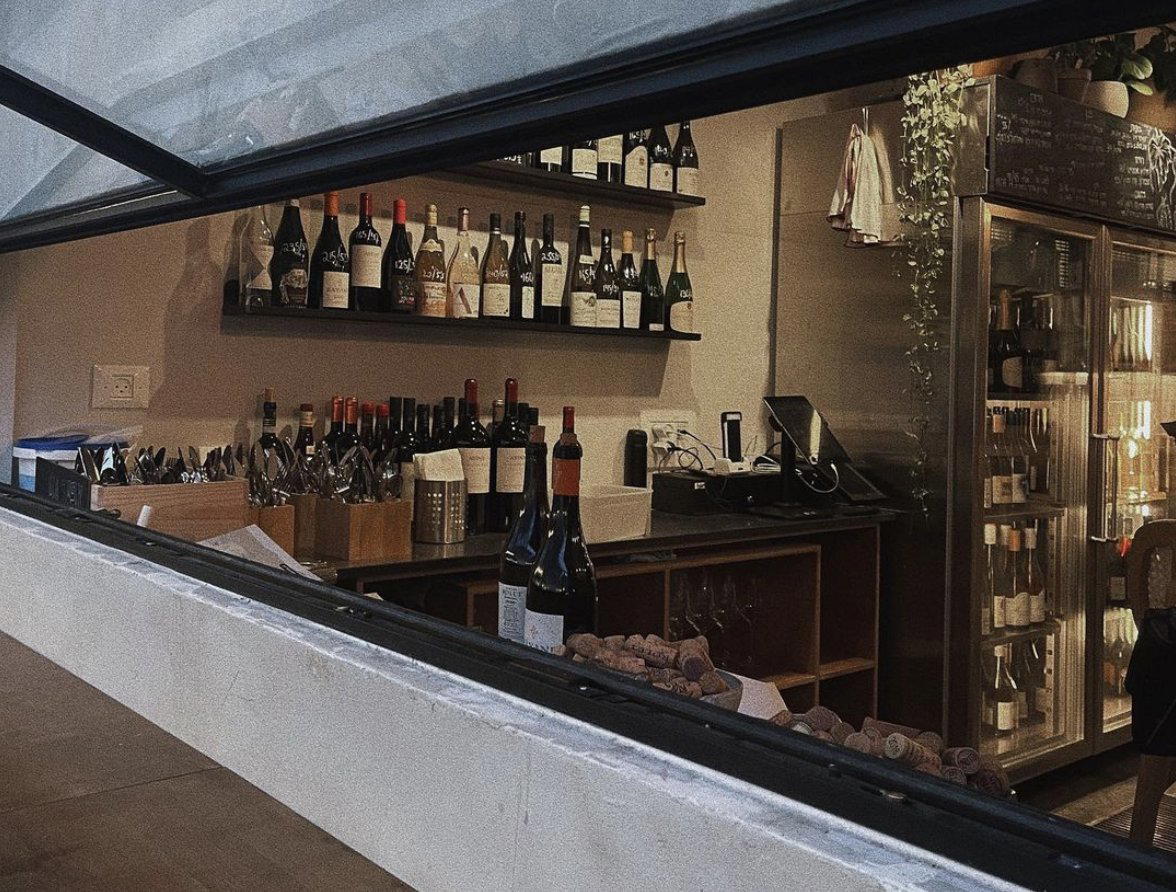
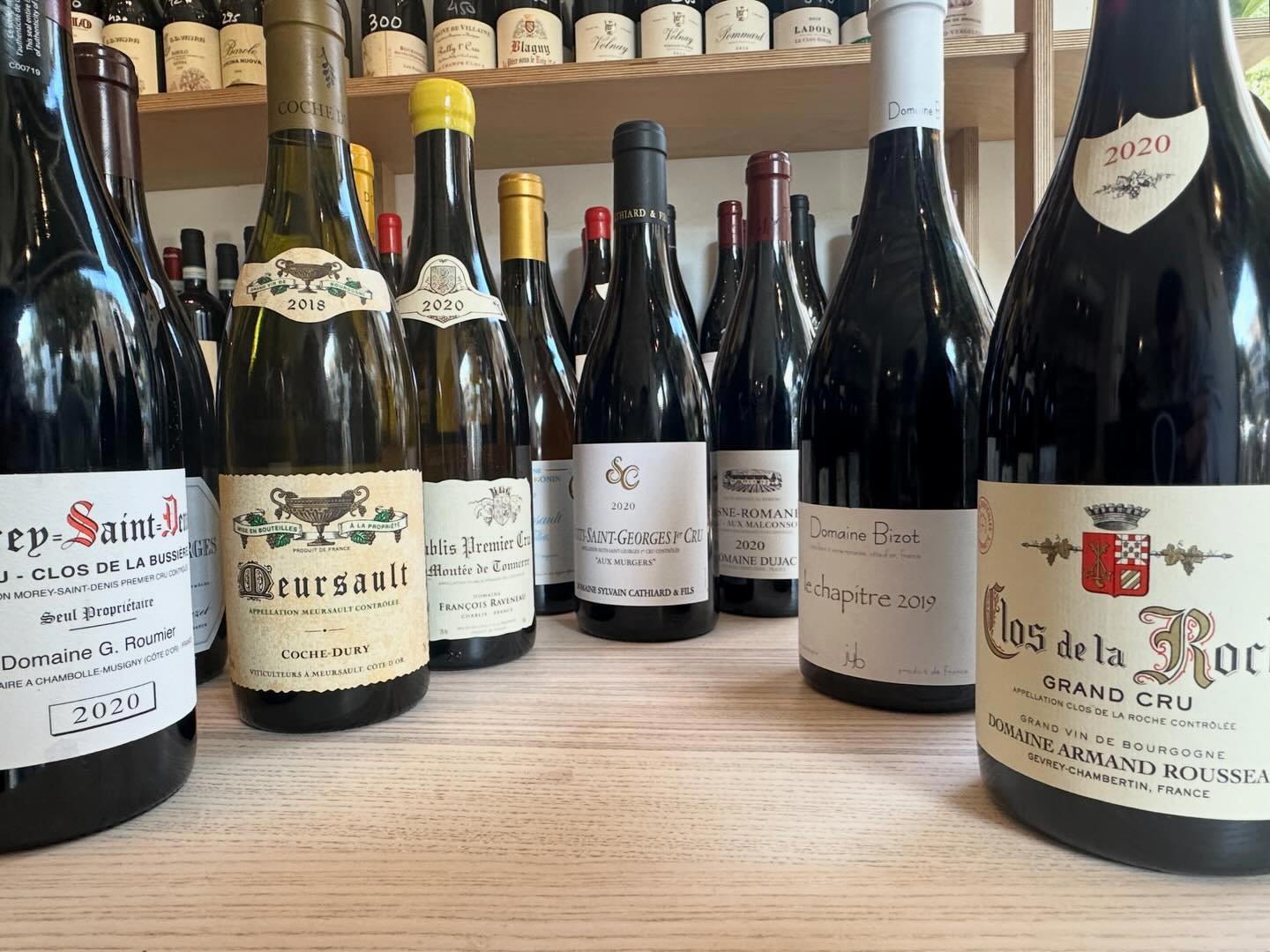
Restaurants in Jerusalem
Browse all →
At a Glance
- Elegant
- Modern
- Sophisticated
- Scenic
- Romantic Getaway
- Business Trip
- Celebration
- Rooftop Pool
- Historic Building
- Panoramic View
- Wi Fi
- Pool
- Spa
- Fitness Center
- Room Service
- Concierge
- Business Center
- Valet Parking
- Skyline
- Wi Fi
- Pool
- Spa
- Fitness Center
- Room Service
- Concierge
- Business Center
- Valet Parking
Contemporary minimalist design featuring light Jerusalem stone, high ceilings, marble flooring, and serene spa oasis atmosphere.