
Our verdict
Azura sits on Mikve Israel Street in Tel Aviv-Yafo, where the city's older culinary traditions surface most clearly. For visitors tracking Israeli food beyond the Tel Aviv mainstream, it represents a distinct point on the map.

Pearl is the En Primeur Club membership app, where members save venues, book tables and use the concierge.
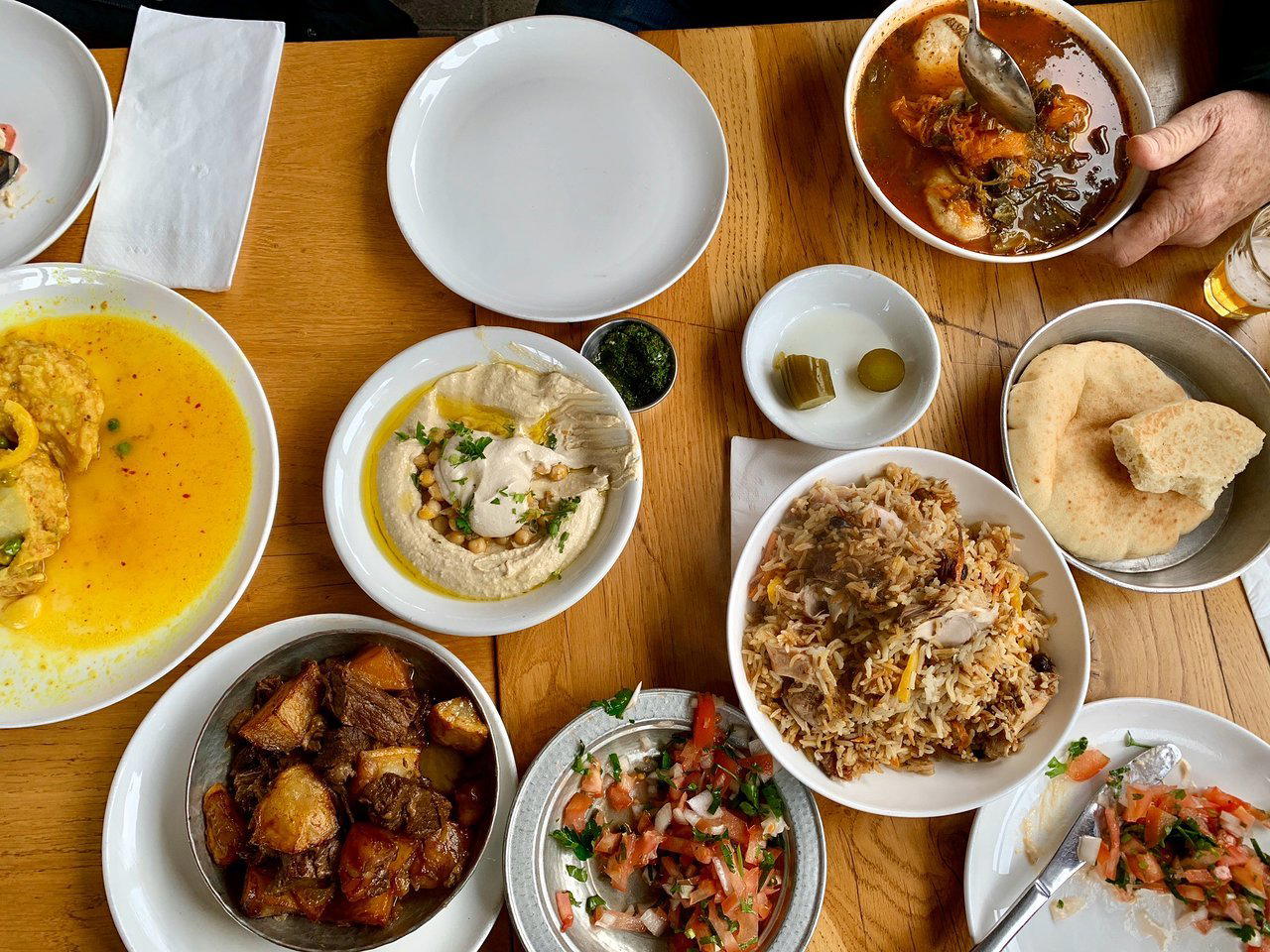
The menu
What to order
- Kubbeh Soup
- Sofrito
- Stuffed Eggplant
Where the Street Begins to Smell Different
There is a particular quality to the air around Mikve Israel Street that announces a different register of Tel Aviv dining before you reach the door. The neighbourhood sits on the seam between the newer city and the older quarters of Yafo, and the restaurants here tend to carry that duality in their kitchens: produce sourced from nearby Carmel Market stalls, spice combinations that owe more to Baghdad or Thessaloniki than to any contemporary tasting menu, and a pace shaped by midday regulars rather than evening reservation windows. Azura, at number 1 on that street, occupies this context precisely. It is not a restaurant that positions itself against the newer wave of Tel Aviv cooking represented by places like Alena at The Norman or Aria. Its frame of reference is older and narrower, and that specificity is the point.
The Sensory Register of Sephardic Cooking
Israeli cooking at this register operates through slow processes that most city restaurants have abandoned. Stews cooked overnight in heavy clay or cast-iron vessels, legumes brought to a point of tenderness that takes hours rather than minutes, spice pastes built in stages rather than added at the end. The result is a depth of flavour that reads differently from the bright, herb-forward cooking that defines much of the contemporary Tel Aviv scene documented across our full Tel Aviv restaurants guide. The scent profile of this type of kitchen, kumin and turmeric warming in fat, slow-braised lamb releasing collagen into sauce, is detectable from outside. That is not incidental. It is the oldest form of restaurant advertising.
This style of cooking connects Azura to a broader lineage of Sephardic and Mizrahi kitchens across Israel, a lineage that includes Abu Hassan in Jaffa, whose hummus draws the same kind of pilgrimage-level attention, and Diana in Nazareth, which applies similar patience to Arab-Israeli grilling traditions. The comparison is not about cuisine type but about the shared refusal to abbreviate process in the name of throughput. Visitors who have traced similar cooking in Jerusalem at Chakra or further north at Uri Buri in Acre will recognise the same logic: the ingredient and its treatment are the argument, not the plating.
How This Kitchen Sits Against the Tel Aviv Mainstream
Tel Aviv's dominant dining conversation in recent years has run toward open kitchens, product-forward menus with European inflections, and a bar-forward dining format that places places like Bellboy and Abie closer to a contemporary global idiom. Azura operates in a parallel register entirely. This is a structural difference in how the restaurant thinks about its day, and it shapes everything from the menu format to the rhythm of the room.
That lunch-centric model has deep roots in Levantine food culture. Markets, trade, and the working day historically oriented around the midday meal, and many of the most respected kitchens in this tradition, from the hummus houses of Jaffa to the kebab specialists that Majda in the hills outside Jerusalem represents in a different register, function on the same logic. The comparison venue closest in spirit within the Tel Aviv orbit might be something like HaSalon for its commitment to a singular cooking identity, but the social and physical register is entirely different: HaSalon is theatre, this is habit.
What Eating Here Actually Means
The dishes that define this type of kitchen are not conceived for novelty. Hamin, the Sephardic slow-cooked Sabbath stew of eggs, grains, and meat, represents one of the most technically patient preparations in the Jewish culinary tradition; its low, sustained heat over twelve or more hours produces a result that no faster method replicates. The egg yolk turns a deep amber, the marrow from any bone in the pot dissolves into the cooking liquid, and the whole thing settles into a single unified flavour rather than a collection of parts. Alongside it, the cooking here typically includes braised vegetables that have absorbed rather than resisted their spice companions, and bread that functions as a tool rather than an afterthought.
The visual experience of a table loaded with these preparations is dense rather than architectural. There is no negative space on the plate, no deliberate minimalism. The aesthetic is communicative in a different direction: abundance and care signalled through quantity and texture rather than arrangement. Visitors oriented toward the precision plating of a counter like Le Bernardin in New York or the theatrical service of Lazy Bear in San Francisco are looking at a completely different grammar of hospitality here. Neither is more sophisticated; they are legible by different traditions.
Planning Your Visit
Azura's address at Mikve Israel St 1 places it near the intersection of the Carmel Market and the edges of old Yafo, walkable from most of central Tel Aviv and accessible from the main bus corridors along Allenby Street. Given the lunch-service model common to this type of kitchen, arriving by early afternoon and adjusting expectations accordingly is the practical approach: this is not a dinner-reservation experience, and the rhythm of the room is set by those who treat it as a regular fixture rather than an occasion. The restaurants in the surrounding area, including a and the hummus institutions of Jaffa proper, provide enough of a cluster that a morning at the market followed by lunch in this neighbourhood builds into a coherent half-day without requiring logistical precision.
For Israeli cooking beyond Tel Aviv's borders, the same tradition surfaces at different registers: Pescado in Ashdod, Helena in Caesarea, and the coastal fish tradition represented by מידס in Ashqelon each capture a regional inflection of the same broad cooking culture. Burger 232 in Maggen and Herbert Samuel Herzliya represent a different, more contemporary strand further up the coast. Azura sits at the older end of that spectrum, and that position is its strongest claim on a visitor's time.
Frequently asked questions
How do I find Azura?
Azura is located at Mikve Israel St 1, Tel Aviv-Yafo, Israel, Tel Aviv.
How does Azura fit into Tel Aviv's broader Sephardic food tradition?
Sephardic cooking in Israel carries the culinary lineage of Jewish communities from North Africa, Turkey, and the Levant, and Azura on Mikve Israel St 1 in Tel Aviv-Yafo sits within that tradition through its use of overnight techniques and communal stew formats. While most Tel Aviv restaurants have shifted toward European-inflected menus and open-kitchen formats, this kitchen maintains preparation methods that are documentably older and less common in the city today.
What should I eat at Azura?
The kitchen at Mikve Israel St 1 is built around slow-cooked Sephardic preparations that require overnight cooking. Hamin, the traditional Sabbath stew of eggs, grains, and meat, is the dish that defines this type of cooking and the reason most regulars return. Order around it rather than against it.
Is Azura reservation-only?
Given its location near the Carmel Market, early arrival on weekdays is a practical approach, as traditional Tel Aviv restaurants of this type tend to fill quickly at lunch.
What's the standout thing about Azura?
Azura operates in a register that Tel Aviv's contemporary dining scene has largely moved away from: slow processes, clay-pot cooking, and Sephardic recipes that predate the city's modern restaurant culture. That continuity, in a neighbourhood between the Carmel Market and old Yafo, is what separates it from the product-forward restaurants dominating the current conversation.
City Peers
| Venue | Cuisine | Price | Awards | Notes |
|---|---|---|---|---|
| AzuraThis venue (the venue you are viewing) | Homestyle Middle Eastern | Not listed | Not listed | Not listed |
| Dr. Shakshuka | Israeli Shakshuka | $20–30 | Not listed | Middle Eastern |
| Ha'Achim | Modern Israeli Mediterranean | $30–50 | Not listed | Israeli |
| Habasta | Modern Mediterranean Market-Driven | $30–50 | Star Wine List · World's Best Wine Lists Awards WBWL 3-Star | Israeli |
| HaSalon | Modern Mediterranean | $100–150 | Not listed | Israeli - Mediterranean, Israeli |
| Jasmino | Israeli Charcoal-Grilled Kebab Pita | $1–10 | Not listed | Kebabs |
Recognition history
Dated appearances from independent guides and award organizations, with the underlying list record or original source where available.
Opinionated About Dining Casual in Europe Highly Recommended
Opinionated About Dining
Continue exploring
More in Tel Aviv
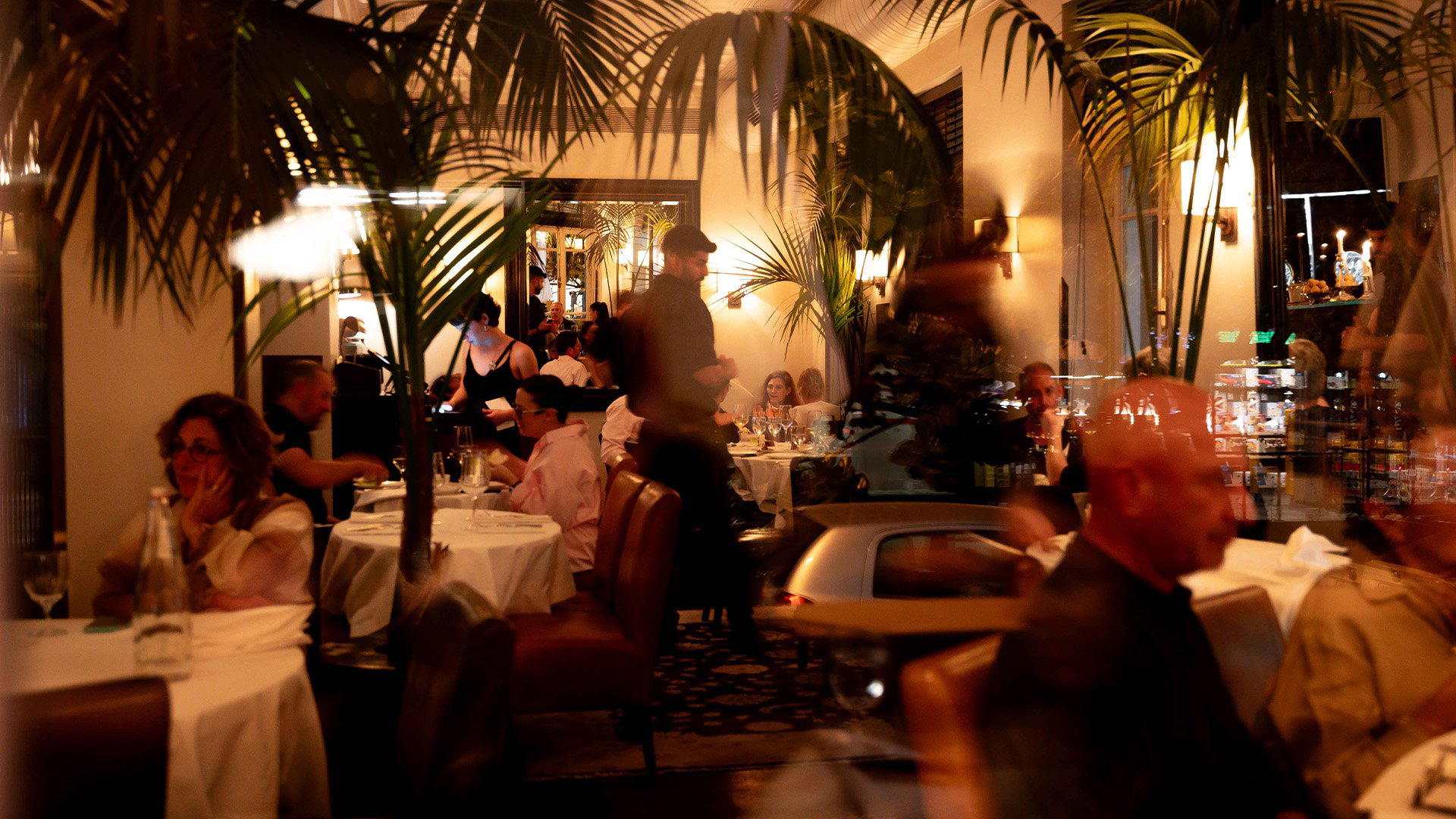
Restaurants in Tel Aviv
All restaurants in Tel Aviv →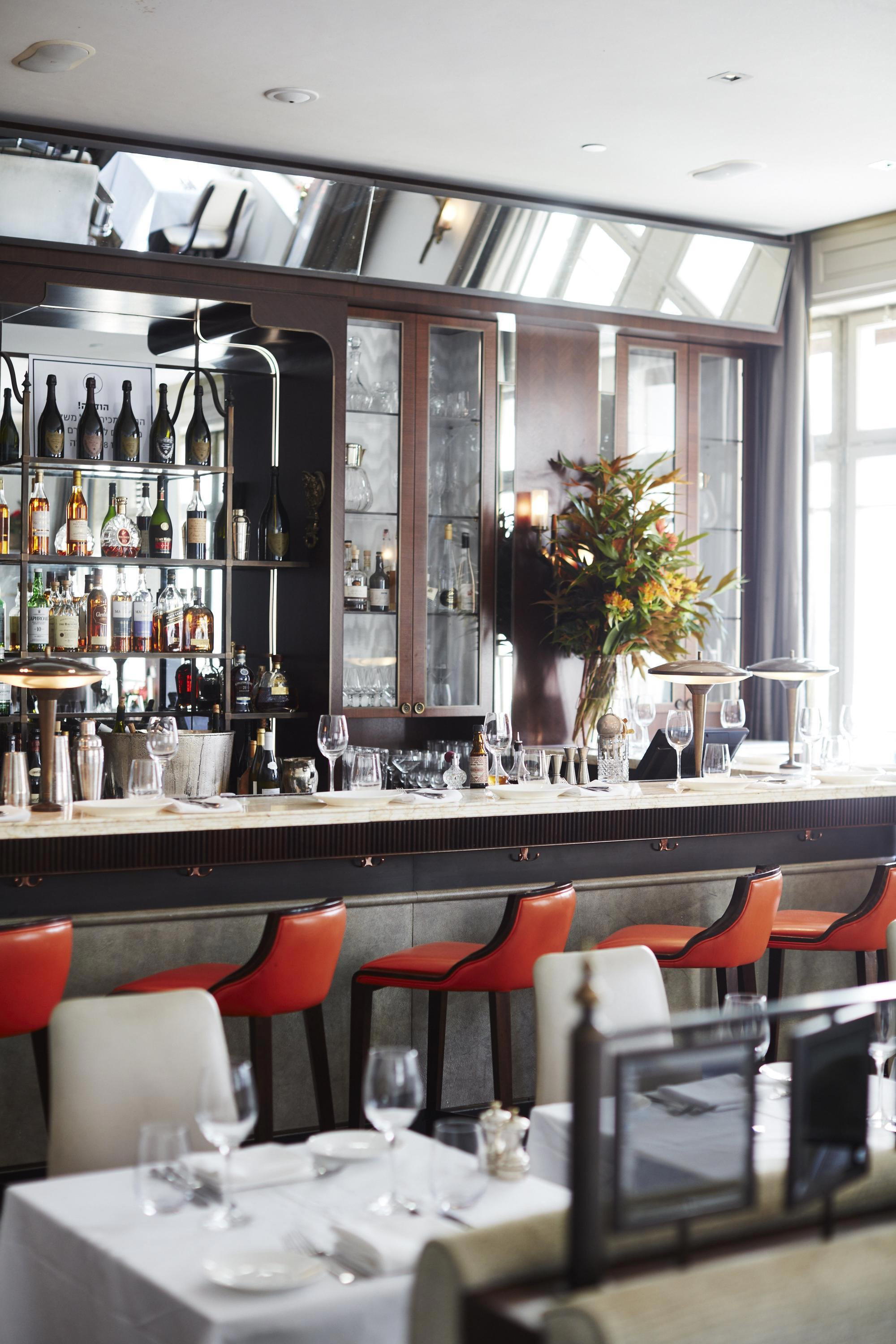
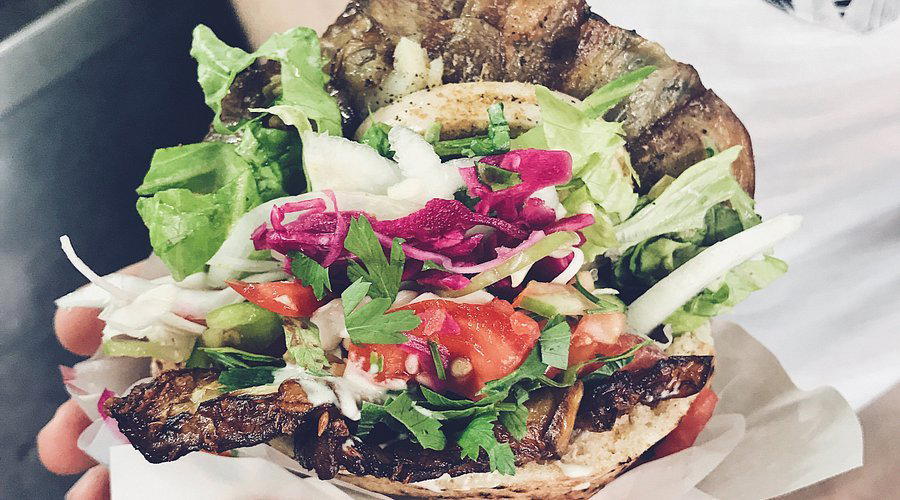
Bars in Tel Aviv
All bars in Tel Aviv →

Details
- Cozy
- Classic
- Casual Hangout
- Open Kitchen
- A La Carte
- Vegetarian Friendly
- Vegan Options
- Kosher
Current opening hours
- Monday
- 10:30 AM–3:30 PM
- Tuesday
- 10:30 AM–3:30 PM
- Wednesday
- 10:30 AM–3:30 PM
- Thursday
- 10:30 AM–3:30 PM
- Friday
- 9 AM–3 PM
- Saturday
- Closed
- Sunday
- 10:30 AM–3:30 PM
Hours can change for holidays and private events. Hours as of .
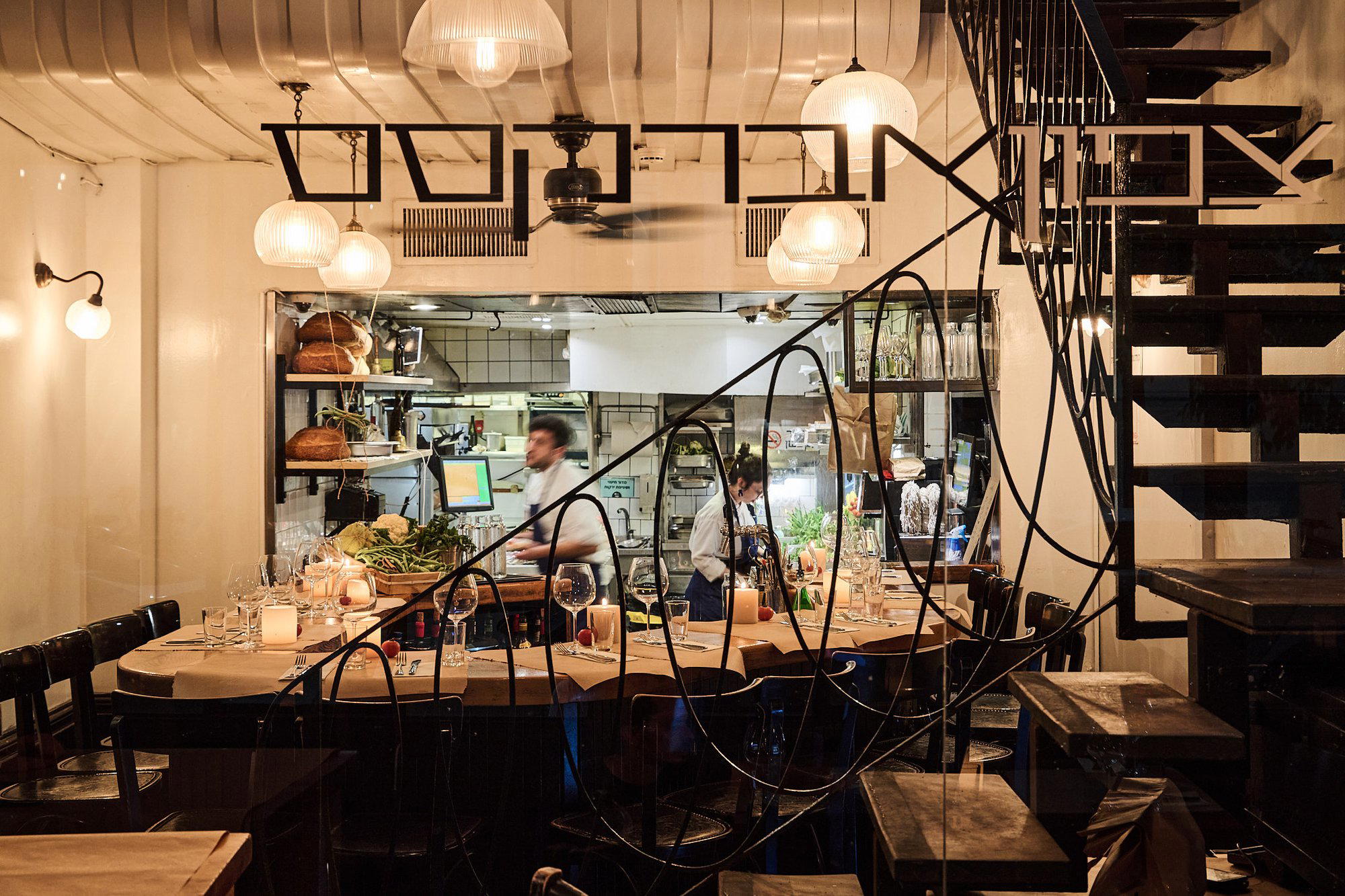
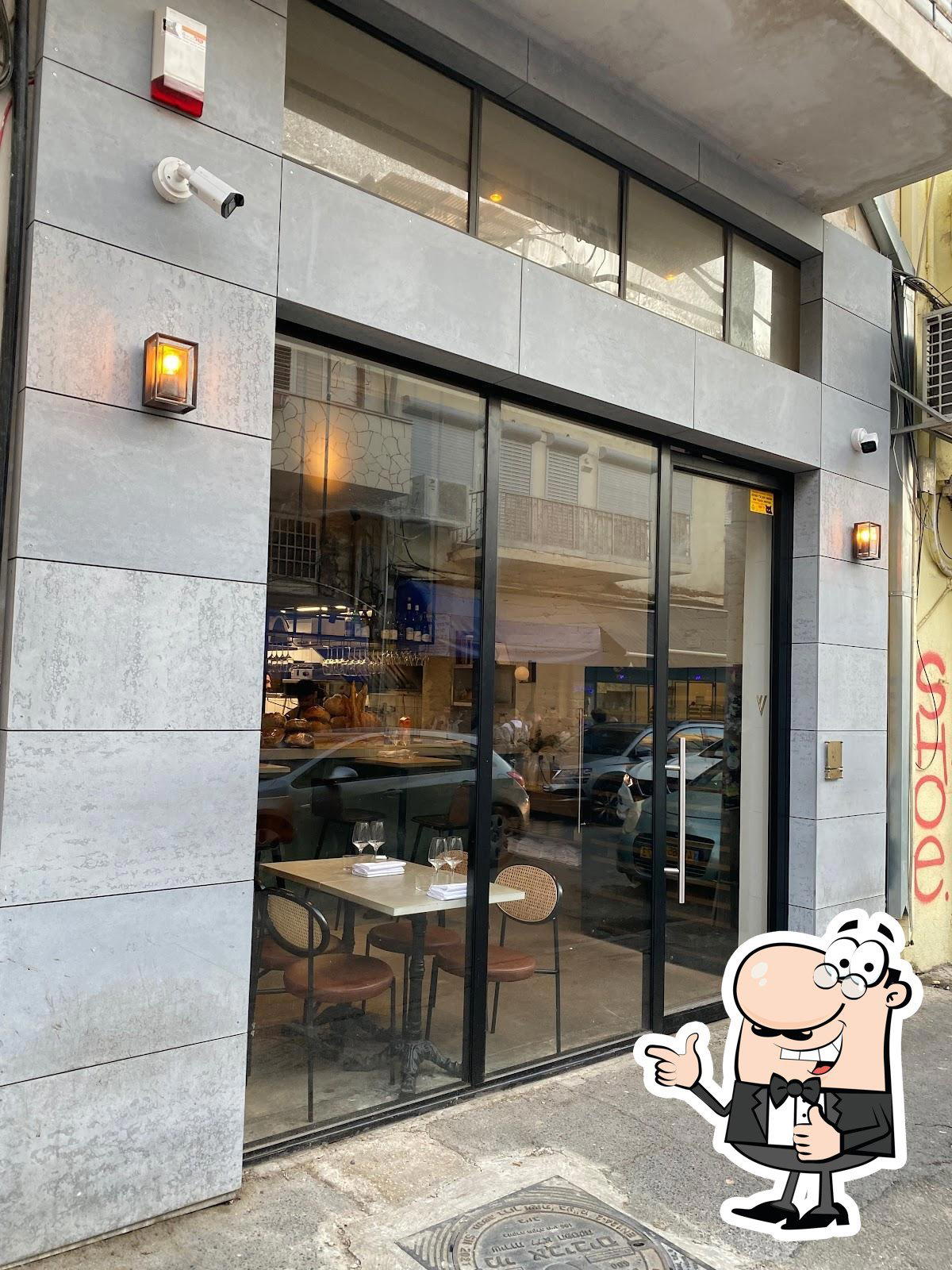
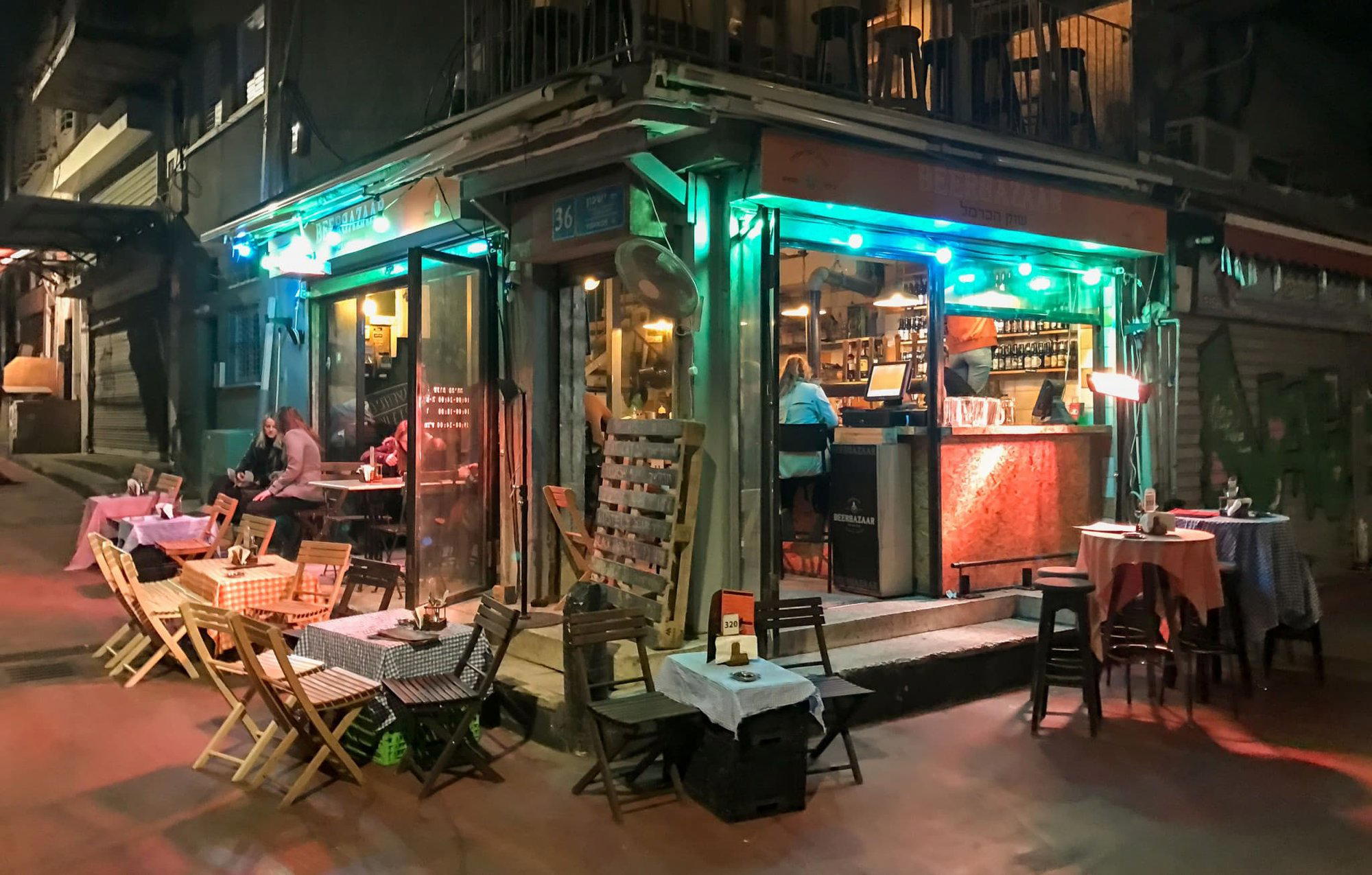
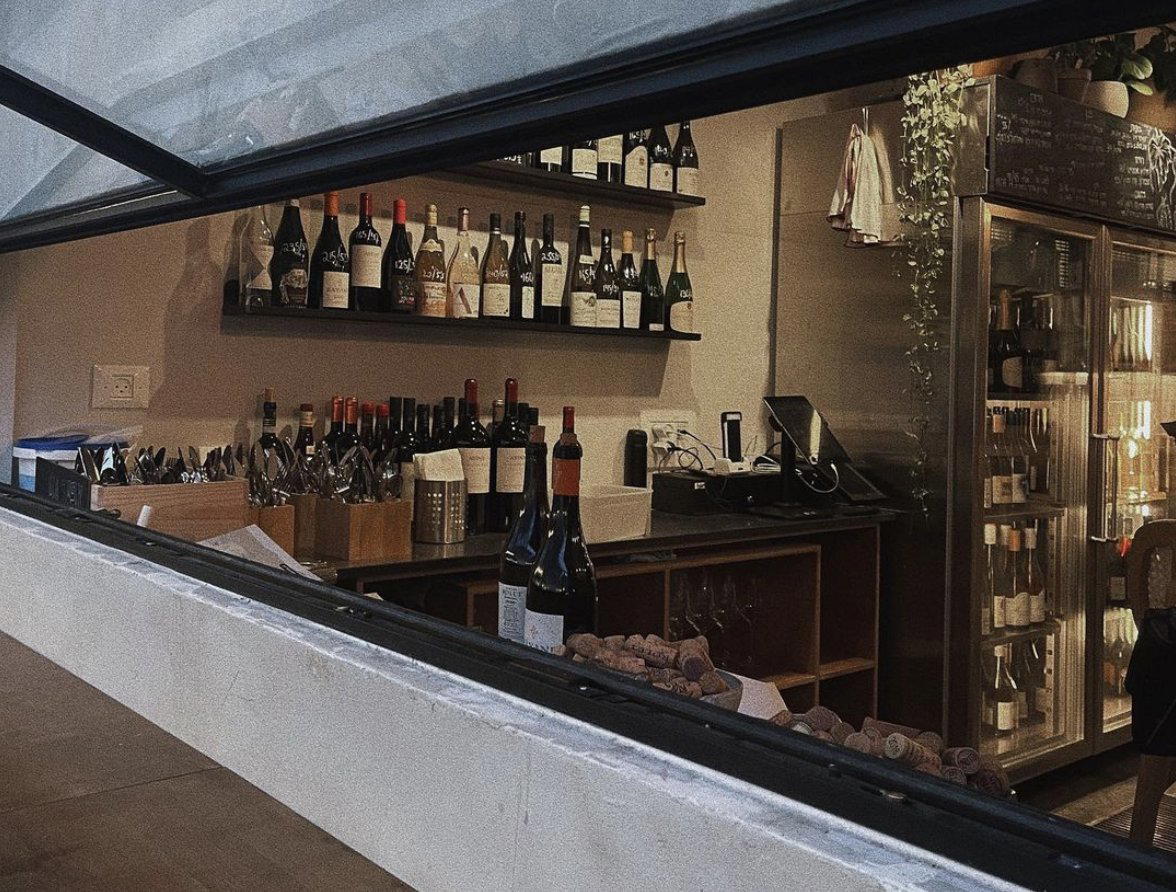
Cozy and welcoming with an open kitchen showcasing rows of colorful steaming pots, creating a homey, market-like atmosphere.