

On King George Street in central Jerusalem, Chakra has held consistent placement on La Liste's global restaurant rankings across consecutive years, reflecting the depth of its modern Israeli kitchen. For visitors mapping Jerusalem's serious dining scene, it represents a reliable entry point into the city's contemporary approach to regional cuisine.
Pearl is the En Primeur Club membership app — saves, bookings, and concierge access live there. Same editors, same standards.
- Address
- King George St 41, Jerusalem, 9426116, Israel
- Phone
- +972 2-625-2733
- Website
- chakrarest.com
- Directions
- Get directions
 Saves & bookings on Pearl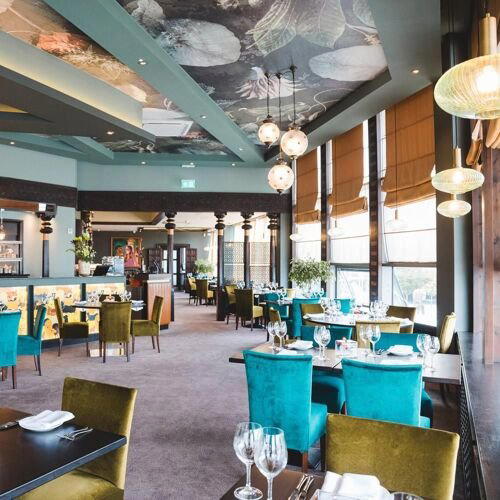
King George Street and the Weight of a Jerusalem Address
Jerusalem's dining scene operates under pressures that few other cities share. The Old City's culinary gravity, the shifting politics of what counts as 'local' cuisine, and a deeply observant population that shapes everything from kitchen hours to ingredient sourcing — all of this creates a context in which any restaurant on King George Street is already making a statement. The street itself is commercial, central, and deliberately secular in character, the kind of address where a kitchen can reach tourists, secular Israelis, and the city's professional class in a single service. Chakra sits at number 41, and its consistent La Liste placement — 78.5 points in 2025 and 76 points in 2026, puts it inside a small tier of Jerusalem restaurants that register on global benchmarks at all.
What La Liste Placement Actually Means Here
La Liste draws on aggregated data from sources including Michelin, Gault&Millau;, and major local guides, which makes its scores a composite signal rather than a single critic's opinion. For context, restaurants clearing 75 points on La Liste sit in a range occupied by serious regional players, not the rarefied 90-plus bracket of globally discussed tasting-counter destinations like Le Bernardin in New York City or Alinea in Chicago, but comfortably above the noise. Chakra's scores across two consecutive years indicate a kitchen operating at a steady level, not a single breakout moment. That consistency matters in a city where dining establishments rise and fade quickly against the rhythms of tourism and local economic shifts. Among Jerusalem restaurants tracked on global lists, that kind of multi-year presence is not automatic.
The Opening Course as Cultural Statement
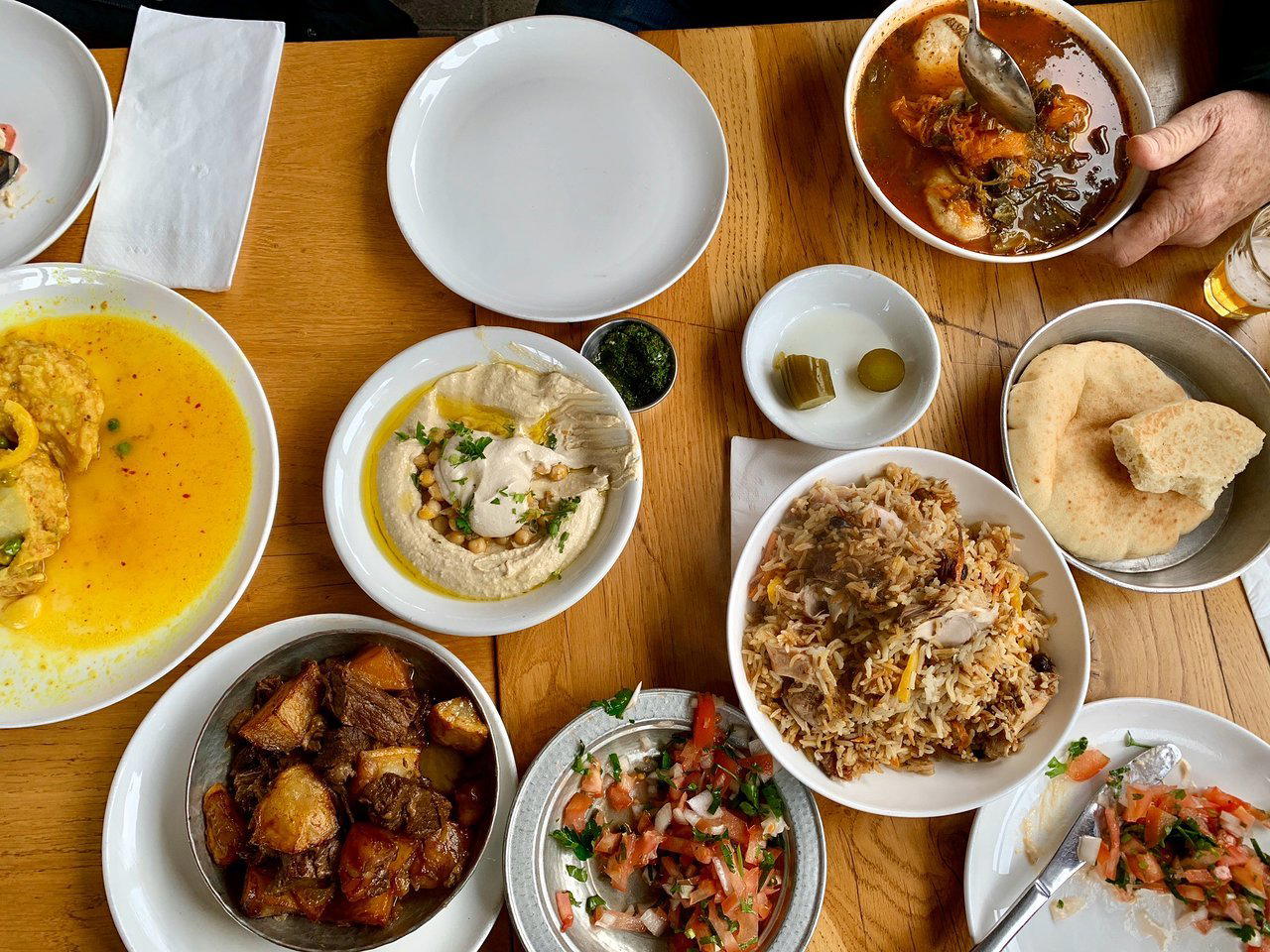
Modern Israeli cuisine, as practiced in serious Jerusalem kitchens, has moved well past the question of what to put on the table and into how to reframe what was already there. The mezze-adjacent opening spread, hummus, baba ganoush, fattoush, labneh, various dips built from roasted or fermented vegetables, carries a weight in this city that it doesn't quite carry elsewhere. These are not interchangeable starters. In Jerusalem, where the same dish might be claimed by a dozen culinary traditions and where the sourcing of a particular olive oil can be a pointed choice, the opening course is effectively a declaration of culinary position. Restaurants operating in the modern Israeli register, as Chakra does, tend to approach this spread with either technical refinement or explicit fusion framing. For comparison, Machneyuda in the Mahane Yehuda market takes a louder, more theatrical approach to the same culinary tradition; Chakra's King George location and sustained ranking suggest a different register, more composed, more suited to a long dinner than a buzzing market-adjacent experience.
The dips category alone rewards close attention in this context. Hummus in Jerusalem is rarely a neutral subject. The city has its own lineage of hummus specialists, a tradition that runs toward purity and technique, closer to the approach at Abu Hassan in Jaffa than to anything that would pass as fusion. Modern Israeli restaurants working at Chakra's level typically handle this by sourcing carefully and executing classically on the fundamentals, then distinguishing themselves further into the meal. The fattoush question is also worth considering: in a city where ingredient provenance is loaded, the quality of a simple chopped salad signals kitchen discipline as clearly as anything more complex.
Modern Israeli Cuisine at This Tier, Jerusalem vs. Tel Aviv
The modern Israeli restaurant category has developed different personalities across Israeli cities. Tel Aviv's version, represented at the serious end by kitchens like OCD Restaurant and Alena at The Norman, often leans into technique-forward, ingredient-obsessive cooking with European structural influences. Jerusalem's version tends to carry more of the city's layered food history, Mizrahi, Ashkenazi, Palestinian, Armenian, and Ottoman traditions compressed into a single culinary space. For travellers who have eaten modern Israeli cuisine in diaspora settings, at a place like Susar in Toronto, for example, the Jerusalem version offers the referential density that only proximity to source can provide.
Planning a Visit: What to Know Before You Go
Chakra is located at King George St 41 in central Jerusalem, walkable from most of the city's major hotels and straightforwardly accessible from the light rail network. For visitors building a broader Jerusalem dining itinerary, our full Jerusalem restaurants guide maps the scene across neighbourhoods and price points. Pair a dinner here with a broader evening in central Jerusalem, and consider the city's bar scene, hotel options, and cultural experiences for a more complete itinerary. Those interested in Israeli wine alongside the meal would do well to consult our Jerusalem wineries guide for context on what the local wine industry is producing.
A Quick Peer Check
| Venue | Cuisine | Price | Awards |
|---|---|---|---|
| ChakraThis venue — the venue you are viewing | Modern Israeli | La Liste Top Restaurants (2026): 76pts; La Liste Top Restaurants (2025): 78.5pts | This venue |
| Machneyuda | Israeli | Israeli | Not listed |
| Abu Hassan | Humus | Humus | Not listed |
| Dr. Shakshuka | Middle Eastern | Middle Eastern | Not listed |
| Ha'Achim | Israeli | Israeli | Not listed |
| Habasta | Israeli | Israeli | Not listed |
Recognition history
Dated appearances from independent guides and award organizations, with the underlying list record or original source where available.
La Liste Top Restaurants
La Liste
La Liste Top Restaurants
La Liste
World Culinary Awards Israel's Best Restaurant 2025 #1
World Culinary Awards
Continue exploring
More in Jerusalem
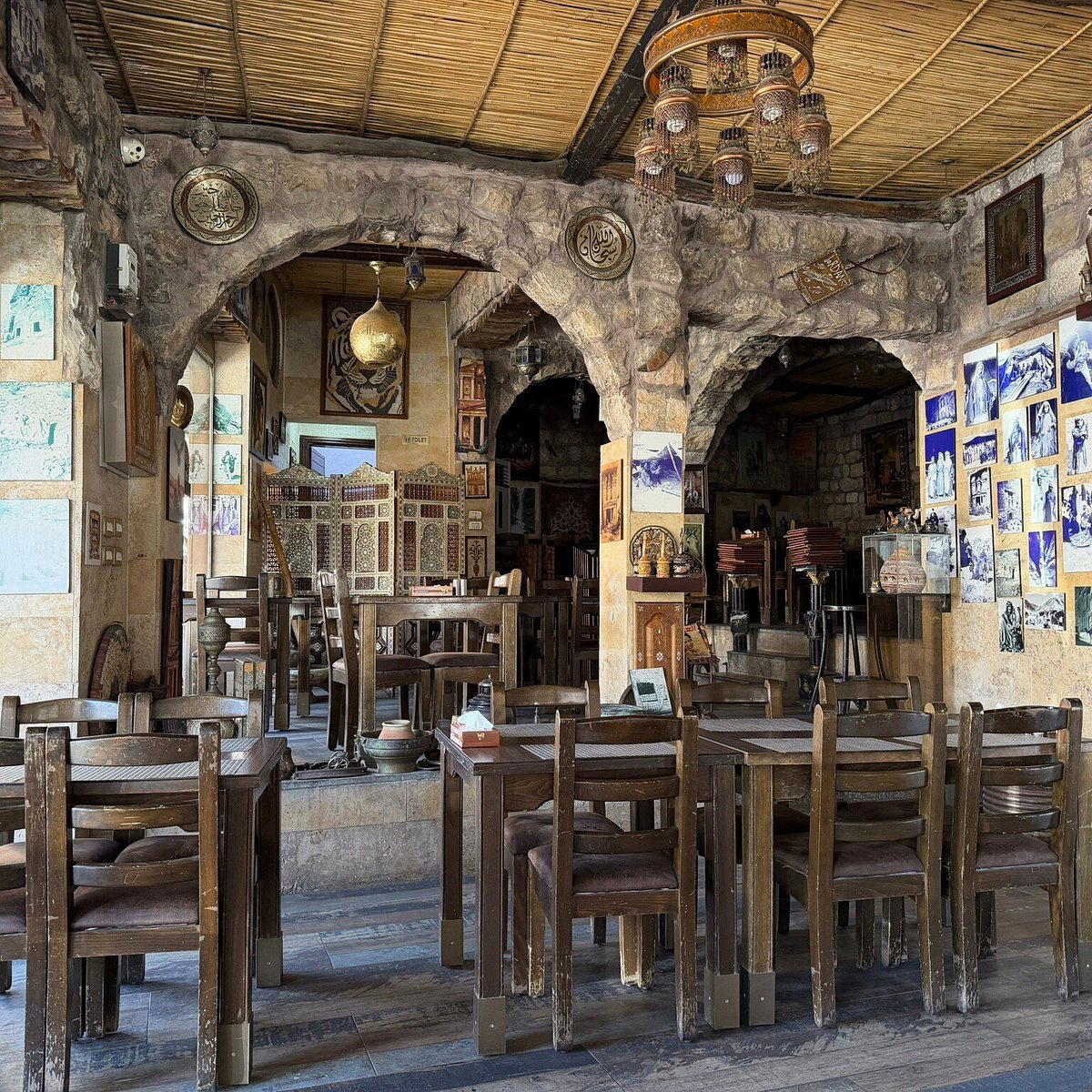
Restaurants in Jerusalem
Browse all →
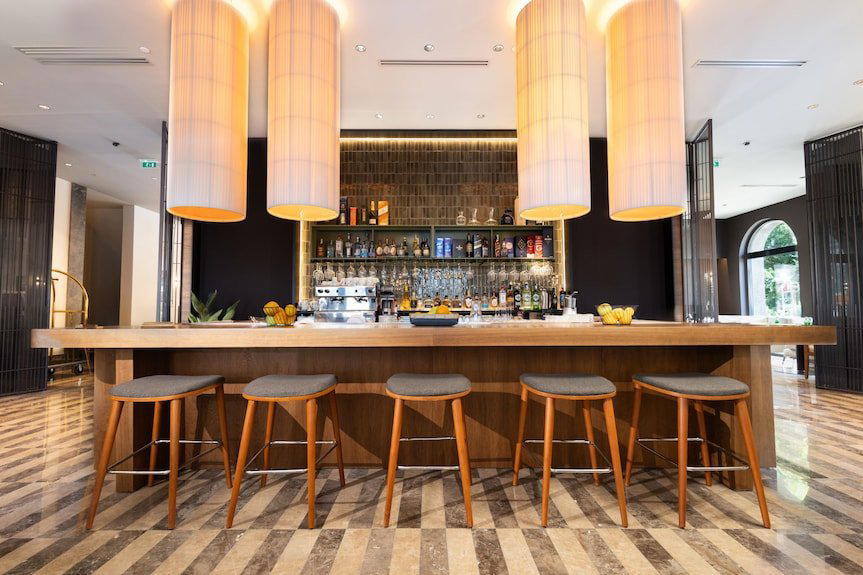
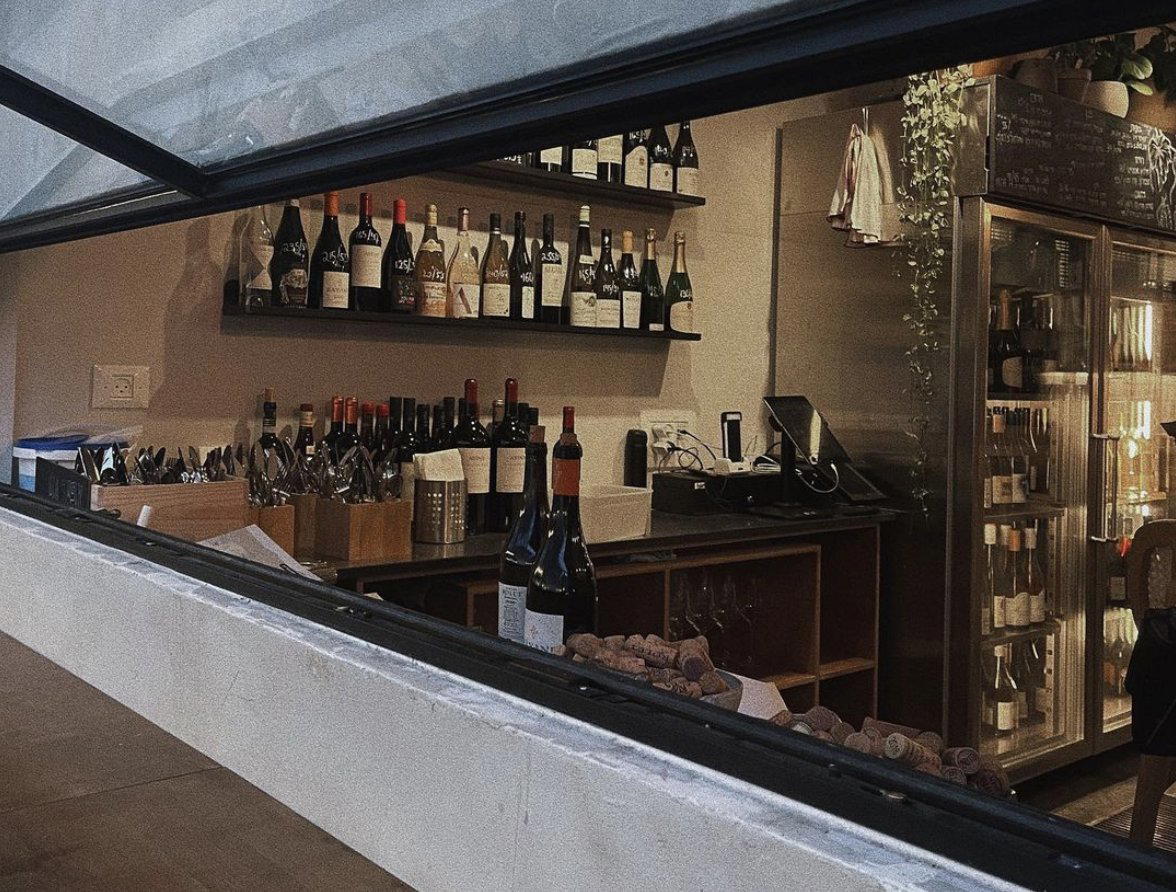
Bars in Jerusalem
Browse all →
Hotels in Jerusalem
Browse all →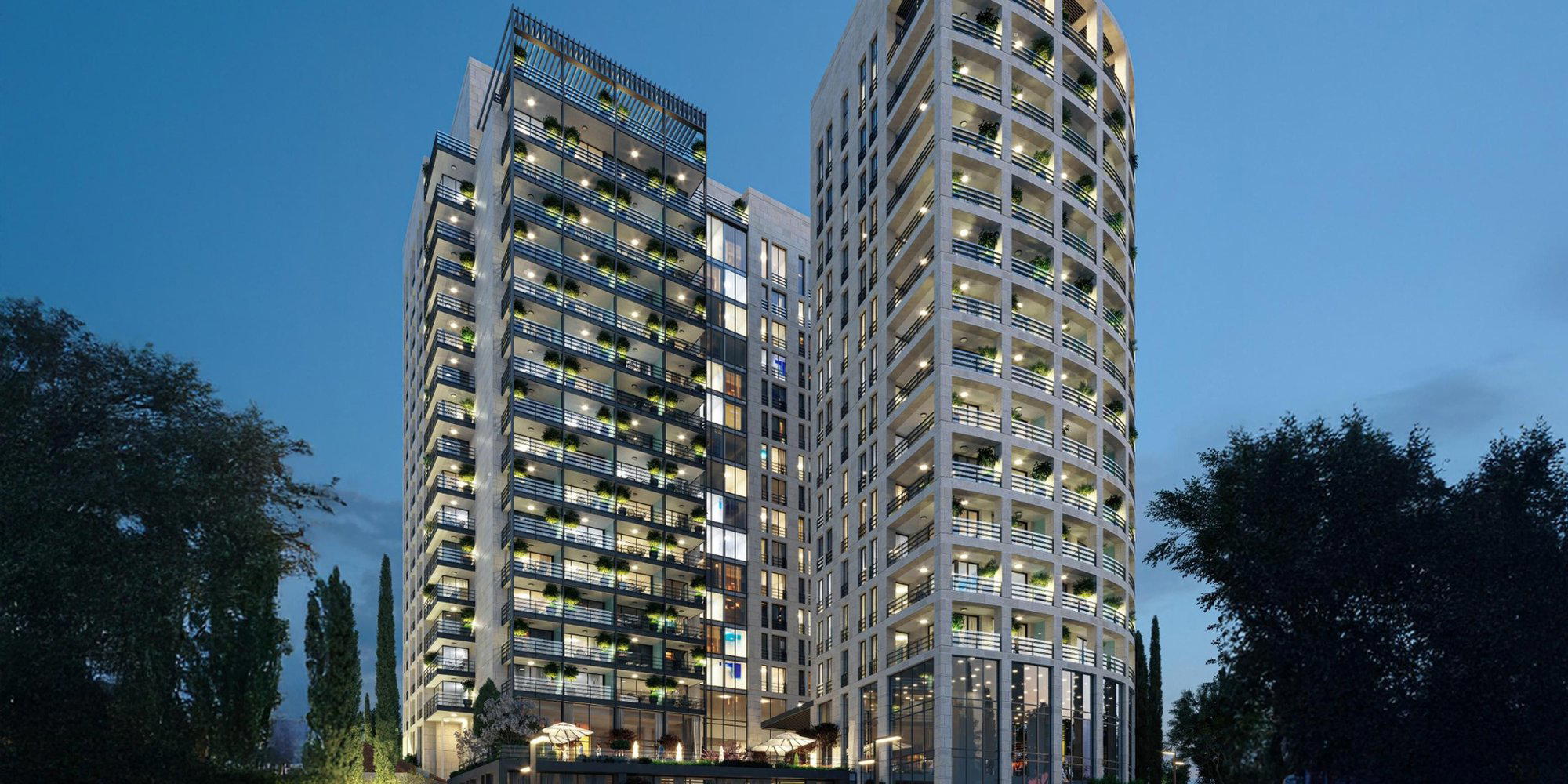

At a Glance
- Modern
- Lively
- Elegant
- Cozy
- Date Night
- Special Occasion
- Group Dining
- Open Kitchen
- Terrace
- Extensive Wine List
- Garden
- Street Scene
Current opening hours
- Monday
- 6 PM–12 AM
- Tuesday
- 6 PM–12 AM
- Wednesday
- 6 PM–12 AM
- Thursday
- 6 PM–12 AM
- Friday
- 6 PM–12 AM
- Saturday
- 6 PM–12 AM
- Sunday
- Closed
Hours can change for holidays and private events. Last verified .
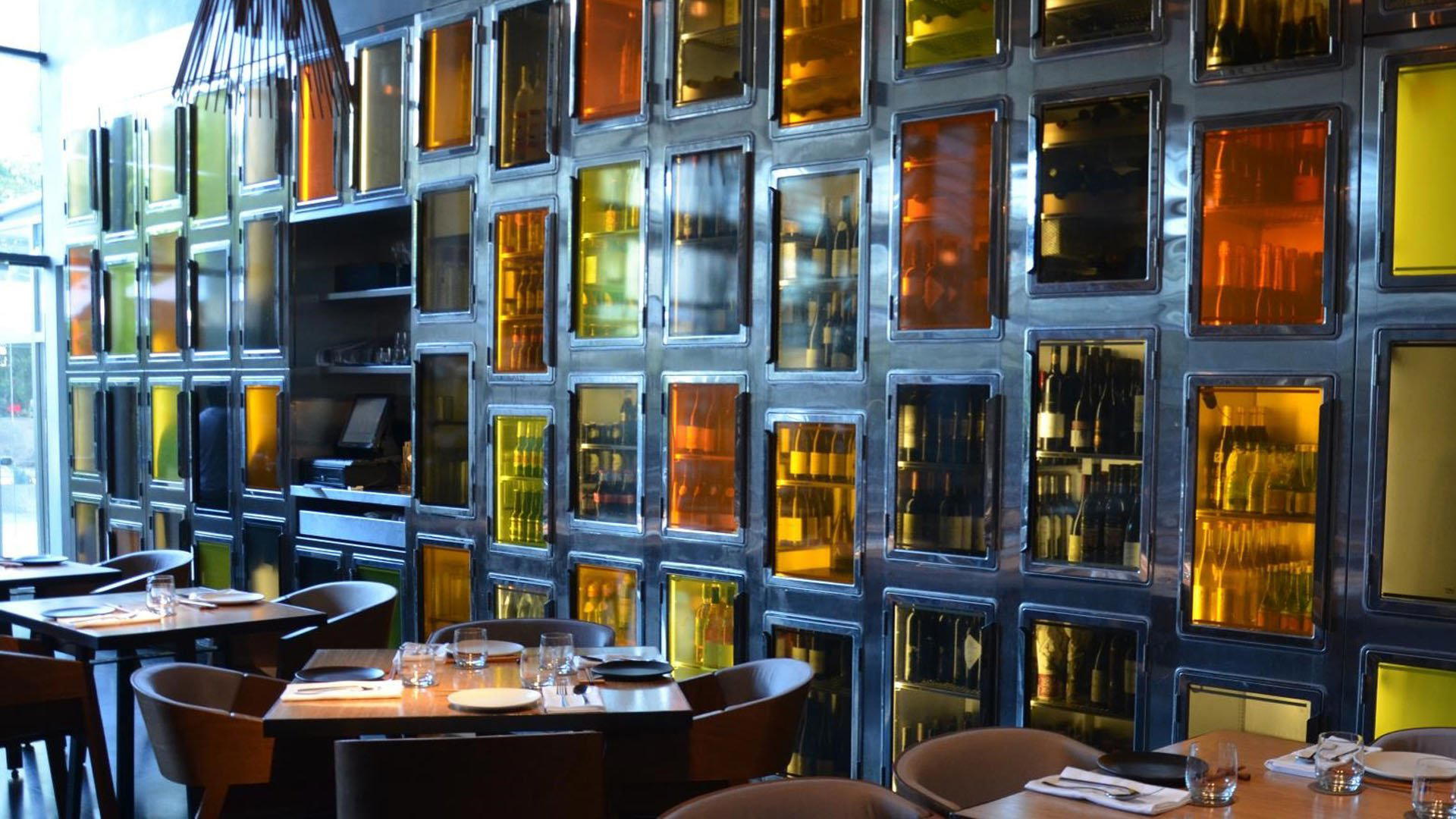
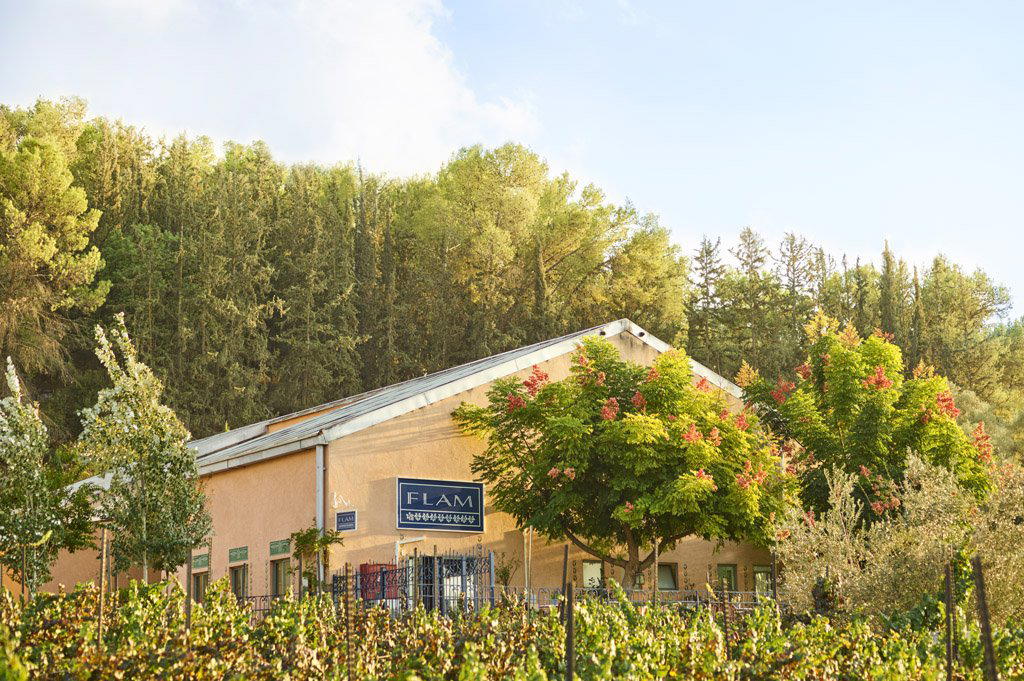
Modern busy interior with cool cozy lighting, pleasant outdoor courtyard in a small park.
Know Before You Go
- Getting there
- King George St 41, Jerusalem, 9426116, Israel