
Star Wine List
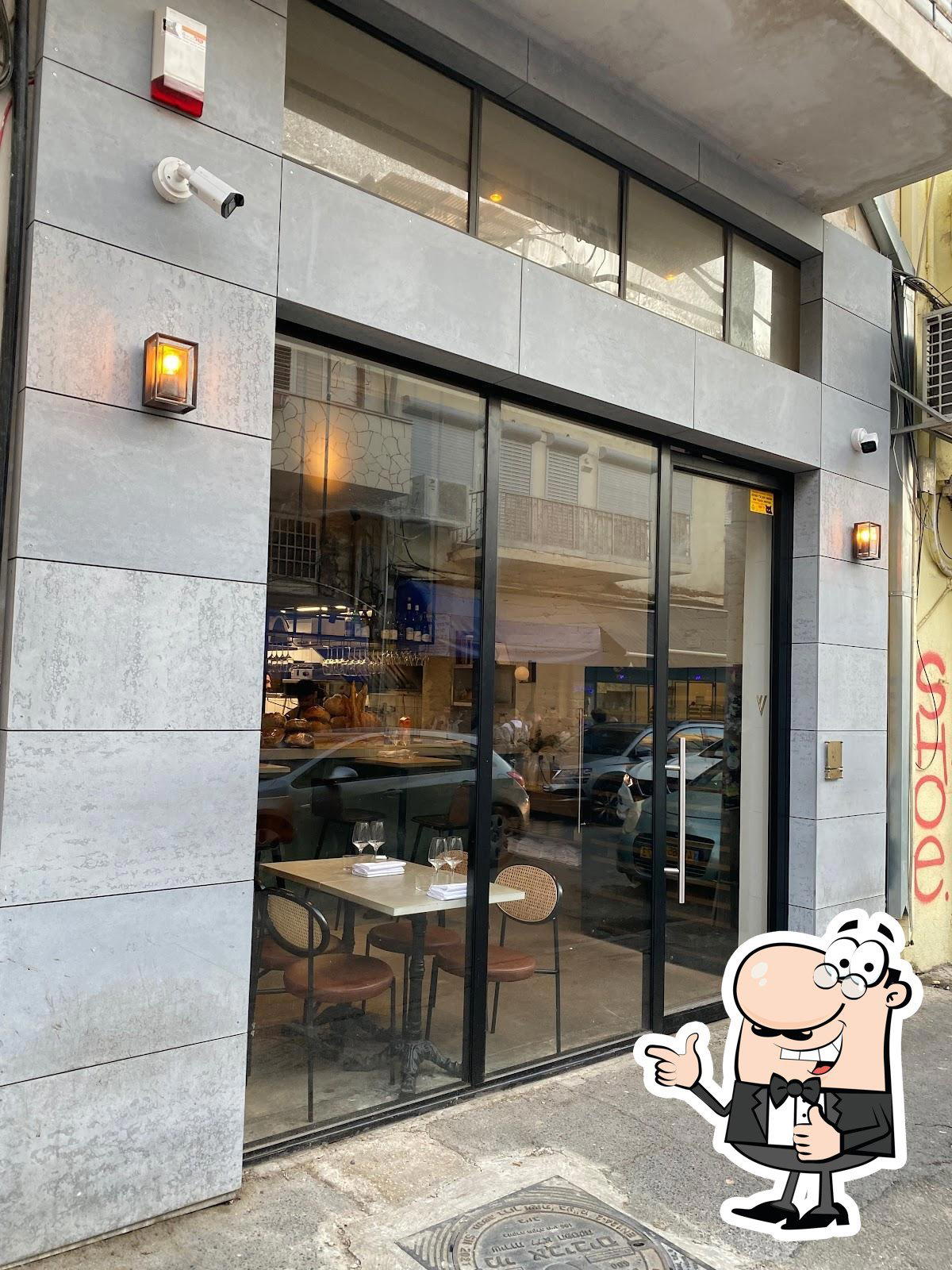
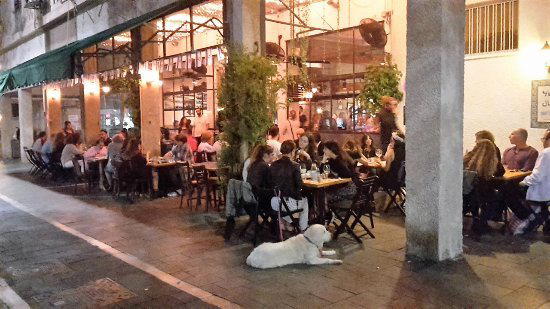
Brix occupies a corner of Givon Square in Tel Aviv, a wine bar that has embedded itself into the social fabric of its neighbourhood rather than positioning for destination crowds. The format here is unhurried: local wine, familiar faces, and a setting that rewards those who treat a glass as a reason to linger rather than a transaction to complete.

Pearl is the En Primeur Club membership app, where members save venues, book tables and use the concierge.
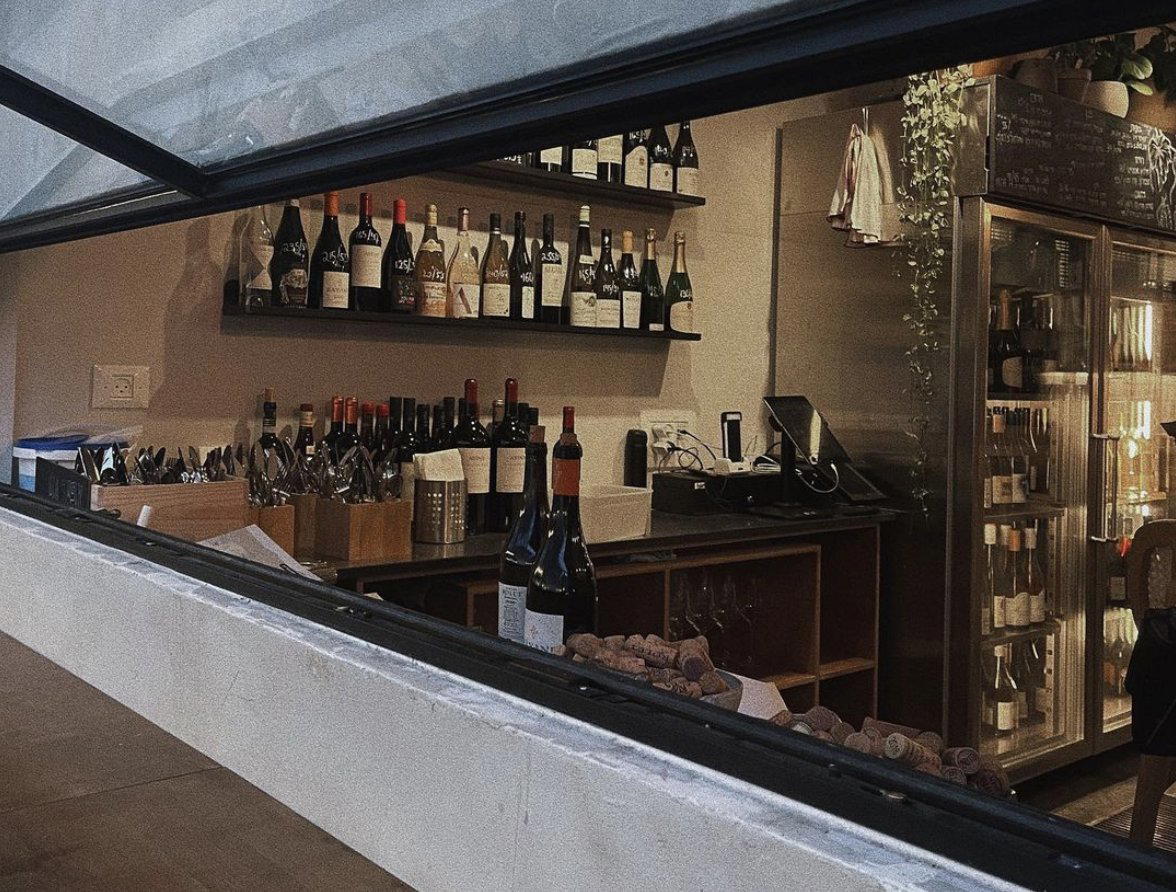
The Square and Its Anchor
Givon Square has followed a pattern familiar to several inner Tel Aviv neighbourhoods: a formerly low-key residential node that gradually accumulated enough cafes, bars, and food spots to become a genuine local circuit. The bars that take root in these squares tend to reflect the character of the streets around them rather than import an identity wholesale from somewhere else. Brix sits inside that logic, a wine bar whose address on Giv'on Street 10 places it at the centre of a pocket that locals have quietly adopted as their own.
Imperial Craft and the more formal restaurant wine lists that reward advance planning. The wine bar format asks for a glass, a seat, and time for the conversation to find its own pace.
A Format Built Around Gathering
Tel Aviv has always leaned into that mode, the long table, the shared plate, the glass refilled without ceremony. Brix works within that tradition, functioning less as a destination you schedule and more as a place you arrive at because the square is already where you are. That distinction matters in how a bar earns its regulars.
Across the broader Tel Aviv bar scene, there is a clear split between venues that compete on craft credentials and those that compete on belonging. Bar 51 and Bosser sit in the technically ambitious cohort, with programs built around technique and sourcing precision. Christoff occupies its own register. Brix operates on different terms, where the measure of a good evening is less about what is in the glass and more about how long you stay.
Internationally, that neighbourhood-anchor model has produced some genuinely serious wine bar cultures. Kumiko in Chicago and Jewel of the South in New Orleans both demonstrate how a local-first orientation can coexist with genuine curation. 1806 in Melbourne built its reputation over years of exactly this kind of accumulation, where regulars become part of the bar's identity as much as the list does. The format is not accidental; it requires a deliberate choice to resist the pull of the destination-dining circuit.
The Wine Logic of the Region
Israel's wine industry has shifted considerably over the past two decades, moving from a scene dominated by a handful of large producers to one with a meaningful small-producer tier across the Galilee, Golan Heights, and Judean Hills. The domestic category now includes serious natural wine interest alongside more conventional production, which means a Tel Aviv wine bar with a thoughtful list has genuine local material to draw from rather than defaulting entirely to European imports.
The broader context matters here: in cities where the local wine industry is thin or nascent, neighbourhood wine bars tend to operate as import showcases. In Tel Aviv, the domestic option is real and increasingly respected, which gives a bar like Brix the opportunity to function as a kind of introduction to what Israeli producers are actually making. That is not a minor distinction. It shifts the bar from curator of elsewhere to ambassador of here.
Globally, the wine bars that hold their neighbourhood identity longest are often those that manage the tension between accessibility and quality without collapsing into one or the other. Bar Leather Apron in Honolulu and Julep in Houston have both navigated this by anchoring their programs in local identity while maintaining standards that reward the more attentive drinker. Superbueno in New York City does something similar in its own register, as does The Parlour in Frankfurt on the Main. The pattern recurs because the model works when it is honest about what it is trying to do.
How to Approach an Evening at Brix
Givon Square rewards the kind of evening that starts without a firm endpoint. Arriving at Brix works well when treated as a first stop or a deliberate pause rather than a culminating dinner. The wine bar format in this part of Tel Aviv tends to reward those who show up before the city's late-dinner crowd has fully mobilised, typically before 9pm if you want space rather than the energy of a full house. After that hour the square fills in from multiple directions.
Accolades, Compared
Comparable venues nearby, for context on price, style, and recognition.
| Venue | Cuisine | Price | Awards | Notes |
|---|---|---|---|---|
| BrixThis venue (the venue you are viewing) | wine_bar | Not listed | Star Wine List | Not listed |
| Tirza | wine_bar | Not listed | Star Wine List | Florentine |
| Bosser | wine_bar | $20–30 | Star Wine List | Newe Sha'anan |
| Côte | wine_bar | Not listed | Star Wine List | Newe Sha'anan |
| Khaim Menakhem Bassok | Bar | Not listed | Not listed | Ṣummeil |
| Christoff | wine_bar | Not listed | Star Wine List | Florentine |
Recognition history
Dated appearances from independent guides and award organizations, with the underlying list record or original source where available.
Star Wine List
Star Wine List
Continue exploring
More in Tel Aviv
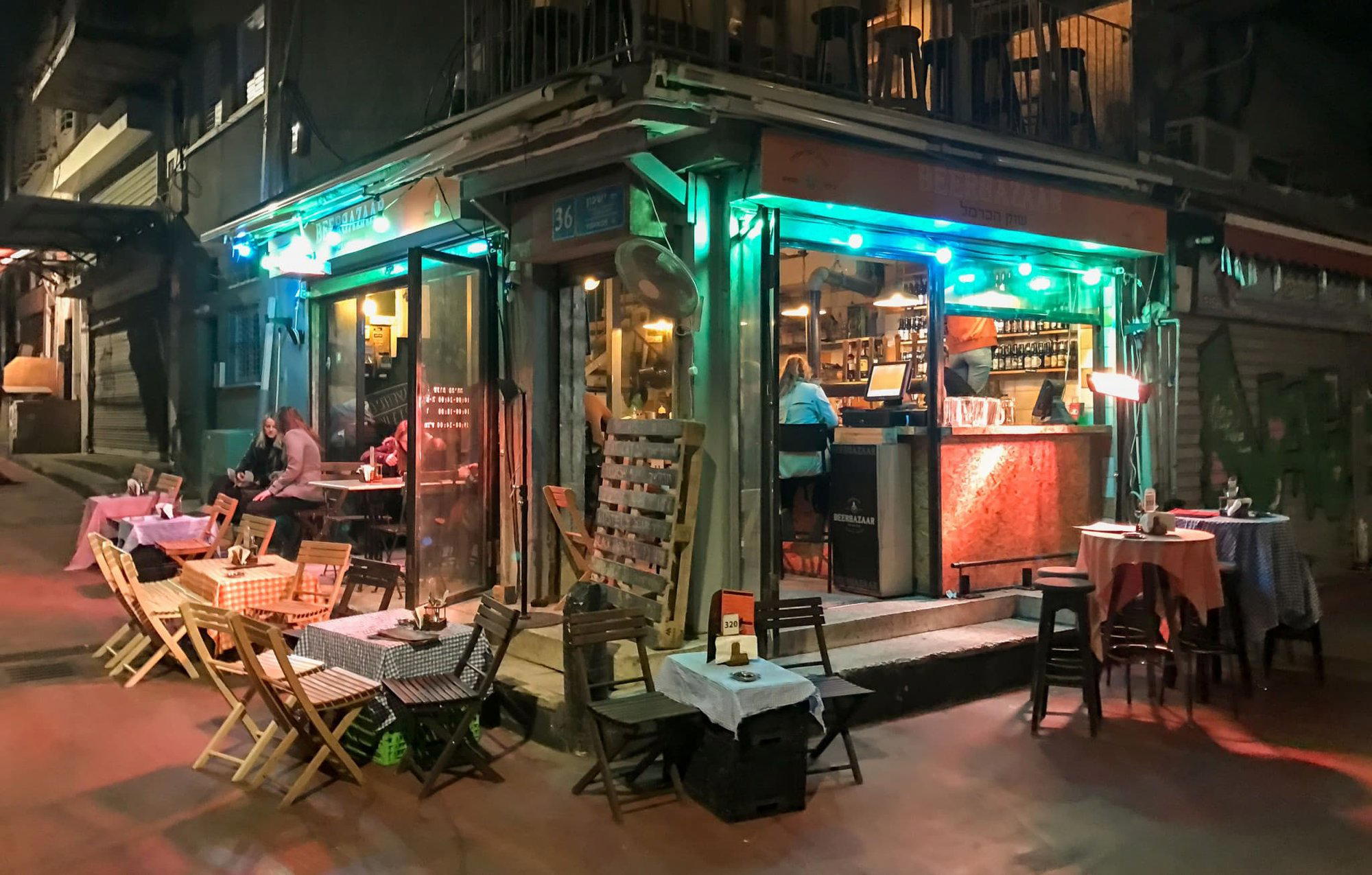
Bars in Tel Aviv
All bars in Tel Aviv →
Restaurants in Tel Aviv
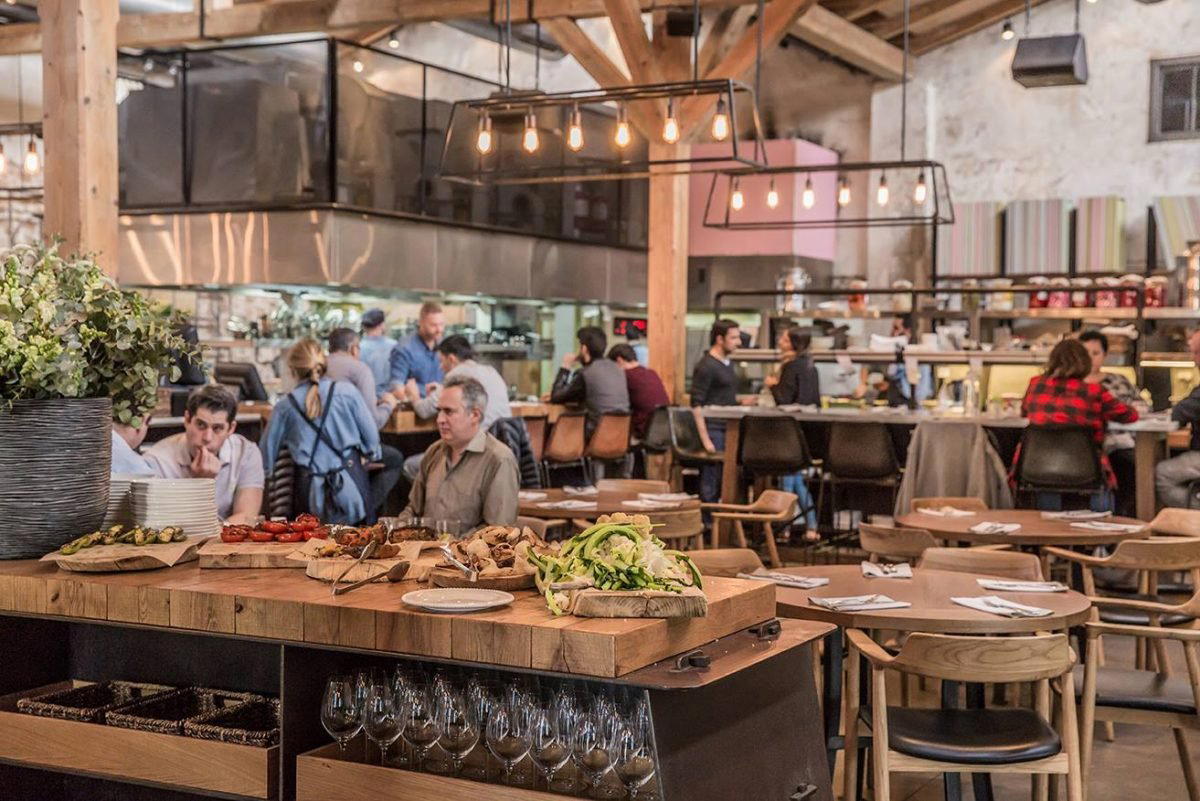
All restaurants in Tel Aviv →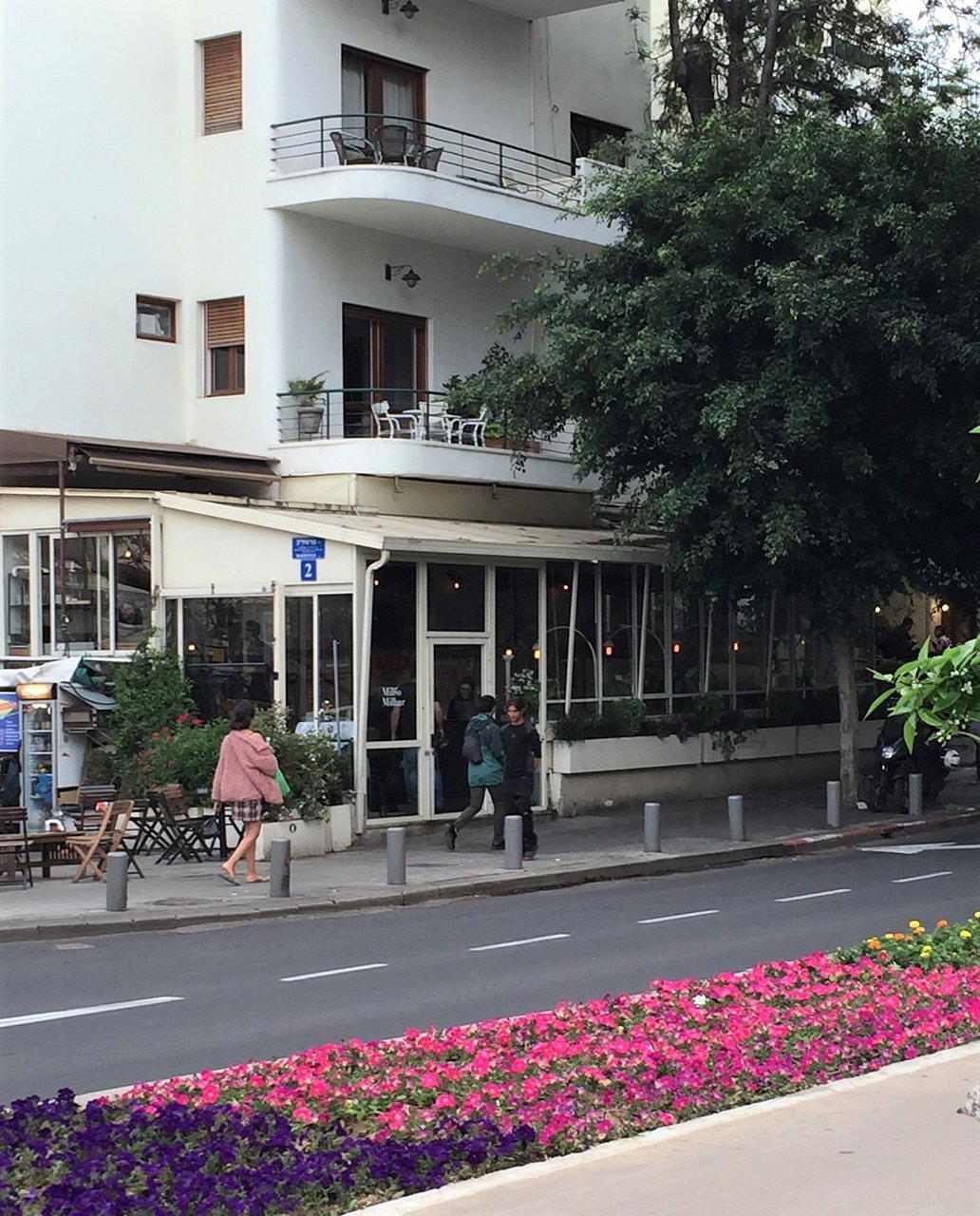

Details
- Cozy
- Elegant
- Trendy
- Date Night
- Casual Hangout
- Standalone
- Seated Bar
- Lounge Seating
- Conventional Wine
Current opening hours
- Monday
- 5–11 PM
- Tuesday
- 5–11 PM
- Wednesday
- 5–11 PM
- Thursday
- 5–11 PM
- Friday
- Closed
- Saturday
- Closed
- Sunday
- 5–11 PM
Hours can change for holidays and private events. Hours as of .
Lovely atmosphere.