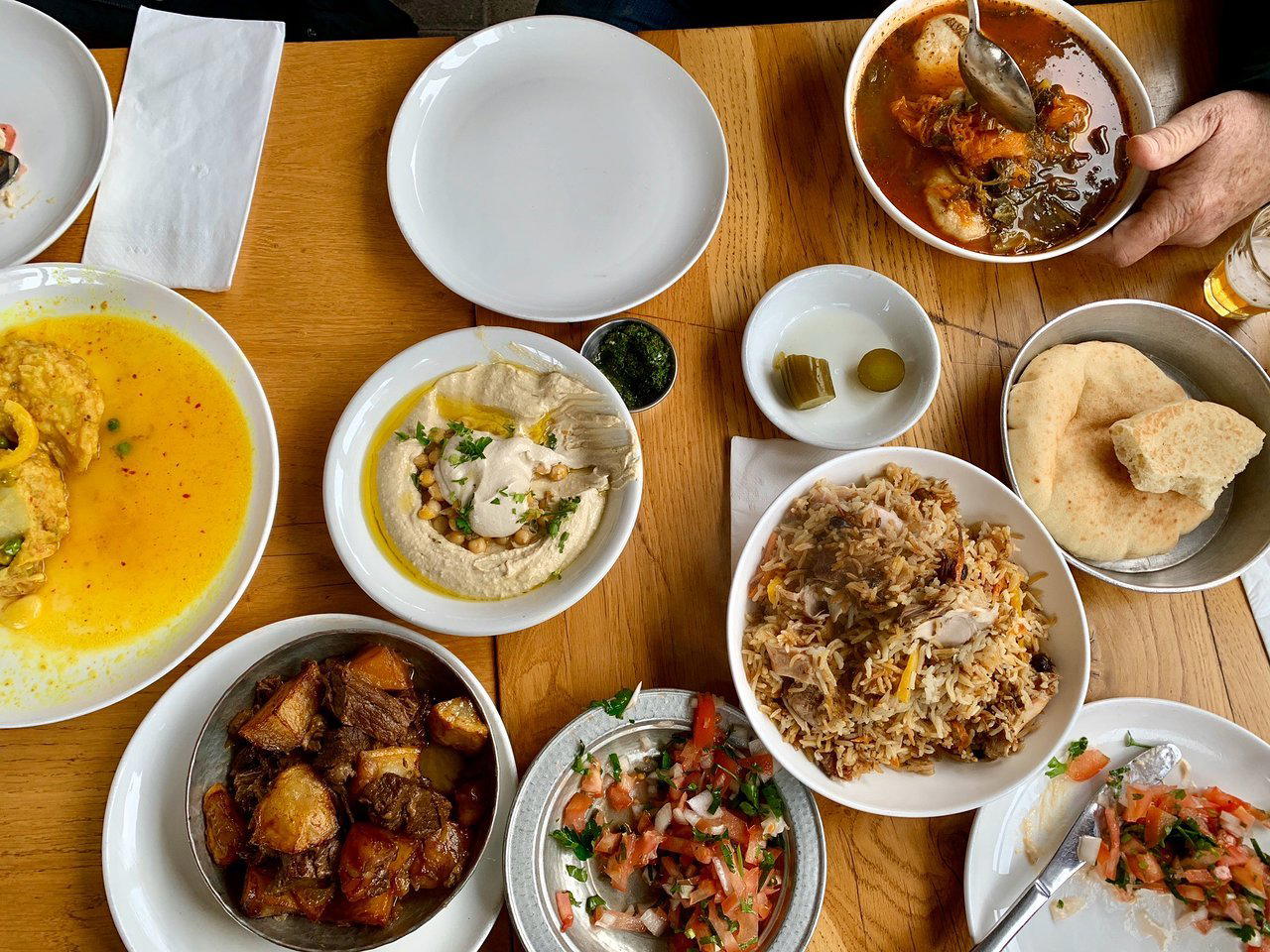
On Betsal'el Street in the heart of Jerusalem's arts district, Menza draws from the deep larder of Israeli and regional Mediterranean produce. The kitchen's approach reflects a city that has always traded in agricultural abundance, positioning it alongside the more established names that define serious dining in the capital.
Pearl is the En Primeur Club membership app — saves, bookings, and concierge access live there. Same editors, same standards.
- Address
- Betsal'el St 10, Jerusalem, Israel
- Phone
- +97226255222
- Website
- orders.beecommcloud.com
- Directions
- Get directions
 Saves & bookings on Pearl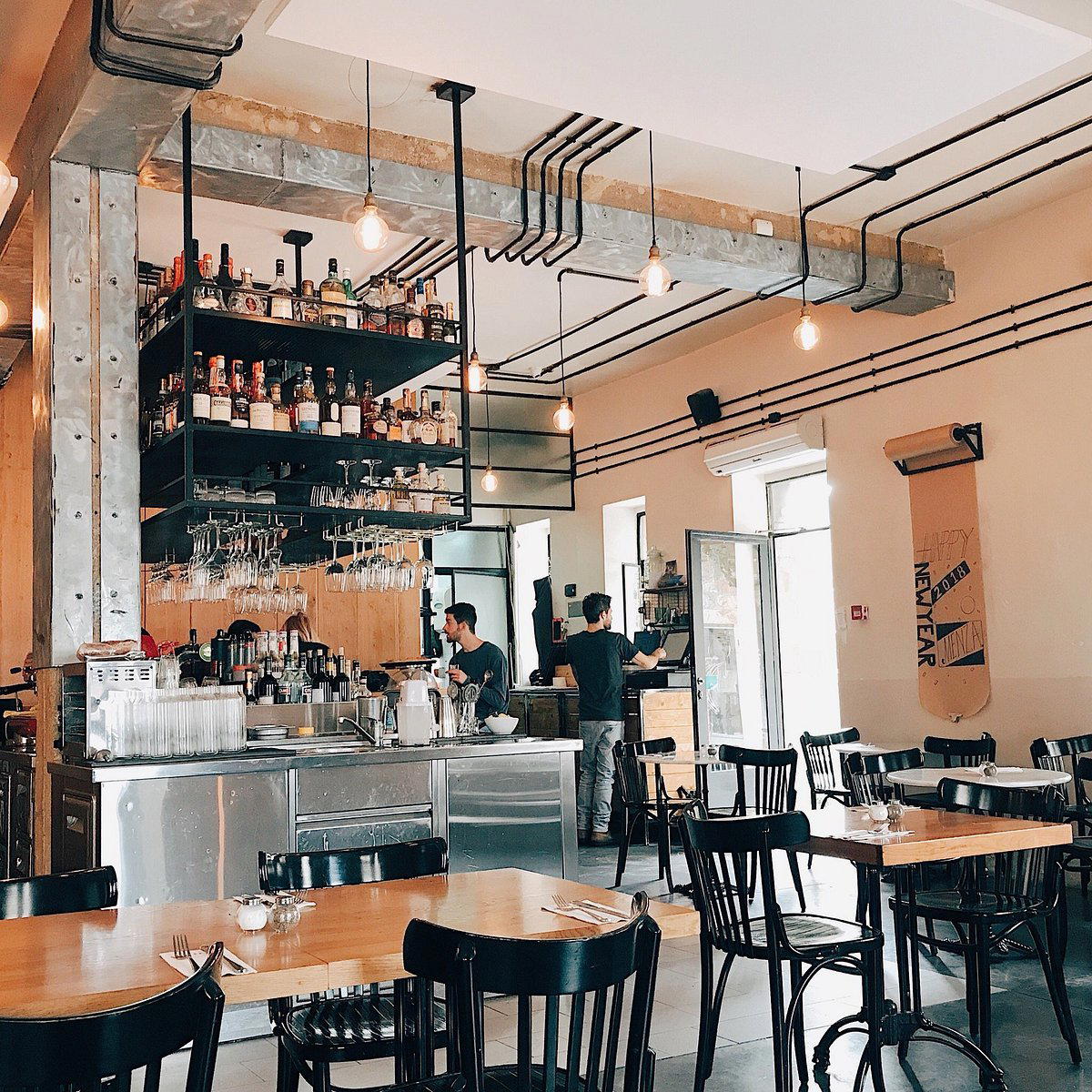
Betsal'el Street and the Weight of What Jerusalem Eats
Approach Betsal'el Street on a weekday afternoon and you move through a neighbourhood that runs on two things: craft and appetite. The street anchors Jerusalem's arts and design quarter, where gallery storefronts sit beside small producers and the foot traffic skews toward people who pay attention to what they consume. It is the kind of address that shapes a restaurant before the first dish arrives, because the surrounding community tends to demand honesty from its food supply chain. Menza is a Mediterranean Bistro in Jerusalem at Betsal'el St 10, with a casual dress code, recommended reservations, and an approximate price of $25 per person.
Jerusalem's restaurant scene has consolidated around a clear axis in recent years: on one side, the old-school Levantine houses that have served the same preparations for generations; on the other, a more restless generation of kitchens that treat the region's agricultural output as raw material for something more considered. Machneyuda made the loudest version of that shift, turning the Mahane Yehuda market into both a sourcing address and a dining destination. Azura, by contrast, has held its ground as a reference point for slow-cooked tradition. Menza occupies a different position in that spread, shaped by the Betsal'el neighbourhood's particular appetite for produce-led, ingredient-forward cooking.
What the Region Puts on the Table
Israeli cooking draws from among the more compressed and varied agricultural regions in the Middle East. Within a few hours of Jerusalem, producers are farming citrus on the coastal plain, pressing olive oil in the Galilee, raising dairy animals in the north, and pulling fish from both the Mediterranean and the Red Sea. The country's short supply chains, a function of its geography, mean that what arrives in a Jerusalem kitchen can be genuinely close to its source in a way that larger European capitals rarely achieve.
That proximity is the structural argument behind ingredient-led menus in cities like Jerusalem. When the distance between farm and kitchen compresses, the kitchen's job shifts: less about transformation through technique, more about selection, timing, and restraint. It is the same logic that has driven the reputation of places like Diana in Nazareth and Uri Buri in Acre, both of which built sustained reputations on knowing what to source and when to leave it largely alone. The Galilee's produce belt, in particular, feeds a disproportionate share of Israel's serious kitchens, and Jerusalem restaurants that tap into it gain access to a seasonal rhythm that distinguishes their menus from those relying on year-round commodity supply.
Menza's position on Betsal'el Street places it inside a neighbourhood where that sourcing conversation is already embedded in the local culture. The surrounding arts community has historically been an early market for farmers' market produce, artisan imports, and specialty suppliers, which means the clientele arrives with some baseline calibration for what ingredient quality actually looks like on the plate.
Reading the Jerusalem Table in Peer Context
Jerusalem's mid-to-upper dining tier has become more competitive over the past decade, and the venues that have held ground tend to share a few characteristics: a clear sourcing philosophy, a kitchen with enough discipline to let produce speak without over-seasoning, and a room that matches the seriousness of the food. Chakra sits at the modern Israeli end of that spectrum, drawing a cosmopolitan crowd with a menu that ranges across Mediterranean influences. Mona, housed near the Artists' House, is another reference in the capital's design-conscious dining cohort. The Notre Dame Rooftop Restaurant draws on a different institutional setting but competes for the same occasion-dining spend.
Menza's Betsal'el address gives it a more neighbourhood-rooted character than any of those alternatives, which is both an advantage and a constraint. It is not positioned as a destination restaurant in the way that Machneyuda has become, drawing visitors from Tel Aviv and abroad specifically to eat. It reads more as the kind of place that a Jerusalemite with considered taste returns to regularly, which often signals a kitchen that keeps its food honest rather than performative.
Across Israel more broadly, the kitchens that have attracted sustained critical attention, whether Herbert Samuel in Herzliya, Helena in Caesarea, or Majda, tend to anchor their menus in a specific regional or cultural sourcing narrative rather than a generalist Mediterranean sweep. The more focused the sourcing story, the more it holds up across seasons. That pattern, visible across the country's serious dining rooms, gives the strongest signal about what distinguishes a kitchen with depth from one running on surface-level appeal.
Planning Your Visit to Betsal'el Street
Betsal'el Street is walkable from the city centre and sits within reasonable distance of the main cultural institutions in the western part of Jerusalem. The neighbourhood operates on an arts-quarter schedule, meaning lunch and early evening tend to be more active than late night. Visitors combining a meal with time in the area's galleries or the nearby Mahane Yehuda market should factor in the walk between the two, which covers different but complementary registers of the city's food culture. Kab Kem in Tel Aviv to Abu Hassan in Jaffa and further afield to Michael Local Bistro in Liman and Pitmaster in Beersheba. Le Bernardin in New York and ingredient-precise tasting formats like Atomix, though the Jerusalem context is considerably less formal and considerably more rooted in everyday market culture.
- Corned Beef Sandwich
- Ravioli
- Menza Burger
- Eggs Benedict
- Fattoush
- Shakshuka
Fast Comparison
Comparable venues nearby, for context on price, style, and recognition.
| Venue | Cuisine | Price | Notes |
|---|---|---|---|
| MenzaThis venue — the venue you are viewing | Mediterranean Bistro | $$ | Not listed |
| Azura | Iraqi-Kurdish Home Cooking | $$ | Machane Yehuda |
| Tmol Shilshom | Kosher Israeli Dairy Cafe | $$ | Nachalat Shiva |
| The Culinary Workshop | Modern French Grill with Israeli Fusion | $$$ | First Station |
| Notre Dame Rooftop Restaurant | Mediterranean Fine Dining with Wine & Cheese | $$$ | Yemin Moshe |
| Chakra | Modern Mediterranean Israeli | $$$ | Rekhavya |
Continue exploring
More in Jerusalem
Restaurants in Jerusalem
Browse all →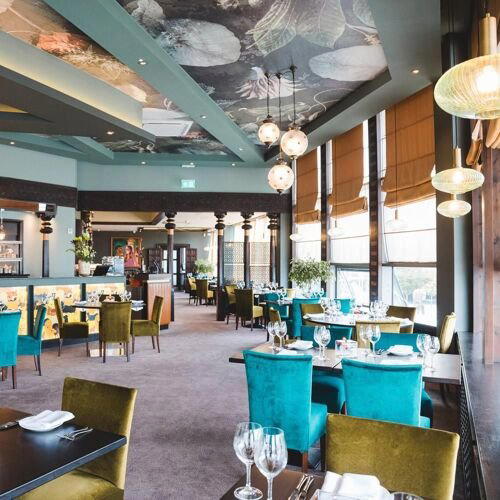
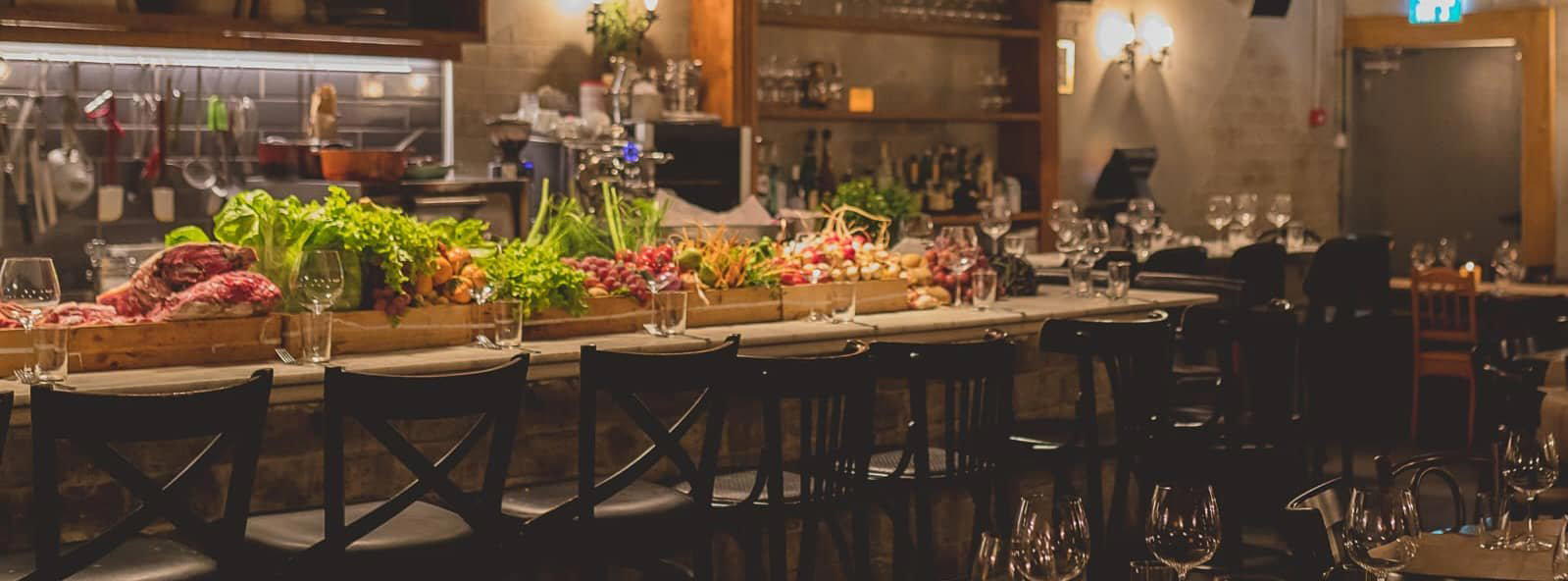
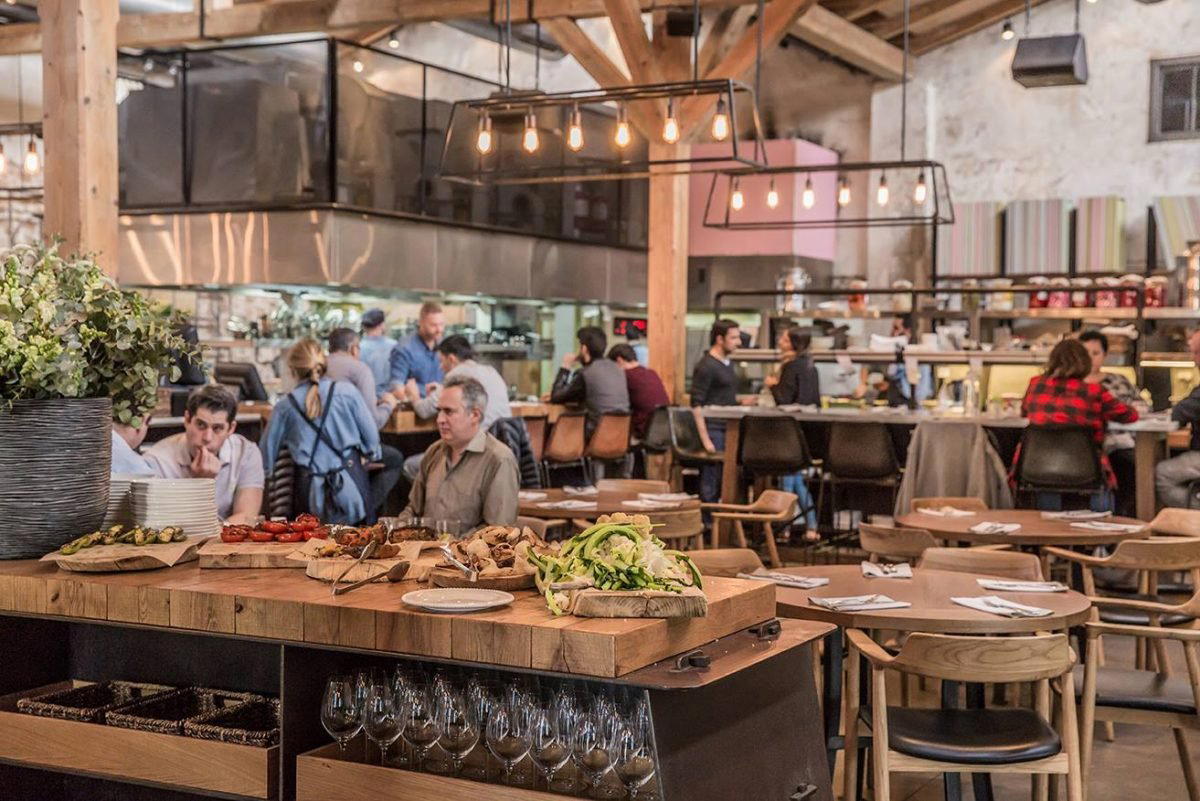
Bars in Jerusalem
Browse all →
At a Glance
- Cozy
- Casual
- Bohemian
- Brunch
- Casual Hangout
- Date Night
- Family
- Group Dining
- Standalone
- Craft Cocktails
Current opening hours
- Monday
- 12–10 PM
- Tuesday
- 12–10 PM
- Wednesday
- 12–10 PM
- Thursday
- 12–10 PM
- Friday
- 12–10:30 PM
- Saturday
- 12–10 PM
- Sunday
- 12–10 PM
Hours can change for holidays and private events. Last verified .
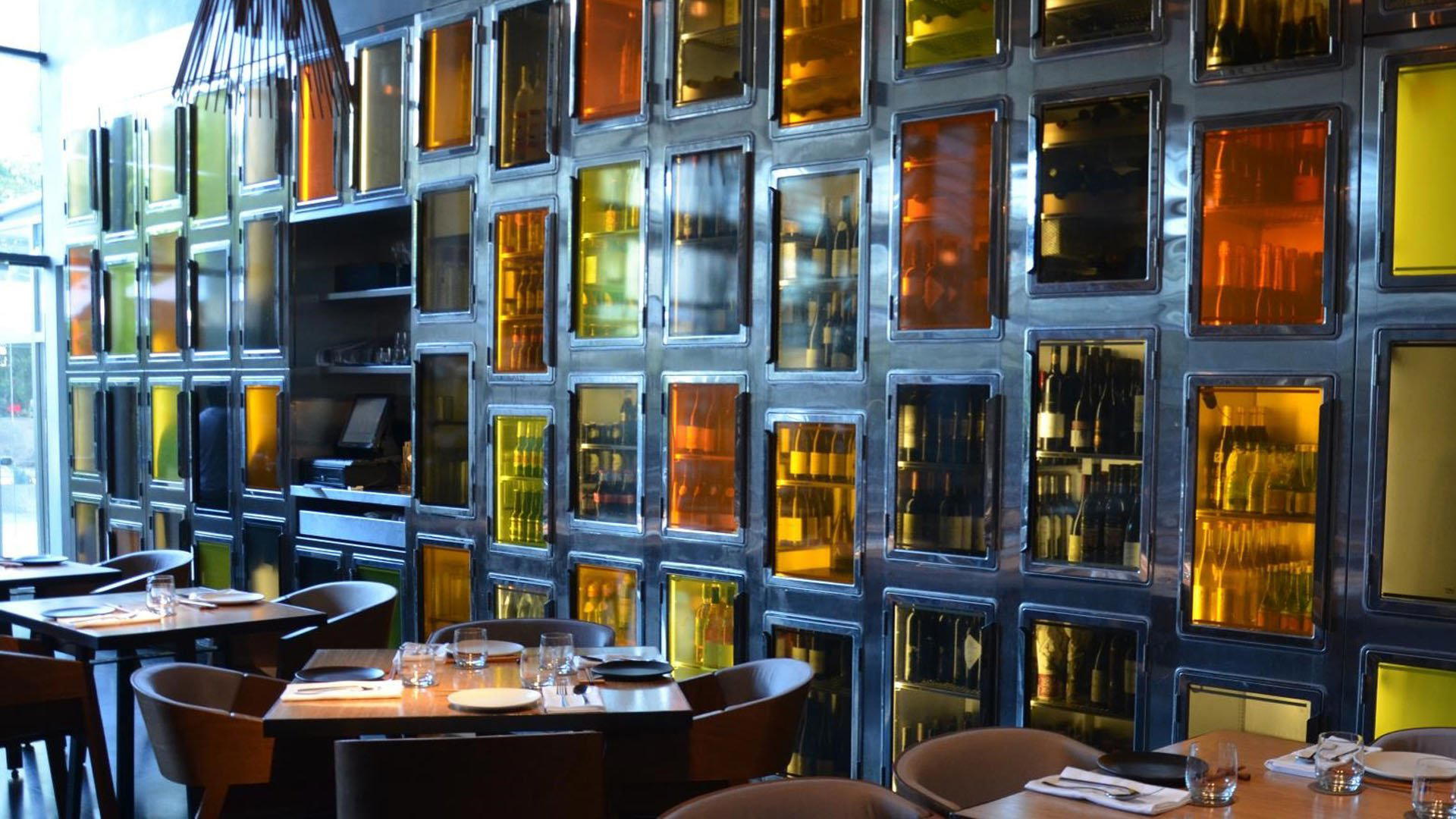
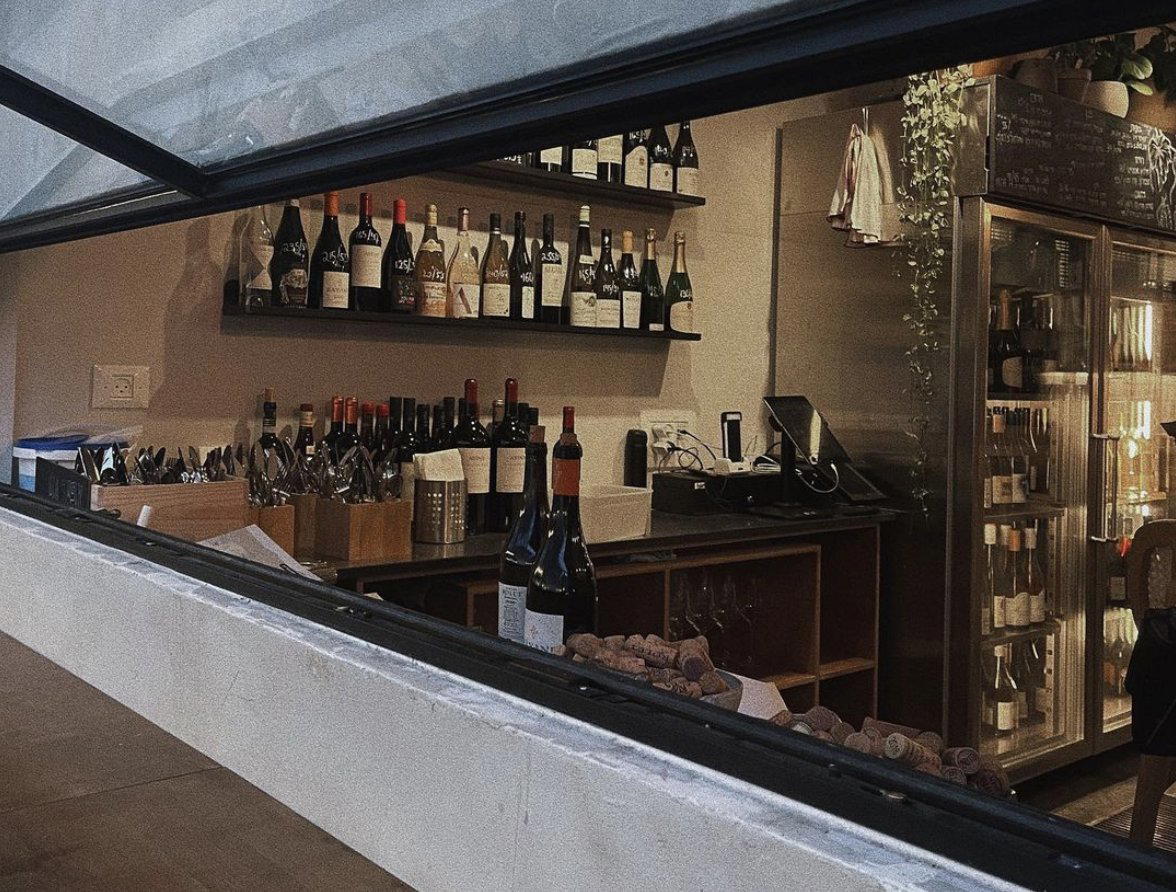
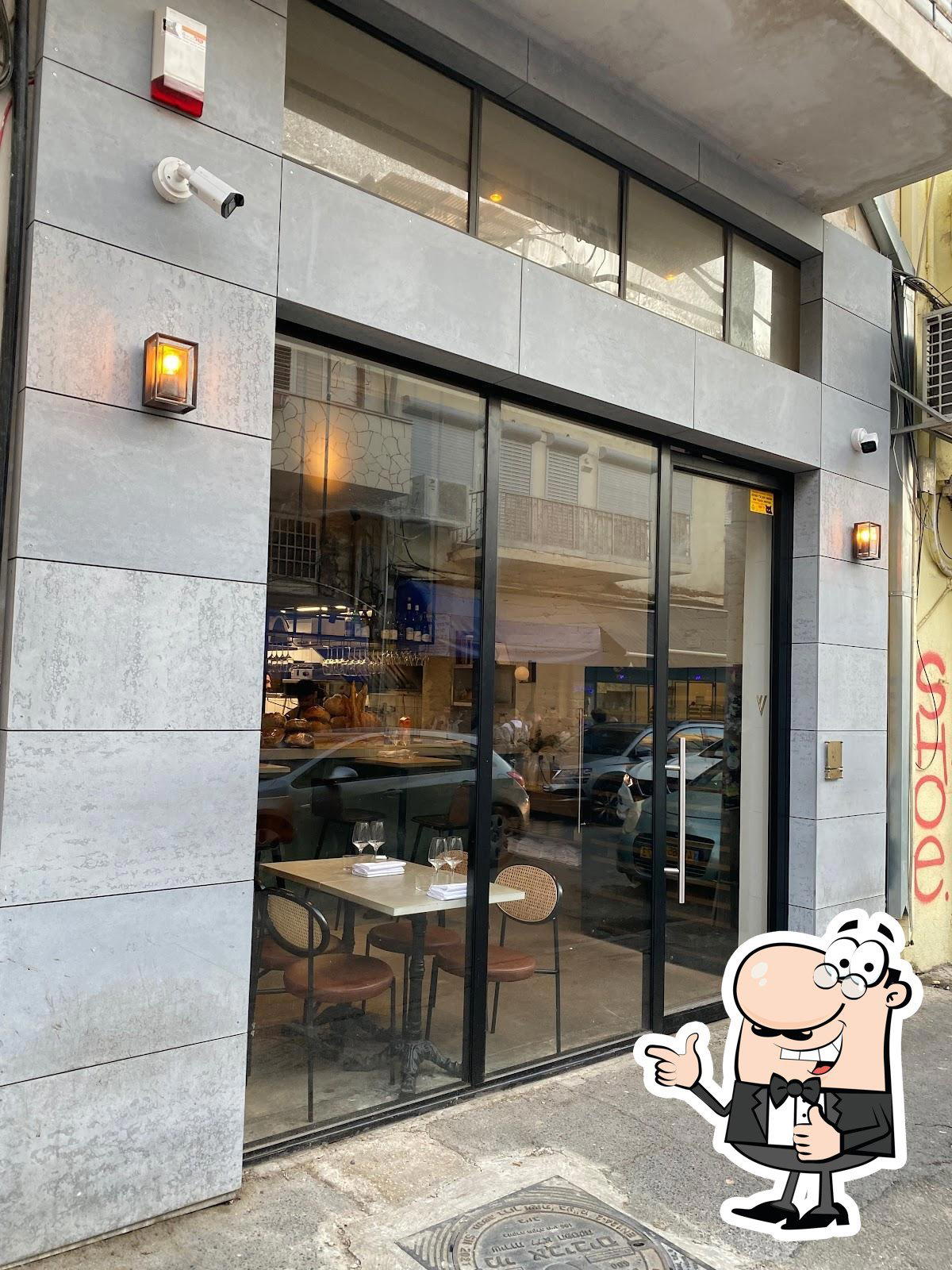
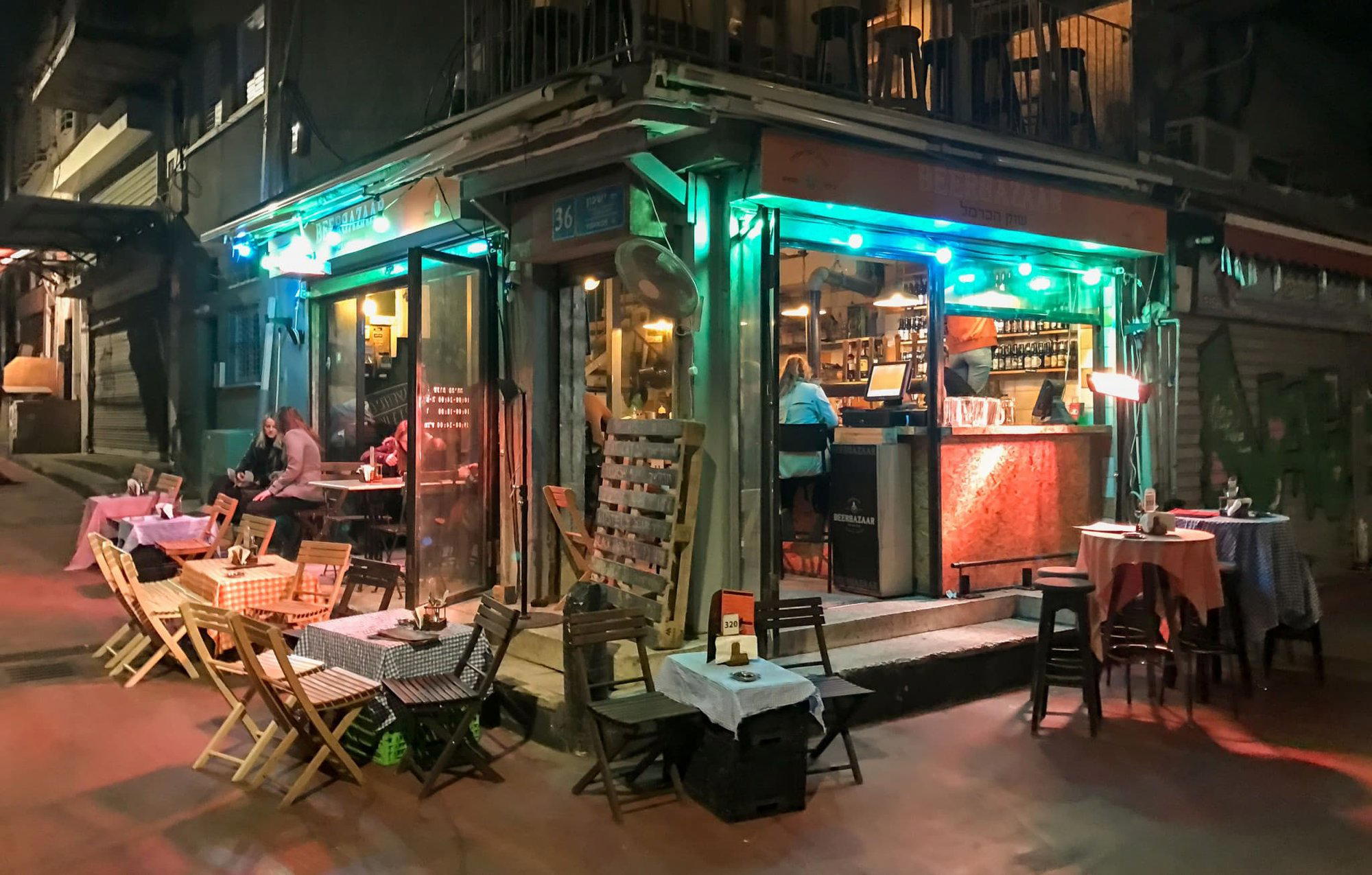
Casual, welcoming atmosphere with warm lighting; located among art galleries and boutique shops on Bezalel Street in downtown Jerusalem's cultural quarter.