Uri Buri occupies a centuries-old stone building on the Acre waterfront, where the Mediterranean sets the terms for every plate. The kitchen built its reputation on seafood sourced from the surrounding waters and markets of the Galilee coast, making it among the more discussed fish restaurants in northern Israel. For anyone passing through Acre's Ottoman old city, it sits at the centre of the conversation.
Pearl is the En Primeur Club membership app — saves, bookings, and concierge access live there. Same editors, same standards.
- Address
- Ha-Hagana St 2, Acre, Israel
- Phone
- +972 4 955 2212
- Website
- uriburi.co.il
- Directions
- Get directions
 Saves & bookings on Pearl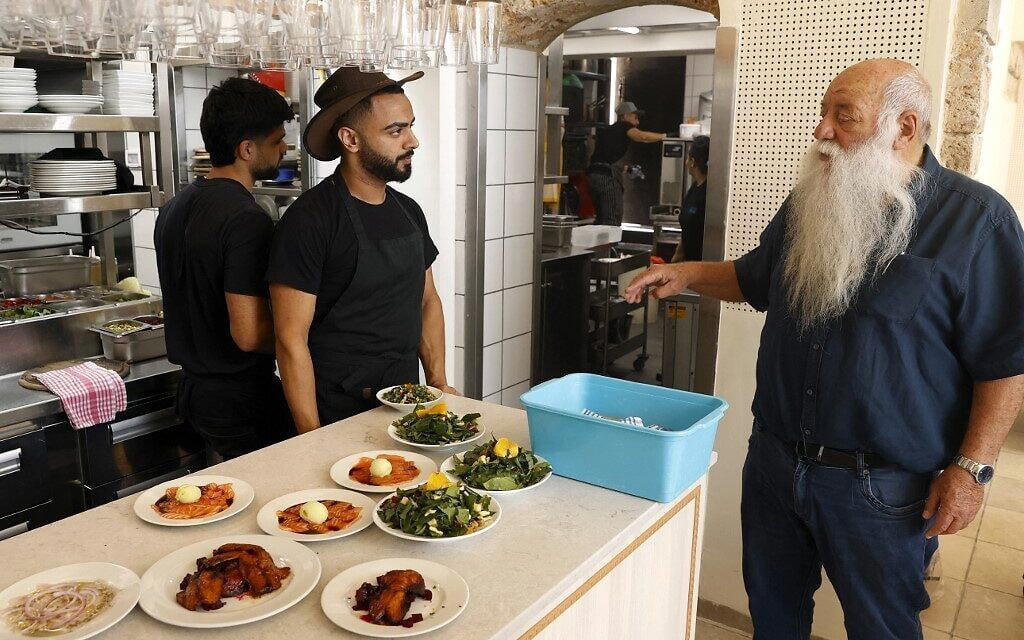
Where the Sea Defines the Kitchen
Acre's old city operates at a different register from the rest of Israel's dining scene. Inside the UNESCO-listed walls, the Ottoman market lanes, Crusader vaults, and fishing harbour compress centuries of Levantine trade into a few dense square kilometres. Restaurants here do not compete on the same terms as Tel Aviv's experimental kitchens or Jerusalem's heritage dining rooms. The sea is the constant, and particularly serious tables in the city are judged first by how honestly they handle what comes out of it.
Uri Buri, on Ha-Hagana Street at the northern edge of the old city, is the address that most travellers and food writers reach when they ask where to eat seafood in Acre. The building is stone, as nearly everything is in the old city, and the position near the sea wall means the light and the smell of the water are present before you are seated. That physical context is not incidental. It shapes what the kitchen is expected to deliver and, by most accounts, what it consistently does.
Sourcing as the Editorial Point
The argument for taking ingredient sourcing seriously in coastal Israeli cooking rests on geography. The eastern Mediterranean, the Galilee fishing ports, and the agricultural hinterland of the north produce a specific and seasonally varied pantry. At the level of a restaurant like Uri Buri, that sourcing relationship is the primary differentiator, not technique borrowed from European fine dining or concept borrowed from the broader Tel Aviv wave.
Northern Israel's fishing boats work a relatively contained stretch of water. What arrives at Acre's port in any given week reflects the season, the weather, and the limits of small-scale coastal fishing rather than the logistics of a large-scale supply chain. A kitchen that orients itself around that supply is making a structural choice, not a marketing one. The menu follows the catch rather than the other way around, which is the condition under which coastal seafood cooking tends to produce its most coherent results.
This approach places Uri Buri in a different competitive bracket from Mediterranean-branded seafood restaurants that import product or standardise menus across seasons. For comparison, Helena in Caesarea operates in a similarly coastal register further south, and Pescado in Ashdod works a Mediterranean fish format on the central coast. The restaurant's position in Acre gives it a specific geographic and cultural context that neither of those addresses shares.
Acre in the Israeli Dining Conversation
Israel's food press has, for the past decade, concentrated most of its attention on Tel Aviv. Addresses like HaKosem in Tel Aviv and the broader central-city dining expansion have absorbed the majority of critical coverage. That concentration has had the side effect of making northern cities like Acre easier to underestimate. In practice, Acre's mixed Arab-Jewish population and its position as a working port city with intact Ottoman food culture give it a culinary identity that Tel Aviv's newer-format restaurants cannot replicate.
The restaurant has functioned as one of the restaurants that kept Acre on the national and international dining map during periods when the city received less general travel coverage. That kind of sustained presence over years carries a form of credibility that opening-year press attention does not. For travellers cross-referencing the Galilee and northern coast against the broader Israeli dining circuit, which might also include Chakra in Jerusalem, Majda in Har Nof, or Rola Levantine Kitchen in Haifa, the restaurant occupies a specific and relatively uncontested position: the serious seafood address in a city that warrants an overnight stay on its own terms.
The Acre old city shares some of its culinary DNA with Arab-Israeli cooking traditions that surface elsewhere, including at Diana in Nazareth and at Abu Hassan in Jaffa. The restaurant's fish focus sets it apart from those hummus-centred or grill-centred formats, but the shared geographic and cultural region means the cooking draws from the same larder of regional produce, spices, and preserved ingredients.
The Broader Seafood Context
Internationally, the template for serious coastal seafood restaurants, the kind that earn sustained critical attention rather than seasonal tourism, has shifted toward transparency about sourcing and away from elaborate classical technique. Addresses like Le Bernardin in New York City represent the apex of the formal fish restaurant in the French tradition. The Israeli coastal model is distinct: less architecturally formal, more tied to specific local fishing economies, and more willing to let the product speak without extensive preparation. The restaurant sits in that less formal but sourcing-rigorous bracket.
For travellers who have done the urban Israeli dining circuit, including the Ali Karawan Abu Hassan experience in Tel Aviv-Jaffa or the grill formats represented by Pitmaster in Petah Tikva, Acre and the restaurant represent a different mode: slower, more historically layered, oriented toward the water rather than the city.
Planning a Visit
The restaurant is located at Ha-Hagana St 2 in Acre's old city, within walking distance of the sea wall and the central Ottoman-era market. Acre is accessible by train from Tel Aviv (roughly 90 minutes) and by bus or car from Haifa (approximately 30 minutes). The old city is compact enough that the restaurant is reachable on foot from any accommodation within the historic district.
Booking ahead is advisable, particularly on weekends and during summer months when Acre receives higher visitor numbers. The old city's character means evening dining here has a different texture from a Tel Aviv restaurant night: quieter streets, stone-walled interiors, and a pace that rewards spending more than two hours at the table.
Michael Local Bistro in Liman, a short drive south, for a day that covers the northern coast's range without duplicating format or cuisine type.
A Quick Peer Check
Comparable venues nearby, for context on price, style, and recognition.
| Venue | Cuisine | Price | Notes |
|---|---|---|---|
| Uri BuriThis venue — the venue you are viewing | Israeli Seafood Fusion | $$$$ | Not listed |
| Turkiz | Seafood & Mediterranean | $$$ | Shikun Lamed |
| Backyard 51 | Italian-Japanese garden restaurant | $$$ | Nahalat Binyamin |
| R48 | Far East-Inspired Modern Fusion Tasting Menu | $$$$ | Newe Sha'anan |
| Pescado | Modern Kosher Fish | $$$ | Ashdod, Southern District |
| Kab Kem | Modern Thai Tapas | $$$ | Ha-rakevet |
Continue exploring
More in Acre
Restaurants in Acre
Browse all →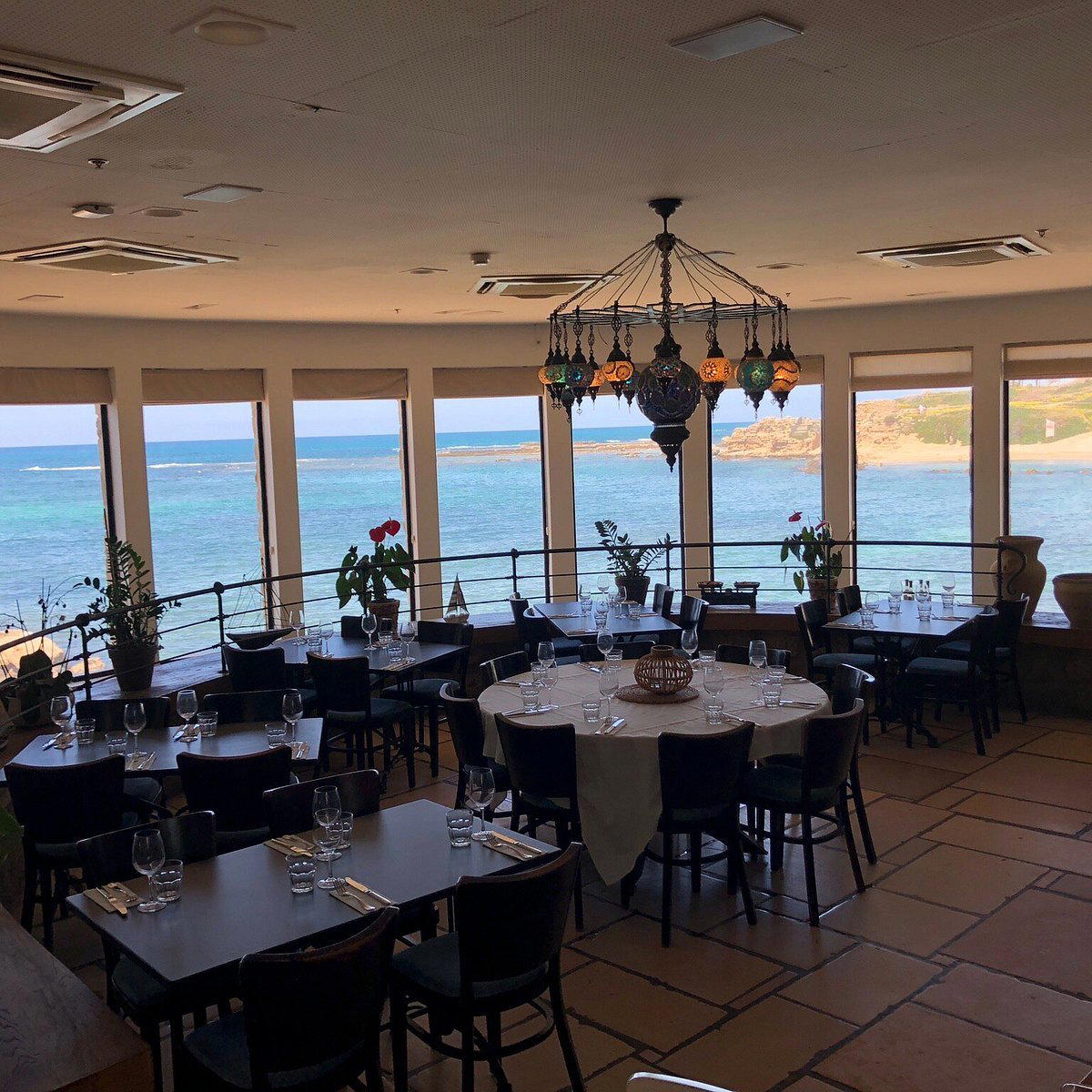
At a Glance
- Romantic
- Historic
- Intimate
- Rustic
- Well Known
- Date Night
- Special Occasion
- Historic Building
- Waterfront
- Open Kitchen
- Extensive Wine List
- Local Sourcing
- Sustainable Seafood
- Waterfront
- Street Scene
Current opening hours
- Monday
- 12–11 PM
- Tuesday
- 12–11 PM
- Wednesday
- 12–11 PM
- Thursday
- 12–11 PM
- Friday
- 12–11 PM
- Saturday
- 12–11 PM
- Sunday
- 12–11 PM
Hours can change for holidays and private events. Last verified .
Relaxed but busy atmosphere in simple interiors with white walls and wooden tables inside a historic stone building, focusing attention on the food.