On Shmu'el ha-Nagid Street in the heart of West Jerusalem, Mona occupies a position in the city's mid-to-upper dining tier where modern Israeli cooking meets the layered culinary inheritance of a city shaped by multiple civilisations. The address places it close to the cultural corridor running through the German Colony and Rehavia, and the kitchen draws on the same Mediterranean-Levantine pantry that defines Jerusalem's most considered restaurants.
Pearl is the En Primeur Club membership app — saves, bookings, and concierge access live there. Same editors, same standards.
- Address
- Shmu'el ha-Nagid St 12, Jerusalem, Israel
- Phone
- +97226222283
- Website
- tbit.be
- Directions
- Get directions
 Saves & bookings on Pearl
Jerusalem's Dining Scene and Where Mona Sits Within It
Jerusalem's restaurant culture has always operated under different pressures than Tel Aviv's. The city carries a weight of religious calendar, tourism cycles, and neighbourhood-level cultural segmentation that shapes when people eat, what they order, and how much they will spend. The result is a dining scene more stratified than it first appears: at one end, the old-city hummus counters and market stalls that have remained structurally unchanged for decades; at the other, a newer generation of restaurants on the western side of the city that are cooking with the same Mediterranean-Levantine pantry but applying more formal technique and longer sourcing chains to it.
Mona, at Shmu'el ha-Nagid Street 12, sits in the upper register of that second category. The address is deliberate: the street runs through a neighbourhood with museum proximity, consulate buildings, and the kind of foot traffic that tilts toward a well-travelled, culturally engaged diner. For context on the Jerusalem scene more broadly, our full Jerusalem restaurants guide maps the city's key dining corridors and what to expect from each.
The Cultural Roots of the Cooking
Modern Israeli cooking at this level is not a single cuisine but a negotiation between several. The Levantine baseline, shared with Palestinian, Lebanese, and Syrian tables, provides the spice logic, the grain structures, and the vegetable-forward instincts. Onto that, waves of Jewish migration from Yemen, Morocco, Iraq, Eastern Europe, and more recently Ethiopia have deposited their own preservation techniques, fermentation traditions, and celebration foods. Jerusalem, specifically, carries a particularly concentrated version of this layering: the city has been a point of convergence for pilgrims, traders, and communities for long enough that its food culture resists easy categorisation.
Restaurants working at the upper end of this tradition, such as Machneyuda, have built international recognition by leaning into the controlled chaos of that inheritance, cooking with market urgency and an almost theatrical energy. Others, like Chakra, have taken a more polished, modernising approach to the same source material. Mona occupies a position in this conversation, drawing on the depth of Jerusalem's culinary layering while working from a West Jerusalem address that signals a particular kind of contemporary ambition.
The Physical Setting and Its Signals
Approaching Shmu'el ha-Nagid from the direction of the Israel Museum or the Bezalel Academy, the street itself carries the character of institutional West Jerusalem: stone-faced buildings, filtered light, a neighbourhood that feels lived-in by people with a relationship to the city's cultural infrastructure rather than its tourist routes. That setting is not incidental. Restaurants in this part of the city are read differently than those in the Ben Yehuda pedestrian zone or the Mahane Yehuda market perimeter, where Azura and the market-adjacent kitchens draw a more mixed tourist-local crowd.
The implication for the diner is one of register: this is a neighbourhood where the room is likely quieter, the pacing more deliberate, and the assumption around the table is that the meal itself is the point of the evening rather than a precursor to bar-hopping or market browsing. Comparable addresses in other Israeli cities, including Herbert Samuel Herzliya in Herzliya and Helena in Caesarea, signal similar intent through their location choices.
Positioning Within the Jerusalem Tier
Within Jerusalem's upper-mid dining bracket, Mona competes for the same diner as Menza and Notre Dame Rooftop Restaurant, both of which approach the city's dining identity from different angles: the latter with its panoramic religious-geography framing, the former with a more neighbourhood-bistro sensibility. What distinguishes the group as a whole from the market-counter tier is the level of menu development, the sourcing specificity, and the service architecture — all of which require a price point that Jerusalem diners, particularly locals rather than tourists, evaluate carefully against perceived value.
The Israeli restaurant tier nationally has become more internationally legible in recent years. Operations like Uri Buri in Acre and Diana in Nazareth have demonstrated that Israeli cooking does not require a Tel Aviv address to attract serious food attention. Jerusalem is making its own version of that argument, and Mona is one of the restaurants doing so from the city's western, more internationally oriented side.
What the Kitchen Is Working With
Without access to current menu data, specific dish descriptions would be speculation. What can be said from the context of the address, the neighbourhood, and the positioning within the Jerusalem dining tier is that kitchens at this level in the city tend to work with the Mediterranean-Levantine pantry: legumes, preserved citrus, spiced lamb, root vegetables with long cooking times, fresh herbs in quantity, and dairy from local producers where kashrut regulations permit. The vegetable-forward instinct that runs through serious Israeli cooking at this level is less a trend than a structural feature of the tradition, reinforced by the country's agricultural variety and the religious dietary frameworks that shape kitchen logistics.
For a reference point on what this approach looks like at the highest levels of the Israeli restaurant scene, the work being done at Majda in Ein Rafa or Kab Kem in Tel Aviv shows the range of what the tradition supports, from Arab-Jewish collaborative kitchens to more urban, technique-led interpretations. Mona sits within that broader movement without being reducible to any single strand of it.
Planning Your Visit
Shmu'el ha-Nagid Street 12 is reachable on foot from the major West Jerusalem hotel corridor and from the central bus station by a short taxi or rideshare. Given the restaurant's location in a quieter residential-cultural neighbourhood, arriving by car or taxi is more practical than relying on public transit for evening visits, particularly given the city's compressed Friday-to-Saturday closure window under the Jewish Sabbath calendar. Booking ahead is advisable for weekend evenings; like most Jerusalem restaurants in this tier, tables on Thursday and Friday nights fill earliest. Contact details were not confirmed at time of writing, so checking current hours and reservation availability through an aggregator or the venue directly before visiting is the safest approach. Diners with specific dietary requirements should flag these at the time of booking, as Jerusalem kitchens at this level routinely handle kashrut-adjacent requests and can usually accommodate other dietary parameters with advance notice.
How Mona Jerusalem compares with similar nearby venues.
| Venue | Cuisine |
|---|---|
| Chakra | Modern Israeli |
| Machneyuda | Israeli |
Continue exploring
More in Jerusalem
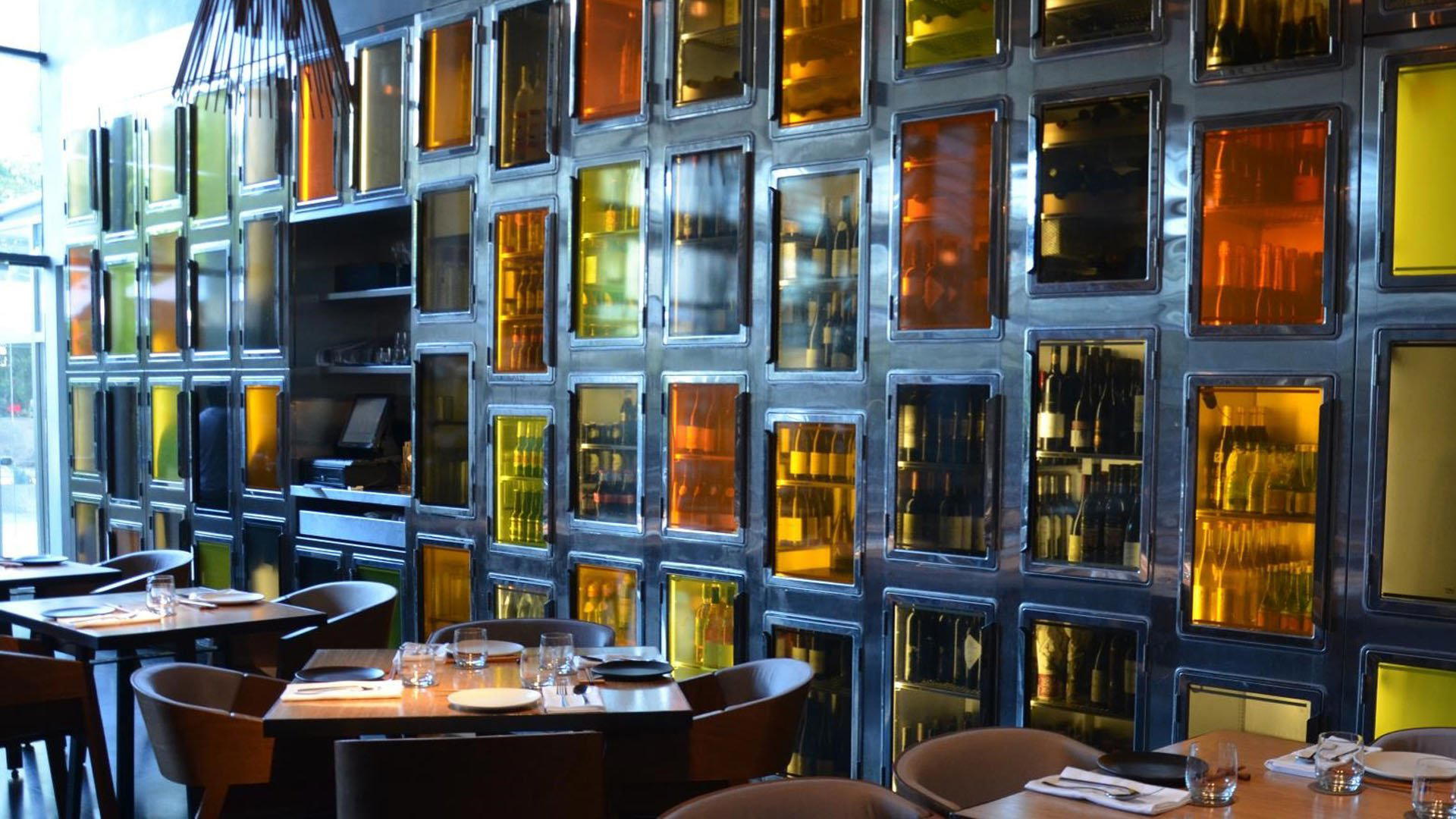
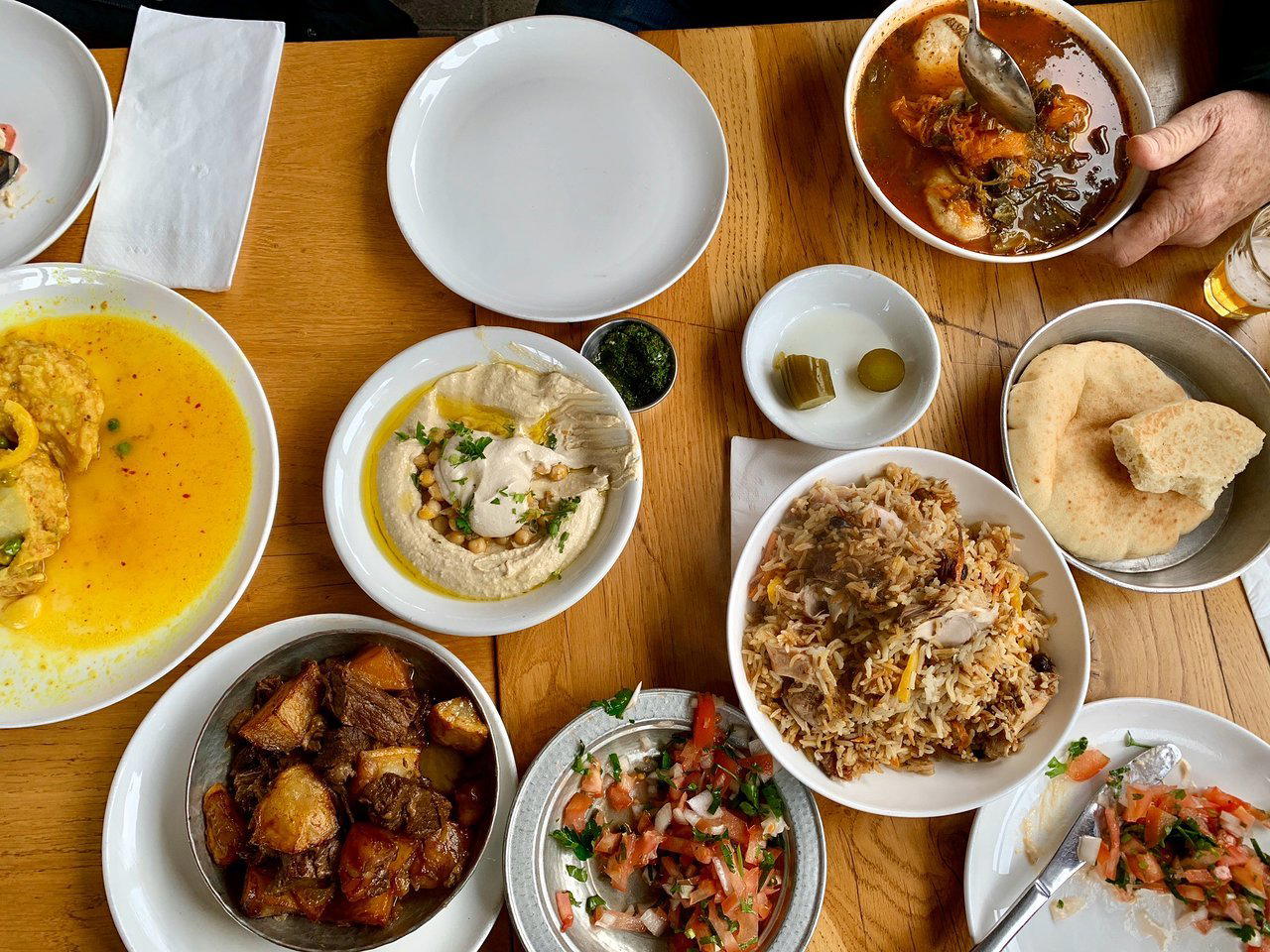
Restaurants in Jerusalem
Browse all →
Bars in Jerusalem
Browse all →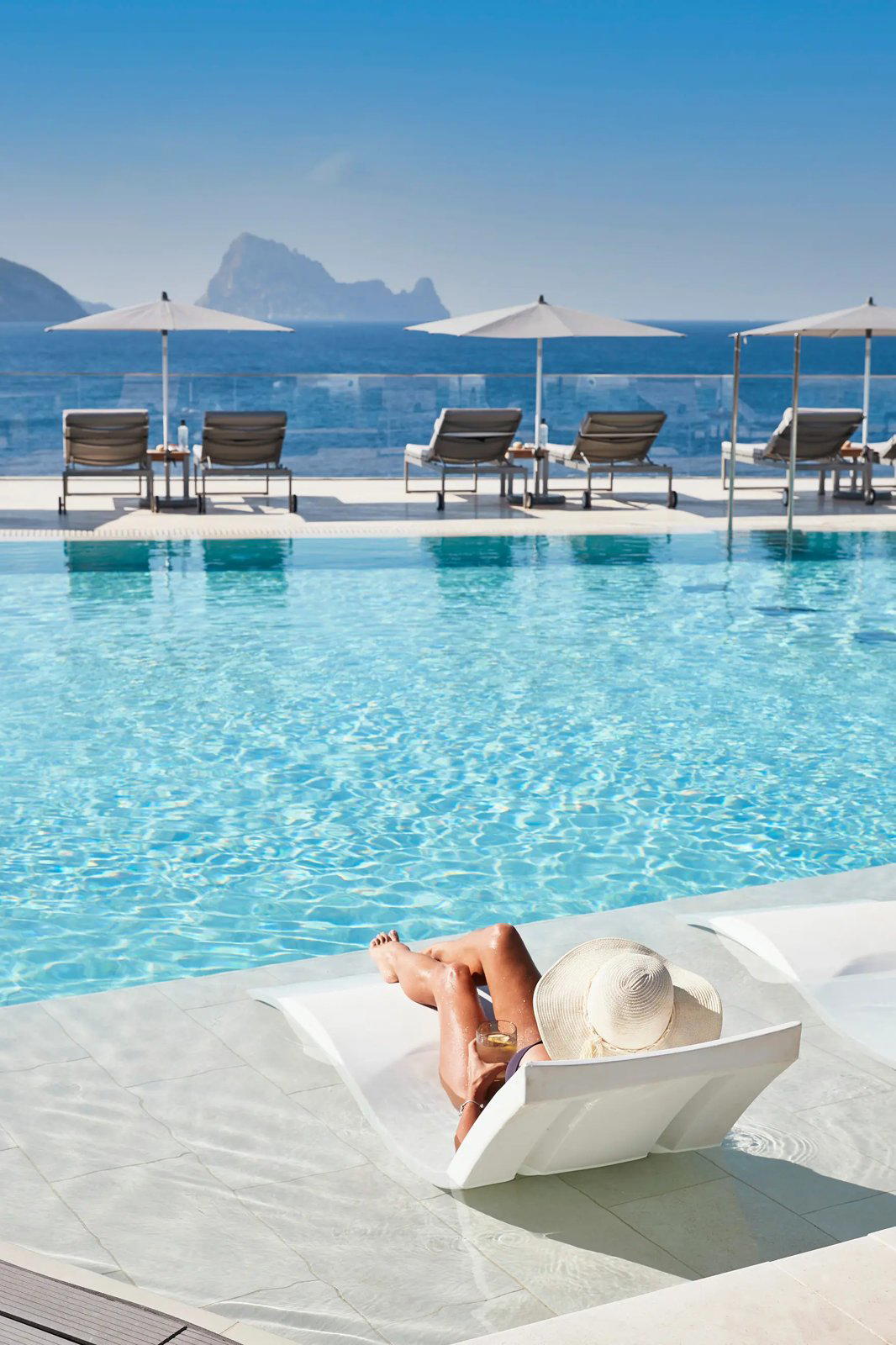
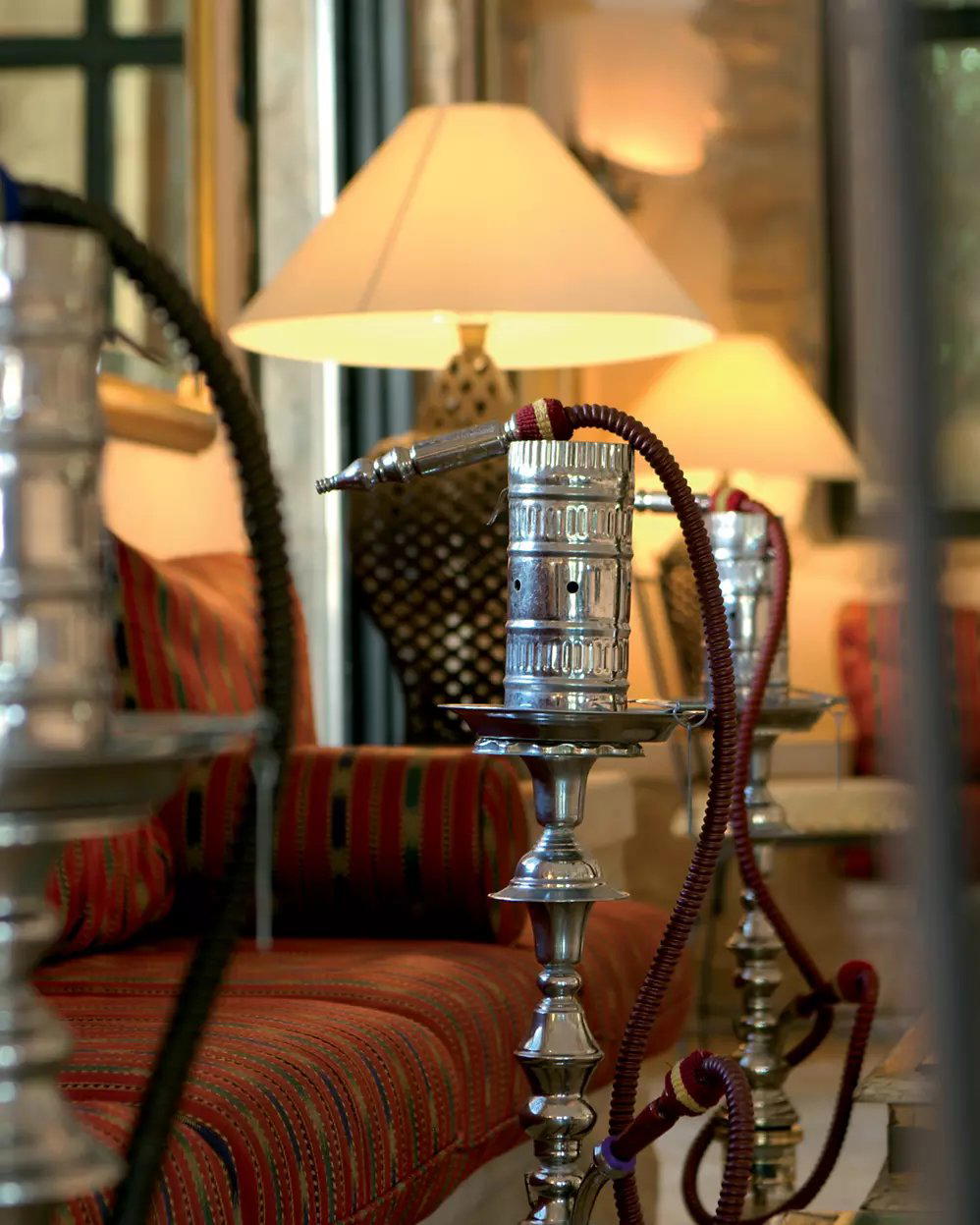
Hotels in Jerusalem
Browse all →

At a Glance
- Elegant
- Intimate
- Historic
- Cozy
- Date Night
- Special Occasion
- Historic Building
- Open Kitchen
- Terrace
- Courtyard
- Extensive Wine List
- Local Sourcing
- Garden
Current opening hours
- Monday
- 6:30–9:30 PM
- Tuesday
- 6:30–9:30 PM
- Wednesday
- 6:30–9:30 PM
- Thursday
- 6–10:30 PM
- Friday
- 6–10:30 PM
- Saturday
- 12:30–3:30 PM, 6:30–9:30 PM
- Sunday
- 6:30–9:30 PM
Hours can change for holidays and private events. Last verified .
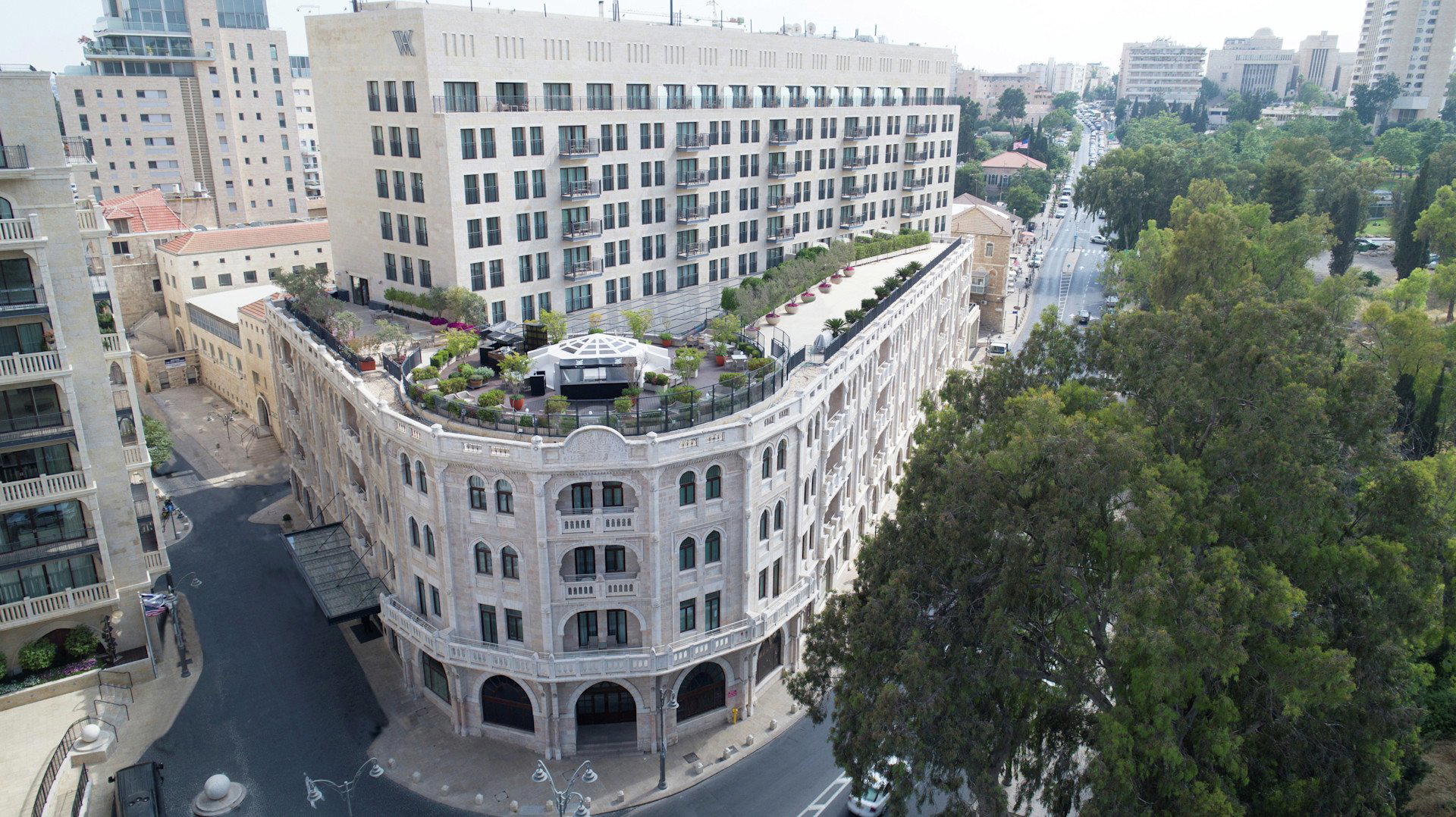
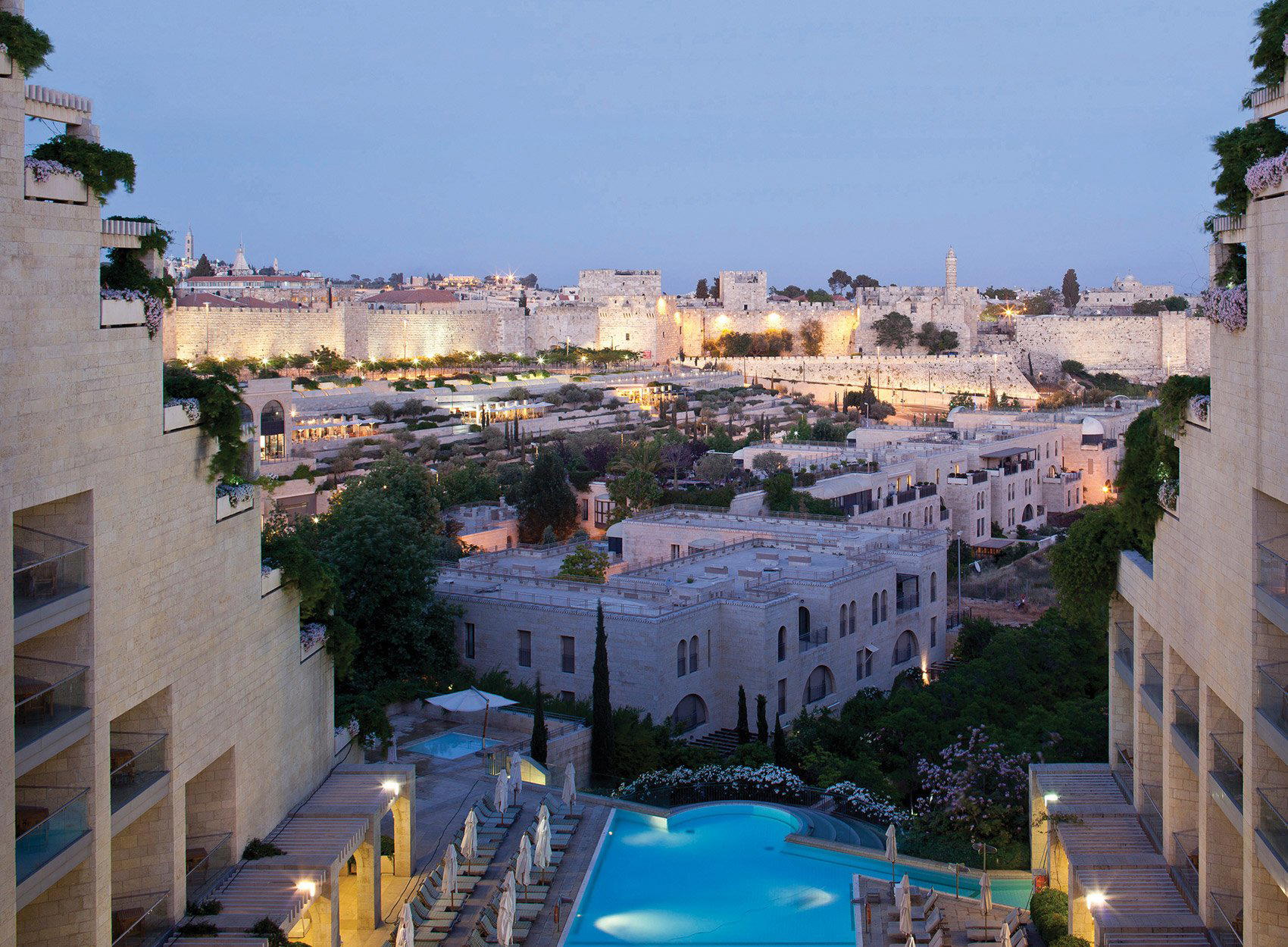
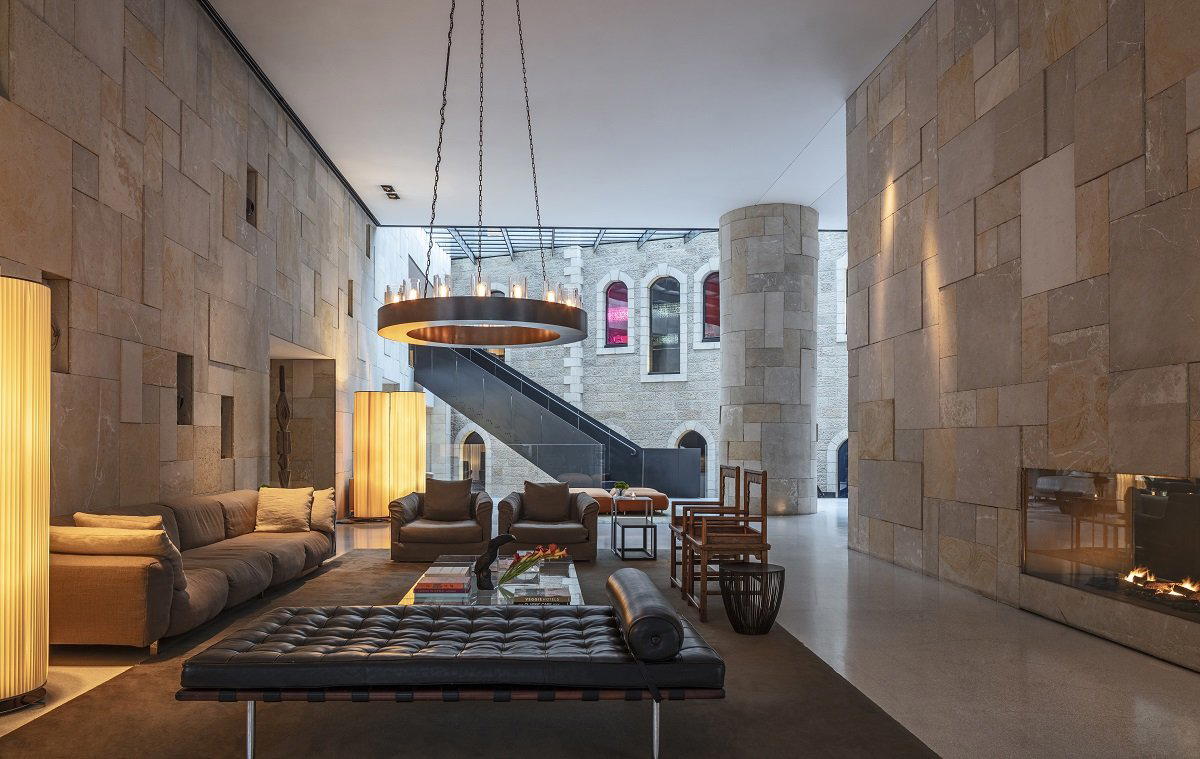
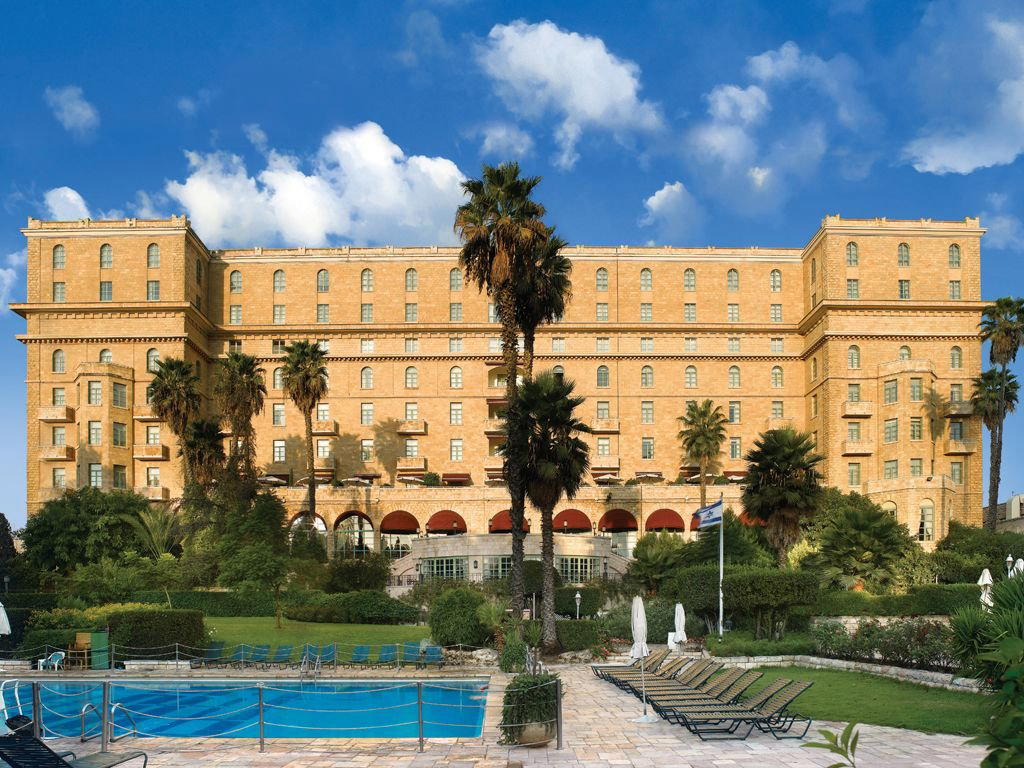
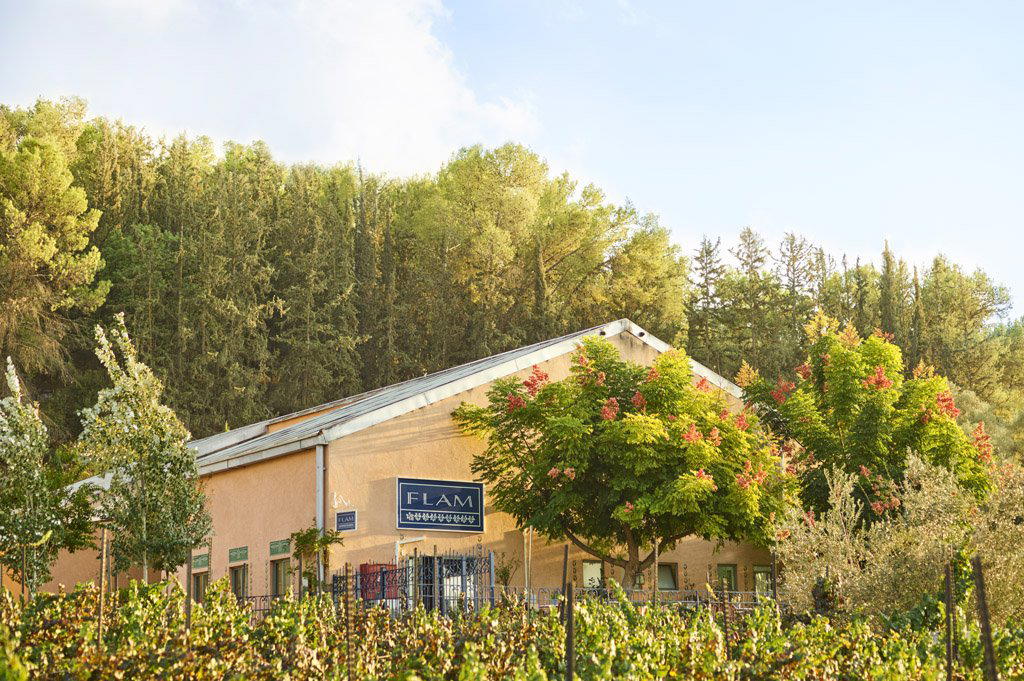
Stylish stone-walled garden with working fireplace, leafy terrace, and elegant historic atmosphere.
Know Before You Go
- Getting there
- Shmu'el ha-Nagid St 12, Jerusalem, Israel