Majda sits in Ein Rafa, a small Arab village west of Jerusalem, where the kitchen draws directly from the agricultural land surrounding it. The restaurant occupies a position at the intersection of Arab home cooking and Israeli ingredient culture, serving a menu that reflects what grows nearby rather than what trends dictate. It is among the more talked-about rural dining addresses in the Jerusalem hills.
- Address
- רחוב סובא, Ein Rafa, 90890, Israel
- Phone
- +972 2 579 7108
- Website
- israelbusinessguide.com
- Directions
- Get directions
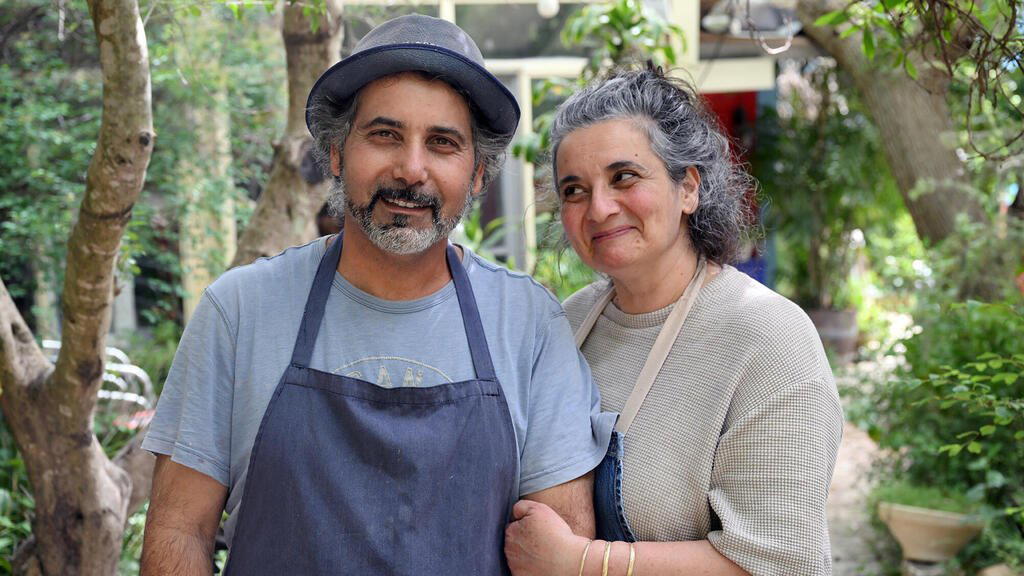
The road to Ein Rafa drops through limestone terraces and dense pine before the village appears, a cluster of stone houses set into the hillside roughly fifteen kilometres west of Jerusalem. Arriving here reframes what dining in the Jerusalem region can mean. The city's restaurant culture, concentrated in Mahane Yehuda's orbit and places like Chakra in Jerusalem, operates at a different register entirely: urban, polished, oriented toward a knowing local audience. Majda, a casual Modern Arabic Cuisine restaurant in Ein Rafa, Israel, belongs to a different tradition, one rooted in land, season, and the specific agricultural character of the Jerusalem hills.
The Sourcing Logic Behind the Kitchen
Arab village cooking in this region has historically been shaped by what the surrounding landscape yields: foraged herbs from the hillsides, preserved citrus, olive oil pressed from local groves, and vegetables grown in small household plots. Majda's menu follows that same supply logic, connecting the kitchen to producers and land in ways that more urban Israeli restaurants rarely attempt. This is not a romantic affectation. The Jerusalem corridor has genuine agricultural diversity, figs, pomegranates, za'atar, seasonal greens, and a kitchen that sources from it produces food that tastes noticeably different from what arrives in Jerusalem delivery trucks.
That sourcing specificity places Majda in a comparable set that has little to do with the urban Israeli dining mainstream. Restaurants like Uri Buri in Acre and Helena in Caesarea have built reputations on place-specific ingredient thinking, coastal in those cases, agricultural here. The comparison is useful because it shows how Israeli dining at its most serious is increasingly organised around provenance rather than culinary category.
Arab Home Cooking as a Dining Format
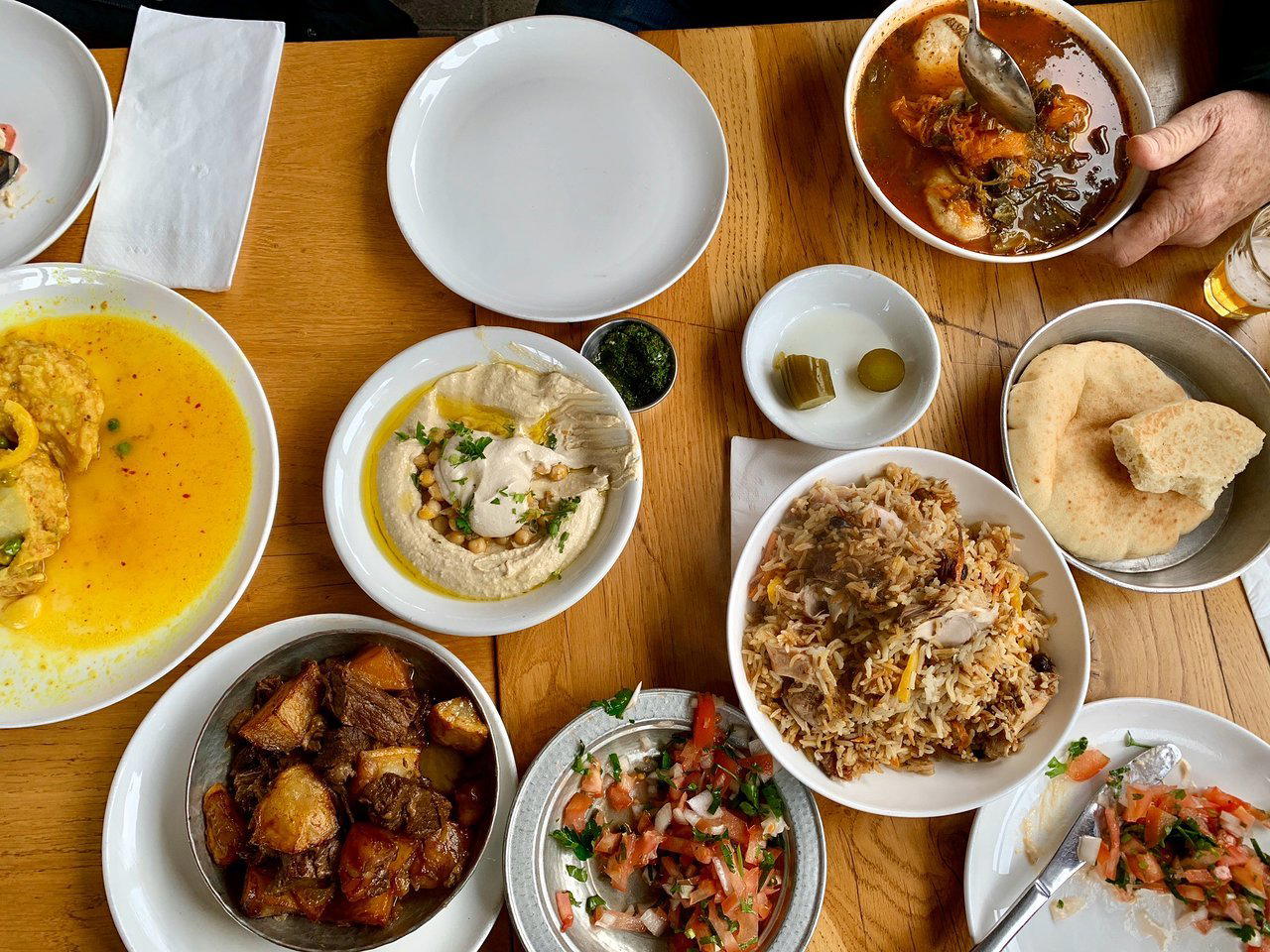
The format at Majda sits closer to the Arab home-cooking tradition than to the mezze restaurant model common across the region. This is a distinction worth making. The Israeli dining public has ready access to mezze culture through places like Abu Hassan in Jaffa and Ali Karawan Abu Hassan in Tel Aviv-Jaffa, where the format is fast, high-volume, and centred on a single staple. What Majda offers is structurally different: slower, more composed, drawing on the domestic cooking repertoire of a Palestinian Arab household rather than the street-food or restaurant tradition. Diana in Nazareth and Rola Levantine Kitchen in Haifa occupy adjacent territory in terms of Levantine register, though both operate in urban contexts with different supply chains.
The cooking at Majda has received sustained attention from Israeli food media and international travel press over the years, which places it in a small category of rural dining destinations that function as deliberate trips rather than incidental stops.
The Jerusalem Hills as a Dining Region
It is worth situating Majda within the broader geography of Israeli dining, because the Jerusalem hills represent an underutilised region compared to the Tel Aviv corridor or the Galilee. The urban concentration of Israeli restaurant culture means that most of the country's dining energy and investment accumulates between Tel Aviv and the north. Addresses like HaKosem in Tel Aviv, Pescado in Ashdod, and Herbert Samuel Herzliya anchor a coastal dining belt that gets the majority of critical attention. The Jerusalem area, historically more conservative in its restaurant culture, has fewer addresses that draw visitors specifically for the food. Majda is one of the exceptions.
For context on how ingredient-driven rural dining functions as a category, the comparison stretches internationally. The format of a destination restaurant embedded in productive agricultural land, where the menu is shaped by what surrounds the building rather than by what the market supplies, has become a serious dining category globally, as evidenced by the recognition that places like Lazy Bear in San Francisco receive for their commitment to sourcing discipline. Majda operates at a different scale and price point, but the underlying logic is the same: the place determines the plate.
Planning a Visit
Ein Rafa is accessible by car from Jerusalem in approximately twenty to thirty minutes, heading west on Route 1 and then into the Judean Hills on local roads. The village is small enough that arrival without navigation is not advisable for first-time visitors. Given the rural setting and the restaurant's profile as a destination dining address, booking ahead is the standard practice, the capacity is limited by the domestic scale of the space, and weekend tables fill considerably in advance. Visitors combining a Majda lunch with time in the Jerusalem hills have a logical excursion format: the drive through the pine forests and terraced agriculture is part of the experience of understanding where the food comes from.
The restaurant does not operate on the urban Israeli dining schedule. Rural addresses in this tradition typically serve lunch and early dinner, with kitchens closing earlier than city counterparts. For those building a wider Israel itinerary, the contrast between Majda's register and the red-meat-forward barbecue culture represented by Pitmaster in Petah Tikva or Pitmaster Beer-Sheva, or the community-scale coastal cooking at Michael Local Bistro in Liman, illustrates how varied the Israeli dining map is beyond the Tel Aviv centre. Burger 232 in Maggen and מידס in Ashqelon round out the country's breadth further south.
Side-by-Side Snapshot
Comparable venues nearby, for context on price, style, and recognition.
| Venue | Cuisine | Price | Notes |
|---|---|---|---|
| MajdaThis venue — the venue you are viewing | Modern Arabic Cuisine | $$ | Not listed |
| Port Said | Modern Israeli Mediterranean | $$ | Newe Ẕedeq |
| Cafe Kaymak | Vegetarian Market Cafe | $ | Florentine |
| Hummus Abu Hassan | Authentic Middle Eastern Hummus | $ | El Ajami |
| Imad Humus Place | Traditional Middle Eastern | $ | Nazareth |
| Abu Hassan | Authentic Israeli Hummus | $ | El Ajami |
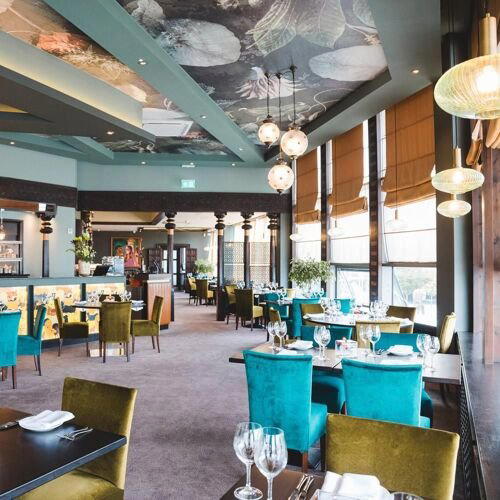
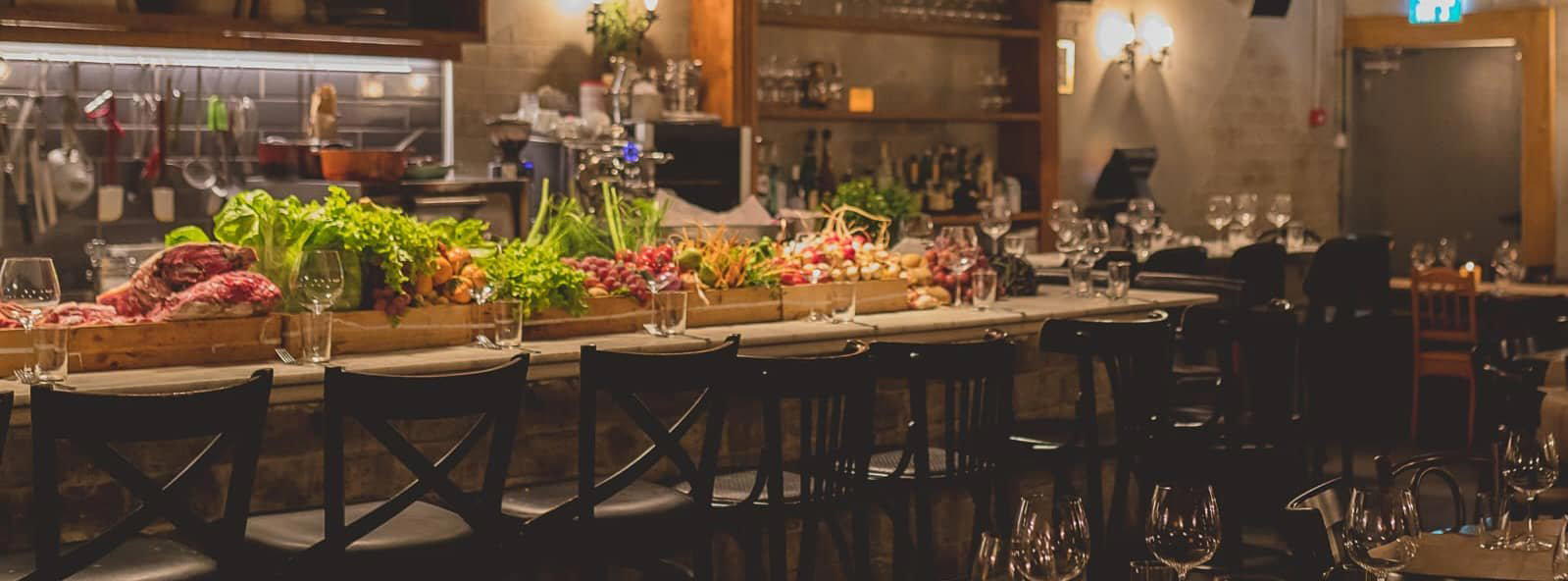
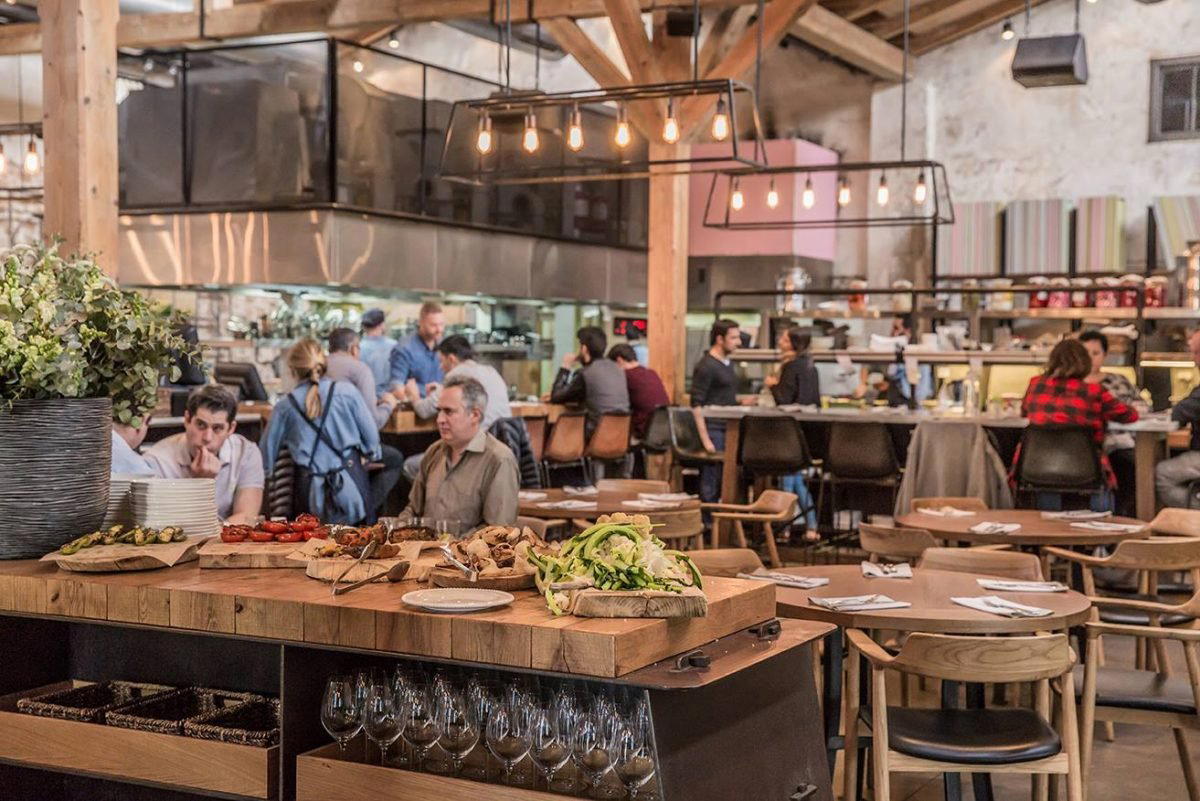
At a Glance
- Cozy
- Casual Hangout
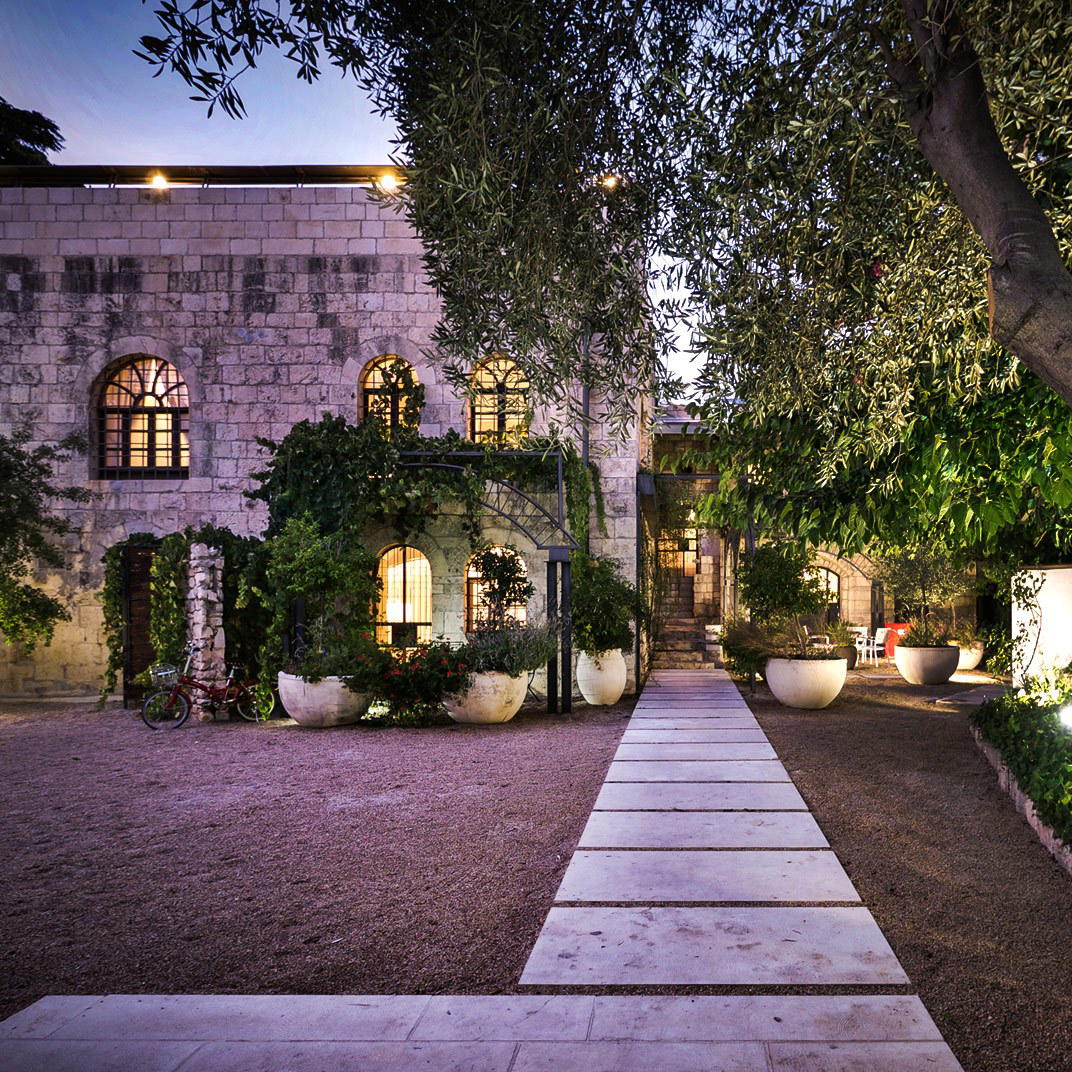
- Garden
- Garden
Nice staff and pleasant garden atmosphere.