On a quiet stretch of Lincoln Street in Tel Aviv, Kab Kem occupies a corner of the city's broader conversation about where Israeli cooking is heading. The kitchen draws on sourcing traditions that connect the plate to the region's producers, positioning it within a growing tier of Tel Aviv restaurants that treat ingredient provenance as the editorial premise of the menu itself.
Pearl is the En Primeur Club membership app — saves, bookings, and concierge access live there. Same editors, same standards.
- Address
- Lincoln St 11, Tel Aviv-Yafo, Israel
- Phone
- +97236889960
- Website
- kabkem.com
- Directions
- Get directions
 Saves & bookings on Pearl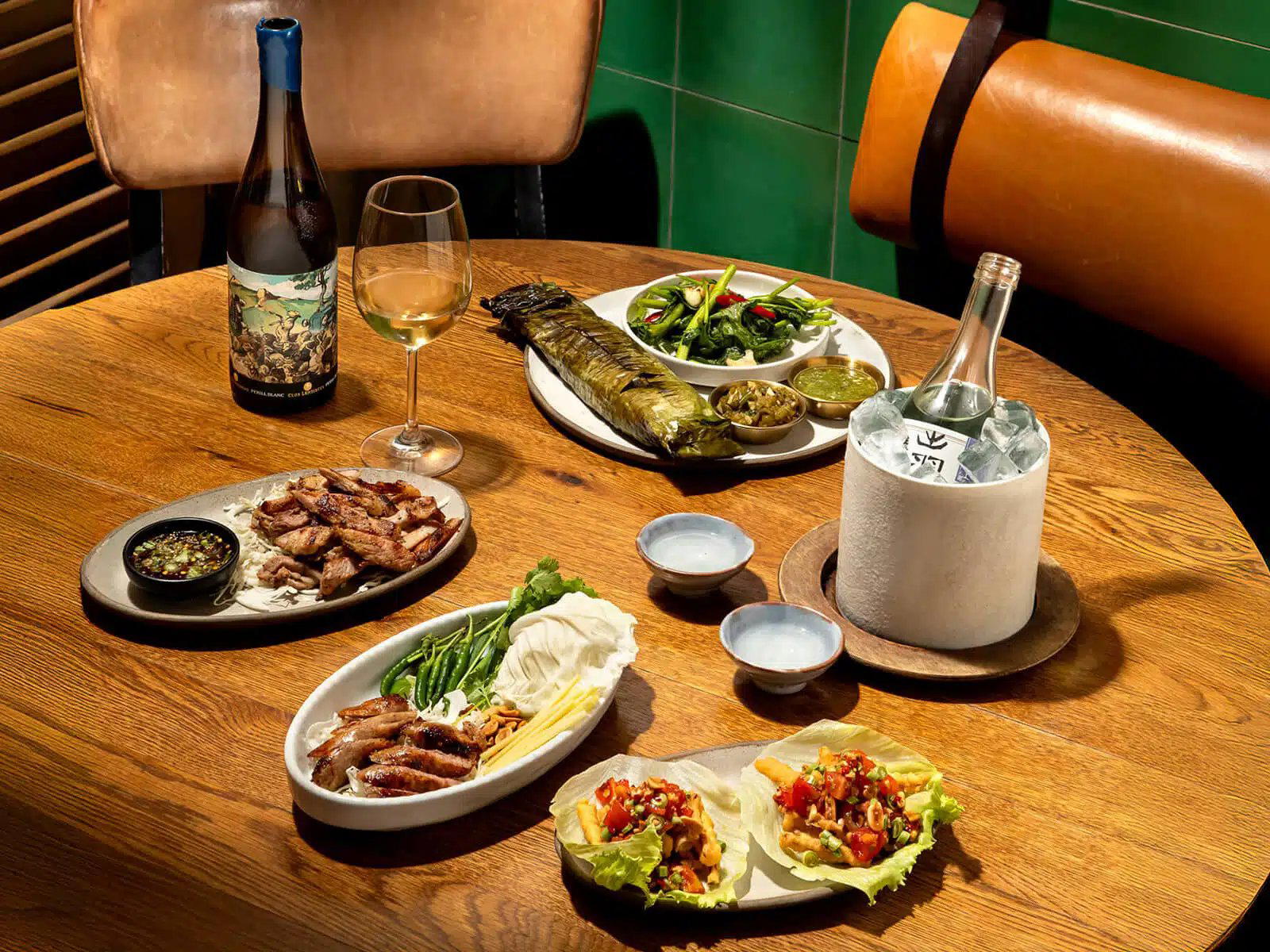
Lincoln Street and What It Signals
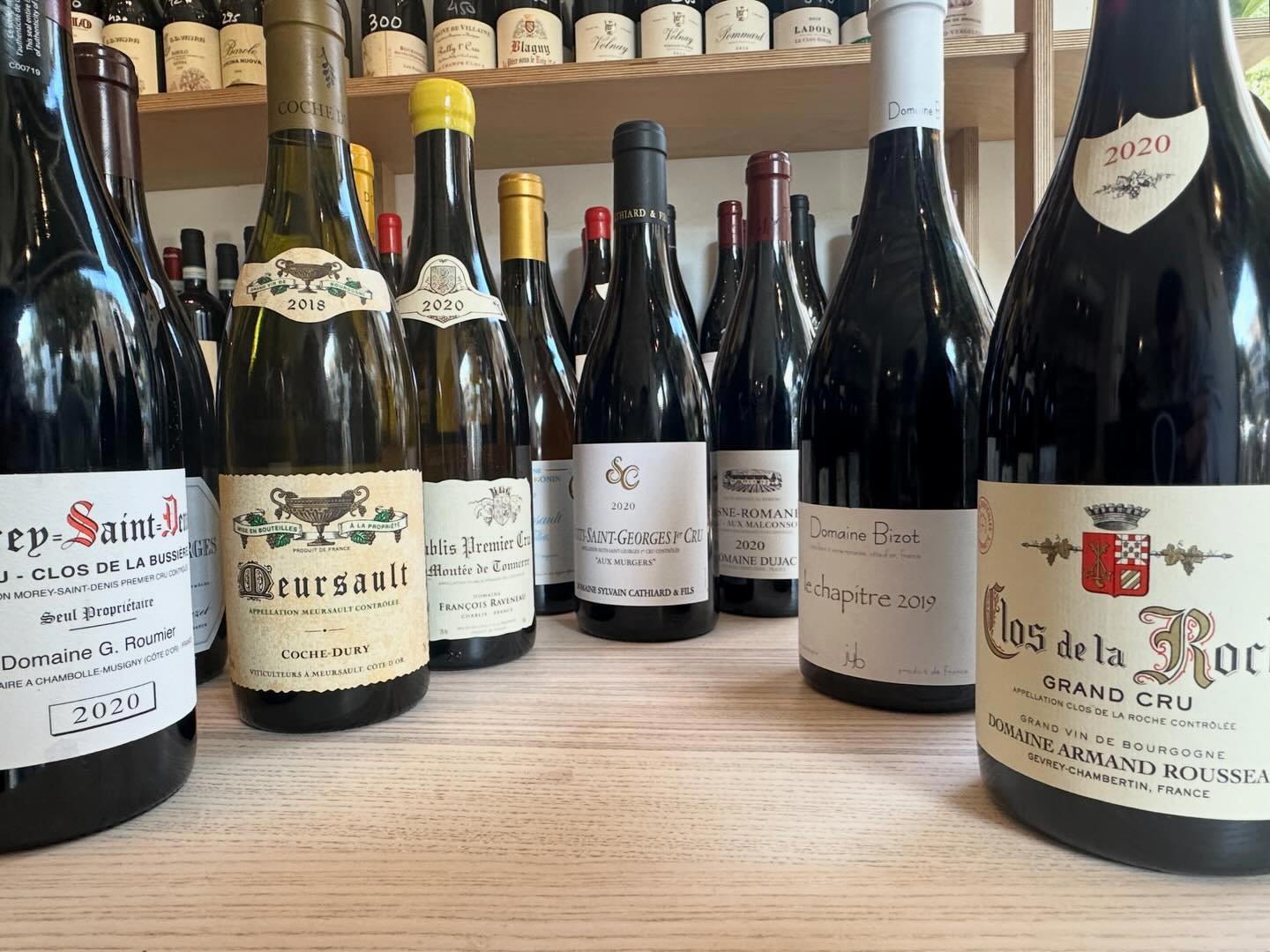
Kab Kem is a modern Thai tapas restaurant in Tel Aviv-Yafo. The loudest rooms, the ones built around spectacle and celebrity-chef cachet, still draw queues. But a parallel tier has developed along the city's quieter residential corridors, where the bet is on sourcing discipline and kitchen restraint rather than room theatrics. Lincoln Street 11, where Kab Kem operates, sits inside that second category. That self-selection shapes the room before the food arrives.
Tel Aviv's inner residential zones have historically supported the kind of informal, ingredient-focused cooking that defines a city's real dining culture as opposed to its export image. Venues like Habasta established that template, built around market-sourced menus that change with what's available rather than what's printed. Kab Kem belongs to the same broader conversation, even if it pursues it on its own terms.
Sourcing as Editorial Premise
One consequential shift in Israeli restaurant cooking over the past fifteen years has not been technique. It has been the closing of the distance between farm and plate. Restaurants that once relied on wholesale distributors now maintain direct relationships with specific growers in the Galilee, the Negev, and the coastal plains. This is not cosmetic. When a kitchen sources directly, the menu's architecture changes: you build around what arrived this week, not around a fixed format that demands consistency across seasons.
The restaurant serves modern Thai tapas at a price point of about $74 per person, and the menu reflects a compact, contemporary approach. The address in Tel Aviv-Yafo places it at the intersection of two supplier networks that define the city's more serious kitchens: the agricultural producers of the northern valleys and the artisan processors, cheesemakers, and small-batch preservers who supply Tel Aviv's more attentive restaurants.
In Israel, the provenance argument carries particular weight because the country's agricultural diversity is genuinely compressed into a small geography. Within a two-hour radius of Tel Aviv, you have Mediterranean coastal produce, sub-tropical crops from the Jordan Valley, highland herbs from the Galilee, and Bedouin-sourced grains from the south. Kitchens that tap this range coherently are making a different kind of dish than those working from generic supply chains, and the difference shows on the plate in ways that matter beyond marketing language.
Where Kab Kem Sits in the Tel Aviv Pecking Order
Tel Aviv's restaurant market spans several distinct tiers. At the leading end, rooms like Alena at The Norman and HaSalon set the price ceiling and attract international press. Below that sits a dense middle tier of serious independent kitchens, some operating on tight margins with small teams, where the cooking is often more interesting precisely because it doesn't need to perform for a room full of tourists or expense-account diners.
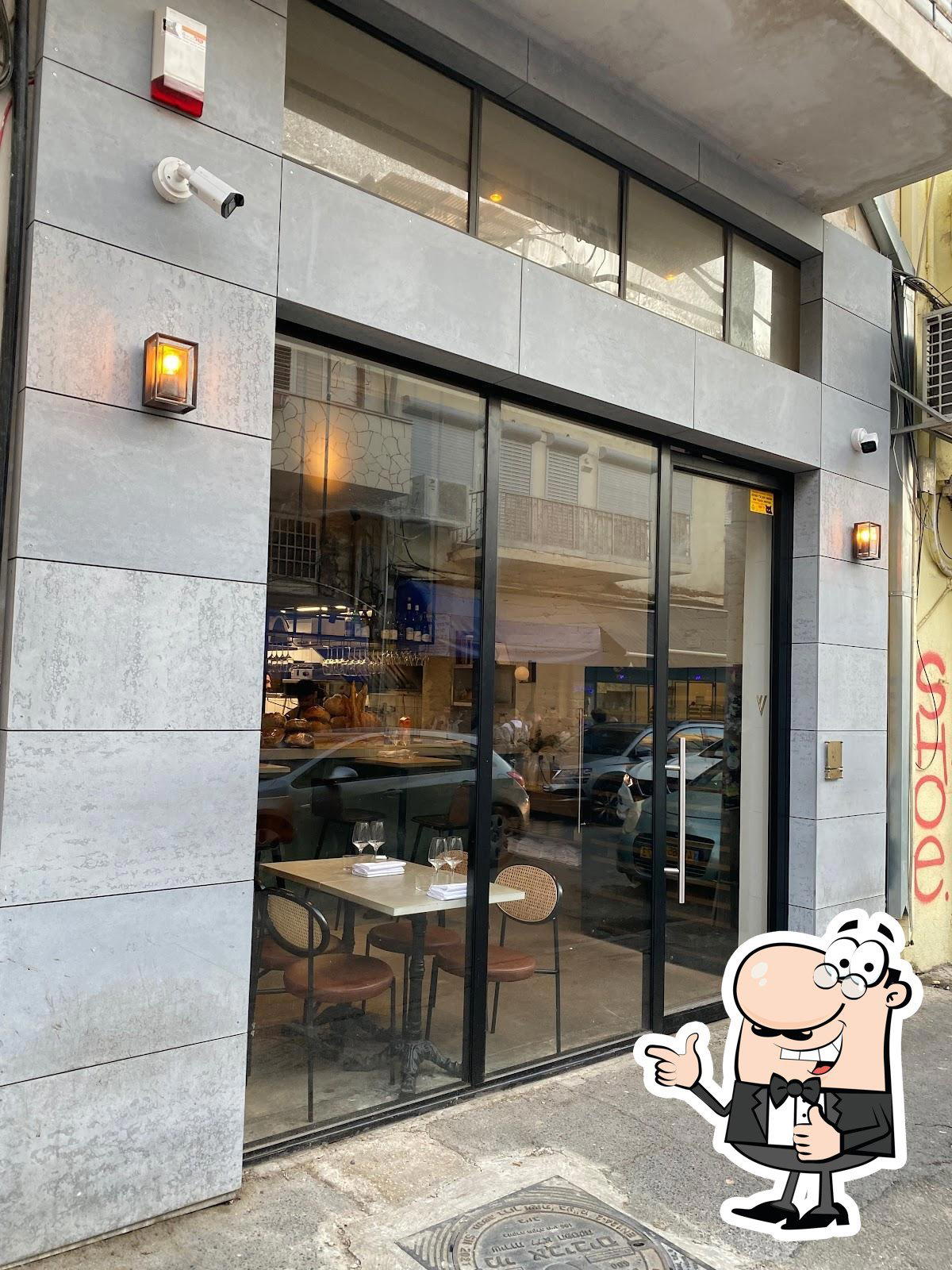
The restaurant occupies space in that middle tier. Its Lincoln Street location means it is proximate to the city's dining core without being inside the saturated tourist circuit of Florentin or the Carmel Market perimeter. Comparison venues in the neighbourhood context, including Abie and Aria, suggest a local clientele that responds to quality-over-noise propositions. Azura and a occupy adjacent positions in the city's broader independent dining ecosystem.
Diana in Nazareth and Helena in Caesarea each operate on similar ingredient-first principles, and visiting them in sequence builds a coherent picture of where Israeli cooking draws its material from. The contrast with the stripped-down format of Abu Hassan in Jaffa, just minutes away, or the barbecue discipline at Pitmaster in Beersheba, illustrates how varied the country's serious food culture has become.
The Broader Pattern This Fits
Israel's restaurant scene has developed a wide band of kitchens that take sourcing and technique seriously without adopting formal dining conventions. Instead, it has developed a wide band of kitchens that take sourcing and technique seriously without adopting formal dining conventions. This reflects both the country's food culture, shaped by multiple immigrant waves, indigenous Levantine tradition, and proximity to Mediterranean agricultural systems, and a practical constraint: the Israeli dining public is price-sensitive and informal by preference. The result is cooking that often punches above its price and setting, with kitchens making decisions about ingredients that would be reserved for tasting-menu restaurants in other cities.
Internationally, the closest analogies might be found in the natural-wine-adjacent bistronomy scene in Paris or the producer-driven small-plates format that has come to define serious casual dining in cities from London to Melbourne. The difference in Tel Aviv is that the raw materials, the za'atar growing wild in the hills, the tomatoes grown in volcanic soil near the Sea of Galilee, the aged labneh from small dairy operations in the north, give local kitchens a sourcing story that is genuinely difficult to replicate elsewhere. For reference on how ingredient-driven precision operates at the highest international level, Le Bernardin and Atomix in New York offer useful benchmarks for what sourcing discipline looks like when it is the organising principle of an entire restaurant project.
Planning Your Visit
The restaurant is at Lincoln St 11, Tel Aviv-Yafo. Given the Lincoln Street address and the venue's positioning within Tel Aviv's more considered independent dining tier, booking ahead is advisable, particularly for Thursday through Saturday evenings, when the city's restaurant traffic concentrates. Tel Aviv's dining scene peaks in autumn and spring when the temperature is tolerable for the kind of leisurely meals that ingredient-focused kitchens reward. For readers building a wider regional itinerary, Michael Local Bistro in Liman, Menza in Jerusalem, and Herbert Samuel Herzliya each add a distinct chapter to the country's contemporary dining picture. Burger 232 in Maggen is worth noting for readers exploring the agricultural north.
How It Stacks Up
Comparable venues nearby, for context on price, style, and recognition.
| Venue | Cuisine | Price | Notes |
|---|---|---|---|
| Kab KemThis venue — the venue you are viewing | Modern Thai Tapas | $$$ | Not listed |
| Dallal Restaurant | Mediterranean Bistro with French Influences | $$$ | Newe Ẕedeq |
| Kitchen Market | Contemporary Israeli Market-to-Table | $$$ | Kokhav Ha-tsafon |
| Piccola Pasta | Authentic Italian Trattoria | $$$ | Ṣummeil |
| Toto | Modern Italian Fine Dining | $$$ | HaQirya |
| Claro | Farm-to-Table Mediterranean | $$$ | Ha-rakevet |
At a Glance
- Lively
- Trendy
- Energetic
- Cozy
- Casual Hangout
- Late Night
- Group Dining
- Open Kitchen
- Craft Cocktails
- Local Sourcing
Current opening hours
- Monday
- 12–3 PM, 5 PM–12 AM
- Tuesday
- 12–3 PM, 5 PM–12 AM
- Wednesday
- 12–3 PM, 5 PM–12 AM
- Thursday
- 12–3 PM, 5 PM–12 AM
- Friday
- 5 PM–12 AM
- Saturday
- 12–3:30 PM, 5 PM–12 AM
- Sunday
- 5 PM–12 AM
Hours can change for holidays and private events. Last verified .
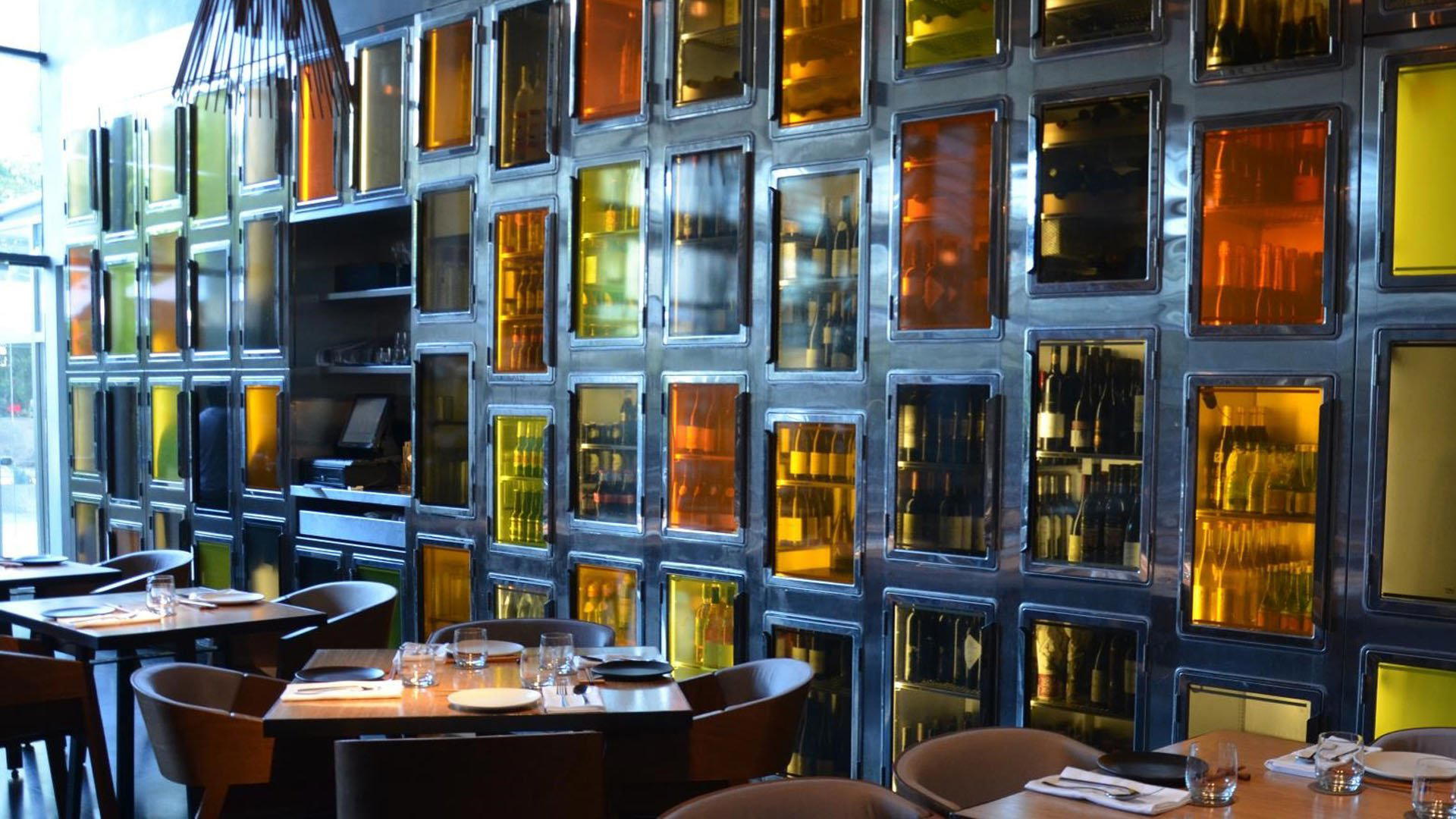
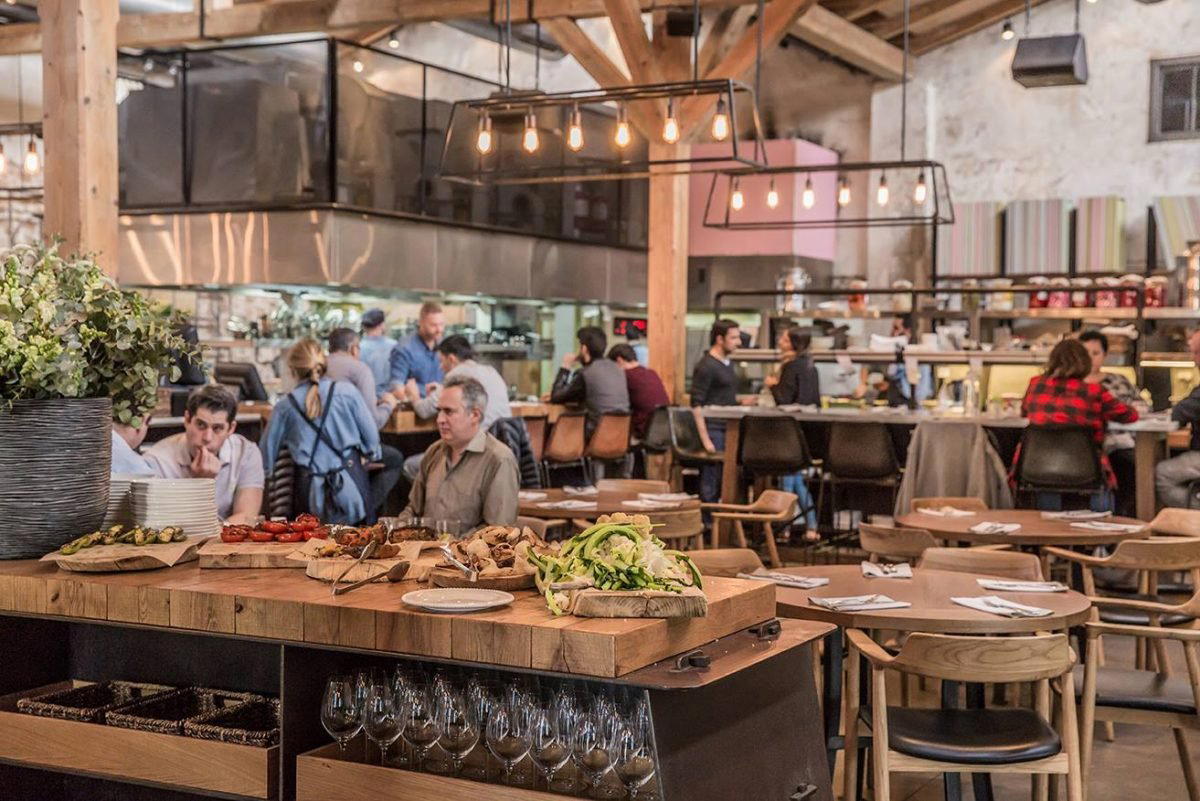
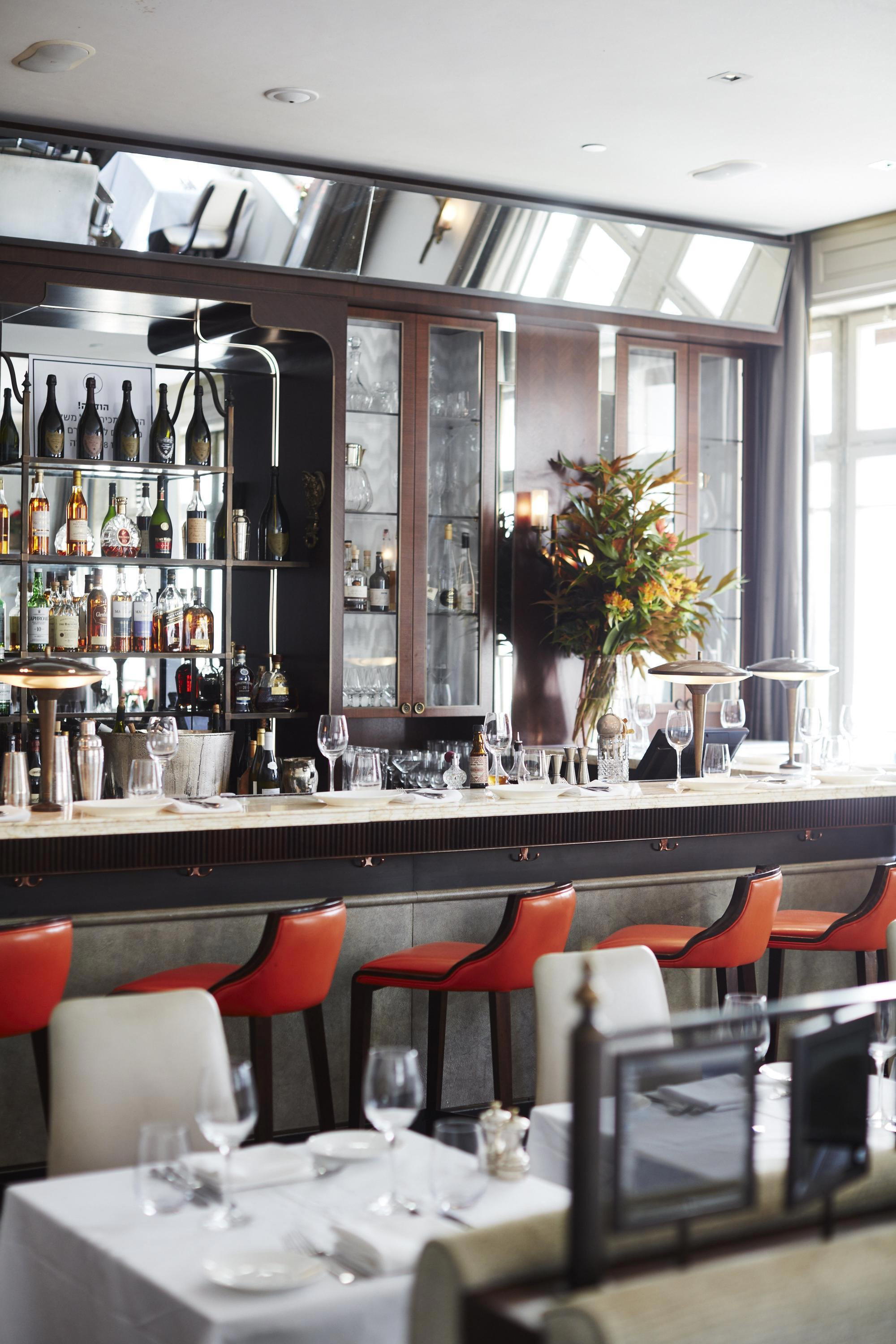
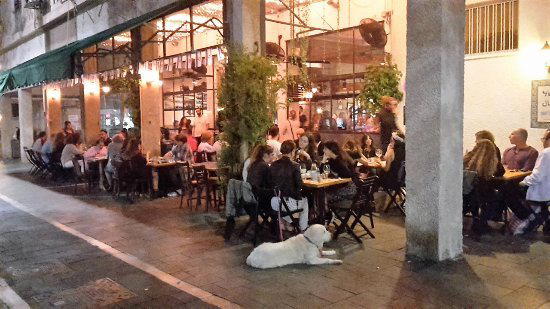
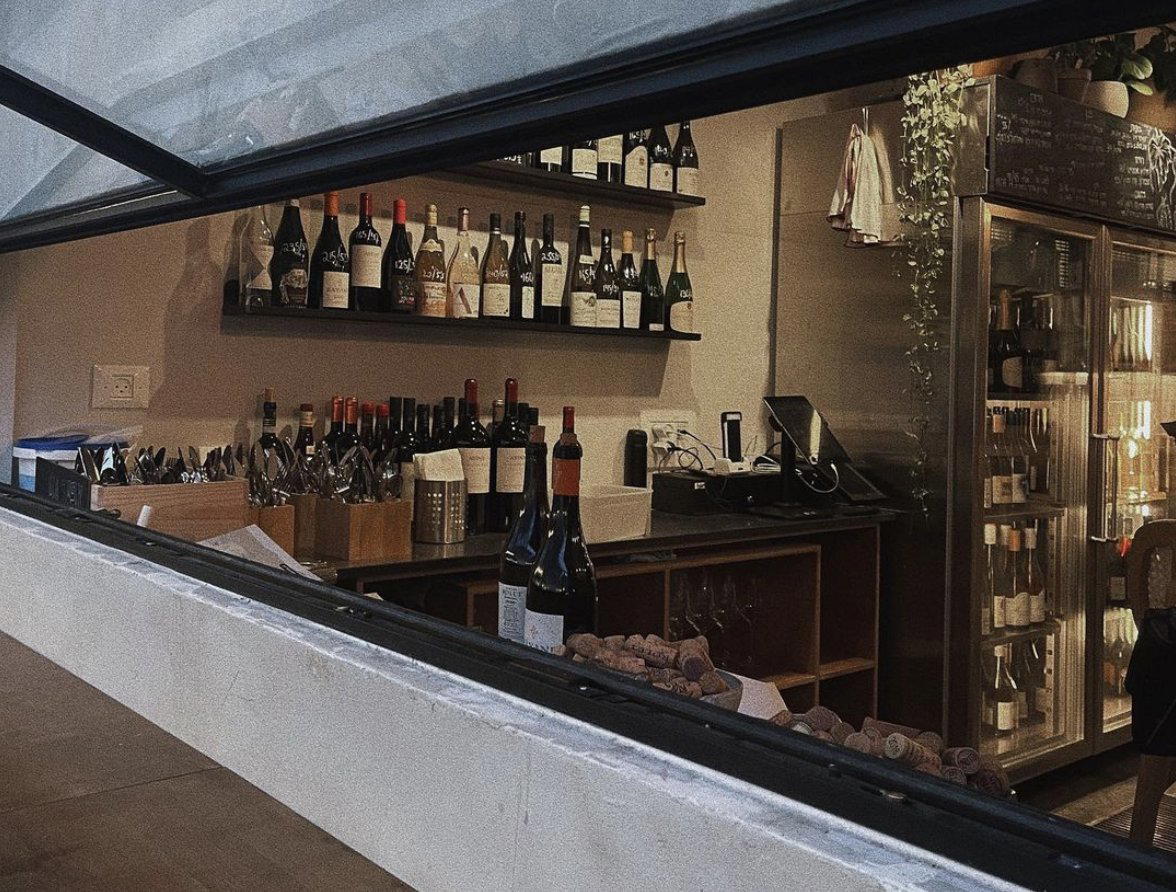
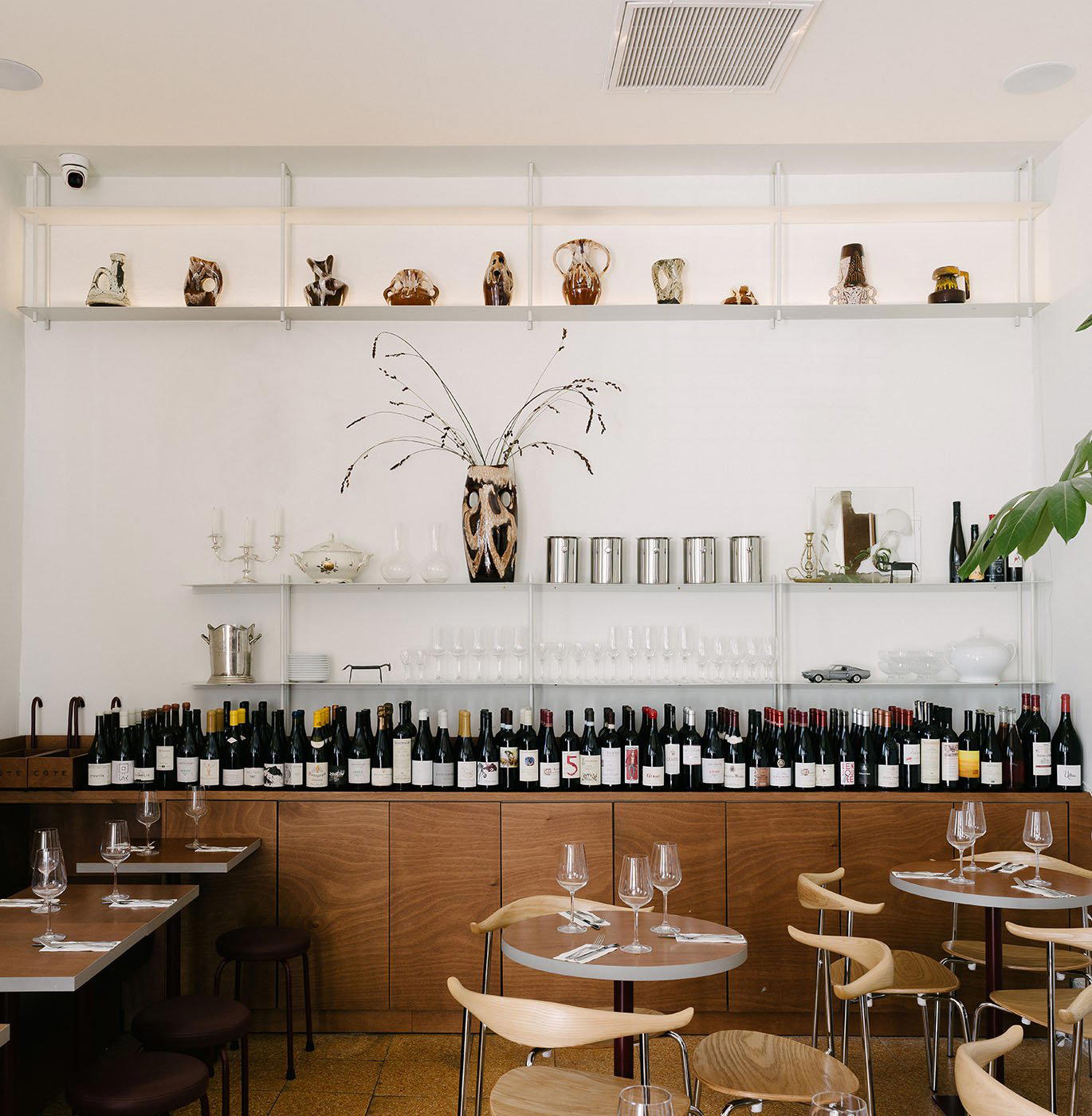
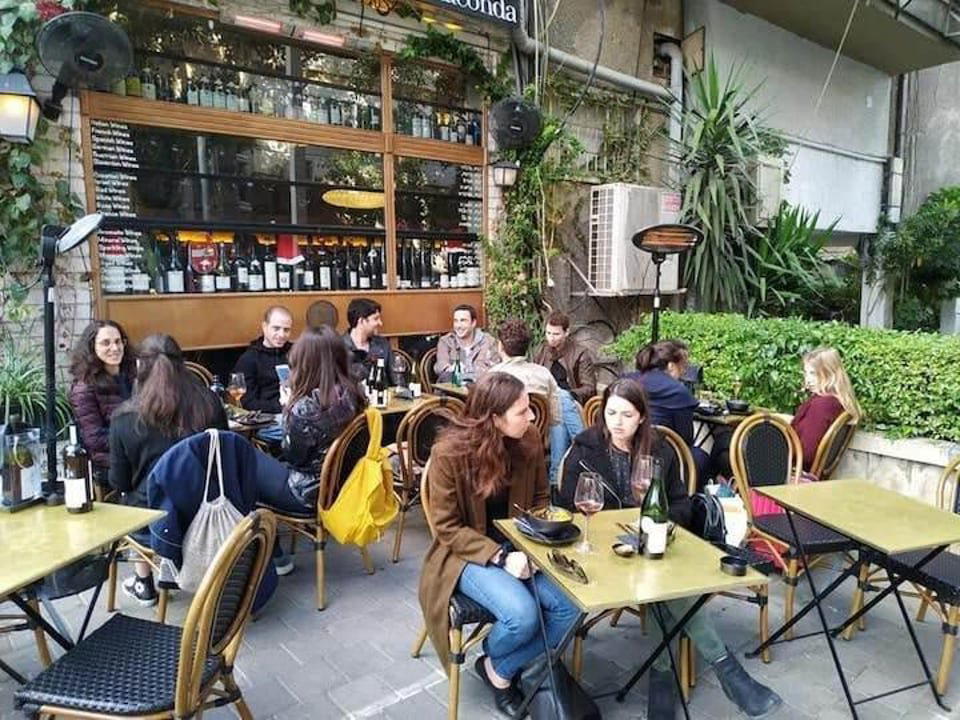
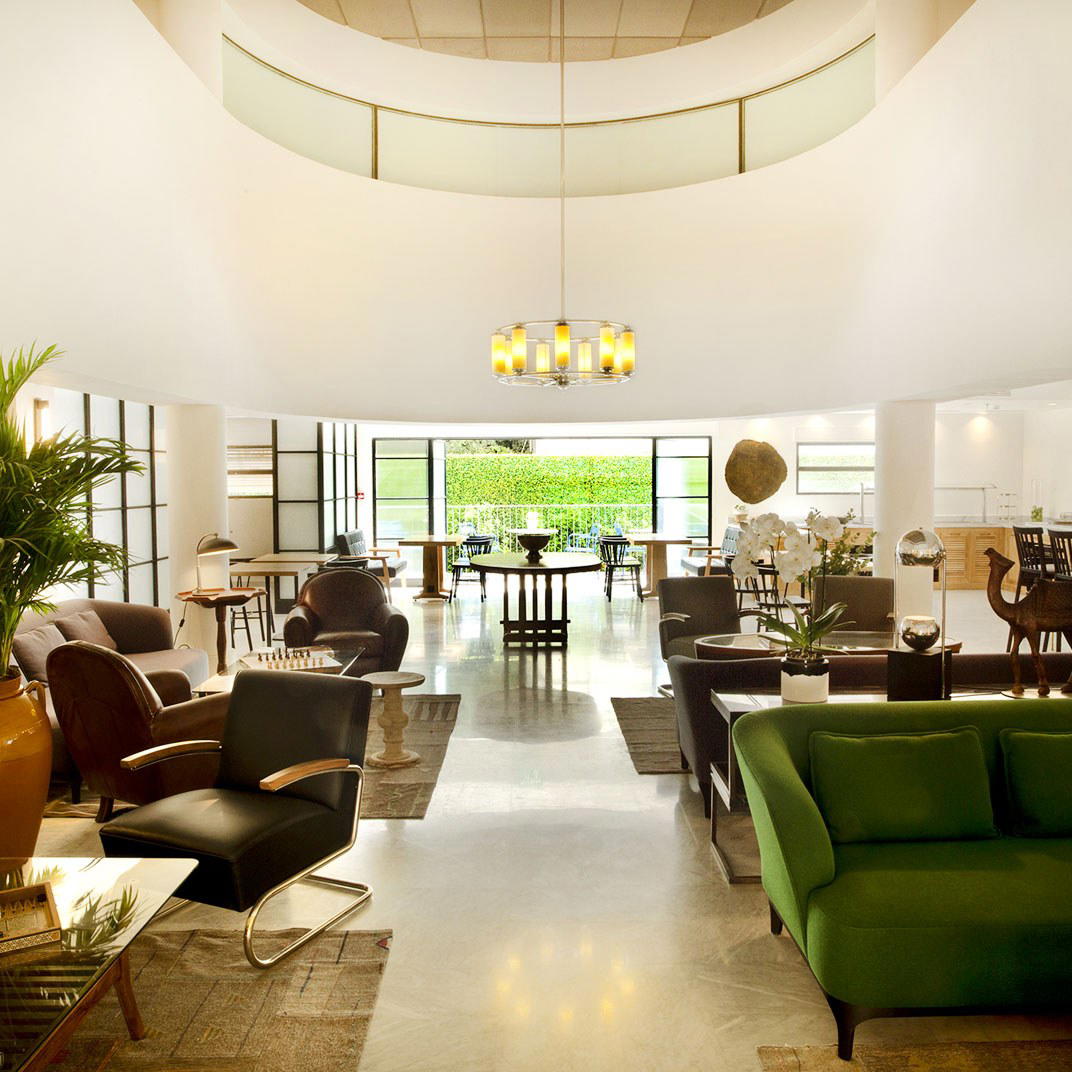
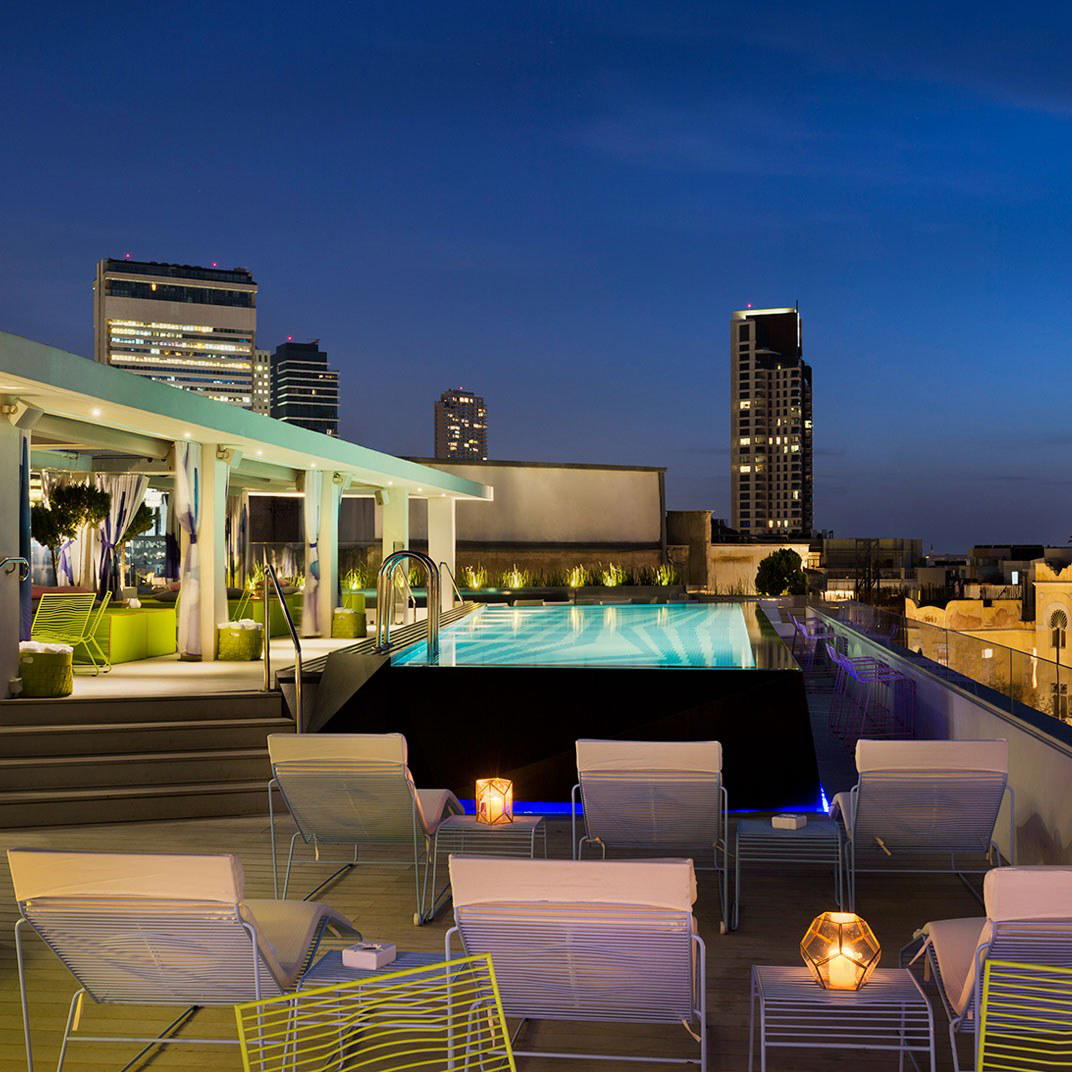
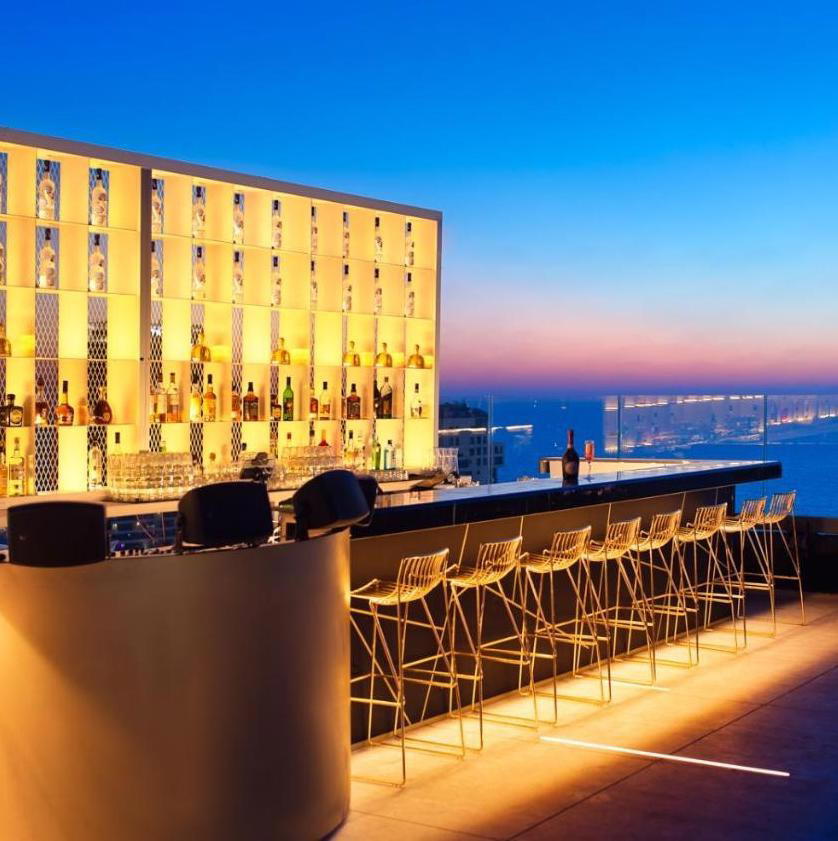
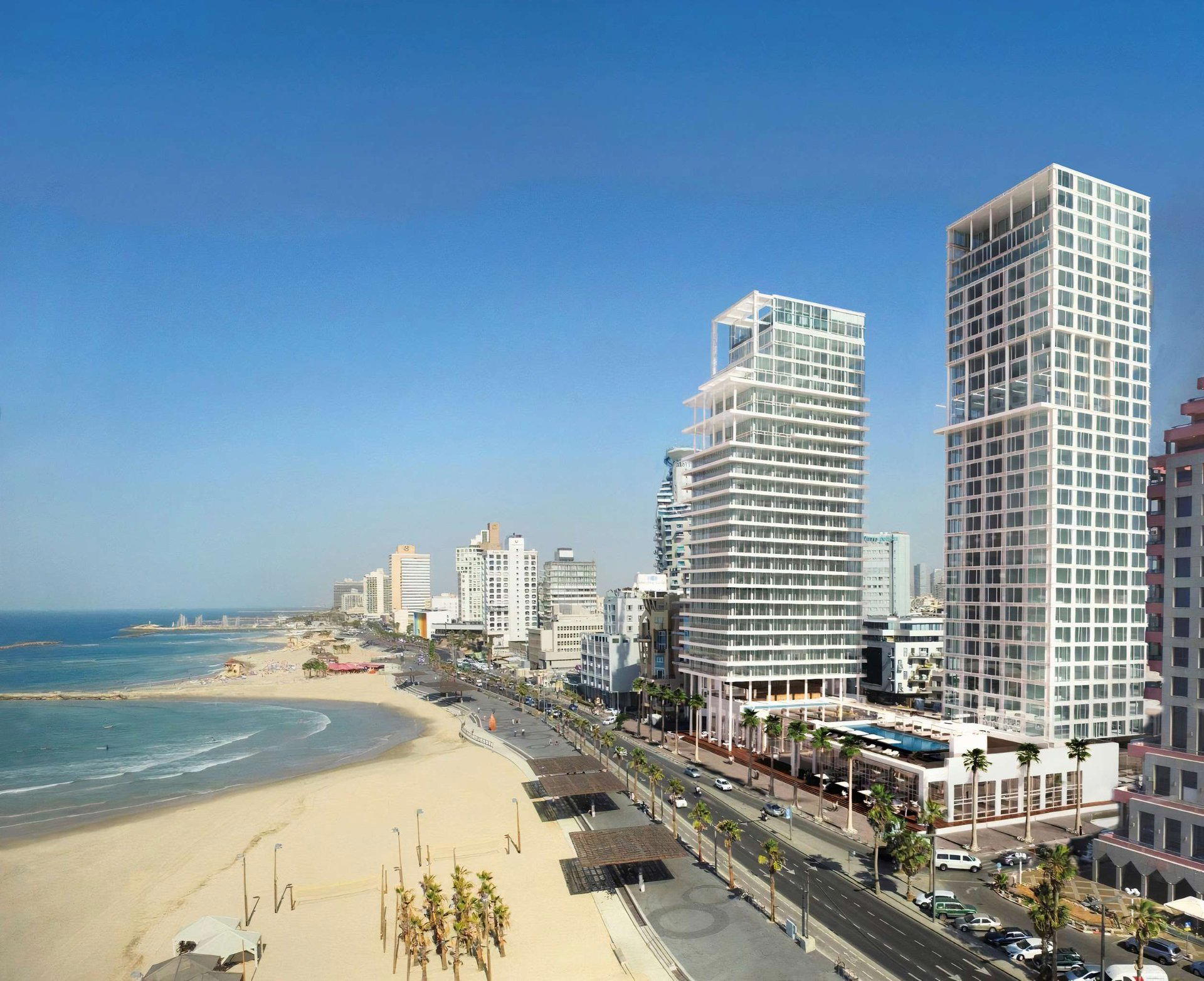
Dim exposed bulbs glowing off jewel-toned walls with mismatched nostalgic decor creating an achingly cool, lively atmosphere.