
Star Wine List
Bosser sits on HaHashmal Street near Florentine, occupying the productive overlap between wine bar and bottle shop that Tel Aviv's drinking culture has made its own. The format invites lingering over a glass at the counter or leaving with something under your arm, sometimes both. It belongs to a small tier of Tel Aviv wine destinations where the selection does the talking.

Pearl is the En Primeur Club membership app, where members save venues, book tables and use the concierge.
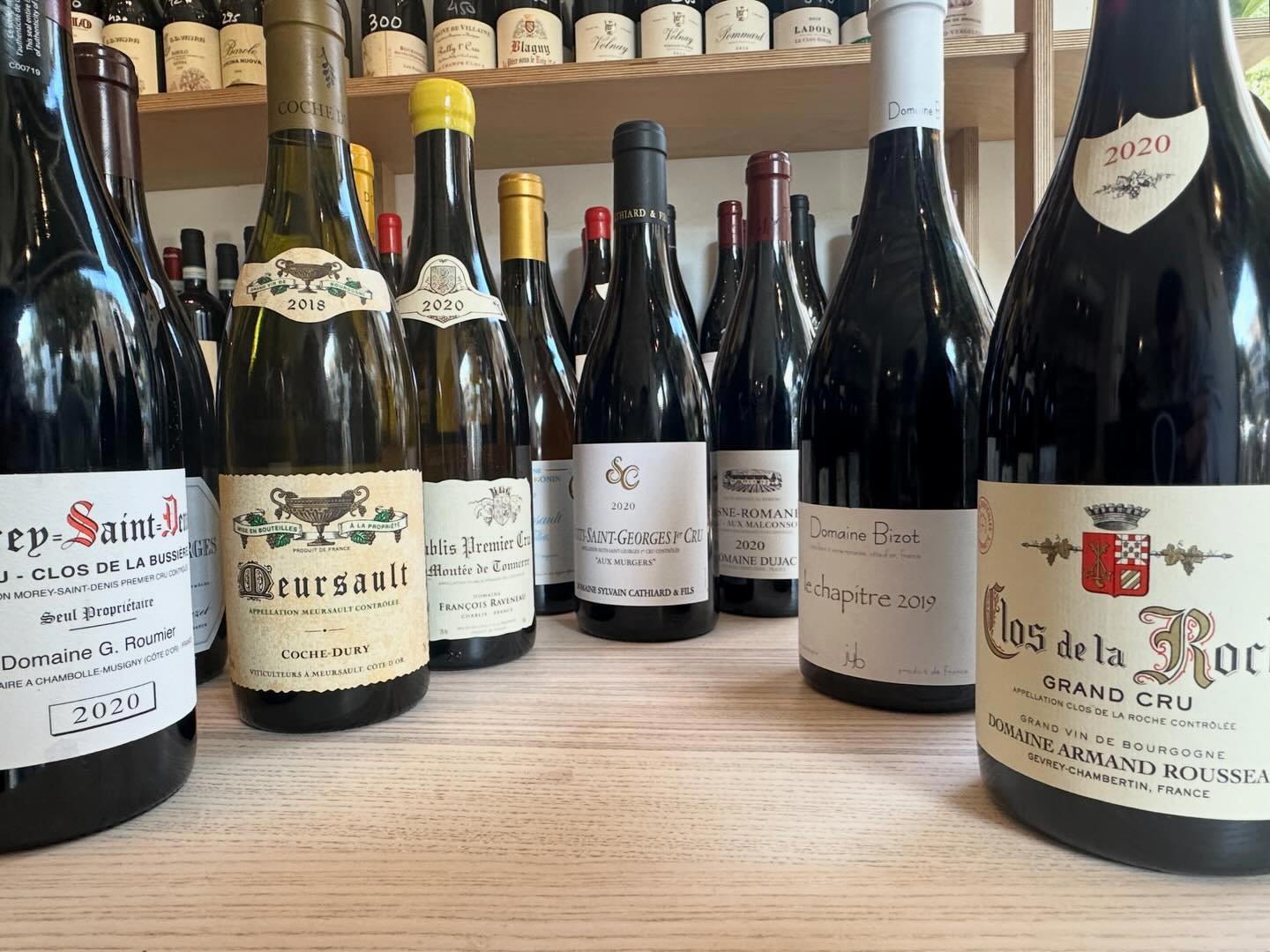
Where the Wine Bar Ends and the Shop Begins
On HaHashmal Street, close to where the Florentine neighbourhood bleeds into the surrounding blocks of south Tel Aviv, a particular kind of drinking establishment has taken hold. Bosser occupies the deliberate overlap between retail and hospitality, a bottle shop you can drink in, or a wine bar where everything on the shelf is also for sale. The format is not new globally, but in Tel Aviv it has found especially fertile ground, fitting a city that moves between casual and considered without much ceremony.
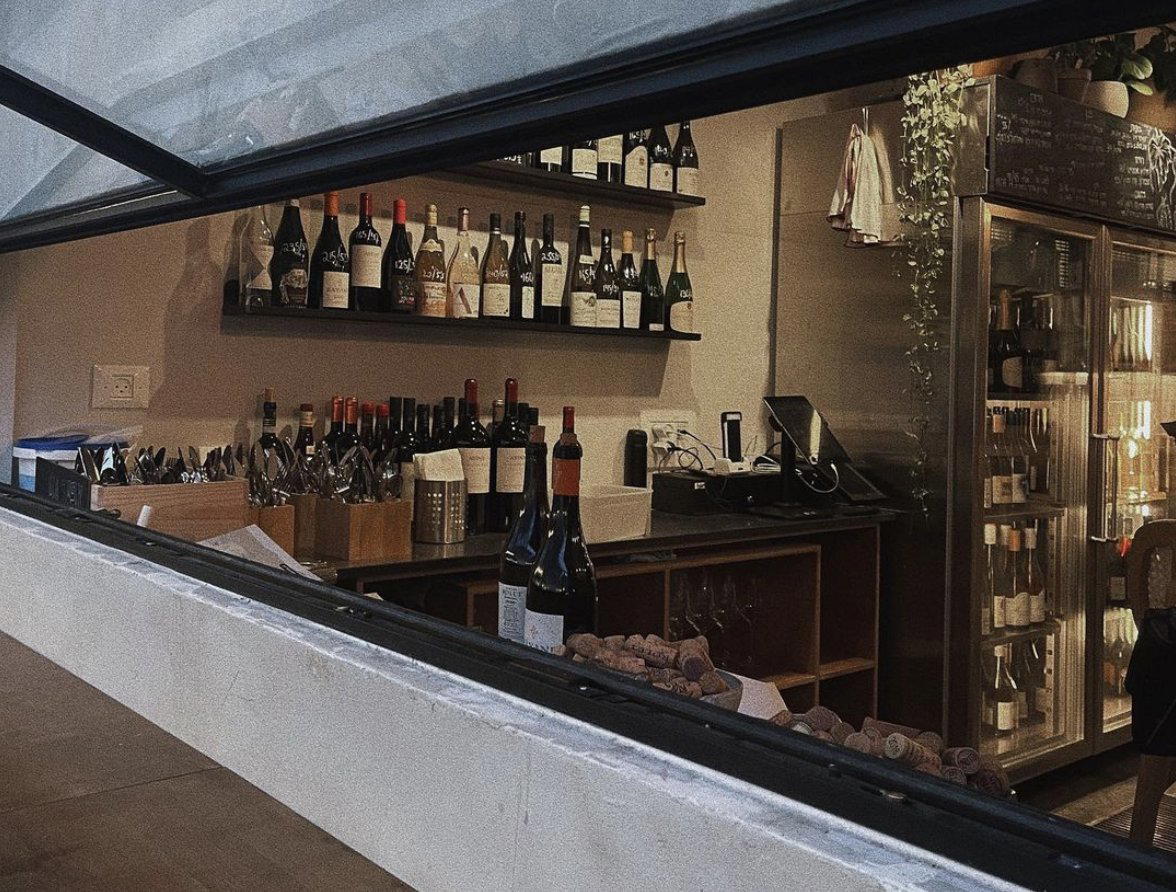
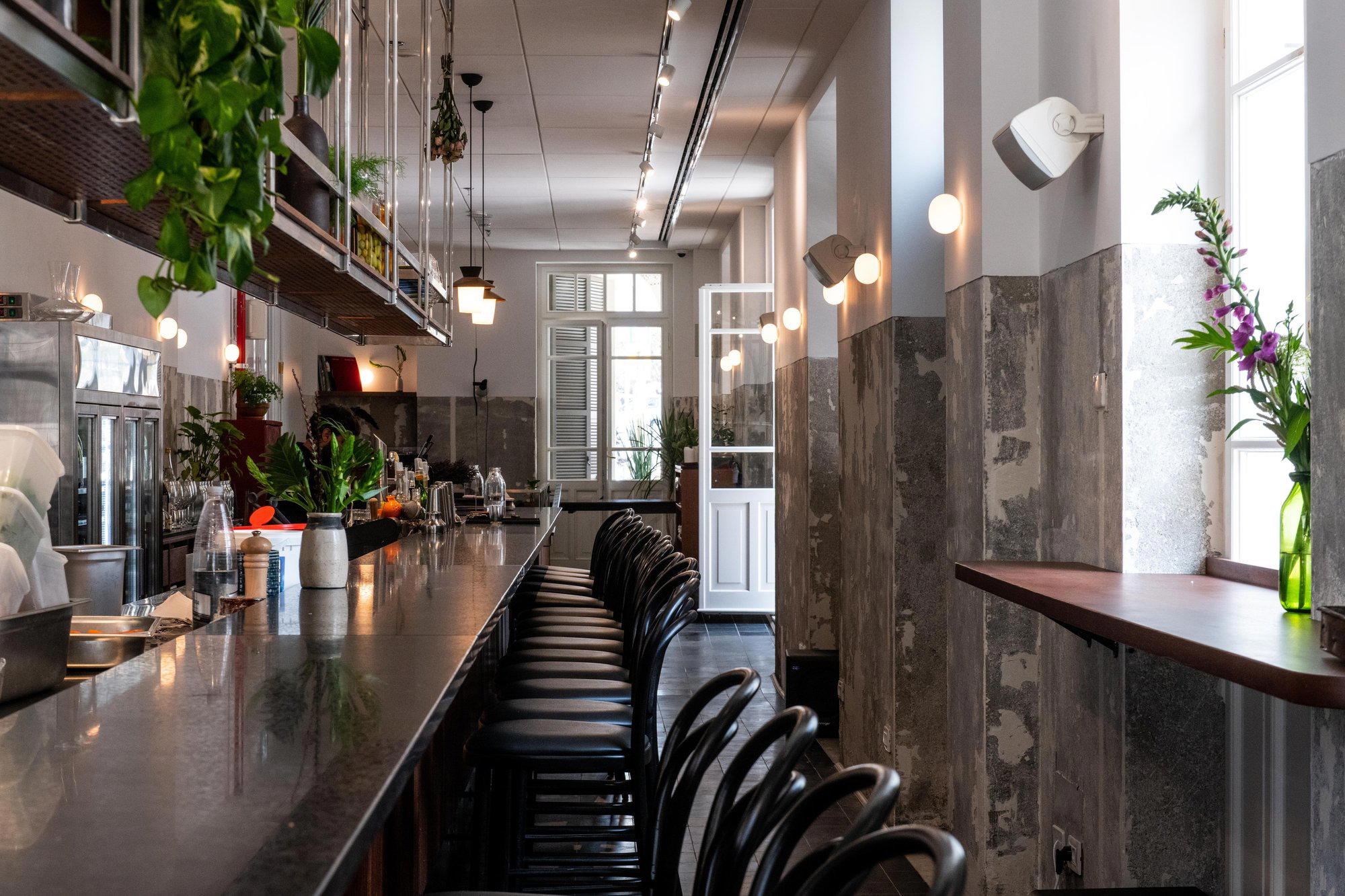
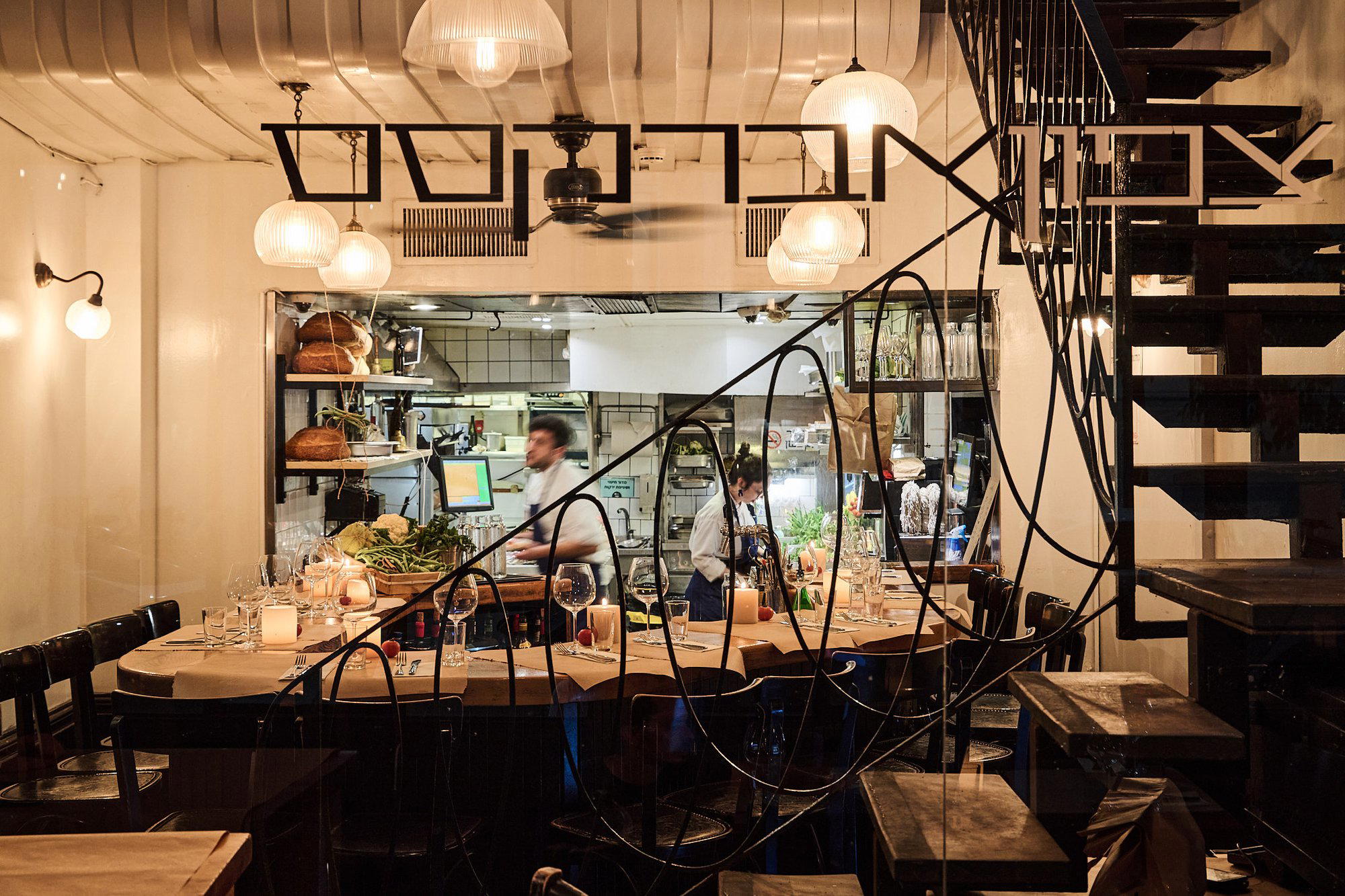
The physical grammar of these hybrid spaces matters. Shelves of bottles serve as both wall decoration and working inventory. The counter is as likely to host a conversation about a grower-producer Chenin as it is to process a transaction. Bosser operates in that register: the distinction between customer and guest is deliberately thin, and the knowledge in the room tends to surface through conversation rather than through a formal wine list presented at the table.
The Florentine Adjacency
Florentine has carried Tel Aviv's reputation for low-key creative energy for years. The neighbourhood runs on independent formats: small restaurants, bars without velvet ropes, shops that double as galleries or studios. Bosser's address on HaHashmal Street places it at the edge of this zone, close enough to draw from Florentine's foot traffic while sitting slightly apart from its most concentrated stretch. That positioning matters for the kind of audience the space attracts, people who already know what they want and are less interested in being sold to than in finding something worth talking about.
Within Tel Aviv's bar and wine scene, the peer conversation is instructive. Cocktail-led venues like Imperial Craft, Bar 51, Brix, and Christoff occupy a different tier, technically focused, often reservation-forward, built around a programmatic approach to spirits and mixing. Bosser's wine-and-retail model sits in a separate category, where the selection logic and the person curating the shelf define the experience more than any single bartender technique. Both formats reflect the same underlying shift in Tel Aviv drinking culture: the move away from performance-heavy service toward a more literate, less theatrical kind of hospitality.
The Person Behind the Shelf
In the hybrid bottle-shop-bar format, the editorial angle belongs to whoever built the list. The curation at a space like Bosser functions the way a bartender's training functions at a craft cocktail bar: it signals a point of view, a set of priorities, a preference for certain regions or producers over others. Where a bartender at a venue like Kumiko in Chicago or Jewel of the South in New Orleans makes their argument through technique and ingredient sourcing, a wine-bar-shop hybrid makes its argument through what lines the shelves and what gets opened by the glass.
That argument, in Tel Aviv's better wine destinations, has increasingly moved toward natural and low-intervention producers, grower Champagnes, and wines from regions that don't lead with marketing budgets. Israel's own wine industry, producing serious bottles from Galilee and the Judean Hills, also factors into the most credible lists in the city. Whether Bosser prioritises local producers alongside European imports is part of what gives the space its particular character, even if the answer to that question reveals itself only once you're standing at the counter.
The hospitality mode that fits this format is one of guided discovery rather than formal service. Think of analogues like Bar Leather Apron in Honolulu or The Parlour in Frankfurt on the Main, places where the person across the counter functions as an informed host, ready to open a conversation about what's on the shelf without making it feel like a classroom. The leading version of this model turns a transaction into a recommendation, and a recommendation into a reason to return.
Drinking in Tel Aviv's Hybrid Format
The bottle-shop-bar model has spread across drinking cities globally in the past decade. 1806 in Melbourne built its reputation on spirits education alongside cocktail service; Superbueno in New York City layered Latin spirits knowledge into a neighbourhood bar format; Julep in Houston made whisky accessibility its defining principle. What ties these spaces is the idea that the knowledge embedded in the room should be accessible, not gatekept. Bosser operates on the same principle, applied to wine.
In practical terms, this means the visit works on multiple timescales. An evening at the counter with a glass open for conversation is one mode. A fifteen-minute stop to pick up a bottle for dinner is another. Both are legitimate, and the space accommodates both without making either feel like the wrong use of it. For a visitor to Tel Aviv working through the city's drinking options alongside venues from our full Tel Aviv restaurants guide, Bosser represents a different register than the cocktail bars and restaurants further north, quieter, more transactional in the leading sense, and rooted in a specific kind of wine literacy.
Planning Your Visit
Bosser is located at HaHashmal Street 5, within easy reach of Florentine and the surrounding south Tel Aviv neighbourhoods. Current booking details and opening hours are best confirmed directly, as the hybrid bottle-shop format often means hours vary by day and season. The space suits visitors who arrive with some curiosity about wine rather than a fixed agenda, and the format rewards those willing to let the conversation at the counter shape what ends up in the glass. For the wider Tel Aviv drinking and dining picture, the EP Club Tel Aviv guide maps the city's venues across formats and neighbourhoods.
Frequently Asked Questions
- What's the signature drink at Bosser?
- Bosser's awards note describes it as a wine bar and bottle shop in one, which means the offering centres on wine by the glass rather than a cocktail programme. The selection by the glass functions as the signature, what's open at any given time reflects the curation priorities of whoever built the list, with an emphasis on producers and regions the space considers worth championing.
- What makes Bosser worth visiting?
- Tel Aviv has a well-developed cocktail scene with technically focused venues across multiple neighbourhoods. Bosser occupies a different position: it is one of a smaller number of wine-specific destinations in the city that operates as both a retail and hospitality space. For visitors interested in wine over spirits, or in the specific logic of a bottle shop, that makes it a point of difference within the city's drinking options. The Florentine-adjacent address also places it in a part of Tel Aviv with its own distinct character, separate from the busier bar corridors further north.
- Is Bosser reservation-only?
- The hybrid bottle-shop-bar format typically operates without reservations, functioning more like a drop-in space than a ticketed experience. The venue's address is HaHashmal Street 5, Tel Aviv-Yafo.
Compact Comparison
Comparable venues nearby, for context on price, style, and recognition.
| Venue | Price | Awards | Notes |
|---|---|---|---|
| BosserThis venue (the venue you are viewing) | $20–30 | Star Wine List | Not listed |
| Tirza | Not listed | Star Wine List | Florentine, wine_bar |
| Côte | Not listed | Star Wine List | Newe Sha'anan, wine_bar |
| Christoff | Not listed | Star Wine List | Florentine, wine_bar |
| Giaconda – Wine Library | Not listed | Star Wine List | Ṣummeil, wine_bar |
Recognition history
Dated appearances from independent guides and award organizations, with the underlying list record or original source where available.
Star Wine List
Star Wine List
Continue exploring
More in Tel Aviv
Bars in Tel Aviv
All bars in Tel Aviv →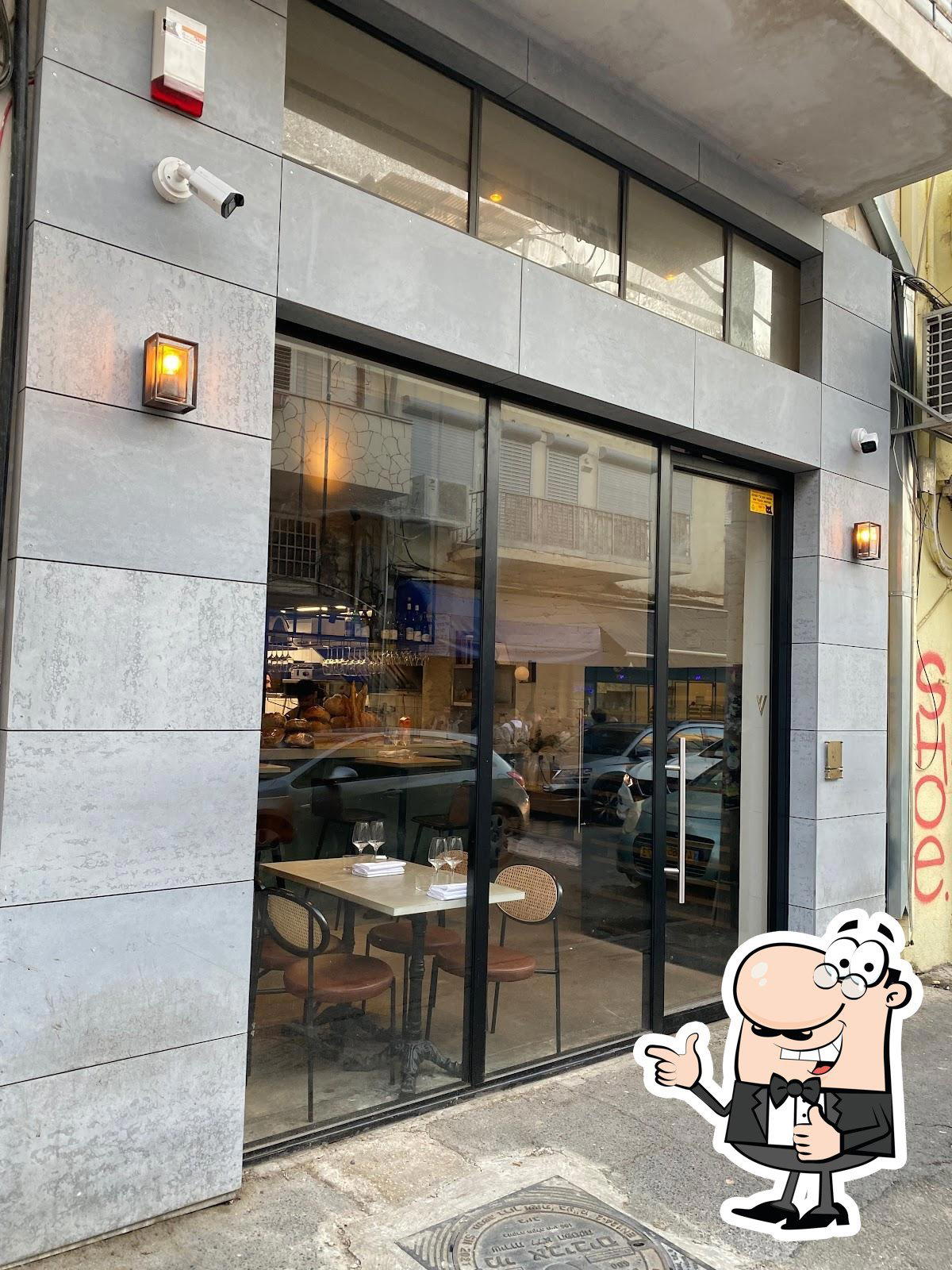
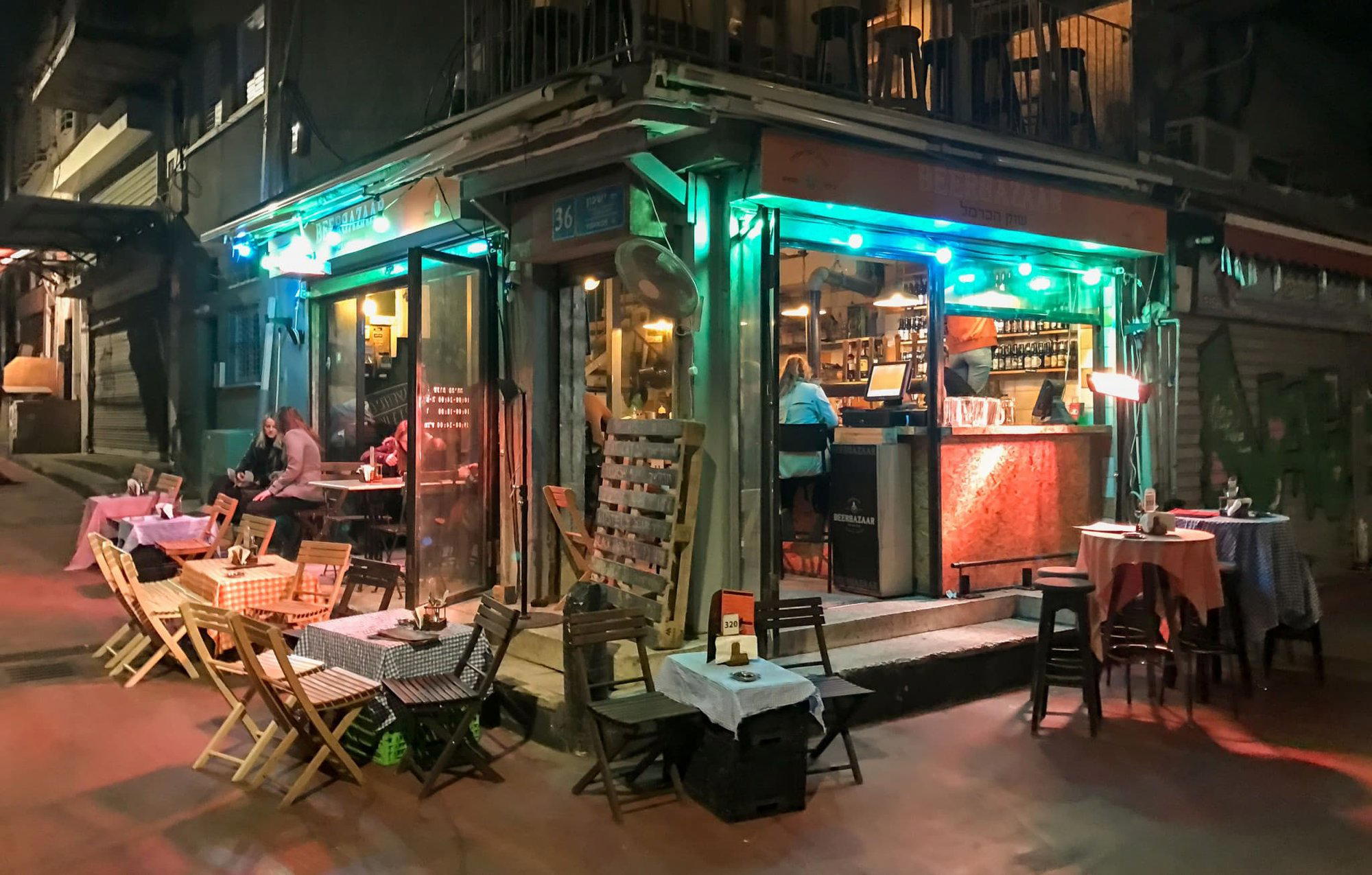
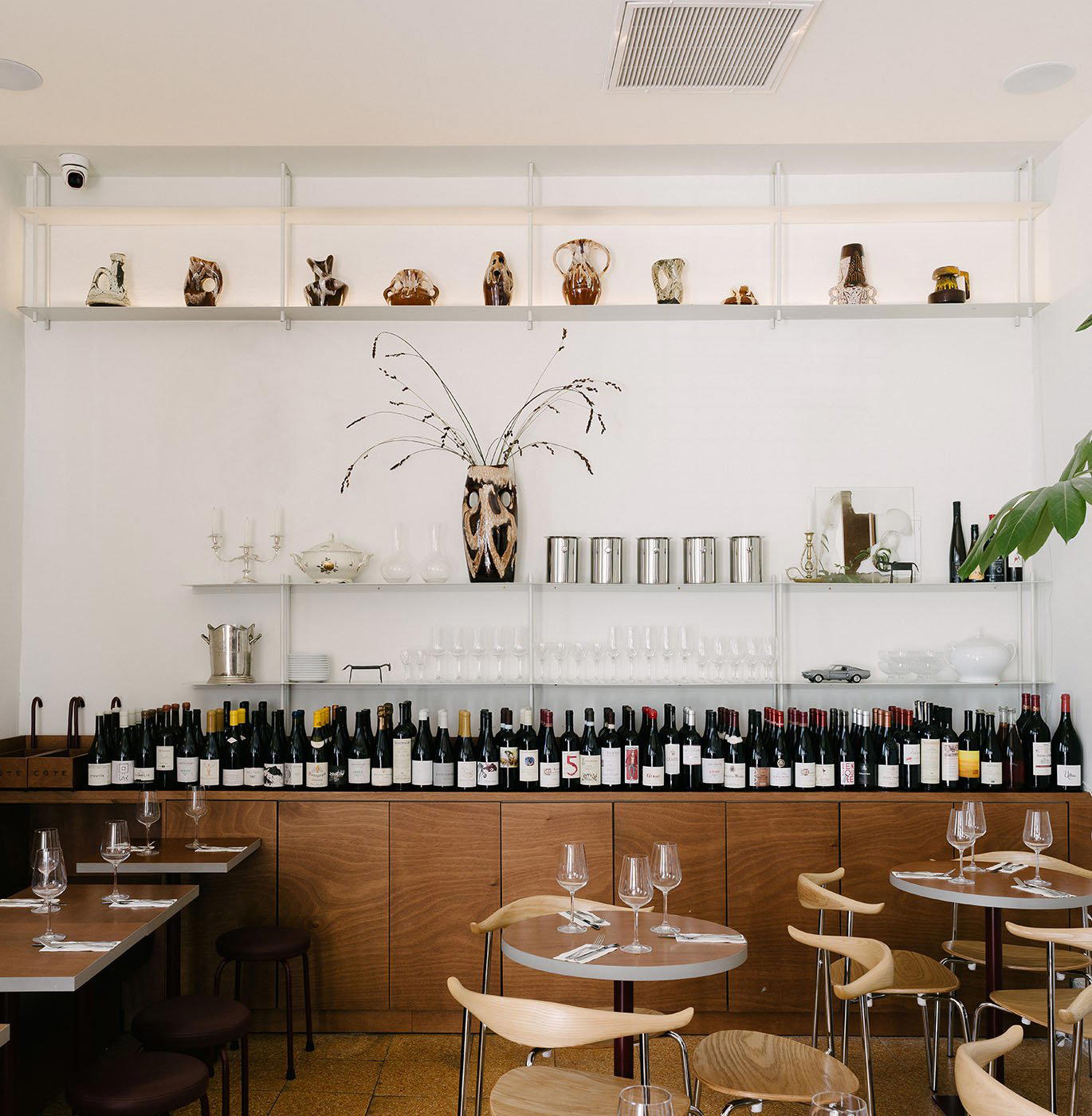
Restaurants in Tel Aviv
All restaurants in Tel Aviv →

Details
- Intimate
- Trendy
- Cozy
- Date Night
- Casual Hangout
- Standalone
- Seated Bar
- Standing Room
- Natural Wine
- Conventional Wine
Current opening hours
- Monday
- 8:30 AM–11 PM
- Tuesday
- 8:30 AM–11 PM
- Wednesday
- 8:30 AM–11 PM
- Thursday
- 8:30 AM–11 PM
- Friday
- 9 AM–6 PM
- Saturday
- 10 AM–11 PM
- Sunday
- 8:30 AM–11 PM
Hours can change for holidays and private events. Hours as of .
Intimate and welcoming atmosphere well-suited for relaxing, chatting, and discovering distinctive wines.