

Small Luxury Hotels of the World Member · World Travel Awards
The American Colony Hotel occupies a late-Ottoman stone compound on Louis Vincent Street, positioned between East and West Jerusalem. A 2025 World Travel Awards winner for Israel's Leading Boutique Hotel and a Small Luxury Hotels of the World member, it draws diplomats, journalists, and long-stay guests who treat its garden and shaded courtyard as a working base rather than a backdrop.

Pearl is the En Primeur Club membership app, where members save venues, book tables and use the concierge.
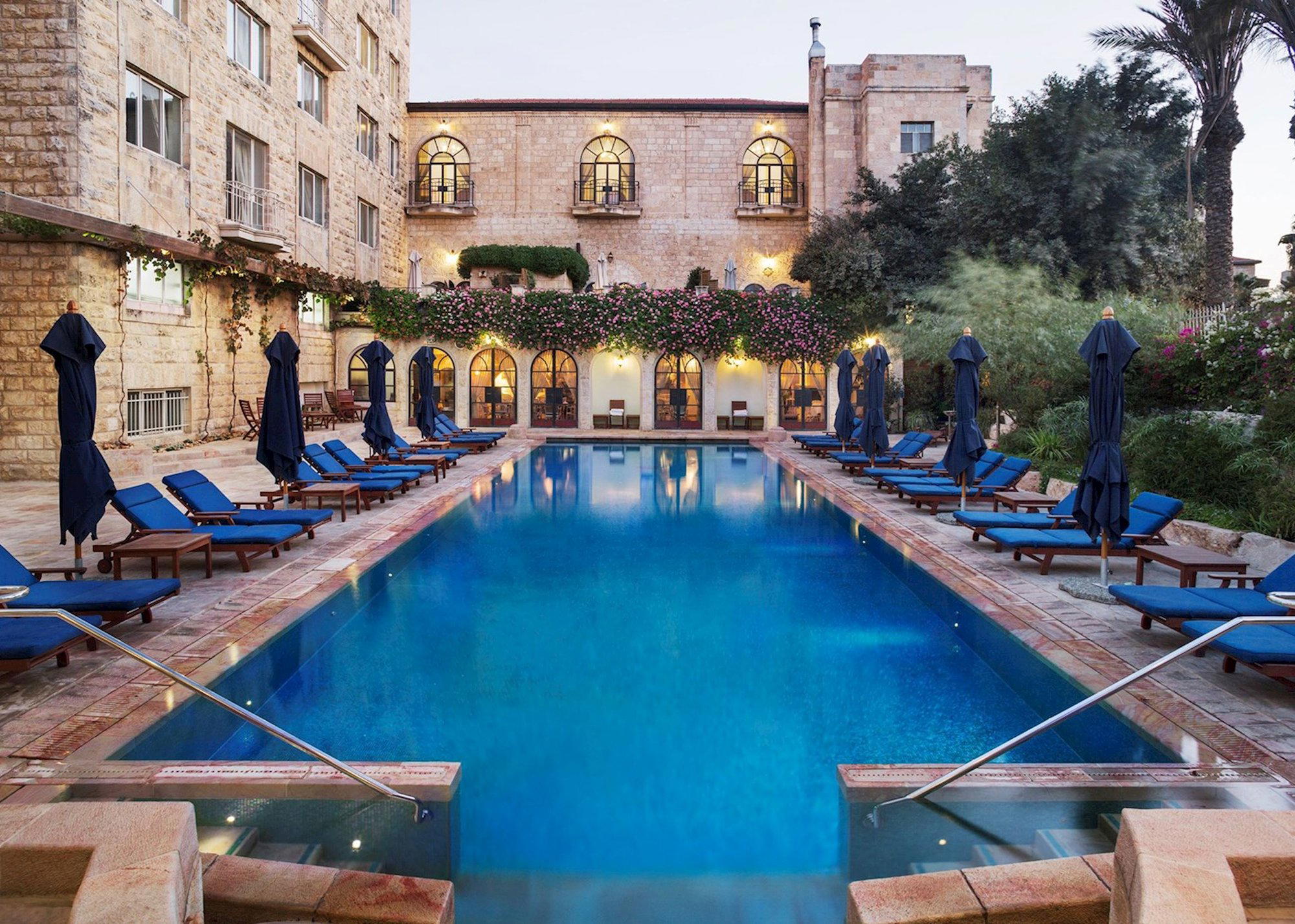
Where Jerusalem Slows Down
Jerusalem operates at a particular intensity. The layered claims on its stones, the density of its pilgrimage routes, the compressed geography of the Old City, all of it creates a tempo that many hotels simply amplify. The American Colony Hotel, on Louis Vincent Street at the seam between East and West Jerusalem, answers that intensity differently. Its late-Ottoman courtyard architecture, thick limestone walls, arched colonnades, a garden shaded by mature trees, functions less as aesthetic backdrop and more as genuine pressure valve. Guests who arrive wound tight from the city's pace tend to decelerate visibly by the second morning.
This is not a wellness property in the programmatic sense. There is no branded spa ritual sequence, no biohacking menu, no burnished copper salt cave. What it offers instead is the older model of retreat: architectural calm, a spatially generous garden, and a culture of unhurried service that Jerusalem's more vertically ambitious hotels, the Waldorf Astoria Jerusalem or the David Citadel Hotel, are structurally unable to replicate. The building's mass alone absorbs noise. In a city where quiet is never guaranteed, that is a form of luxury that matters.
The Compound and Its Spaces
The hotel occupies a series of connected structures built in phases from the 1860s onward. The original Husseini family palace forms the core, with later additions, including the Ottoman-era Pasha's quarters, integrated over time. The result is a compound rather than a single building, which creates the spatial variety that defines the guest experience. Some rooms face inward toward the courtyard garden; others overlook the surrounding streets of the Sheikh Jarrah neighbourhood.
The courtyard itself functions as the hotel's social centre. Breakfast is served there through the warmer months, and the garden's dappled midday light draws both guests and a steady roster of non-resident regulars, journalists, foreign correspondents, NGO workers, who have treated the Colony as a de facto bureau for decades. That continuity of use matters: the hotel's atmosphere is shaped not just by its architecture but by the particular community it has accumulated. Few boutique hotels anywhere sustain that kind of repeat intellectual clientele, and it gives the property an energy that distinguishes it from purely leisure-oriented peers like the Mamilla Hotel further west.
Pool area, when conditions allow, extends the retreat logic into the afternoon hours. It sits within the garden perimeter, maintaining the same enclosed quality as the rest of the compound. It is not a resort pool designed for spectacle; it is a space designed to let guests disappear from the city without leaving it.
Boutique Recognition in a Competitive Field
Jerusalem's upper accommodation tier has grown more competitive over the past decade. The arrival of internationally branded flagships, the InterContinental Jerusalem on one end, the The King David maintaining its historic position on King David Street, has given travellers more options at the upper price points. Within that field, the American Colony occupies a specific niche: independently spirited, architecturally rooted, and operating outside the logic of brand-standardised service.
The 2025 World Travel Awards designation as Israel's Leading Boutique Hotel confirms that positioning.
Globally, the retreat-through-architecture model has a distinguished lineage. Properties like Hotel Esencia in Tulum or Hotel Bel-Air in Los Angeles operate on a version of the same premise: enclosed gardens, limited keys, and a deliberate separation from ambient urban noise. The American Colony makes that argument with particular conviction because the city outside its walls is among the most charged on earth.
The Neighbourhood and Arrival Logic
Sheikh Jarrah, where the hotel sits, is a residential quarter that has been central to political disputes over property and residency rights in Jerusalem for years. Guests arrive knowing they are not in a sanitised tourist zone. The neighbourhood's texture, its street-level Arabic coffee shops, its proximity to the Palestinian commercial quarter of East Jerusalem, its walkable distance from the Old City's Damascus Gate, makes the hotel's position on the geographic and cultural seam of Jerusalem explicit rather than incidental.
That location is part of what the hotel has always offered: a place to stay that acknowledges Jerusalem's complexity without retreating from it. For guests visiting on work rather than pure leisure, or for travellers who want their accommodation to be responsive to the city they are actually in, the Sheikh Jarrah address carries meaning that a room inside the newer western hotel corridor cannot replicate.
Getting there from Ben Gurion Airport takes roughly 50 to 55 minutes by car or hired transfer. Jerusalem's light rail connects the western part of the city, though Sheikh Jarrah is most practically accessed by taxi or private car from the central city. The hotel's address, Louis Vincent Street 1, places it at a node that is walkable to the Old City walls within 15 to 20 minutes on foot.
Planning a Stay
The hotel draws a mix of short-stay tourists and extended-visit guests, the latter often staying multiple weeks during periods of diplomatic or journalistic activity in the city. That pattern means room availability compresses at predictable intervals: around major international gatherings, religious festivals in spring and autumn, and during periods when Jerusalem is otherwise in the news cycle. Guests with fixed travel dates should treat early booking as standard practice rather than optional.
Small Luxury Hotels of the World membership means the property can be booked through that network's channels, which is worth noting for travellers who manage preferences or points through partner programmes. Direct booking directly with the hotel is the conventional route and will typically offer the clearest communication on room type and current availability.
For travellers building a longer Israel itinerary, the Colony anchors Jerusalem well. Pairing it with properties like Six Senses Shaharut in the Negev desert or Beresheet in Mizpe Ramon creates a sequenced contrast, urban immersion followed by landscape-scale withdrawal, that suits the retreat logic both ends of the trip share. Those looking to stay in Tel Aviv before or after can reference Brown TLV Urban Hotel for a design-forward city option, while Elma Arts Complex Luxury Hotel in Hadera offers an arts-centred residential alternative on the coast. See our full Jerusalem restaurants and hotels guide for wider city context.
Reputation Context
Comparable venues nearby, for context on price, style, and recognition.
| Venue | Cuisine | Price | Awards | Notes |
|---|---|---|---|---|
| The American Colony HotelThis venue (the venue you are viewing) | Historic boutique complex spread across multiple buildings with expansive gardens | $300–500 | Small Luxury Hotels of the World Member · World Travel Awards | Not listed |
| Waldorf Astoria Jerusalem | Historic luxury hotel with contemporary touches in pale Jerusalem stone. | Not listed | Star Wine List · Forbes Recommended | Mamilla |
| Alegra Boutique Hotel | Luxury boutique hotel blending classical Arab architecture with contemporary design, featuring Jerusalem stone and modern furnishings in a historic neighborhood setting. | $300–500 | Michelin Selected | Ein Kerem |
| Mamilla Hotel | Contemporary urban luxury with Art Deco influences | $300–500 | Star Wine List · Virtuoso Luxury Hotel Partner | Mamilla |
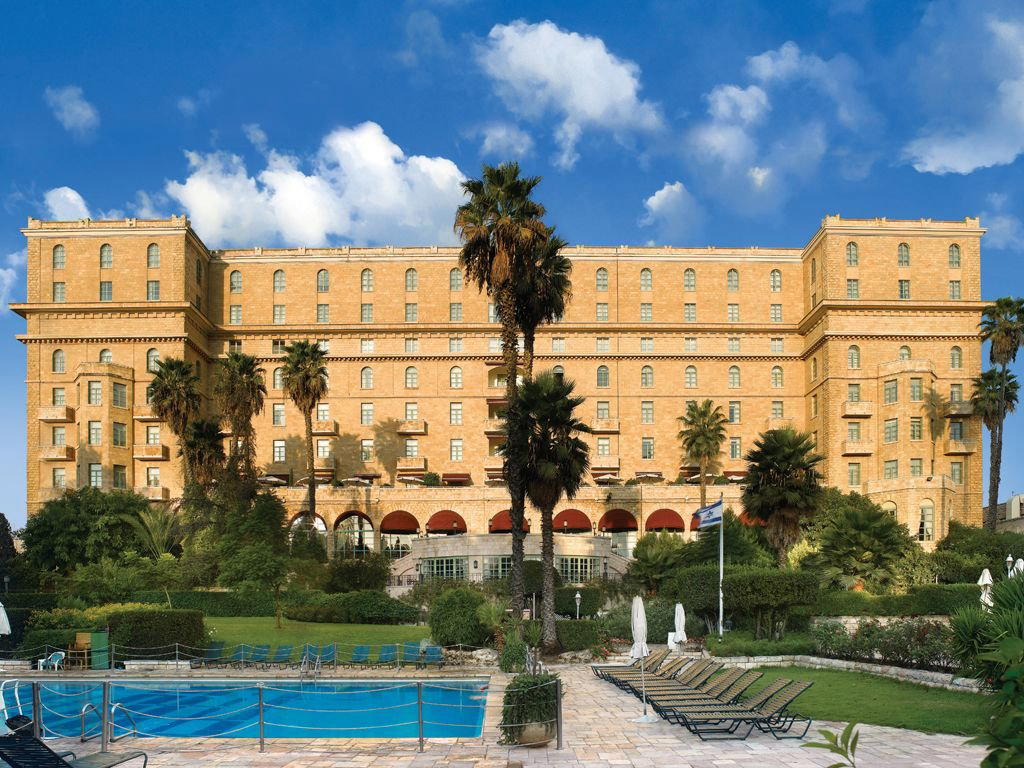
| The King David | Stately historic luxury property with pink quartz facade and lush gardens. | Not listed | La Liste Top Hotels · Virtuoso Luxury Hotel Partner | near Old City |
| InterContinental Jerusalem- A Virtuoso Preview Property | Contemporary luxury blending heritage and modernity | Not listed | Virtuoso Luxury Hotel Partner | city center |
Recognition history
Dated appearances from independent guides and award organizations, with the underlying list record or original source where available.
Small Luxury Hotels of the World Member
Small Luxury Hotels of the World
World Travel Awards
World Travel Awards
Continue exploring
More in Jerusalem
Hotels in Jerusalem
All hotels in Jerusalem →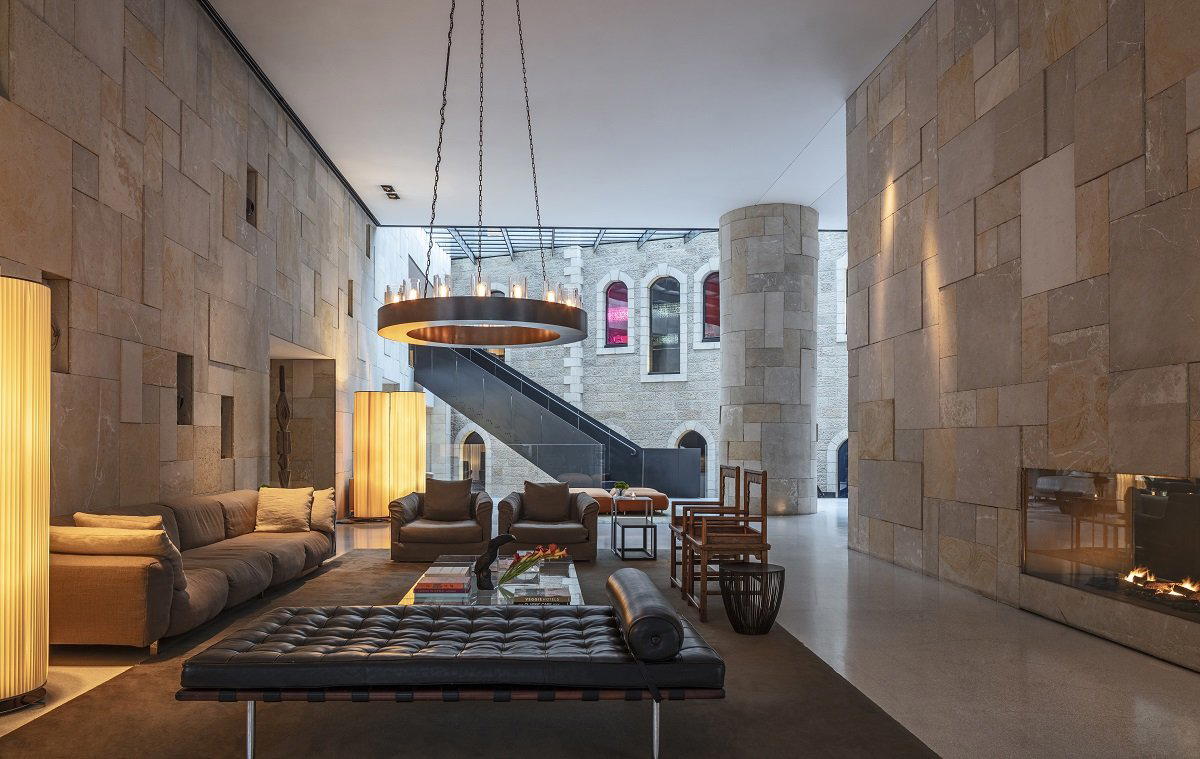
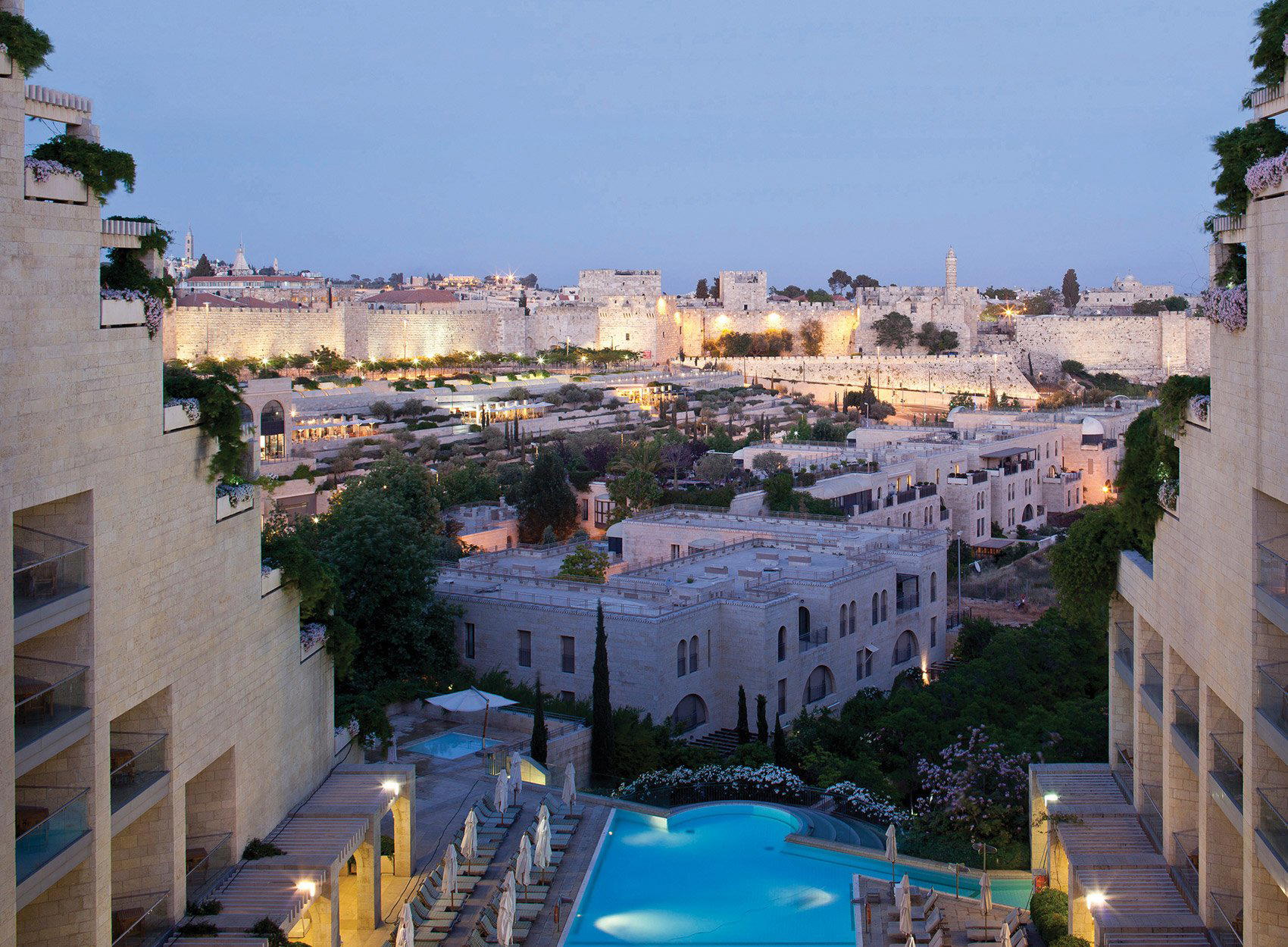
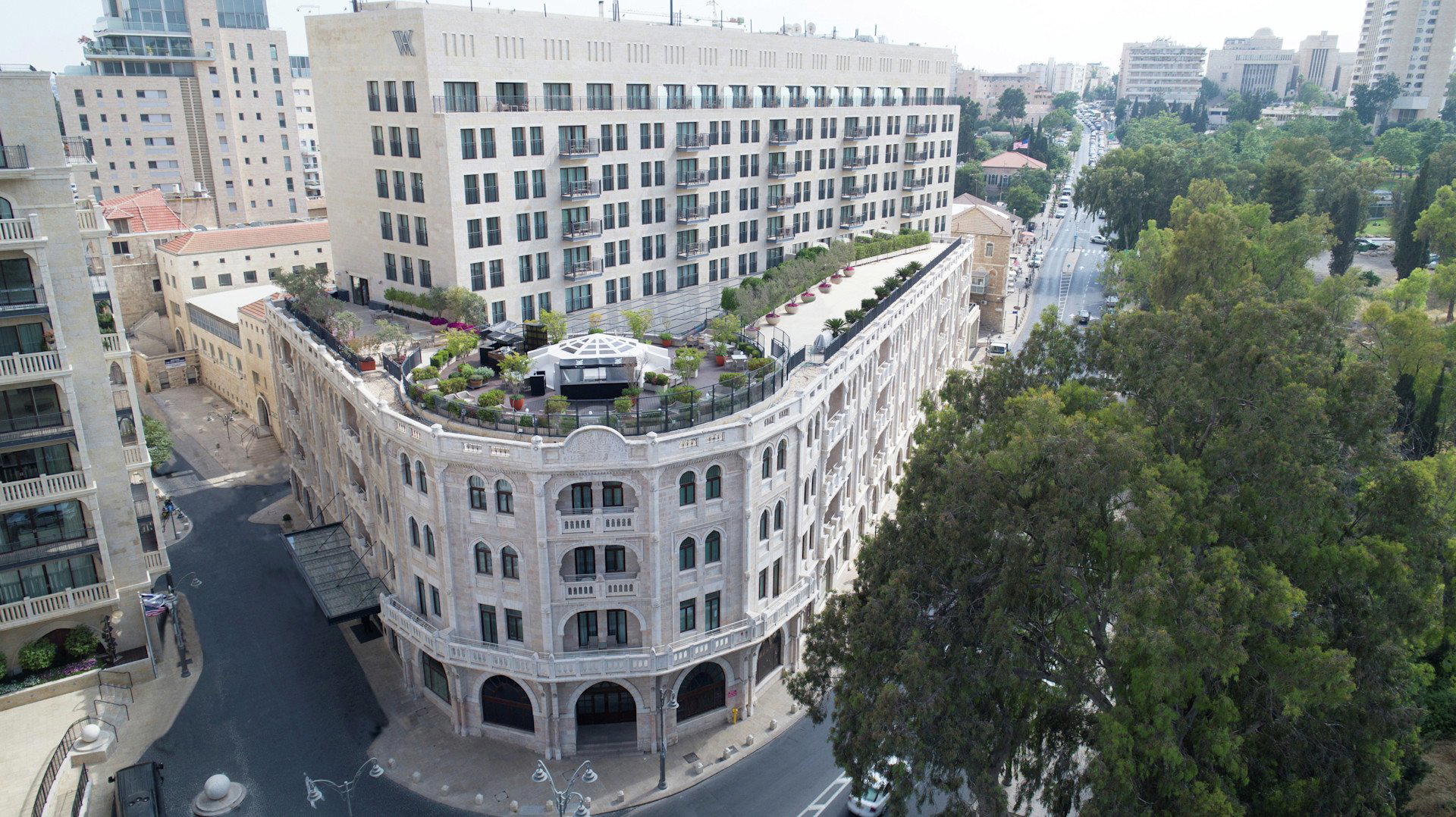
Bars in Jerusalem
Browse all →

Restaurants in Jerusalem
All restaurants in Jerusalem →

Details
- Classic
- Elegant
- Historic
- Quiet
- Well Known
- Romantic Getaway
- Business Trip
- Weekend Escape
- Garden
- Historic Building
- Terrace
- Pool
- Spa
- Fitness Center
- Room Service
- Concierge
- Wi Fi
- Restaurant
- Sauna
- Garden
- Business Center
- Garden
- Wheelchair Accessible
- Elevator
- Step Free Entrance
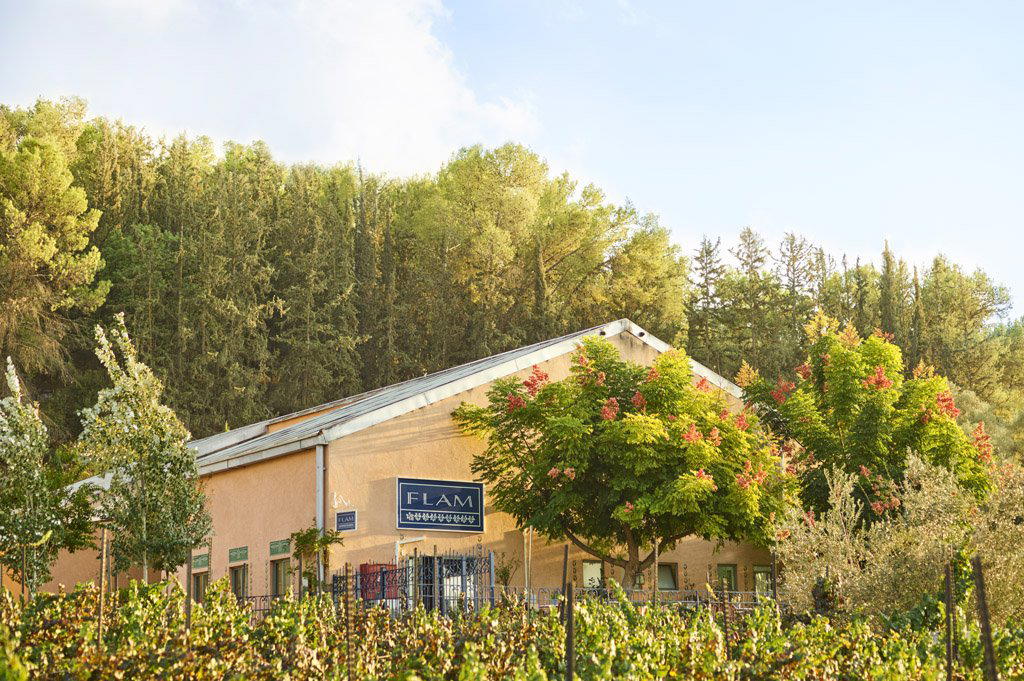
Tranquil and elegant colonial atmosphere with shaded garden seating under mulberry and olive trees, providing a serene respite from the city.