Perched on the fourth floor of the Notre Dame Center, one of Jerusalem's most recognisable nineteenth-century pilgrim hospices, this rooftop restaurant occupies a position — both literal and symbolic — that few dining rooms in the city can match. The Old City walls and the Church of the Holy Sepulchre sit within direct sightline, making the setting as much a part of the meal as anything on the plate. Reserve well ahead, particularly for sunset sittings.
Pearl is the En Primeur Club membership app — saves, bookings, and concierge access live there. Same editors, same standards.
- Address
- Notre Dame Center of Jerusalem, HaTsanhanim St 3, 4th Floor, Jerusalem, 9120402, Israel
- Phone
- +97226279111
- Website
- notredamecenter.org
- Directions
- Get directions
 Saves & bookings on Pearl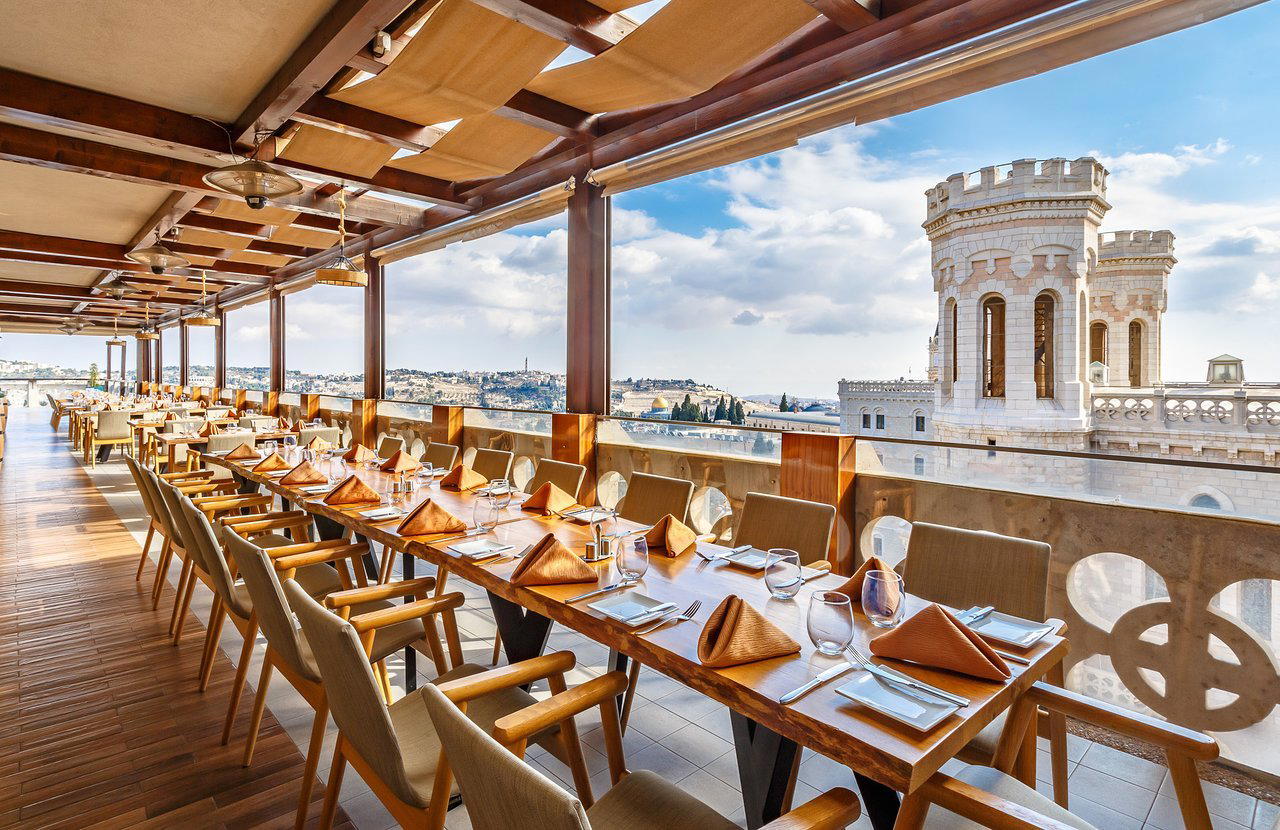
A Table Above the Old City
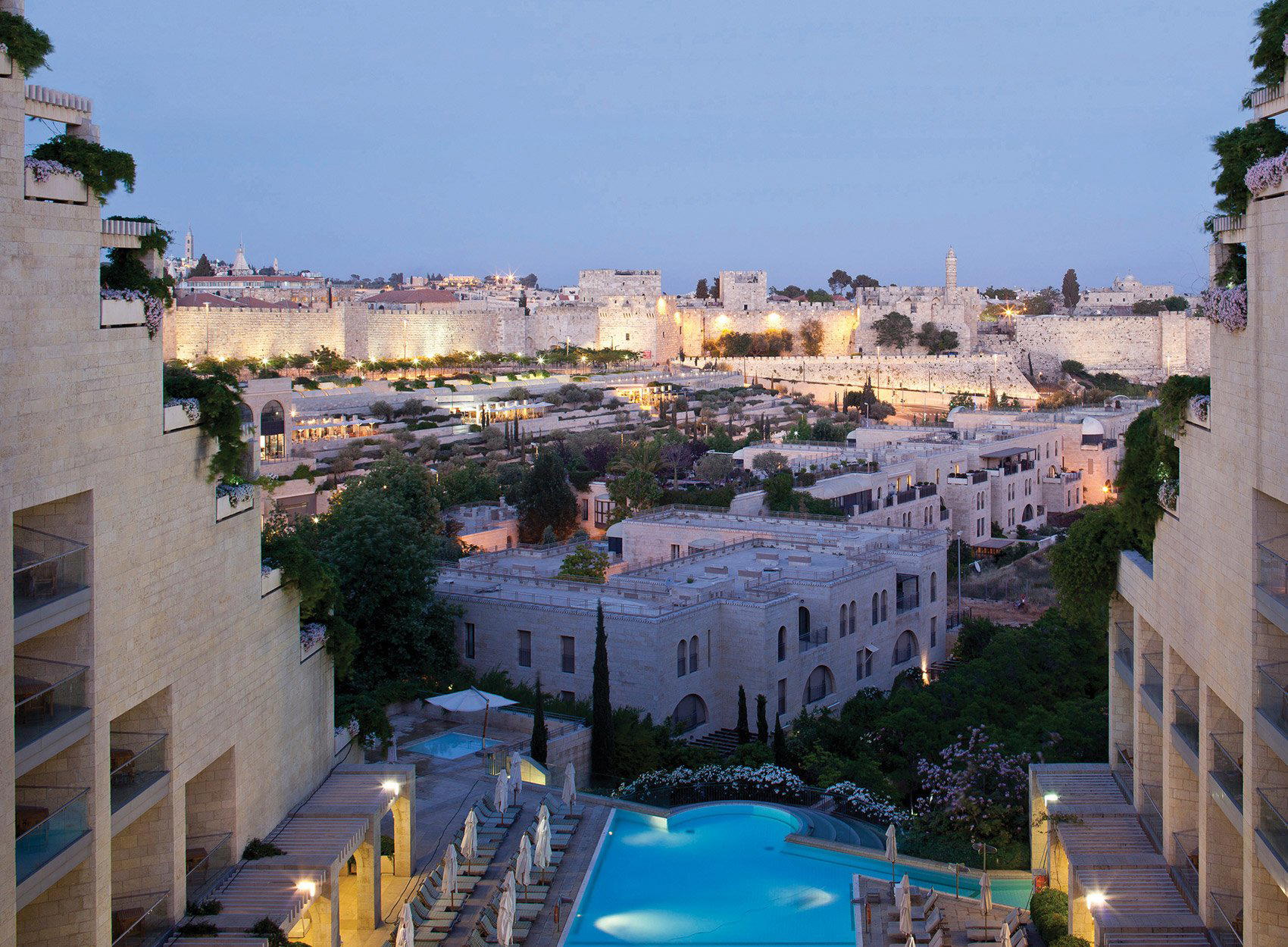
Jerusalem has a long tradition of dining as an act of witness. The city's most compelling tables have always been positioned not merely to feed but to frame — to place the meal inside a wider narrative of stone, light, and centuries of accumulated significance. The Notre Dame Rooftop Restaurant, on the fourth floor of the Notre Dame Center of Jerusalem on HaTsanhanim Street, belongs to that tradition in perhaps the most literal sense available in the modern city. The Old City walls rise directly across the street. The Church of the Holy Sepulchre and the Dome of the Rock occupy the middle distance. On a clear evening, the view functions less as backdrop than as argument — a reminder of where, exactly, you are eating.
That positioning puts Notre Dame in a distinct category among Jerusalem's dining options. The city has a well-documented restaurant culture built around Israeli and Middle Eastern cuisine, from the Azura tradition of slow-cooked Iraqi-Jewish cooking in the Mahane Yehuda market to the modern Israeli format pioneered by places like Chakra and the boisterous, produce-driven theatre of Machneyuda. Notre Dame operates in a different register entirely: a rooftop restaurant attached to a pontifical institution, drawing from a European-inflected kitchen tradition shaped by the Center's Catholic heritage and its hospitality mission. It is, in that sense, its own category.
The Ritual of the Rooftop Sitting
Rooftop dining in Jerusalem carries a particular weight that it does not carry in most other cities. Elsewhere, a rooftop table is primarily an amenity, something to book when the weather cooperates and the mood requires elevation. In Jerusalem, the view from above the city's roofline touches something closer to the ceremonial. The decision about where to sit, when to arrive, and how long to linger takes on a different character when the skyline in question is this one.
At Notre Dame, the pacing of the meal tends to follow the light. Evening sittings are structured around the transition from afternoon gold to dusk, a shift that transforms the Old City walls from warm limestone to something closer to amber and then shadow. Diners who arrive at the start of service and commit to a full sitting rather than a quick meal get the full arc of that change. This is not a table to rush. The rhythm of a rooftop meal here is closer to the unhurried cadence you find at serious destination restaurants, the kind of pacing associated with tasting formats at places like Atomix in New York, where the architecture of time is as deliberate as the food, though Notre Dame's format is considerably less formal and more accessible.
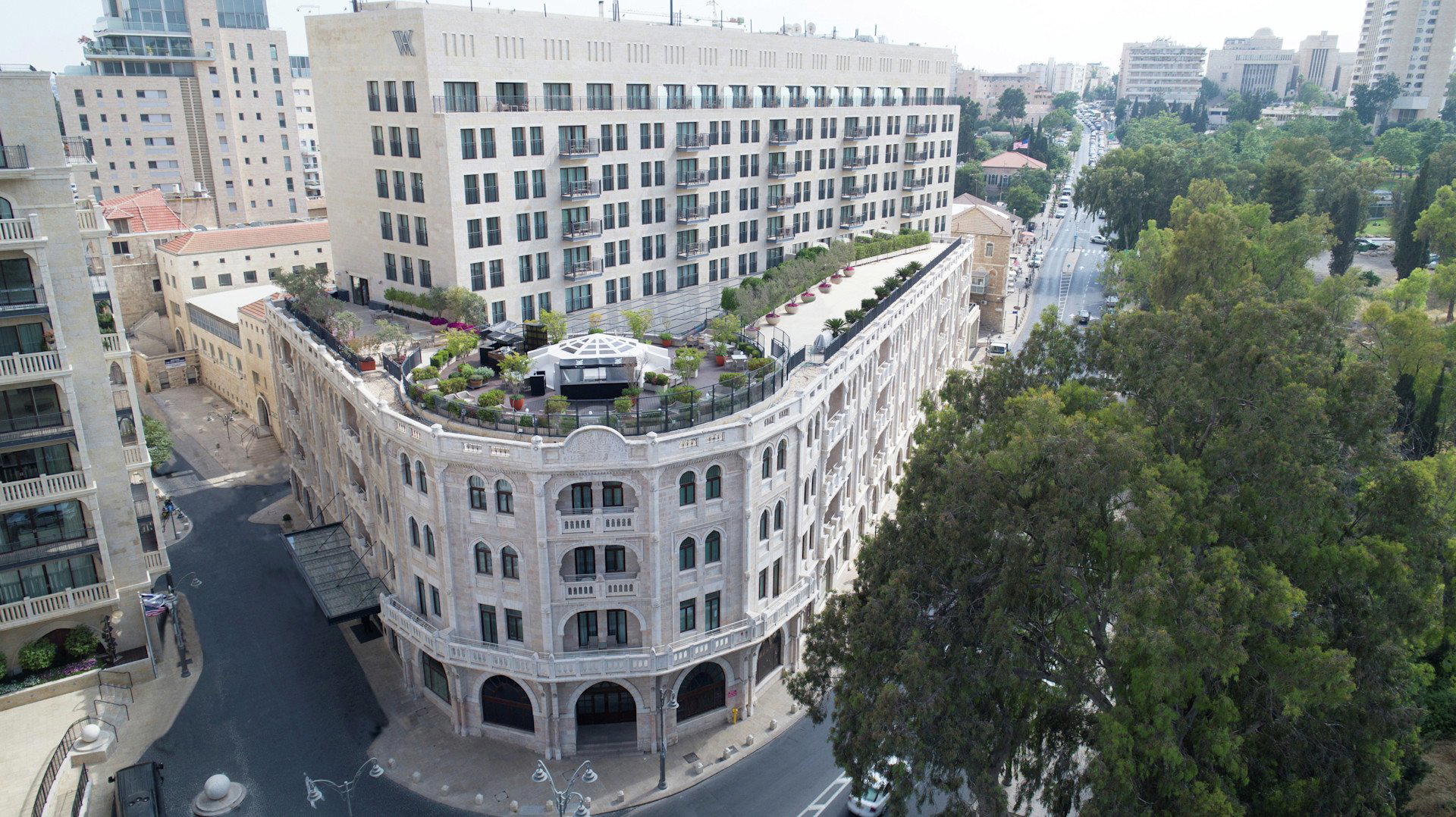
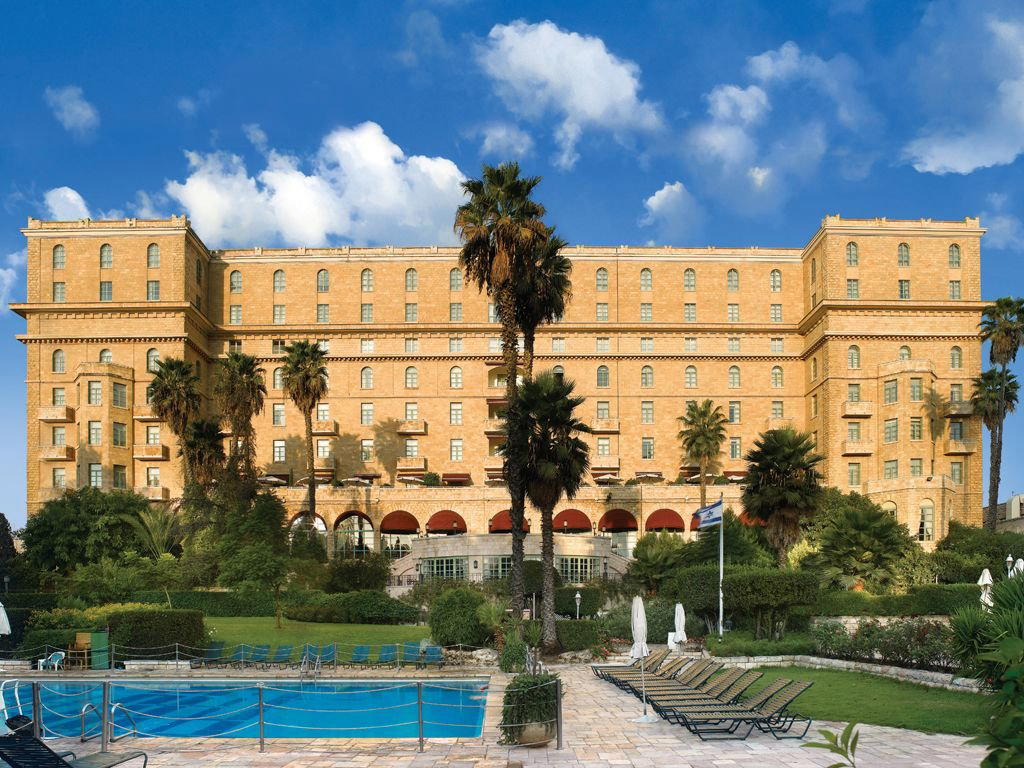
The Center itself, a grand late-nineteenth-century structure built by the Assumptionists and later managed by the Holy See, sets a tone before you reach the restaurant. Arriving through the main entrance and ascending to the fourth floor is part of the experience. The building's scale and solidity communicate something about the weight of the institution. By the time you reach the rooftop terrace, the transition from street-level Jerusalem to this refined vantage point has already done considerable work on the diner's sense of occasion.
What the Setting Asks of the Kitchen
A view this strong places demands on a kitchen that a less dramatically positioned restaurant does not face. When the room's primary drama is external, the food must either compete with it or find a way to complement it without being overwhelmed. Israel's broader restaurant culture has largely resolved this tension by leaning into local produce, regional wine, and cooking traditions that feel embedded in the land, an approach evident in Jerusalem restaurants like Mona and Menza, which anchor their menus in seasonal and regional identity.
Notre Dame's kitchen operates within the constraints and traditions of its institutional context, which historically has meant a European-leaning menu served to an international guest base that includes pilgrims, clergy, academics, and the general public. That cross-section of diners is worth noting: the restaurant is not pitched exclusively at the fine-dining segment, and its character reflects a broadly hospitable tradition rather than a specialist culinary agenda. That makes it a different kind of proposition from the tightly curated tasting formats at the upper end of Israeli dining, but it also means the table is accessible in ways that more appointment-driven restaurants are not.
Placing Notre Dame in Jerusalem's Dining Map
Jerusalem's restaurant scene is more layered than its reputation as a pilgrim city might suggest. The full range runs from the long-standing hummus counters of the Old City's Muslim Quarter to the market-adjacent cooking of Mahane Yehuda, through to a contemporary dining tier that has attracted increasing attention from Israeli food media over the past decade. For a thorough map of where different restaurants sit within that range, the EP Club Jerusalem restaurants guide provides context across cuisines and price points.
Notre Dame sits outside most of those standard Jerusalem dining categories. Its closest peers are not the modern Israeli tables like Machneyuda or the heritage-market cooking of Azura, but rather the small class of institution-affiliated dining rooms, hotel rooftops, cultural centre restaurants, heritage property tables, that appear across Israel from Helena in Caesarea to Uri Buri in Acre, where the setting itself carries significant weight in the overall calculus. Across Israel more broadly, the country's dining culture has developed strong regional identities, from the seafood-driven northern tables to the meat-focused traditions represented by places like Diana in Nazareth and even the Negev cooking tradition visible at Pitmaster in Beersheba. Notre Dame's European-inflected register sits somewhat apart from all of these, which is precisely what makes it a point of contrast worth seeking out.
Planning the Visit
The Notre Dame Center of Jerusalem is located at HaTsanhanim Street 3, a short walk from the New Gate and directly across from the northwestern corner of the Old City walls. That proximity to the Old City makes the restaurant a logical anchor for an afternoon or evening that also takes in the Christian Quarter or the Jewish Quarter markets. For diners arriving from Tel Aviv, the journey by train or intercity bus takes roughly an hour, making a dedicated Jerusalem dining trip viable as a day trip, though an overnight stay allows for a more relaxed evening sitting.
Given the volume of visitors the Notre Dame Center receives, pilgrims, conference attendees, and general tourists alongside restaurant guests, the rooftop dining room can fill quickly during peak travel seasons, which in Jerusalem run from late March through early June and again from September through November, aligned with the Passover and Jewish High Holidays calendar. Planning ahead during those windows is advisable. The Centre also attracts visitors around Christmas and Easter, when the city's Christian pilgrimage traffic peaks significantly. Those planning a meal during Holy Week or the Christmas season in particular should treat advance booking as essential rather than precautionary.
For diners building a broader Jerusalem itinerary, the EP Club's coverage of Majda in Har Nof, alongside the full Jerusalem guide, maps the city's dining range from the neighbourhood level upward. Notre Dame Rooftop offers something that very few tables in Israel can: a meal eaten in direct visual dialogue with the most contested and studied skyline on earth. That is not a small thing.
Cuisine and Awards Snapshot
| Venue | Cuisine | Awards |
|---|---|---|
| Notre Dame Rooftop RestaurantThis venue — the venue you are viewing | This venue | Not listed |
| Machneyuda | Israeli | Israeli |
| Chakra | Modern Israeli | Modern Israeli |
Continue exploring
More in Jerusalem
Restaurants in Jerusalem
Browse all →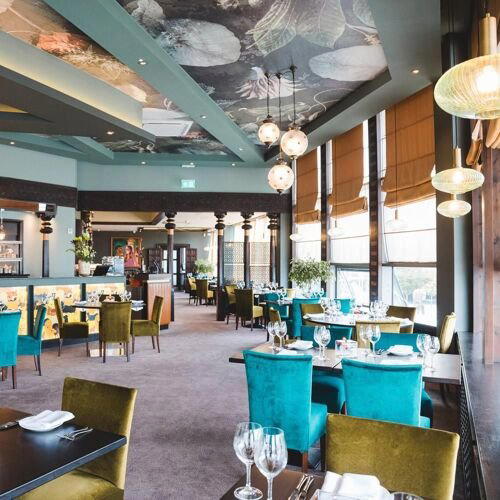
Bars in Jerusalem
Browse all →
Hotels in Jerusalem
Browse all →

At a Glance
- Romantic
- Elegant
- Scenic
- Sophisticated
- Date Night
- Special Occasion
- Celebration
- Rooftop
- Panoramic View
- Hotel Restaurant
- Extensive Wine List
- Skyline
Sophisticated rooftop atmosphere with modern indoor seating, open balcony, and dramatic city views, creating a romantic and memorable dining experience.
Know Before You Go
- Getting there
- Notre Dame Center of Jerusalem, HaTsanhanim St 3, 4th Floor, Jerusalem, 9120402, Israel