


Claro on Ha'arbaa Street sits inside Tel Aviv's upper tier of contemporary dining, earning 77 points in the 2026 La Liste rankings. The restaurant draws on the deep pantry of Levantine and Mediterranean cooking traditions that define the city's most serious kitchens. For visitors tracking the evolution of Israeli cuisine at its most considered, Claro is a reliable reference point.
Pearl is the En Primeur Club membership app — saves, bookings, and concierge access live there. Same editors, same standards.
- Address
- Ha'arbaa st 23, Tel Aviv-Yafo, Israel
- Phone
- +972 3-601-7777
- Website
- clarotlv.com
- Directions
- Get directions
 Saves & bookings on Pearl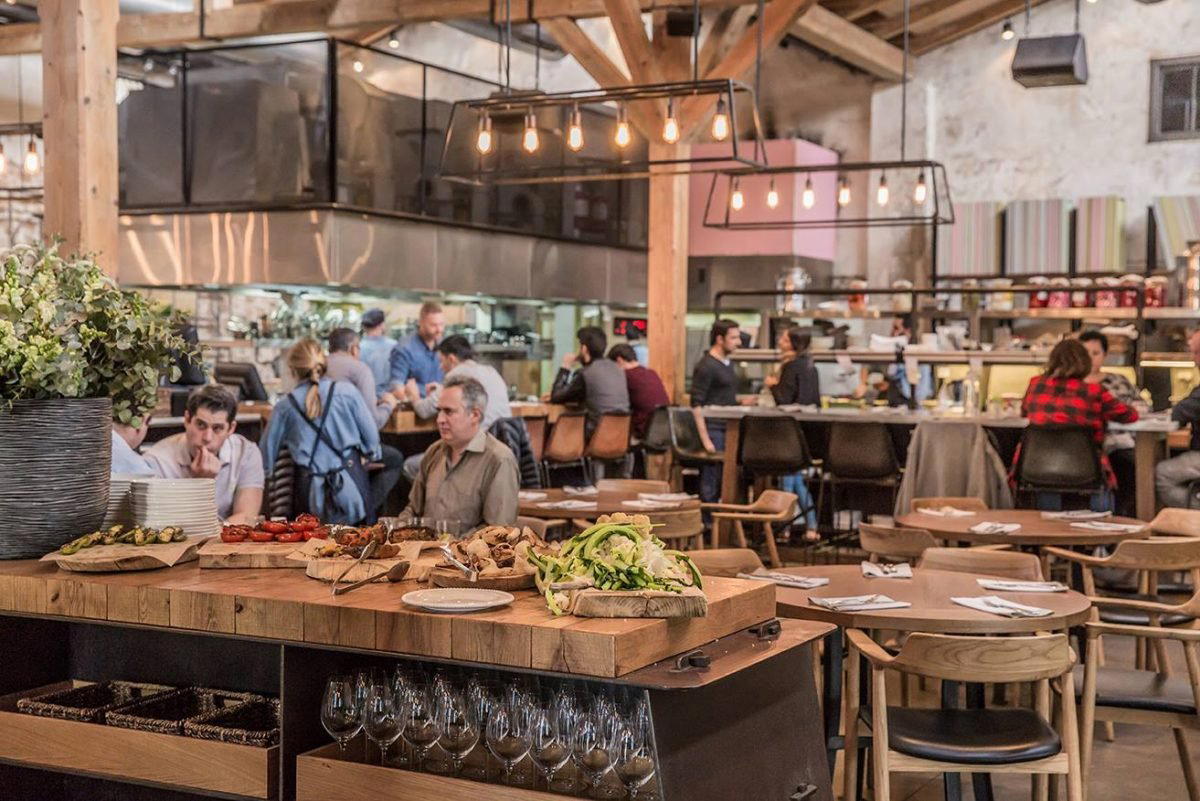
Where Ha'arbaa Meets the Levantine Table
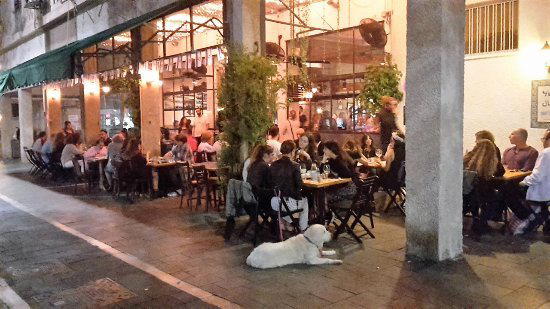
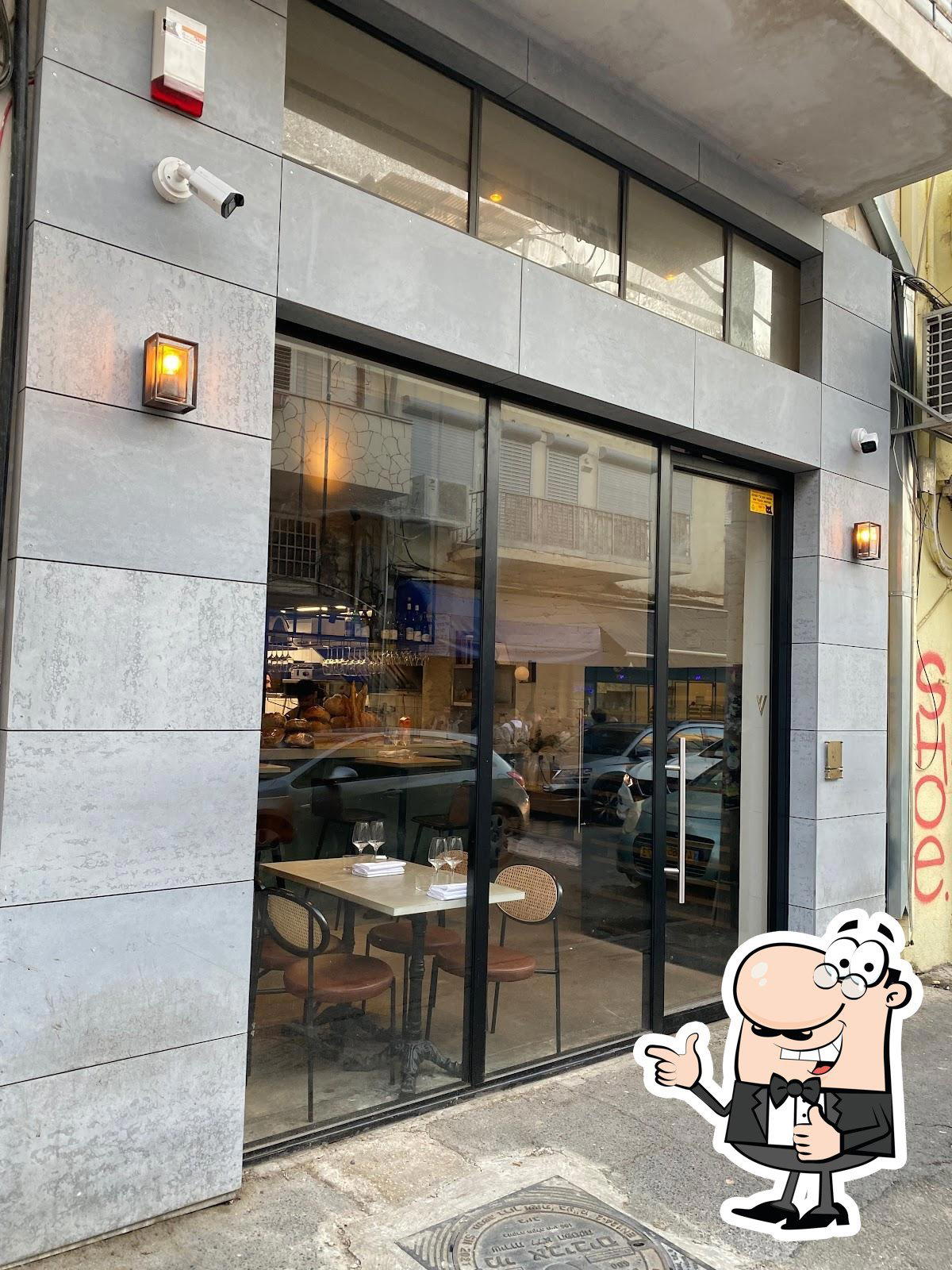
Ha'arbaa Street sits at the commercial edge of Tel Aviv's city centre, a corridor that has gradually accumulated serious restaurants alongside its office towers and law firms. The neighbourhood lacks the photogenic chaos of the Carmel Market or the beachside looseness of the Tel Aviv port, which means the dining rooms here tend to attract guests with a specific destination in mind rather than foot-traffic wanderers. That self-selecting audience has shaped what restaurants along this stretch feel like: purposeful, relatively quiet, and oriented toward the food rather than the spectacle. Claro fits that register. At number 23, it occupies a position in a part of the city where a reservation signals intent.
La Liste, the Paris-based global ranking, placed Claro at 77 points in its 2026 edition.
Israeli Cuisine and the Weight of Its Pantry
The cooking that Tel Aviv's better restaurants now practise draws from a pantry assembled over centuries of Levantine, Ottoman, North African, and Eastern European exchange. That layering is not a stylistic choice available to the city's kitchens, it is the actual structure of Israeli food culture, built from waves of migration that brought Yemenite spice logic, Persian rice technique, Moroccan preserved-lemon brightness, and Ashkenazi slow-braise traditions into a single urban food culture. When a restaurant in Tel Aviv reaches toward the serious end of this tradition, it is making decisions about which threads to pull, a far more complex editorial act than the cuisine of any single national tradition requires.
The city's contemporary dining scene has sorted itself into a few recognizable approaches to this material. Some restaurants, like Habasta, anchor themselves to market-driven simplicity, letting the quality of Levantine produce carry the plate. Others, like Ha'Achim, work within tighter genre frames. Alena at The Norman operates within the luxury-hotel dining bracket, where presentation expectations and price tier create a different context. Claro's La Liste score places it in dialogue with the upper end of this range, suggesting a kitchen operating with both technical ambition and cultural grounding rather than choosing one over the other.
New York or Hong Kong have had longer to develop but Tel Aviv has compressed into a remarkably short generational arc.
Reading the Room: Claro in Its Competitive Set
Among Tel Aviv restaurants with La Liste recognition, Claro occupies middle-upper territory in the scoring band. Restaurants in this range globally tend to share a set of characteristics: cooking that is technically assured without being deliberately inaccessible, a wine list that reflects regional intelligence alongside international depth, and a room that takes dining seriously without tipping into formality. Whether Claro meets all those characteristics precisely is not something to assert without direct sourced detail, but its score implies a kitchen that has satisfied a demanding and diverse critical audience.
Compared to the more casual registers of Dr. Shakshuka in Jaffa or the neighbourhood energy of George and John, Claro operates in a different bracket entirely.
New York, San Francisco, and New Orleans that have earned similar recognition through sustained critical consensus.
Visiting Claro: What to Know Before You Go
Claro is located at Ha'arbaa Street 23 in Tel Aviv-Yafo. The address sits in the business-leaning corridor between the Azrieli district and the Sarona area, making it accessible from most central Tel Aviv hotels without requiring a long journey. For visitors also planning to cover Jaffa's older dining culture, Abu Hassan being the essential reference there, the geography requires separate planning, as Jaffa and central Tel Aviv dining sit at different ends of the coastal strip.
Bookings are recommended, and current hours are Mon: 12-3:30 PM, 5:30-10 PM; Tue: 12-3:30 PM, 5:30-10 PM; Wed: 12-3:30 PM, 5:30-10 PM; Thu: 12-3:30 PM, 5:30-10 PM; Fri: 9 AM-2:30 PM, 6-10:15 PM; Sat: 9 AM-12 PM, 1:30-4 PM, 6-10:15 PM; Sun: 12-3:30 PM, 5:30-10 PM. Advance reservations are recommended, particularly for weekend evenings.
For comparative dining in other Israeli cities, Chakra in Jerusalem and Pescado in Ashdod offer useful points of reference, and our Tel Aviv wineries guide covers the domestic wine scene that increasingly informs serious restaurant lists across the country.
Budget and Context
Comparable venues nearby, for context on price, style, and recognition.
| Venue | Cuisine | Price | Notes |
|---|---|---|---|
| ClaroThis venue — the venue you are viewing | Ha-rakevet, Farm-to-Table Mediterranean | $$$ | Not listed |
| Popina | Not listed | $$$ | Newe Ẕedeq, Modern Mediterranean Chef Cuisine |
| Kitchen Market | Not listed | $$$ | Kokhav Ha-tsafon, Contemporary Israeli Market-to-Table |
| Alena at The Norman | Not listed | $$$$ | Newe Sha'anan, Mediterranean-European Bistro |
| North Abraxas | Newe Ẕedeq, Modern Israeli Small Plates | $$$ | Not listed |
| Makom Shel Basar | Not listed | $$$ | Newe Ẕedeq, Traditional American-Style Steakhouse |
Recognition history
Dated appearances from independent guides and award organizations, with the underlying list record or original source where available.
La Liste Top Restaurants
La Liste
Opinionated About Dining Top Restaurants in Europe Recommended
Opinionated About Dining
Star Wine List
Star Wine List
At a Glance
- Warm
- Cozy
- Elegant
- Trendy
- Date Night
- Group Dining
- Celebration
- Brunch
- Open Kitchen
- Historic Building
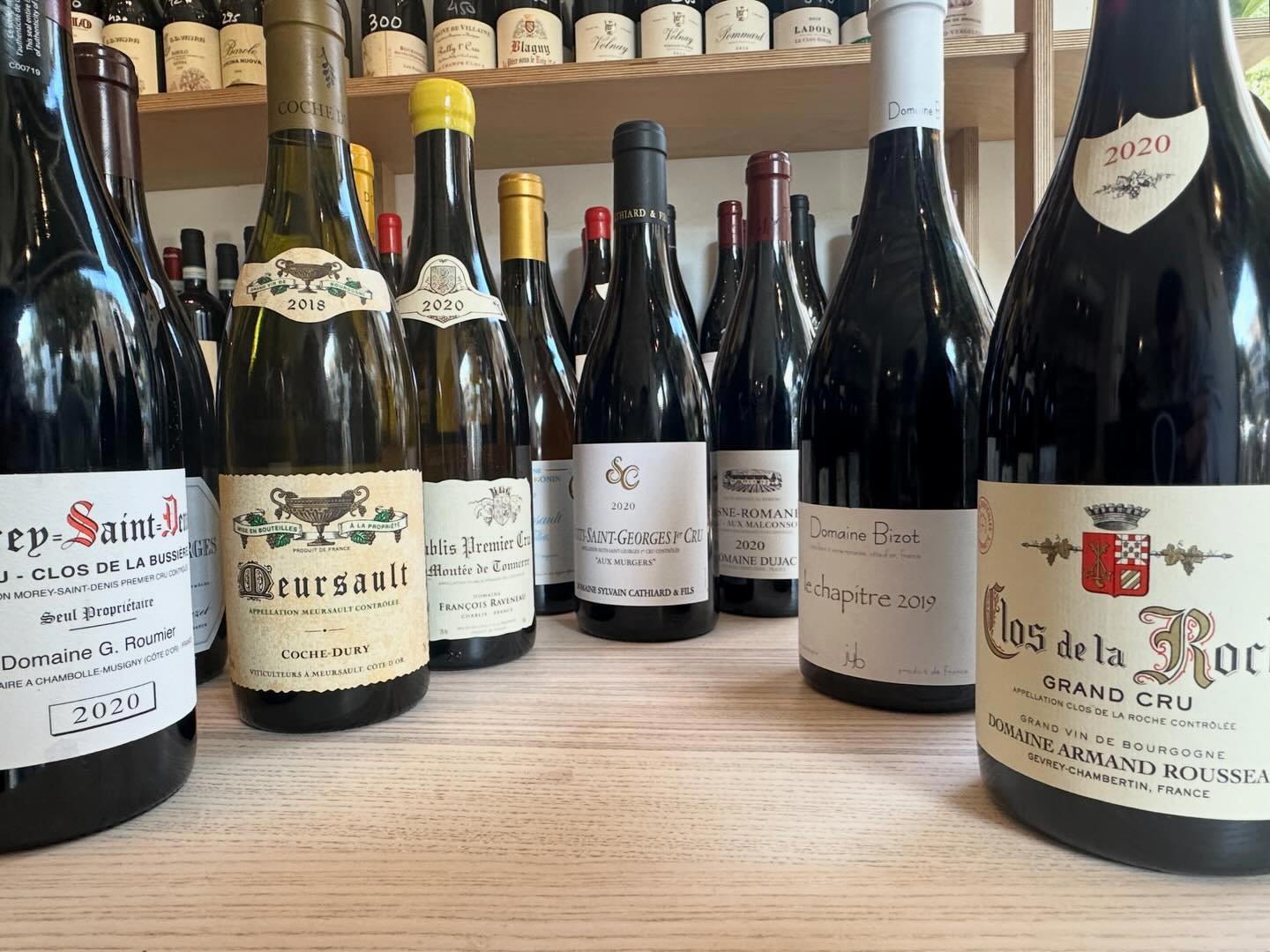
- Extensive Wine List
- Farm To Table
- Local Sourcing
Current opening hours
- Monday
- 12–3:30 PM, 5:30–10 PM
- Tuesday
- 12–3:30 PM, 5:30–10 PM
- Wednesday
- 12–3:30 PM, 5:30–10 PM
- Thursday
- 12–3:30 PM, 5:30–10 PM
- Friday
- 9 AM–2:30 PM, 6–10:15 PM
- Saturday
- 9 AM–12 PM, 1:30–4 PM, 6–10:15 PM
- Sunday
- 12–3:30 PM, 5:30–10 PM
Hours can change for holidays and private events. Last verified .
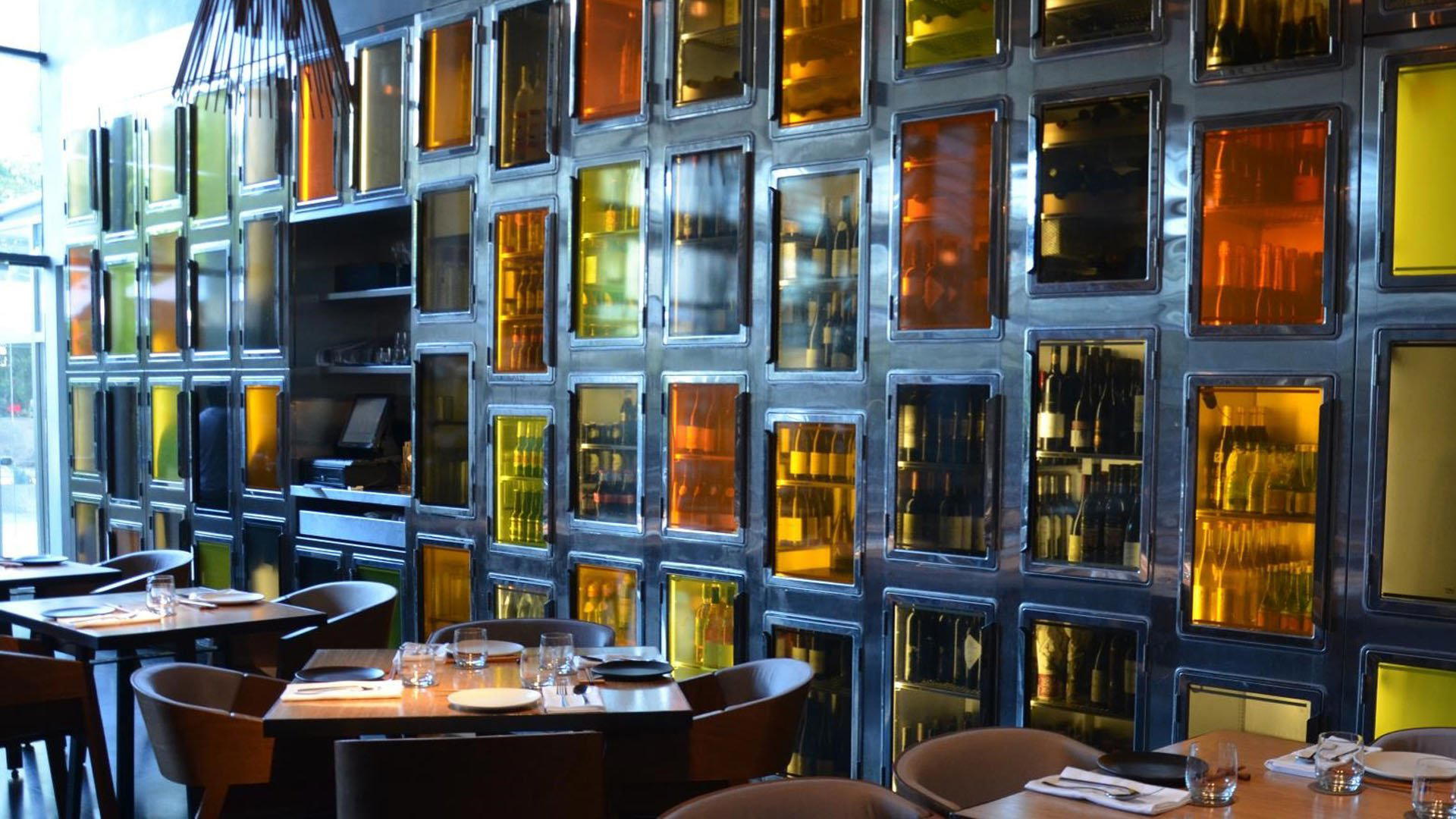
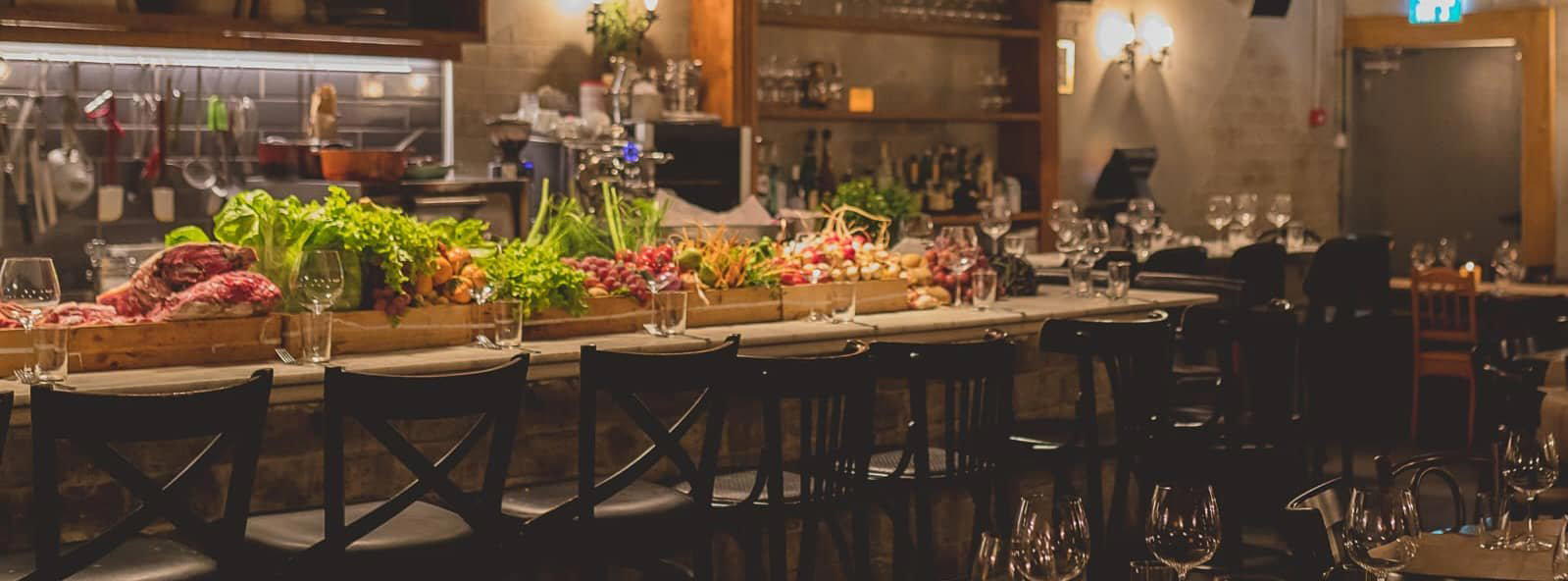
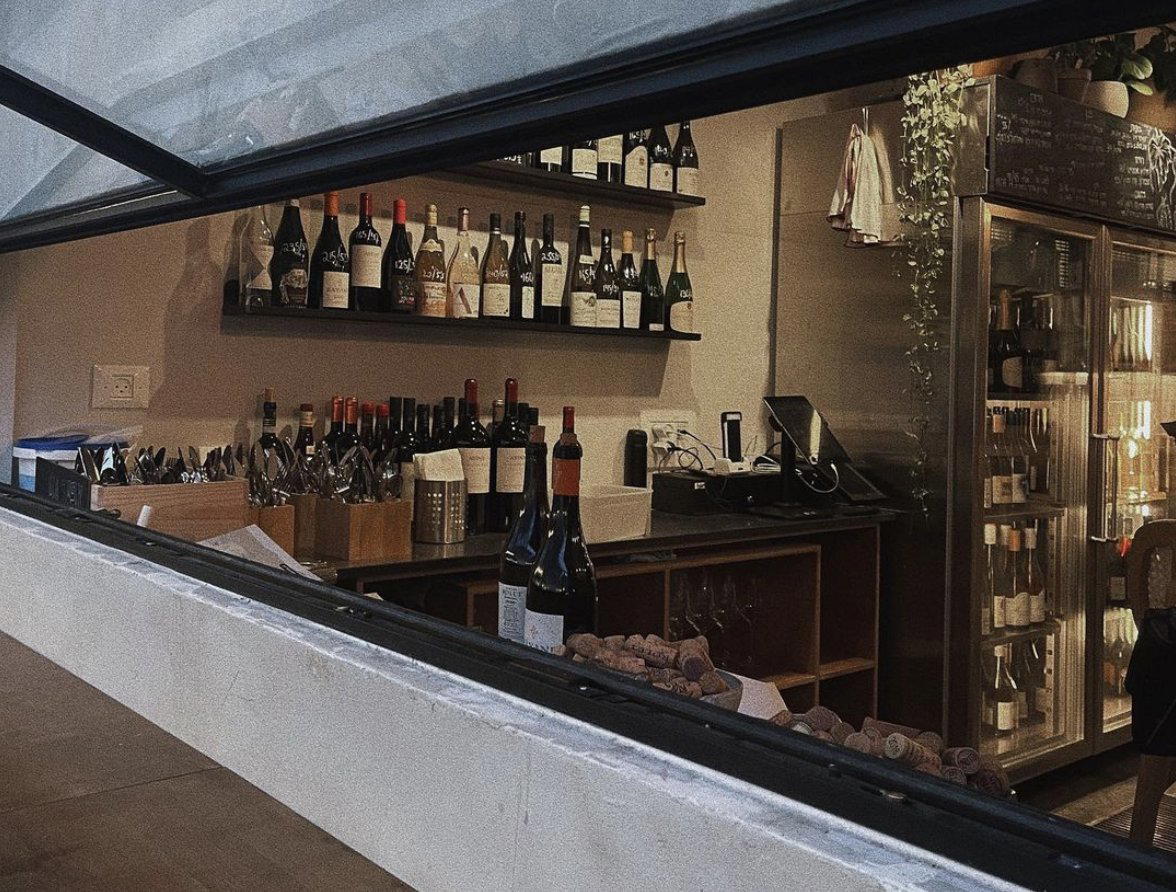
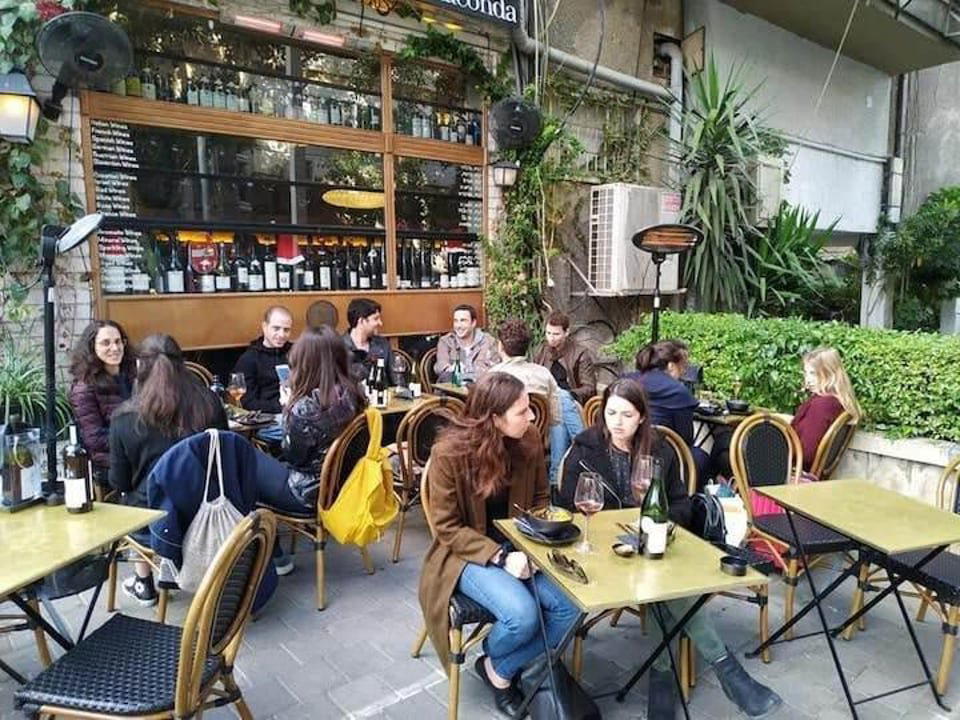
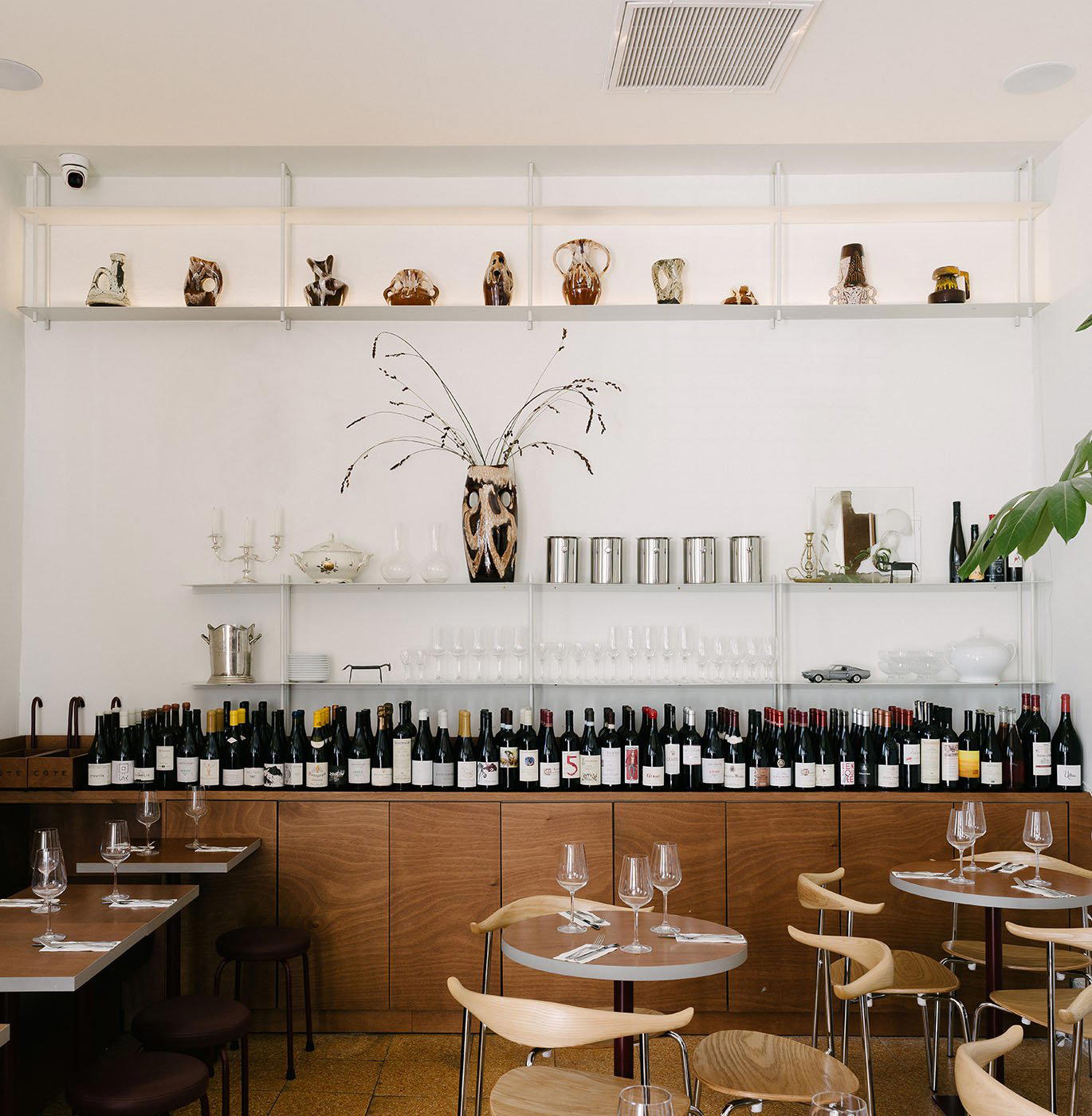
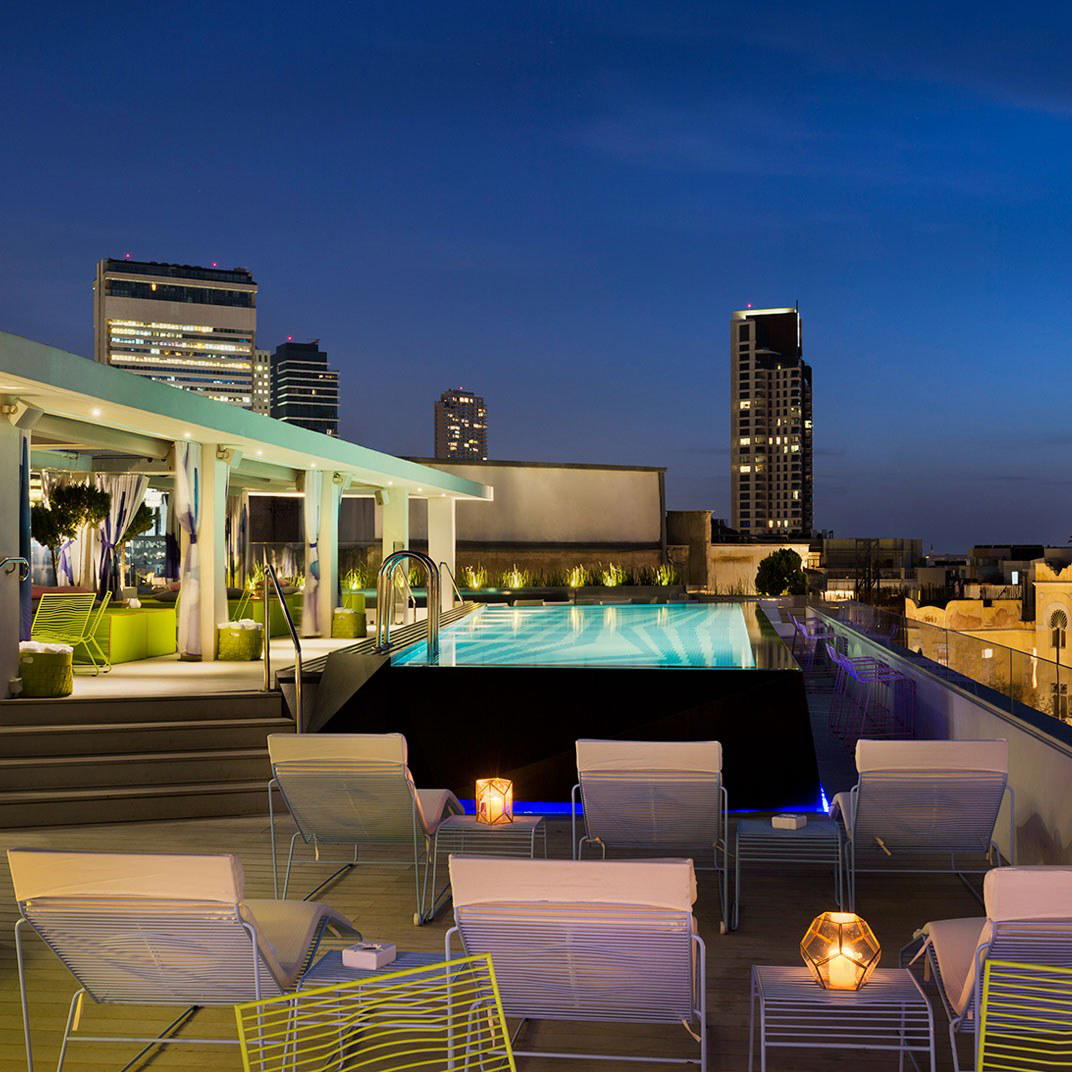
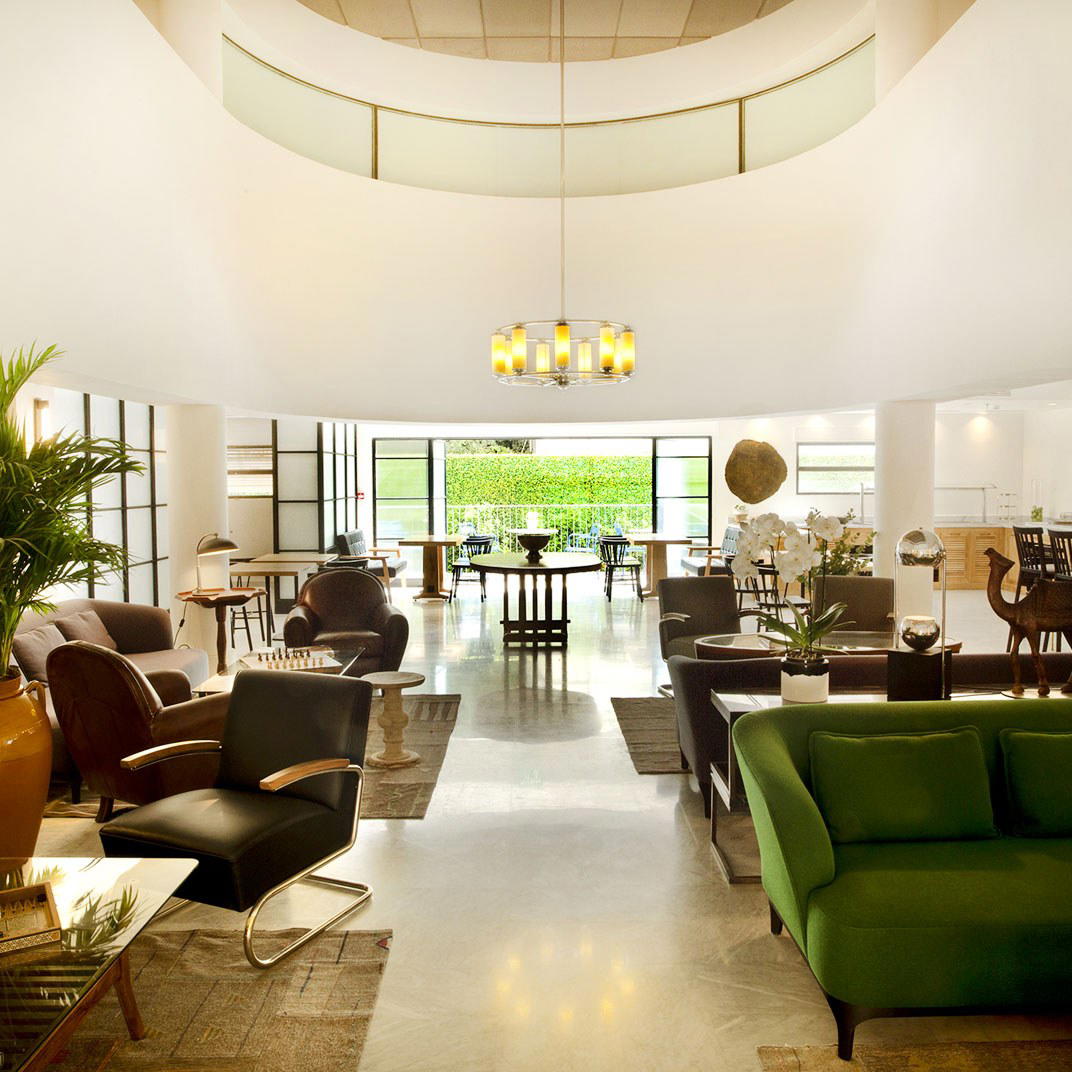
Warm, relaxed atmosphere with good music, light-filled spacious interior, and lively social vibe from guest reviews.