


Positioned on King David Street between the Old City walls and Jerusalem's modern centre, the David Citadel Hotel holds a Star Wine List award (2026) and a recent redesign by architect Piero Lissoni across its 385 rooms and suites. The property draws a guest list that spans diplomats, heads of government, and cultural figures. For Jerusalem luxury, it competes directly with the Waldorf Astoria and Mamilla Hotel in the upper tier of the city's hotel market.
Pearl is the En Primeur Club membership app — saves, bookings, and concierge access live there. Same editors, same standards.
- Address
- 7 King David Street
- Phone
- 888-866-5338
- Website
- thedavidcitadel.com
- Directions
- Get directions
 Saves & bookings on Pearl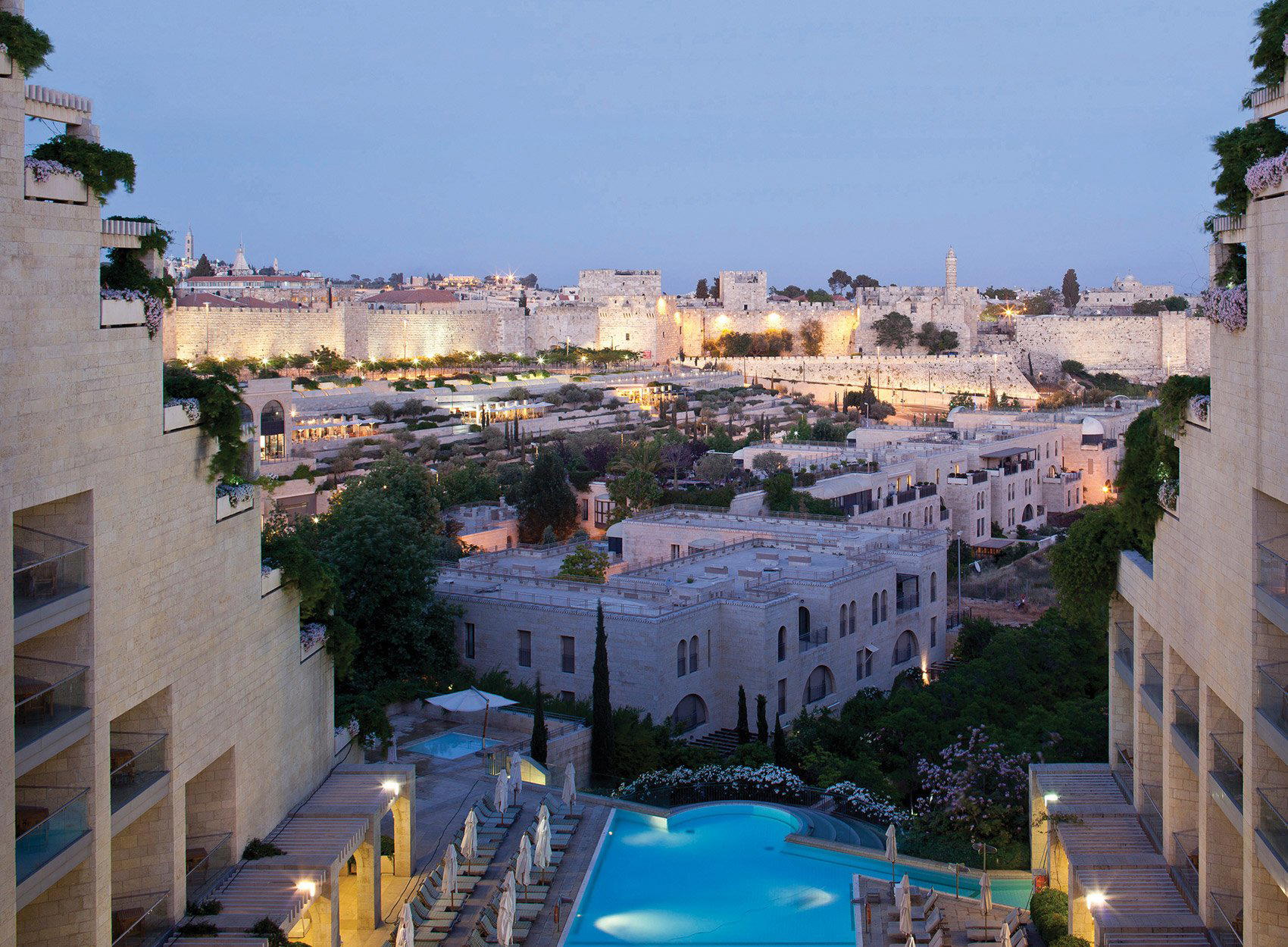
Where the Old City Meets a Considered Interior
Standing on King David Street with the ancient limestone walls of the Old City rising directly opposite, the David Citadel occupies among the more geographically loaded positions of any hotel in the Middle East. There is no manufactured drama here: the view from the upper floors is the view that emperors, pilgrims, and archaeologists have approached for three millennia. The architecture of the building itself is deferential to that context, a stone-clad façade that reads as modern without pretending to compete with what surrounds it. The hotel sits at the boundary where East Jerusalem's layered history and West Jerusalem's contemporary commerce converge, and the address on King David Street is, spatially, one logical place to anchor a luxury stay in the city.
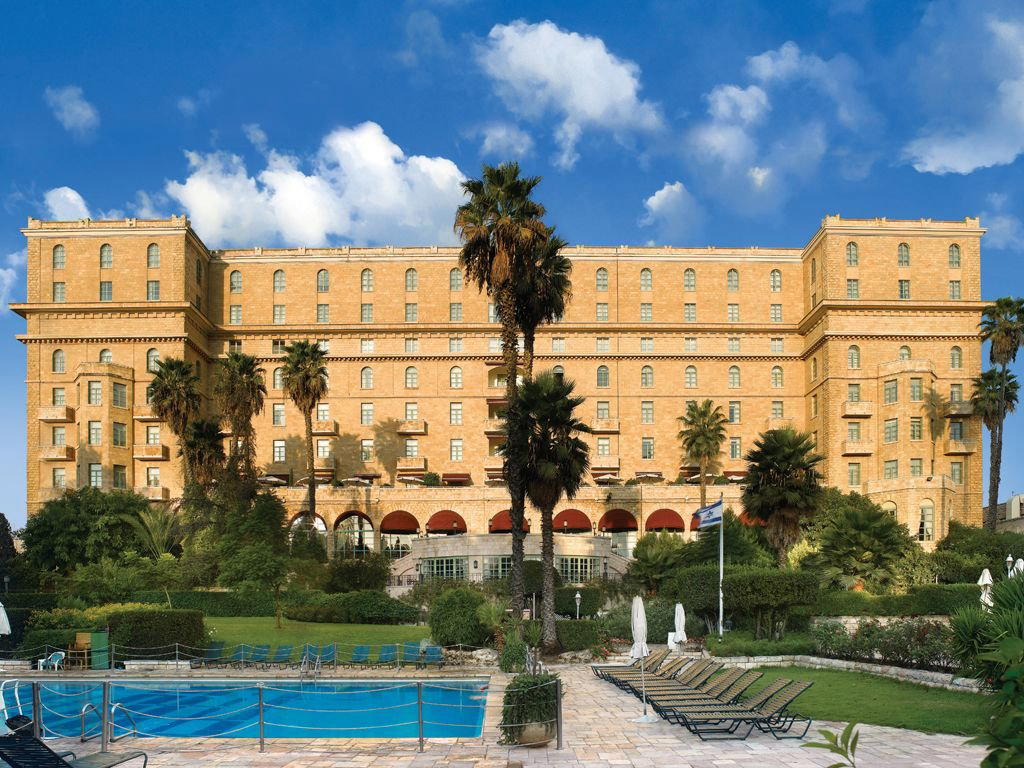
Jerusalem's upper-tier hotel market is small and tightly contested. The Waldorf Astoria Jerusalem, the Mamilla Hotel, the The American Colony Hotel, and The King David all compete for the same narrow category of guest: the diplomat, the head of state, the culturally motivated traveller who wants proximity to the Old City without sacrificing service infrastructure. The David Citadel's position in that comparable set rests largely on its scale, 385 rooms and suites across a property that functions simultaneously as a residence for long-stay diplomats and a hotel for short-break visitors, and on the Lissoni renovation that brought the interiors into alignment with what international luxury travellers now expect.
Piero Lissoni and the Grammar of the Redesign
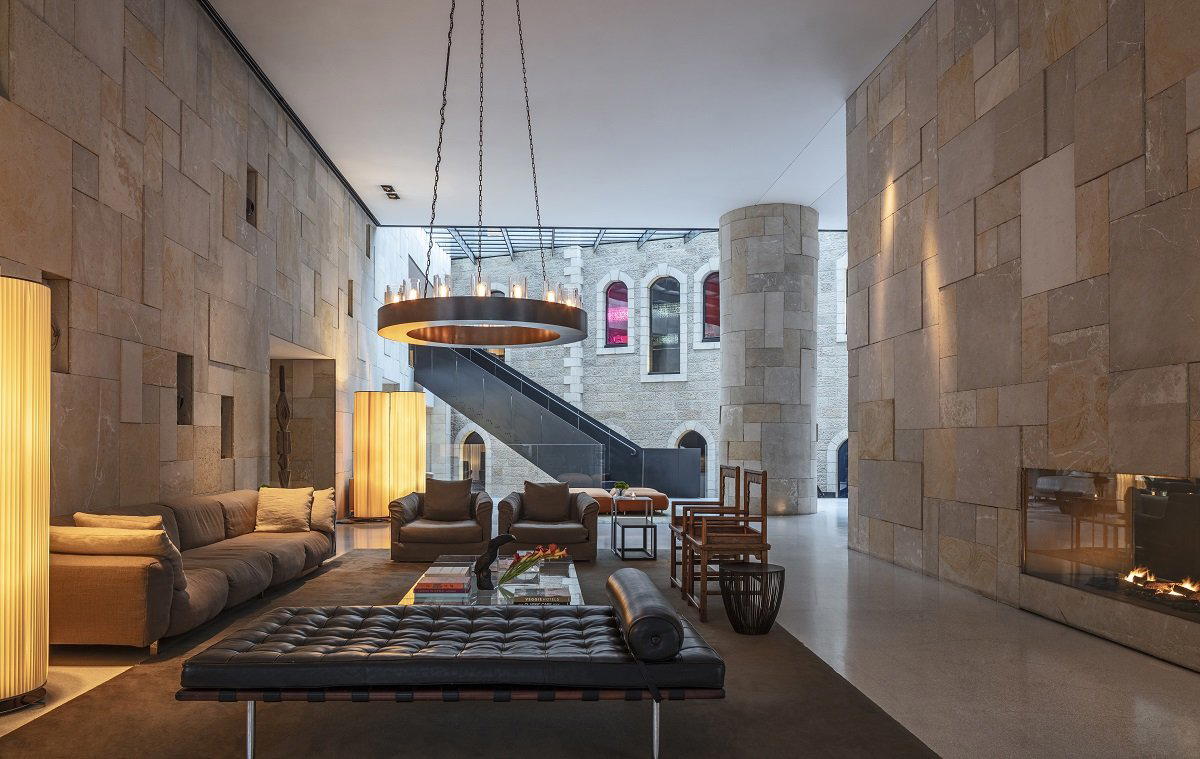
The renovation of a landmark hotel is always a negotiation between what guests remember and what the building needs to become. At the David Citadel, architect Piero Lissoni, the Milan-based designer whose portfolio spans furniture for Cassina and Boffi, and hospitality interiors across Europe, oversaw a comprehensive redesign that covered public spaces, suites, guestrooms, lobby, pool, spa, gym, banqueting spaces, the dining room, and the executive lounge. The scope is significant: this was not a cosmetic refresh or a phased-room rollout, but a considered reset of the entire guest-facing environment.
Lissoni's signature approach, a restrained materialism that foregrounds texture and proportion rather than decorative gesture, suits Jerusalem's architectural vernacular more than most designers would. The city's built fabric is Jerusalem stone: pale, warm, and visually present in almost every view. An interior that fights that palette loses; one that extends it inward creates continuity between outside and in. Whether the executed design achieves that integration fully is something each guest reads for themselves, but the choice of Lissoni as architect signals a design ambition that places the property alongside hotels like Cheval Blanc Paris or Hotel Plaza Athénée in terms of the seriousness with which the renovation was conceived, even if Jerusalem's market is smaller and less globally trafficked than Paris.
The 385 rooms and suites place the David Citadel in a different operational category from design-led boutique properties. At this scale, the hotel functions more like the Badrutt's Palace model, an institution with enough critical mass to absorb large delegations, international media visits, and multi-day conferences while still maintaining individual-guest service standards. That dual function is characteristic of landmark city hotels in geopolitically significant destinations, and Jerusalem qualifies as both.
Location as a Practical Asset
The hotels that perform well in Jerusalem are those that make the Old City accessible without imposing its chaos on the guest's own schedule. On foot from King David Street, the Western Wall, the Tower of David, and the Jaffa Gate entry to the Armenian and Jewish Quarters are all within a manageable walk. Mamilla Avenue, the outdoor shopping promenade that connects the western edge of the Old City to the new, begins effectively at the hotel's doorstep. Mahane Yehuda market, the covered souk that has become a reference point for Israeli food culture, with produce traders sharing space with wine bars and natural wine shops, requires a short taxi or a twenty-minute walk northwest into the modern city.
That geography distinguishes the David Citadel from hotels positioned deeper in East Jerusalem, like The American Colony Hotel, which delivers a different character but less direct access to the Old City's main religious sites. The InterContinental Jerusalem, a Virtuoso Preview Property, occupies yet another position in the city. Each represents a different theory about how a luxury hotel should relate to Jerusalem's geography; the David Citadel's answer is to stand precisely at the seam.
The Wine Programme and Star Wine List Recognition
The David Citadel holds a Star Wine List award for 2026. In a Jerusalem context, this matters more than it might elsewhere. Israeli wine has moved substantially over the past two decades, with producers in the Galilee, Golan Heights, and Judean Hills developing international reputations. A hotel wine list in Jerusalem that takes Israeli producers seriously, rather than defaulting to a generic international selection, serves as both a practical resource for guests and a signal about how the dining programme is run. The Star Wine List credential suggests the latter is the case here, though the specific list composition and pricing sit outside available data.
Planning a Stay
Jerusalem's hotel market is most pressured around Jewish holidays, Christian pilgrimage periods, and major diplomatic events, all of which can compress availability across the top tier simultaneously. The David Citadel's 385 rooms give it more inventory than smaller luxury competitors, but the executive lounge and premium suite categories fill first during high-demand windows. The property's private executive lounge is a relevant feature for extended-stay guests or those on working visits who need a consistent base for meetings outside formal conference spaces.
Beresheet in Mizpe Ramon and Six Senses Shaharut address the Negev Desert itinerary. The Efendi Hotel in Acre and Elma Arts Complex Luxury Hotel in Hadera extend northward along the coast. For Tel Aviv, Brown TLV Urban Hotel sits in a different design and price register than the David Citadel but covers a different travel mode entirely.
For those comparing the David Citadel against international reference points in its category, the closest analogues are large-scale landmark hotels with serious renovation pedigree and location-driven authority, including Hotel Bel-Air in Los Angeles or Hôtel de Paris Monte-Carlo, which hold their position through a combination of physical setting, institutional reputation, and continuous reinvestment in the physical product. The Lissoni renovation places the David Citadel in that conversation.
How It Stacks Up
Comparable venues nearby, for context on price, style, and recognition.
| Venue | Cuisine | Price | Awards | Notes |
|---|---|---|---|---|
| David Citadel HotelThis venue — the venue you are viewing | Luxurious urban retreat with panoramic Old City views | $$$$ | 5-Star | Not listed |
| The King David | Stately historic luxury property with pink quartz facade and lush gardens. | $$$$ | 5-Star | near Old City |
| Mamilla Hotel | Contemporary urban luxury with Art Deco influences | $$$$ | 5-Star | Mamilla |
| Waldorf Astoria Jerusalem | Historic luxury hotel with contemporary touches in pale Jerusalem stone. | $$$$ | 5-Star | Mamilla |
| InterContinental Jerusalem- A Virtuoso Preview Property | Contemporary luxury blending heritage and modernity | $$$$ | 5-Star | city center |
| The American Colony Hotel | Historic boutique complex spread across multiple buildings with expansive gardens | $$$$ | 5-Star | East Jerusalem |
Recognition history
Dated appearances from independent guides and award organizations, with the underlying list record or original source where available.
Forbes Recommended
Forbes
Star Wine List
Star Wine List
Virtuoso Luxury Hotel Partner
Virtuoso
Continue exploring
More in Jerusalem
Hotels in Jerusalem
Browse all →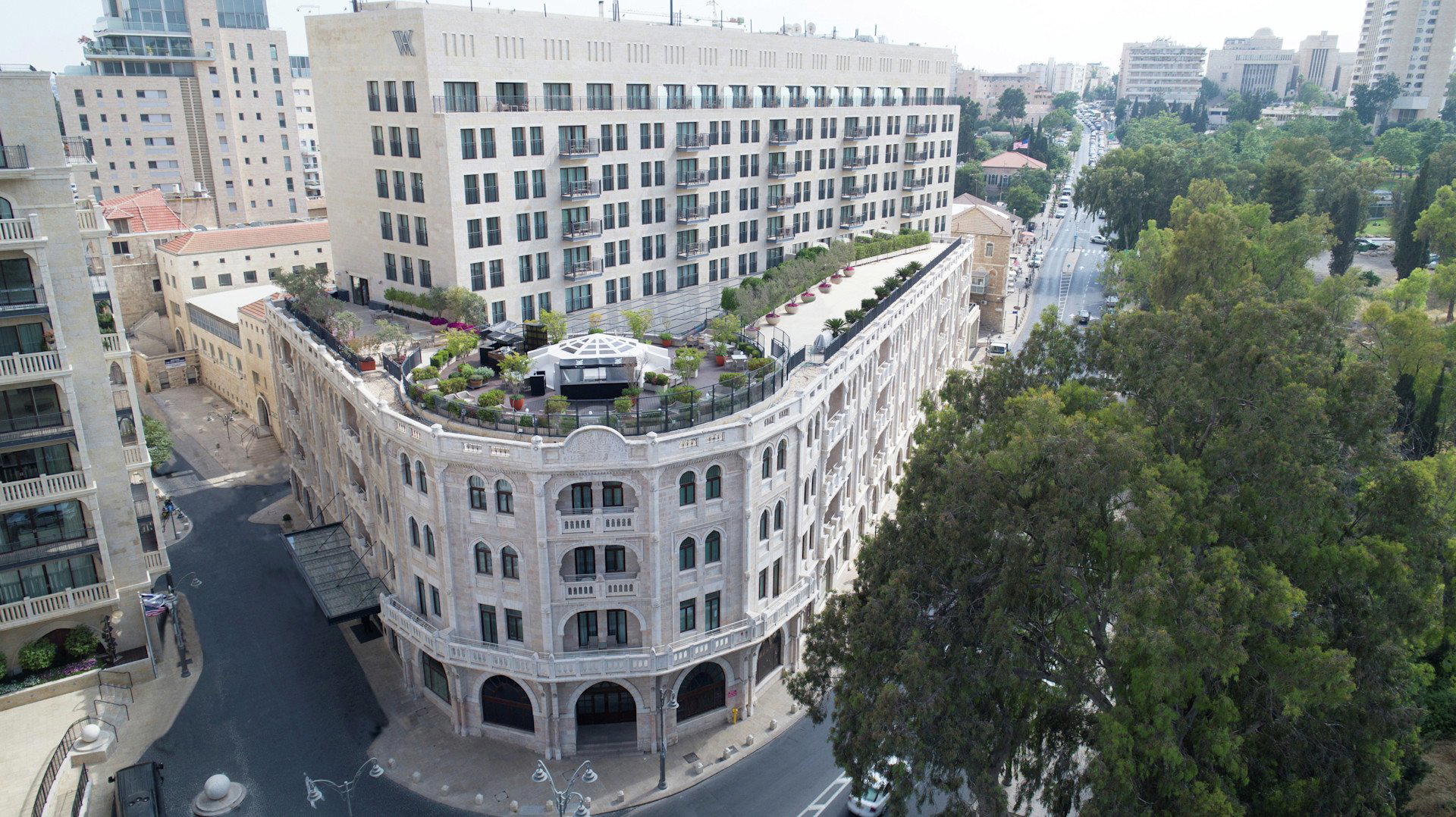
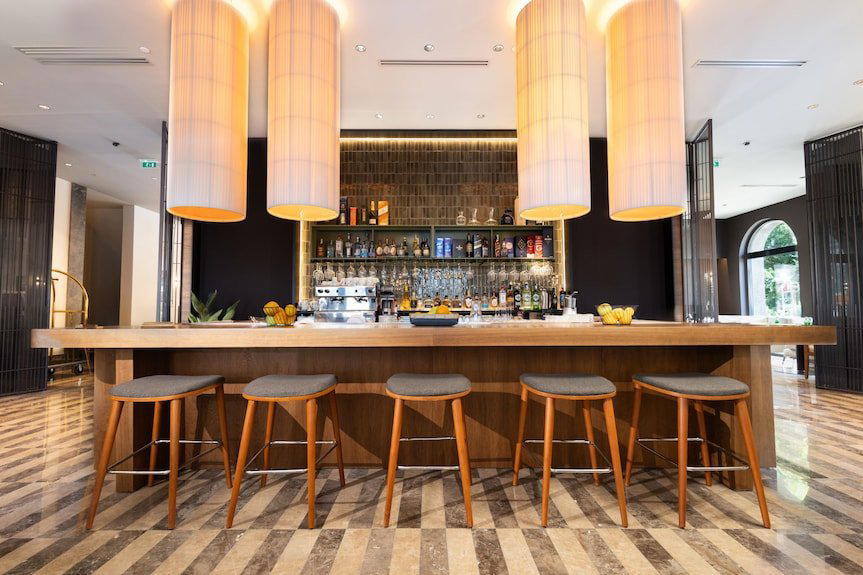
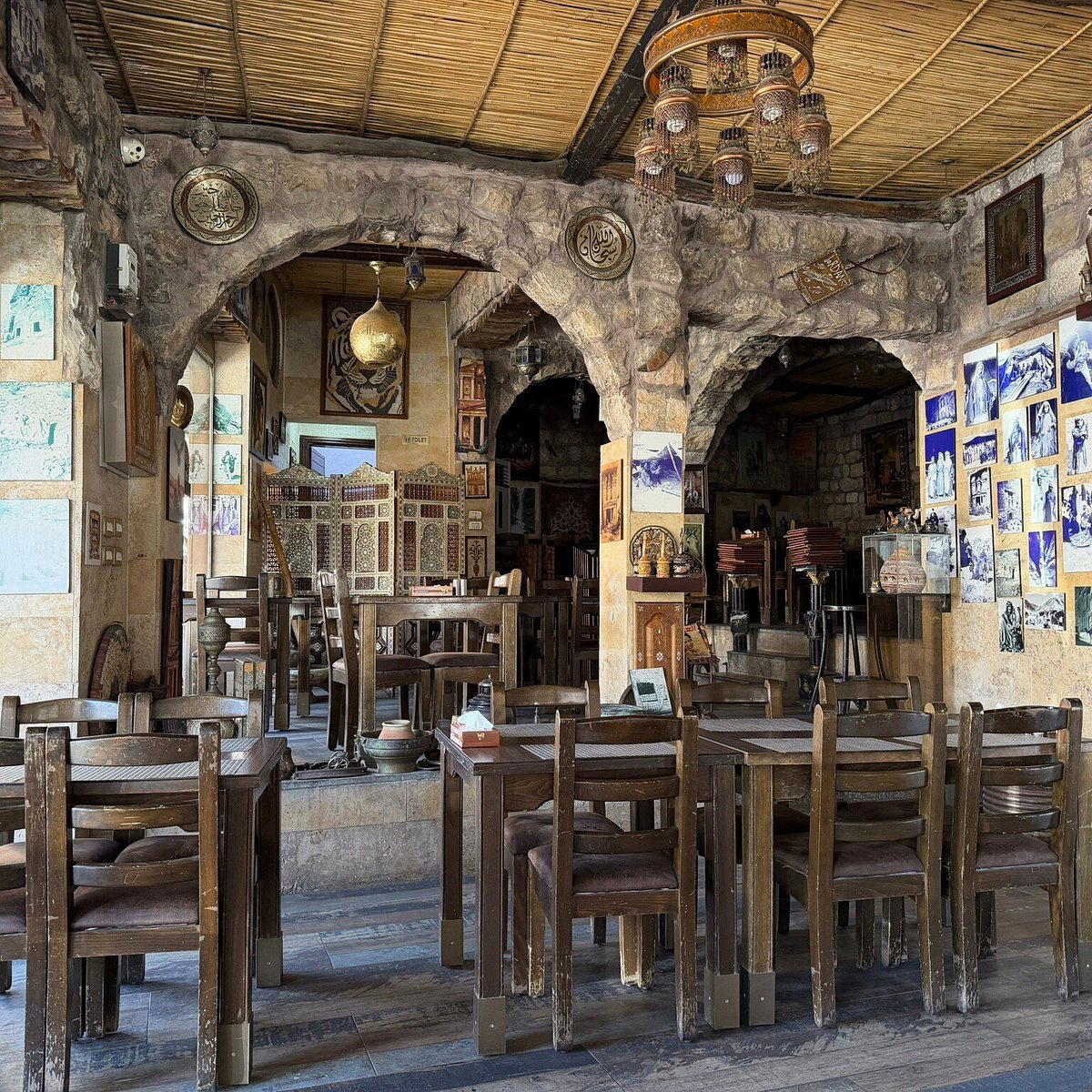
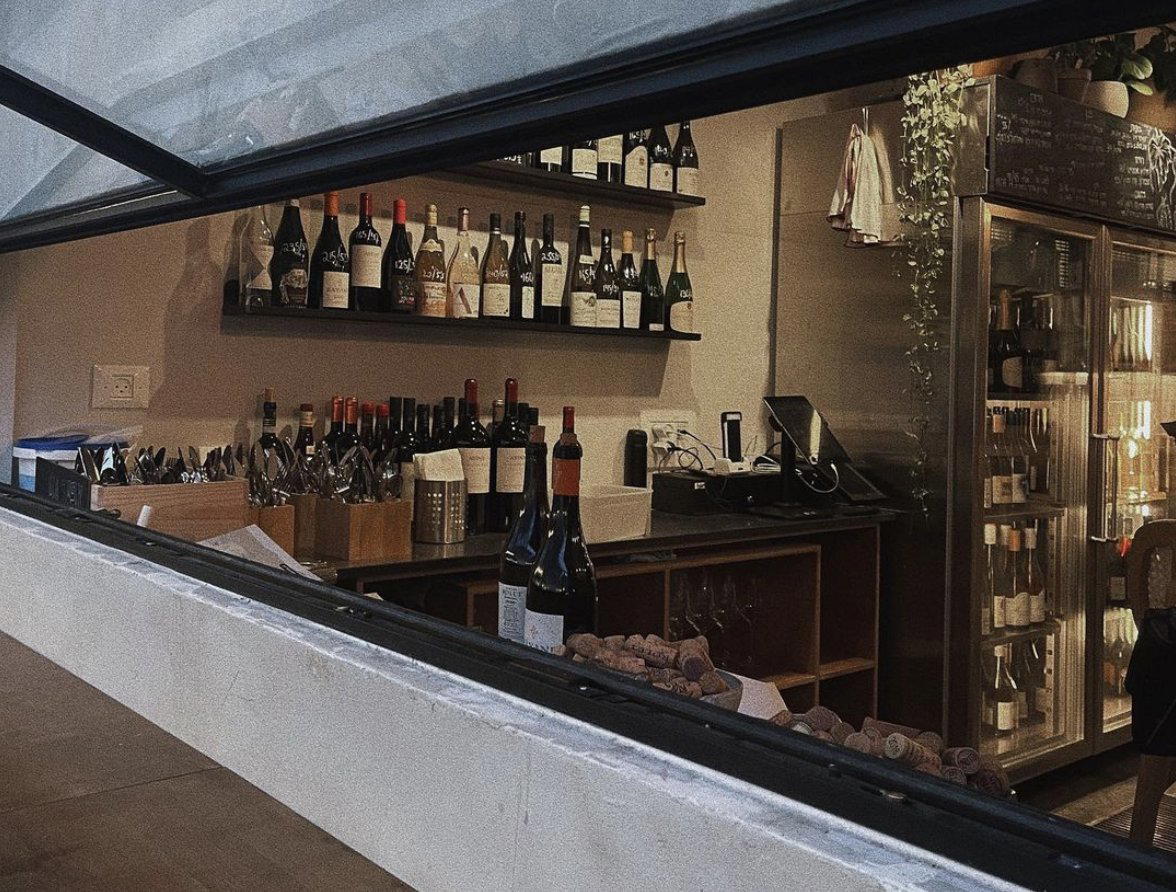
Bars in Jerusalem
Browse all →
Restaurants in Jerusalem
Browse all →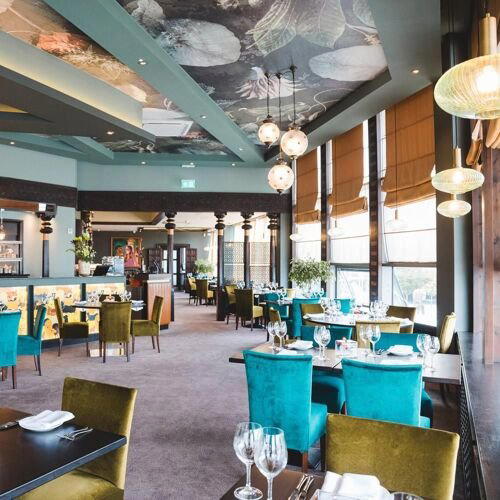


At a Glance
- Elegant
- Sophisticated
- Ornate
- Romantic Getaway
- Family Vacation
- Business Trip
- Rooftop Pool
- Historic Building
- Panoramic View
- Wi Fi
- Pool
- Spa
- Fitness Center
- Room Service
- Concierge
- Business Center
- Valet Parking
- Skyline
- Wi Fi
- Pool
- Spa
- Fitness Center
- Room Service
- Concierge
- Business Center
- Valet Parking
Elegant and relaxing with soundproofed rooms, spa serenity, and sophisticated lighting.