Azura operates out of the Mahane Yehuda market in Jerusalem, serving slow-cooked Sephardic and Mizrahi dishes that trace directly to the Iraqi and North African Jewish kitchen. The cooking runs on charcoal braziers and heavy pots rather than modern technique, and the menu reflects what arrived at the market that morning. It is among the more-discussed traditional lunch counters in the city.
Pearl is the En Primeur Club membership app — saves, bookings, and concierge access live there. Same editors, same standards.
- Address
- Ha-Eshkol St 4, Jerusalem, Israel
- Phone
- +97226235204
- Website
- facebook.com
- Directions
- Get directions
 Saves & bookings on Pearl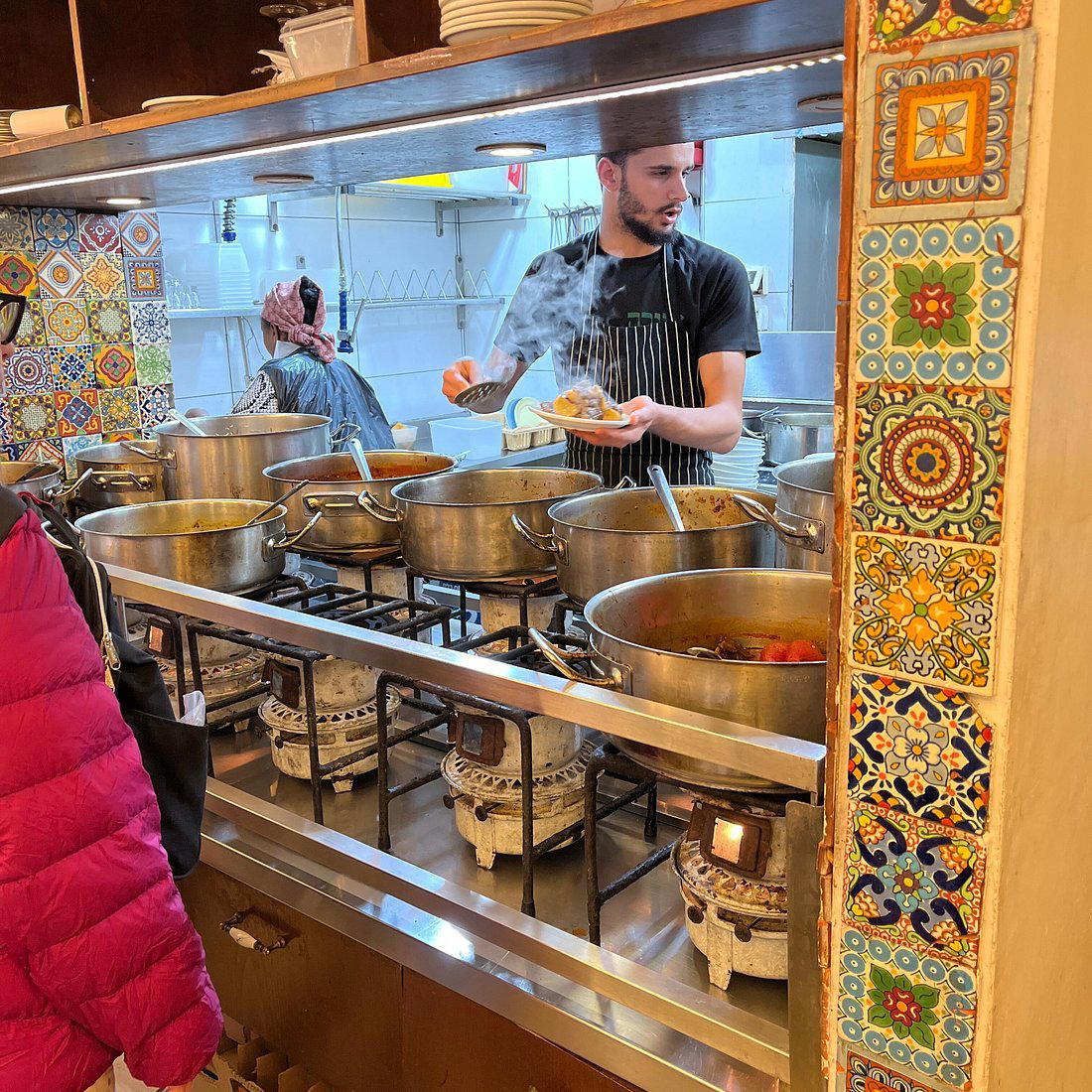
The Market Kitchen and What It Tells You About Jerusalem
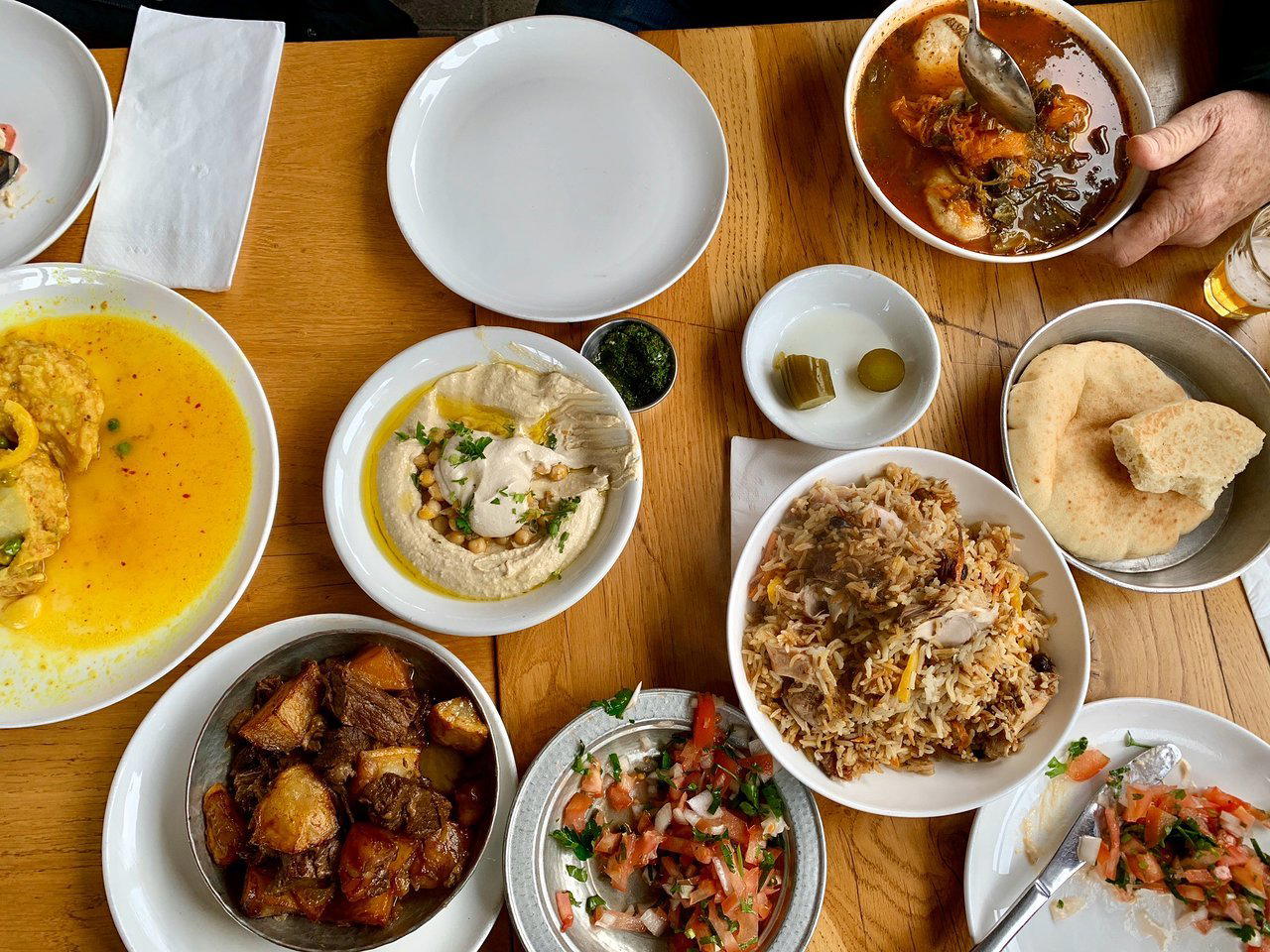
Azura is a restaurant in Jerusalem serving Iraqi-Kurdish home cooking at about $20 per person. The ceremonial side produces hotel dining rooms and tasting menus designed to perform Israeli cuisine for an international audience. The everyday side lives inside the Mahane Yehuda market, where the transaction is simpler: what came in this morning goes into the pot by noon. Azura, on Ha-Eshkol Street at the market's edge, belongs firmly to the second category. The cooking is Sephardic and Mizrahi, drawing on Iraqi and North African Jewish traditions that arrived with mid-twentieth-century immigration waves and never left. Understanding the place means understanding that lineage first.
Approaching the Stall
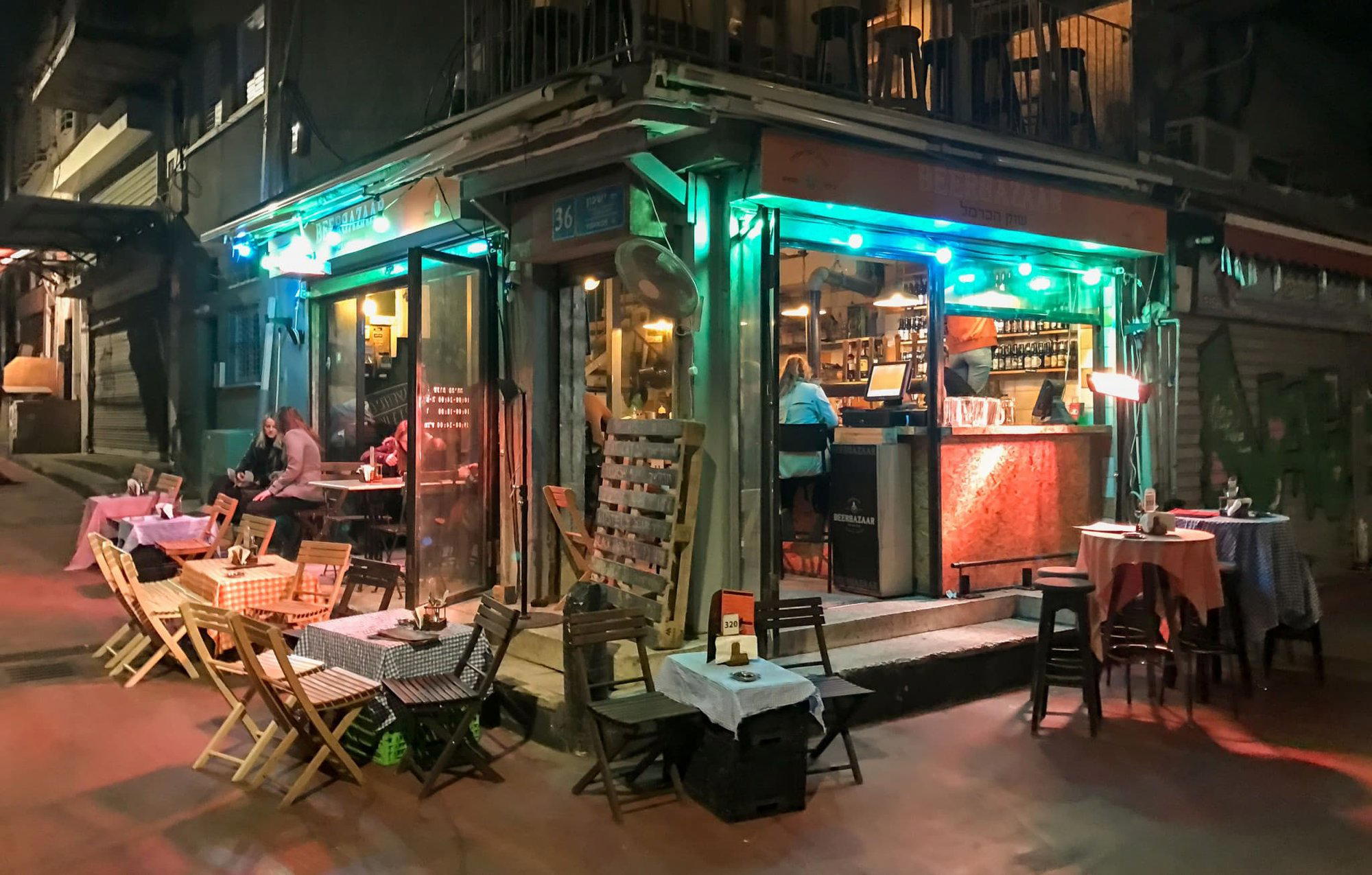
The physical approach sets expectations correctly. Ha-Eshkol Street is a narrow lane running off the market proper, and Azura occupies a space that reads more as an extension of the stalls than as a conventional restaurant. Charcoal braziers provide the dominant smell before you see the kitchen. Heavy clay and metal pots sit on low heat, their contents reduced over hours. The seating is communal and close. There is no ambient sound design here; the noise comes from the market behind you and from the kitchen directly in front. Visiting at opening, which falls in the late morning for a lunch-only service, means joining a queue that forms before the pots are uncovered. That queue is itself a signal: this is not a venue drawing on atmosphere or location convenience. People return because the cooking reflects a specific tradition executed consistently.
Ingredient Logic: What the Market Determines
At Azura, sourcing drives the menu. The Mahane Yehuda market is among the more supply-dense food environments in Israel, with vendors covering fresh vegetables, dried legumes, spices, and offal within a few hundred metres. A kitchen operating inside or immediately adjacent to that supply chain makes different decisions than one ordering from a central distributor. Seasonal vegetables appear because they are available and priced right, not because a chef has decided to write a seasonal menu. Legumes, slow-cooked through the morning, reflect what was bought that day in bulk. The spice palette, heavy on cumin, turmeric, fenugreek, and dried lime in the Iraqi tradition, comes from market vendors rather than specialist importers. This is procurement driven by proximity rather than by concept, and it produces food that is legible as a product of place in a way that more constructed menus are not.
Mizrahi and Sephardic kitchens that Azura draws from are built around exactly this kind of slow, commodity-driven cooking. Dishes like hamin (the Sephardic Sabbath stew) and various kubeh preparations require hours of cooking and inexpensive cuts of meat or offal, which is why they developed in communities where those were the available ingredients. Azura's format, a lunch-only service with pots prepared from early morning, mirrors the domestic rhythm of that cooking tradition rather than adapting it to restaurant conventions.
Where Azura Sits in the Jerusalem Scene
Jerusalem's restaurant scene also includes places like Chakra (Modern Israeli) and Machneyuda (Israeli), the latter known for high-energy service and a cooking style that processes market produce through a more theatrical lens. Mona and Menza operate in a different register again, closer to a European bistro format applied to local ingredients. The Notre Dame Rooftop Restaurant addresses a tourist-facing audience from its refined position in the Christian Quarter.
Azura addresses none of those audiences primarily. Its comparable set is closer to Abu Hassan in Jaffa, which operates on a similar logic of a single speciality, a queue, and a lunch window, or Majda in Har Nof, which also draws on a specific community's culinary inheritance rather than a composite Israeli-modern idiom. Across Israel more broadly, the market-anchored, tradition-specific lunch counter exists at HaKosem in Tel Aviv and in different form at Uri Buri in Acre. What links these venues is that the sourcing relationship precedes the menu concept rather than following from it.
Across Israel, the dining picture includes Helena in Caesarea, Pescado in Ashdod, and Diana in נצרת, each representing a distinct regional register. The full Jerusalem restaurants guide maps the broader city scene.
Planning a Visit
Azura operates as a lunch venue in a market context, which shapes every logistical decision. Arriving early in the service is the practical move: popular preparations sell out before the kitchen closes, and the queue at peak hours can be significant. The address, Ha-Eshkol St 4, places it at the edge of the Mahane Yehuda market, reachable on foot from the city centre or via the light rail to the market stop. Given the communal seating format and walk-in-friendly policy, this is a venue for lunch without advance reservations. It works well as a standalone lunch commitment rather than as one stop in a longer day of sightseeing.
Readers looking for a different register on the same Jerusalem visit might consider Machneyuda for dinner, which covers the high-energy end of the market-connected cooking spectrum. Those interested in how Israeli cuisine reads in a New York or San Francisco frame might look at Le Bernardin in New York City or Lazy Bear in San Francisco for comparison on how tradition-rooted cooking travels into fine-dining formats. In Israel, מידס in Ashqelon, Burger 232 in Maggen, and Herbert Samuel Herzliya in Herzliya round out a picture of what the country's mid-to-upper dining tier looks like outside the major city centres.
Comparable Spots, Quickly
Comparable venues nearby, for context on price, style, and recognition.
| Venue | Cuisine | Price | Notes |
|---|---|---|---|
| AzuraThis venue — the venue you are viewing | Iraqi-Kurdish Home Cooking | $$ | Not listed |
| Tmol Shilshom | Kosher Israeli Dairy Cafe | $$ | Nachalat Shiva |
| The Culinary Workshop | Modern French Grill with Israeli Fusion | $$$ | First Station |
| Machneyuda | Modern Middle Eastern Fusion | $$$ | Mahane Yehuda |
| Mona | Modern Mediterranean Israeli | $$$ | Givat Ram |
| Menza | Mediterranean Bistro | $$ | Bezalel Street, Downtown Jerusalem |
Continue exploring
More in Jerusalem
Restaurants in Jerusalem
Browse all →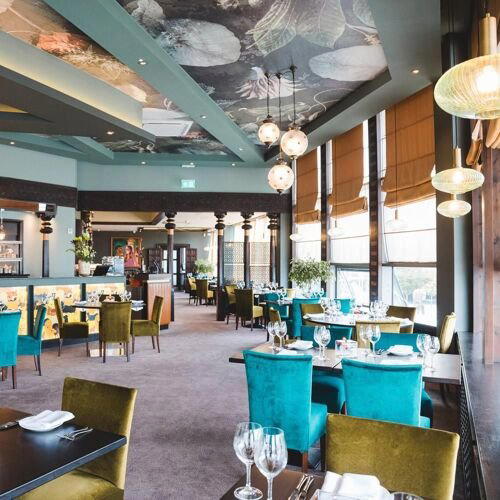
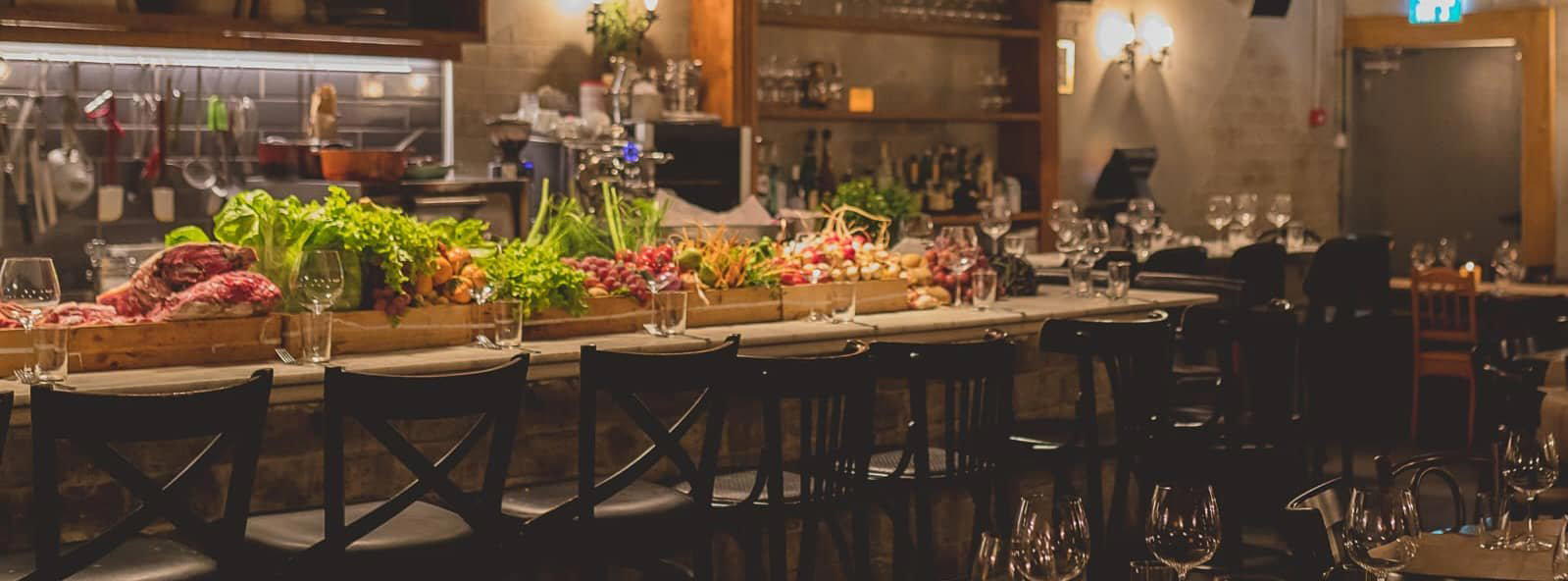
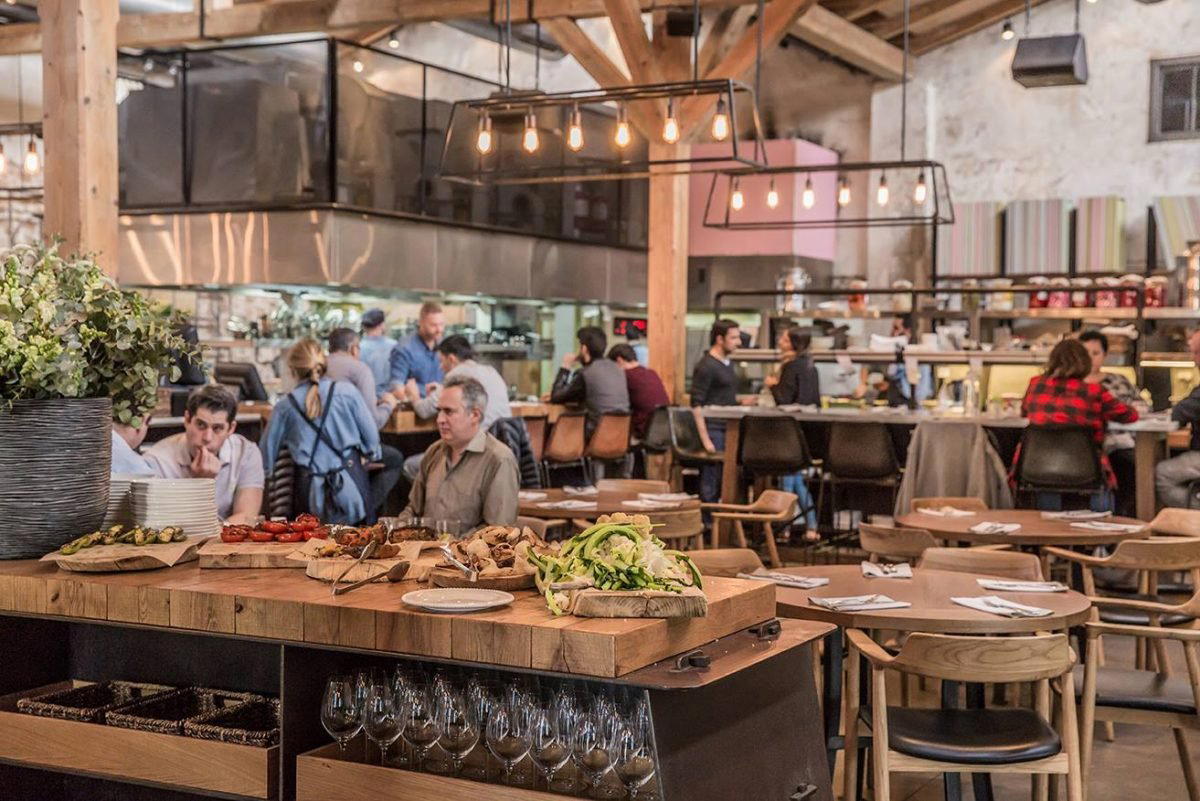
Bars in Jerusalem
Browse all →
At a Glance
- Cozy
- Well Known
- Casual Hangout
- Open Kitchen
- Street Scene
Current opening hours
- Monday
- 9 AM–4 PM
- Tuesday
- 9 AM–4 PM
- Wednesday
- 9 AM–4 PM
- Thursday
- 9 AM–4 PM
- Friday
- 9 AM–3:30 PM
- Saturday
- Closed
- Sunday
- 9 AM–4 PM
Hours can change for holidays and private events. Last verified .
Casual market eatery with hearty, comforting home-style atmosphere amid bustling surroundings.