

Black Pearl 1 Diamond · Tabelog 100 #88
Our verdict
Teppanyaki Akasaka holds a Black Pearl 1 Diamond (2025), placing it among a recognized tier of Tokyo dining rooms where the teppan format, live fire, counter theatre, precision protein cookery, operates at its most considered. Located in Minato City's Akasaka district, it represents the premium end of a style that remains underrepresented in Tokyo's international critical conversation relative to sushi and kaiseki.

Pearl is the En Primeur Club membership app, where members save venues, book tables and use the concierge.

The menu
What to order
- Kobe beef
- Wagyu steak
- Garlic fried rice
- Rock lobster
If You're Going to Eat Teppanyaki in Tokyo, This Address Matters
Tokyo's critical apparatus has always been more generous to sushi counters and kaiseki rooms than to teppanyaki. The format, chef at a large iron plate, guests seated around it, high-heat cookery performed in real time, carries associations with hotel dining and corporate expense accounts that have kept it at arm's length from the city's more serious food conversations. That framing, however, increasingly misrepresents what the format is capable of. Teppanyaki Akasaka, holding a Black Pearl 1 Diamond in the 2025 edition of that award guide, sits in a tier of teppanyaki addresses where the cooking is assessed against the full range of Tokyo fine dining rather than solely against its own category.
The Black Pearl designation, issued by the Black Pearl Restaurant Guide covering Asia-Pacific markets, operates as a regional trust signal for restaurants that meet a defined threshold of kitchen consistency and overall experience. A single Diamond places Teppanyaki Akasaka in the guide's recognised tier, not at its ceiling, but meaningfully above the noise. For context, the guide's leading awards in Tokyo appear on the same lists as Harutaka, RyuGin, and other counters that anchor the city's premium dining map. Being included in that critical conversation, regardless of rank within it, is a meaningful data point.
The Teppanyaki Format at This Level
Teppanyaki at the premium end of the market is a different proposition from the format's mid-market version. Where hotel teppanyaki rooms often prioritise spectacle, the flying shrimp, the onion volcano, addresses operating at award-guide level focus on sourcing and heat control. The iron plate is an instrument of precision, not performance. Wagyu beef graded at the higher marbling scores, Hokkaido seafood, seasonal vegetables from specialist producers: at this price tier and critical recognition level, the ingredient logic is the same as any other serious Japanese kitchen. The counter format adds a transparency that most European fine dining rooms cannot match; the cooking happens in full view, and there is no kitchen to hide behind.
That transparency raises the stakes for execution. A sushi counter can plate and pass; a kaiseki room works through multiple courses with distinct rhythms and resting points. Teppanyaki compresses everything onto the plate surface, in front of the guest, in sequence. The format rewards chefs who understand heat zones, resting times, and the specific behaviour of high-fat proteins under direct contact, skills that are category-specific and not transferable from a conventional brigade kitchen.
Among Tokyo's broader fine-dining field, this places premium teppanyaki in an interesting competitive position. Compared to L'Effervescence or Sézanne on the French side, or Crony at the innovative end, teppanyaki offers a fundamentally different sensory contract with the guest: less architectural plating, more direct engagement with fire and protein. The comparison is not one of hierarchy but of format logic.
Akasaka as a Dining Address
The Akasaka district within Minato City carries a specific character in Tokyo's dining geography. It has historically been a business and entertainment quarter, proximity to government offices, broadcast headquarters, and corporate Tokyo means the neighbourhood developed a dense layer of high-quality restaurants calibrated for client entertainment rather than tourist traffic. That origin has shaped the type of restaurant that survives there: formats that reward repeat visits, where the experience is consistent and the kitchen delivers rather than experiments wildly.
Teppanyaki fits that neighbourhood logic well. The format is legible across cultural backgrounds, makes a strong impression in a single visit, and operates at a price point that aligns with corporate dining budgets at the upper end. That is not a criticism; restaurants shaped by business dining culture often deliver the most reliable experiences precisely because the feedback loop is fast and the tolerance for inconsistency is low.
For visitors approaching Akasaka as part of a broader Tokyo trip, the district sits within reasonable access of both the Roppongi dining cluster and the quieter residential restaurant streets of Minami-Aoyama. The area rewards an evening that begins with a drink in one of the neighbourhood's older bars before moving to dinner, rather than the more rushed itinerary that Ginza or Shinjuku tend to impose.
Across Japan more broadly, the premium dining map extends well beyond Tokyo. HAJIME in Osaka, Gion Sasaki in Kyoto, akordu in Nara, Goh in Fukuoka, 1000 in Yokohama, and 6 in Okinawa each represent different regional traditions and formats. Contextually, this makes Tokyo's award-recognised teppanyaki an interesting comparison point for anyone mapping Japanese fine dining across the archipelago.
Planning Your Visit
The practical table below positions the restaurant against comparable Tokyo addresses on the dimensions we can confirm.
| Venue | Format | Price Tier | Award Recognition | District |
|---|---|---|---|---|
| Teppanyaki Akasaka | Teppanyaki counter | Not confirmed | Black Pearl 1 Diamond (2025) | Akasaka, Minato |
| Harutaka | Omakase sushi | ¥¥¥¥ | Multiple recognitions | Ginza |
| RyuGin | Kaiseki | ¥¥¥¥ | Multiple recognitions | Roppongi |
| L'Effervescence | French | ¥¥¥¥ | Multiple recognitions | Nishi-Azabu |
| Crony | Innovative French | ¥¥¥¥ | Recognised | Tokyo |
For advance reservations at award-level teppanyaki addresses in Tokyo, booking two to four weeks ahead is generally advisable, with demand higher on weekend evenings. Given the business-district character of Akasaka, weekday dinner slots may offer more availability than comparable counters in tourist-heavy areas.
For broader planning: our full Tokyo restaurants guide, Tokyo hotels guide, Tokyo bars guide, Tokyo wineries guide, and Tokyo experiences guide cover the broader city in detail. For international reference, Le Bernardin in New York and Atomix in New York represent the kind of sustained critical recognition that premium teppanyaki in Tokyo is increasingly being measured against.
Frequently asked questions
What's Teppanyaki Akasaka known for in terms of accolades?
Teppanyaki Akasaka has received recognition including: Black Pearl 1 Diamond (2025).
What part of town is Teppanyaki Akasaka in?
Teppanyaki Akasaka is located at 1 Chome-12-33 Akasaka, Minato City, Tokyo 107-0052, Japan, Tokyo.
What's the best thing to order at Teppanyaki Akasaka?
EP Club's verified data for Teppanyaki Akasaka does not confirm specific menu items, so naming a single dish would be speculative. At teppanyaki counters operating at Black Pearl Diamond level, the award Akasaka holds for 2025, the chef's selection or omakase-style progression typically showcases the range of the iron plate, from seafood to premium beef. Following the kitchen's lead is the standard approach at this tier.
Do they take walk-ins at Teppanyaki Akasaka?
That said, restaurants at Black Pearl Diamond level in Tokyo's Akasaka district almost universally require advance reservations, walk-in availability at this standard is rare. Contacting the venue directly or working through a concierge at a Minato City hotel is the practical approach.
Comparable Venues
Comparable venues nearby, for context on price, style, and recognition.
| Venue | Cuisine | Price | Awards | Notes |
|---|---|---|---|---|
| Teppanyaki AkasakaThis venue (the venue you are viewing) | Teppanyaki with Premium Wagyu and Seafood | $150–200 | Black Pearl 1 Diamond · Tabelog 100 #88 | Not listed |
| Sushi Miyaba | Edomae Sushi | $200–300 | Tabelog 100 #90 | Minato |
| Sushi Yasumitsu | Seasonal Edomae Omakase Sushi | $300–500 | Tabelog Bronze #520 | Shinjuku |
| 鮨よしたけ | 3-Michelin-Star Omakase Sushi | $500+ | La Liste Top Restaurants · Tabelog Bronze #530 | Ginza |
| 日本料理 明寂 | Modern Minimalist Kaiseki | $300–500 | 3 Michelin Stars · World's 50 Best #33 | Nishi-Azabu |
| Aoyagi - 青柳 | Edomae Sushi Omakase | $150–200 | La Liste Top Restaurants | Minato |
Recognition history
Dated appearances from independent guides and award organizations, with the underlying list record or original source where available.
Black Pearl 1 Diamond
Black Pearl
Tabelog 100 #88 · No. 88
Tabelog · Tabelog 100 - Steak / Teppanyaki - EAST - 2025
Full recognition history (3 entries)
Black Pearl 1 Diamond
Black Pearl
Continue exploring
More in Tokyo
Restaurants in Tokyo
All restaurants in Tokyo →
Bars in Tokyo
All bars in Tokyo →


Details
- Elegant
- Sophisticated
- Modern
- Business Dinner
- Special Occasion
- Celebration
- Date Night
- Chefs Counter
- Open Kitchen
- Hotel Restaurant
- Panoramic View
- Sake Program
- Extensive Wine List
- Skyline
- Set Menu
- Counter Dining
- Sake
- Wine
- Vegetarian Friendly
Current opening hours
- Monday
- 11:30 AM–2 PM, 5:30–8 PM
- Tuesday
- 11:30 AM–2 PM, 5:30–8 PM
- Wednesday
- 11:30 AM–2 PM, 5:30–8 PM
- Thursday
- 11:30 AM–2 PM, 5:30–8 PM
- Friday
- 11:30 AM–2 PM, 5:30–8 PM
- Saturday
- 11:30 AM–2:30 PM, 5:30–8:30 PM
- Sunday
- 11:30 AM–2:30 PM, 5:30–8:30 PM
Hours can change for holidays and private events. Hours as of .
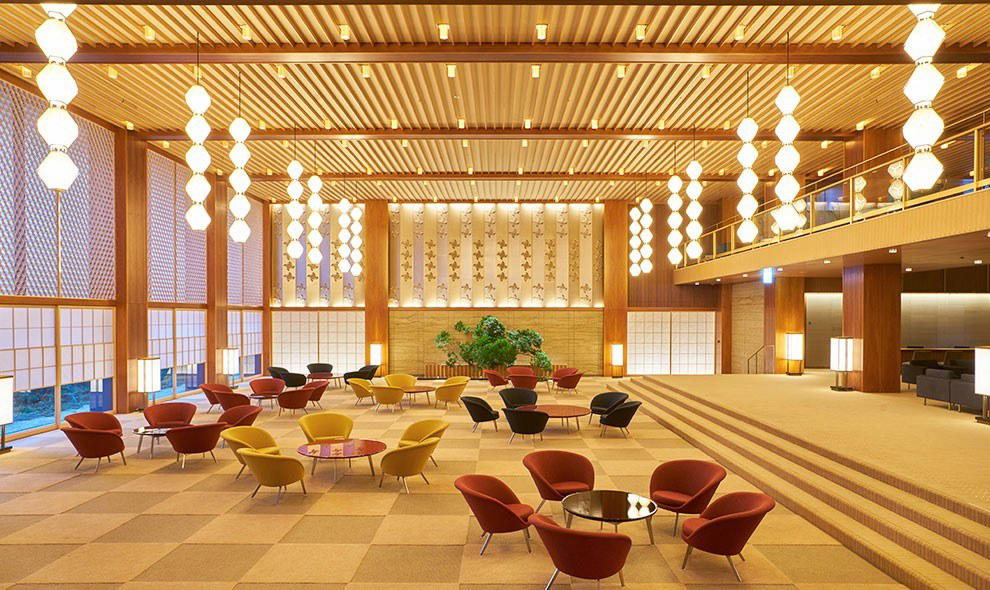
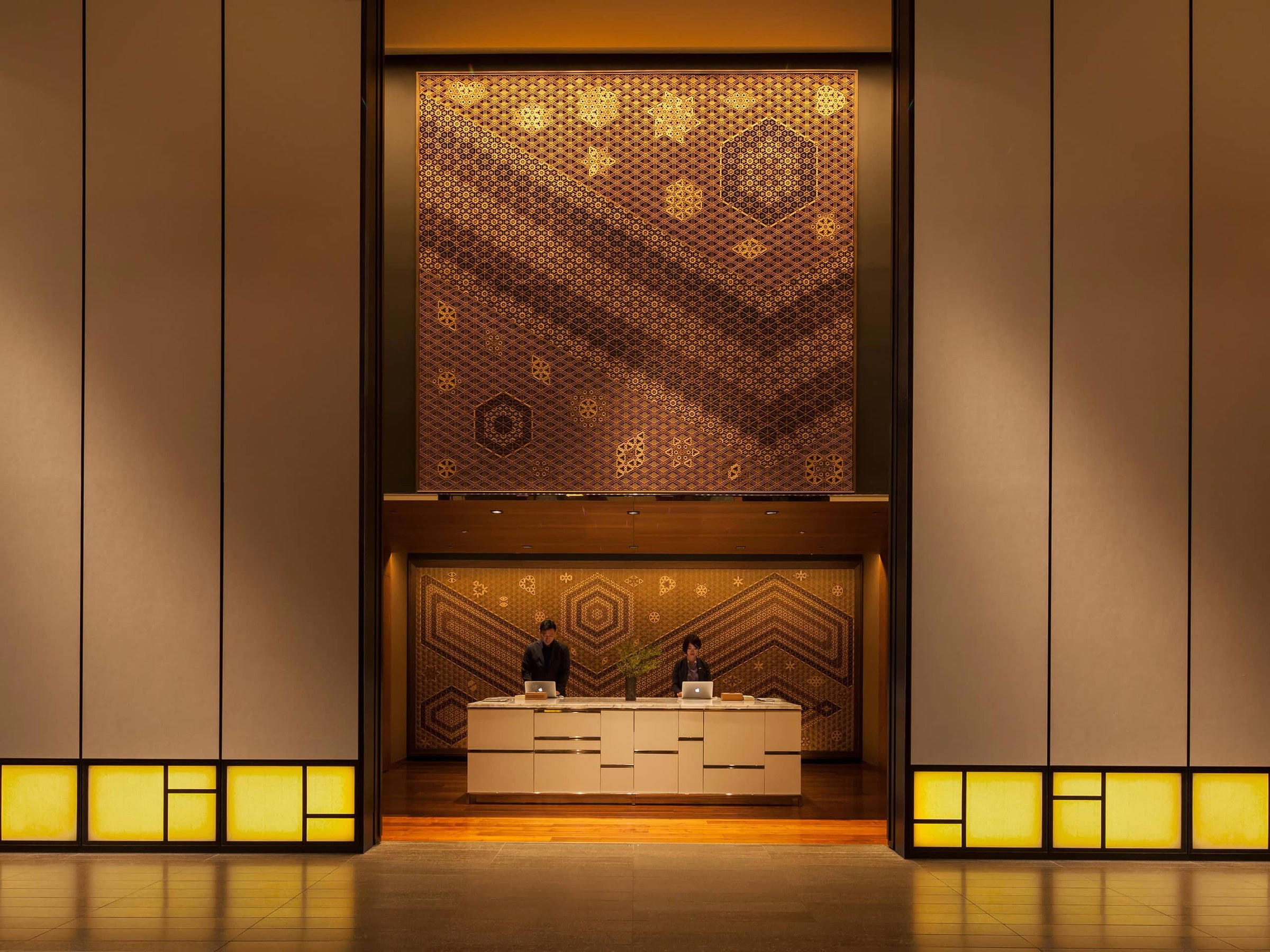
Elegant and modern interior with traditional accents, warm earth tones, and far-reaching city skyline views from large windows.