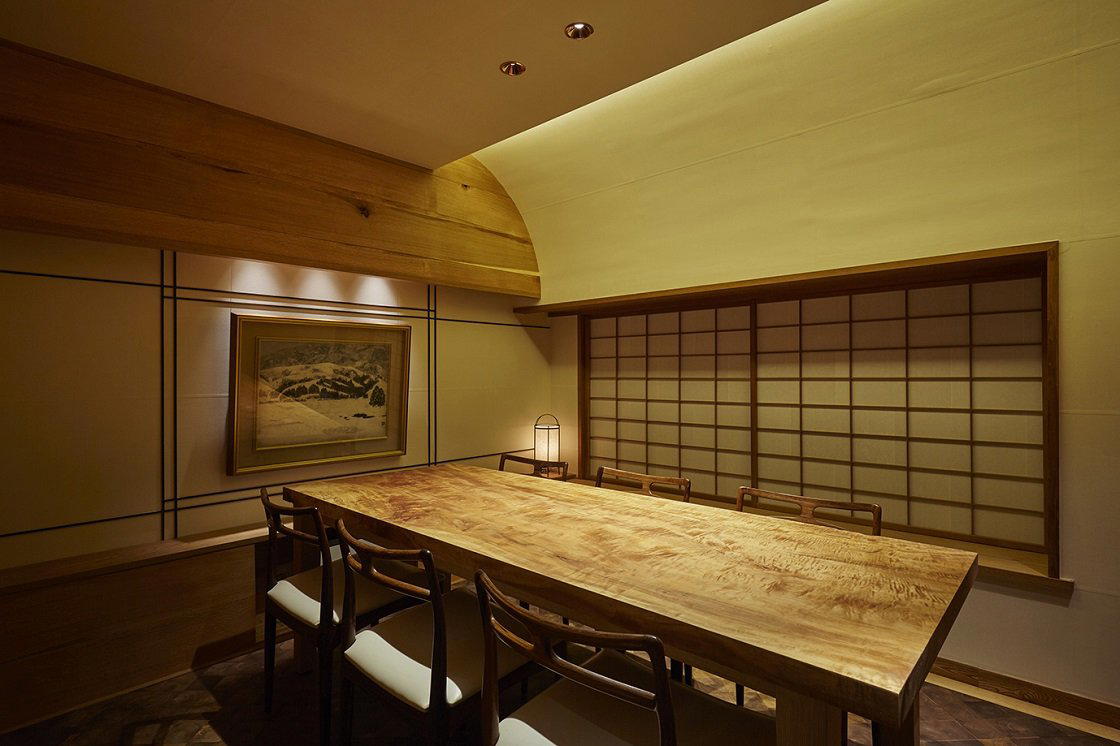
Seasonal artistry and vessels define the space
 Discover on Pearl
Pearl is the En Primeur Club membership app — saves, bookings, and concierge access live there. Same editors, same standards.
- Address
- Japan, 〒531-0041 Osaka, Kita Ward, Tenjinbashi, 7 Chome−12−14 グレーシィ天神橋
- Phone
- +81669400403
- Website
- kcaf100.gorp.jp
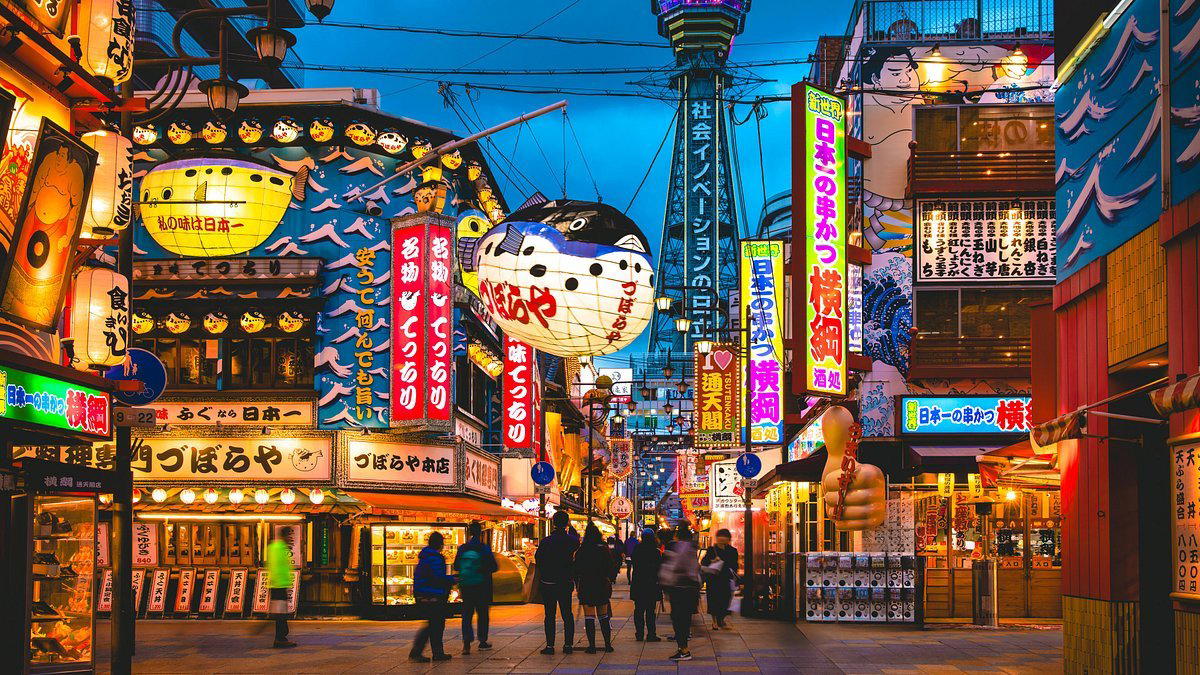
Tenjinbashi, Kita Ward, and What a Long Shopping Street Conceals
Tenjinbashisuji Shotengai is one of Japan's longest covered shopping arcades, stretching roughly 2.6 kilometres through the Kita Ward of Osaka, and it operates on a logic quite different from the polished corridors of Namba or the design-led lanes of Minami. The northern reaches of the arcade, around the 7-chome mark, shed the souvenir density of the busier southern blocks and settle into a pattern that feels closer to a working neighbourhood than a commercial hub. Tenjinbashi Aoki is a Michelin-Starred Kaiseki restaurant in Osaka's Kita Ward, priced at about $150 per person, and it operates at 7-chome, well inside the local rhythm of the street rather than at its most trafficked tourist entry points.
The physical setting matters because it sets the terms of the experience before anything is served. A long arcade of this kind functions as a social equaliser across Osaka, salary workers, students, families from the surrounding residential blocks, and the occasional visitor who has walked further north than most guides recommend all share the same overhead canopy. In that context, a restaurant earns its reputation through repetition and local loyalty rather than through destination-dining traffic. Venues that persist at this end of Tenjinbashisuji do so by building a regular clientele who live and work in Kita Ward, not by capturing visitors on a single-night timeline.
The Larger Conversation: Local Ingredients, Global Craft
Osaka's dining identity has historically been anchored in the idea of kuidaore, eating until you drop, which reflects the city's long-standing emphasis on ingredient quality and portion generosity over ceremony. That ethos sits underneath a significant portion of the city's neighbourhood restaurants, even as some of Osaka's higher-profile addresses have integrated techniques developed in European kitchens and applied them to Kansai produce. [HAJIME in Osaka] represents one pole of that conversation: a three-Michelin-star laboratory where Japanese precision and European conceptual structure meet at the far end of formality. Calendrier and Aka to Shiro occupy positions in Osaka's mid-to-upper-tier where French and seasonal Japanese approaches share a menu in quieter, less theatrical formats.
The intersection of imported method and local product is not confined to the upper brackets. At a neighbourhood level, it appears in the way a Kansai kitchen applies, say, a low-temperature preparation or a Western braise structure to Osaka Bay seafood or to the mountain vegetables that move through Osaka's wholesale markets from the surrounding Kinki region. This is the less-documented half of the local-global conversation: not the chef with documented European training and press coverage, but the neighbourhood address that has absorbed enough of these techniques through osmosis, through proximity, and through a culture of competitive professionalism that runs deep in Osaka's restaurant trade.
For broader comparison across Japan's regional culinary traditions, Gion Sasaki in Kyoto shows how a kaiseki framework can accommodate seasonal specificity with rigorous restraint, while Goh in Fukuoka demonstrates the same local-produce logic applied in a city with a markedly different seafood culture. akordu in Nara takes this further by applying European wine and menu structure to Yamato produce. Each of these addresses shows a version of the same editorial argument: the techniques travel, the ingredients stay local, and the specific geography determines what the combination tastes like.
Where Tenjinbashi Aoki Sits in Osaka's Neighbourhood Tier
Tenjinbashi Aoki is a Michelin-Starred Kaiseki restaurant with a Google rating of 4.5 from 33 reviews. Its address places it in the long-arcade neighbourhood category rather than the destination-dining category, alongside the other establishments in the 7-chome corridor that serve Kita Ward's working population across lunch and dinner services. This is a category Osaka produces in quantity and quality, and the bar for persistence in any given block is set by locals who eat out frequently and compare across many options.
Within Osaka's neighbourhood tier, the comparison set includes addresses like Ajihei Sonezaki and Ajikitcho Bunbuan, which work within different format and price assumptions but share the same fundamental reliance on local ingredient sourcing and a clientele that returns based on consistency. Az represents the kind of address where a more experimental register enters the neighbourhood frame. The range across these venues reflects the diversity of Osaka's mid-tier restaurant culture, which is considerably wider than a single cuisine type or format.
For visitors approaching from a broader Japan itinerary, it is worth mapping Tenjinbashi Aoki against addresses in other cities that operate with a similar neighbourhood emphasis. Harutaka in Tokyo serves as a reference point for how the same local-loyalty logic operates in Tokyo's counter-dining tier, where credentials are established through the consistency of the craft rather than through a profile in the national press. The full range of options across the city is covered in
Planning a Visit: Practical Orientation
Tenjinbashi Aoki's address is registered at 7-chome 12-14 on Tenjinbashisuji, inside the Grace Tenjinbashi building in Kita Ward, postal code 531-0041. The 7-chome end of the arcade is served by Tenjinbashisuji Rokuchome station on the Osaka Metro Sakaisuji Line and Hankyu Sennichimae Line, which places it on direct connections from central Osaka. Visitors arriving from Umeda or Namba should expect a short Metro ride rather than a walk.
Tenjinbashi Aoki's hours are Monday through Saturday from 5:30 to 8:30 PM, with Sunday closed, and reservations are essential. Visitors at this end of the arcade should also note that the 7-chome stretch is considerably quieter than the 3-chome to 5-chome commercial core, which affects everything from parking to the pace of the surrounding streets. For international comparison context, the balance of local-ingredients-meets-global-technique that defines Osaka's neighbourhood tier appears in very different form at Le Bernardin in New York City or at Atomix in New York City, both of which show how far the same editorial premise can travel across format and geography.
Restaurants further afield that share a structural interest in regional sourcing and external technique include a notable address in Nanao, one in Sapporo, one in Takashima, one in Nishikawa Machi, and Birdland in Sakai, each operating within a regional ingredient culture that gives the same imported method a different outcome.
The Minimal Set
Comparable venues nearby, for context on price, style, and recognition.
| Venue | Cuisine | Price | Notes |
|---|---|---|---|
| Tenjinbashi AokiThis venue — the venue you are viewing | Kita, Michelin-Starred Kaiseki | $$$$ | |
| ç©ºå¿ ä¼½èå | Kita, Seasonal Kaiseki Omakase | $$$$ | |
| Naniwa kappo Kigawa | $$$$ | Chūō, Naniwa Kappo (Osaka-style Kaiseki) | |
| Kobe Beef WANOMIYA Dotonbori Main Store | Chūō, Teppanyaki Kobe Beef | $$$$ | |
| 弧柳 | Chūō, Modern Kaiseki Omakase | $$$$ | |
| Tokitame | Fukushima, Traditional Japanese Izakaya | $$$ |
Continue exploring
More in Osaka Shi
Restaurants in Osaka Shi
Browse all →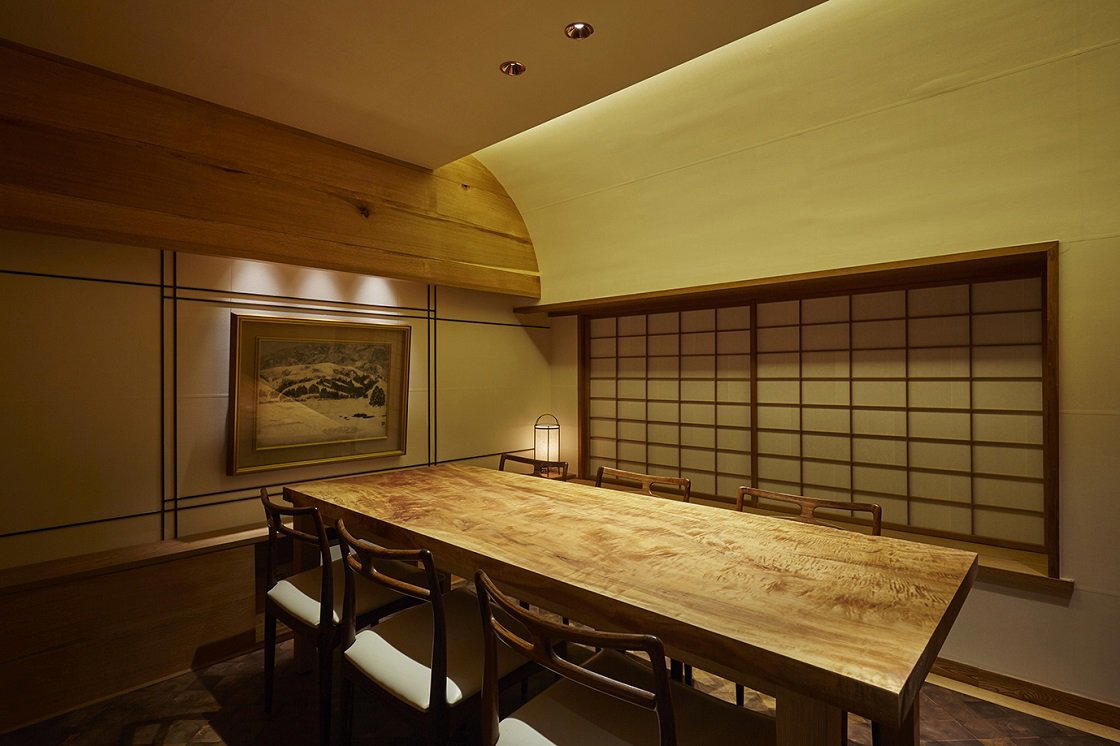



Bars in Osaka Shi
Browse all →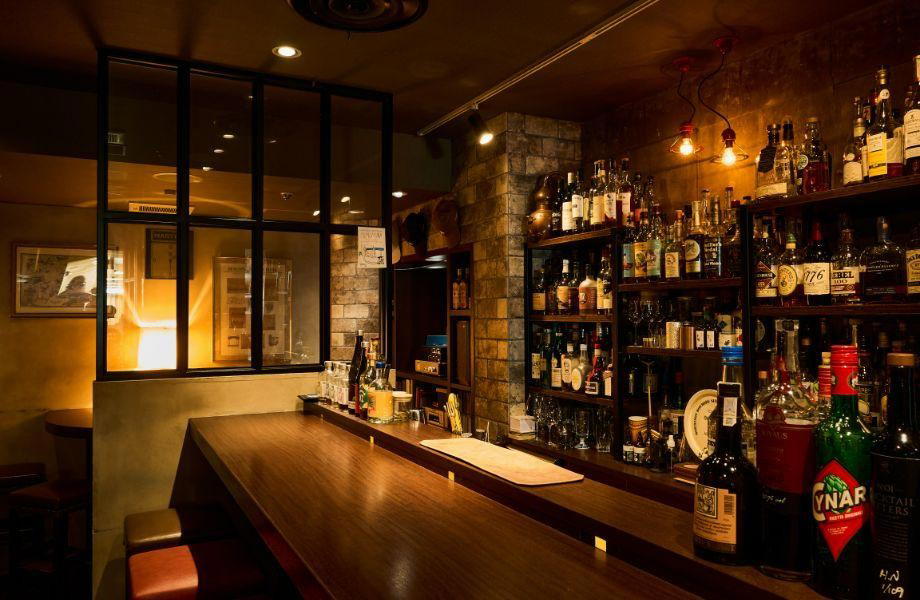


Hotels in Osaka Shi
Browse all →



Wineries in Osaka Shi
Browse all →
At a Glance
- Elegant
- Sophisticated
- Intimate
- Classic
- Special Occasion
- Date Night
- Sake Program
Serene atmosphere merging traditional Japanese elegance with modern sophistication, featuring ceremonial space and exquisite pottery.