Tavola di Guido


Michelin Plate · Wine Spectator Award of Excellence
Our verdict
Tavola di Guido holds a Michelin Plate for two consecutive years (2024 and 2025) and sits within Castellina in Chianti's small tier of estate-rooted Tuscan dining. The kitchen follows strict seasonality, drawing olive oil directly from local farms in Poggibonsi and Castellina. A home-produced orange wine made from Trebbiano, Amphoreum, makes the wine program worth particular attention.

Pearl is the En Primeur Club membership app, where members save venues, book tables and use the concierge.
The menu
What to order
- Beetroot risotto with pancetta and crème fraîche
- Seafood tartare
- Amberjack tuna
Cooking in the Chianti Classico Tradition
The hills between Florence and Siena have long produced a specific kind of table: one built around estate produce, predictable seasons, and the discipline to leave the pantry alone when an ingredient isn't ready. That tradition, call it cucina di territorio rather than cucina del chef, is what gives Castellina in Chianti its culinary character, and it's the tradition that frames Tavola di Guido. The kitchen's commitment to sourcing olive oil directly from farms in Poggibonsi and Castellina, both from the same agricultural estate, is not a talking point; it's structural. It shapes which dishes appear, when they appear, and how the menu behaves from month to month.
In a region where some restaurants have grown comfortable selling the Chianti name without doing the work the name implies, Tavola di Guido has earned consecutive Michelin Plates in 2024 and 2025, the guide's recognition that a kitchen is cooking at a level worth the detour. That puts it in a distinct tier within Castellina's dining offer, a town that punches above its size in part because of properties like this one and the nearby Albergaccio di Castellina, which approaches the same tradition from a slightly different angle. For more options across price tiers and format, see our full Castellina in Chianti restaurants guide.
The Menu as Seasonal Record
Seasonal menus in Tuscany are common enough to have become a cliché, but the distinction at Tavola di Guido is the specificity of its constraints. The beetroot risotto with pancetta, crème fraîche, and nasturtium appears only when nasturtium is in season, not as a gesture toward seasonality but as its practical expression. Remove the flower and the dish changes. That logic, applied across the menu, means the kitchen's output shifts in genuine response to what the surrounding land is producing, not in response to what a chef has decided to put on a permanent tasting menu and branded as seasonal.
Chianti Classico's agricultural calendar is well-defined: olive harvest runs late October through November, wild mushrooms dominate autumn, and spring brings the legumes and young greens that define the leaner half of Tuscan cooking. A menu built around that calendar will look materially different in April than in October, and visiting in different seasons is not a redundant exercise. The kitchen's use of estate-produced extra virgin olive oil from the same farm across both Poggibonsi and Castellina suggests that the sourcing relationships are consolidated and long-standing, which tends to produce consistency in quality even as individual ingredients rotate.
Italy's most discussed restaurants, Osteria Francescana in Modena, Enoteca Pinchiorri in Florence, Enrico Bartolini in Milan, operate at the creative-progressive end of the spectrum, where technique and reference are as much the subject as the ingredient. Tavola di Guido operates in a different register entirely, one closer to the ethos of Caino in Montemerano or L'Asinello in Castelnuovo Berardenga, Tuscan kitchens where the product and the place are the story. For a broader Italian reference set that spans this range, the editorial lists covering Dal Pescatore in Runate, Le Calandre in Rubano, Uliassi in Senigallia, Quattro Passi in Marina del Cantone, Reale in Castel di Sangro, Piazza Duomo in Alba, and Atelier Moessmer Norbert Niederkofler in Brunico illustrate just how wide that spectrum runs.
The Wine Cellar and Amphoreum
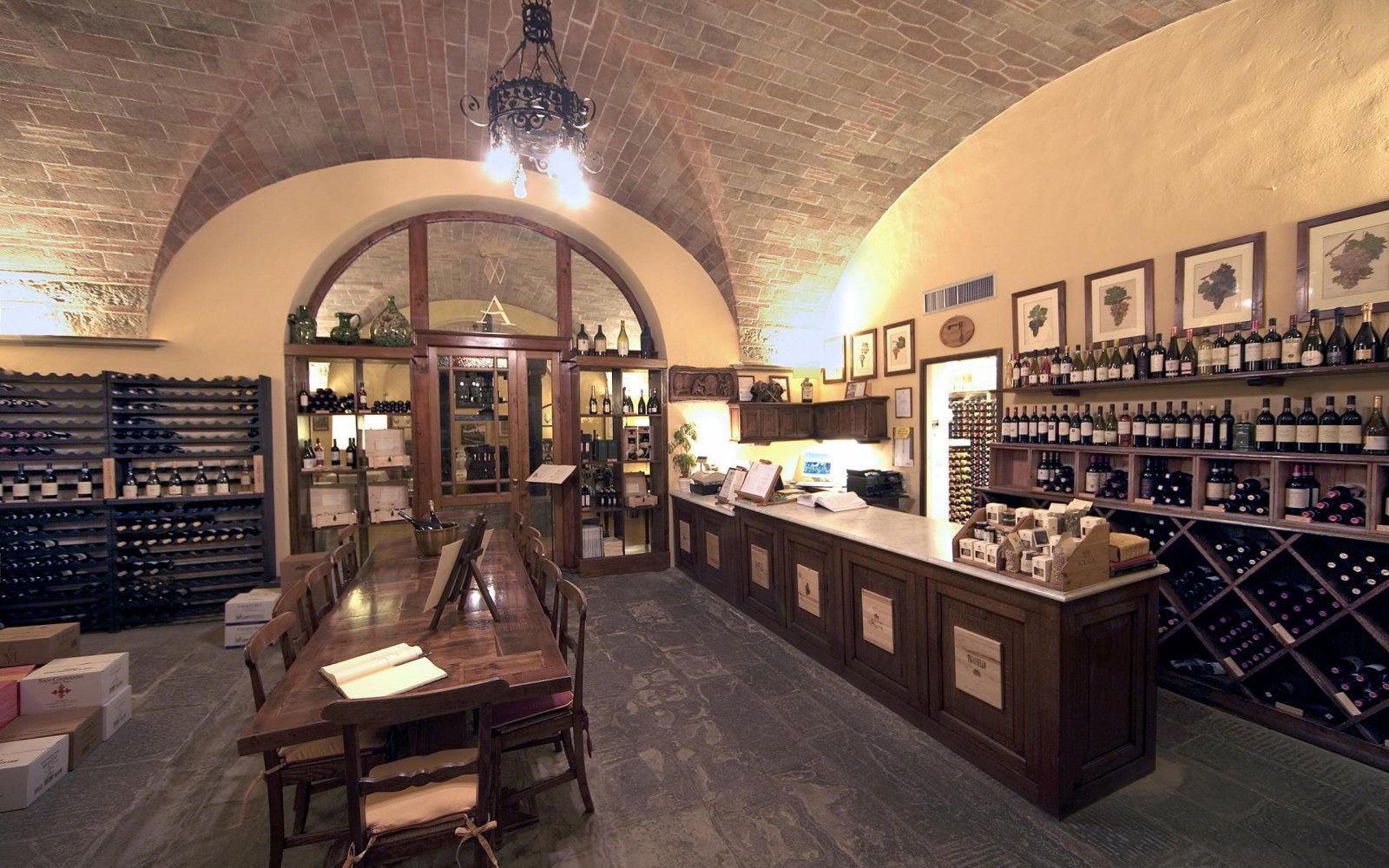
The wine program at Tavola di Guido covers Tuscan, Italian, and international labels, with a cellar inventory that suggests genuine range rather than token selection. What makes the program noteworthy within its category, however, is Amphoreum: a home-produced orange wine made from Trebbiano, characterized by salinity and medium body. Amphora-fermented and skin-contact wines have gained considerable traction across Italy over the past decade, but a restaurant producing its own within a Tuscan Trebbiano context is a more specific proposition. Trebbiano Toscano is not a grape that commands attention in most modern wine conversations, it has historically been planted for volume and blending rather than character, which makes a serious amphora interpretation worth the pour, regardless of one's position on orange wine more broadly.
The wine list is priced at mid-range by cellar standards, indicating a range that spans accessible and premium without the aggressive markups that have become a friction point at destination restaurants in more trafficked wine regions. Castellina sits within the Chianti Classico DOCG zone, so the Tuscan section of the list will naturally anchor in Sangiovese-based reds, but the stated international coverage suggests the sommelier has built beyond the obvious regional default.
Situating Tavola di Guido in Castellina
Castellina in Chianti is a small hilltop town of roughly three thousand residents, positioned on the western edge of the Chianti Classico zone. It has the agricultural density, the medieval street plan, and the concentration of estates that characterize the zone at its most intact. Dining here operates on a different rhythm than Florence or Siena: lunch can extend through mid-afternoon without friction, and the decision about where to eat is often inseparable from where you are staying or which estate you visited that morning.
Tavola di Guido's price tier sits at €€€, placing it in the mid-to-upper band for the region, below the €€€€ range of Italy's decorated destination restaurants but above the casual trattoria tier that fills most small Tuscan towns. For those planning a wider visit, the guides covering hotels in Castellina in Chianti, bars in Castellina in Chianti, wineries in Castellina in Chianti, and experiences in Castellina in Chianti map the full offer of the town and its surrounding zone.
Planning Your Visit
Tavola di Guido is located in Castellina in Chianti at the address on record. Given the seasonal specificity of the menu, with dishes like the nasturtium-topped beetroot risotto tied to short harvest windows, timing a visit around spring or early autumn will yield the widest range of the kitchen's characteristic preparations. The price range of €€€ suggests a full dinner with wine will typically run in the range of €65 and above per person before selecting bottles from the cellar. Booking ahead is advisable given the restaurant's recognition and Castellina's compressed capacity during peak Tuscan travel season, roughly May through October.
Frequently asked questions
What distinctions does Tavola di Guido have?
Tavola di Guido has received recognition including: The menu crafted by Guido, a chef attentive to seasonality and estate products, is a tribute to the land. The extra virgin olive oil comes from Poggibonsi or Castellina, both from the same farm. Among the signature dishes is the beetroot ri….
What dish is Tavola di Guido famous for?
The beetroot risotto with pancetta, crème fraîche, and nasturtium is the most cited signature preparation at Tavola di Guido. It appears on the menu only when nasturtium is in season, which reflects the kitchen's strict adherence to estate and local produce. The Michelin Plate recognition in both 2024 and 2025 aligns with this approach of disciplined, seasonally constrained cooking.
Price and Positioning
| Venue | Cuisine | Price | Awards | Notes |
|---|---|---|---|---|
| Tavola di GuidoThis venue (the venue you are viewing) | Seasonal Tuscan Farm-to-Table | $50–100 | Michelin Plate · Wine Spectator Award of Excellence | Not listed |
| Atelier Moessmer Norbert Niederkofler | Modern Alpine Fine Dining | $300–500 | 3 Michelin Stars · World's 50 Best #20 | Italian, Creative |
| Dal Pescatore | Classic Italian Fine Dining | $200–300 | 3 Michelin Stars · World's 50 Best #38 | Italian, Italian Contemporary |
| Enoteca Pinchiorri | Contemporary Italian Fine Dining | $200–300 | 3 Michelin Stars · World's 50 Best #32 | Italian - French, Italian Contemporary |
| Enrico Bartolini | Modern Italian Fine Dining | $300–500 | 3 Michelin Stars · World's 50 Best #85 | Creative |
| Osteria Francescana | Avant-Garde Italian Contemporary | $300–500 | 3 Michelin Stars · World's 50 Best #1 | Progressive Italian, Creative |
Recognition history
Dated appearances from independent guides and award organizations, with the underlying list record or original source where available.
Michelin Plate
Michelin
Wine Spectator Award of Excellence
Wine Spectator
Full recognition history (4 entries)
Michelin Plate
Michelin
Michelin Plate
Michelin
Continue exploring
More in Castellina in Chianti
Restaurants in Castellina in Chianti
All restaurants in Castellina in Chianti →
Bars in Castellina in Chianti
Browse all →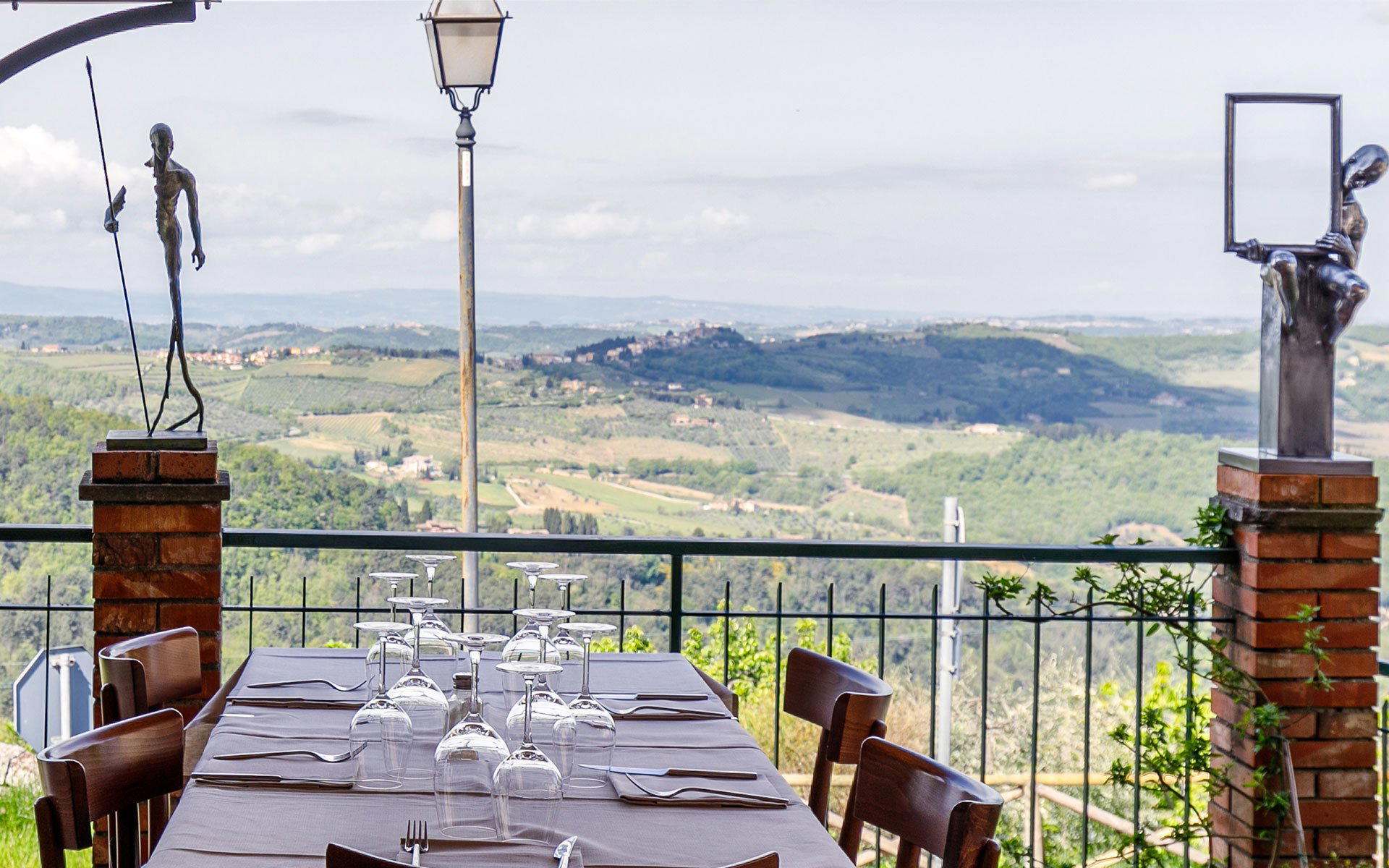
Hotels in Castellina in Chianti
All hotels in Castellina in Chianti →
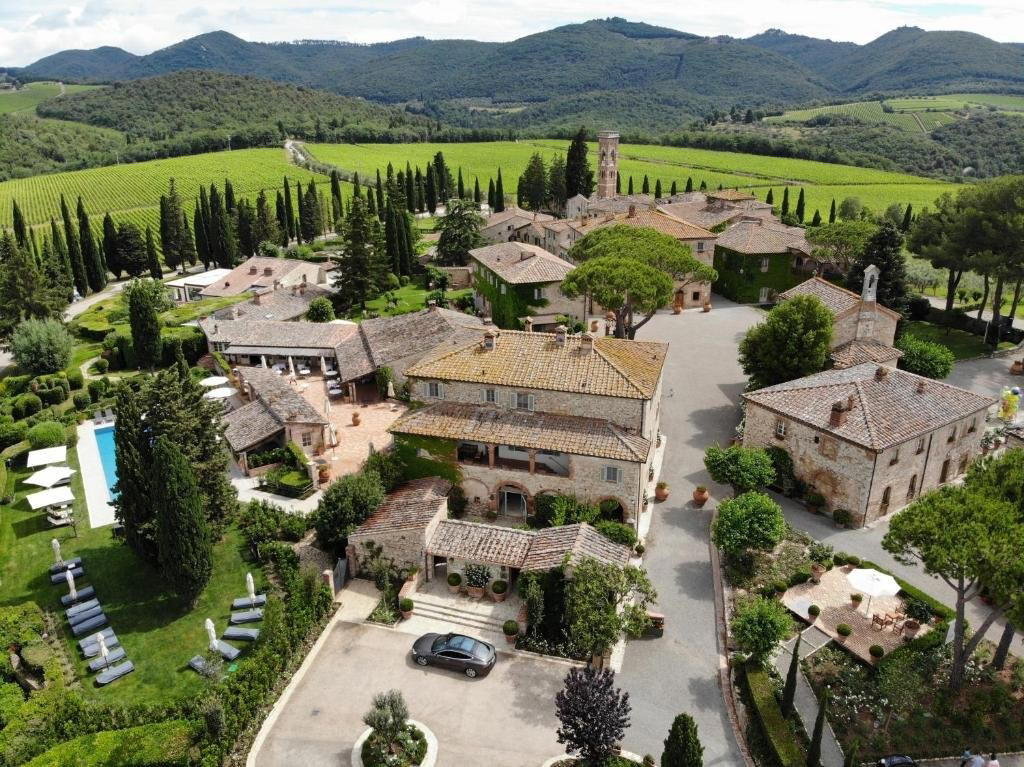
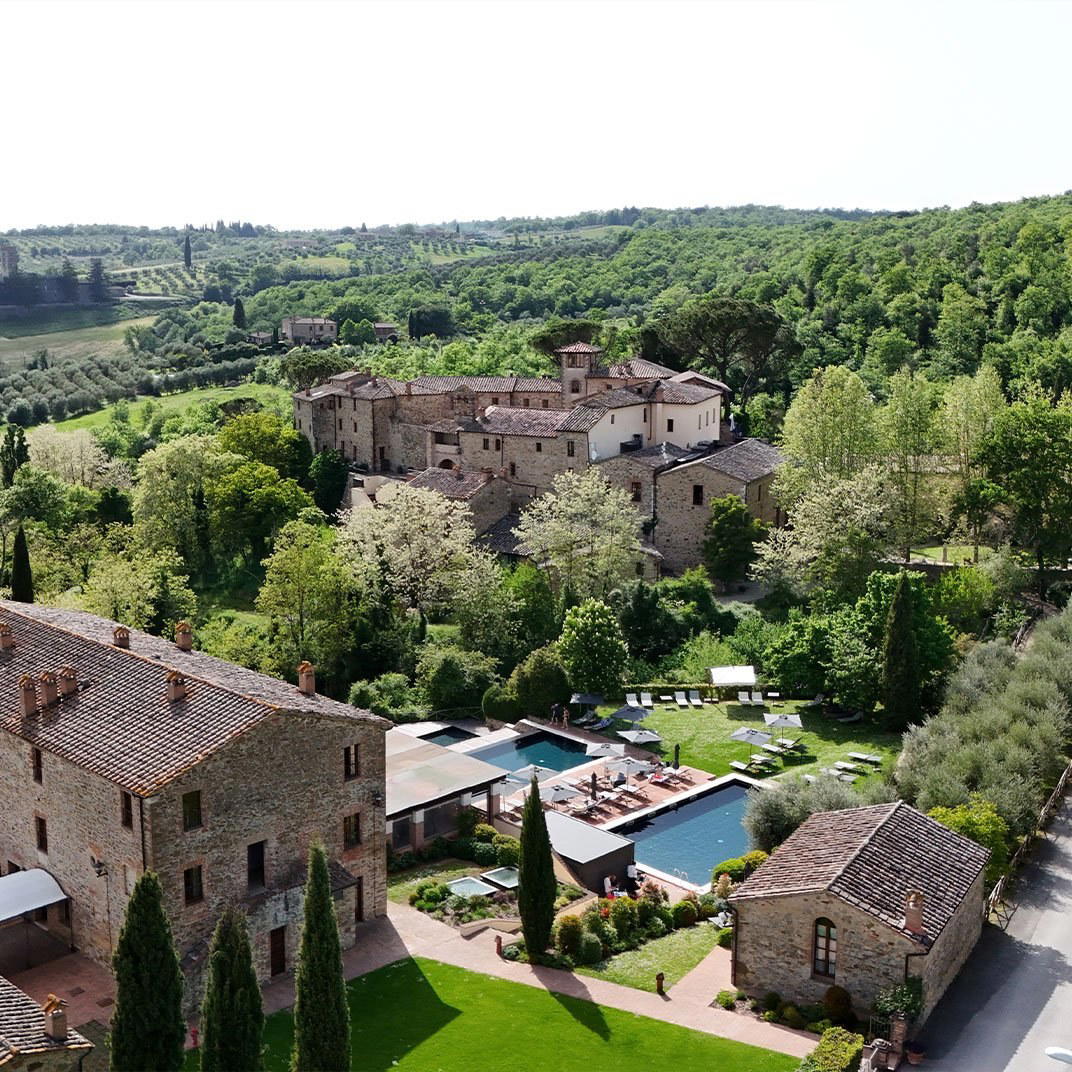
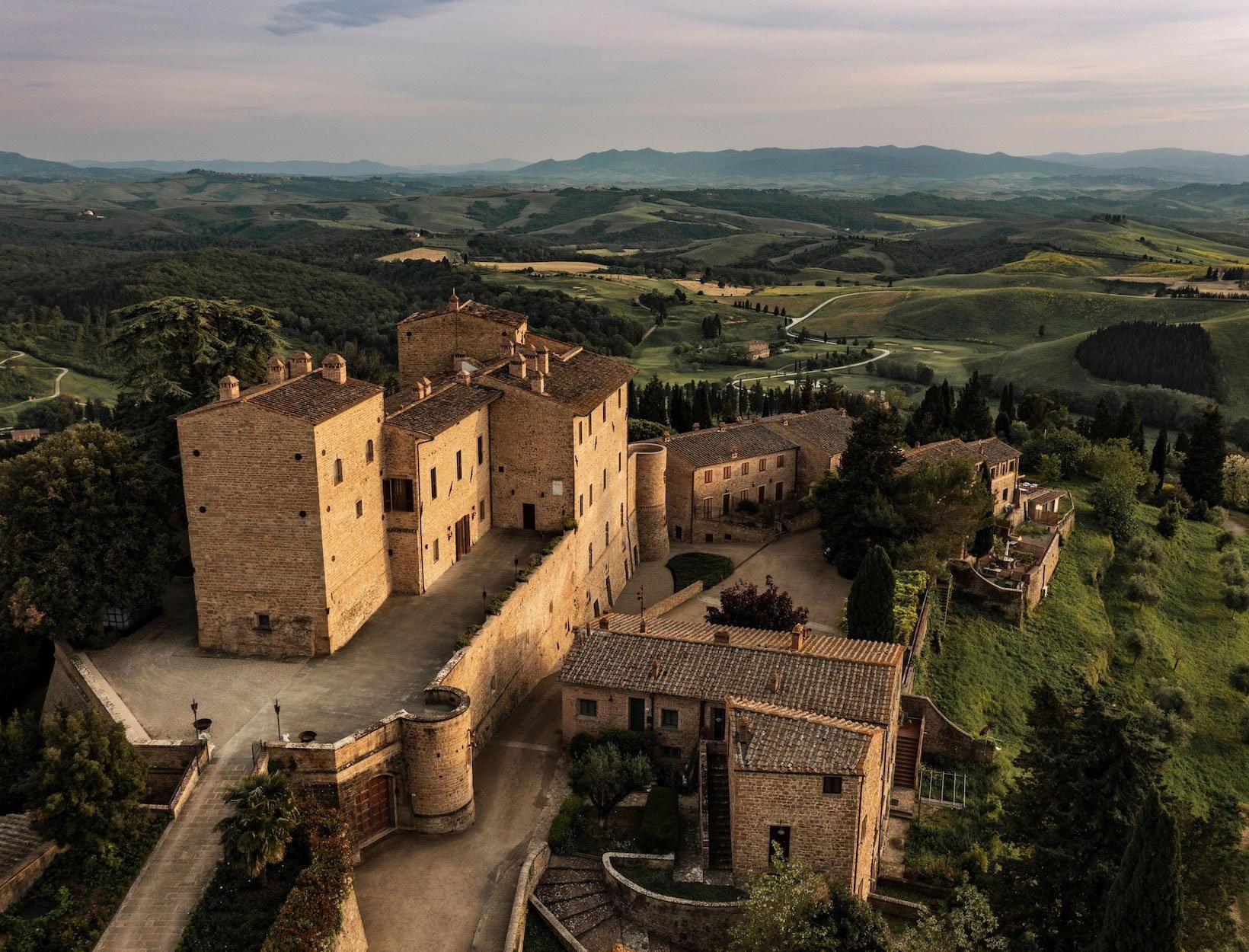
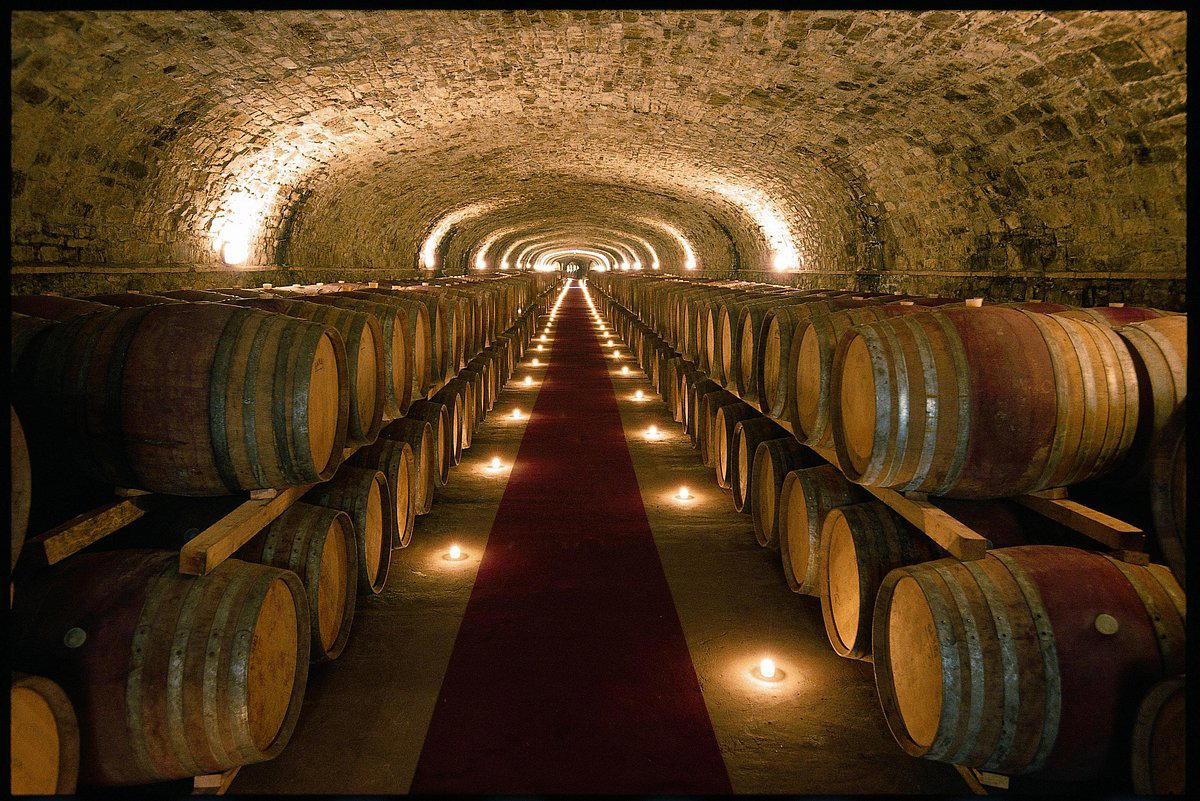
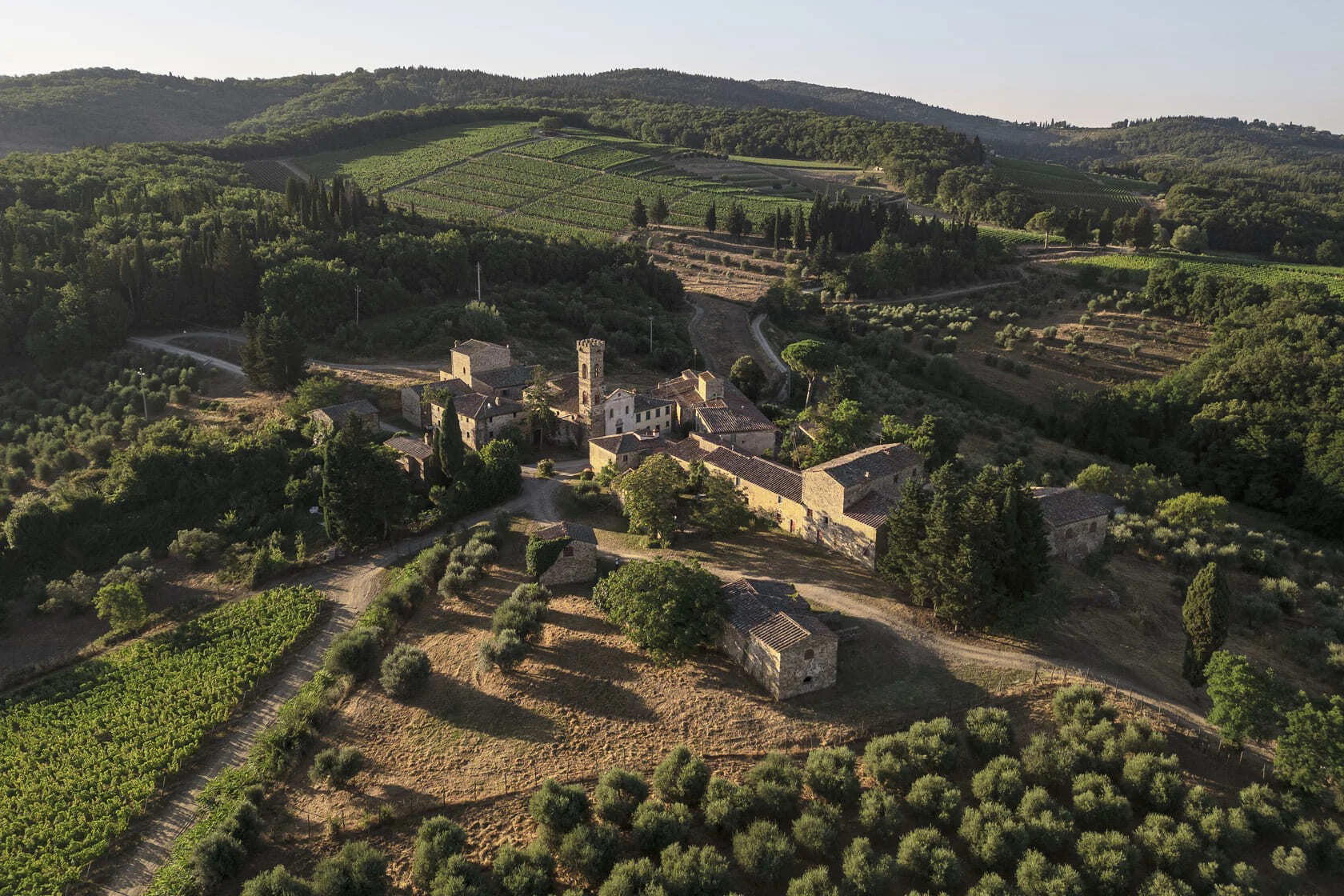
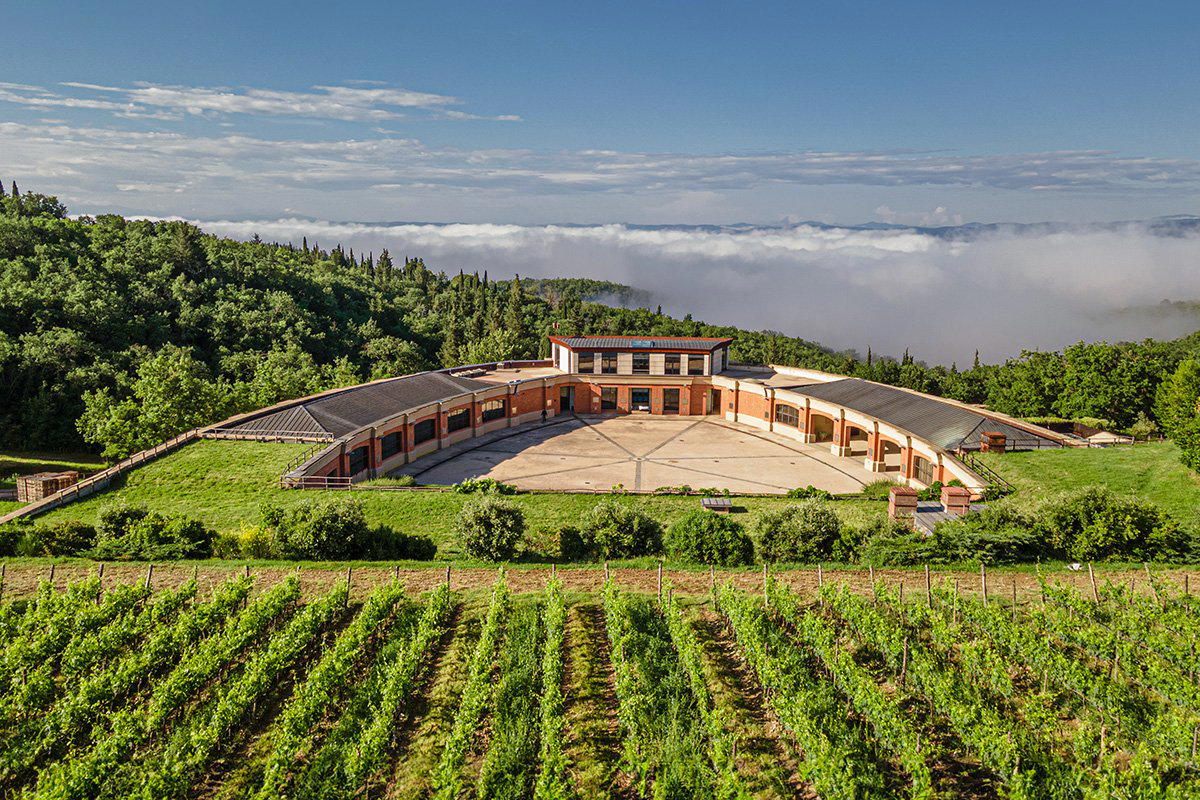
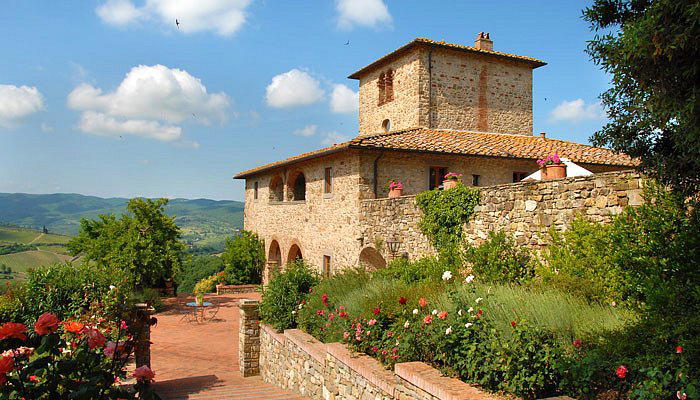
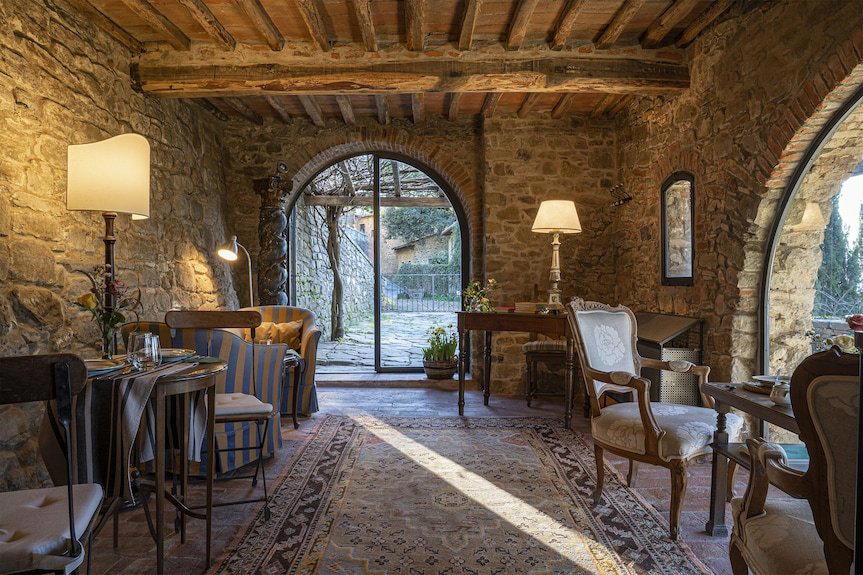
Tavola di Guido
The wine
Tavola di Guido holds the Wine Spectator Award of Excellence, which Wine Spectator gives to lists of usually 90 or more selections.
- Wine program
- Deep wine list
- Wine Spectator
- Wine Spectator Award of Excellence
- Selections
- 100
- Bottles in cellar
- 1,280
- List strengths
- California, Italy, France
- Wine director
- Graig Churchill
- Extensive wine list
- Sommelier-led
Details
- Romantic
- Scenic
- Elegant
- Sophisticated
- Date Night
- Special Occasion
- Celebration
- Terrace
- Garden
- Wine Cellar
- Hotel Restaurant
- Extensive Wine List
- Sommelier Led
- Farm To Table
- Organic
- Local Sourcing
- Biodynamic
- Garden
- Vineyard
- Tasting Menu
- Prix Fixe
- Tuscan Wines
- Italian Wines
- Natural Wine
- Amphoreum Orange Wine
- Vegetarian Friendly
- Vegan Options
- Gluten Free Options
- Allergy Accommodating
- Organic Focus
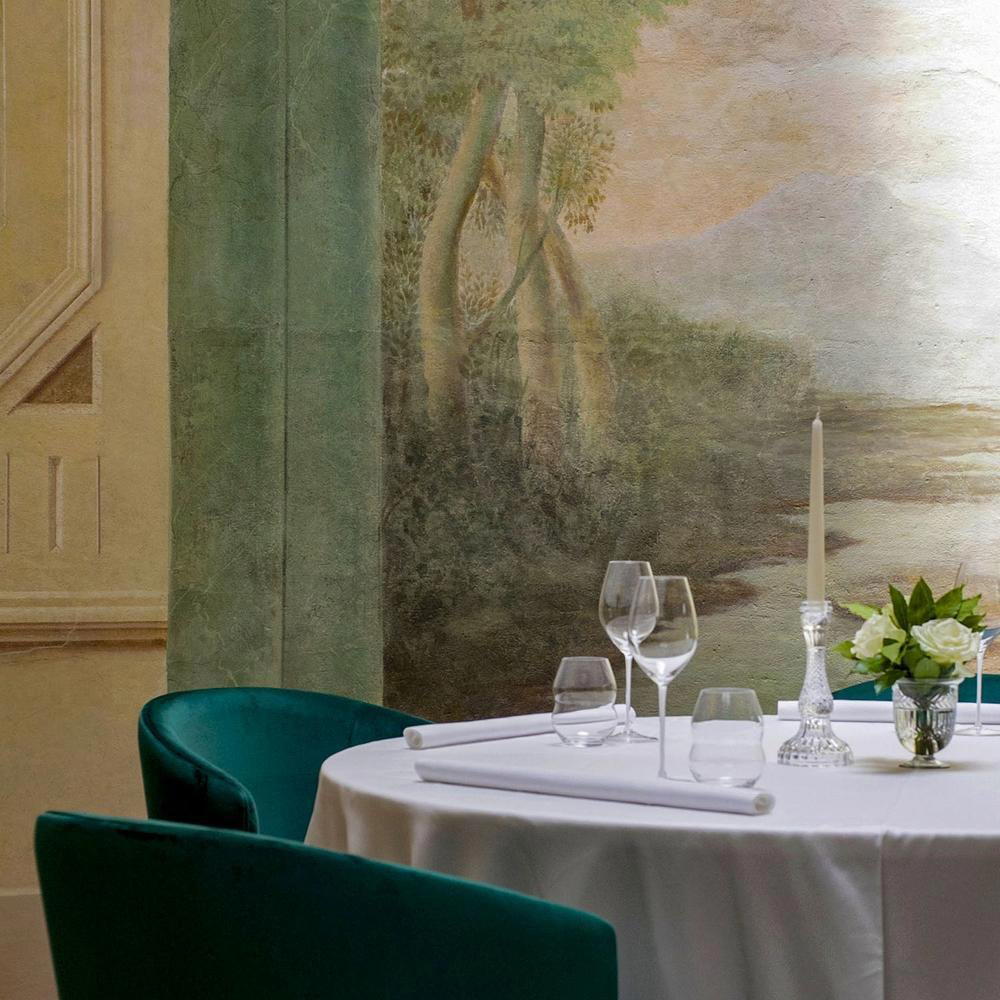
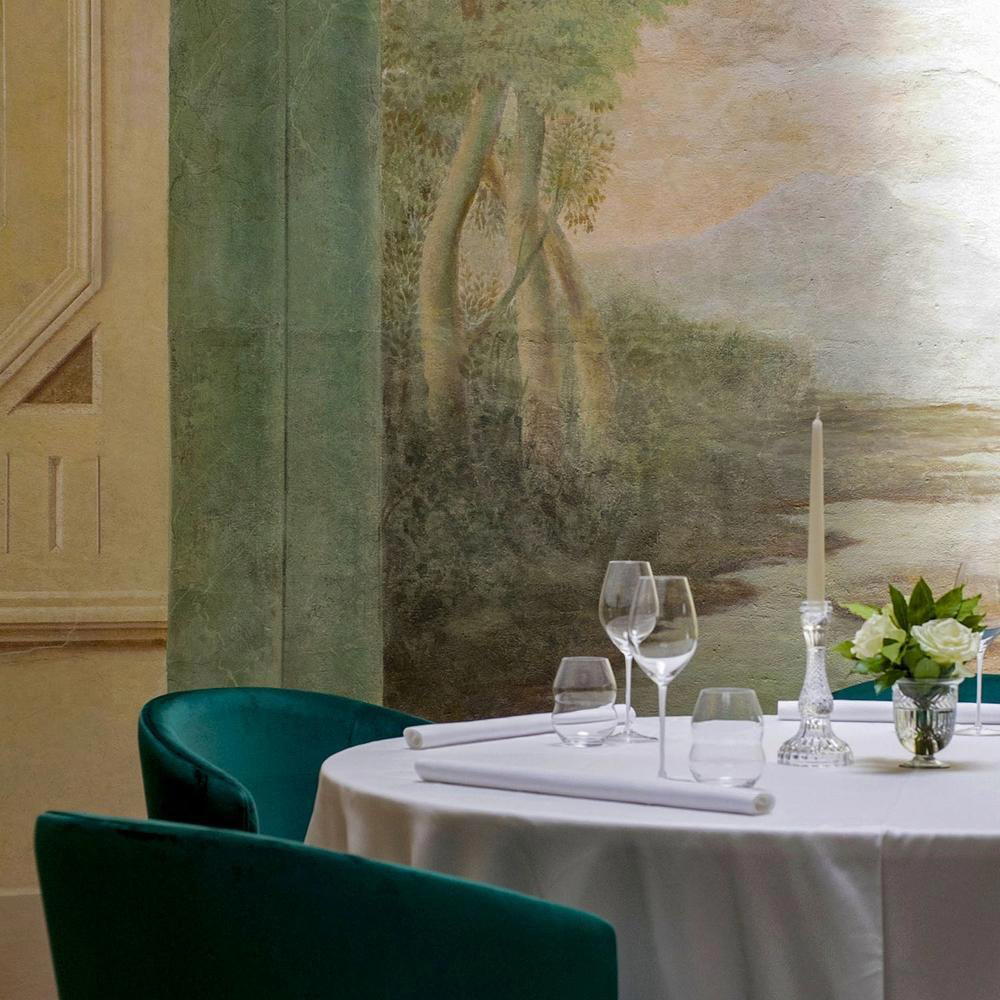
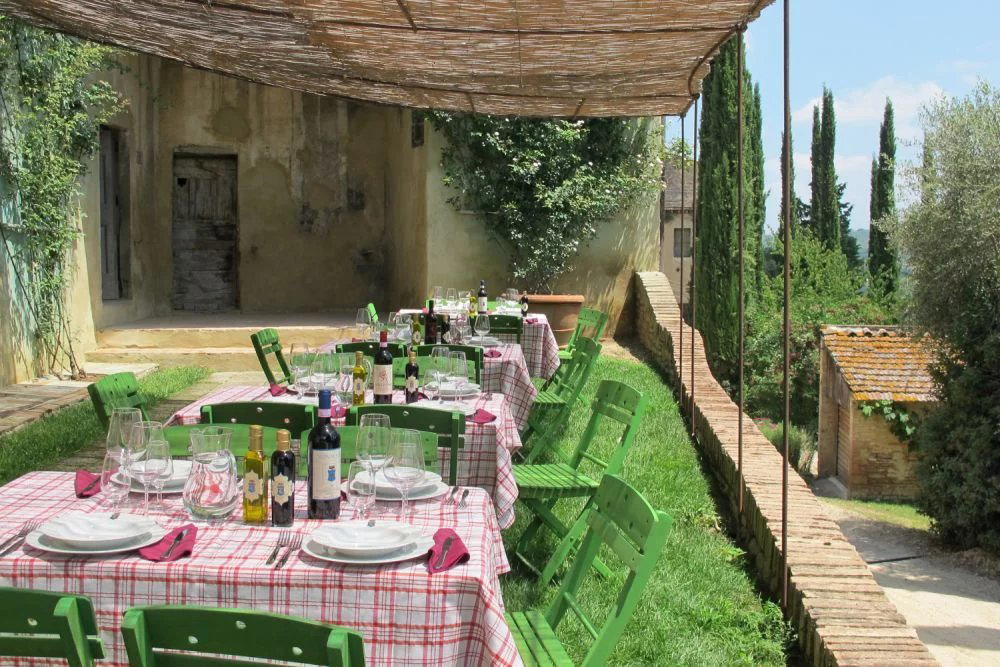
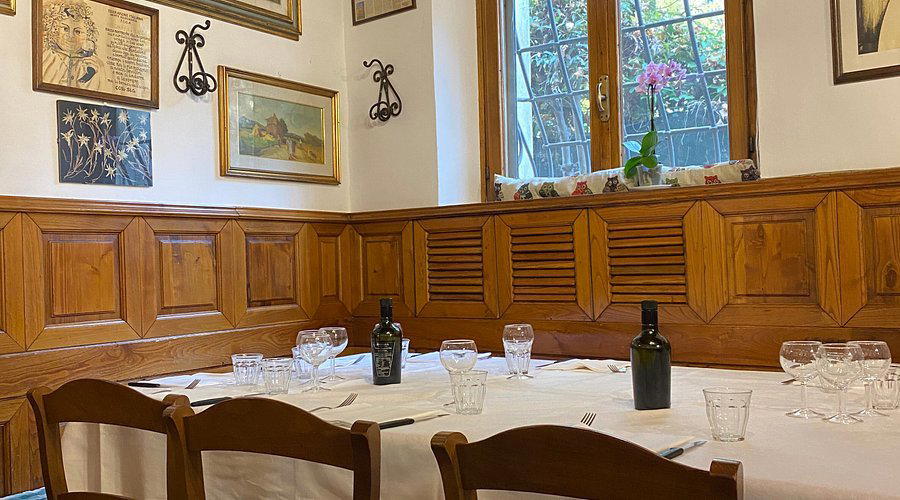
Candlelit garden terrace with countryside views, wood-fired interior for cooler evenings, peaceful and tranquil setting with romantic ambiance enhanced by stars and candles.