Osteria di Passignano


Set within the Antinori estate beside the medieval Badia di Passignano abbey, this Michelin-starred osteria sits in a small category of Italian country restaurants where serious wine credentials and kitchen-garden cooking converge. Chef Marcello Crini works a seasonal menu shaped by the abbey's own kitchen garden, served alongside a wine list drawn directly from one of Tuscany's most consequential producers.
Pearl is the En Primeur Club membership app — saves, bookings, and concierge access live there. Same editors, same standards.
- Address
- Via Passignano, 33, 50028 Badia A Passignano FI, Italy
- Phone
- +39 055 807 1278
- Website
- osteriadipassignano.com
- Directions
- Get directions
 Saves & bookings on Pearl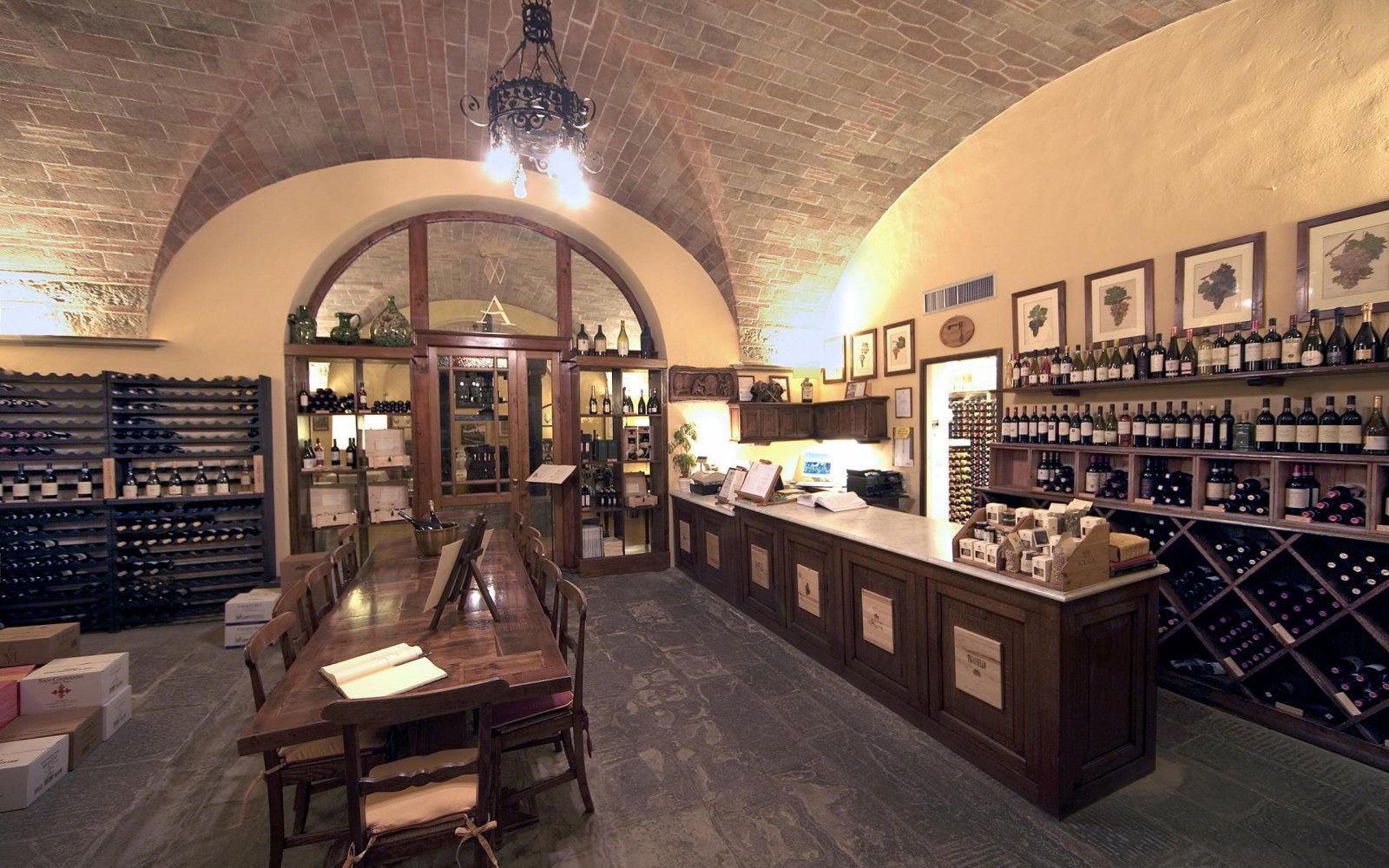
Abbey Walls and Antinori Cellars: Where Chianti Country Dining Takes Its Most Structured Form
The Chianti Classico zone between Florence and Siena has produced a specific genre of estate dining over the past few decades: the producer restaurant, where the wine is not merely on the list but is the founding logic of the entire operation. Some of these fall into the category of agreeable but incidental, a terrace, a simple menu, a gift-shop dynamic. A smaller number treat the kitchen as seriously as the cellar. Osteria di Passignano belongs firmly to the latter group, and its Michelin star confirms what its position inside the Antinori estate already suggests: this is a room operating at a different level of ambition from most producer-adjacent dining in the region.
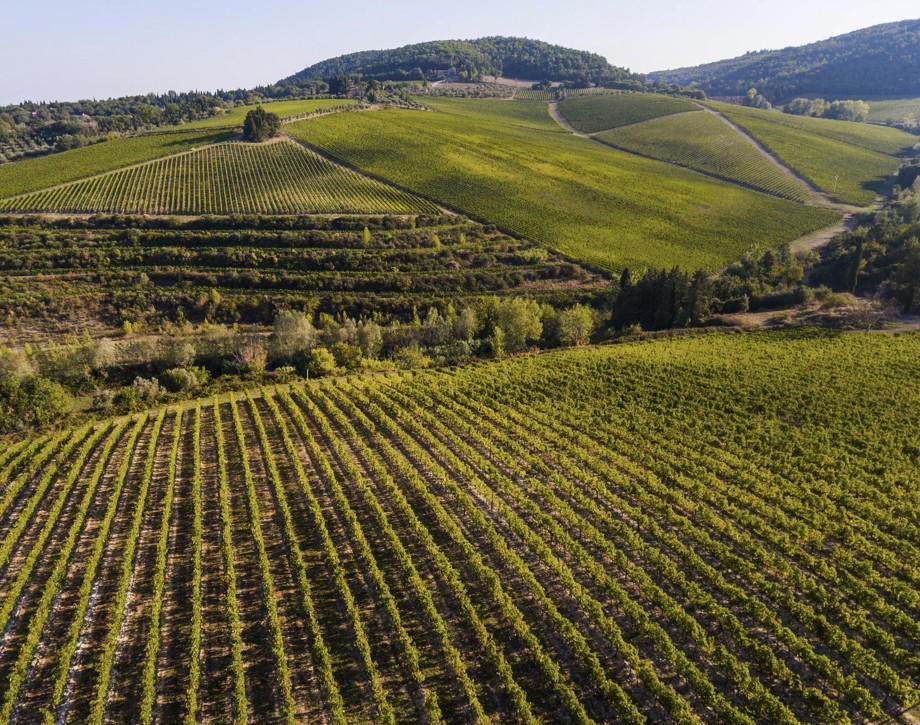
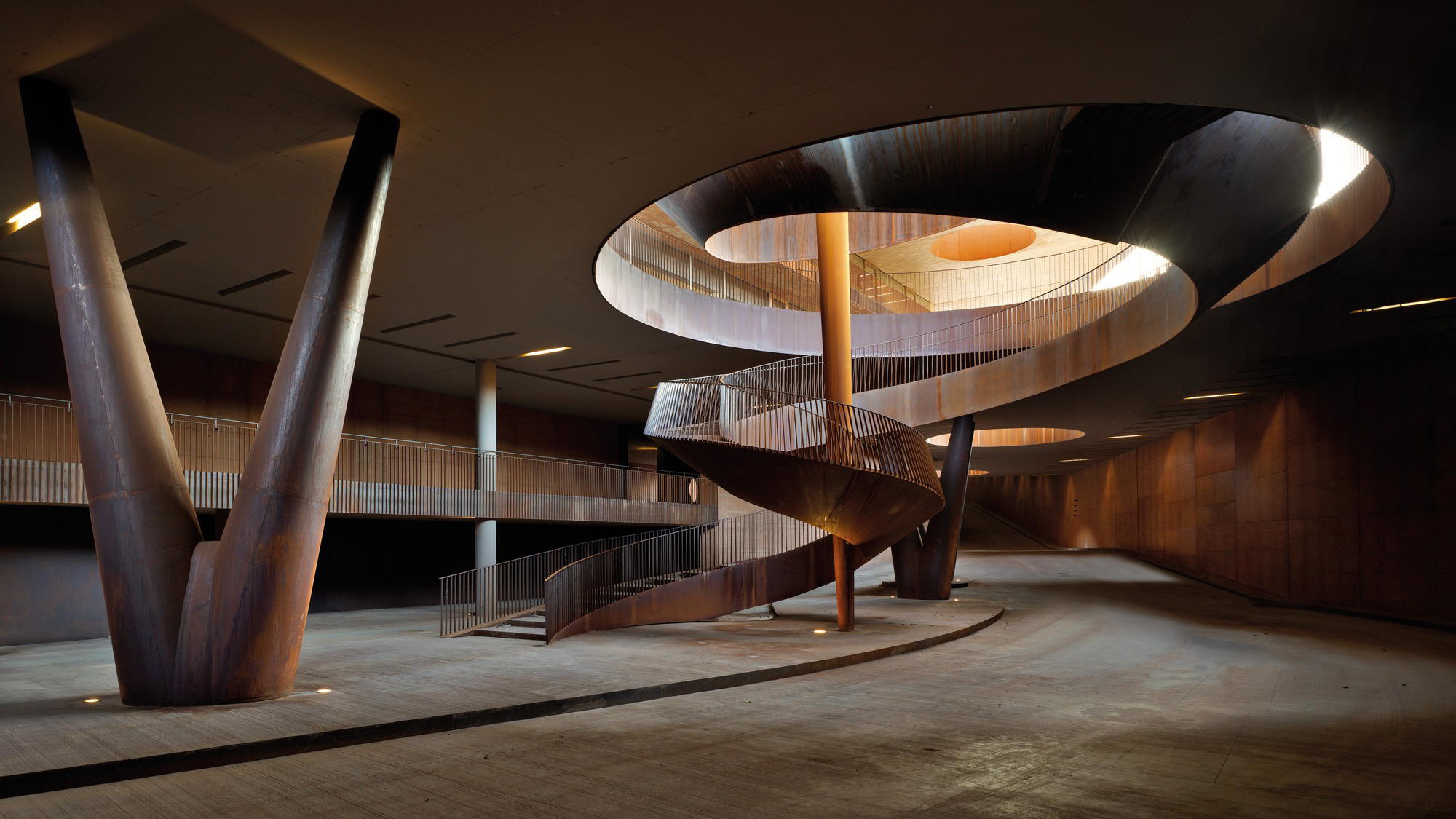
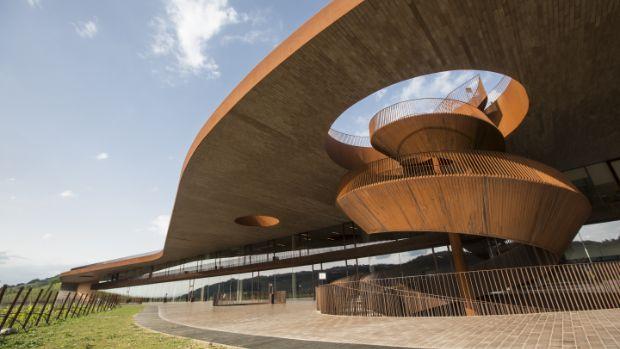
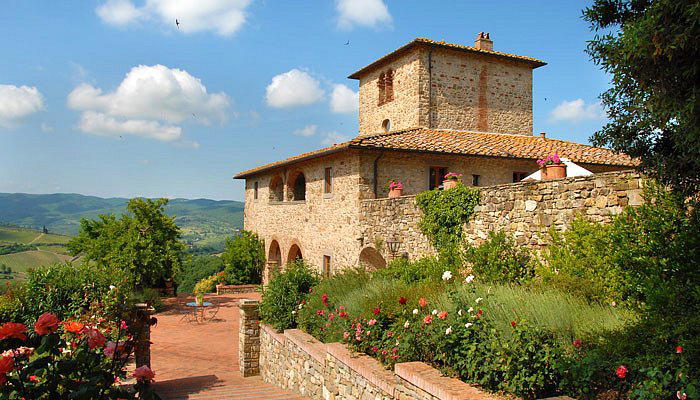
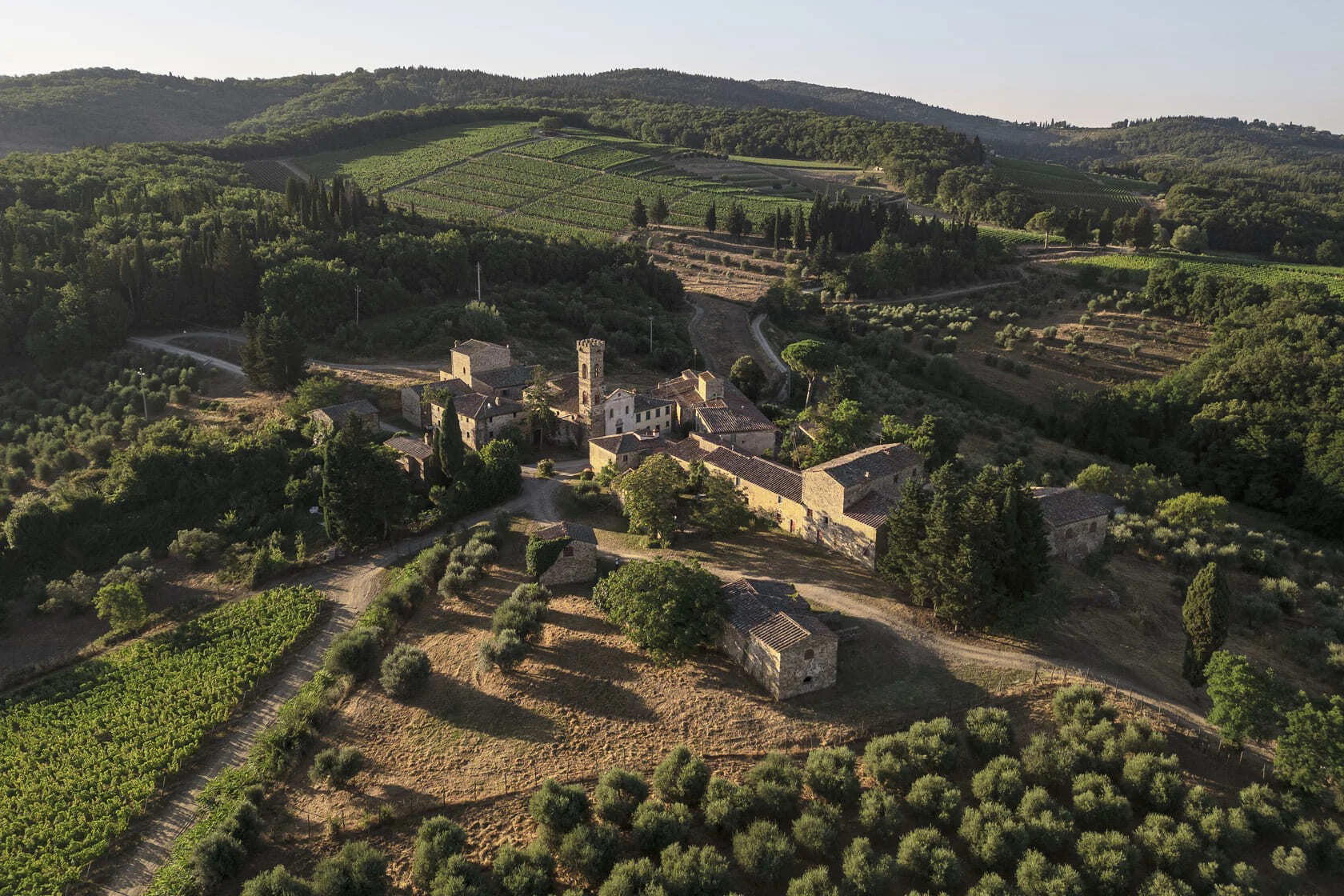
The building sits directly beside the Badia di Passignano, an 11th-century Vallombrosan abbey whose wine cellars are used today to age some of Antinori's most significant Chianti Classico. Arriving along the cypress-lined approach, the physical proximity of the restaurant to the abbey is immediate, the stone walls and cloistered silence of the complex set the register before a single dish arrives. That environment is not decorative. It is structural to what happens in the dining room, where the abbey's kitchen garden supplies the kitchen with herbs and vegetables, and the wine list draws directly from the estate's production. Opinionated About Dining ranked the restaurant at #304 in its Classical in Europe list for 2025, up from #307 the previous year, a consistent presence in a ranking that rewards sustained kitchen quality over novelty.
The Tuscan Table as Argument: Seasonal, Territorial, Wine-Forward
Tuscan cuisine has a particular argumentative stance: it insists on the local, the seasonal, and the simply prepared, and resists the kind of technique-for-technique's-sake approach that characterises much of the creative Italian cooking emerging from cities further north. At its most reduced, that philosophy produces rusticity as an alibi for plainness. At Osteria di Passignano, the kitchen under Chef Marcello Crini works that tradition with more precision, producing a menu that is modern in its design and construction but grounded in the Chianti countryside in its sourcing. The abbey's kitchen garden is not a marketing detail here, it functions as a direct supply line that shapes what appears on the plate by season rather than by trend.
This places the restaurant in an interesting position relative to Italian fine dining more broadly. The country's highly ranked rooms, from Osteria Francescana in Modena to Enoteca Pinchiorri in Florence, are largely built on creative or progressive frameworks that extend well beyond regional tradition. The estate-based, garden-sourced Tuscan model is a narrower niche, closer in spirit to the country cooking category represented elsewhere by Antica Corte Pallavicina in Polesine Parmense or La Trota in Rivodutri, where the logic of the kitchen is rooted in a specific geography rather than in a chef's personal experimental program.
Within Italy's starred country-cooking tier, that positioning is coherent and distinctive. The seasonal focus means the menu shifts across the year, and the €€€€ pricing bracket, shared by major urban rooms such as Enrico Bartolini in Milan, Le Calandre in Rubano, and Piazza Duomo in Alba, reflects the weight of what the estate brings to the experience: the setting, the garden sourcing, the wine list, and the Antinori provenance.
The Wine List as the Room's Primary Argument
No serious assessment of this restaurant can treat the wine list as a secondary consideration. The cellars of the Badia di Passignano are among the more historically resonant in Chianti Classico, and the Antinori family's position in Tuscan wine is not a recent development, it spans over six centuries of continuous production. The restaurant's list draws on that depth directly, with Tuscan wines forming its strongest section and the estate's own labels, including the Badia a Passignano Chianti Classico Gran Selezione, available in a context that few other dining rooms can replicate.
This is the defining asymmetry of the experience at Passignano: the wine is not paired with the food in the conventional sense, where the kitchen leads and the sommelier responds. The relationship runs both ways. Crini's menu is, by the restaurant's own framing, designed to work with what the cellar produces, and that shapes the character of the dishes in ways that distinguish this kitchen from its peers. Among Italian country-cooking addresses that hold Michelin recognition, few can point to a wine list of this provenance sitting directly beneath the dining room. The comparison is closer to visiting a Burgundy domaine with a serious kitchen than to the conventional Italian trattoria-refined model.
Planning a Visit: Logistics, Format, and Timing
Osteria di Passignano operates a tight service schedule: lunch runs from 12:15 to 14:15 and dinner from 19:30 to 21:30, Tuesday through Saturday, with Sunday service closed. The structure favours the visitor who has time in the valley rather than those passing through on a day trip from Florence; the abbey setting and the seriousness of the wine list both reward a slower pace. The Chianti Classico zone sits roughly between Florence and Siena, making Passignano accessible by car as a deliberate destination rather than an urban drop-in, part of a broader itinerary that might include estate visits, the medieval villages of the Chianti hills, and accommodation in the valley.
At €€€€ pricing, the restaurant sits at the summit end of Tuscan estate dining. It earns that position through the combination of Michelin recognition, the OAD Classical ranking, and the singularity of the Antinori wine access, not through scale or spectacle. Booking in advance is advisable, particularly for dinner and for weekend lunch, when the abbey setting draws visitors from across the region. The address is Via Passignano, 33, 50028 Badia A Passignano FI, Italy.
For those building a wider Italian itinerary around serious estate-based or regional fine dining, comparable addresses worth considering include Dal Pescatore in Runate, Reale in Castel di Sangro, Quattro Passi in Marina del Cantone, Uliassi in Senigallia, Atelier Moessmer Norbert Niederkofler in Brunico, and Casa Perbellini 12 Apostoli in Verona, each a regional anchor in its own right, and each operating in the same upper-tier price bracket.
How It Stacks Up
Comparable venues nearby, for context on price, style, and recognition.
| Venue | Cuisine | Price | Awards | Notes |
|---|---|---|---|---|
| Osteria di PassignanoThis venue — the venue you are viewing | Modern Tuscan | $$$$ | Michelin 1 Star | Not listed |
| Atman | Modern Italian Fine Dining | $$$$ | Michelin 1 Star | Vinci |
| Aqua Crua | Creative Contemporary Italian | $$$$ | Michelin 1 Star | Barbarano Vicentino |
| Casa Bertini | Modern Italian Fine Dining | $$$$ | Michelin 1 Star | Recanati |
| Ristorante del Lago | Refined Italian Lake Fish | $$$ | Michelin 1 Star | +Bagno di Romagna |
| Agli Amici Dopolavoro | Modern Italian Fine Dining | $$$$ | Michelin 1 Star | Isola delle Rose |
Recognition history
Dated appearances from independent guides and award organizations, with the underlying list record or original source where available.
Michelin 1 Star
Michelin
Michelin 1 Star
Michelin
Opinionated About Dining Classical in Europe Ranked #304
Opinionated About Dining
Michelin 1 Star
Michelin
Opinionated About Dining Classical in Europe Ranked #307
Opinionated About Dining
Opinionated About Dining Classical in Europe Recommended
Opinionated About Dining
Continue exploring
More in Passignano
Restaurants in Passignano
Browse all →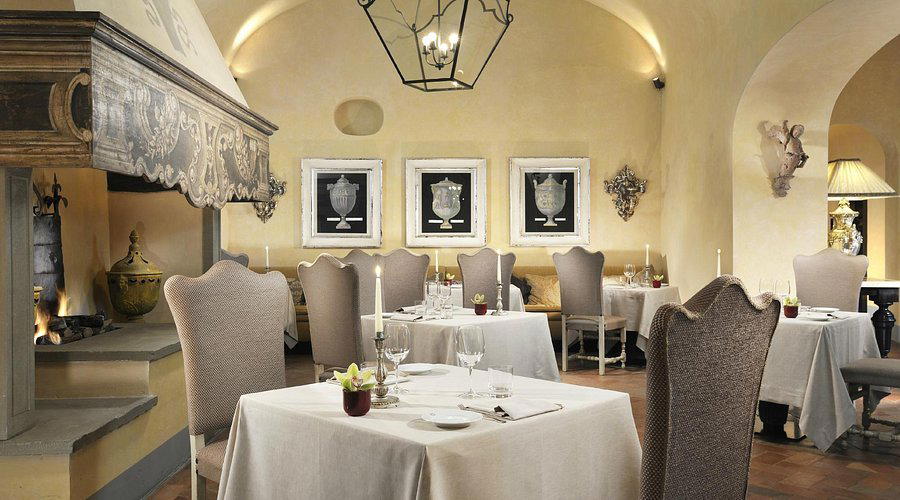
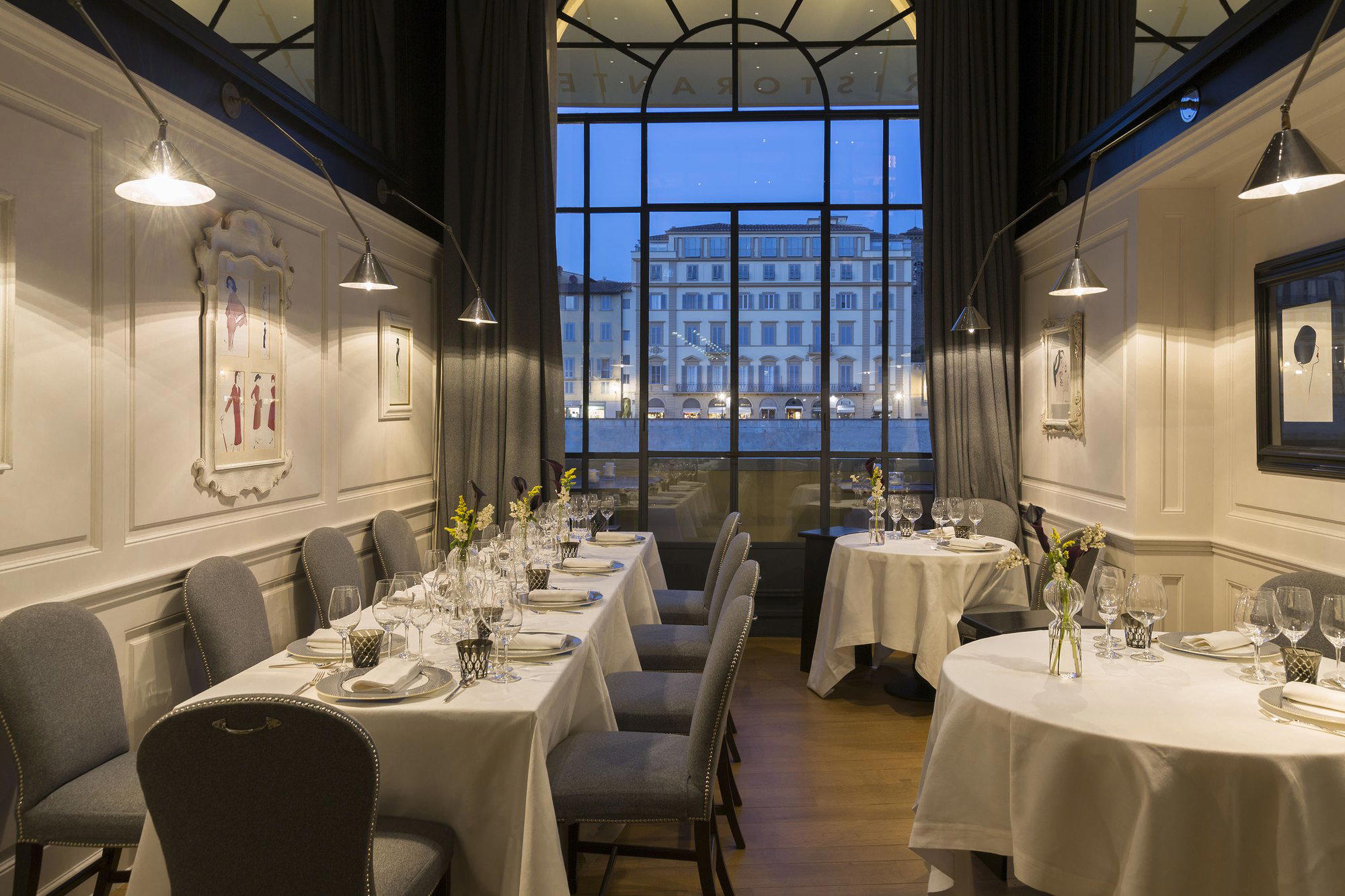
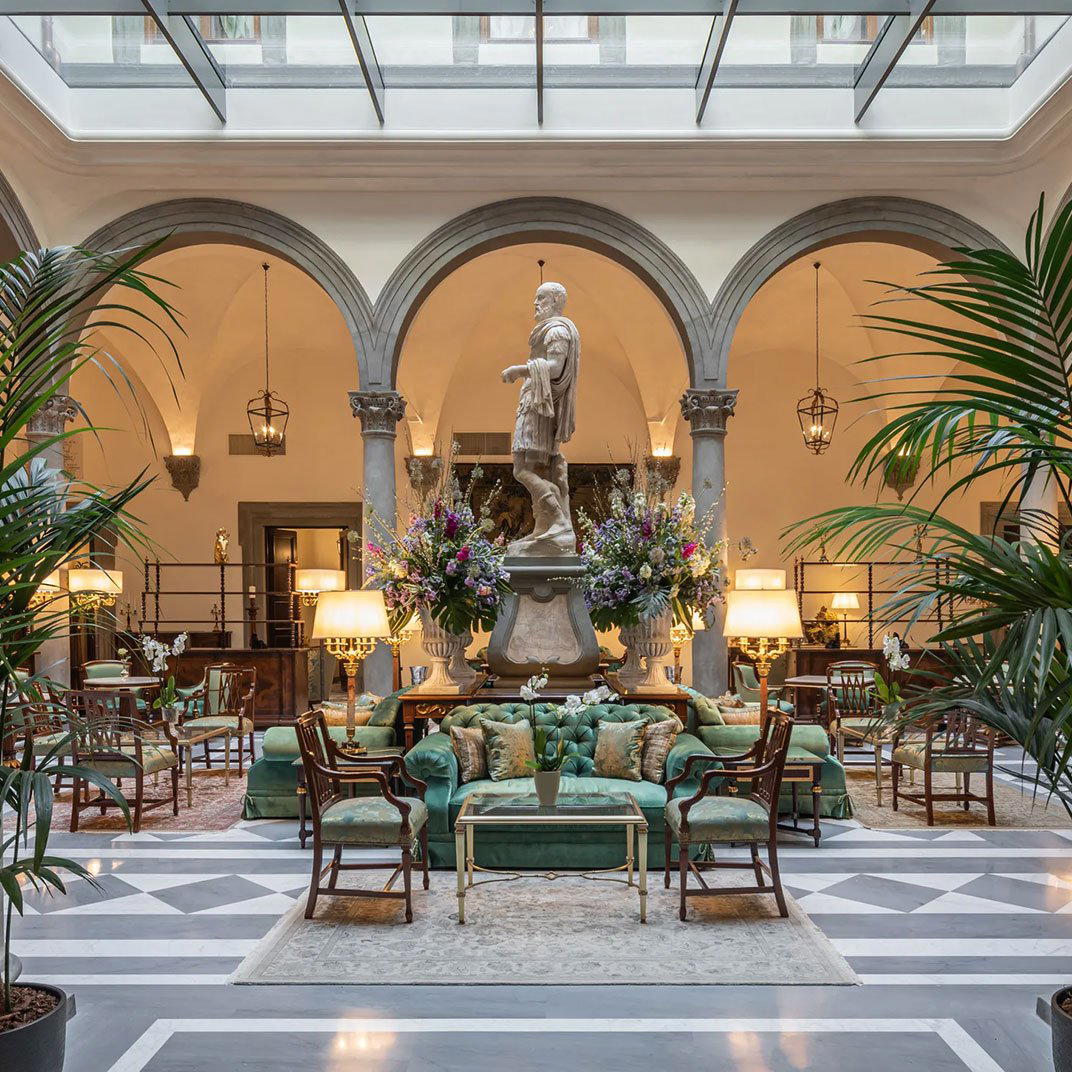
Bars in Passignano
Browse all →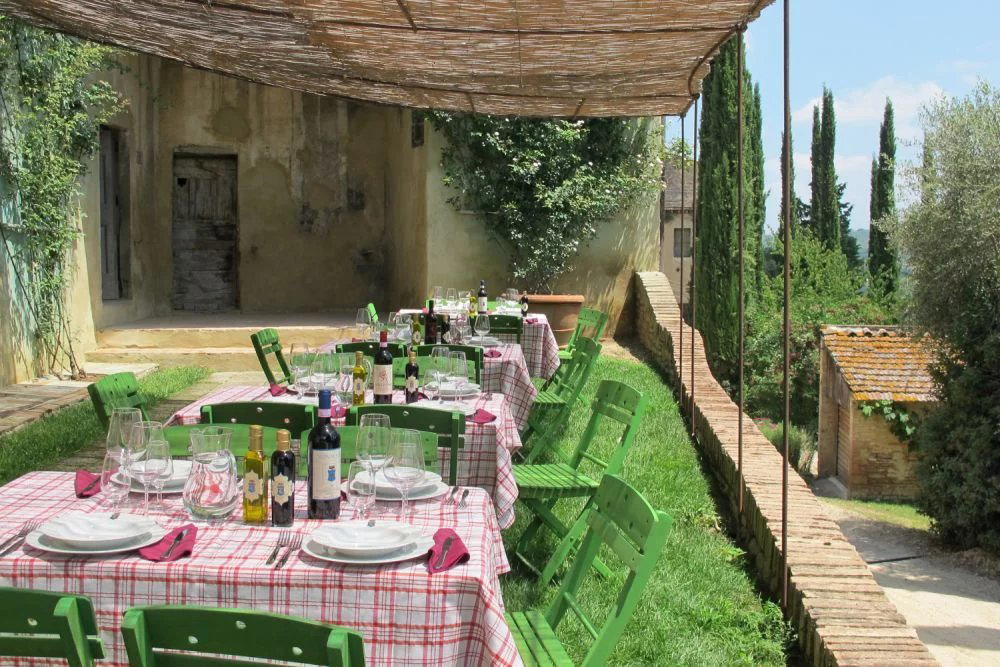
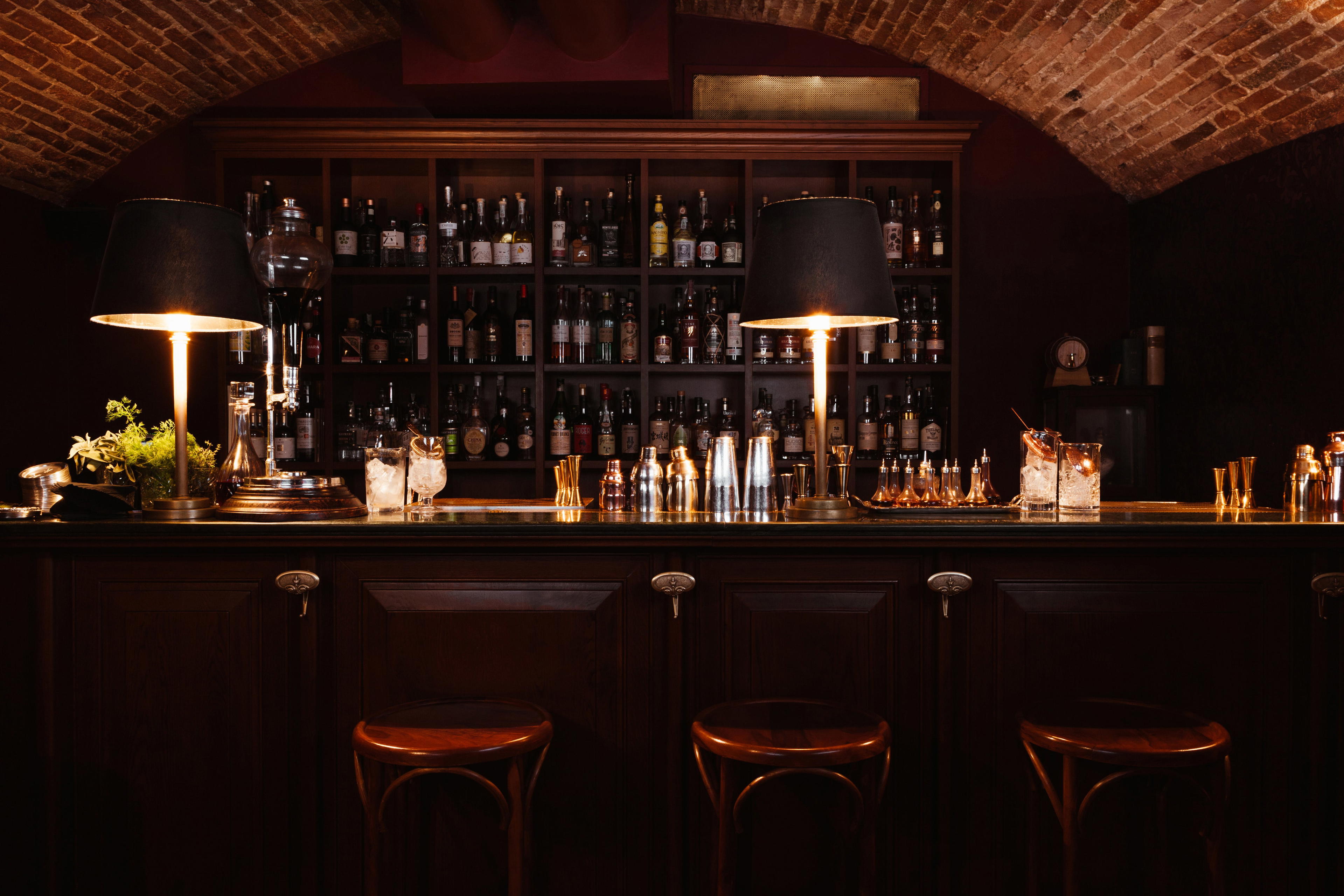
Hotels in Passignano
Browse all →
At a Glance
- Elegant
- Rustic
- Romantic
- Scenic
- Sophisticated
- Date Night
- Special Occasion
- Celebration
- Historic Building
- Wine Cellar
- Garden
- Extensive Wine List
- Sommelier Led
- Farm To Table
- Biodynamic
- Vineyard
- Garden
Current opening hours
- Monday
- Closed
- Tuesday
- 12:15–2:15 PM, 7:30–9:15 PM
- Wednesday
- 12:15–2:15 PM, 7:30–9:15 PM
- Thursday
- 12:15–2:15 PM, 7:30–9:15 PM
- Friday
- 12:15–2:15 PM, 7:30–9:15 PM
- Saturday
- 12:15–2:15 PM, 7:30–9:15 PM
- Sunday
- 12:15–2:15 PM
Hours can change for holidays and private events. Last verified .
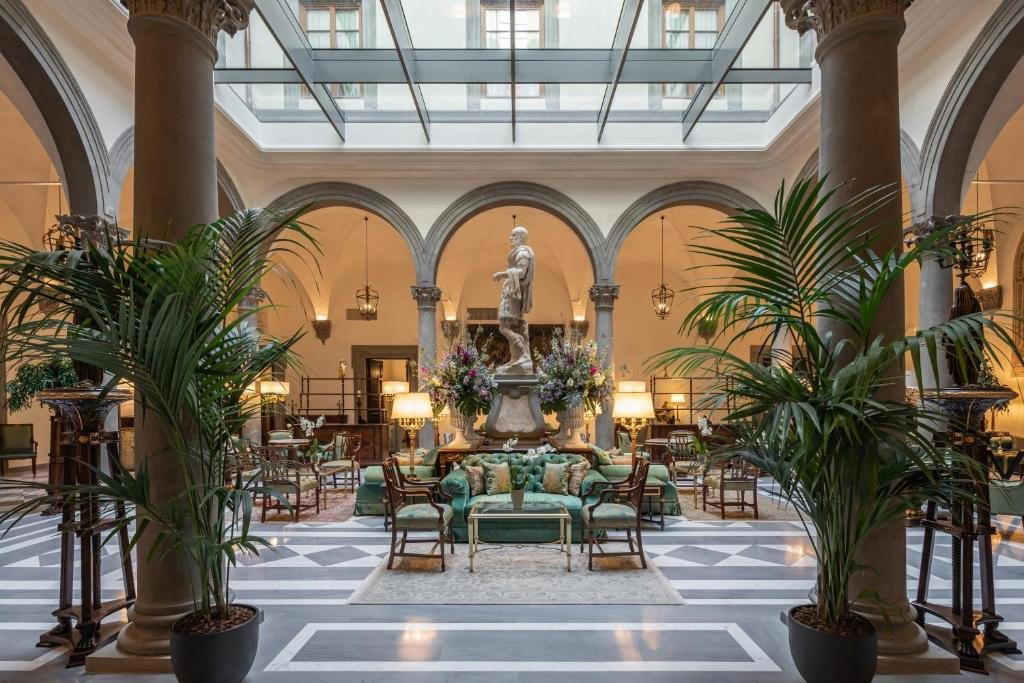
Tranquil and elegant atmosphere in beautiful historic interiors with vaulted ceilings, inviting garden in summer, and a refined, romantic setting.