Caino




2 Michelin Stars · La Liste Top Restaurants · Falstaff Restaurant - 95 Falstaff Points
Our verdict
A two-Michelin-star address in the medieval village of Montemerano, Caino has anchored Maremma's fine dining reputation for decades under chef Valeria Piccini. The kitchen draws directly from the surrounding territory, producing olive oil and some wines on-site, while the cellar, managed by son Andrea Piccini, covers the region and beyond. La Liste scored it 90 points in both 2025 and 2026.

Pearl is the En Primeur Club membership app, where members save venues, book tables and use the concierge.
The menu
What to order
- Pigeon
- Cacio cheese ravioli
- Beef heart ravioli
A Medieval Village, a Single Table Worth Travelling For
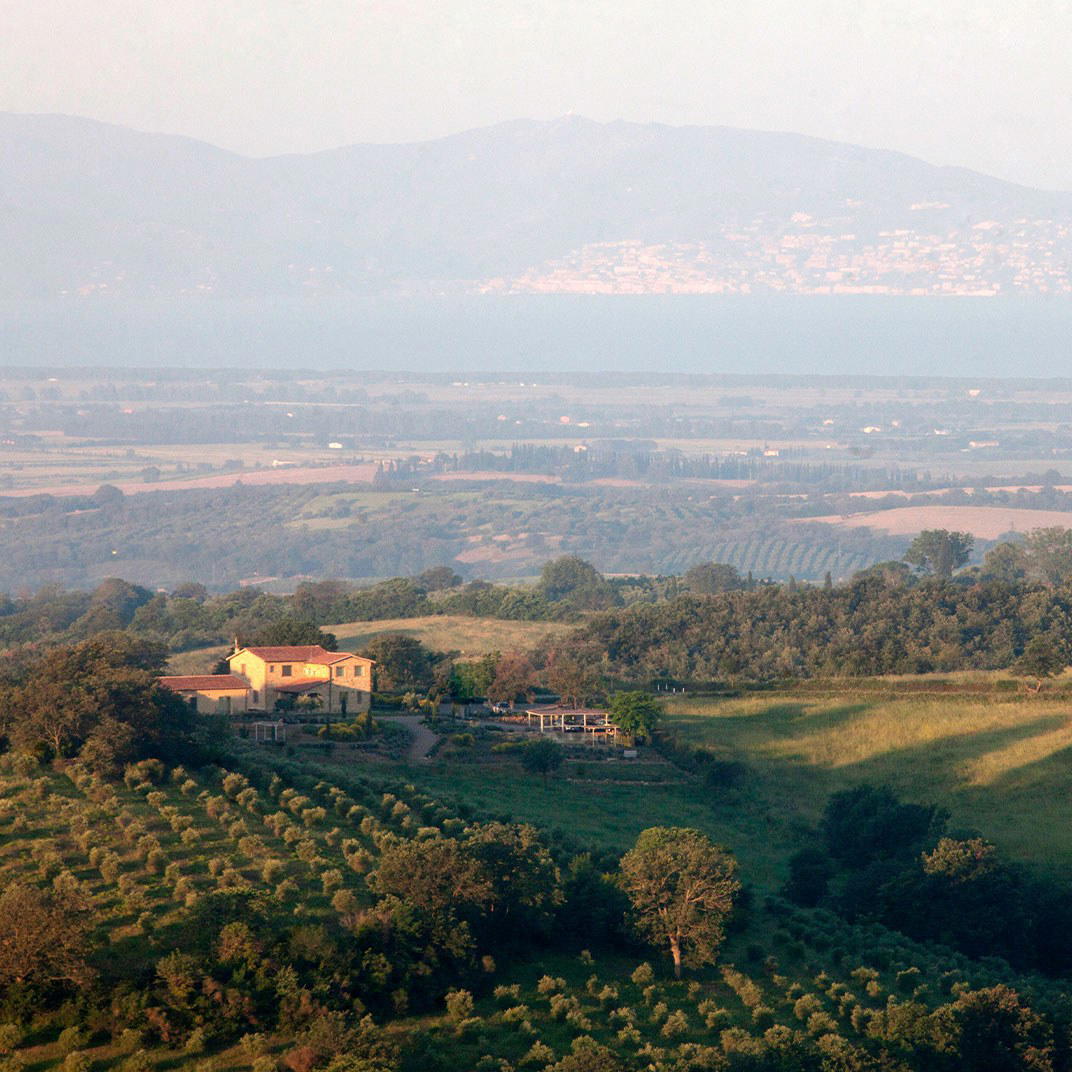
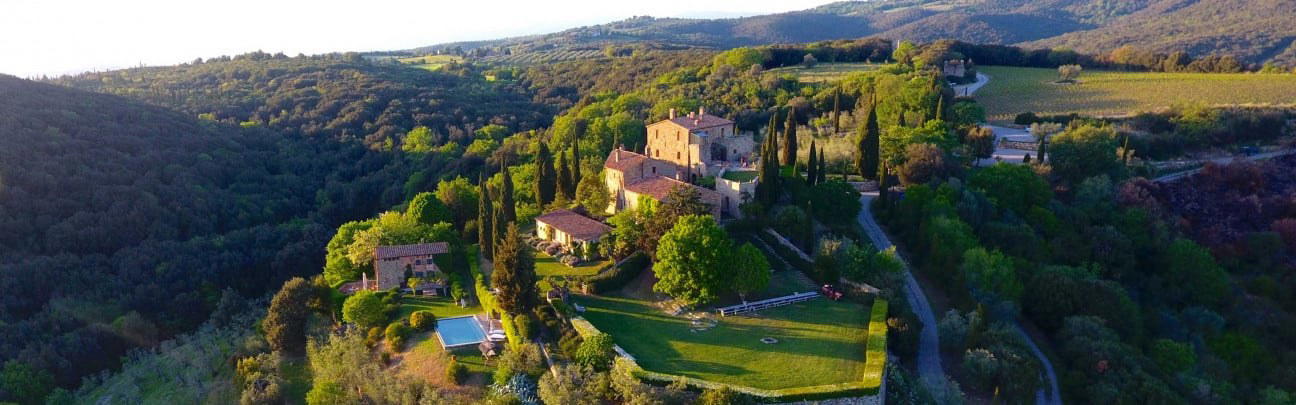
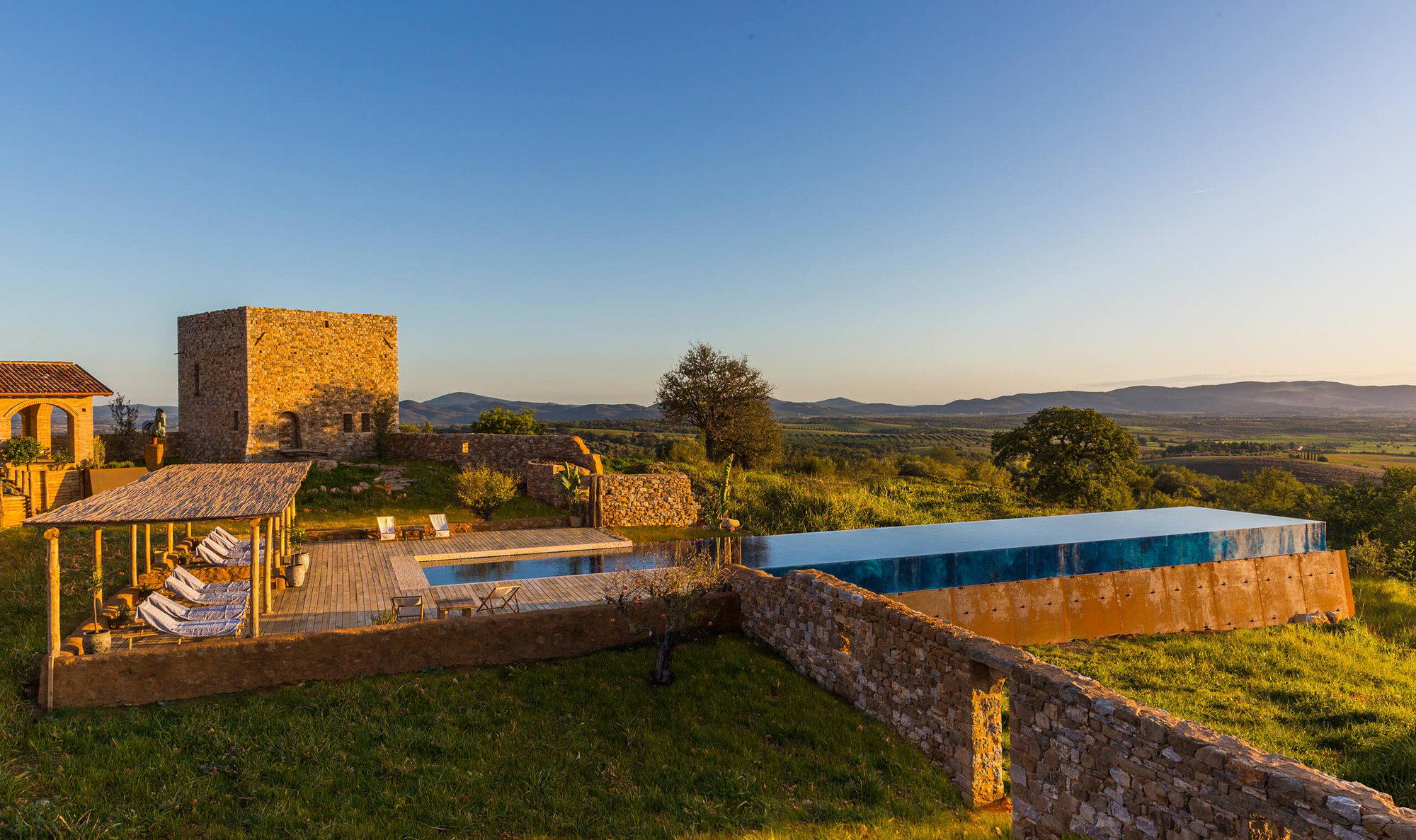
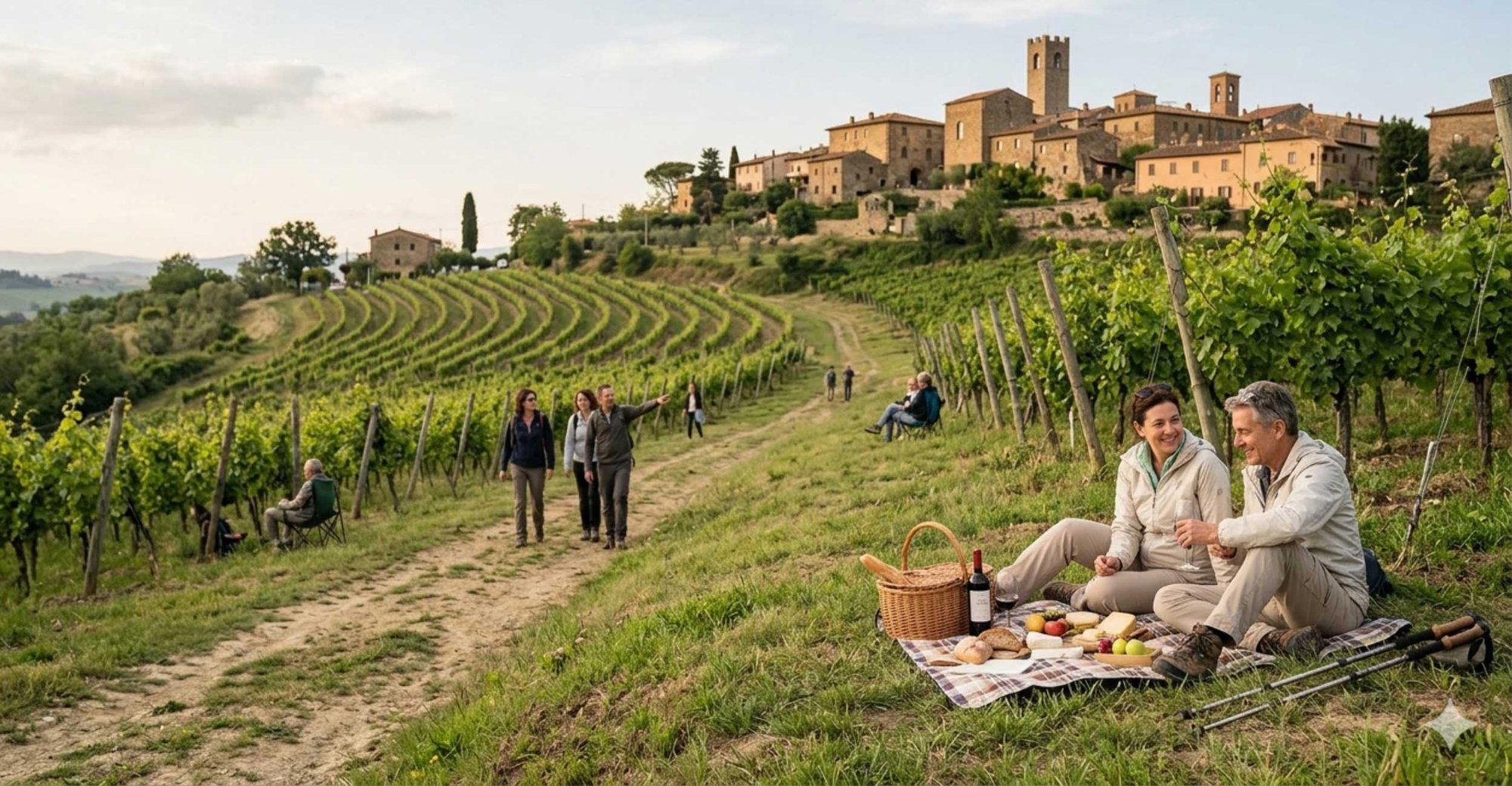
Montemerano is not a stop you make by accident. The village sits in the Maremma Toscana, a stretch of southern Tuscany that spent decades overshadowed by Chianti to the north and the Amalfi coast to the south, its own agricultural richness largely untrumpeted. Getting here requires commitment: the nearest train connections are distant, and the final approach winds through low hills thick with cork oak and wild broom. That deliberateness matters to what Caino is. A restaurant reached only by decision, it has cultivated a guest who arrives prepared to slow down.
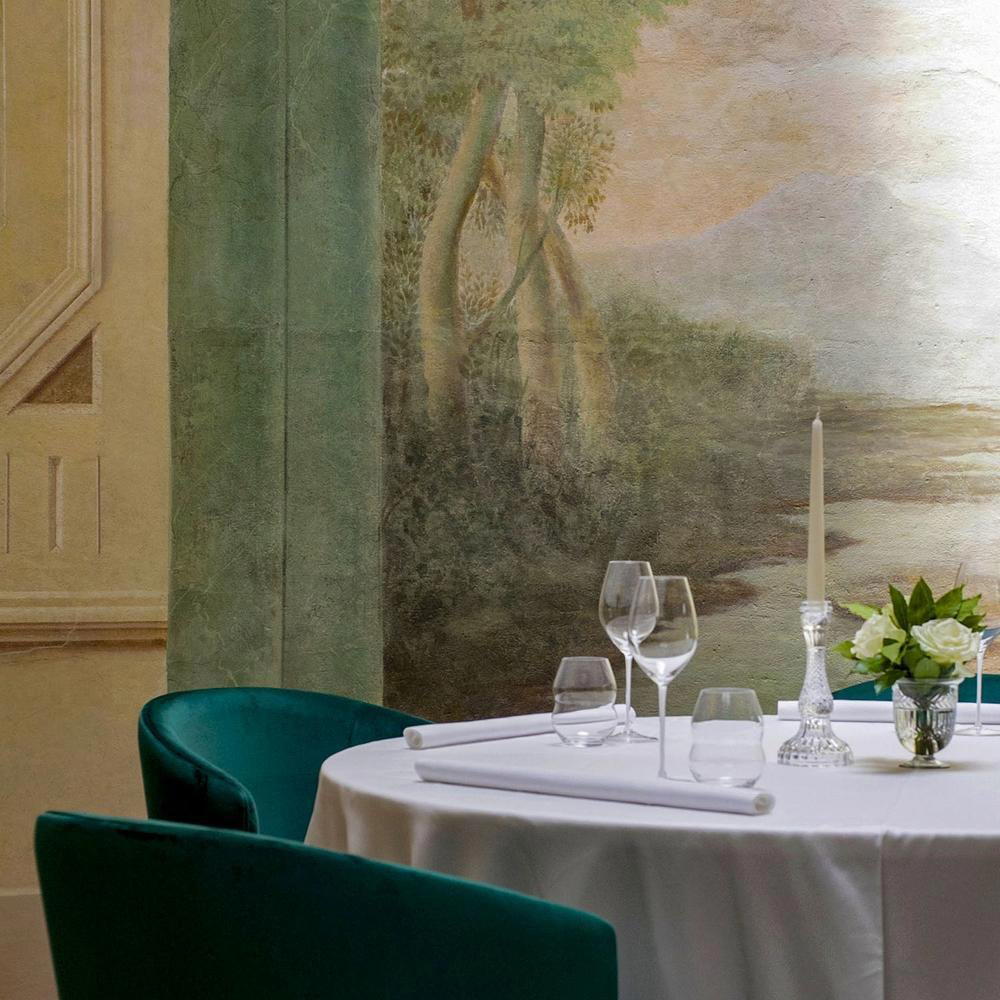
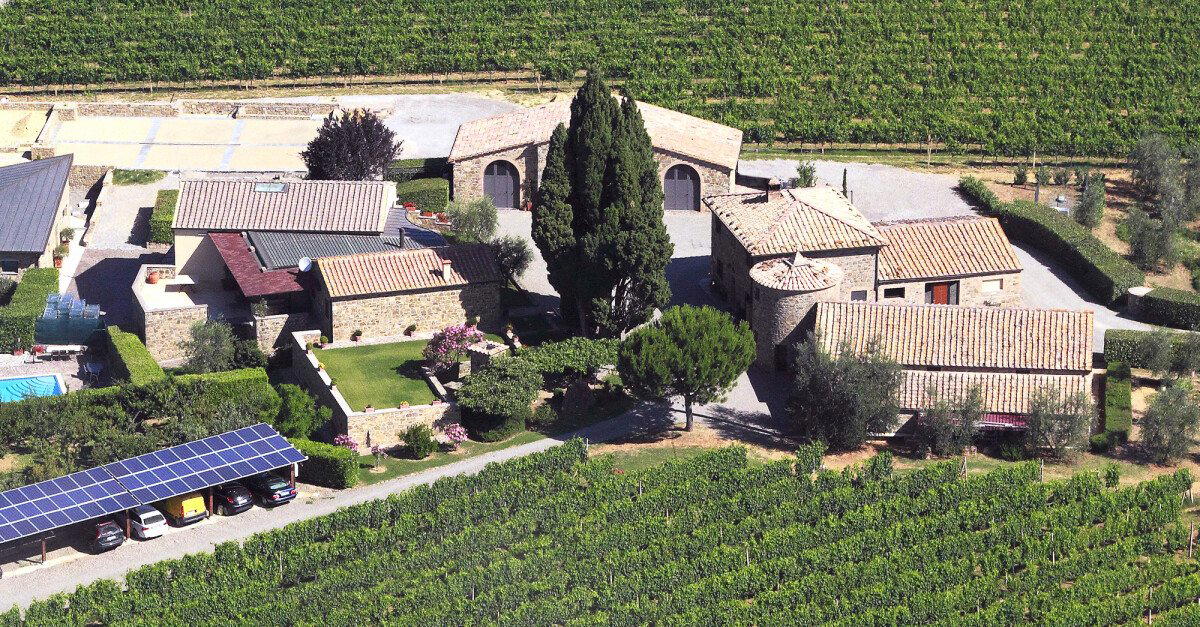
Via della Chiesa, 4 places the restaurant inside the village's historic fabric, steps from the church that gives the street its name. The physical setting does the atmospheric work quietly: stone walls, the scale of a building that predates modern hospitality categories, rooms upstairs that allow guests to extend the evening into the next morning rather than face a late drive out. For those travelling from Siena, Florence, or Rome, the logic of staying the night is self-evident.
Maremma's Culinary Character and Where Caino Sits Within It
Italian regional cooking has a structural problem that becomes more acute at the premium end: the further a kitchen moves from its source territory, the more it risks becoming an abstraction of itself. The two-Michelin-star tier in Italy contains houses that have resolved this tension in different ways. Osteria Francescana in Modena and Le Calandre in Rubano operate through conceptual distance from their ingredients, using the intellectual frame of contemporary cuisine to reprocess tradition. Dal Pescatore in Runate, like Caino, takes the opposite approach: the territory supplies the logic, and the kitchen's job is to honour that logic without ornament.
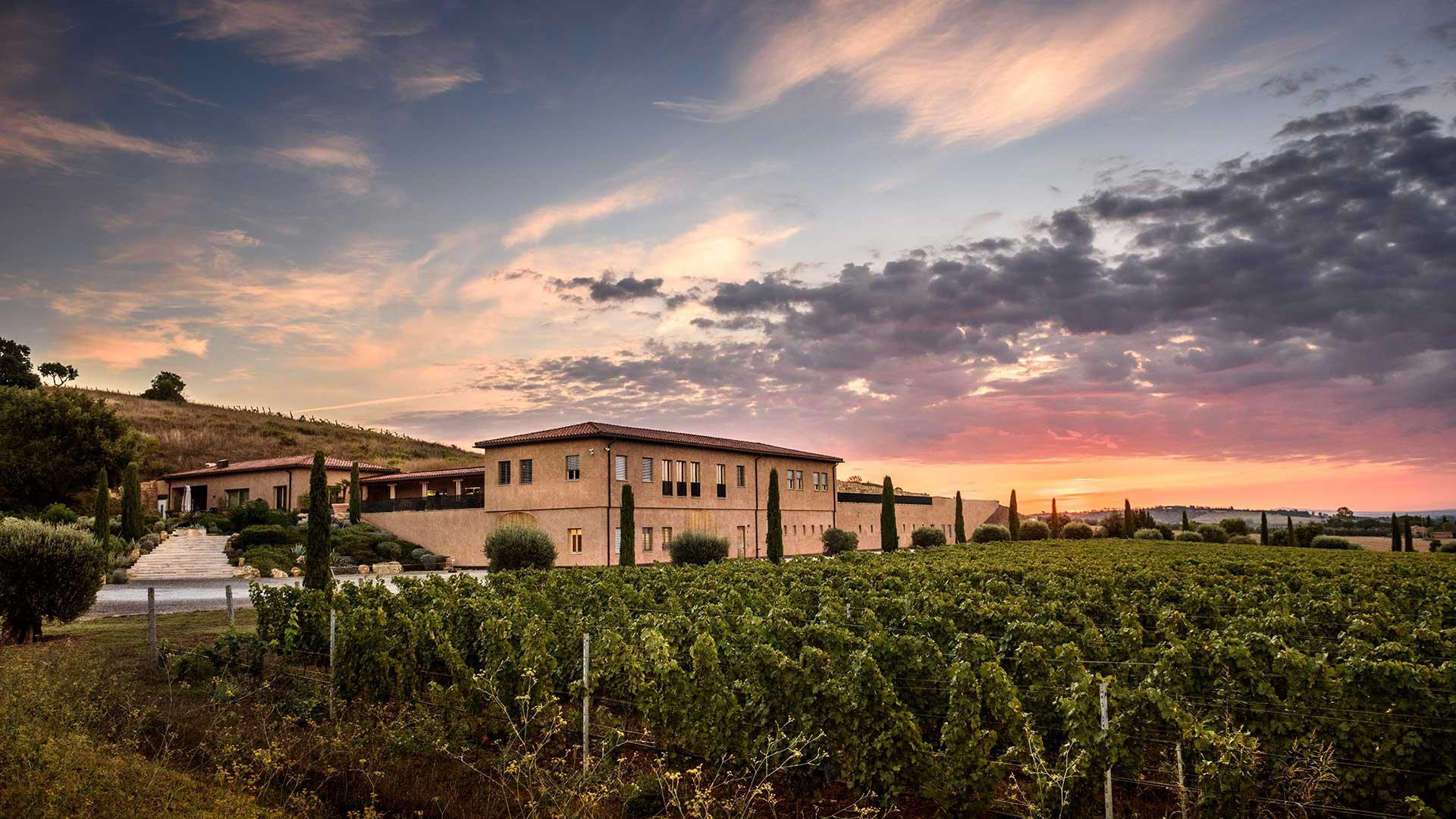
Maremma's terroir is generous in ways that don't always register in the national culinary conversation. The coast delivers fish and shellfish with less industrial pressure than the more trafficked Adriatic. The interior produces lamb, pigeon, and game with a flavour density that reflects genuine pasture. Wild vegetables, foraged herbs, and the estate's own olive oil add layers that purchased ingredients cannot replicate. Caino has formalised this relationship by producing olive oil and some wines directly from the surrounding land, which places the kitchen's sourcing at a different point on the supply chain than most restaurants at this price tier.
Within this context, chef Valeria Piccini's role is less that of a flavour inventor and more that of a precise editor. The La Liste citation, which awarded 90 points in both 2025 and 2026 and describes her as a "skilful seeker of superior materials," frames the work accurately: the craft lies in selection and restraint, not transformation for its own sake. Piccini holds two Michelin stars as of 2025, a recognition sustained across multiple consecutive guides, which signals consistency rather than a single brilliant season. Opinionated About Dining ranked the restaurant 279th among Classical European tables in 2025, up from 333rd in 2024, placing it within a competitive set that values fidelity to tradition over experimentation.
What the Kitchen Actually Does
The Maremma menu at this level moves between land and sea with less friction than inland kitchens further north. The La Liste description references lamb ravioli and pigeon stuffed with mashed potato and its own entrails on the meat side, a preparation that speaks to a whole-animal philosophy: nothing precious, nothing wasted, the organ meat treated as flavour rather than challenge. On the seafood side, a risotto with cardoncelli mushrooms, lovage, and langoustines sits at the intersection of coast and forest that defines Maremma cooking, and amberjack prepared with asparagus and almonds reflects the kitchen's tendency to pair fish with seasonal land vegetables rather than relying on purely marine contexts.
These aren't dishes constructed to photograph well. They read as cooking that has been refined through repetition rather than reinvention, where the goal is flavour density rather than novelty. That approach places Caino in a specific tradition of Italian fine dining, one that shares more DNA with L'Asinello in Castelnuovo Berardenga or La Sala dei Grapoli in Poggio alle Mura than with the more technically adventurous northern Italian three-star tier represented by Enrico Bartolini in Milan or Piazza Duomo in Alba.
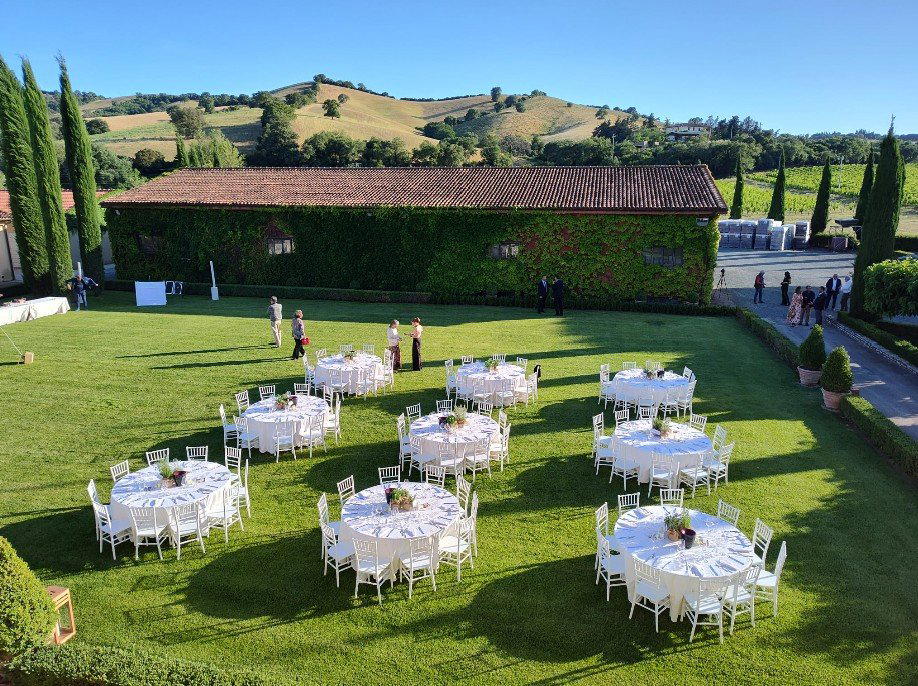
In summer, the opening of Il Giardino di Caino on the terrace introduces a parallel format: a bistro register drawing even more explicitly on family tradition, where the recipes are described as more deeply rooted in ancient preparations. This seasonal bifurcation, with a formal dining room running alongside a more casual outdoor expression of the same kitchen's values, is a structural pattern seen at other Italian estates that want to serve the territory's character at multiple price and formality levels without diluting either.
The Cellar and the Family Operation
Andrea Piccini manages the wine cellar, which the La Liste citation describes as well-stocked. The Maremma is itself a significant wine zone: Morellino di Scansano, Montecucco, and the broader Maremma DOC frame a cellar that can draw on strong local production without relying solely on Tuscany's more famous northern appellations. A family-run front-of-house at this level, where the person managing service shares the same surname as the person running the kitchen, creates a coherence of purpose that larger brigade operations sometimes lose. The Italian fine dining tradition has several such houses: Quattro Passi in Marina del Cantone and Casa Perbellini 12 Apostoli in Verona operate in a similar register of family continuity at the two-star level.
This is not to say that family operation guarantees quality. It does, however, tend to produce a different kind of hospitality: one less concerned with the theatre of service and more focused on making guests feel they are eating in a private house that happens to operate at professional standards. At the price range Caino occupies (€€€€), that quality of ease is not automatic, and it is worth factoring into the decision to travel this far.
Where Caino Sits in the Broader Italian Two-Star Conversation
Italy's two-Michelin-star tier is crowded with distinguished addresses. The comparison set for Caino is not the three-star houses like Enoteca Pinchiorri in Florence or Atelier Moessmer Norbert Niederkofler in Brunico, nor is it city-based fine dining. It belongs to a niche of destination restaurants in rural or semi-rural settings, where the journey is part of the proposition and the cooking is inseparable from the place. Reale in Castel di Sangro and Uliassi in Senigallia sit in this same structural category, where the location is not incidental but constitutive. The food at Caino would mean something different in Rome or Florence. In Montemerano, it means exactly what it is supposed to mean.
Guests travelling this far have arrived with high expectations; a 4.5 average suggests those expectations are being met with consistency.
Planning Your Visit
Service runs Thursday through Monday, with Tuesday and Wednesday closed. Dinner runs from 7:30 to 9:30 pm on Thursday, Friday, and Saturday; lunch is offered on Saturday and Sunday from 12:30 to 2:30 pm, with the Sunday dinner service also running 7:30 to 9:30 pm. The lunch format on weekends is particularly well-suited to guests making a day trip from Siena or the coastal towns of the Maremma, though the presence of rooms upstairs makes an overnight stay the more complete option for anyone travelling from further afield. At the €€€€ price point, the decision to extend the visit into an overnight rather than a single meal is a direct upgrade in value per kilometre travelled.
Reservations are advisable well in advance given the limited evening windows and the restaurant's consistent award recognition across multiple consecutive seasons. For a fuller view of the area, see our full Montemerano restaurants guide, our Montemerano hotels guide, our Montemerano bars guide, our Montemerano wineries guide, and our Montemerano experiences guide.
Frequently asked questions
What price level is Caino?
Pricing at Caino is listed as €€€€.
A Quick Peer Check
| Venue | Cuisine | Price | Awards | Notes |
|---|---|---|---|---|
| CainoThis venue (the venue you are viewing) | Modern Tuscan Maremma | $100–150 | 2 Michelin Stars · La Liste Top Restaurants | Not listed |
| Atelier Moessmer Norbert Niederkofler | Modern Alpine Fine Dining | $300–500 | 3 Michelin Stars · World's 50 Best #20 | Italian, Creative |
| Dal Pescatore | Classic Italian Fine Dining | $200–300 | 3 Michelin Stars · World's 50 Best #38 | Italian, Italian Contemporary |
| Enoteca Pinchiorri | Contemporary Italian Fine Dining | $200–300 | 3 Michelin Stars · World's 50 Best #32 | Italian - French, Italian Contemporary |
| Enrico Bartolini | Modern Italian Fine Dining | $300–500 | 3 Michelin Stars · World's 50 Best #85 | Creative |
| Osteria Francescana | Avant-Garde Italian Contemporary | $300–500 | 3 Michelin Stars · World's 50 Best #1 | Progressive Italian, Creative |
Recognition history
Dated appearances from independent guides and award organizations, with the underlying list record or original source where available.
Michelin 2 Stars
Michelin
La Liste Top Restaurants
La Liste
Falstaff Restaurant - 95 Falstaff Points
Falstaff
Opinionated About Dining Classical in Europe Ranked #279
Opinionated About Dining
Full recognition history (9 entries)
La Liste Top Restaurants
La Liste
Michelin 2 Stars
Michelin
Michelin 2 Stars
Michelin
Opinionated About Dining Classical in Europe Ranked #333
Opinionated About Dining
Opinionated About Dining Classical in Europe Recommended
Opinionated About Dining
Continue exploring
More in Montemerano
Restaurants in Montemerano
All restaurants in Montemerano →
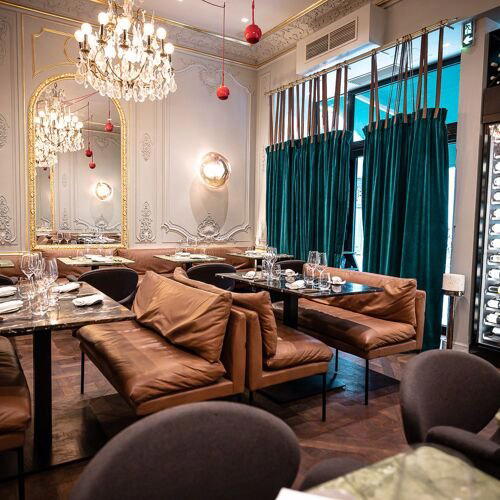
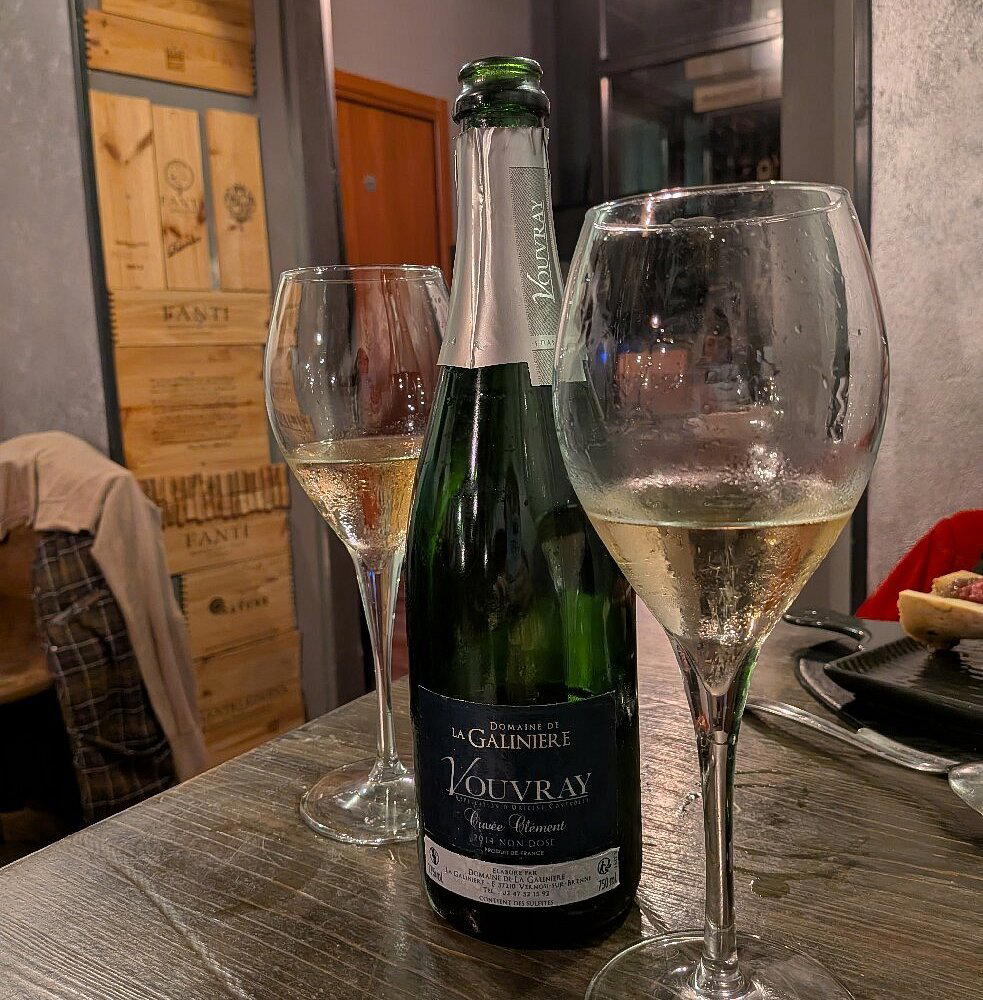
Bars in Montemerano
Browse all →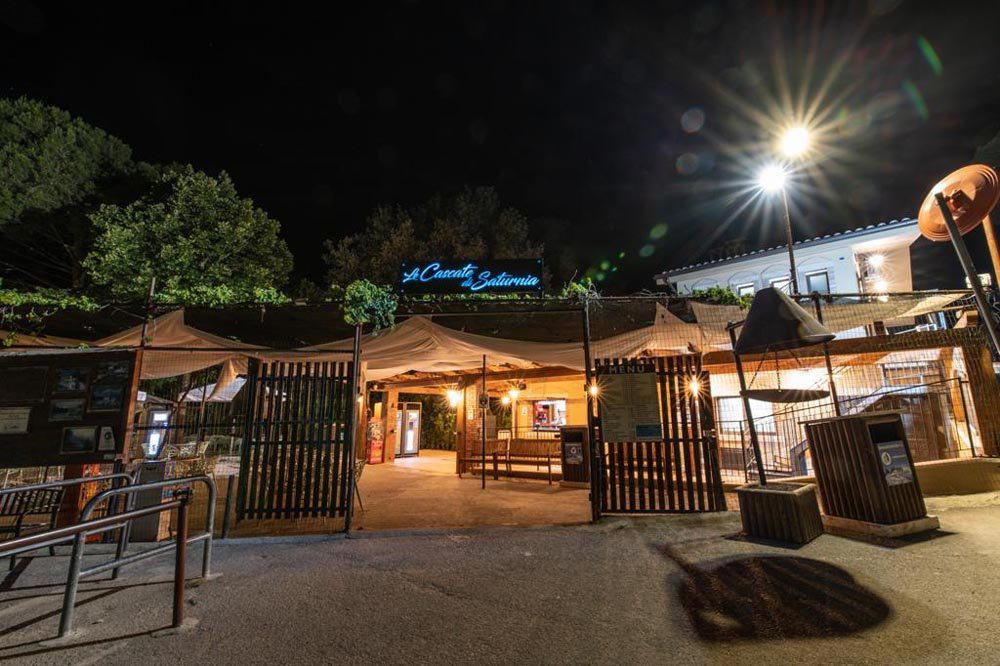
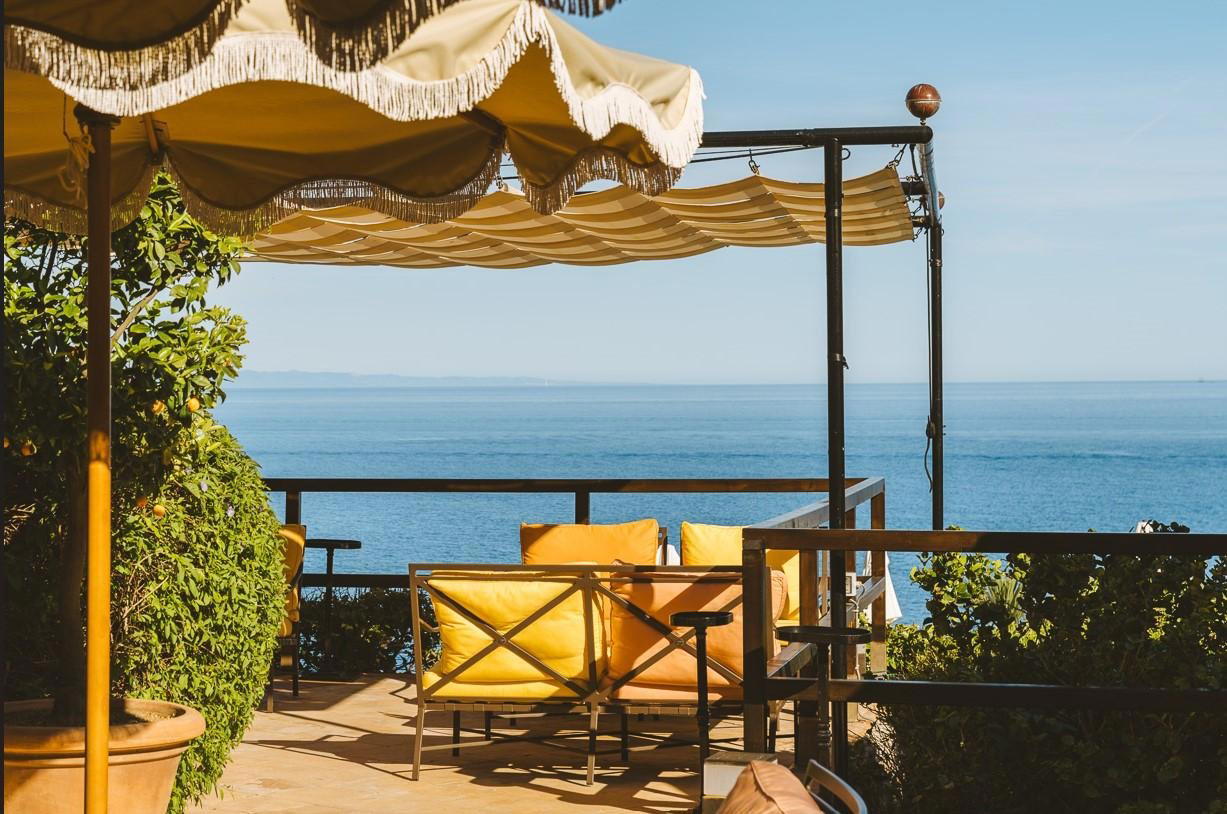
Caino
The wine
- Wine program
- Deep wine list
- Extensive wine list
- Sommelier-led
Details
- Elegant
- Rustic
- Intimate
- Sophisticated
- Special Occasion
- Date Night
- Celebration
- Terrace
- Extensive Wine List
- Sommelier Led
- Local Sourcing
- Tasting Menu
- Wine
- Vegetarian Friendly
- Gluten Free Options
Current opening hours
- Monday
- 7:30–9:30 PM
- Tuesday
- Closed
- Wednesday
- Closed
- Thursday
- 7:30–9:30 PM
- Friday
- 7:30–9:30 PM
- Saturday
- 12:30–2:30 PM, 7:30–9:30 PM
- Sunday
- 12:30–2:30 PM, 7:30–9:30 PM
Hours can change for holidays and private events. Hours as of .
Friendly and relaxing atmosphere in two small rooms with professional service and attention to detail.